George Chapman byl anglický dramatik, překladatel a básník, jehož dílo nese silný vliv stoicismu. Jako klasický učenec se vyznačoval hlubokým zájmem o antické dědictví, což se odráží v jeho poezii i dramatech. Jeho tvůrčí styl byl předzvěstí metafyzických básníků 17. století, zatímco jeho překlady Homérových eposů patří k vrcholům anglické překladatelské tvorby. Chapmanův odkaz spočívá v jeho precizním zpracování klasických témat a v jeho jedinečném literárním hlasu.
This is an account of how the author, facing possible blindness, consulted the medium, George Chapman. Chapman was purported to be controlled by a famous consultant surgeon, Willliam Lang, who died in 1937. To Hutton's astonishment, he was cured, and Hutton decided to investigate further.
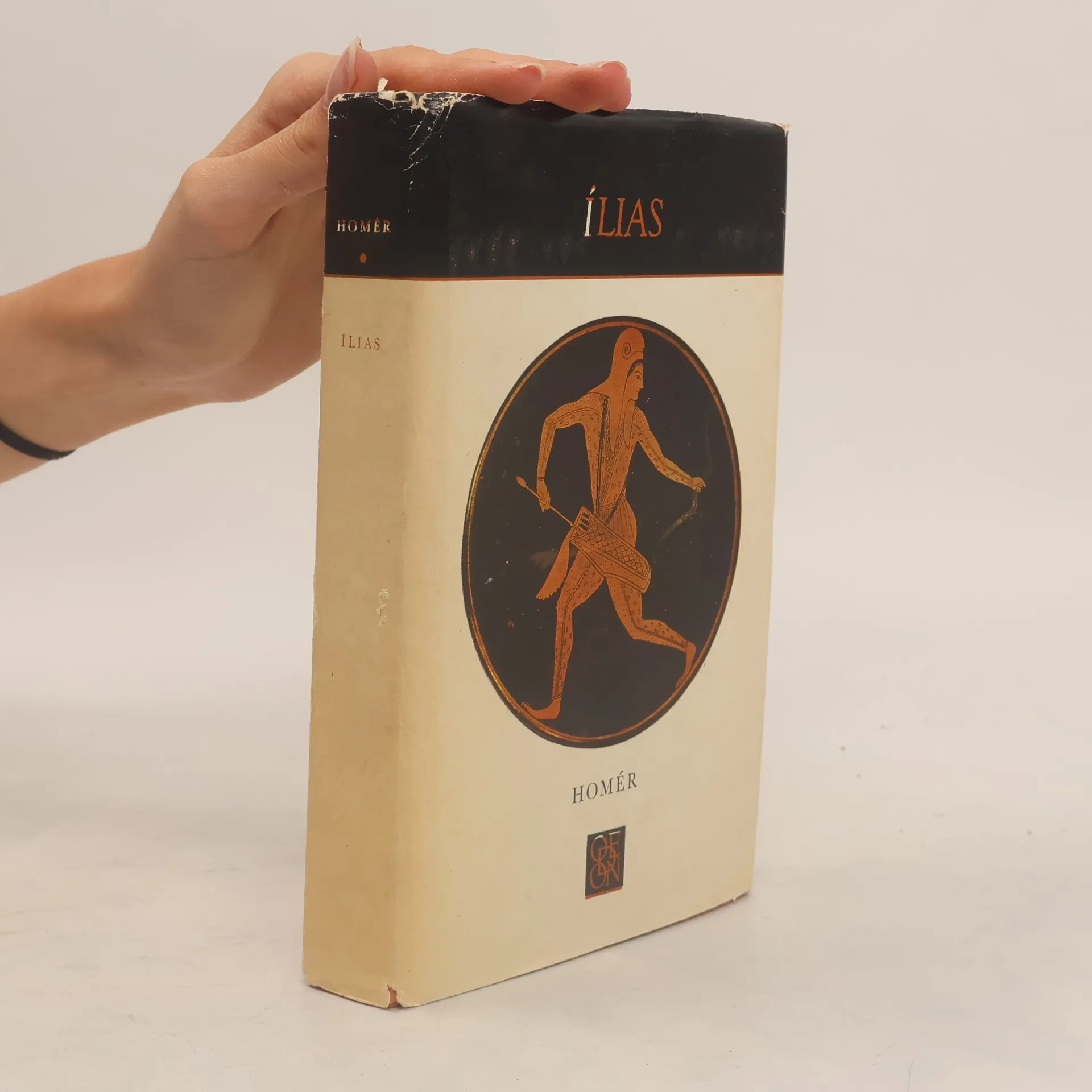
Epos o trojské válce, zobrazující ve 24 zpěvech dobrodružství, válečné i milostné příběhy Agamemmona, Achillea, Odyssea, Parida, Heleny, Hektora aj. i svět olympských bohů, vychází v novém, moderním překladu. Na obálce barevná reprodukce řeckého talíře zdobeného malířem Epiktétem.Obsah: Příčinou války byl únos krásné Heleny, manželky spartského krále Meneláa, synem trojského krále Priama, kralevicem Paridem. Meneláos se svým bratrem Agamemnonem zorganizoval odvetné tažení řeckých kmenů proti Tróji. Epos líčí události posledního, desátého roku války, které vyjadřují hněv Achilleův. Řek Achilleus, jemuž je předurčena velká sláva a blízká smrt, se odmítá zúčastnit dalších bojů, neboť Agamemnon mu odňal ukořistěnou otrokyni Bríseovnu. Uražený Achilles půjčí svou zbroj příteli Patroklovi, ten je však zabit trojským hrdinou Hektorem. V souboji Meneláa s únoscem Paridem Paris sice umírá, nakonec je však zachráněn bohyní Afroditou. Vyvrcholením eposu je vylíčení souboje Achillea, mstícího smrt přítele Patrokla, s Hektorem, který končí Achilleovým vítězstvím a potupou zabitého Hektora, vláčeného kolem trojských hradeb a nakonec vydaného králi Priamovi. 01-083-80
This reprint of a classic work from 1857 offers readers a chance to explore the themes and ideas that shaped its time. The book retains the original text, providing an authentic glimpse into the historical context and cultural nuances of the era. It serves as a valuable resource for those interested in literature's evolution and the societal issues reflected in 19th-century writings.
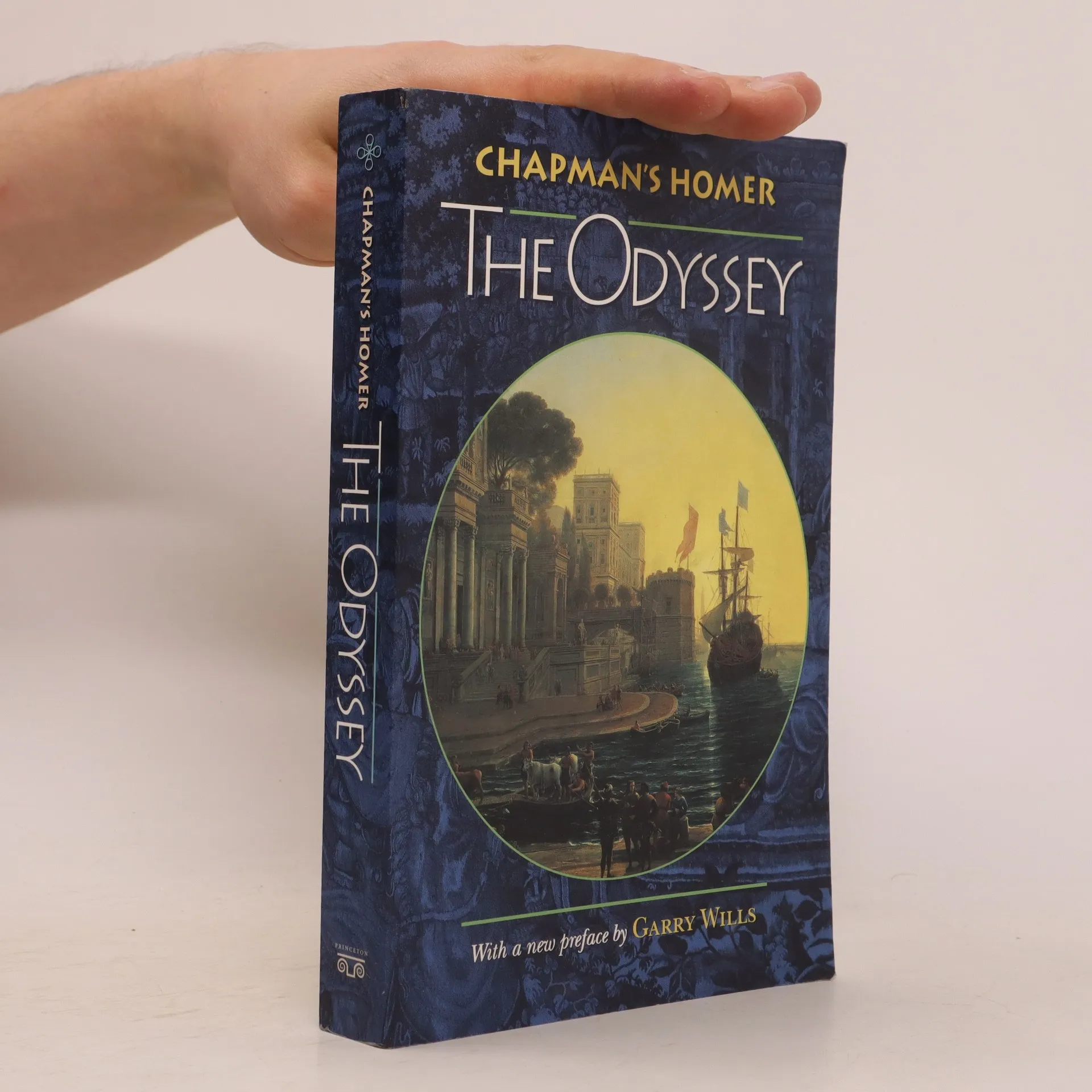
George Chapman's translations of Homer are among the most famous in the English language. Keats immortalized the work of the Renaissance dramatist and poet in the sonnet "On First Looking into Chapman's Homer." Swinburne praised the translations for their "romantic and sometimes barbaric grandeur," their "freshness, strength, and inextinguishable fire." The great critic George Saintsbury (1845-1933) wrote: "For more than two centuries they were the resort of all who, unable to read Greek, wished to know what Greek was. Chapman is far nearer Homer than any modern translator in any modern language." This volume presents the original text of Chapman's translation of the Odyssey (1614-15), making only a small number of modifications to punctuation and wording where they might confuse the modern reader. The editor, Allardyce Nicoll, provides an introduction, textual notes, a glossary, and a commentary. Garry Wills's preface to the Odyssey explores how Chapman's less strained meter lets him achieve more delicate poetic effects as compared to the Iliad. Wills also examines Chapman's "fine touch" in translating "the warm and human sense of comedy" in the Odyssey. Oft of one wide expanse had I been told That deep-browed Homer ruled as his demesne; Yet did I never breathe its pure serene Till I heard Chapman speak out loud and bold. --John Keats