

This reprint of a classic work from 1857 offers readers a chance to explore the themes and ideas that shaped its time. The book retains the original text, providing an authentic glimpse into the historical context and cultural nuances of the era. It serves as a valuable resource for those interested in literature's evolution and the societal issues reflected in 19th-century writings.
George Chapman Pořadí knih (chronologicky)
1. leden 1559 – 12. květen 1634
George Chapman byl anglický dramatik, překladatel a básník, jehož dílo nese silný vliv stoicismu. Jako klasický učenec se vyznačoval hlubokým zájmem o antické dědictví, což se odráží v jeho poezii i dramatech. Jeho tvůrčí styl byl předzvěstí metafyzických básníků 17. století, zatímco jeho překlady Homérových eposů patří k vrcholům anglické překladatelské tvorby. Chapmanův odkaz spočívá v jeho precizním zpracování klasických témat a v jeho jedinečném literárním hlasu.

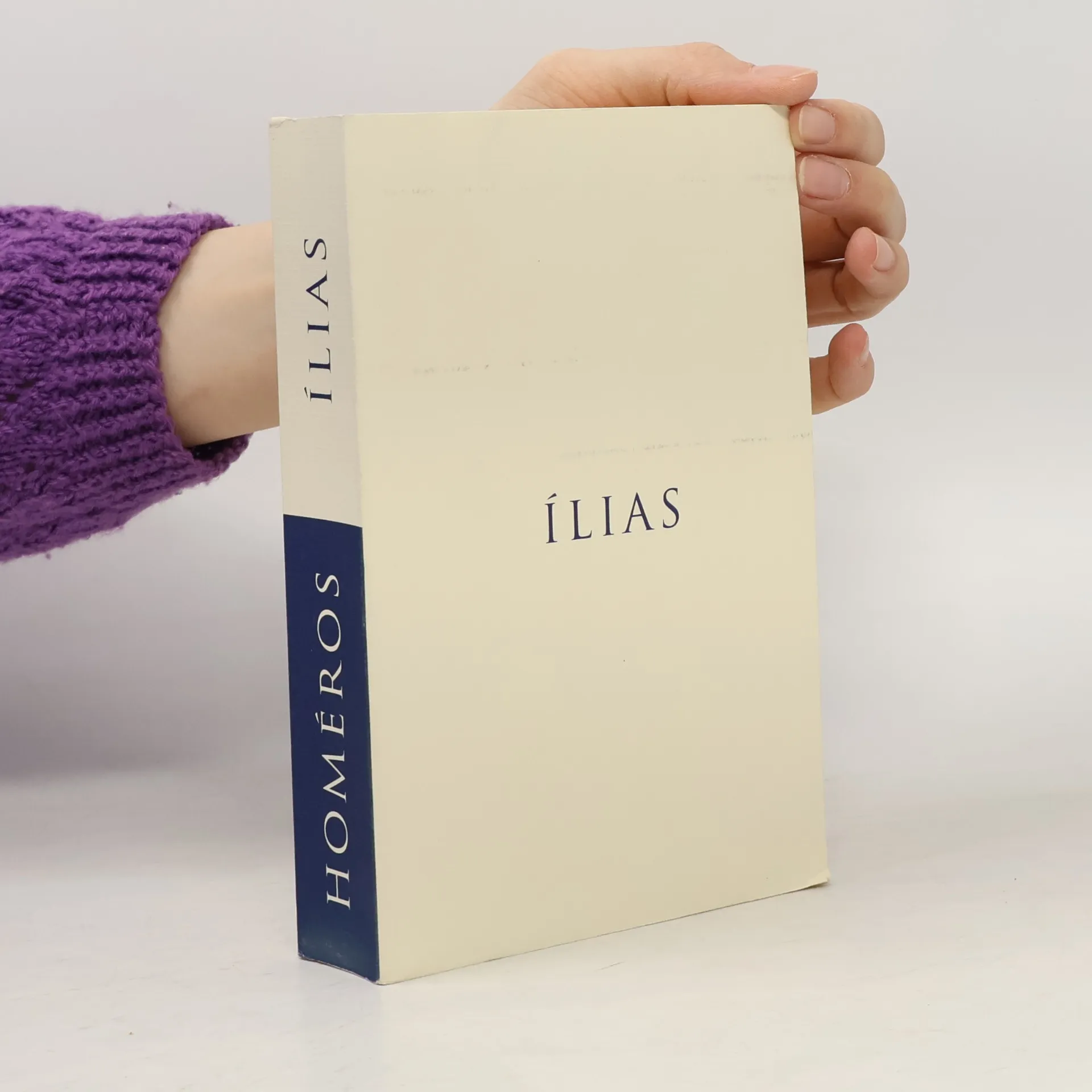
Ílias
- 598 stránek
- 21 hodin čtení
Homérovy eposy tvoří jeden ze základů evropské vzdělanosti, ocitly by se v seznamu pěti nejdůležitějších literárních děl evropské kultury, a to na místech předních. Opětovné vydání, tentokrát v kapesní a lacinější formě - díky velkorysé subvenci sponzora - poskytne dorůstajícím generacím studentů a badatelů praktické vydání k soustavnému studiu. Překlady, které nepocházejí od Otmara Vaňorného, většinou postrádají číslování veršů a pro badatelské a studijní použití jsou nepoužitelné. Naše vydání při dostupné ceně spojuje i zřetel použitelnosti v odborném kontextu. Překlad Otmara Vaňorného se svým nádechem archaičnosti je zatím nepřekonaným přetlumočením Homérových eposů.
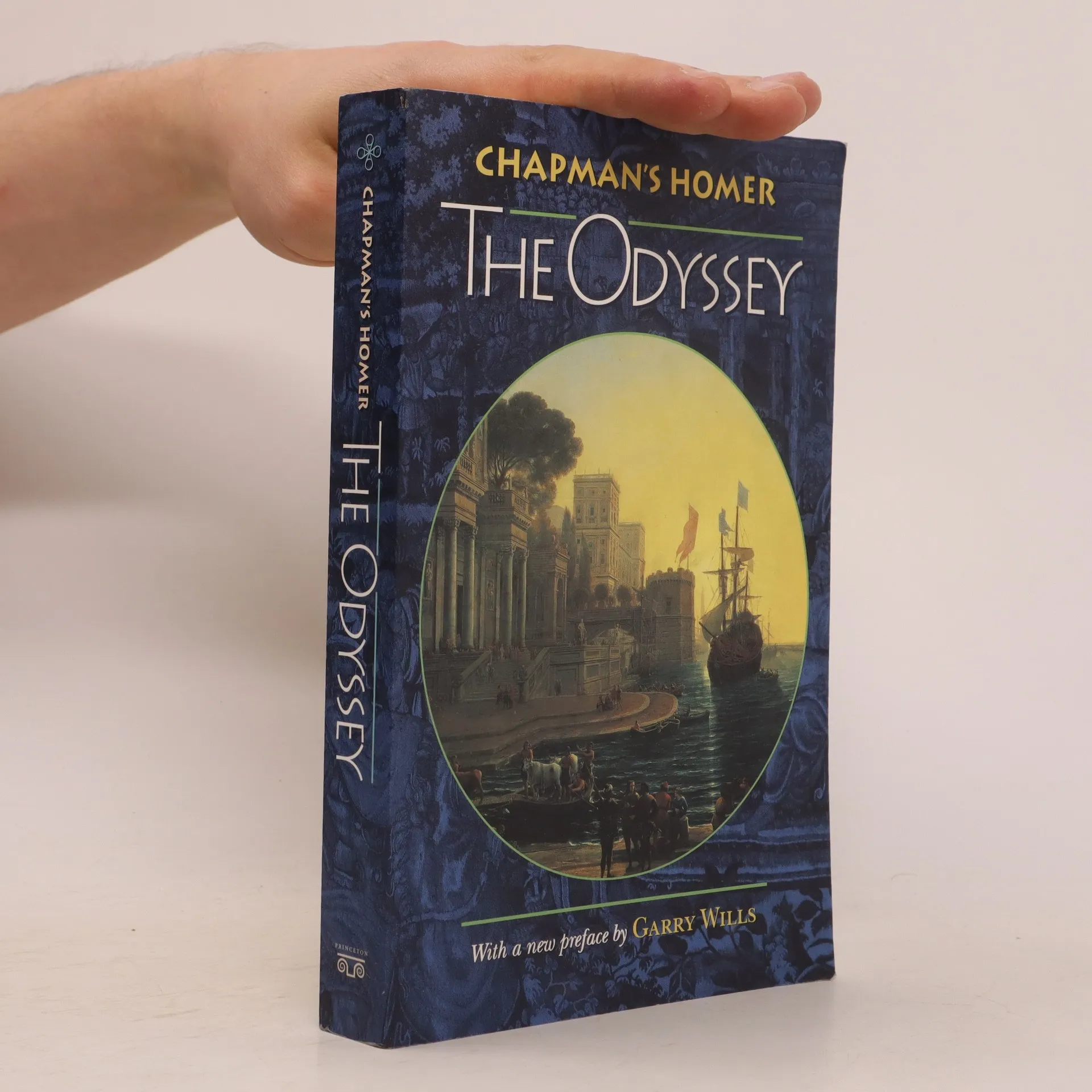
Chapman's Homer. The Odyssey
- 532 stránek
- 19 hodin čtení
George Chapman's translations of Homer are among the most famous in the English language. Keats immortalized the work of the Renaissance dramatist and poet in the sonnet "On First Looking into Chapman's Homer." Swinburne praised the translations for their "romantic and sometimes barbaric grandeur," their "freshness, strength, and inextinguishable fire." The great critic George Saintsbury (1845-1933) wrote: "For more than two centuries they were the resort of all who, unable to read Greek, wished to know what Greek was. Chapman is far nearer Homer than any modern translator in any modern language." This volume presents the original text of Chapman's translation of the Odyssey (1614-15), making only a small number of modifications to punctuation and wording where they might confuse the modern reader. The editor, Allardyce Nicoll, provides an introduction, textual notes, a glossary, and a commentary. Garry Wills's preface to the Odyssey explores how Chapman's less strained meter lets him achieve more delicate poetic effects as compared to the Iliad. Wills also examines Chapman's "fine touch" in translating "the warm and human sense of comedy" in the Odyssey. Oft of one wide expanse had I been told That deep-browed Homer ruled as his demesne; Yet did I never breathe its pure serene Till I heard Chapman speak out loud and bold. --John Keats
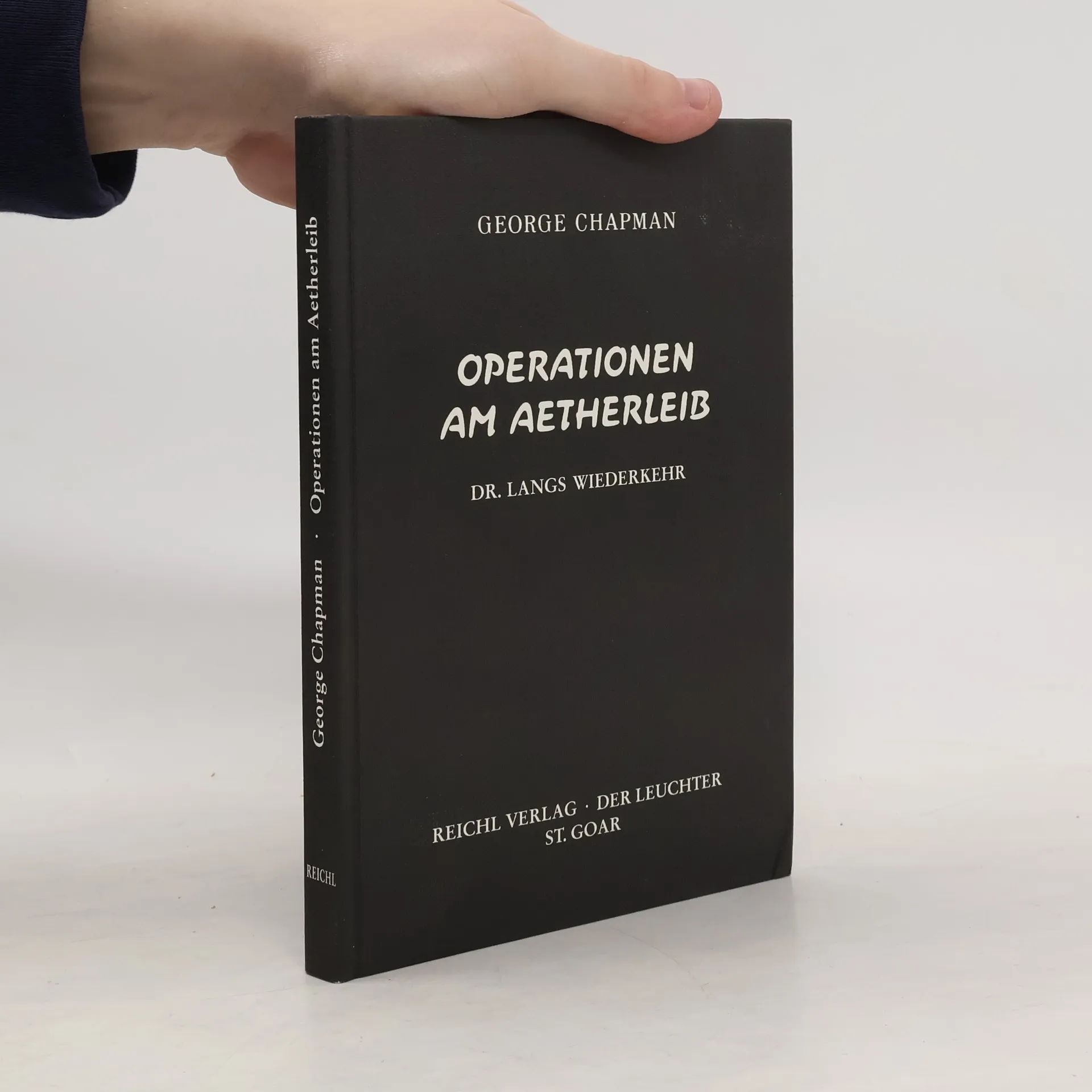
Operationen am Aetherleib
- 116 stránek
- 5 hodin čtení
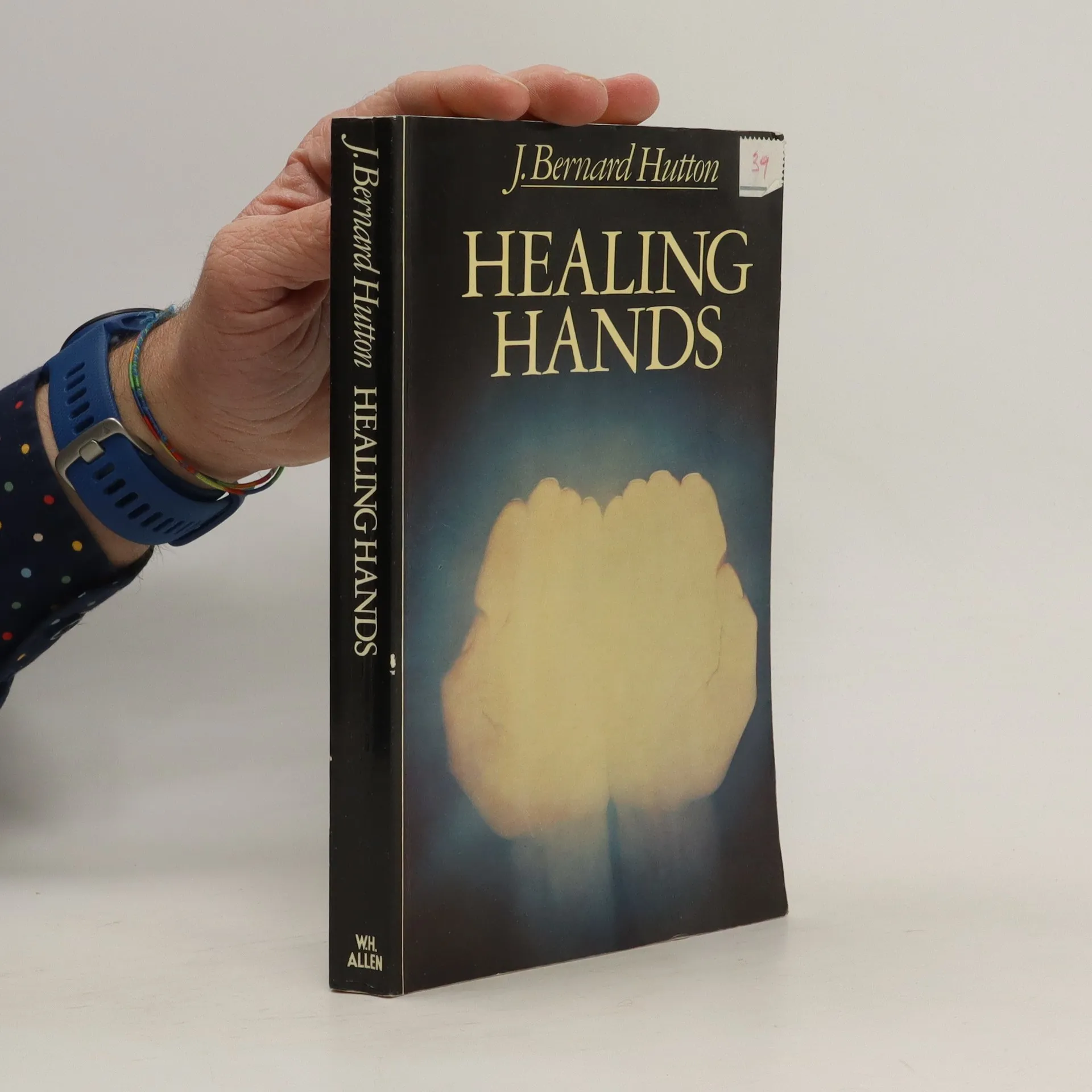
Healing Hands
- 216 stránek
- 8 hodin čtení
This is an account of how the author, facing possible blindness, consulted the medium, George Chapman. Chapman was purported to be controlled by a famous consultant surgeon, Willliam Lang, who died in 1937. To Hutton's astonishment, he was cured, and Hutton decided to investigate further.