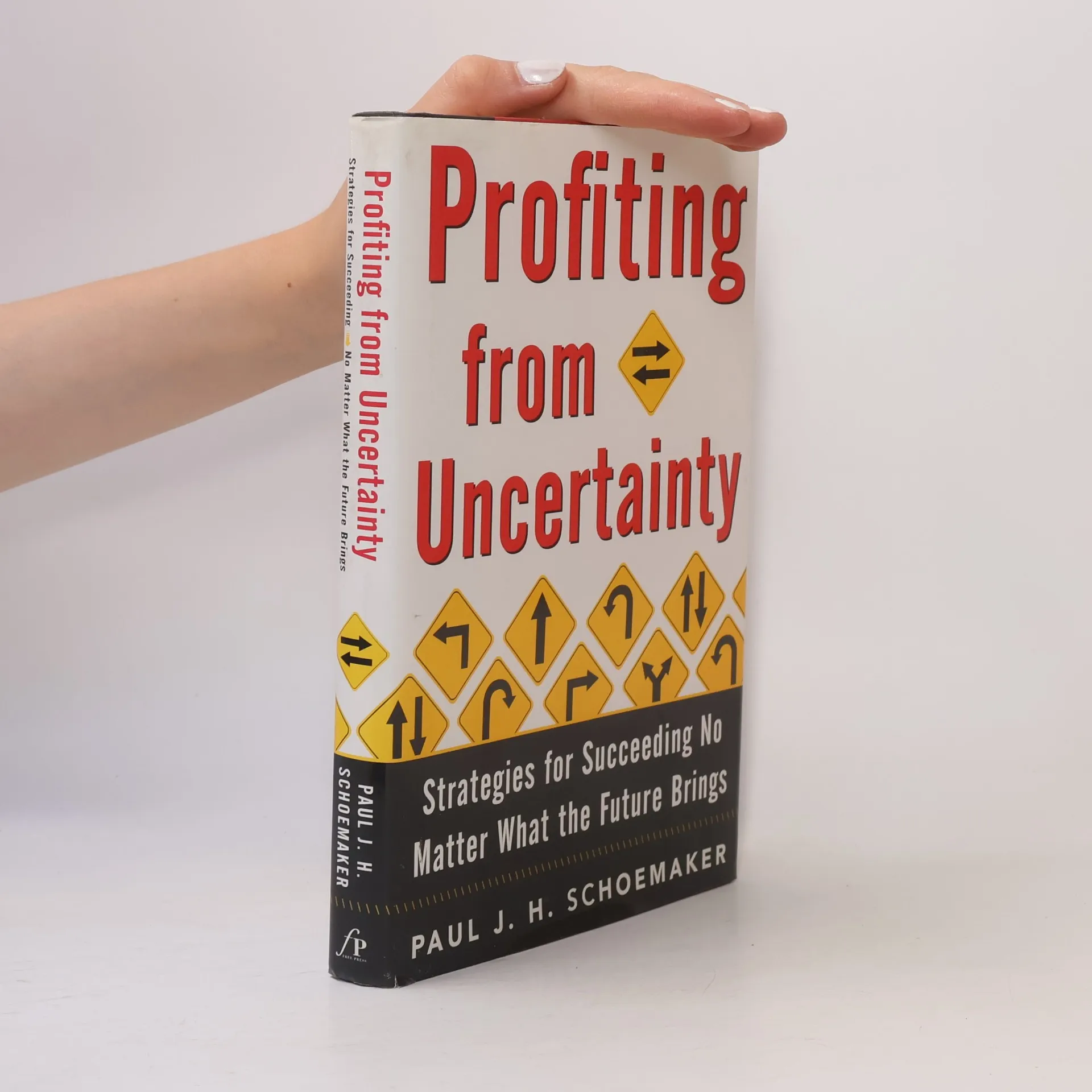

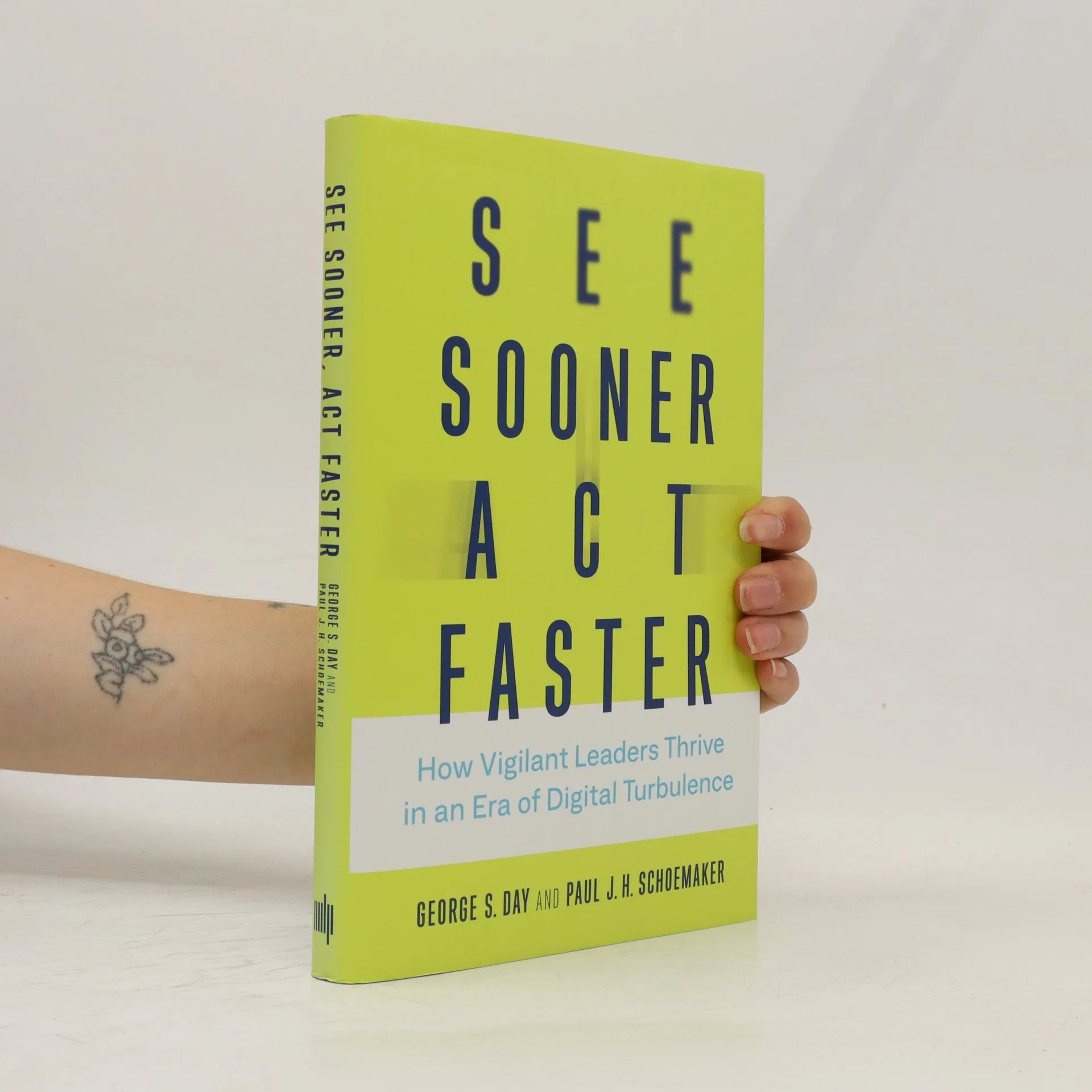
Organizations must anticipate threats, identify opportunities, and act swiftly in today's turbulent environment. In this insightful work, strategy experts George Day and Paul Schoemaker provide essential tools for thriving amidst the challenges posed by rapid digital advancements. They emphasize that vigilant firms possess greater foresight than their competitors, while those lacking vigilance often overlook early warning signals of external threats and internal challenges. For instance, Charles Schwab capitalized on the potential of "robo-advisors," while Honeywell faltered against Nest Labs' innovative "smart" thermostat. The authors guide leaders in assessing their organization's vigilance capabilities and fostering insight throughout their teams. Drawing on diverse case studies, such as Adobe and Intuit's cloud transition, Shell's clean energy investments, and MasterCard's proactive approach to digital challenges, they illustrate how to effectively allocate attention, discern weak signals from noise, and strategically respond ahead of competitors. The focus is not only on acting quickly but also wisely, with suggestions for developing dynamic portfolios of options. An actionable agenda is provided to enhance vigilance and agility, ultimately leading to stronger market positions, increased profits, motivated employees, and long-term organizational success.
"Executives rate decision-making ability as the most important business skill, but few people have the training they need to make good decisions consistently. Becoming a good decision-maker is like training to be a top athlete: Just as the best coaches use training methods to help athletes develop proper techniques and avoid mistakes, Dr. J. Edward Russo and Dr. Paul J.H. Schoemaker have developed a program that can help you avoid 'decision traps' - the ten common decision-making errors that most people make over and over again. Dr. Russo and Dr. Schoemaker have improved the decision-making skills of thousands of Fortune 500 executives with this program. Now you can use their decision-making techniques to make sure that you last bad decision was your last bad decision." -- back cover
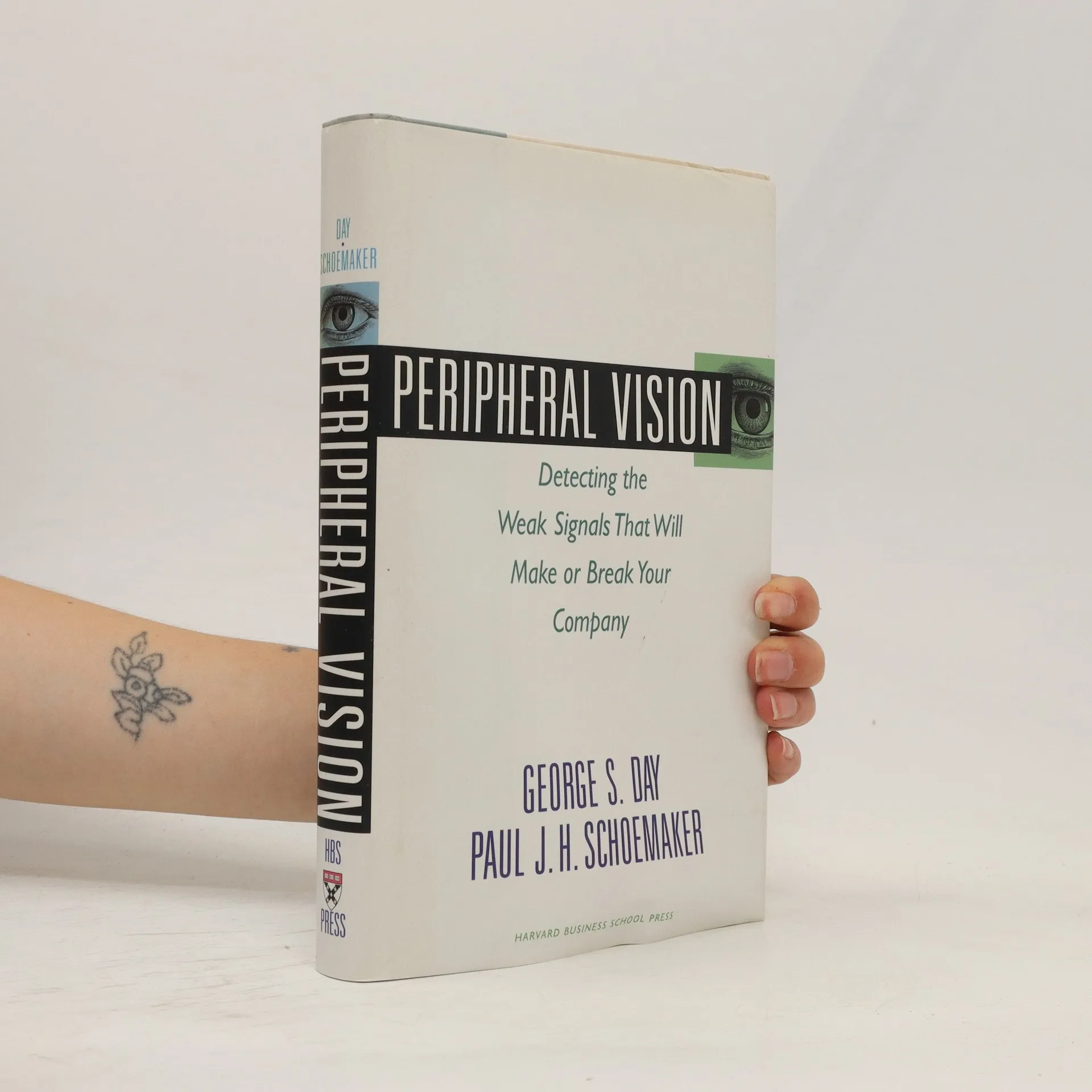
From emerging technologies to changes in consumer tastes, tremendous opportunities and threats often begin as weak signals from the periphery How good is your organisation at sensing, interpreting, and acting on these signals? George S. Day and Paul J. H. Schoemaker call this capability peripheral vision—and their research shows that less than 20 percent of firms have developed it in sufficient capacity to remain competitive. In this book, they reveal a systematic process for developing peripheral vision and offer practical tools and strategies for building "vigilant organisations" that are constantly attuned to changes in the environment. Through detailed case studies ranging from LED lighting to low-carb foods to children's dolls, the authors show how vigilant organisations win scoping widely and asking the right questions; scanning actively in the right places; interpreting what signals mean; probing carefully for more information; and acting wisely on signals before competitors do. This book will help your organisation see farther to seize the opportunities and avoid the risks that come from the periphery.
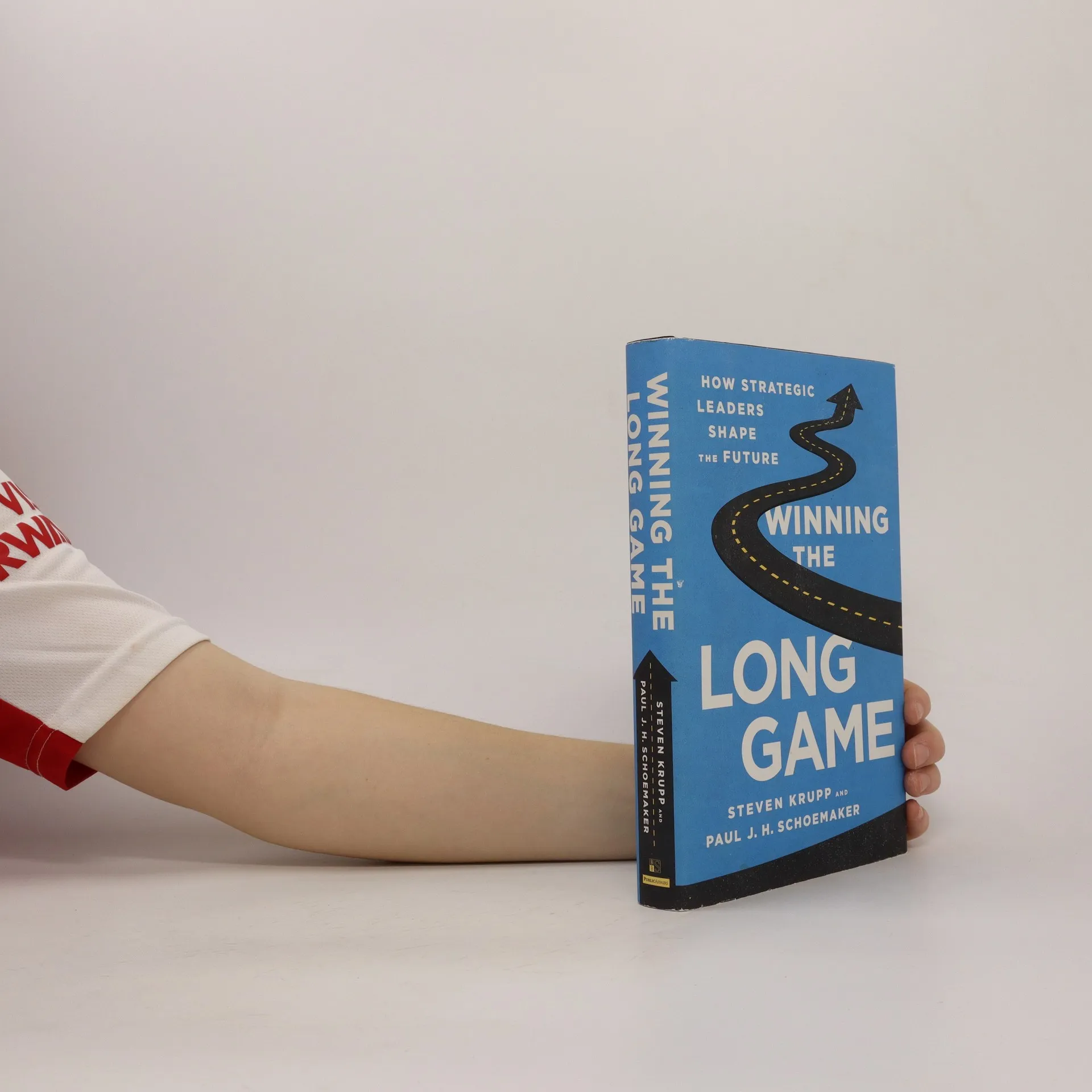
"The number one business challenge is winning the long game by being more strategic: developing the skills to look outside the four walls of the organization and see the world from the future back. Steven Krupp and Paul J.H. Schoemaker bridge the gap between what many see as the separate domains of strategy and leadership to show how to develop the discipline of strategic leadership in a world of growing uncertainty"--Amazon.com.
If you have ever flown in an airplane, used electricity from a nuclear power plant, or taken an antibiotic, you have benefited from a brilliant mistake. Schoemaker provides a practical roadmap for using mistakes to accelerate learning for your organization and yourself.
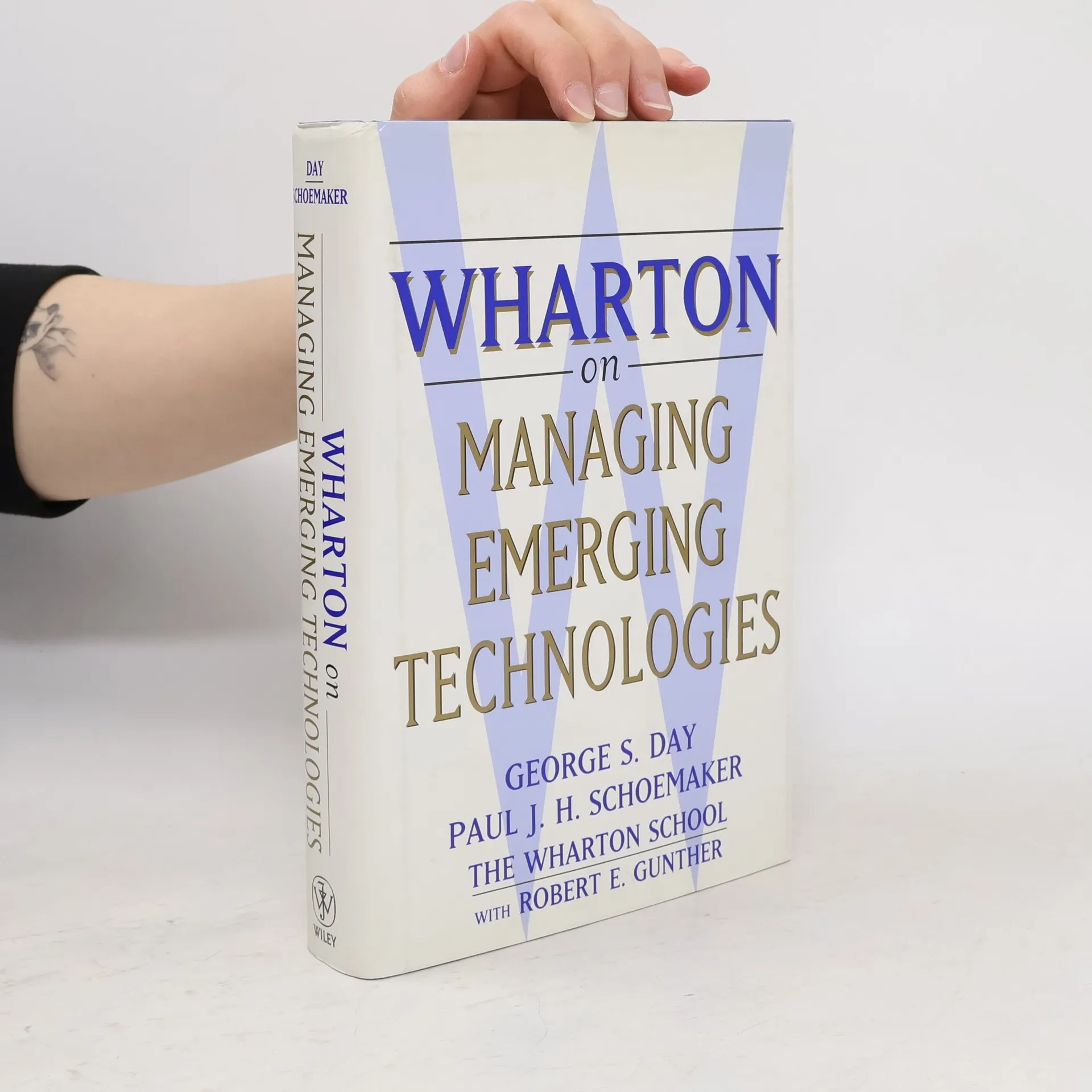
Emerging technologies such as the Internet and biotechnology have the potential to create new industries and transform existing ones. Incumbent firms, despite their superior resources, often lose out to smaller rivals in developing emerging technologies. Why do these incumbents have so much difficulty with disruptive technologies? How can they anticipate and overcome their handicaps? Wharton on Managing Emerging Technologies presents insights, tools, and frameworks from leading busi-ness thinkers based on the research of Wharton's Emerging Technologies Management Research Program. This pioneering industry-academic partnership, established in 1994, is one of the longest and broadest initiatives on the management of emerging technologies. For the first time, this book distills the insights from the program into a single volume for managers, covering a wide range of issues related to the successful management of emerging technologies. The editors contend that managing emerging technologies represents a "different game," requiring a different set of management skills, frameworks, and strategies than those used by established firms to manage existing technologies. In this book, experts from diverse fields examine key issues such as: Common pitfalls and potential solutions for incumbent firms in managing emerging technologies Strategies for assessing the potential of new markets and designing technologies to take advantage of market "lumpiness" The need for scenario planning and "disciplined imagination" to develop strategies under uncertainty The limits of patents in protecting gains from technology, and the use of lead time and other strategies The power of innovative financial strategies and the use of real options in making investments Using alliances and new organizational forms Developing a "customized workplace" <i>Wharton on Managing Emerging Technologies</i> represents a powerful survival kit for managers "dropped behind the lines" of these new technologies. The authors provide a comprehensive set of tools and insights that will help you understand the new challenges and develop effective strategies to succeed at this different game. <b>Praise for WHARTON on MANAGING EMERGING TECHNOLOGIES</b> "New technologies are transforming markets, businesses, and society at an ever-increasing rate. We have a critical need for better road maps for managing our way through this new terrain. This book offers critical insights and useful new models for thinking through these challenges." --Professor Thomas Gerrity, Director of the Wharton e-Commerce Forum "<i>Wharton on Managing Emerging Technologies</i> covers the emerging technology landscape-from strategy to finance to human resources-in a way that only a group of top scholars from many disciplines could do. Insightful, accessible, and smart ideas that make for 'must reading' for thoughtful executives in today's turbulent economy. The authors prove, once again, the power of research to yield deep insight into tough business problems." --Kathleen M. Eisenhardt, Professor of Strategy and Organization, Stanford University and coauthor, <i>Competing on the Edge: Strategy As Structured Chaos</i> "Wharton on Managing Emerging Technologies offers valuable insight for large established companies seeking growth in a dynamic market of rapid technological advancement. The entertaining cases and thoughtful analyses help managers create strategies, select options, and organize to successfully manage the interface between imagination and knowledge." --Jerry Karabelas, PhD, CEO, Novartis Pharma AG