Jennifer Armstrongová se naučila číst a psát ve Švýcarsku, kde navštěvovala malou školu pro anglicky mluvící děti na břehu Curyšského jezera. Vzhledem k tomu, že knihovna neměla knihovníka ani katalog, vybírala si knihy sama, četla, co mohla, a zbytek si domýšlela. Již v první třídě se rozhodla pro kariéru spisovatelky. Po návratu do USA zjistila, že ne všichni čtou a píší. Přesto se nenechala odradit a brzy po absolvování vysoké školy se stala spisovatelkou na volné noze, která psala pro populární dětské knižní série, a poté vydala svůj první román pro mládež. Její díla často zkoumají témata objevování, odvahy a síly lidského ducha, přičemž si vždy zachovává silný a působivý styl.
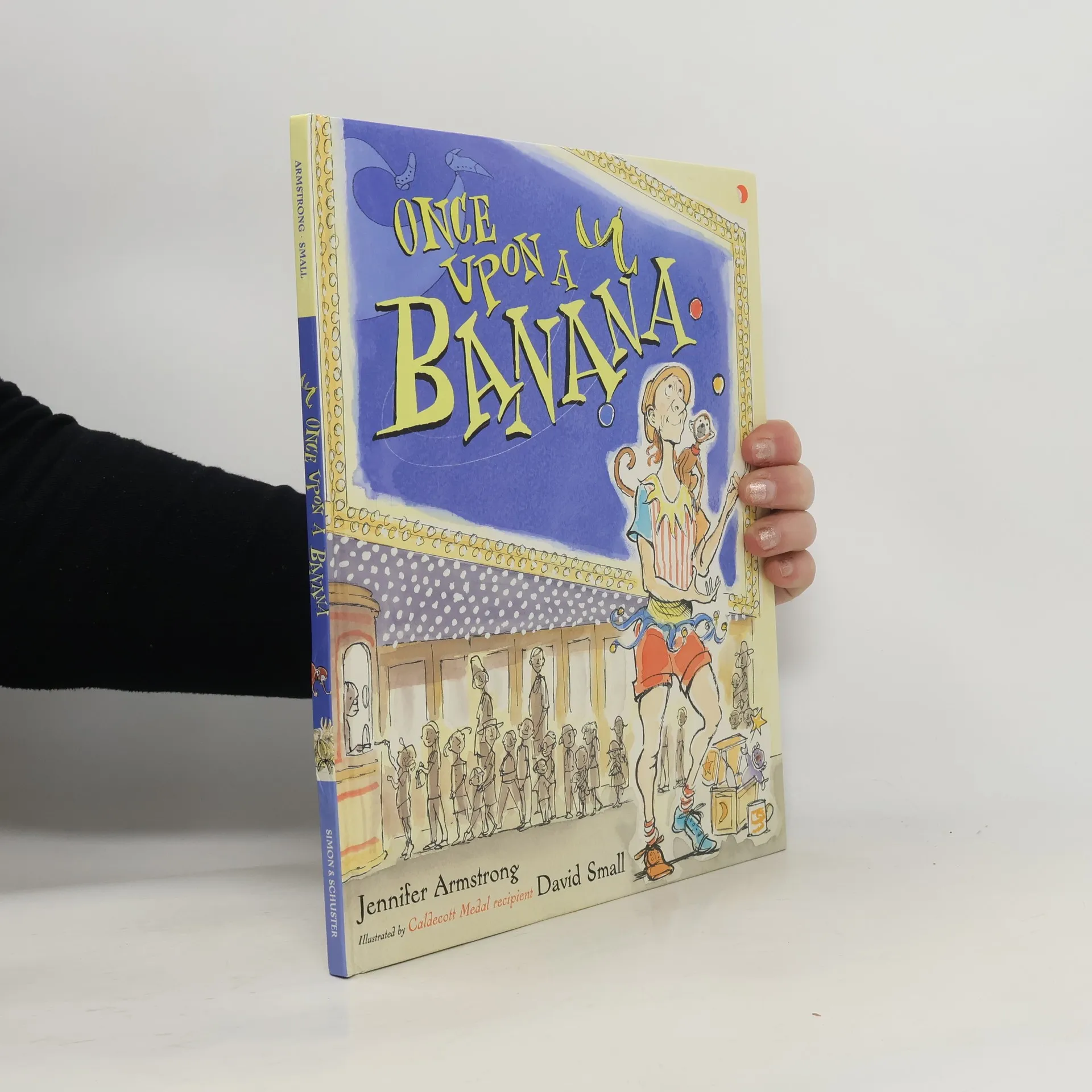
Featuring a unique format of rhyming street signs, this picture book combines the imaginative artistry of a Caldecott Medal winner with the storytelling talent of an award-winning author. The engaging narrative offers a fun and whimsical experience, ensuring readers will enjoy its playful ride multiple times. Full color illustrations enhance the delightful journey throughout the book.
It is the year 2007. The world has been wiped out by a deadly plague that killed all the adults. Without them, children perished of hunger and disease. No more people, no more electricity, no more civilization -- just mildewed houses, overgrown yards, and abandoned cars. Yet on a highway strip outside a small town in Florida, the words "We're Still Here" are painted in letters big enough to be seen from an airplane -- although no planes ever cross the empty sky. Miraculously, seven children have survived among the ruins. They cannot remember their names, their families, or much else from the Before Time. But they have forged a new family, with new names: Mommy, Hunter, Teacher, Action Figure, Teddy Bear, Baby, and Doll. They must face each day with enough hope to endure and the strength to realize that there may be nothing out there worth living for. Then one day, a new kid shows up on their doorstep and changes everything. He invites them to join him on a dangerous journey to Washington, to find a man called President if he's still alive -- and seek the answers to the mystery at the heart of the Fire-us. In this first book of the Fire-us Trilogy, Jennifer Armstrong and Nancy Butcher weave a compelling post-apocalyptic tale, luring readers into a world that is inventive enough to intrigue, yet true enough to believe.
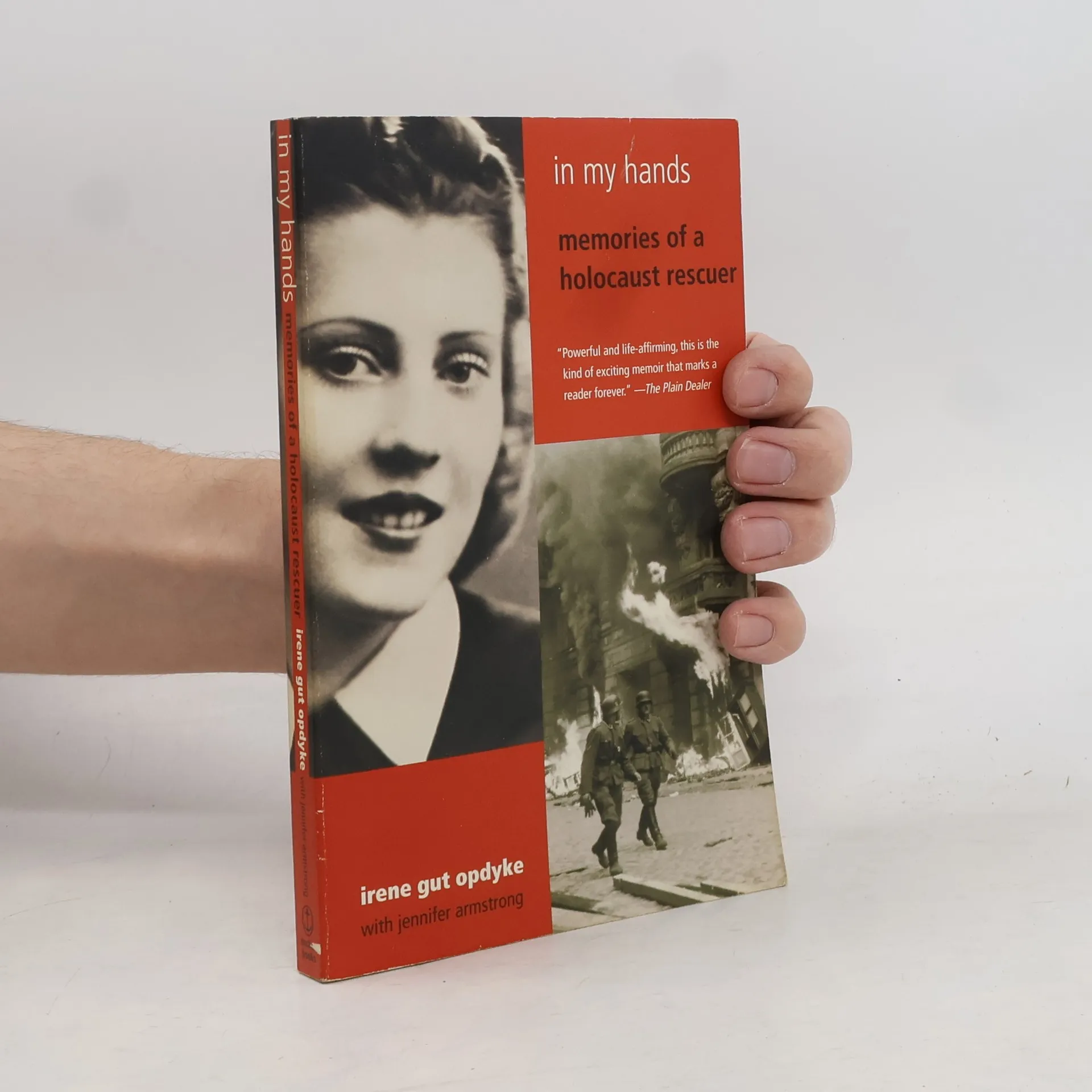
In My Hands began as one non-Jew’s challenge to any who would deny the Holocaust. Much like The Diary of Anne Frank , it has become a profound document of an individual’s heroism in the face of the greatest evil mankind has known. In the fall of 1939 the Nazis invaded Irene Gut’s beloved Poland, ending her training as a nurse and thrusting the sixteen-year-old Catholic girl into a world of degradation that somehow gave her the strength to accomplish what amounted to miracles. Forced into the service of the German army, young Irene was able, due in part to her Aryan good looks, to use her position as a servant in an officers’ club to steal food and supplies (and even information overheard at the officers’ tables) for the Jews in the ghetto. She smuggled Jews out of the work camps, ultimately hiding a dozen people in the home of a Nazi major for whom she was housekeeper. An important addition to the literature of human survival and heroism, In My Hands is further proof of why, in spite of everything, we must believe in the goodness of people.