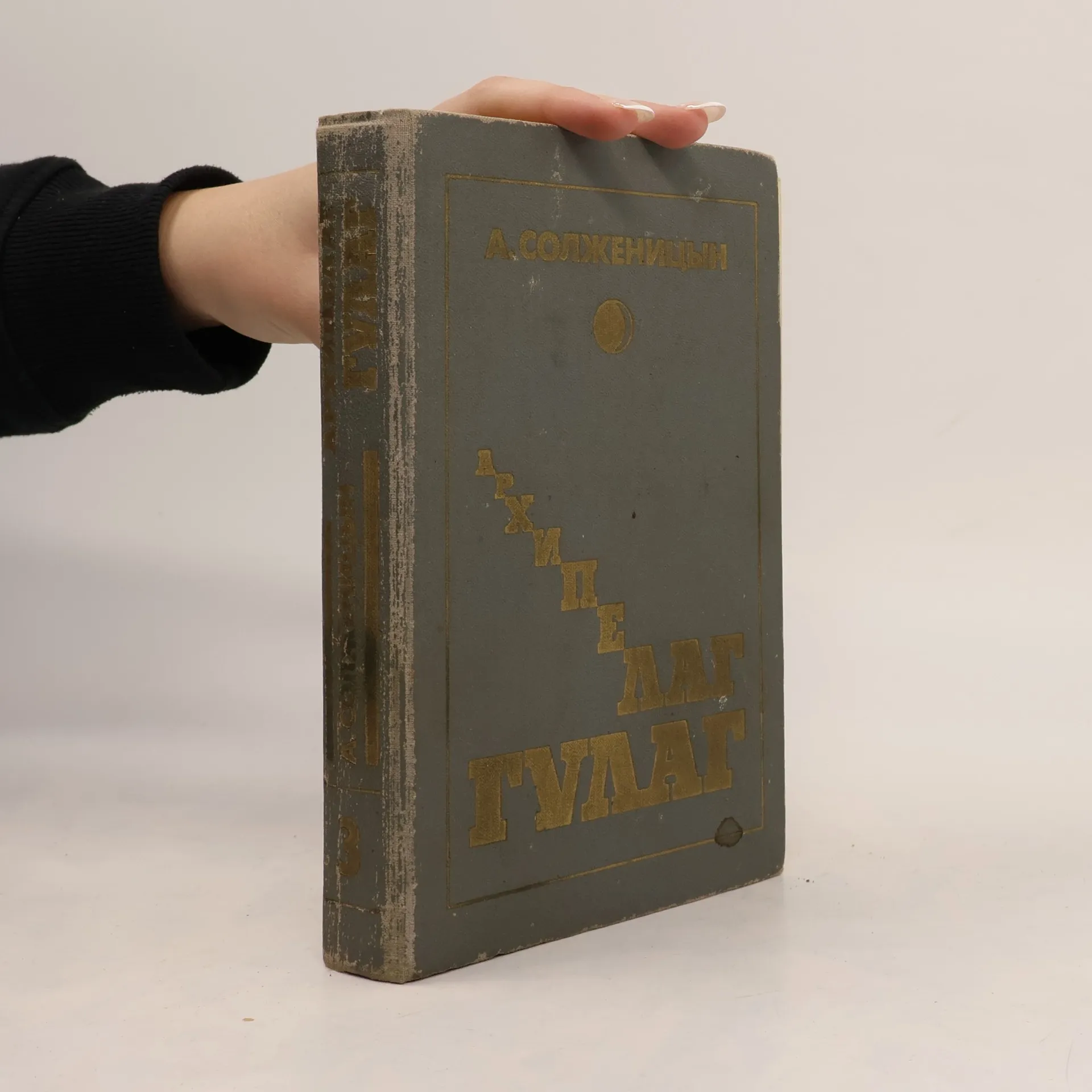
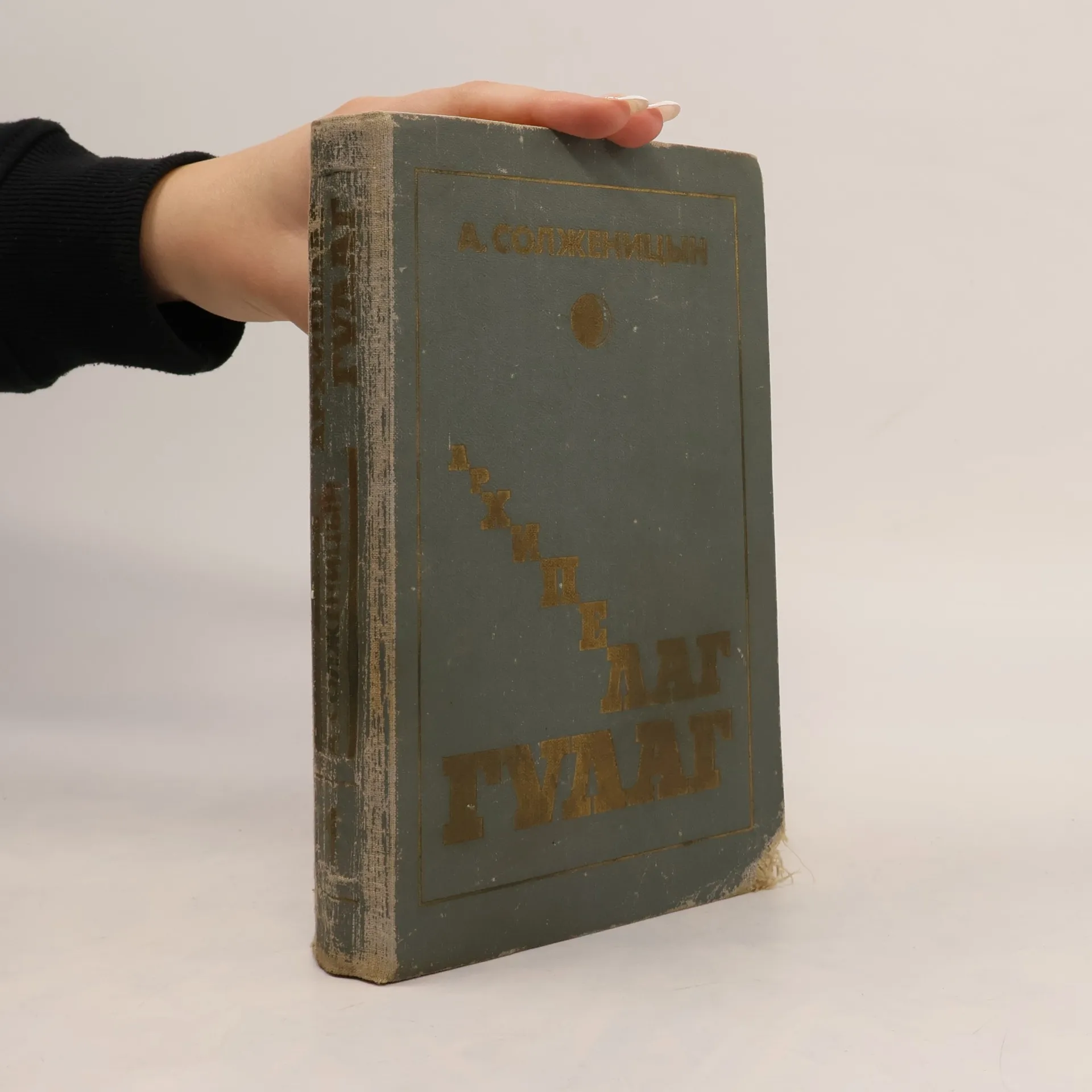
The Gulag Archipelago. Volume 3
- 608 stránek
- 22 hodin čtení
Volume 3 of the gripping epic masterpiece, Solzhenitsyn's moving account of resistance within the Soviet labor camps and his own release after eight years


Aleksandr Solženicyn byl ruský spisovatel a historik, který světu odhalil pravdu o systému sovětských nucených pracovních táborů, známém jako Gulag. Jeho díla, charakteristická syrovou upřímností a hlubokým morálním rozměrem, poukazují na tragické osudy jednotlivců v totalitním režimu. Prostřednictvím svého psaní se Solženicyn stal hlasem utlačovaných a jeho literární odkaz dodnes rezonuje jako svědectví o lidské odolnosti a touze po svobodě.
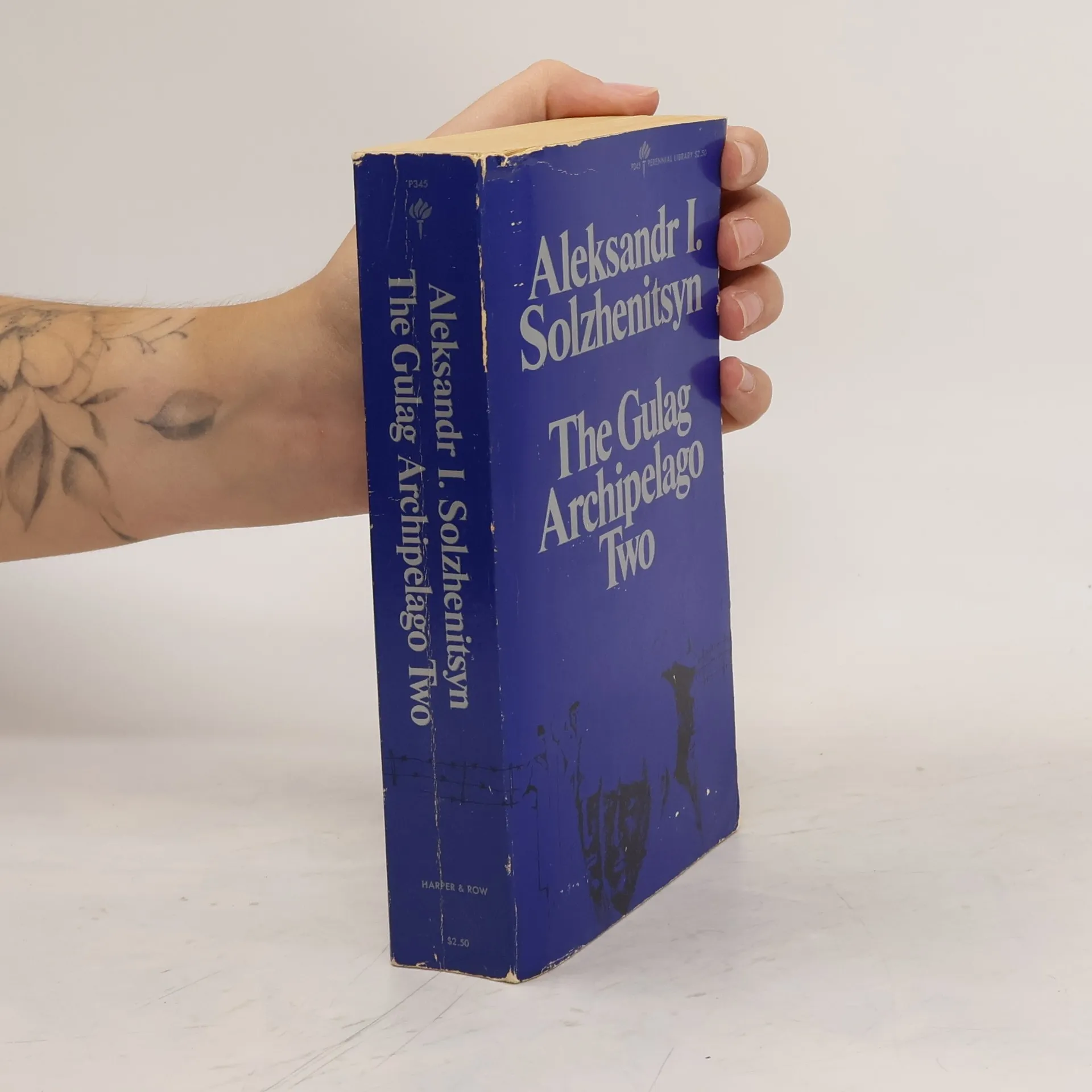


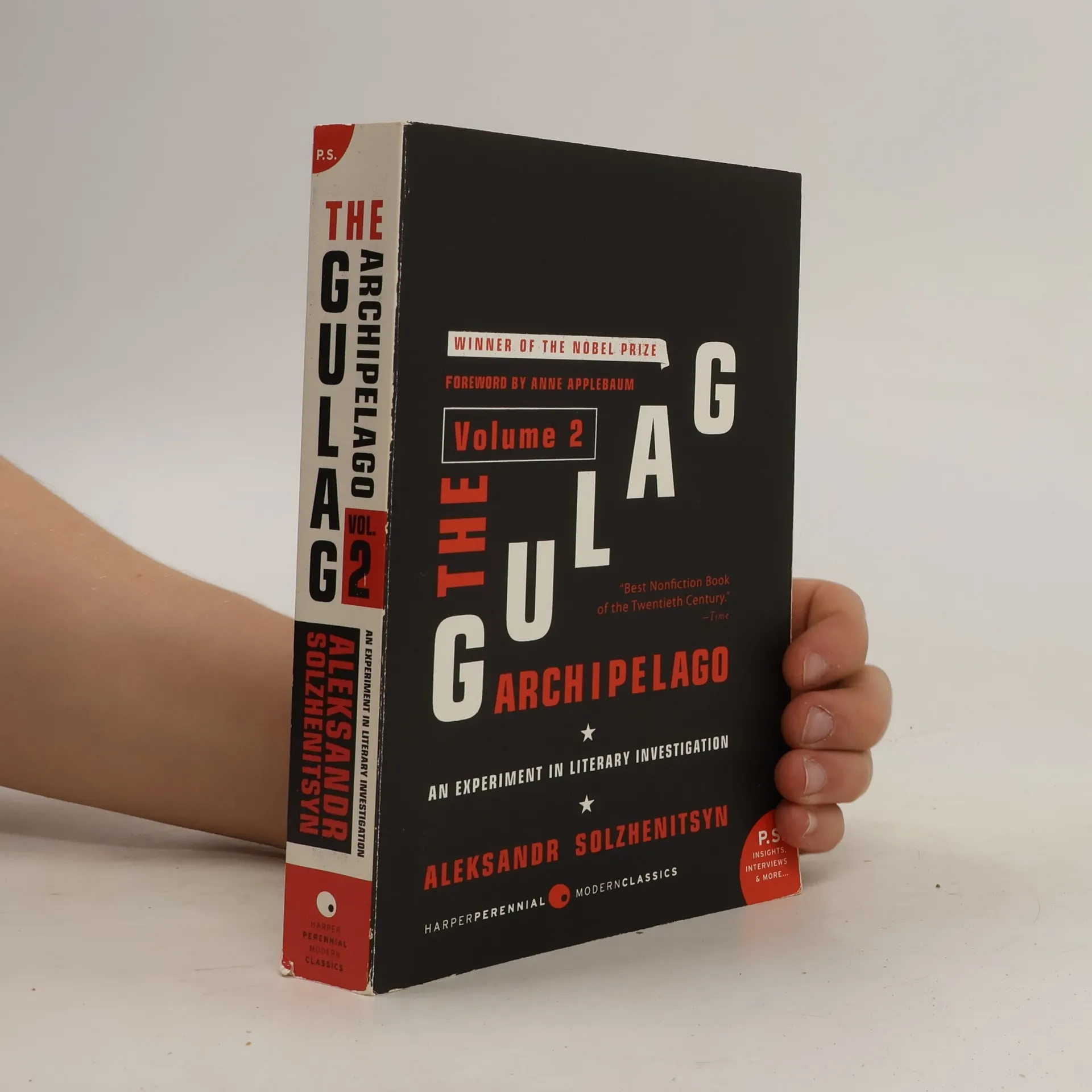

Volume 3 of the gripping epic masterpiece, Solzhenitsyn's moving account of resistance within the Soviet labor camps and his own release after eight years
Volume 2 of the gripping epic masterpiece, The story of Solzhenitsyn's entrance into the Soviet prison camps, where he would remain for Nearly a decade
Volume 1 of the gripping epic masterpiece, Solzhenitsyn's chilling report of his arrest and interrogation, which exposed to the world the vast bureaucracy of secret police that haunted Soviet society
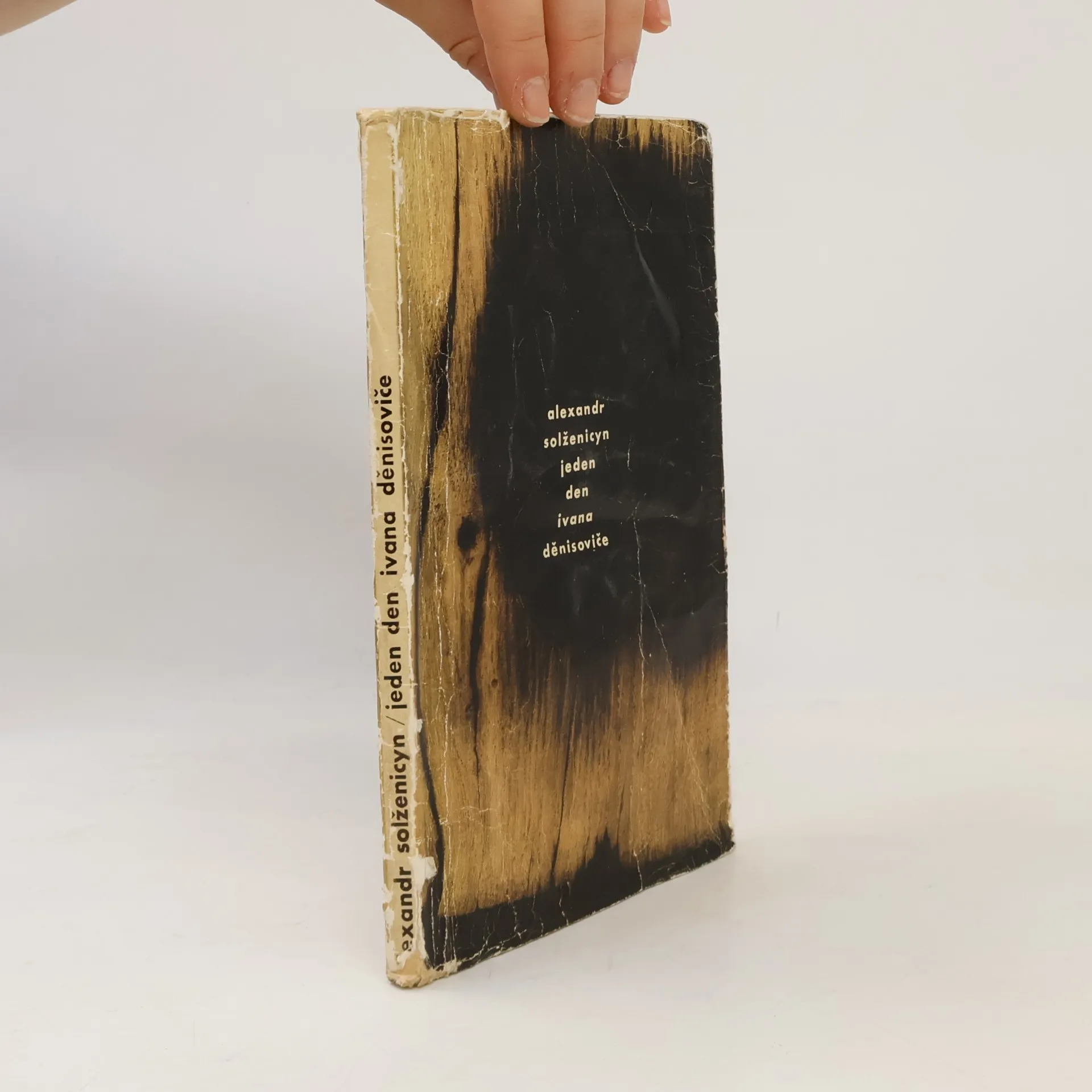
Dnes již legendární novelu autor promýšlel v Ekibastuzském pracovním lágru v zimě 1950-51 a její původní název zněl Šč-854 - Jeden den jednoho mukla. Postavu Ivana Děnisoviče vytvořil Solženicyn podle vojína Šuchova, který s ním bojoval za sovětsko-německé války, a podle vlastních zkušeností v lágru, kde pracoval jako zedník.
A historical novel about the defeat of the Imperial Russian Army at the Battle of Tannenberg in East Prussia.
The United States and the Making of the Modern World: Essays from 75 Years of Foreign Affairs
Since its founding in 1922, Foreign Affairs has established itself as the premier journal of international relations, offering profound commentary on global politics and economic policy. America's significant role in world events—military, political, economic, and ideological—has been central to discussions within its pages. Notably, it was here that George Kennan introduced the containment policy, shaping U.S. Cold War strategy. The journal has hosted debates among statesmen-scholars like Henry Kissinger and Arthur Schlesinger on critical issues such as nuclear weapons and human rights, while journalists like Walter Lippmann and James Reston have provided insightful analyses of American foreign policy. Thinkers like Isaiah Berlin and Samuel Huntington have explored the evolving dynamics of the world. In The American Encounter , readers will discover landmark essays that reflect a unique intellectual history of the past century and America's extraordinary influence within it. This collection stands apart, as there is no other publication like Foreign Affairs . The American Encounter serves as a vital connection to historical giants—visionaries whose insights and warnings resonate today, enhancing our understanding of America's role on the global stage.
Szolzsenyicin 1973-ban megjelent műve a sztálini munkatáborokról véglegesen lerombolta a nyugati értelmiség illúzióit a szovjet rendszerről. A szerző, aki tizenegy évet töltött a Gulagon, saját élményein túl több ezer rab tanúságát gyűjtötte össze. Műve részben történelmi és szociográfiai munka, részben pedig a XX. század egyik legnagyobb gyalázatának szépirodalmi feldolgozása, tele szenvedélyes haraggal a kommunista diktatúrával és együttérzéssel az áldozatok iránt. Szolzsenyicin szerint a lágerrendszer már 1918-ban, Lenin hatalomra jutásával kezdődött, és a szovjet állam elnyomó rendszerré vált, amely senkit sem kímélt. Gyerekek, öregek, nők, hívők és hitetlenek, valamint a rendszerrel szembenálló értelmiségiek mind áldozatai lehettek a letartóztatásoknak. A félelem mindent átitatott, és a lágerek rákos sejtekként burjánzottak az ország testében. A háromkötetes mű magyarul 1993-ban jelent meg, most pedig rövidített változatban olvasható, amelyhez Szolzsenyicin előszót írt, hangsúlyozva, hogy örömmel látja, hogy könyve eljut azokhoz is, akiknek nincs idejük a teljes mű elolvasására. Szolzsenyicin 1970-ben Nobel-díjat kapott, 1973-ban kiutasították a Szovjetunióból, 1994-ben tért vissza Oroszországba, és 2008-ban hunyt el.
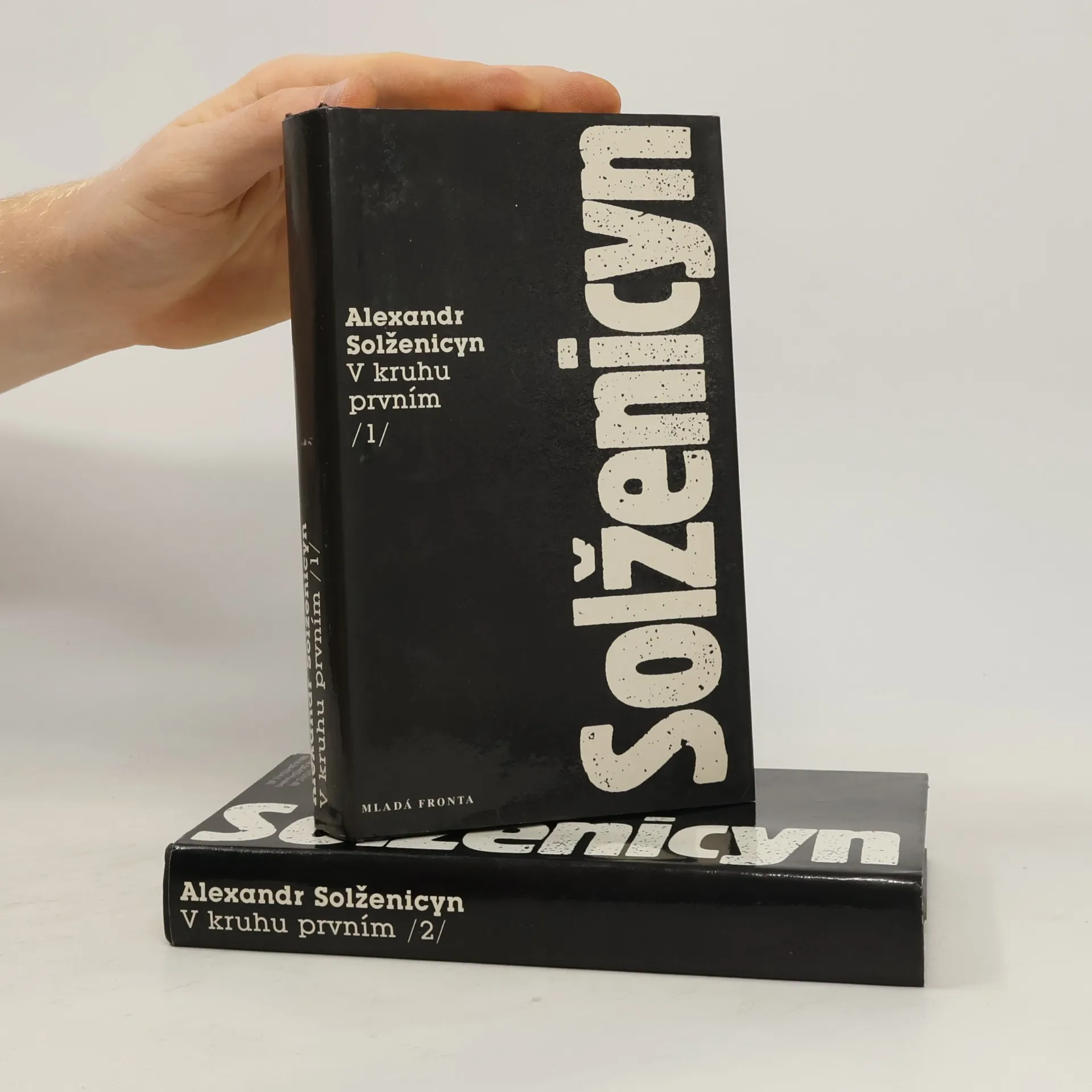
Dvouvolume 'V kruhu prvním' od Aleksandra Isajeviče Solženicyna se zaměřuje na život a myšlení ruských intelektuálů během období stalinského teroru. První díl představuje postavy, které se ocitají v těžkých situacích, a zkoumá jejich morální dilemata a osobní krize. Hlavními postavami jsou lidé různých profesí a společenského postavení, kteří se snaží vyrovnat s represivním režimem a jeho dopady na jejich životy. Druhý díl pokračuje v analýze psychologických a filozofických aspektů existence v totalitním systému. Solženicyn se zabývá tématy jako je svoboda, odpovědnost a lidská důstojnost. Kniha se vyznačuje realistickým zobrazením každodenního života pod totalitní vládou a klade důraz na hodnotu individuálního myšlení a odporu proti nespravedlnosti. Celkově se jedná o hlubokou reflexi o lidské existenci v těžkých podmínkách, která vyzývá čtenáře k zamyšlení nad morálními otázkami a historickými kontexty. Tato díla přispívají k porozumění nejen ruské kultuře, ale i univerzálním tématům lidského bytí.
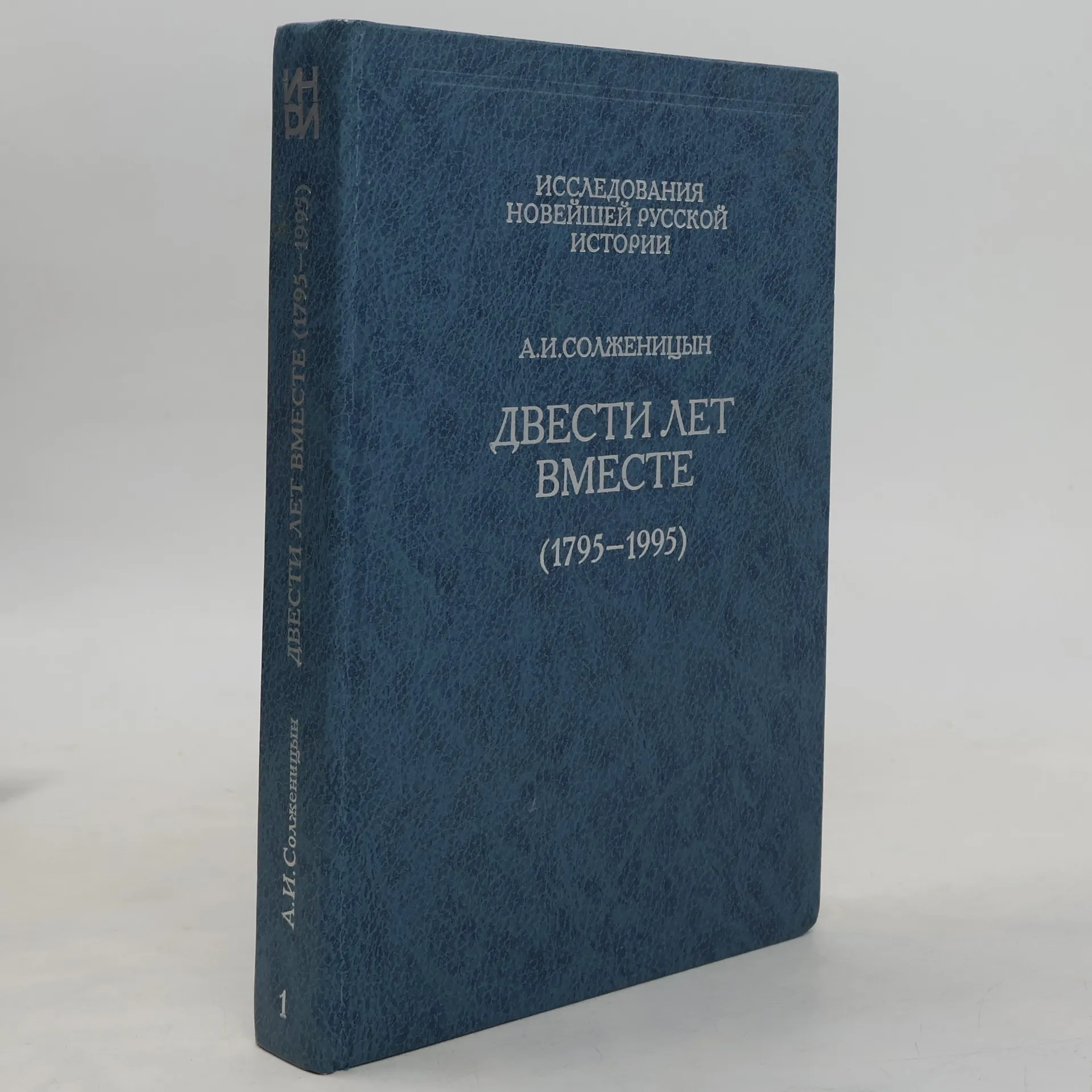
«Двести лет вместе (1795—1995)» — литературно-историческое исследование А. И. Солженицына, посвящённое русско-еврейским отношениям в Российской империи и СССР в период между 1795 и 1995 годами. Первая часть охватывает период с 1795 по 1916 год, вторая — с 1917 года до конца XX века.
Russian Book. Publisher: Azbuka. Pages: 480. Year: 2012. Cover: Softcover.
Set in Moscow during a three-day period in December 1949, The First Circle is the story of the prisoner Gleb Nerzhin, a brilliant mathematician. At the age of thirty-one, Nerzhin has survived the war years on the German front and the postwar years in a succession of Russian prisons and labor camps. His story is interwoven with the stories of a dozen fellow prisoners - each an unforgettable human being - from the prison janitor to the tormented Marxist intellectual who designed the Dnieper dam; of the reigning elite and their conflicted subordinates; and of the women, wretched or privileged, bound to these men. A landmark of Soviet literature, The First Circle is as powerful today as it was when it was first published.
Содерж.: Один день Ивана Денисовича ; Матренин двор ; Правая кисть ; Случай на станции Кочетовка ; Для пользы дела ; Захар-Калита ; Как жаль ; Пасхальный крестный ход ; Крохотки ; Двучастные рассказы
Kollektivroman fra en af stalintidens straffelejre for særlig privilegerede fanger, der udfører videnskabeligt arbejde
Kollektivroman fra en af stalintidens straffelejre for særlig privilegerede fanger, der udfører videnskabeligt arbejde
Boek 1: bevat deel I en II.
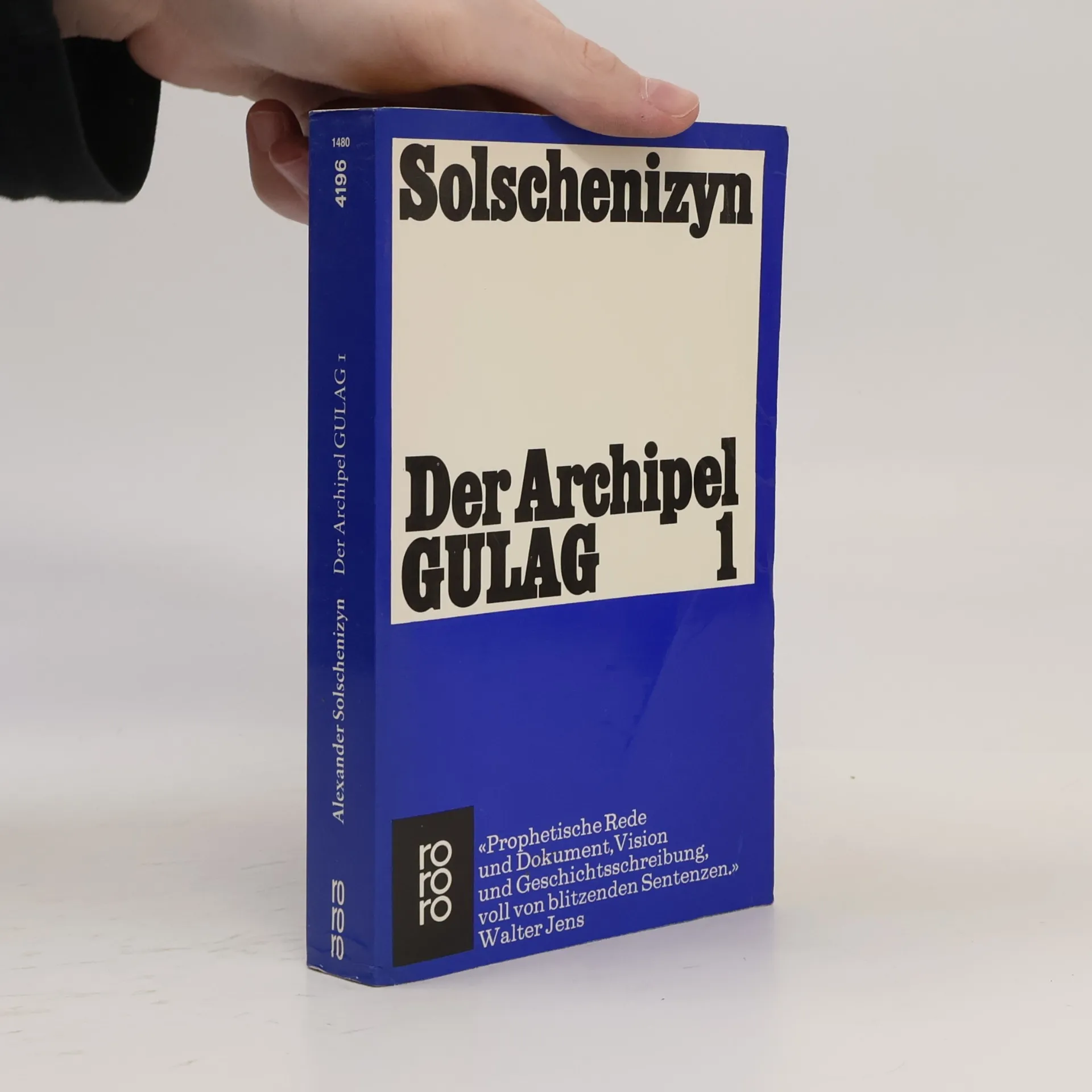
Drawing on his own incarceration and exile, as well as on evidence from more than 200 fellow prisoners and Soviet archives, Aleksandr I. Solzhenitsyn reveals the entire apparatus of Soviet repression -- the state within the state that ruled all-powerfully. Through truly Shakespearean portraits of its victims -- men, women, and children -- we encounter secret police operations, labor camps and prisons; the uprooting or extermination of whole populations, the "welcome" that awaited Russian soldiers who had been German prisoners of war. Yet we also witness the astounding moral courage of the incorruptible, who, defenseless, endured great brutality and degradation. The Gulag Archipelago 1918-1956 -- a grisly indictment of a regime, fashioned here into a veritable literary miracle -- has now been updated with a new introduction that includes the fall of the Soviet Union and Solzhenitsyn's move back to Russia.
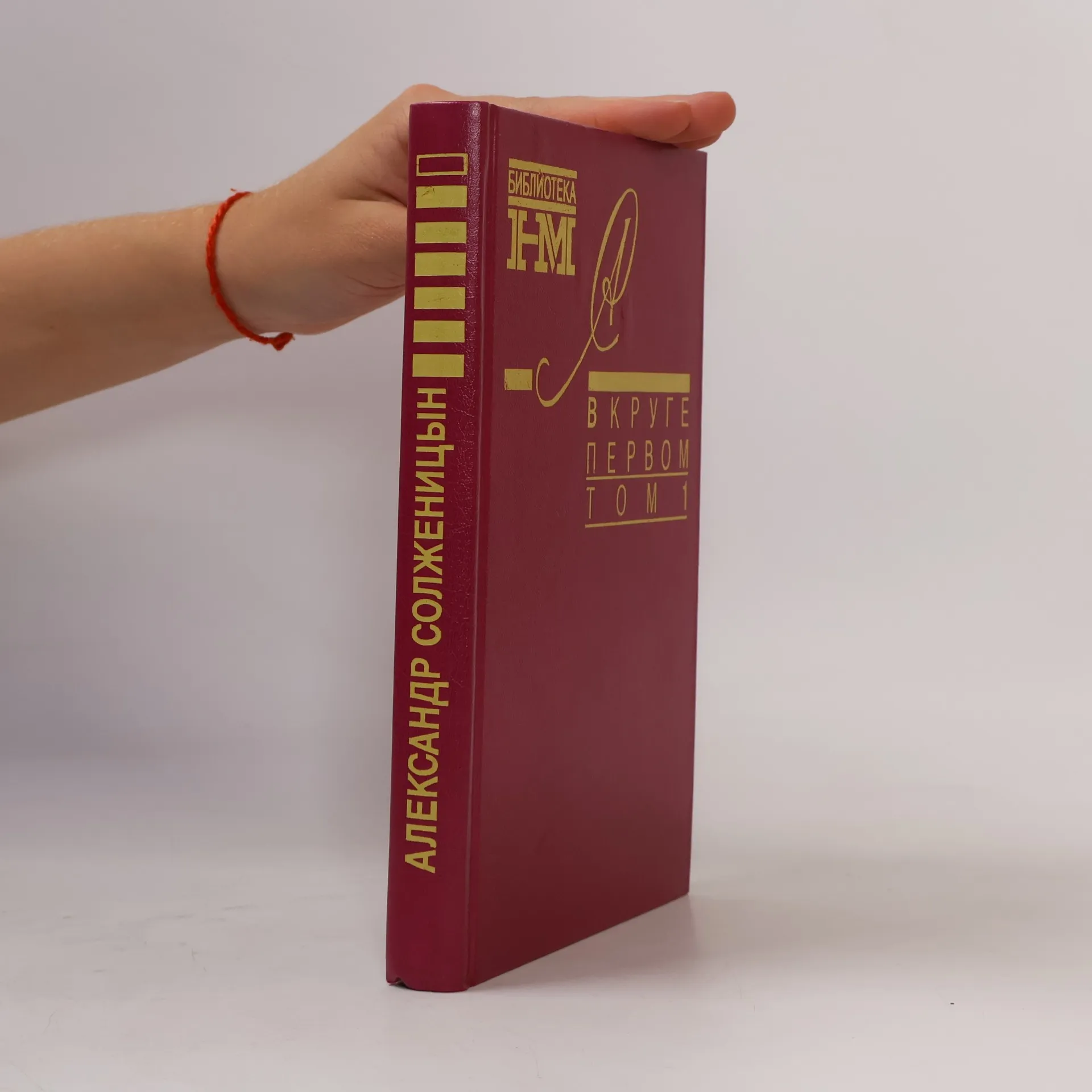
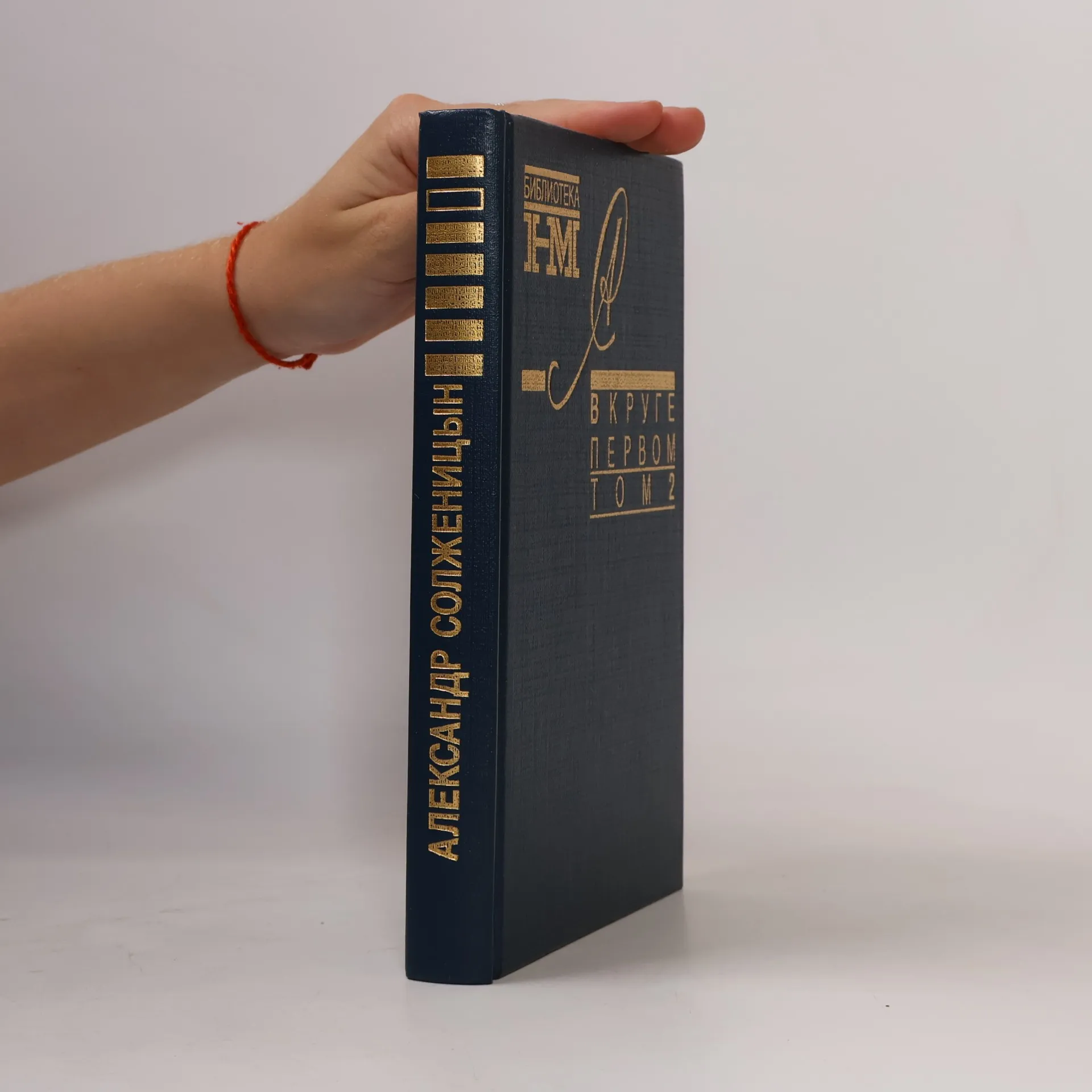
Это издание романа является первым на родине писателя. В «Божественной комедии» Данте поместил в «круг первый», самый легкий круг Ада, античных мудрецов. У Солженицына заключенные инженеры и ученые свезены из разных лагерей в спецтюрьму – научно-исследовательский институт, прозванный «шарашкой», где разрабатывают секретную телефонию, государственный заказ. Плотное действие романа умещается всего в три декабрьских дня 1949 года и разворачивается, помимо «шарашки», в кабинете министра Госбезопасности, в студенческом общежитии, на даче Сталина, и на просторах Подмосковья, и на «приеме» в доме сталинского вельможи, и в арестных боксах Лубянки. Динамичный сюжет развивается вокруг поиска дипломата, выдавшего государственную тайну. Переплетение ярких характеров, недюжинных умов, любовная тяга к вольным сотрудницам института, споры и раздумья о судьбах России, о нравственной позиции и личном участии каждого в истории страны. А.И.Солженицын задумал роман в 1948–1949 гг., будучи заключенным в спецтюрьме в Марфино под Москвой. Начал писать в 1955-м, последнюю редакцию сделал в 1968-м, посвятил «друзьям по шарашке».
vert. naar de Amerikaanse ed.
Опыт художественного исследования
A könyv 1973-ban jelent meg Nyugaton, és Szolzsenyicin monumentális munkája a sztálini munkatáborokról, amely végleg megsemmisítette a nyugati értelmiség illúzióit a szovjet rendszerről. A szerző maga is átélt Gulagot, tizenegy évet töltött a Szigeteken, és saját tapasztalatai mellett számos rab tanúságát gyűjtötte össze. A mű részben történelmi és szociográfiai munka, részben a XX. század egyik legnagyobb gyalázatának szépirodalmi feldolgozása, tele szenvedélyes haraggal a kommunista diktatúrával és Sztálinnal szemben, valamint együttérzéssel az áldozatok iránt. Szolzsenyicin szerint a lágerek kiépítése már 1918-ban, Lenin hatalomra jutásával kezdődött, és a szovjet állam egy elnyomó rendszerré vált, amely senkit sem kímélt: gyerekeket, öregeket, nőket, hívőket és hitetleneket, bárkit letartóztathattak. A félelem mindent áthatott, és a lágerek rákos sejtekként burjánzottak az ország testében. A háromkötetes mű magyarul 1993-ban jelent meg, és most rövidített változatban olvasható, amelyhez Szolzsenyicin írt előszót, hangsúlyozva, hogy örömmel látja, hogy könyve elérheti azokat is, akiknek nincs idejük a teljes művet elolvasni. Szolzsenyicin 1970-ben Nobel-díjat kapott, 1973-ban kiutasították a Szovjetunióból, és 1994-ben tért vissza Oroszországba.
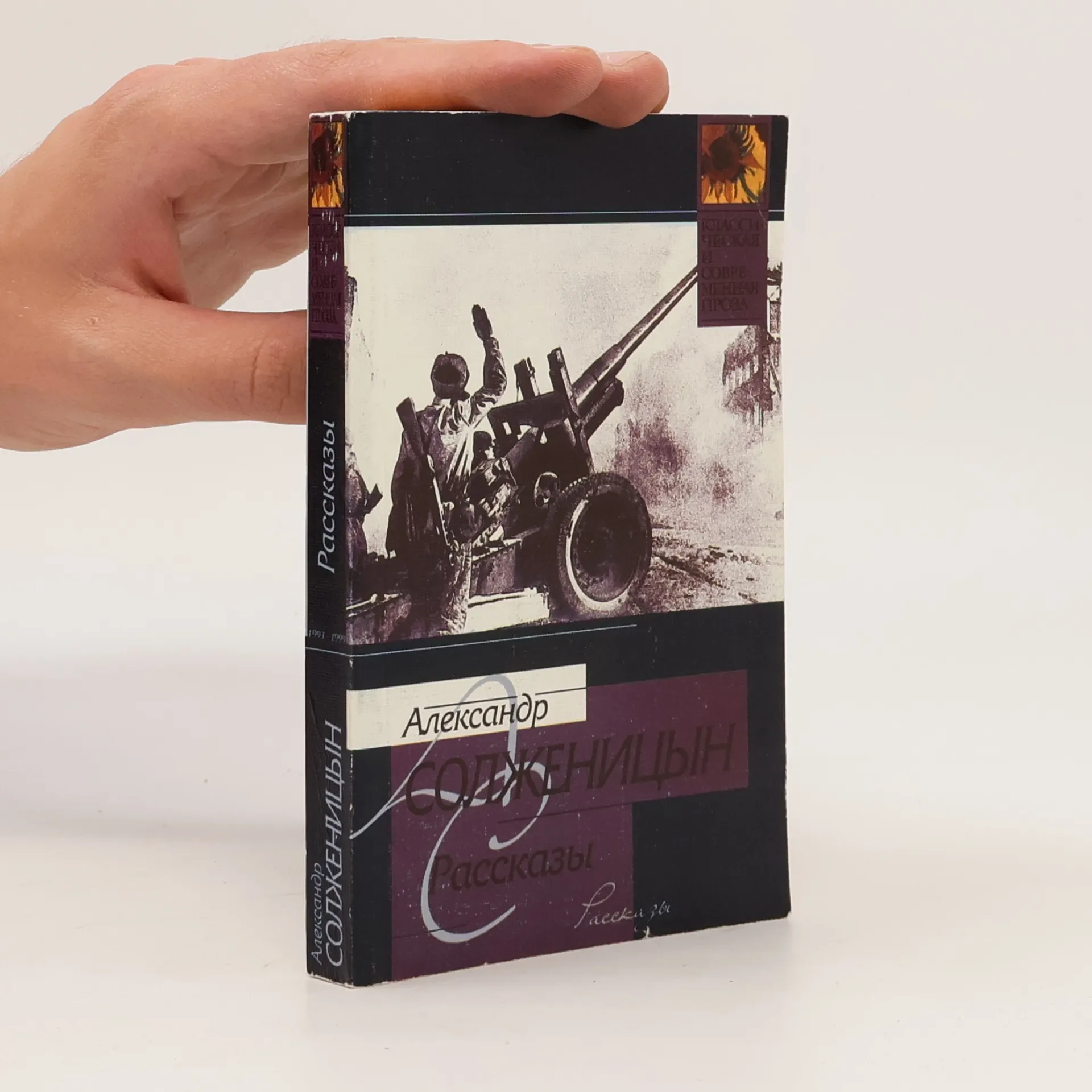
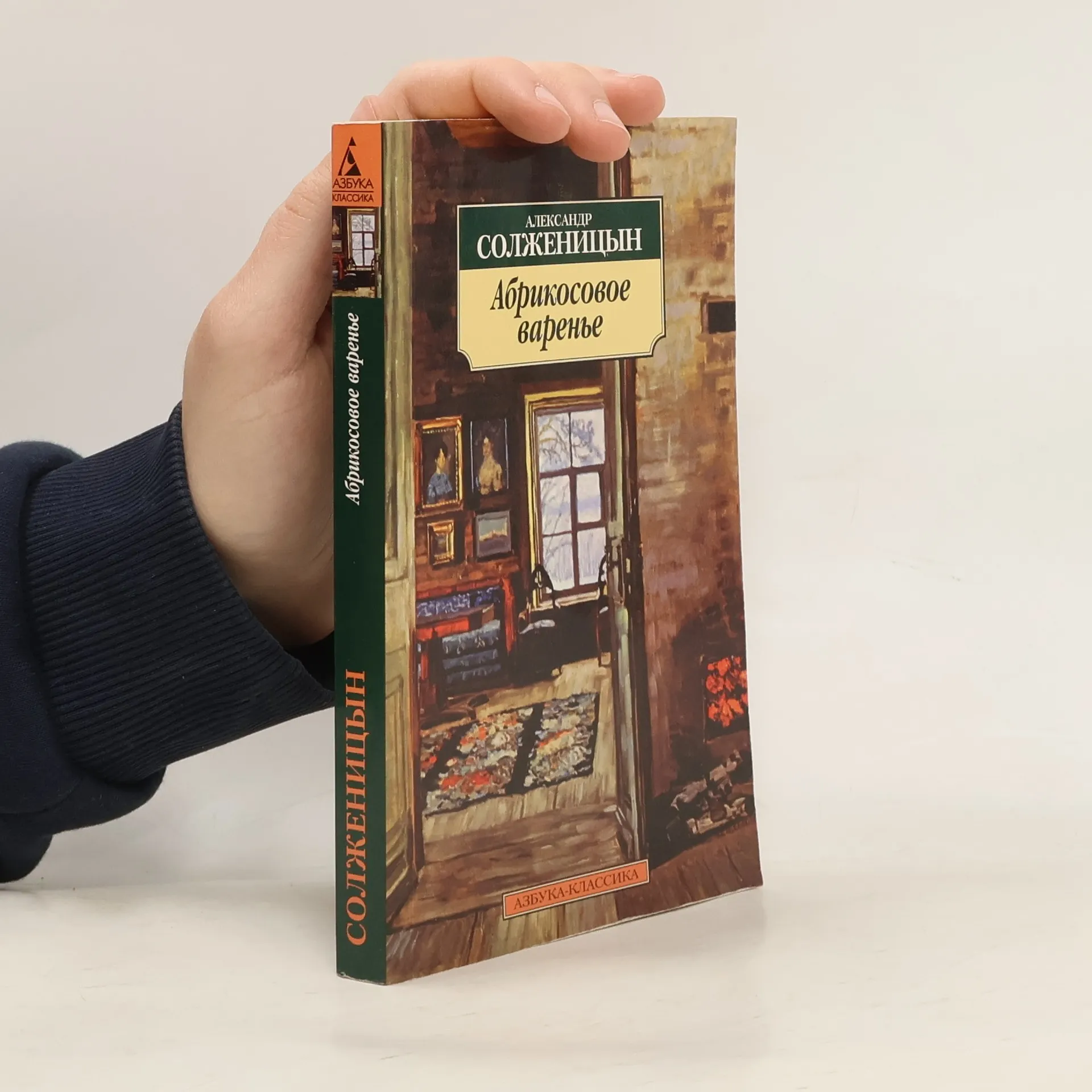
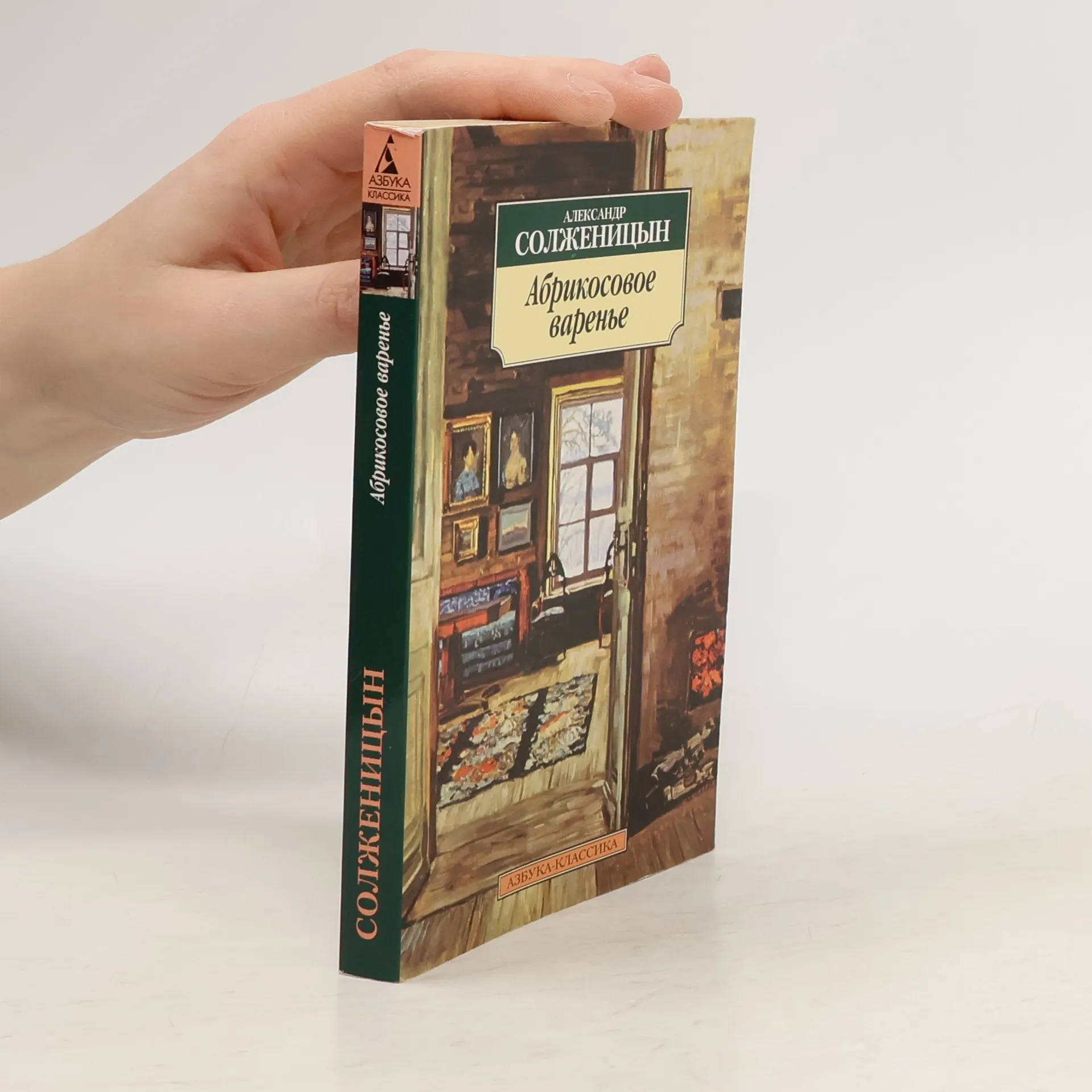
Содерж.: Адлиг Швенкиттен : повесть ; двучастные рассказы: Эго ; На краях ; Молодняк ; Настенька ; Абрикосовое варенье ; Все равно ; На изломах ; Желябугские выселки ; Крохотки
Содерж.: Адлиг Швенкиттен : односуточная повесть ; Двучастные рассказы, 1993-1998: Эго ; На краях ; Молодняк ; Настенька ; Абрикосовое варенье ; Все равно ; На изломах ; Желябугские выселки ; Крохотки, 1996-1999