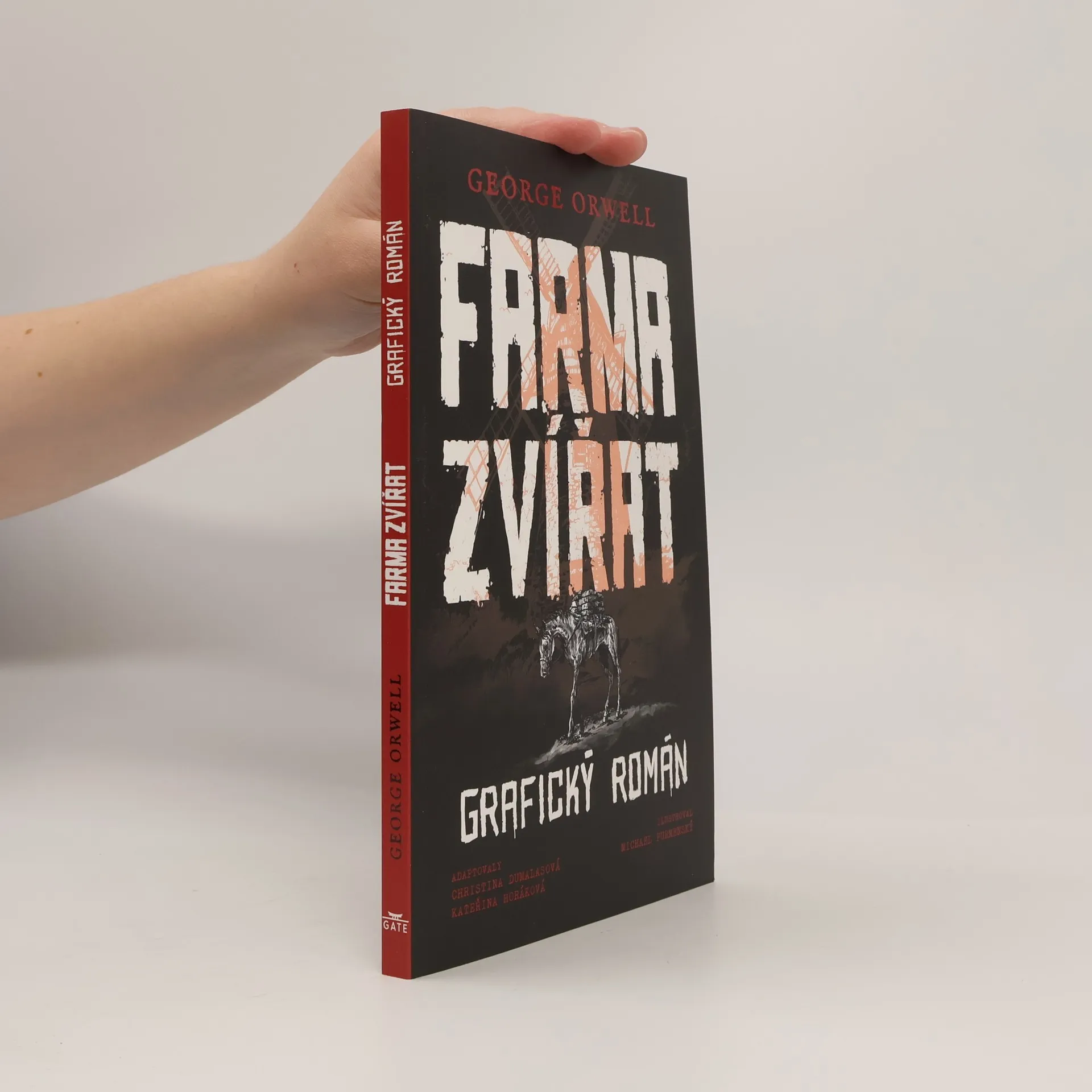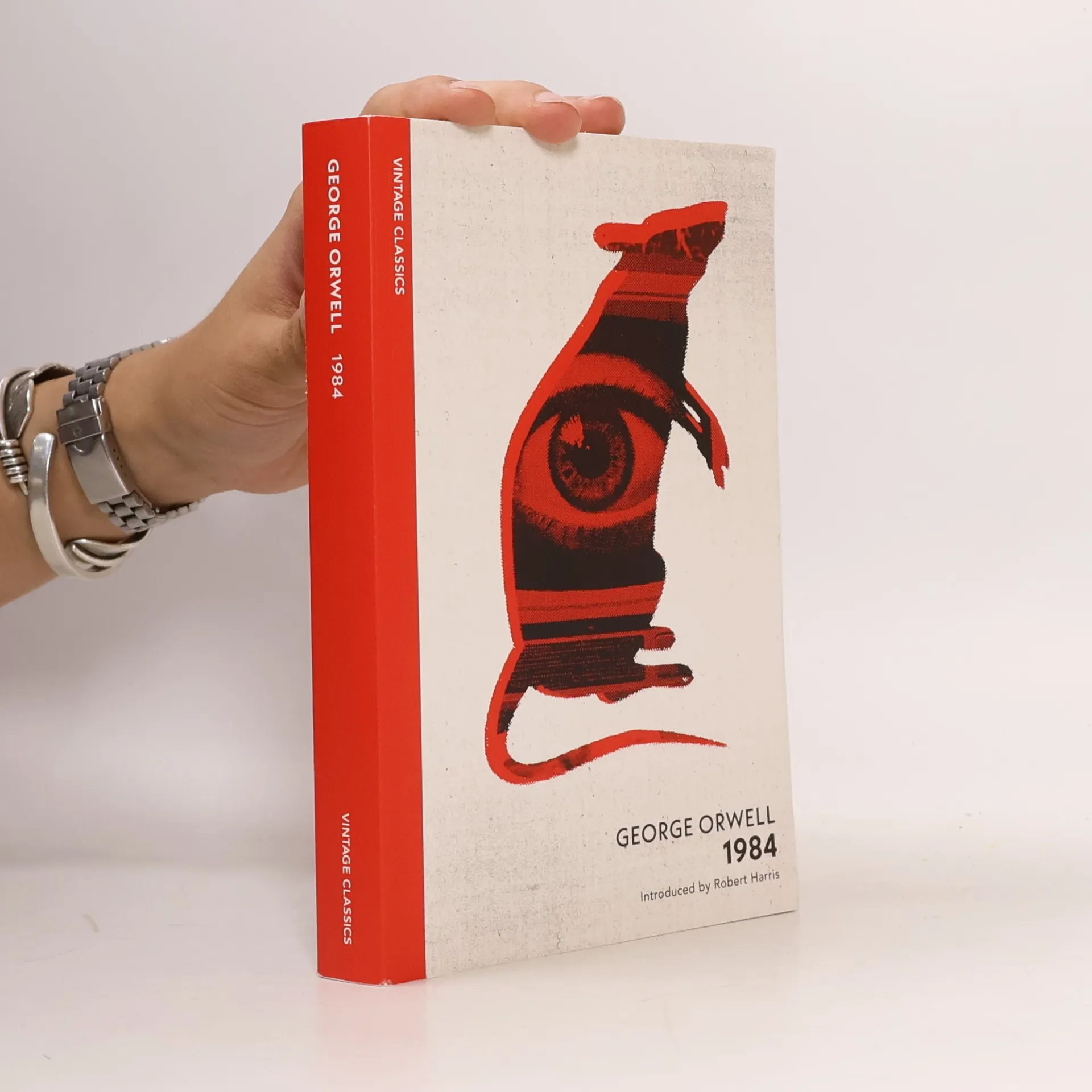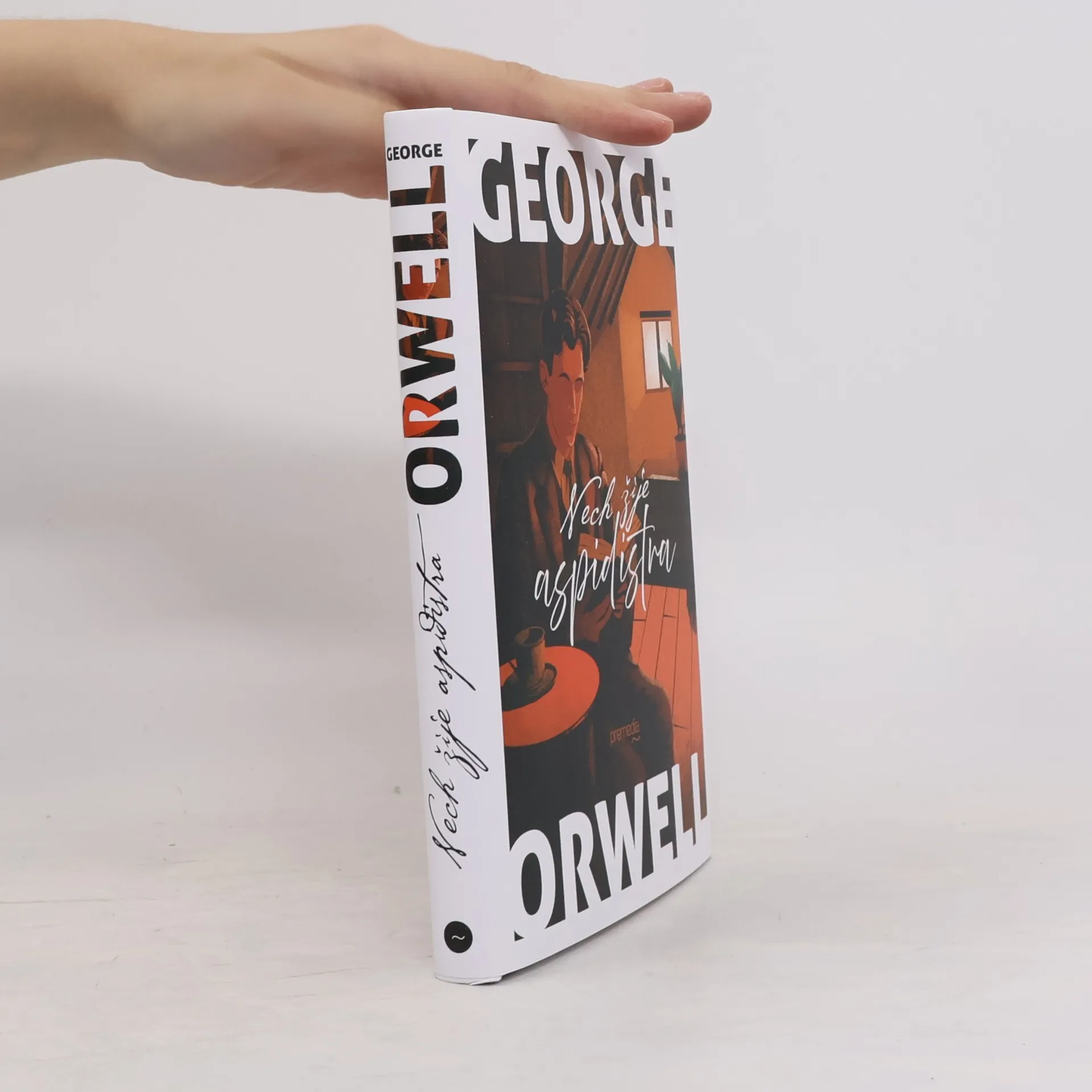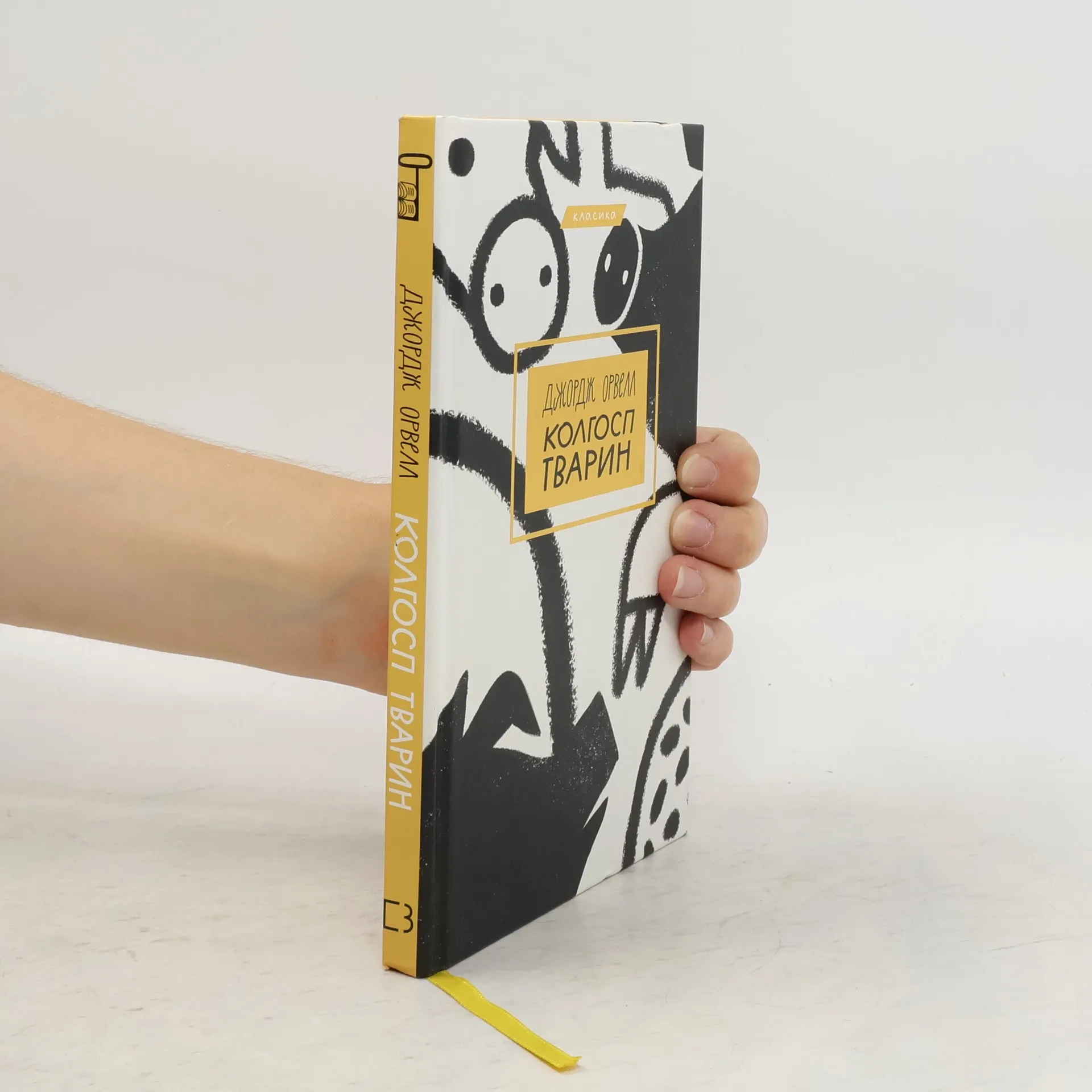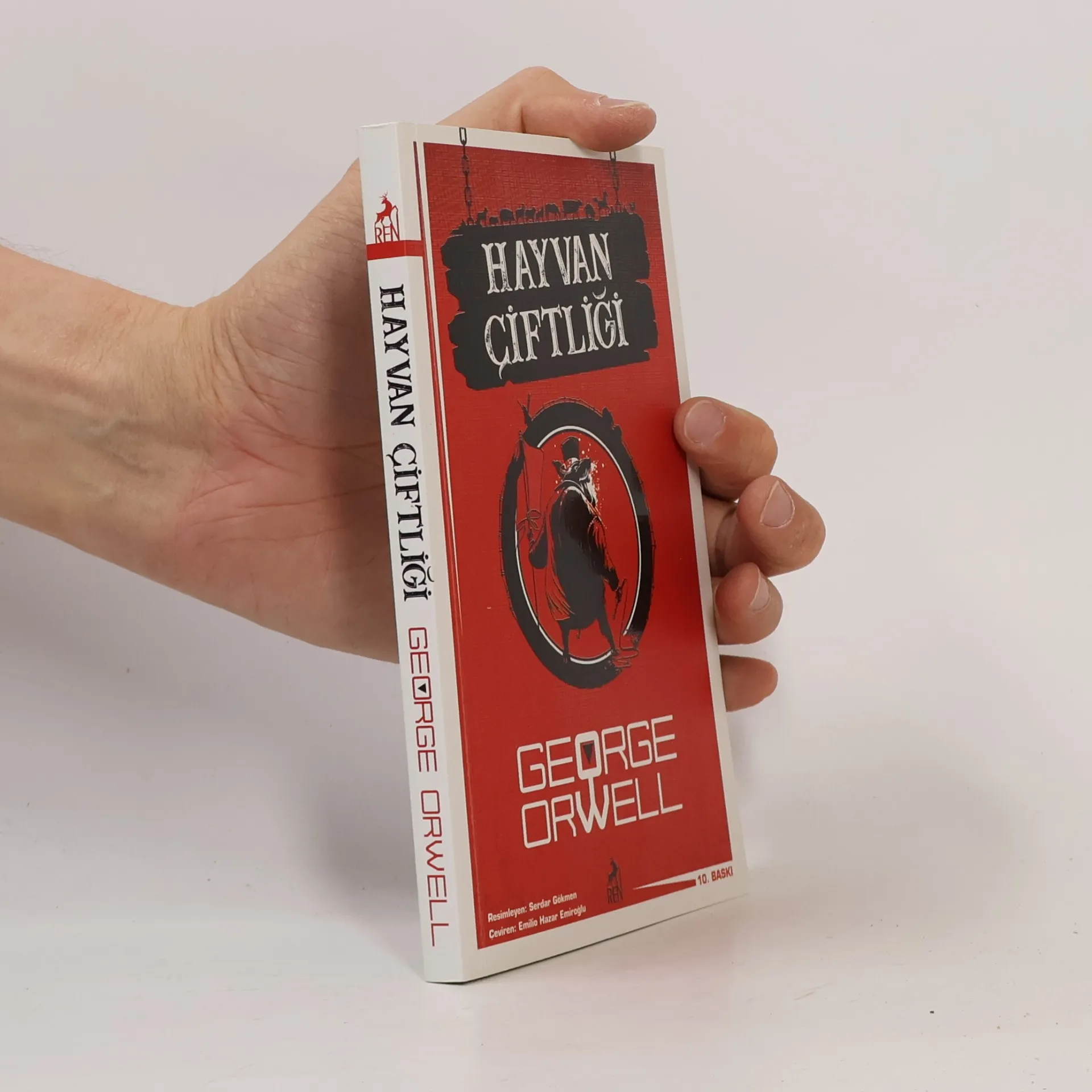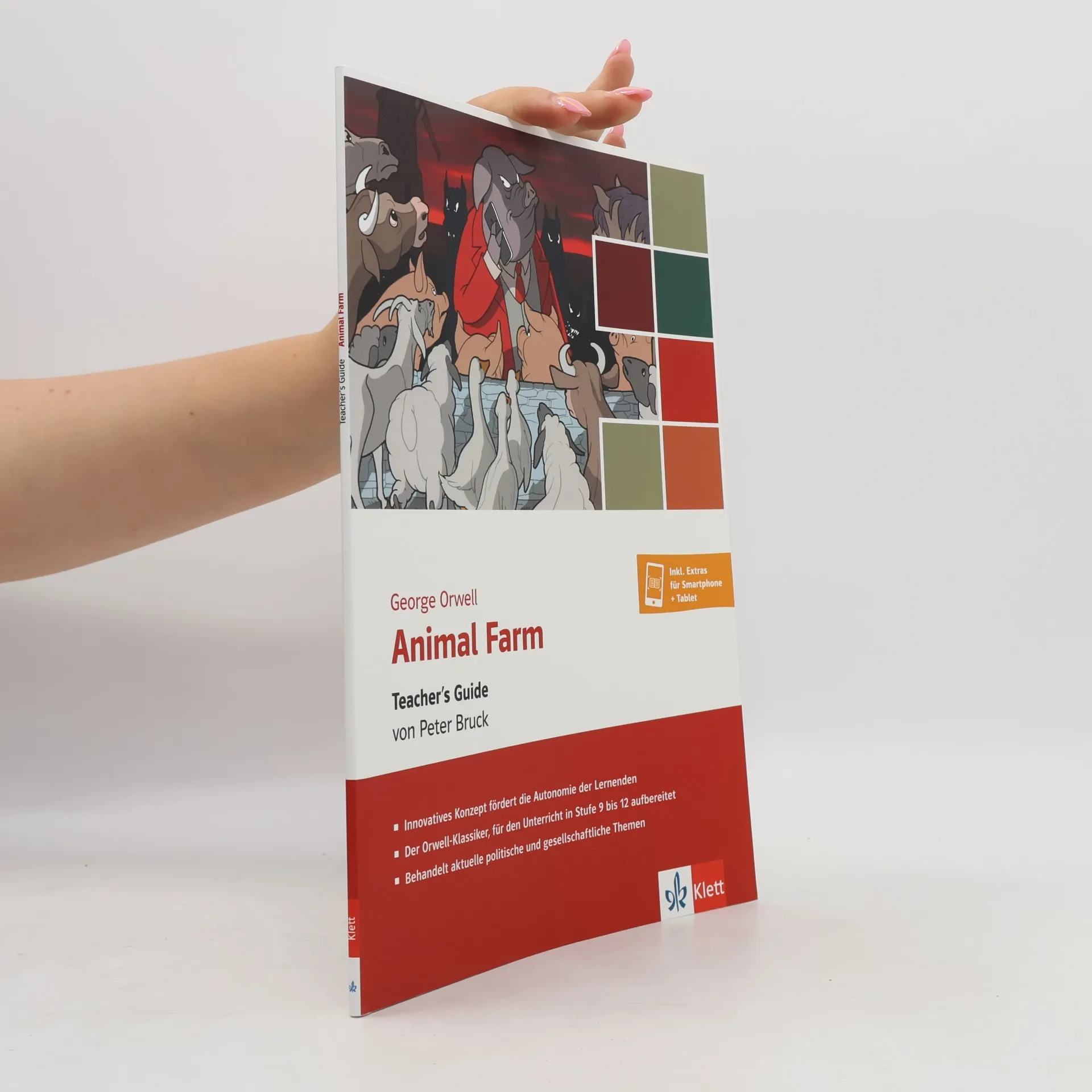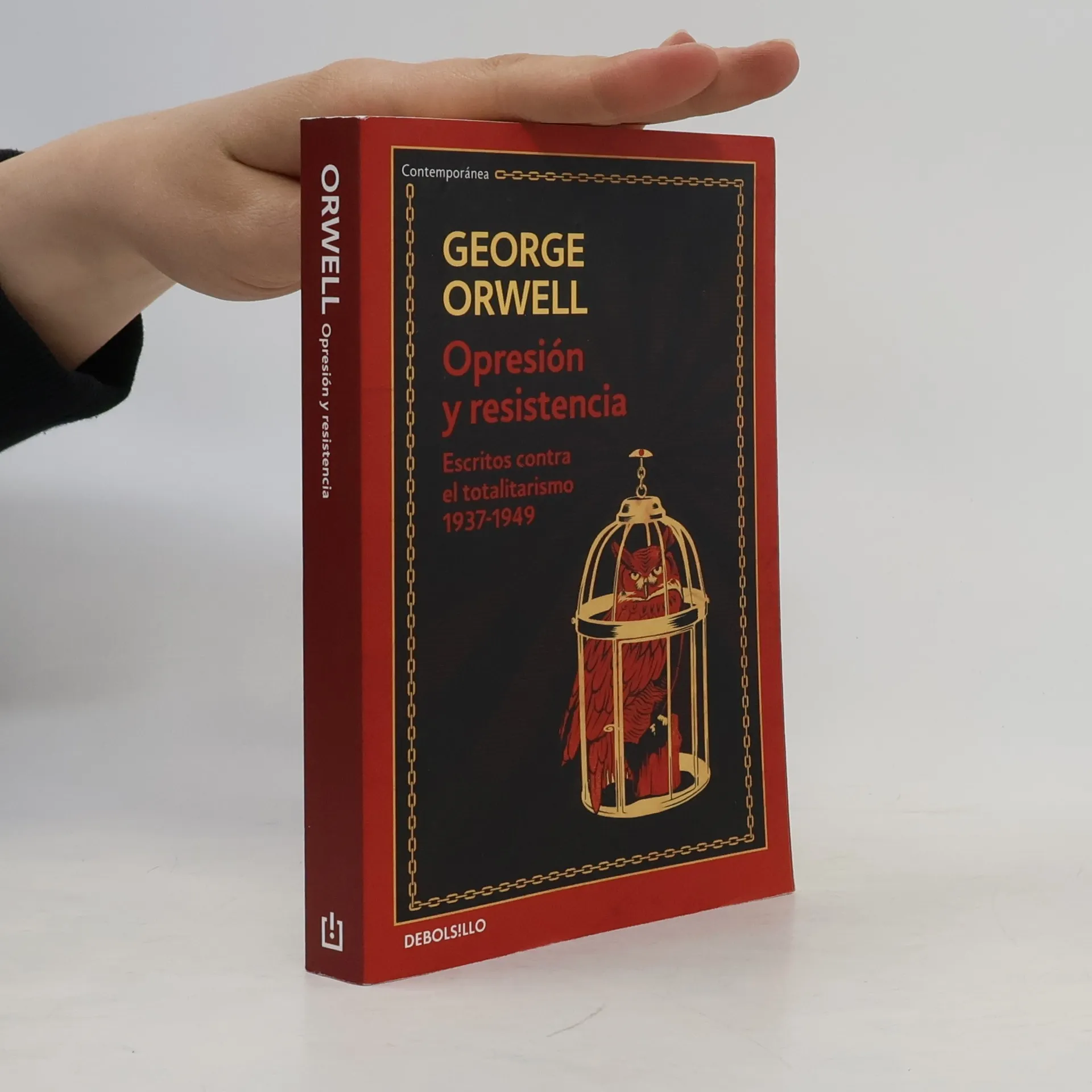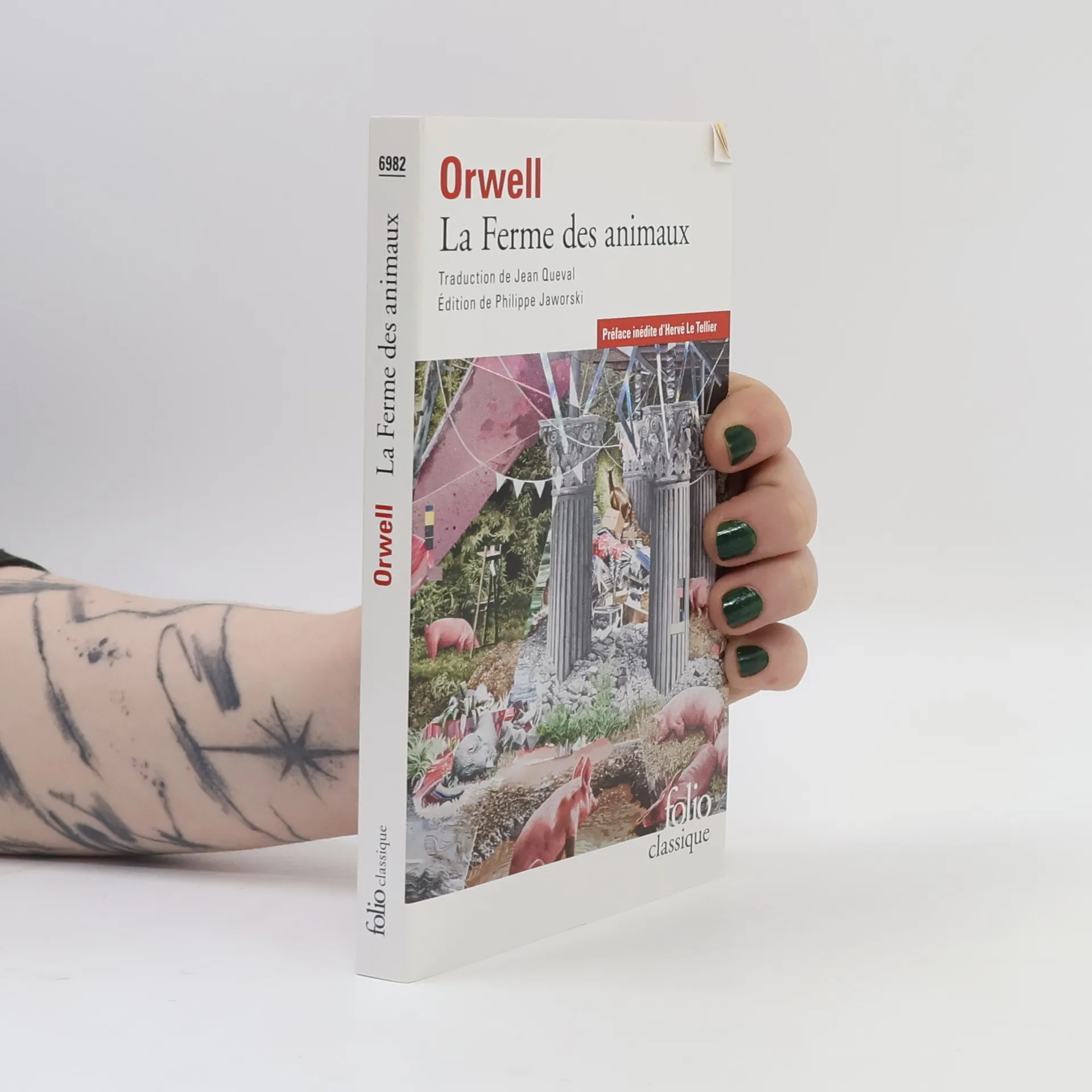

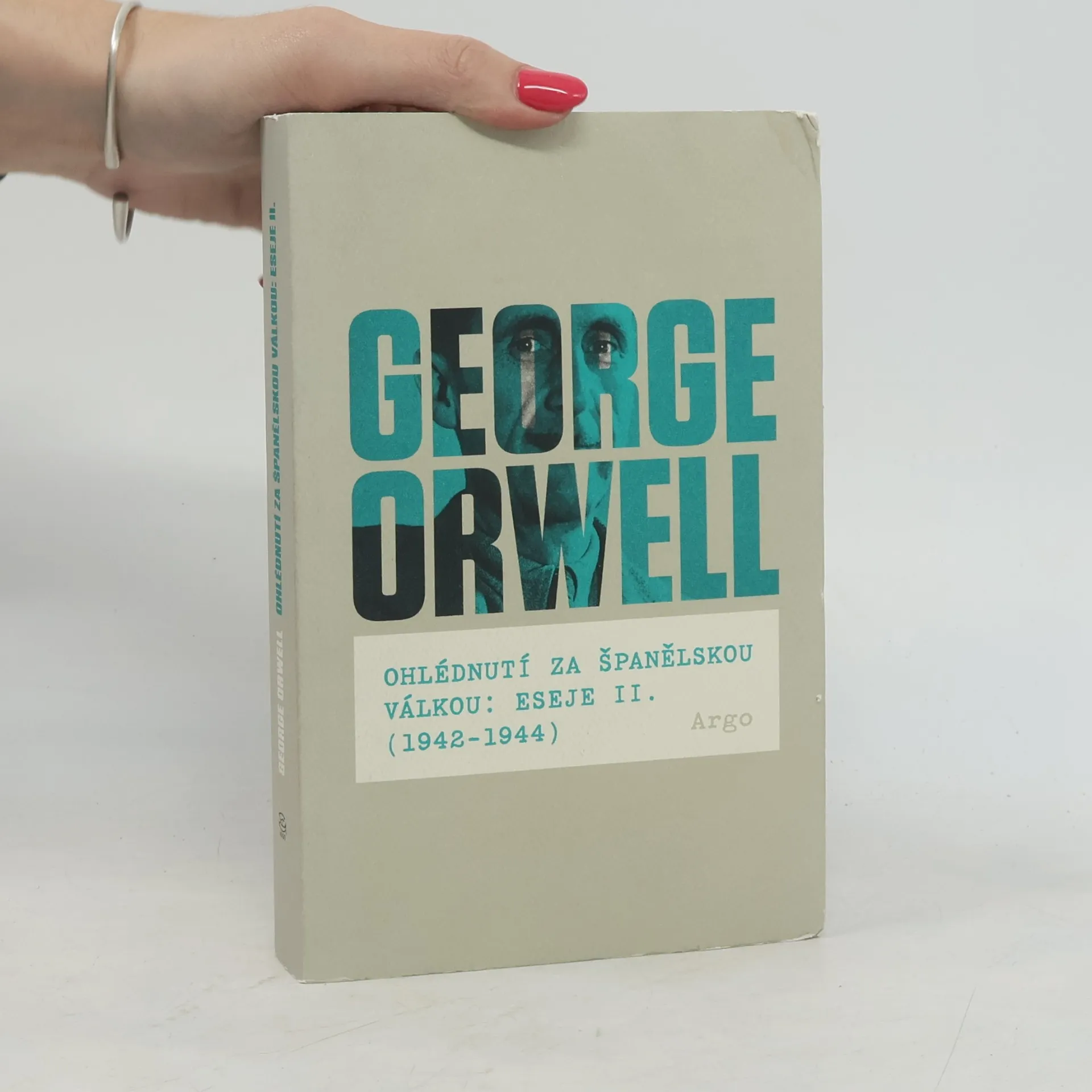
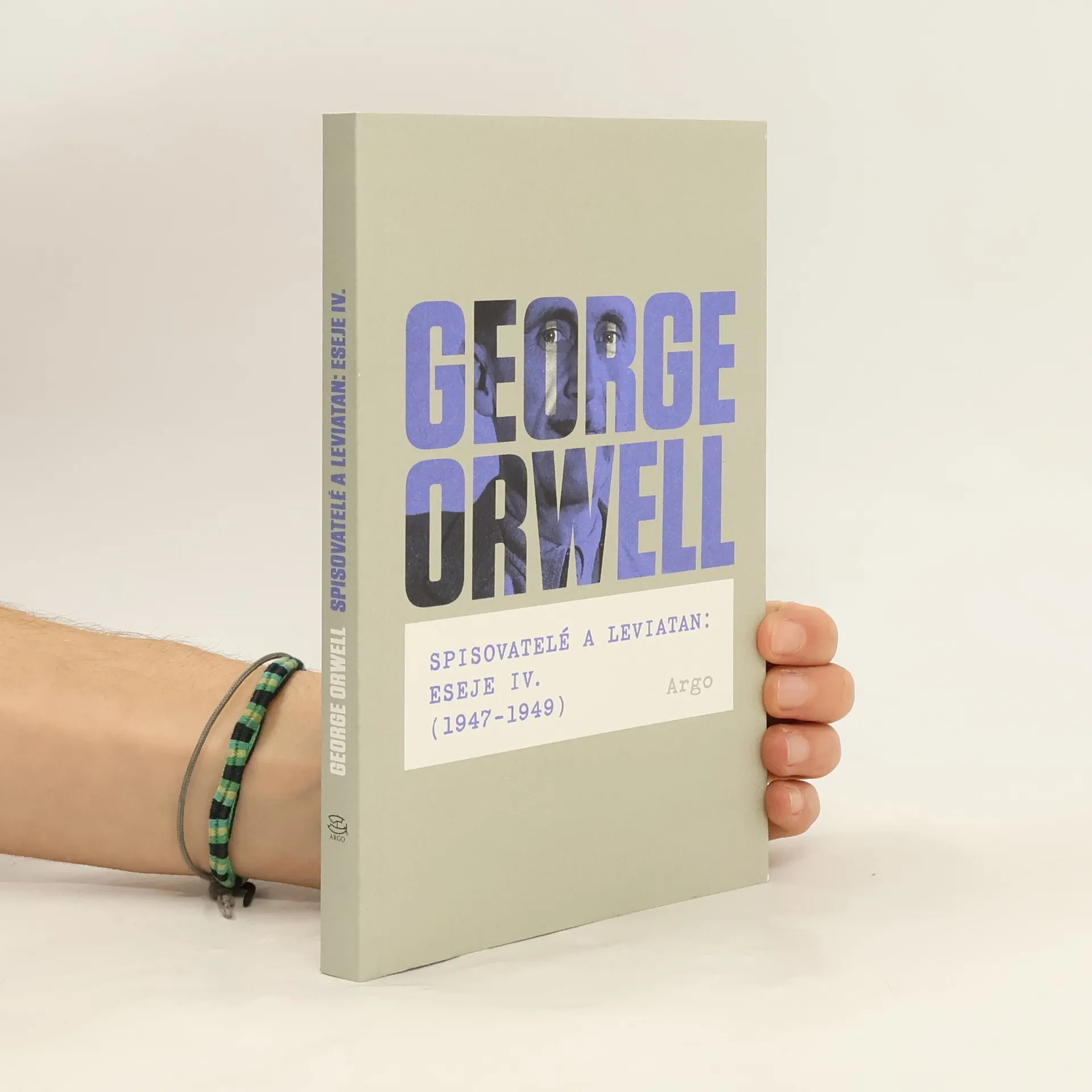
Tento autor proslul svým pronikavým intelektem a vtipem, hlubokým povědomím o sociální nespravedlnosti a vášnivým odporem k totalitě. Jeho dílo se vyznačuje snahou o jazykovou čistotu a vírou v demokratický socialismus. Zkušenosti z policejní služby v Barmě a bojů ve španělské občanské válce formovaly jeho pohled na svět. Je považován za jednoho z nejvýznamnějších kronikářů anglické kultury 20. století, jehož vliv na současnou kulturu a jazyk je patrný dodnes.
Der Grundstein aller Orwell-Bücher. Neu übersetzt von Jan Strümpel
320 stránek
12 hodin čtení
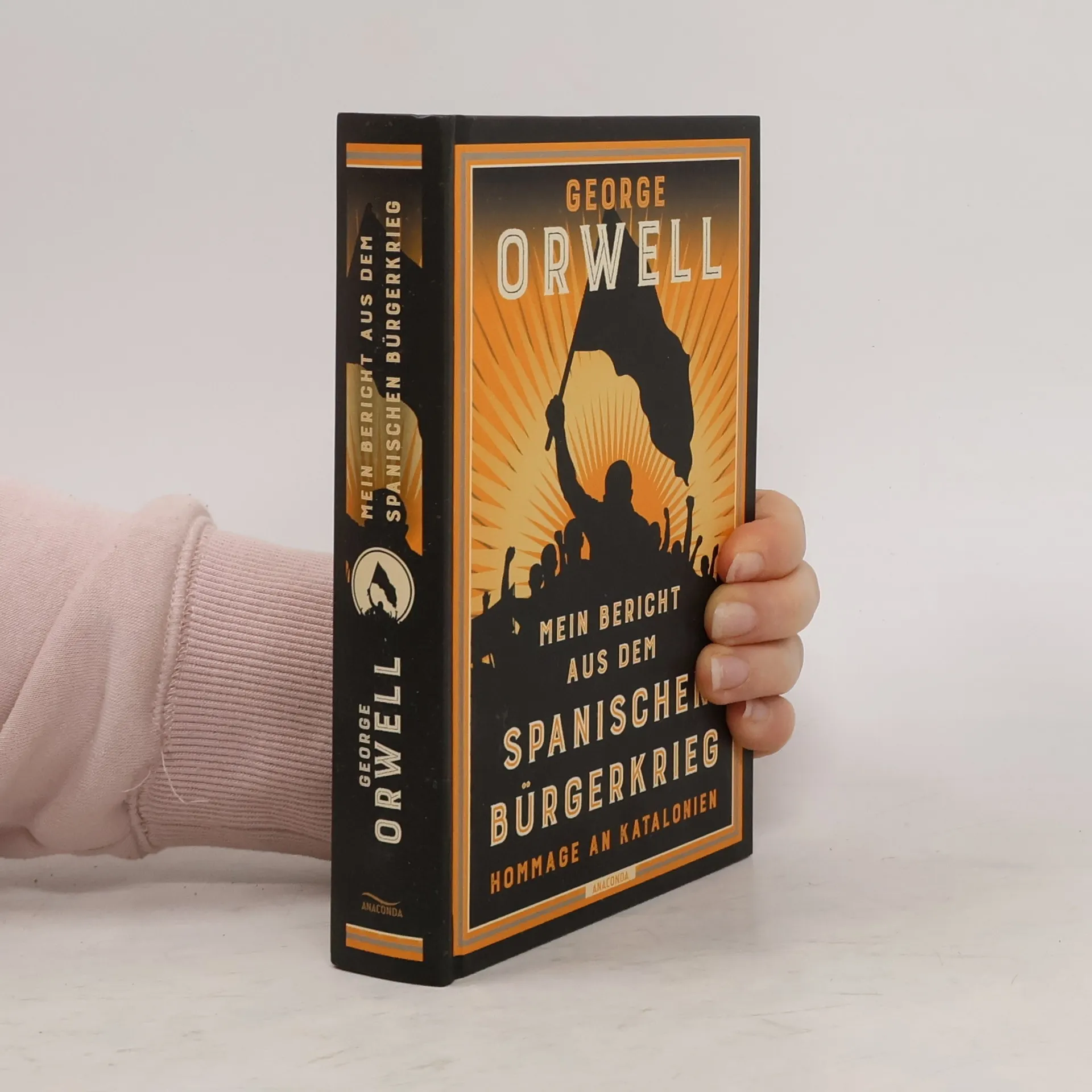
Ende 1936 ging George Orwell nach Barcelona, um als Journalist über den Spanischen Bürgerkrieg zu schreiben. Doch rasch schloss er sich den republikanischen Milizen an, deren Idealismus im Kampf gegen General Franco auch von Hunger, Kälte und schlechten Waffen nicht unterzukriegen war. Orwells »Hommage an Katalonien« fasziniert als präziser Bericht über die Kämpfe nicht nur an der Front, sondern auch innerhalb der politischen Lager. In Spanien reifte seine entschiedene Kritik am Totalitarismus heran, die später den Kern seines berühmten Romans »1984« bilden sollte. Der Grundstein aller Orwell-Bücher Neu übersetzt von Dr. Jan Strümpel Orwells Spanien-Erinnerungen legten die Grundlagen seiner späteren Totalitarismuskritik, die in seinen Meisterwerken »Farm der Tiere« und »1984« gipfelte Als Reporter in Barcelona teilte er sich ein Büro mit Ernest Hemingway
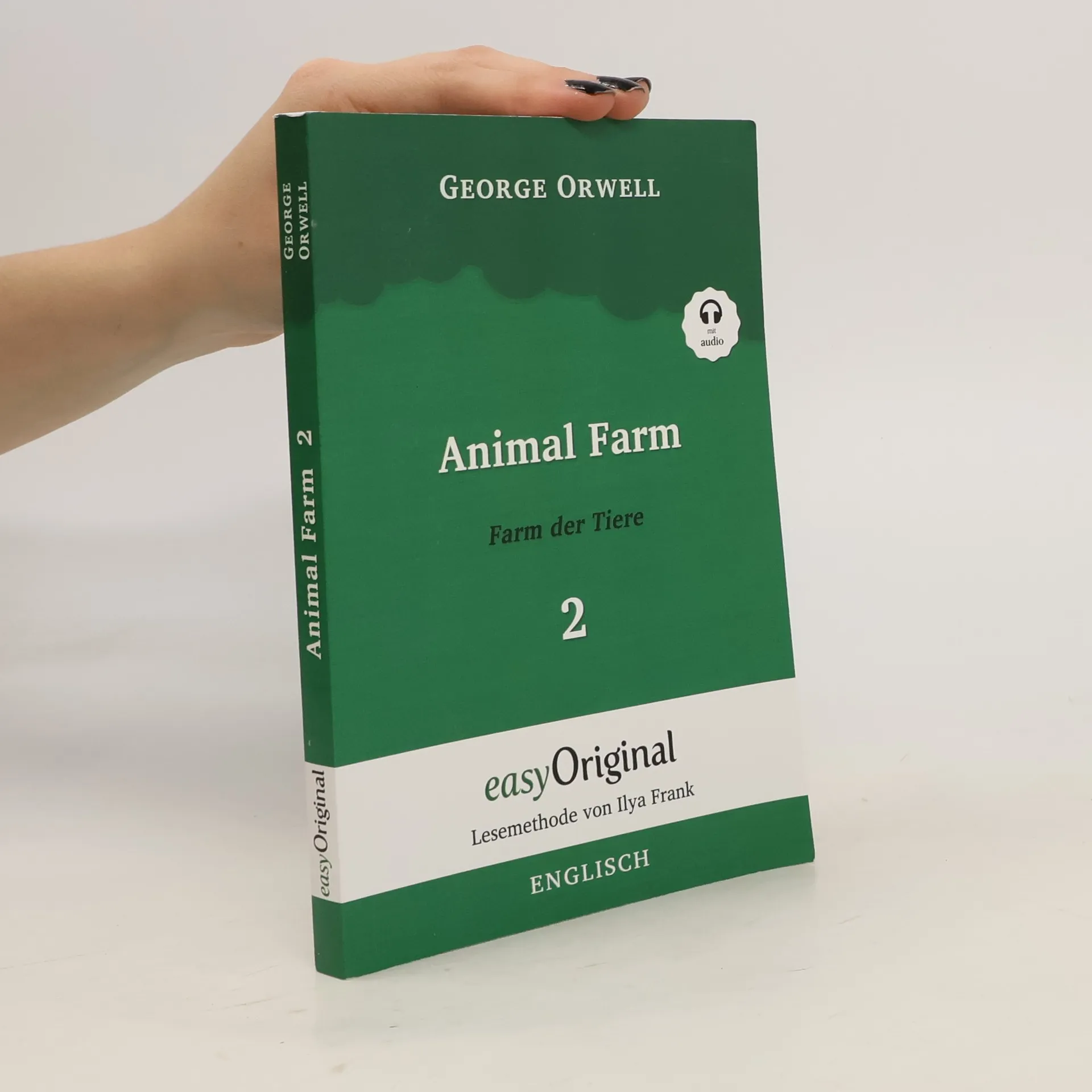
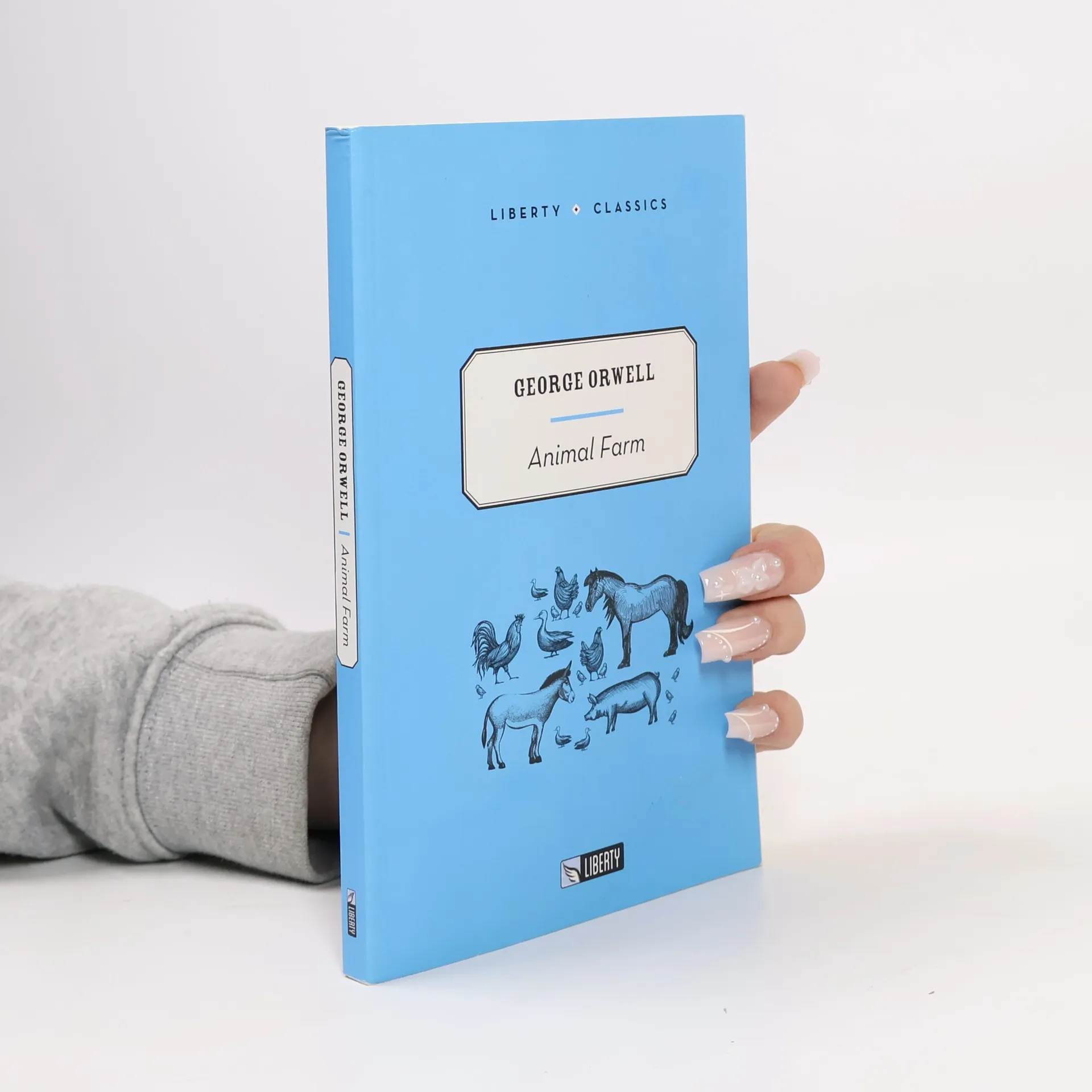
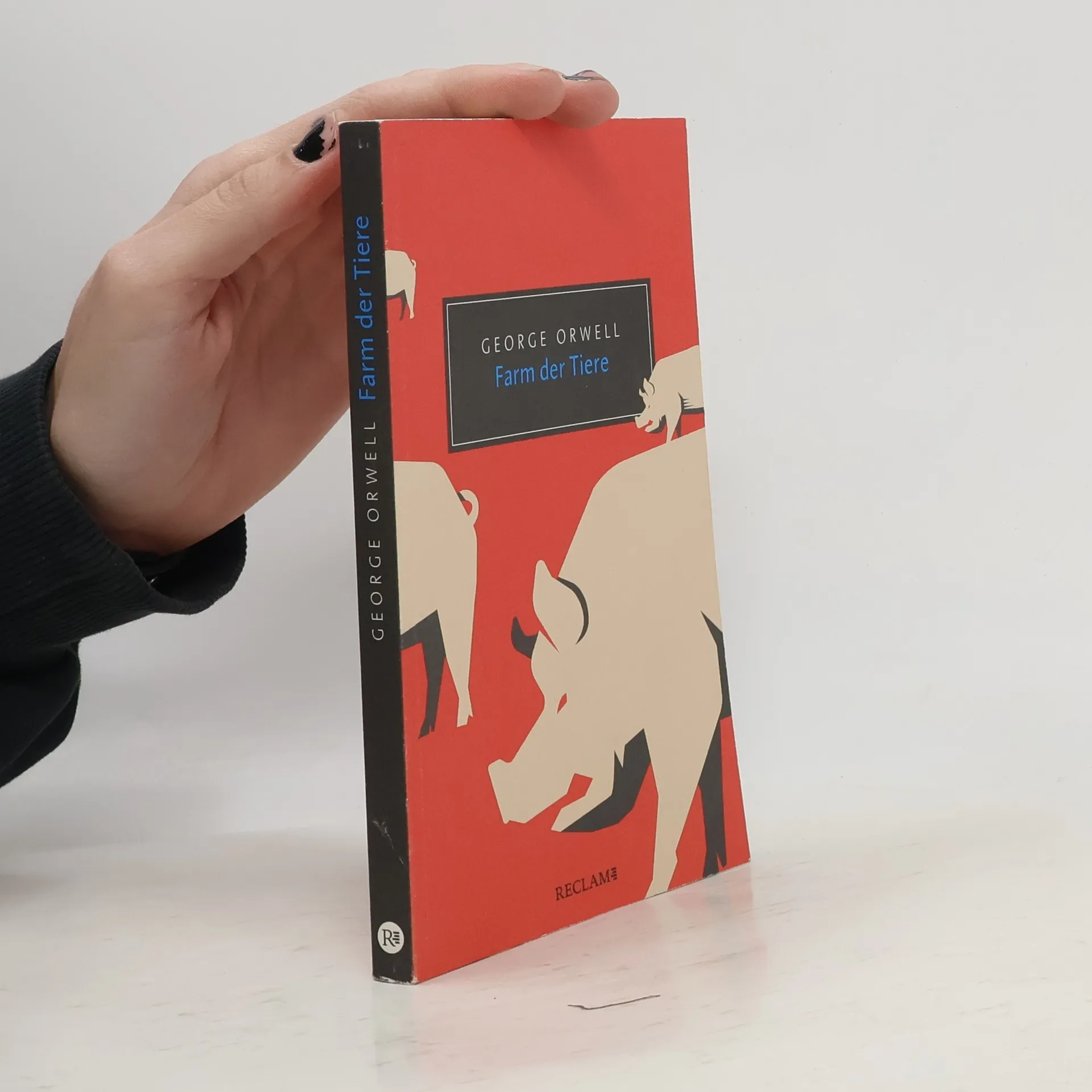
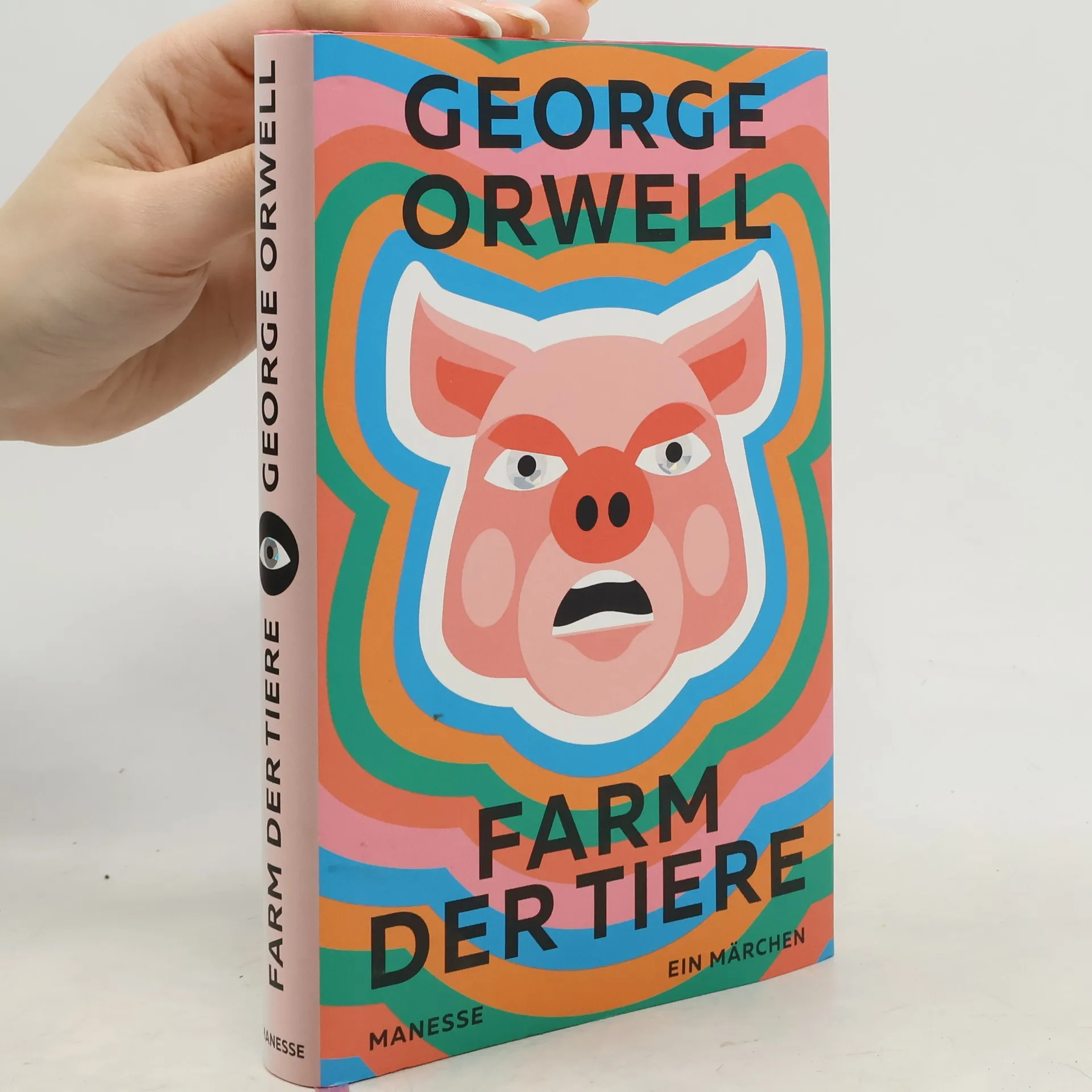
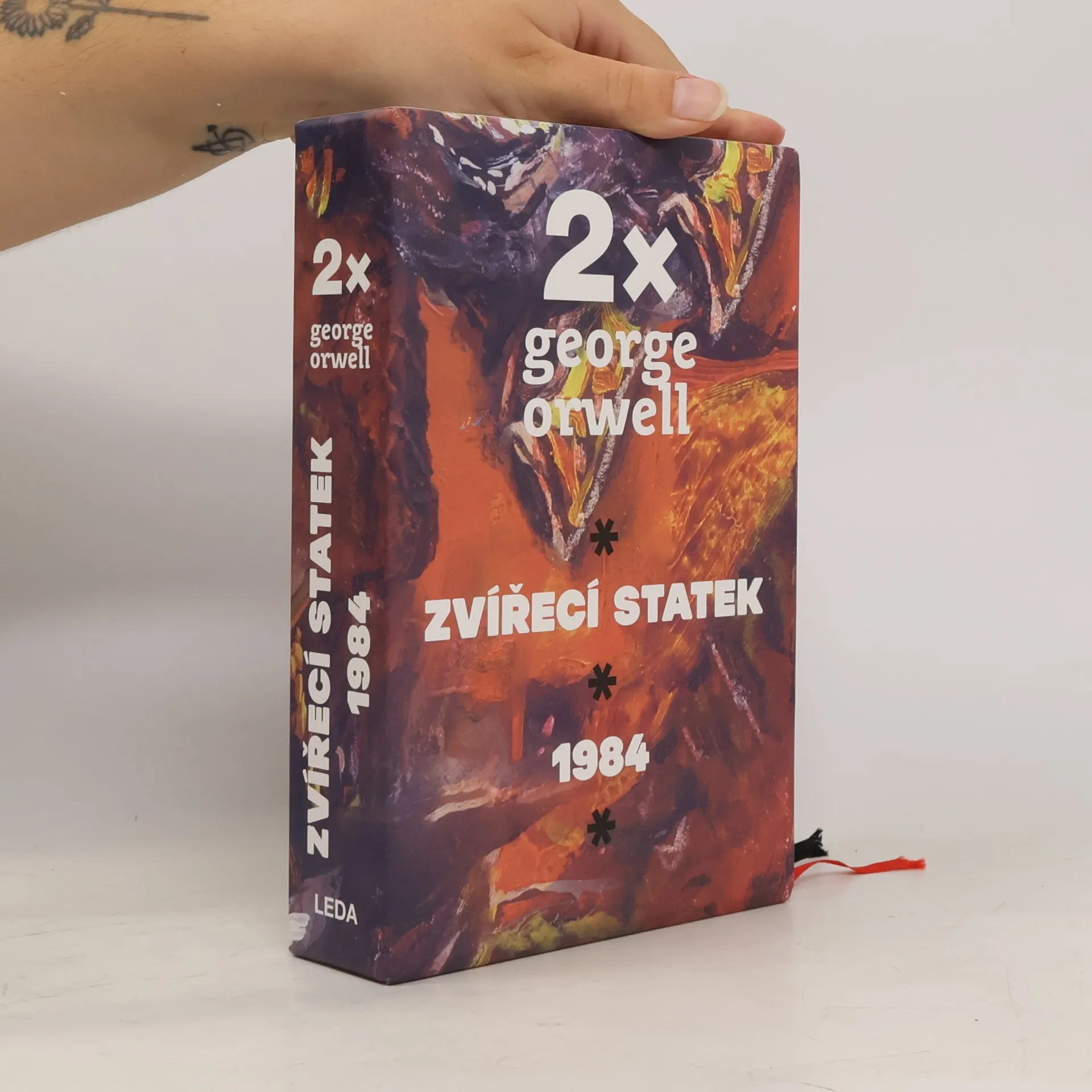
'ALL ANIMALS ARE EQUAL. BUT SOME ANIMALS ARE MORE EQUAL THAN OTHERS' They are fenced-in and caged, robbed of the fruits of their labour. The animals on Manor Farm have had enough. They start a revolution – for a just world, in which all animals are free and equal. But when some animals are more equal than others, freedom is a short-lived dream. George Orwell's masterwork is one of the most urgent literary wake-up calls. "Never listen when they tell you that Man and the animals have a common interest, that the prosperity of the one is the prosperity of the others. It is all lies. Man serves the interests of no creature except himself. And among us animals let there be perfect unity ..." Old Major English Edition: A special edition hardcover embossed with silver foil »Truly a timeless classic that speaks so much of human nature. Plus, it's quaint farmyard setting makes this a very British book, lucky enough to have become a global phenomenon.« The Guardian »It tells the story of class struggle, the abuse of power, and the ideas of freedom.« Medium »George Orwell's warnings from '1984' and 'Animal' Farm are more relevant than ever today. With surveillance, misinformation, and media control at unprecedented levels, Orwell’s insights serve as a powerful reminder to defend truth and individual freedoms.« Times Now
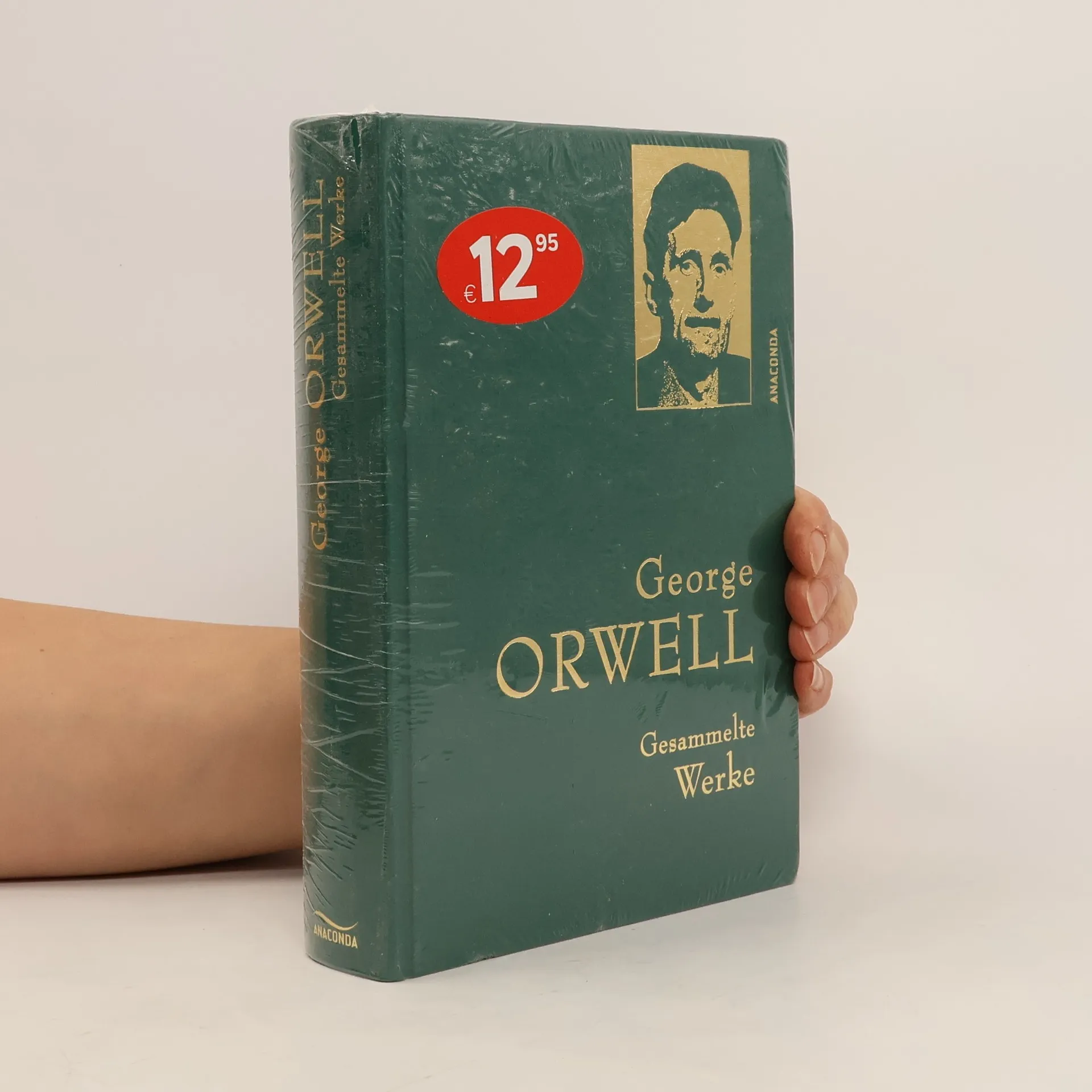
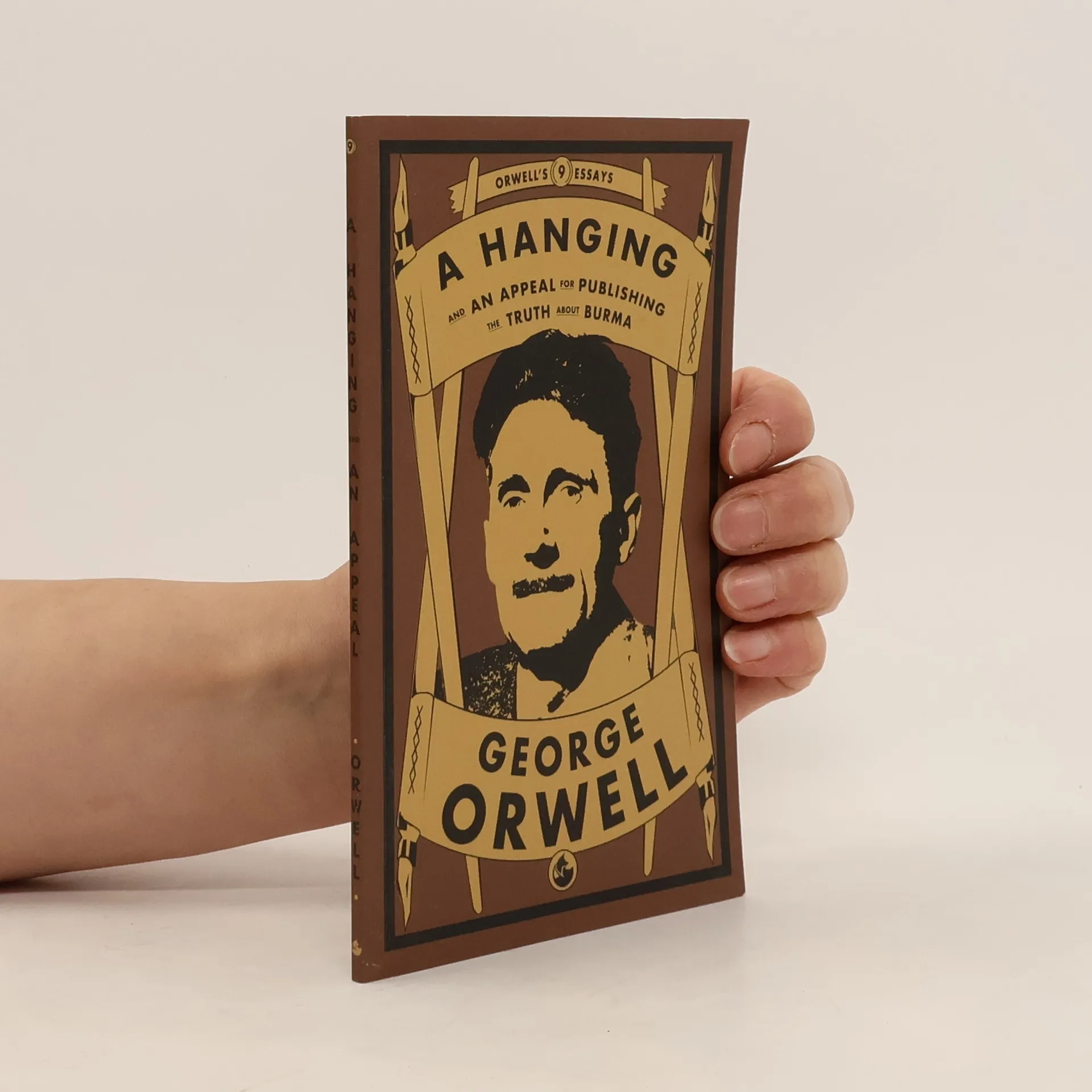
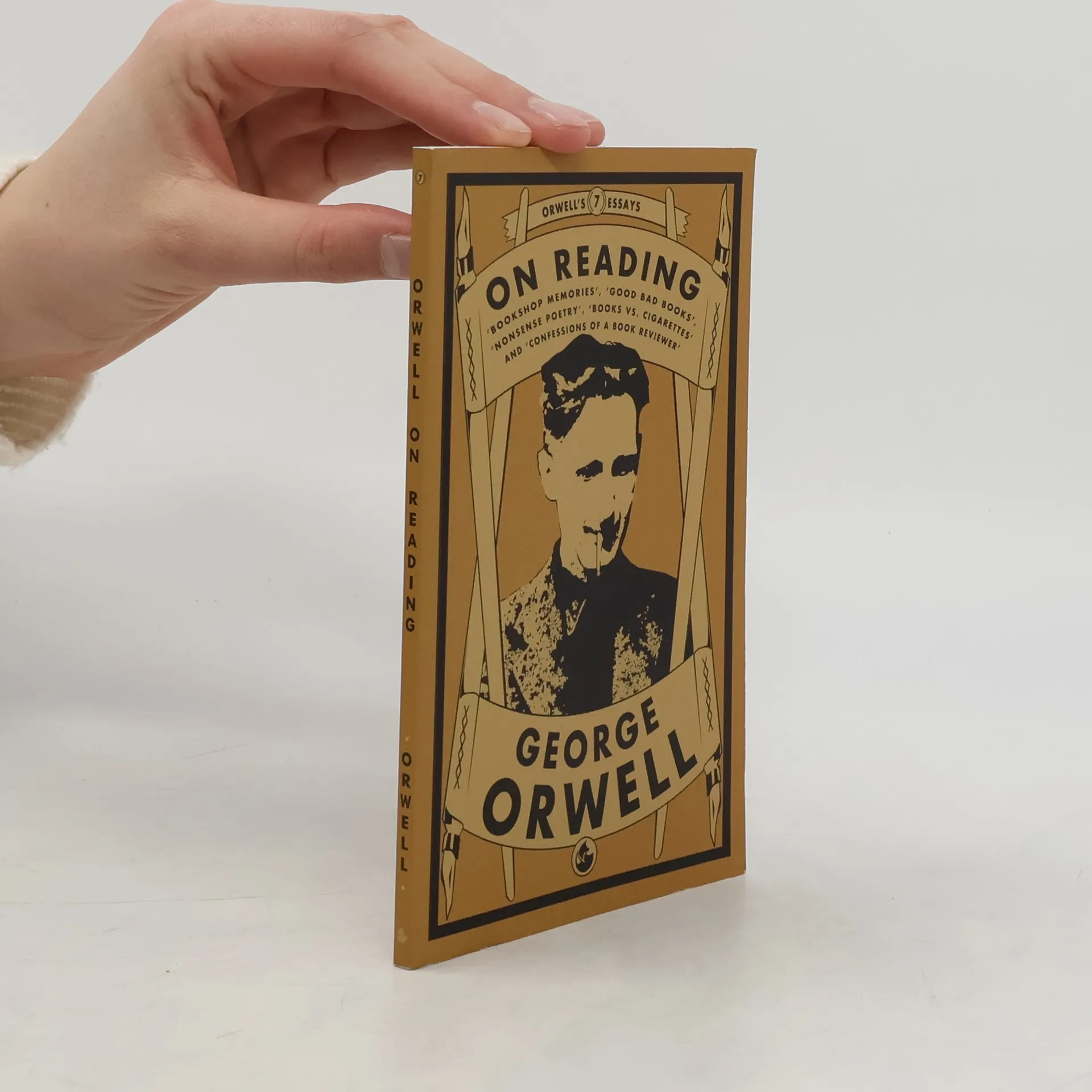
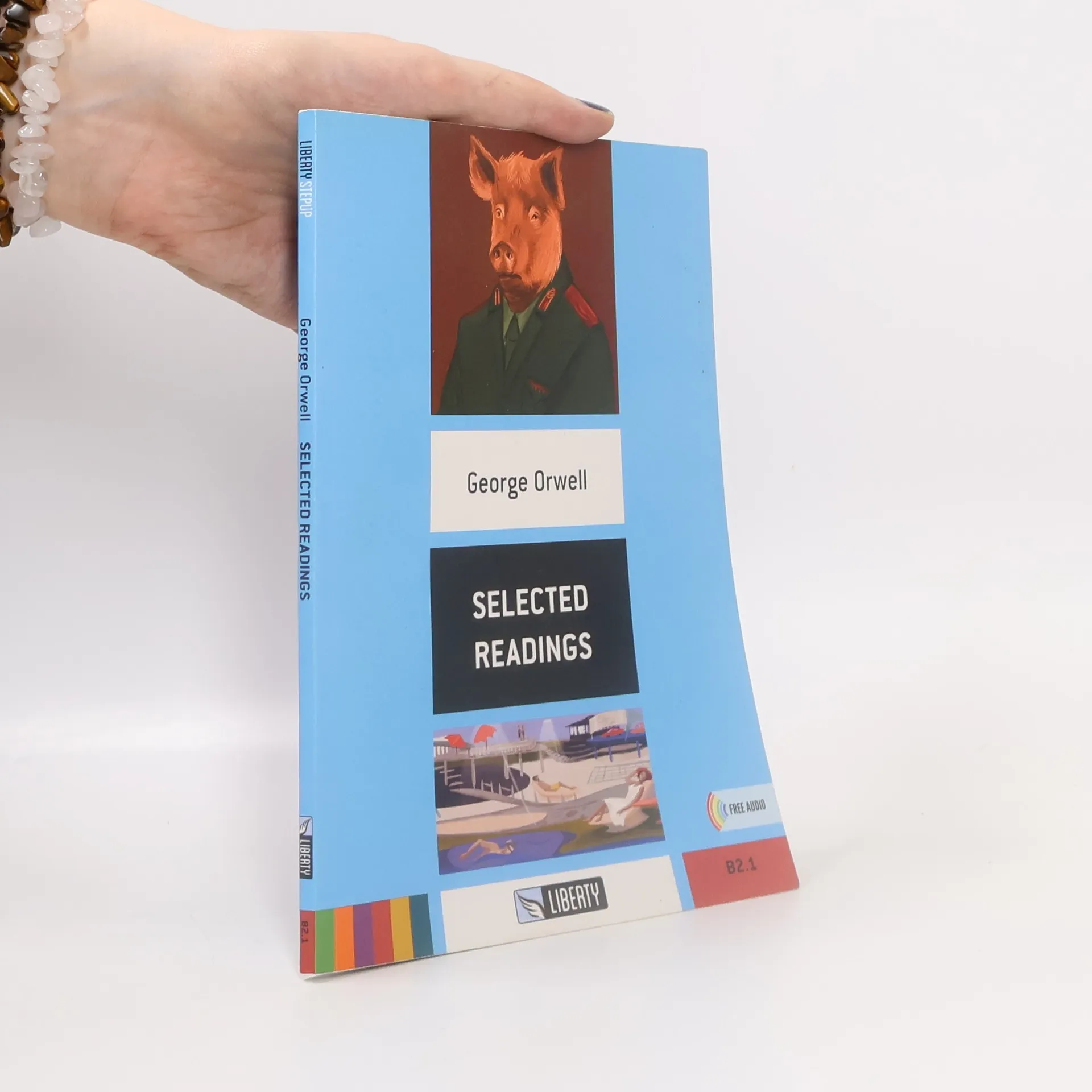
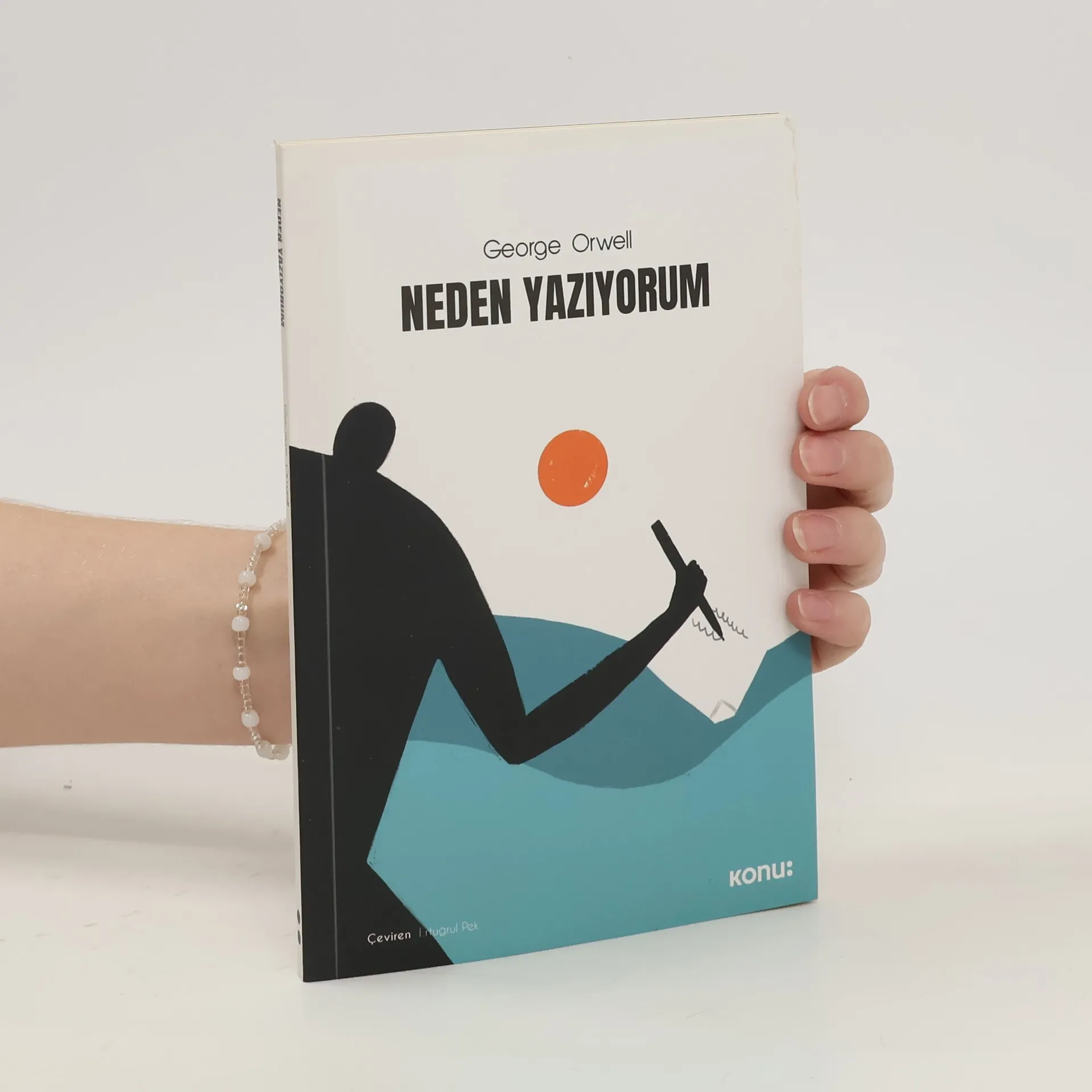
The collection features George Orwell's significant essays, showcasing his insights on literature and politics. Notable works include "Shooting an Elephant," where he reflects on imperialism, and "Politics and the English Language," which critiques the use of language in political discourse. The volume also includes "Why I Write," offering a personal perspective on his motivations as a writer, alongside shorter pieces that explore various themes. This comprehensive anthology highlights Orwell's profound impact on social commentary and literary criticism.
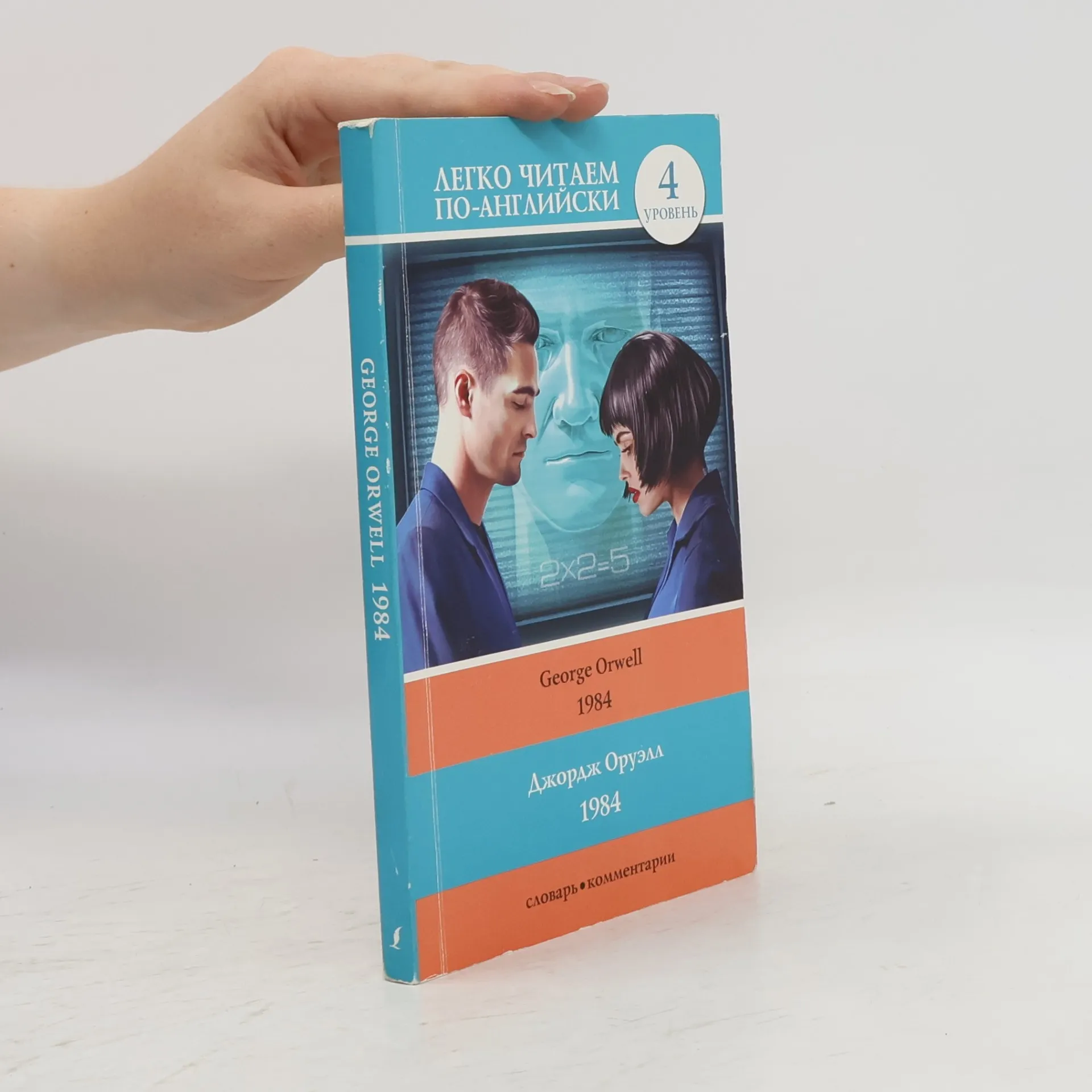
Animal Farm: Old Major, the old boar on the Manor Farm, calls the animals on the farm together for a meeting, during which he compares the humans to parasites and teaches the animals a revolutionary song, 'Beasts of England'. When Major dies, two young pigs, Snowball and Napoleon, assume command and consider it a duty to prepare for the Rebellion. The animals revolt and drive the drunken and irresponsible Mr. Jones from the farm, renaming it "Animal Farm". They adopt Seven Commandments of Animalism, the most important of which is, "All animals are equal". Snowball attempts to teach the animals reading and writing; food is plentiful, and the farm runs smoothly. The pigs elevate themselves to positions of leadership and set aside special food items, ostensibly for their personal health. Napoleon takes the pups from the farm dogs and trains them privately. Napoleon and Snowball struggle for leadership. When Snowball announces his plans to build a windmill, Napoleon has his dogs chase Snowball away and declares himself leader. Napoleon enacts changes to the governance structure of the farm, replacing meetings with a committee of pigs, who will run the farm. Through a young pig named Squealer, Napoleon claims credit for the windmill idea. The animals work harder with the promise of easier lives with the windmill. When the animals find the windmill collapsed after a violent storm, Napoleon and Squealer convince the animals that Snowball destroyed it. Once Snowball becomes a scapegoat, Napoleon begins purging the farm with his dogs, killing animals he accuses of consorting with his old rival. 'Beasts of England' is replaced by an anthem glorifying Napoleon, who appears to be adopting the lifestyle of a man. The animals remain convinced that they are better off than they were when under Mr Jones. Mr Frederick, one of the neighbouring farmers, attacks the farm, using blasting powder to blow up the restored windmill. Though the animals win the battle, they do so at great cost, as many, including Boxer the workhorse, are wounded. Despite his injuries, Boxer continues working harder and harder, until he collapses while working on the windmill. Napoleon sends for a van to take Boxer to the veterinary surgeon, explaining that better care can be given there. Benjamin, the cynical donkey who "could read as well as any pig", notices that the van belongs to a knacker, and attempts a futile rescue. Squealer reports that the van was purchased by the hospital and the writing from the previous owner had not been repainted. He recounts a tale of Boxer's death in the hands of the best medical care. Years pass, and the pigs learn to walk upright, carry whips, and wear clothes. The Seven Commandments are reduced to a single phrase: "All animals are equal, but some animals are more equal than others". Napoleon holds a dinner party for the pigs and local farmers, with whom he celebrates a new alliance. He abolishes practice of the revolutionary traditions and renames the farm "The Manor Farm". The animals, overhearing the conversation, notice that the faces of the pigs have begun changing. During a poker match, an argument breaks out between Napoleon and Mr Pilkington, and the animals realise that the faces of the pigs look like the faces of humans, and no one can tell the difference between them 1984: Winston Smith is a low-rung member of the Party, the ruling government of Oceania. He works in the Ministry of Truth, the Party's propoganda arm, where he is in charge of revising history. He is but a small brick in the pyramid that is the Party, at the head of which stands Big Brother. Big Brother the infallible. Big Brother the all-powerful. In a totalitarian society, where individuality is suppressed and freedom of thought has its antithesis in the Thought Police, Winston finds respite in the company of Julia. Originality of thought awakens, love bloosoms and hope is rekindled. But what they don't know is that Big Brother is always watching...
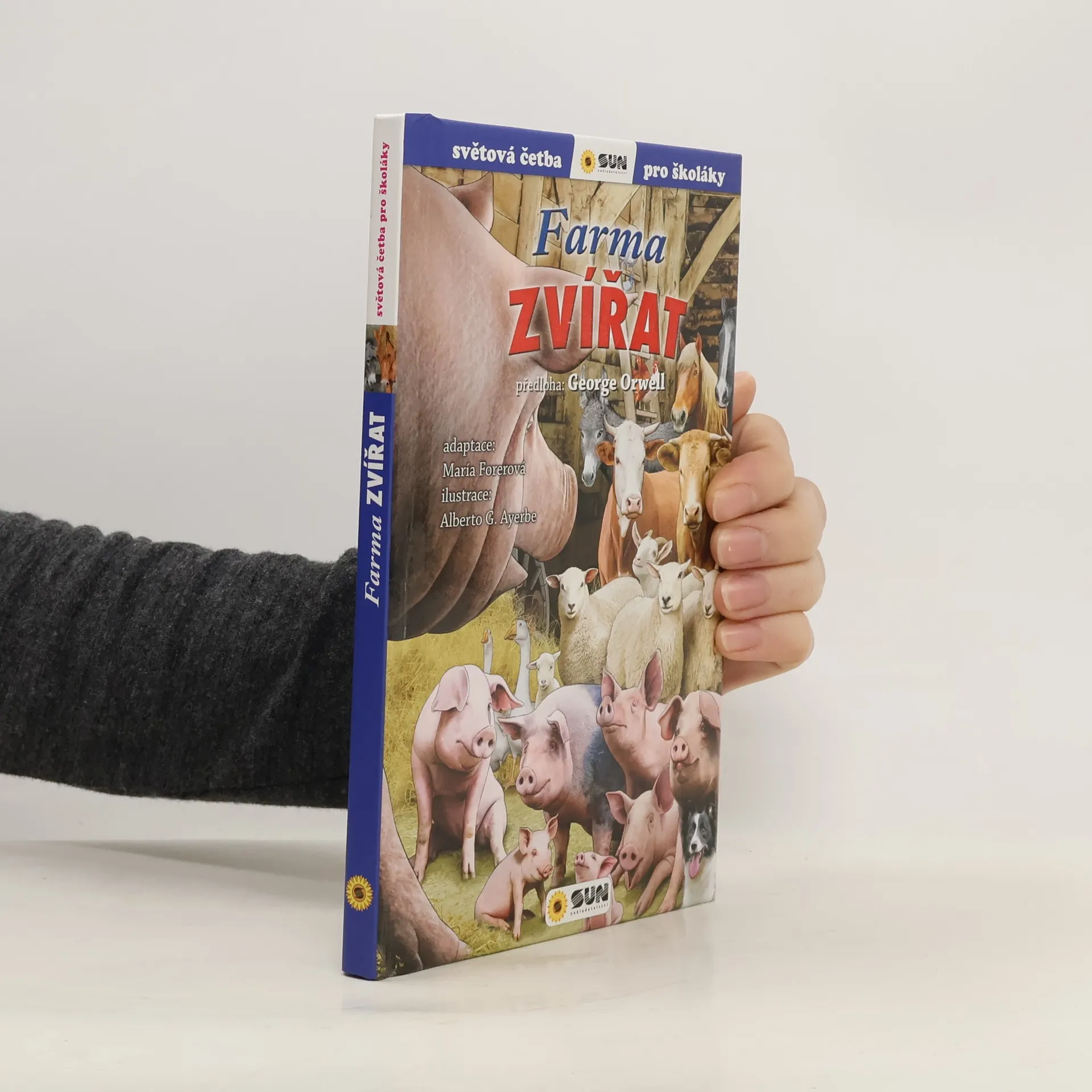
The narrative follows anthropomorphic farm animals as they revolt against their human owner, aspiring to establish a society based on equality, freedom, and happiness. Their quest for a utopian existence reveals the complexities of power and the corruption that can arise from it, ultimately leading to a poignant commentary on politics and human nature. Through their journey, the animals encounter challenges that question the ideals of their rebellion and the realities of leadership.
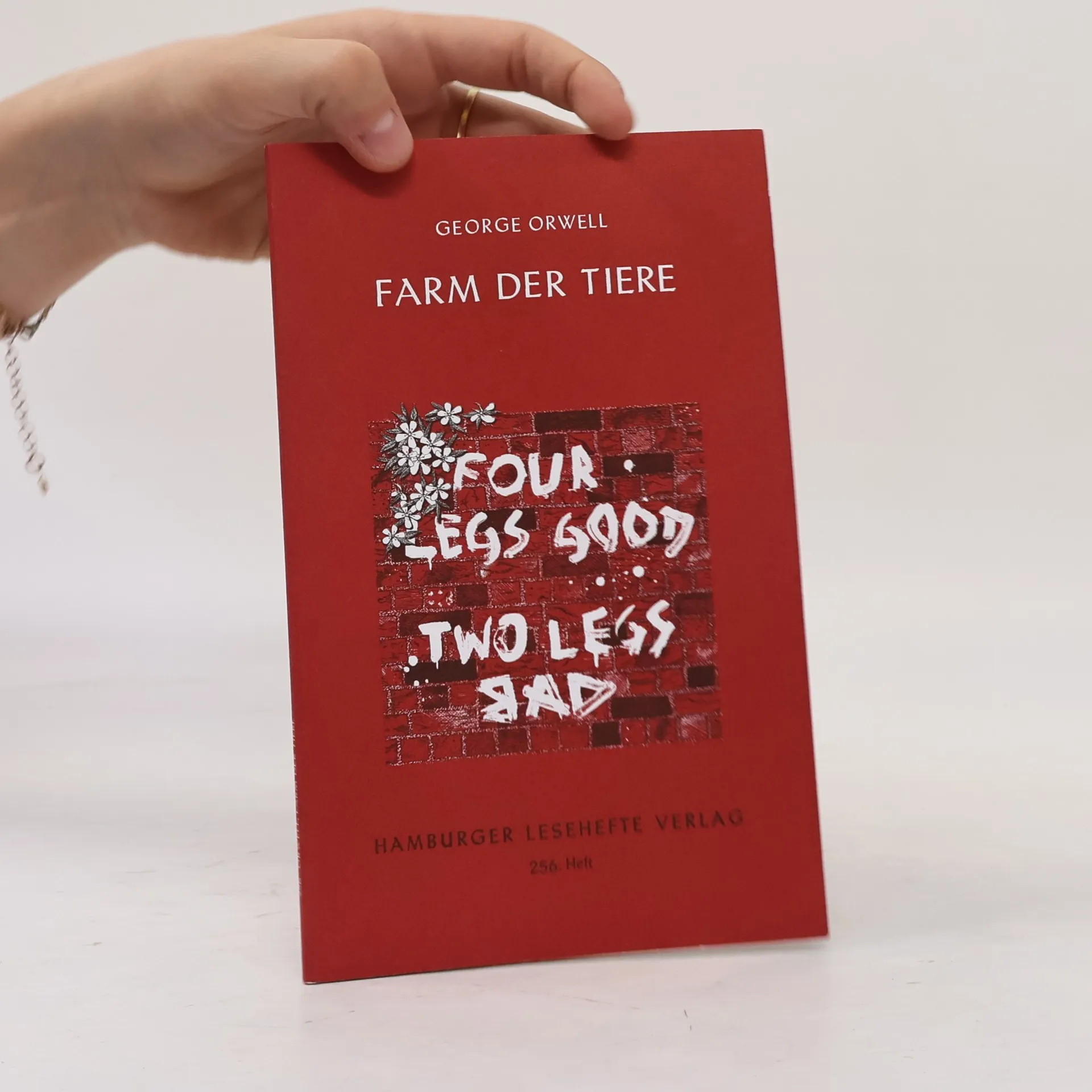
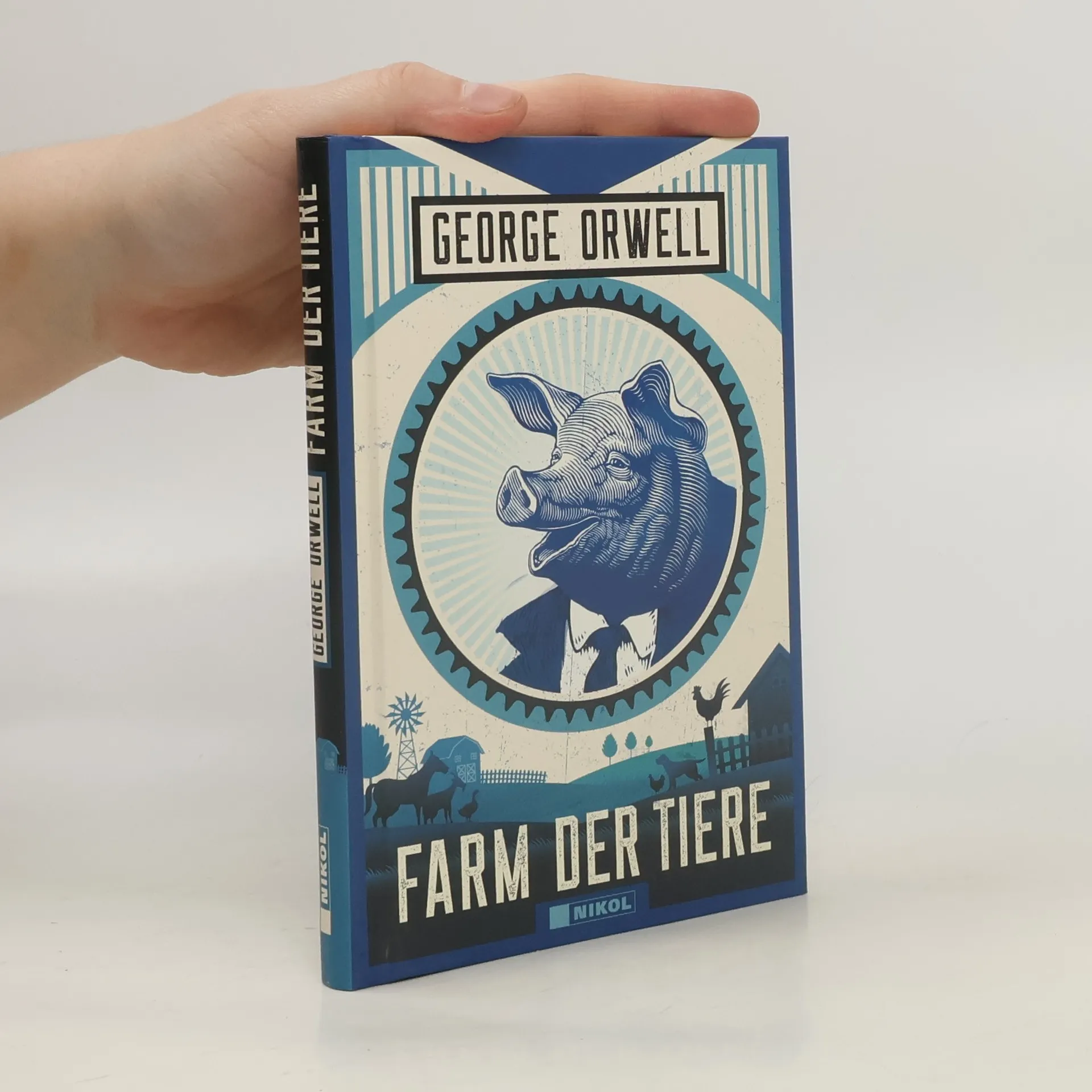
The story follows the animals on Manor Farm, who endure harsh conditions and insufficient food under Farmer Jones. In a bid for freedom, they rebel and take control of the farm. However, as the pigs assume leadership, the initial hopes for a better life gradually fade, leading to a return to oppressive conditions reminiscent of their past. This narrative explores themes of power, corruption, and the cyclical nature of oppression.
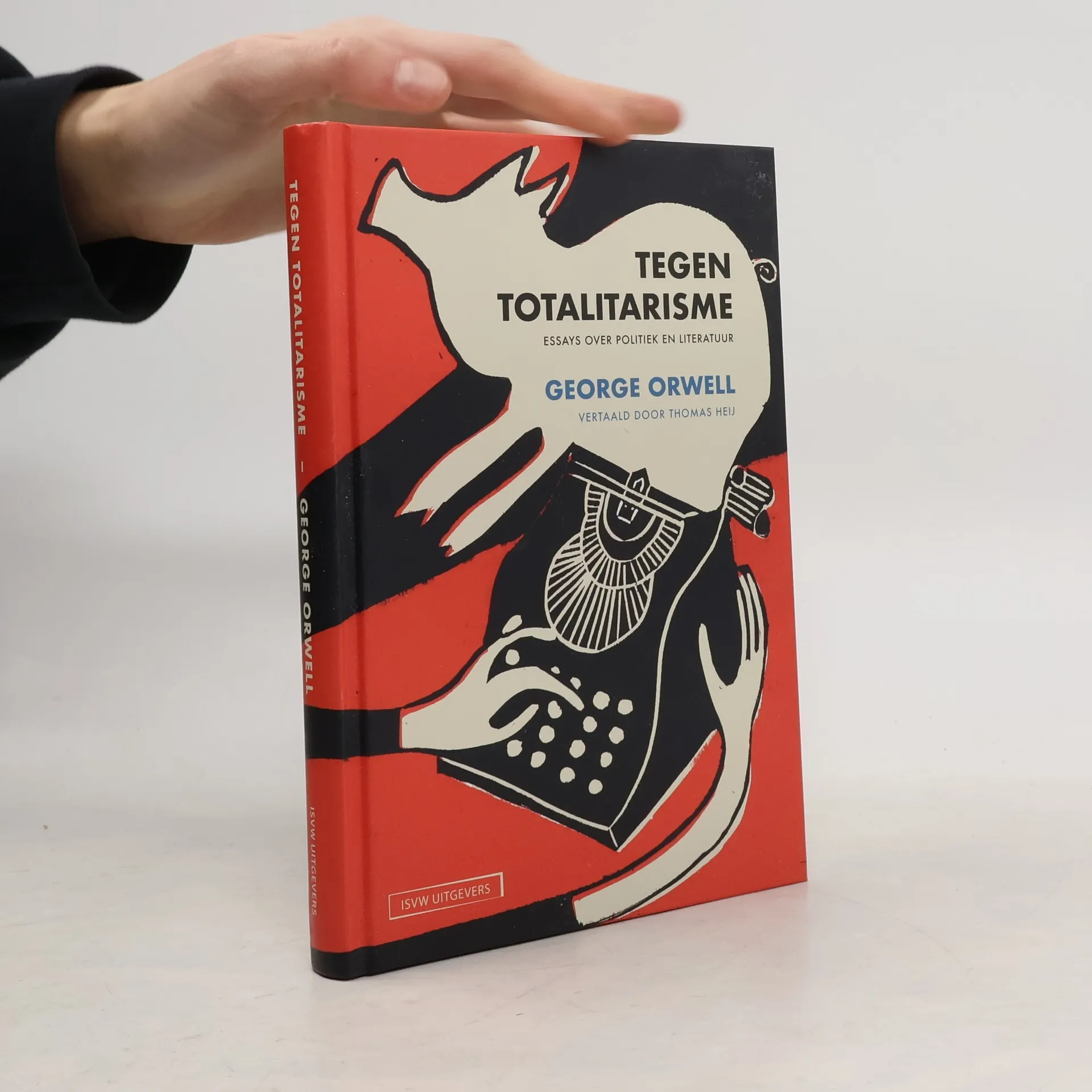
Exploring the allure of murder in literature, Orwell delves into media portrayals and public fascination with crime. He examines the evolution of murder narratives, contrasting sensationalism with ethical storytelling in his essay "The Ethics of the Detective Story from Raffles to Miss Blandish." This installment in the Essays series highlights Orwell's keen insights into political writing and its impact on understanding totalitarianism, while also reflecting on the enduring appeal of true crime and realistic depictions of murder in fiction.
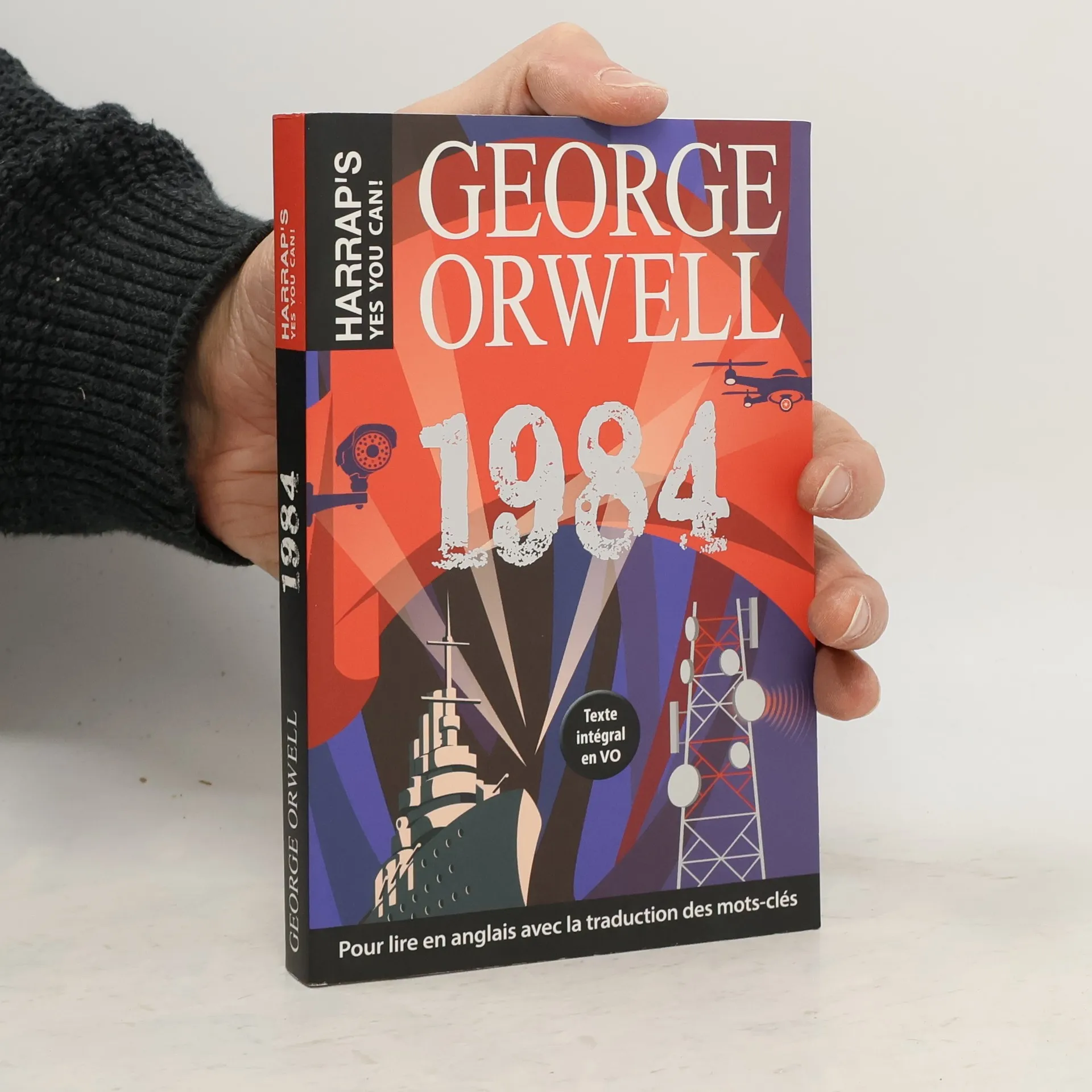
Set in a dystopian future, the narrative explores a totalitarian regime where the government, led by Big Brother, exerts oppressive control over citizens' thoughts and actions. The Thought Police monitor and punish any form of dissent, while the language is manipulated through Doublespeak to limit freedom of expression. Themes of surveillance, individuality, and the manipulation of truth are central, creating a chilling reflection on the consequences of unchecked power and the loss of personal autonomy.
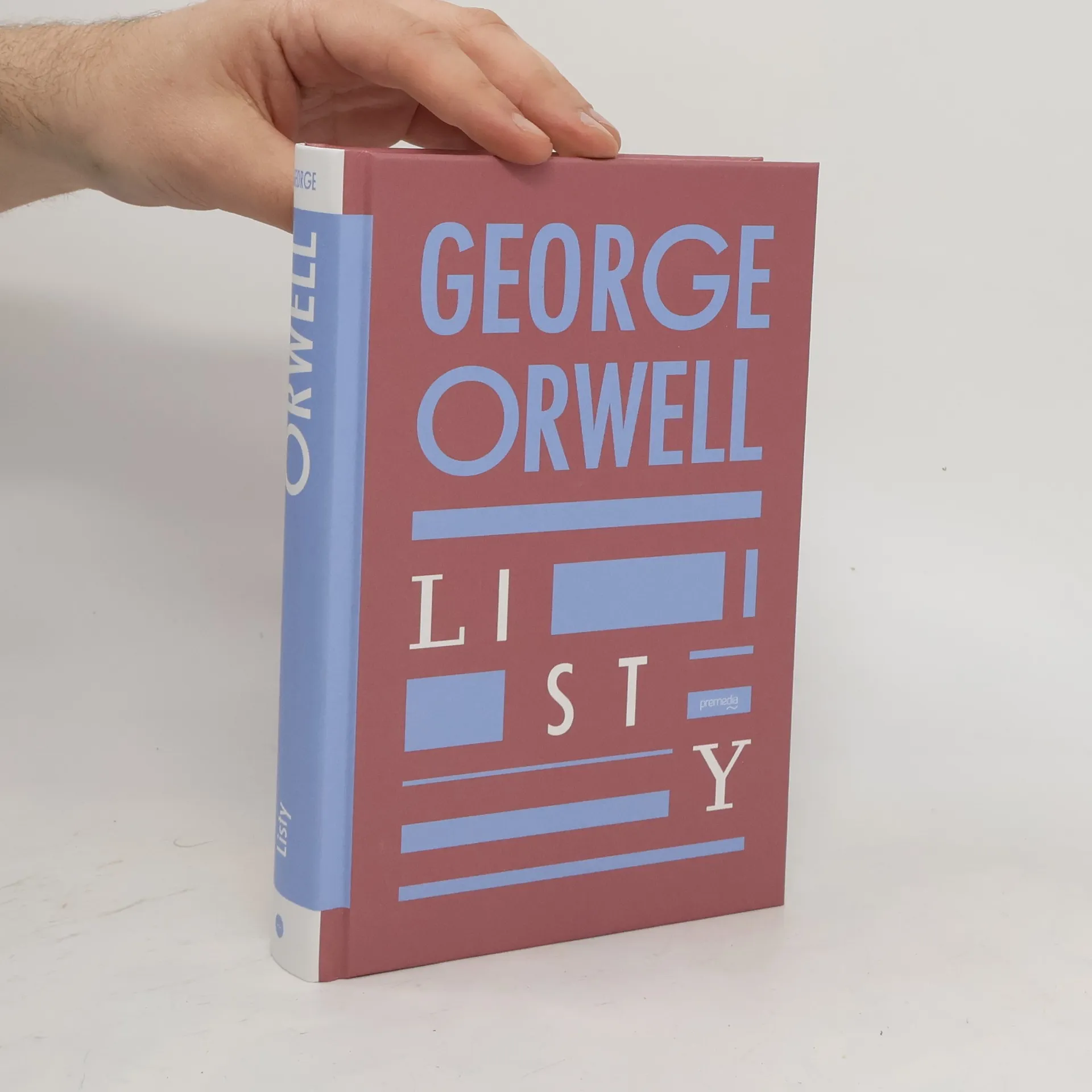
Výber z korešpondencie Georgea Orwella približuje jeho osobnosť nielen ako významného spisovateľa a mysliteľa, ktorý ovplyvnil a dodnes ovplyvňuje generácie spisovateľov a intelektuálov, ale aj ako spoločenského glosátora, aktívneho občana, presvedčeného socialistu a antistalinistu. A prirodzene aj ako človeka, ktorého osobný život nepatril vzhľadom na chatrné zdravie a osobné tragédie k tým najšťastnejším. Výber mapuje zásadné etapy Orwellovho života od pôsobenia v Indii, bezprostredného zapojenia sa do bojov v španielskej občianskej vojne, pobyt v Maroku, cez účasť v domobrane počas bombardovania Londýna a bitky o Britániu, prácu pre rozhlasovú stanicu BBC, až po záverečnú etapu jeho života na hebridskom ostrove Jura, kde napísal či dokončil svoje najdôležitejšie literárne diela. Ťažisko je položené na autorovom epištolárnom komentovaní, analyzovaní, glosovaní svetových i lokálnych udalostí, vrátane jeho osobných názorov na literatúru a spoločnosť, kontaktov s vydavateľmi jeho kníh a zaradená je aj jeho korešpondencia s významnými umeleckými osobnosťami 20. storočia, ako boli T. S. Eliot, S. Spender, A. Koestler, C. Connolly či Henry Miller. Záverečnú časť knihy tvoria listy Orwellovej manželky Eileen, ktorá zohrala dôležitú úlohu nielen v jeho osobnom živote, ale aj pri písaní jeho kľúčových diel.
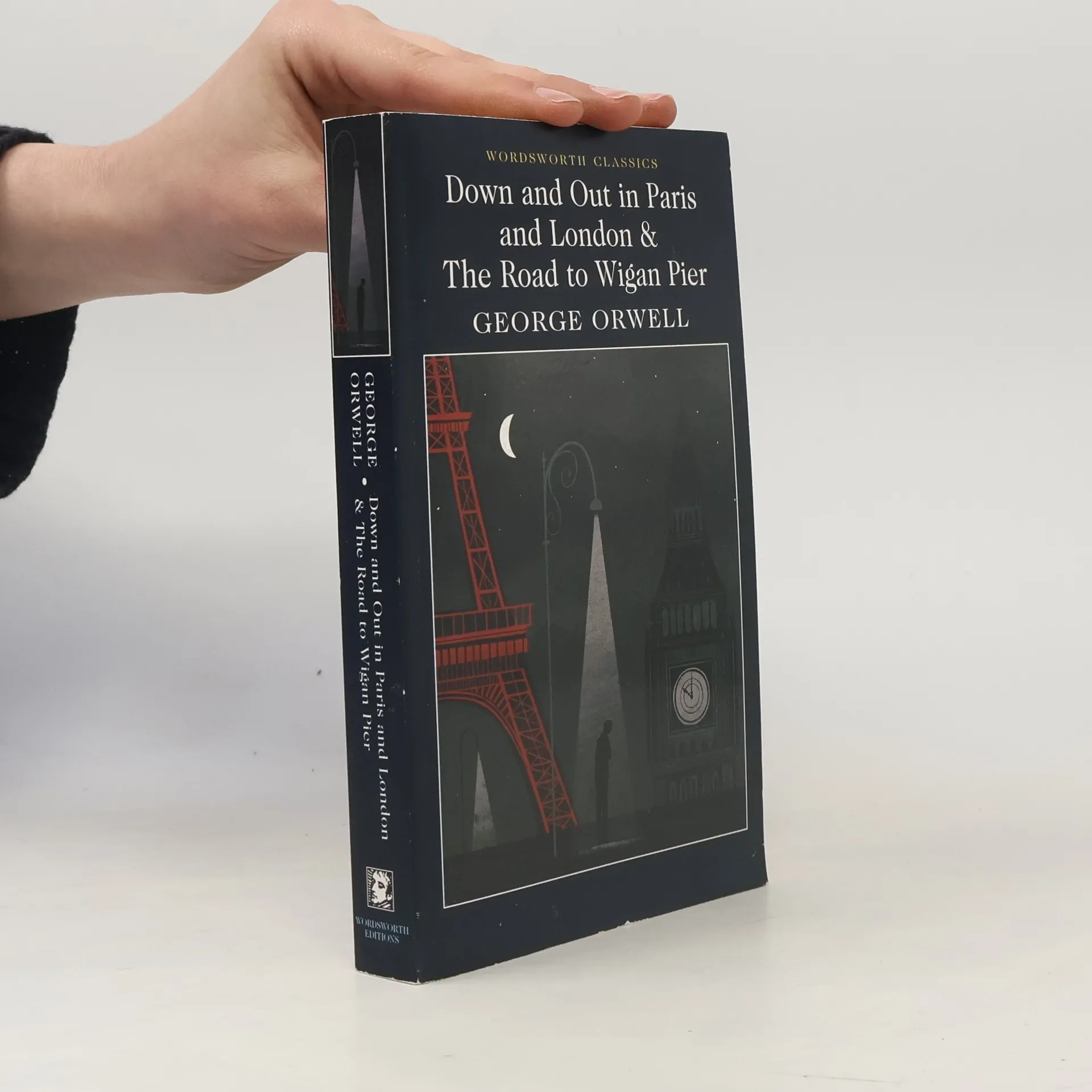
In "Down and Out in Paris and London," George Orwell recounts his experiences in the impoverished areas of London and Paris during the late 1920s. Through vivid characters and sharp observations, Orwell explores themes of inequality, poverty, and alienation, laying the groundwork for his literary career.