Menšina, jazyk a rasizmus
- 300 stránek
- 11 hodin čtení
Kniha sa zaoberá problémami vzťahu jazyka k mimojazykovej skutočnosti, vynikajúci úvod do otázok súvisiacich s dvojjazyčnosťou a jazykovými ľudskými právami.




Kniha sa zaoberá problémami vzťahu jazyka k mimojazykovej skutočnosti, vynikajúci úvod do otázok súvisiacich s dvojjazyčnosťou a jazykovými ľudskými právami.
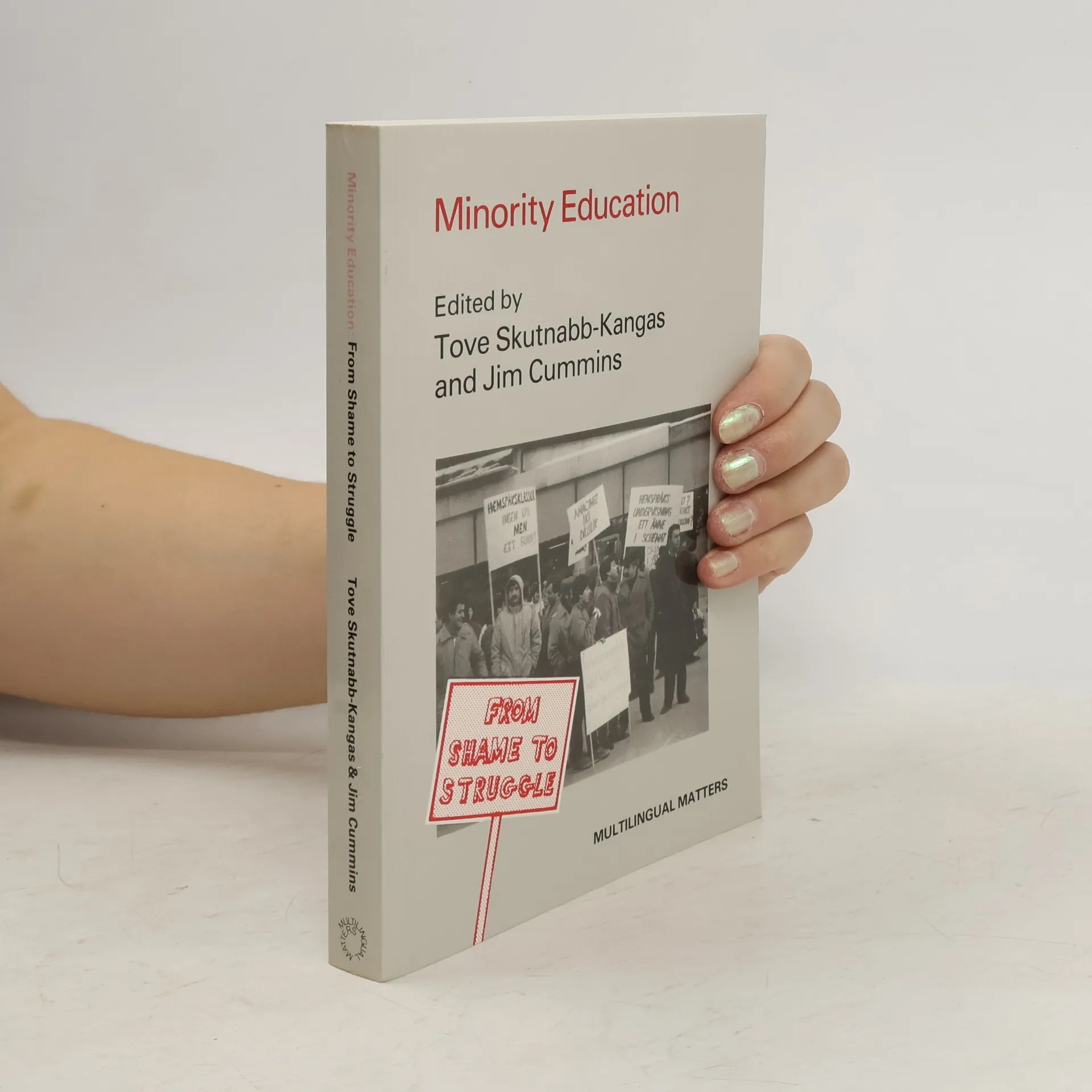
In the past two decades, the education of children from linguistic minority backgrounds in Europe and North America has sparked significant controversy. Many minority children face challenges in school, leading to high dropout rates and a lack of formal qualifications. Educators and policy-makers express concern that an entire generation of alienated youth is emerging from these educational systems without future prospects. This analysis delves into the policy issues affecting minority students in western industrialized societies and showcases successful case studies that have reversed the trend of academic failure among these groups. A key theme is that the academic struggles of minority students stem from the power dynamics between dominant and subordinate societal groups. Schools often reflect and perpetuate these power relations, punishing children for using their mother tongues, which undermines their confidence in their cultural identity and academic capabilities. To combat this failure, it is essential for educators to empower both minority students and their communities. The book presents case studies illustrating successful empowerment efforts, alongside insights from individuals and minority communities actively engaged in advocating for the educational and linguistic rights of minority children.
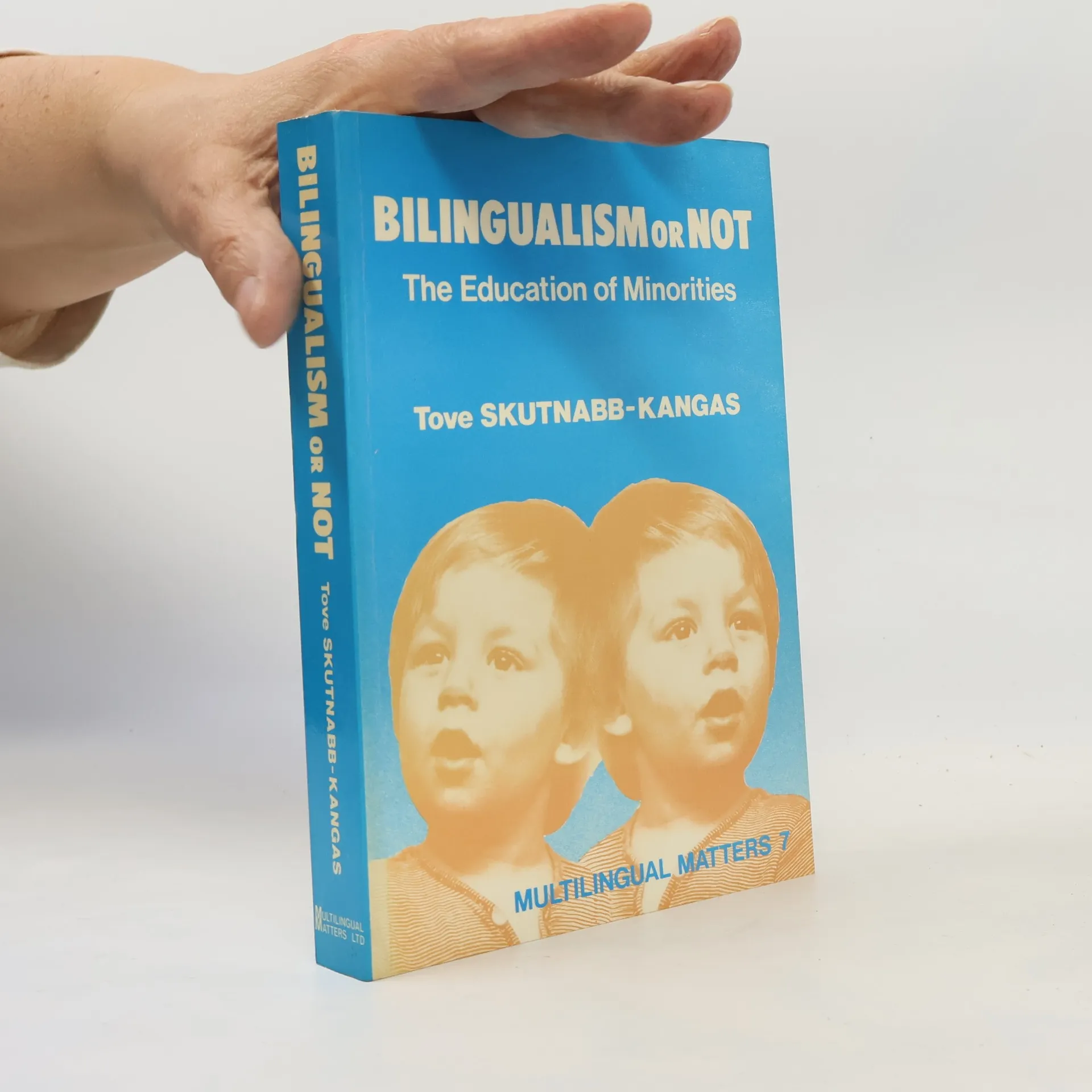
This book deals with bilingualism, particularly as it relates to migrants and indigenous minorities. People from (linguistic) minorities often have to become bilingual in order to cope in the larger society, while majority representatives may voluntarily become bilingual. The book begins with a purely linguistic coverage of bilingualism and then deals with the prerequisites and consequences of bilingualism from the perspectives of psychology and pedagogy. It then moves on from the family and the school to international comparisons of societies with different minority policies. It also analyses controversies about the education of migrants and minorities and places them in the wider political context. Among the topics covered are the mother tongue, its development and significance and how it differs from languages learned later definitions and measurement of bilingualism different ways of becoming bilingual for different groups, in the school and the family bilingualism, cognitive development and school achievement semilingualism guest worker policy and immigrant policy violence in minority education.