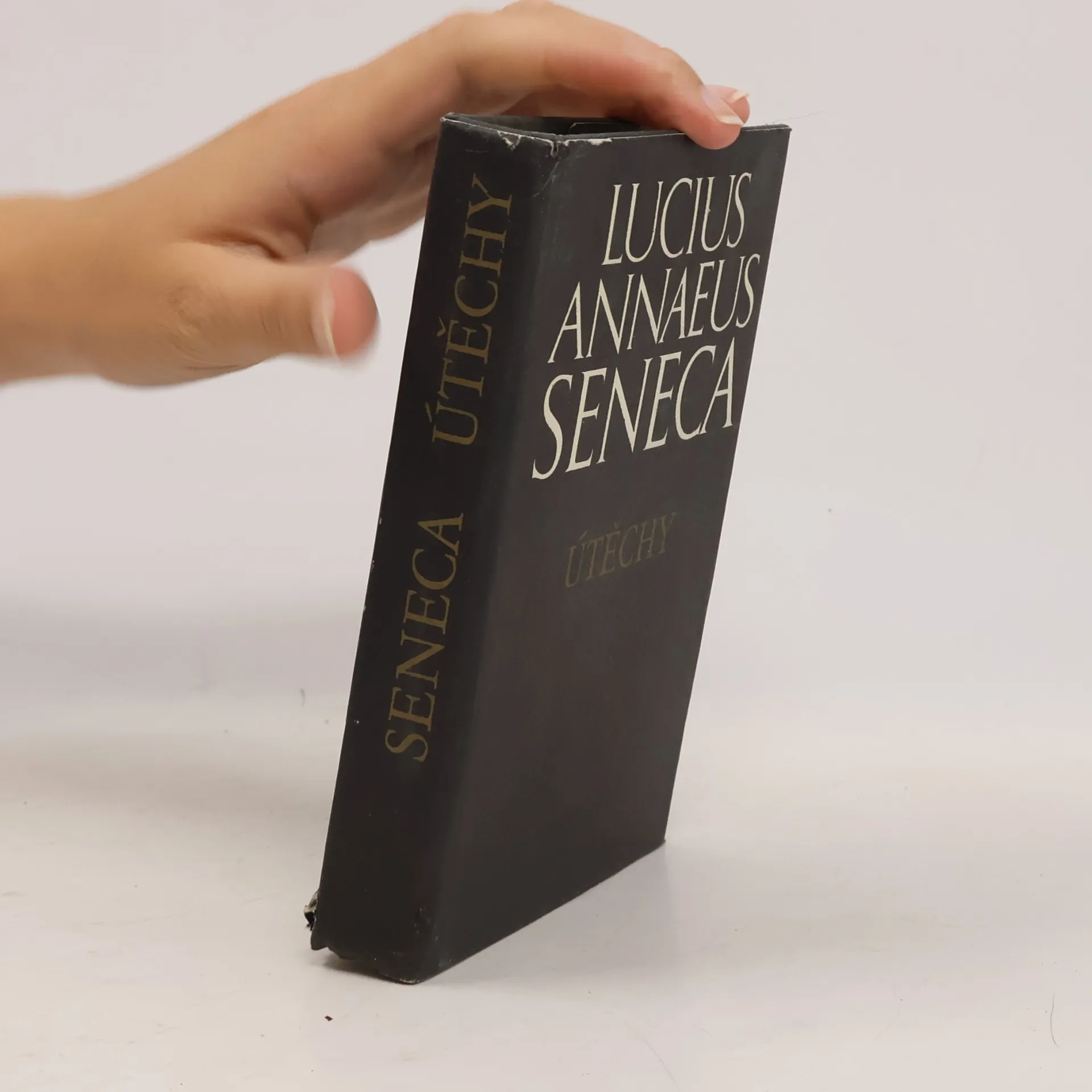
Lucius Annaeus Seneca byl římský stoický filozof a dramatik z období stříbrné éry latinské literatury. Jeho dílo se zabývá hlubokými filozofickými tématy s důrazem na etiku a morálku, přičemž jeho styl je známý svou pronikavostí a rétorickou obratností. Seneca se ve své tvorbě zaměřoval na sebepoznání, zvládání emocí a hledání vnitřního klidu v bouřlivém světě. Jeho filozofické úvahy a dramatické básně nadále inspirují čtenáře svou nadčasovou moudrostí a literární silou.
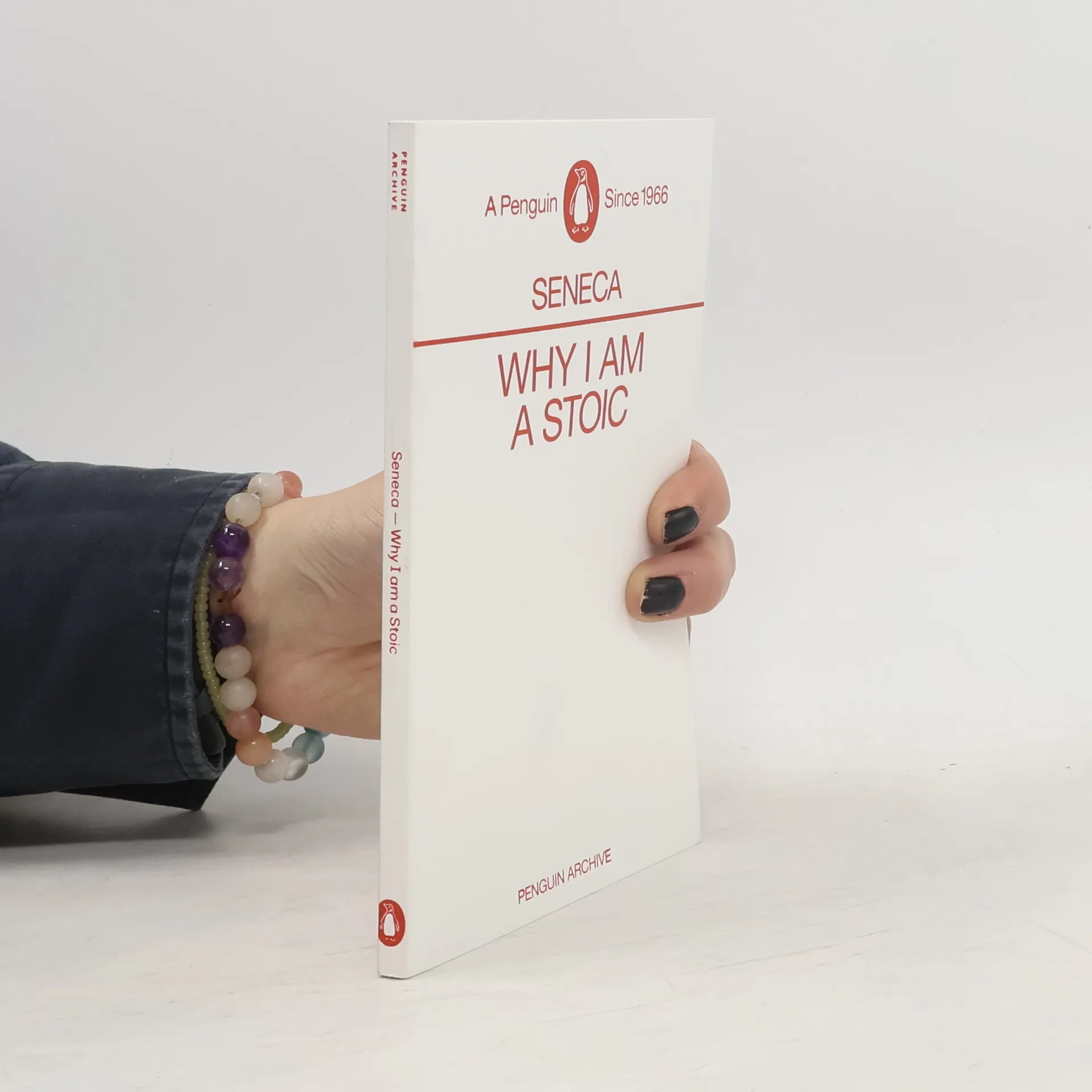
Plagued by ill-health, violently sick at sea, irritated by renovation costs: Seneca is never less than sympathetically human. In these letters written 2000 years ago, the ancient philosopher speaks to the reader today with lucidity and warmth. Whether advising on how to live a good life, spend time alone or free oneself from fears of death, Seneca is the wise and compassionate friend we all need now.
Lucius Annaeus Seneca, ein wichtiger römischer Forscher und Philosoph, zählt zu den meistgelesenen Antiken. Seine Dialoge bieten Einblicke in die stoische Lehre, die auch christliche Lebensweisen beeinflusste. Diese Sammlung vereint bekannte und weniger bekannte Texte und reflektiert Senecas Gedanken zu Weisheit, Milde und Glück.
Denkanstöße der stoischen Philosophie für ein nachhaltiges und zufriedenes Sein -
96 stránek
4 hodiny čtení
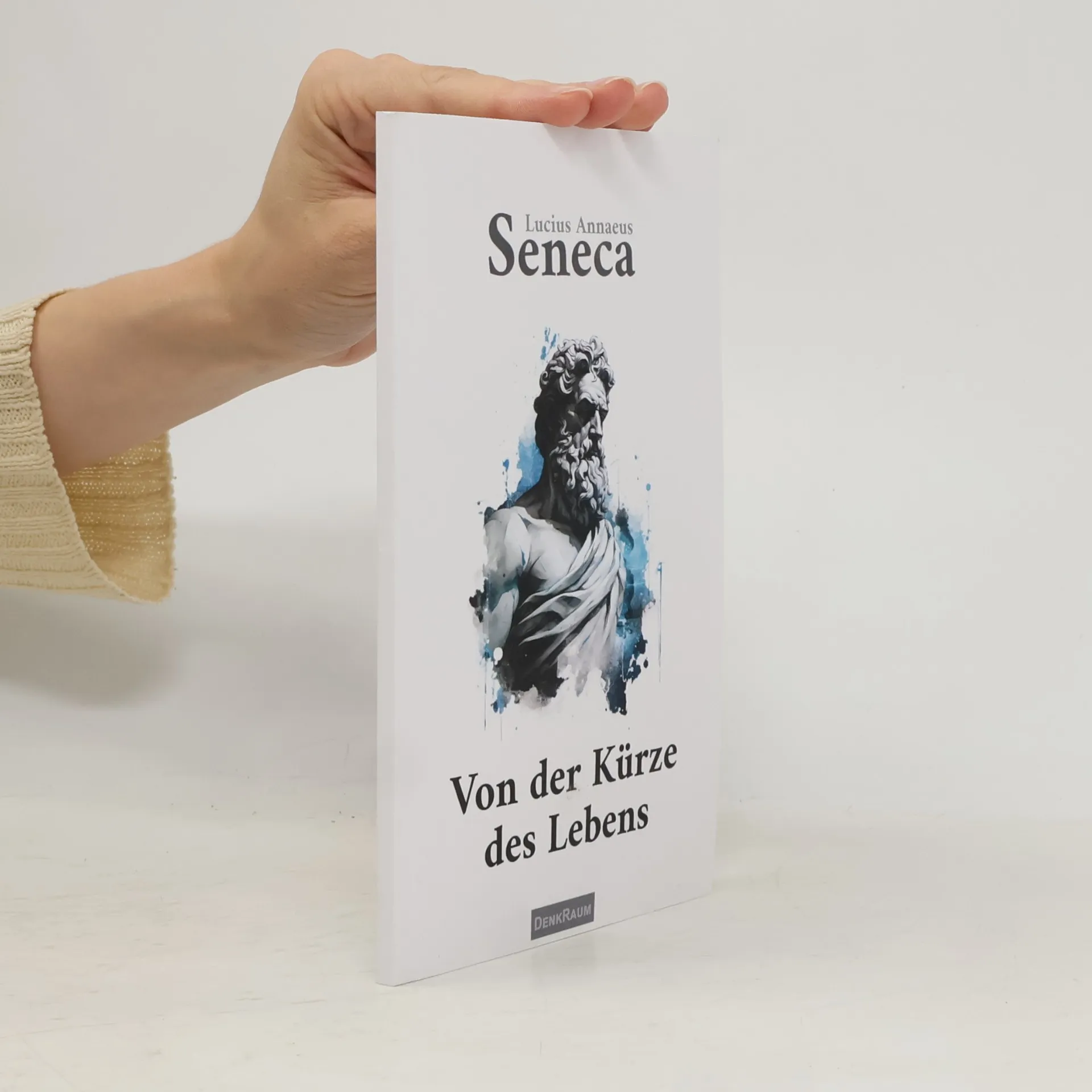
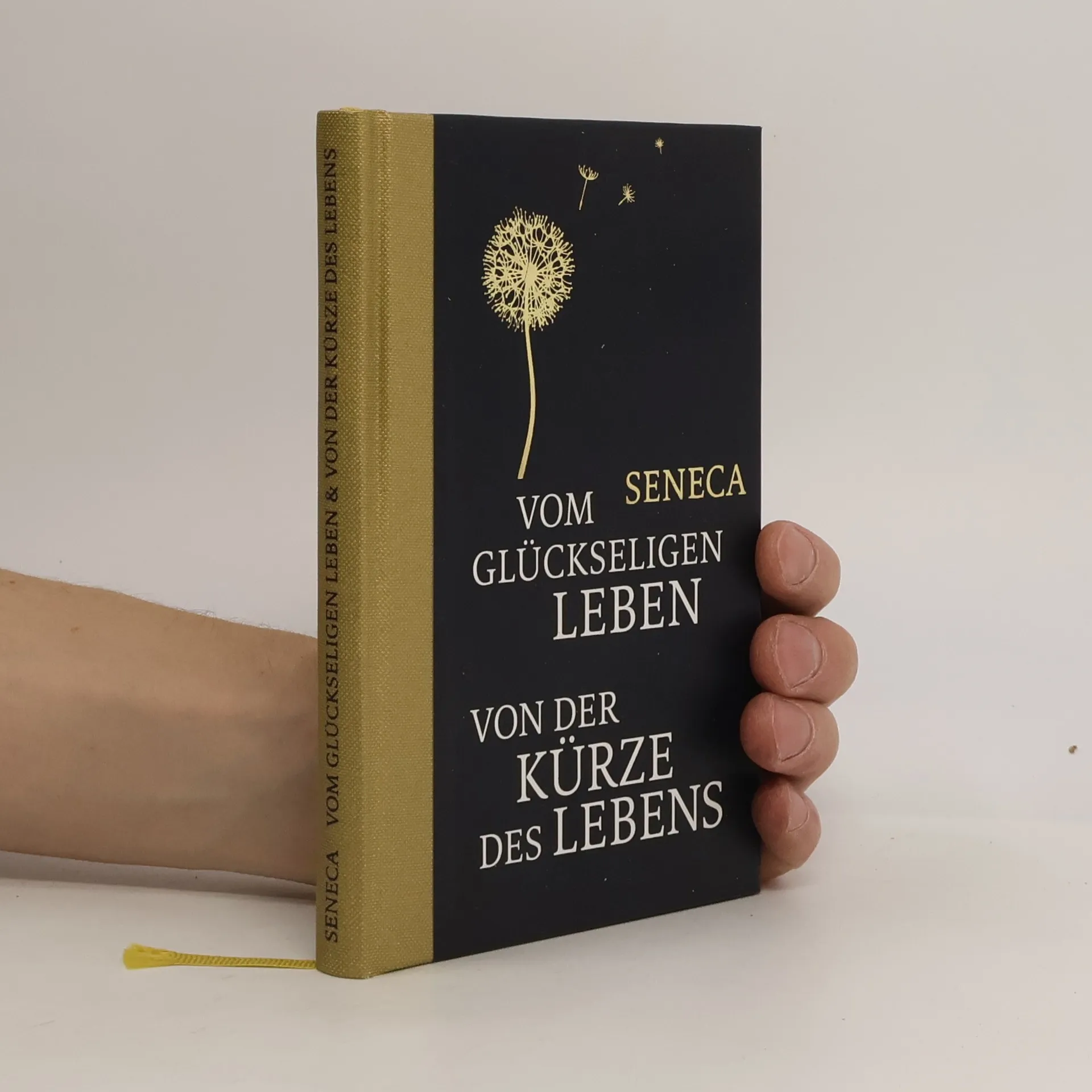
In diesem Band werden Senecas zentrale Schriften „Vom glücklichen Leben“ und „Von der Kürze des Lebens“ vereint. Der römische Philosoph ermutigt dazu, im Hier und Jetzt zu leben und die Zeit sinnvoll zu nutzen. Seine zeitlosen Denkanstöße bieten wertvolle Einsichten für ein erfülltes und zufriedenes Leben.
Stoizismus für ein geglücktes Leben: 52 Zitate der bekanntesten Stoiker Seneca, Epiktet & Marc Aurel, pointiert kommentiert und lyrisch interpretiert. DE
112 stránek
4 hodiny čtení
Dieses Büchlein bietet mit 52 ausgewählten stoischen Zitaten einen tiefen Einblick in die stoische Lebensweisheit. Jedes Zitat wird anregend kommentiert und mit einem klassischen Gedicht ergänzt. Die stoische Philosophie fasziniert seit über 2000 Jahren Menschen unterschiedlichster Hintergründe. Besonders in der heutigen Zeit finden Unternehmer, Führungspersönlichkeiten und Sportler großen Wert in ihrer praktischen Anwendbarkeit, die sie auch für "Nicht-Philosophen" attraktiv macht. Der Stoizismus vermittelt Ideen und Prinzipien, um mit den Herausforderungen des Lebens erfolgreich umzugehen. Die zentrale Botschaft ist: Die Lösung liegt in uns selbst.
Die Kommentierungen zu den Textstellen lenken den Fokus auf wichtige Aspekte, schaffen Alltagsbezüge und regen zur Reflexion über die eigene Lebenssituation an. Als besonderer Bonus wird jedem Zitat ein kurzes, klassisch gereimtes Gedicht zugeordnet, das die jeweilige Aussage lyrisch interpretiert. Das Buch ist keine wissenschaftliche Abhandlung, sondern gehört eher zur Ratgeber- oder Selbsthilfeliteratur. Es vermittelt die stoische Idee auf einfache, kreative und unterhaltsame Weise und bietet wertvolle Hilfe zur Selbsthilfe. Die verwendeten Zitate stammen hauptsächlich aus den Schriften von Seneca, Epiktet und Marc Aurel.
This book is a reproduction of an original historical work, specifically designed in large print to enhance accessibility for individuals with impaired vision. Published by Megali, a house dedicated to making historical texts more readable, it aims to preserve the content while ensuring it is accessible to a wider audience.
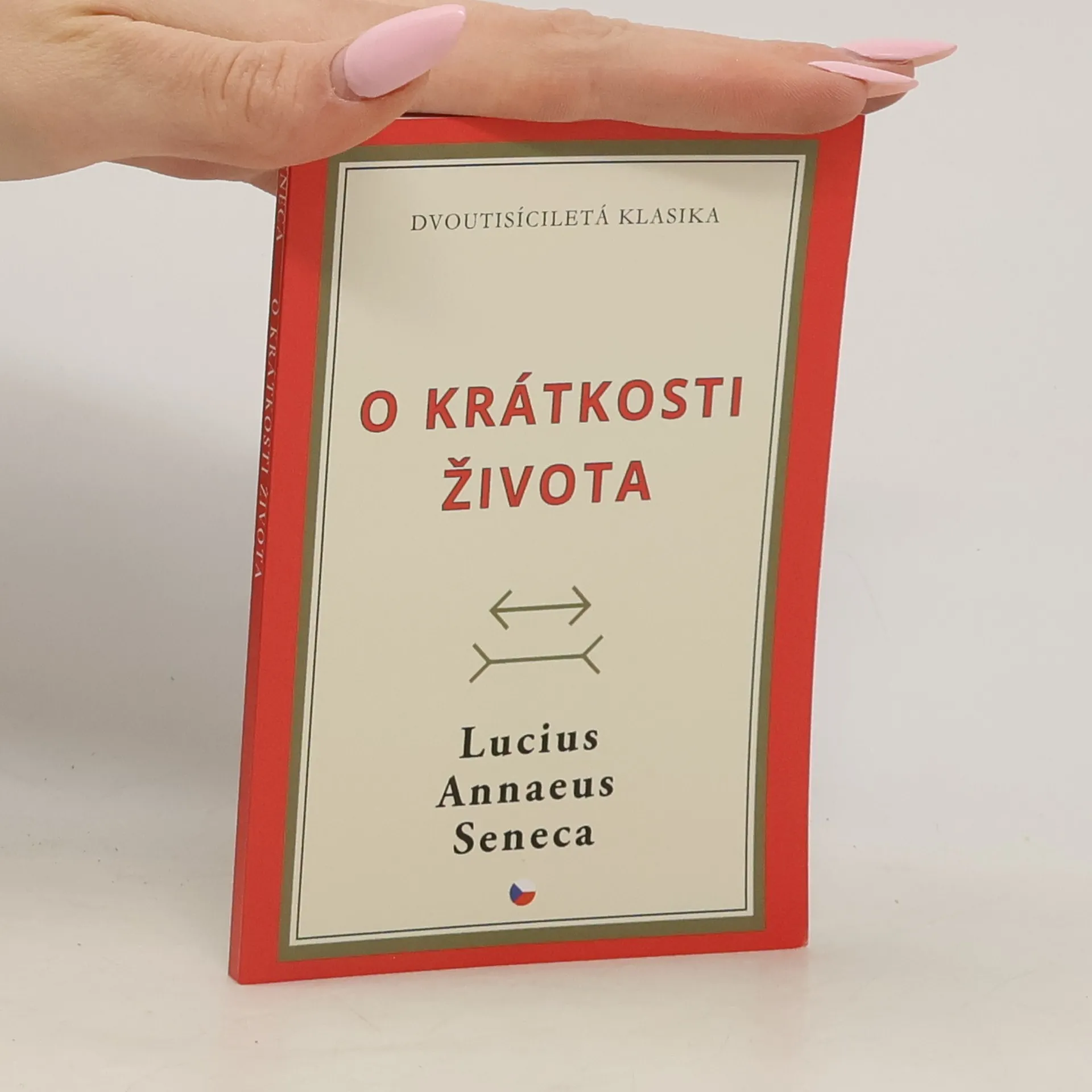
„O krátkosti života“ (orig. De brevitate vitae) je téměř dva tisíce let starý list Lucia Seneky, adresovaný příteli. Seneca, jako jeden z nejvýznamnějších představitelů stoicismu, v tomto nadčasovém díle nás nutí přehodnotit, jak nakládáme s časem. Ukazuje, že kvalita života nezávisí na jeho délce, ale na tom, jak jej využijeme.Seneca vždy patřil a stále patří k nejoblíbenějším a nejpřekládanějším římským autorům. Během svého života stihl být vlivným řečníkem, tutorem římského císaře, podnikatelem a v jednom okamžiku i nejbohatším Římanem. Pro Senecu jako stoika bylo klíčové, jak reagovat a přijímat životní okolnosti, které nemůžeme ovlivnit, a naopak se soustředit na to, co ovlivnit můžeme. V krátkém, ale hlubokém dopisu rodinnému příteli Seneca uvádí osm klíčových důvodů, proč často nežijeme tak, jak bychom chtěli. Rozebírá, proč si mnozí neuvědomují, že čas je ve skutečnosti jejich nejvzácnější zdroj. V listu nenabízí pouze teoretické rady, ale poskytuje i praktická doporučení, jak se vyhnout promarnění života na zbytečnosti a dosáhnout opravdového štěstí a smysluplného života.
Seneca's contributions extend beyond philosophy to the realm of tragic theater, making him a pivotal figure in both fields. His Latin dramas are not only classics but also played a significant role in the Renaissance revival of tragic theater. These works influenced renowned playwrights such as Shakespeare, Kyd, Racine, Corneille, and Calderon, showcasing Seneca's lasting impact on literature and drama.
On Benefits, On Anger, On the Shortness of Life, On a Happy Life, On Leisure, On Peace of Mind, On Providence, On the Firmness of the Wise Person, On Clemency, and On Consolation
478 stránek
17 hodin čtení
The book explores the life and contributions of Lucius Annaeus Seneca, a prominent Roman Stoic philosopher, statesman, and dramatist during the Silver Age of Latin literature. It delves into his complex relationship with Emperor Nero, whom he initially served as a tutor and advisor. The narrative highlights the dramatic turn of events leading to Seneca's forced suicide, stemming from accusations of his involvement in a conspiracy against Nero. This account offers insights into both his philosophical ideas and the political intrigue of ancient Rome.
Moral Letters to Lucilius, On Benefits, On Anger, On the Shortness of Life, On a Happy Life, On Leisure, On Peace of Mind, On Providence, On Clemency, and On Consolation
770 stránek
27 hodin čtení
Seneca, a prominent Roman Stoic philosopher and dramatist, played a significant role during the Silver Age of Latin literature. Serving as both tutor and advisor to Emperor Nero, he faced a tragic end when he was compelled to take his own life due to accusations of involvement in a conspiracy against the emperor. His life and works reflect the complexities of power, morality, and the Stoic philosophy he espoused.
Focusing on accessibility, this book is a reproduction of a historical work presented in large print, catering specifically to individuals with impaired vision. Published by Megali, a house known for its commitment to enhancing readability, it aims to make classic literature more inclusive for all readers.
Marcus Aurelius's Meditations, Epictetus's Enchiridion, Seneca's On a Happy Life, On the Shortness of Life, On Peace of Mind & On Providence
222 stránek
8 hodin čtení
This collection features six foundational texts of Stoic philosophy, offering insights into resilience, virtue, and the nature of happiness. Readers will explore the teachings of renowned Stoic philosophers, including Seneca, Epictetus, and Marcus Aurelius, each providing practical wisdom on how to navigate life's challenges with a calm and rational mindset. The works emphasize the importance of self-control, moral integrity, and understanding the world around us, making it a valuable resource for anyone seeking personal growth and philosophical guidance.
The collection features 124 letters from Seneca the Younger, written during his retirement after a decade of service to Emperor Nero. Addressed to Lucilius Junior, a procurator in Sicily, these letters encompass philosophical insights and practical wisdom. Seneca's intent was to reach a wider audience, offering reflections on ethics, virtue, and the Stoic way of life, making the work relevant beyond its immediate correspondence.
"Seneca: Von der Kürze des Lebens" ist eine bearbeitete Neuauflage von Senecas Werk aus dem Jahr 49 n. Chr., übersetzt von Otto Apelt. Diese Ausgabe bietet eine lesefreundliche Gestaltung im Großformat und wurde an die neue deutsche Rechtschreibung angepasst. Mit einem kunstvollen Umschlag von Rubens.
Jak žít stranou politického života a být dobrým mužem? Jak prospívat ostatním
a sobě a neztratit při tom hlavu? Římský politik a stoický filosof Seneka se
snaží odpovědět na tyto otázky svému příteli Serenovi, veliteli pořádkových
jednotek za císaře Nerona. Stoici ale tvrdili, že politické angažmá je pro
dobrého muže povinností. Podaří se Senekovi nabídnout přesvědčivou obhajobu
života v ústraní? A jak se slučuje stoická střídmost se Senekovými pobídkami k
uvolnění? Dva útlé spisky poskytují překvapivé, citlivé a filosoficky
relevantní odpovědi.
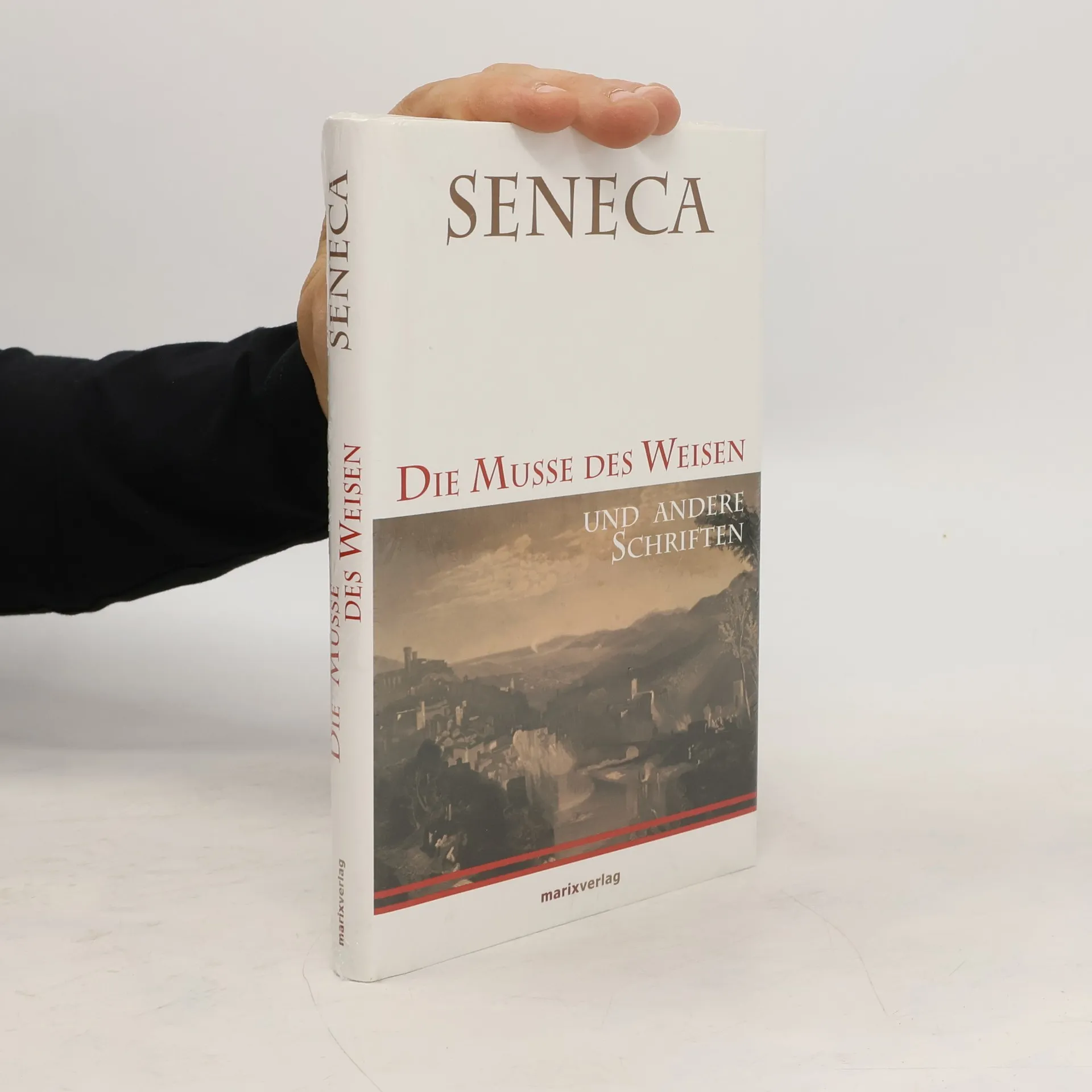
Dialoge zweiter Teil (Buch VII-XII): Vom glücklichen Leben - Von der Muße - Von der Gemütsruhe - Von der Kürze des Lebens - Trostschriften.
250 stránek
9 hodin čtení
Otto Apelts erstmals 1923/24 vorgelegte, vollständige Übersetzung aller philosophischen Schriften Senecas gilt bis heute als unübertroffen. Einleitungen und zusammenfassende Inhaltsübersichten erleichtern den Zugang zu den Dialogen und 124 Briefen. Band I: Der Dialoge erster Teil (Buch I-VI): Von der göttlichen Vorsehung Von der Unerschütterlichkeit des Weisen Drei Bücher vom Zorn -Trostschrift an Marcia Band II: Der Dialoge zweiter Teil (Buch VII-XII): Vom glücklichen Leben Von der Muße Von der -Gemütsruhe Von der Kürze des Lebens Trostschriften Band III: Briefe an Lucilius. Erster Teil. Briefe 1-81 Band IV: Briefe an Lucilius. Zweiter Teil. Briefe 82-124
Otto Apelts erstmals 1923/24 vorgelegte, vollständige Übersetzung aller philosophischen Schriften Senecas gilt bis heute als unübertroffen. Einleitungen und zusammenfassende Inhaltsübersichten erleichtern den Zugang zu den Dialogen und 124 Briefen. Band I: Der Dialoge erster Teil (Buch I-VI): Von der göttlichen Vorsehung Von der Unerschütterlichkeit des Weisen Drei Bücher vom Zorn -Trostschrift an Marcia Band II: Der Dialoge zweiter Teil (Buch VII-XII): Vom glücklichen Leben Von der Muße Von der -Gemütsruhe Von der Kürze des Lebens Trostschriften Band III: Briefe an Lucilius. Erster Teil. Briefe 1-81 Band IV: Briefe an Lucilius. Zweiter Teil. Briefe 82-124
Otto Apelts erstmals 1923/24 vorgelegte, vollständige Übersetzung aller philosophischen Schriften Senecas gilt bis heute als unübertroffen. Einleitungen und zusammenfassende Inhaltsübersichten erleichtern den Zugang zu den Dialogen und 124 Briefen. Band I: Der Dialoge erster Teil (Buch I-VI): Von der göttlichen Vorsehung Von der Unerschütterlichkeit des Weisen Drei Bücher vom Zorn -Trostschrift an Marcia Band II: Der Dialoge zweiter Teil (Buch VII-XII): Vom glücklichen Leben Von der Muße Von der -Gemütsruhe Von der Kürze des Lebens Trostschriften Band III: Briefe an Lucilius. Erster Teil. Briefe 1-81 Band IV: Briefe an Lucilius. Zweiter Teil. Briefe 82-124
Otto Apelts vollständige Übersetzung der philosophischen Schriften Senecas aus den Jahren 1923/24 gilt als unübertroffen. Die Edition umfasst Dialoge und Briefe, die durch Einleitungen und Inhaltsübersichten den Zugang erleichtern. Sie ist in vier Bände unterteilt, die verschiedene Themen und Briefe abdecken.
Wie geht man am besten mit Beleidigungen um? Auch ein Weiser mag, so Seneca, Anfeindung, Spott und Unrecht erfahren – aber es berührt ihn nicht, denn er ruht in sich, ja er wächst sogar daran. Selbst wenn er alle seine Habe oder seinen guten Ruf verliert, zerbricht er nicht daran. Wie man dieses Ideal des Weisen erreichen und letztlich seine Affekte kontrollieren kann, erklärt Seneca in diesem Essay. Diese preisgünstige Ausgabe für Studierende und Lehrende ist die einzige verfügbare zweisprachige Ausgabe, reich kommentiert und mit ausführlichem Nachwort. Sprachen: Deutsch, Latein
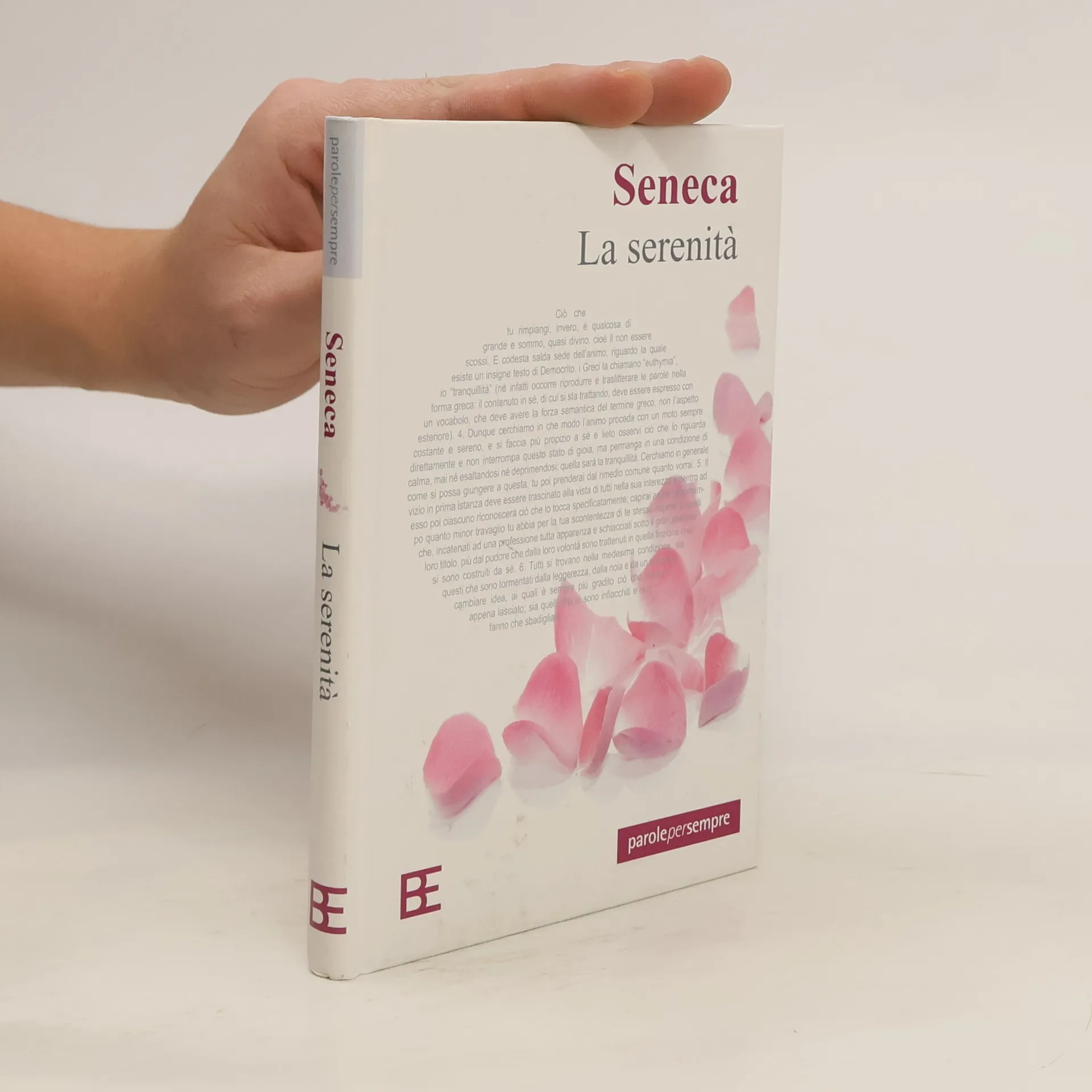
V polovici 1. storočia nášho letopočtu napísal stoický filozof Lucius Annaeus Seneca spis O pokoji mysle. V tejto jedinečnej svojpomocnej príručke sa štylizuje do pozície lekára poskytujúceho praktické liečebné rady, ako sa vyrovnať s duševným nepokojom. Obsahuje konkrétne odporúčania, ako môže človek zvládnuť negatívny stav mysle, ako osud ovplyvňuje náš psychický život a prečo je pri liečbe dôležitá racionálna zložka ľudskej duše. Táto publikácia z limitovanej edície kroník dozaista poteší každého milovníka antickej literatúry a vtiahne ho do myšlienkového sveta rímskej spoločnosti a filozofie.
Seneca, trotz seiner Hochachtung, war nicht vor Verleumdungen gefeit. Er sah sich nicht als Weisen, sondern als Suchenden auf dem Weg zur Weisheit. Seine Ansichten über das Böse sind ambivalent; er beschreibt es als menschliche Natur und fordert gleichzeitig die Ausrottung aller Leidenschaften. Der Text folgt der Ausgabe von 1923/1924.
Senecas Briefe an Lucilius bieten eine Einführung in die stoische Philosophie und zeigen Wege zur Bewältigung menschlicher Probleme wie Einsamkeit, Krankheit und Tod auf. Der Autor strebt keine systematische Darstellung an, sondern spricht zeitlose Themen an, die auch heute noch relevant sind.
Seneca, trotz seiner Hochachtung, war nicht vor Verleumdungen gefeit. Er sah sich nicht als Weisen, sondern als Suchenden auf dem Weg zur Weisheit. Seine Ansichten über das Böse sind ambivalent; er beschreibt es als menschliche Natur und fordert gleichzeitig die Ausrottung aller Leidenschaften. Der Text folgt der Ausgabe von 1923/1924.
Seneca, trotz seiner Hochachtung, war nicht vor Verleumdungen gefeit. Er sah sich nicht als Weisen, sondern als Suchenden auf dem Weg zur Weisheit. Seine Ansichten über das Böse sind ambivalent; er beschreibt es als menschliche Natur und fordert gleichzeitig die Ausrottung aller Leidenschaften. Der Text folgt der Ausgabe von 1923/1924.
Seneca, trotz seiner Hochachtung, war nicht vor Verleumdungen gefeit. Er sah sich nicht als Weisen, sondern als Suchenden auf dem Weg zur Weisheit. Seine Ansichten über das Böse sind ambivalent; er beschreibt es als menschliche Natur und fordert gleichzeitig die Ausrottung aller Leidenschaften. Der Text folgt der Ausgabe von 1923/1924.
Herkules na Oite (Hercules Oetaeus) je najdlhšou zachovanou antickou tragédiou
(1996 veršov), ktorá vznikla podľa vzoru Sofoklových Trachiňaniek a rozpráva
mýtus o žiarlivej Deianeire, ktorá si krutou lsťou chce opäť získať lásku
Herkula. Aj napriek filozofickému rozmeru diela ide o plnohodnotnú drámu s
basnickou výpoveďou, kde motívom príbehu je predstaviteľ silného muža, ktorý
prekonal všetky životné skúšky, aby dosiahol slobodu.
Los Diálogos de Séneca, es el nombre genérico que engloba varias de sus obras escritas entre los años 37 y 62. Se trata de unos textos filosóficos en los que predominan los temas morales y que, a pesar de su título, no presentan una forma dialogada. En ellos Séneca muestra con espíritu realista su doctrina sobre las pasiones, el amor a uno mismo y a los demás, y la autosuficiencia espiritual. Entre sus diálogos se De la ira; De la serenidad del alma; De la brevedad de la vida; De la constancia del sabio; De la clemencia; De la felicidad y otros. Séneca es el más importante representante de la filosofía estoica en su último período, siendo sus preocupaciones fundamentalmente éticas, hasta el punto de que se ha querido establecer un contacto entre él y el cristianismo naciente, atribuyéndole una correspondencia con el apóstol San Pablo.
Wie findet man das Glück? Dieser Lebensfrage gehen heute hunderte von Ratgeberbüchern nach. Diese existenzielle Suche ist keine Erfindung der Neuzeit. Sie beschäftigt schon immer Philosophen und Denker. Lebensnah beschreibt Lucius Annaeus Seneca (1-65 n. Chr.), einer der bedeutendsten Philosophen des alten Rom, wie wir Menschen zum Glück finden können. Sein Werk Vom glücklichen Leben gehört zum Erhellendsten, das zu diesem Thema je geschrieben wurde. - Senecas Werk gibt viele Handlungsanweisungen, wie man dem Ziel nahe kommen kann, besonders in Hinsicht auf den Umgang mit Geld und materiellen Besitztümern. Dieses Buch versammelt Senecas einflussreichste philosophische Von der Seelenruhe Vom glücklichen Leben Von der Muße Von der Kürze des Lebens
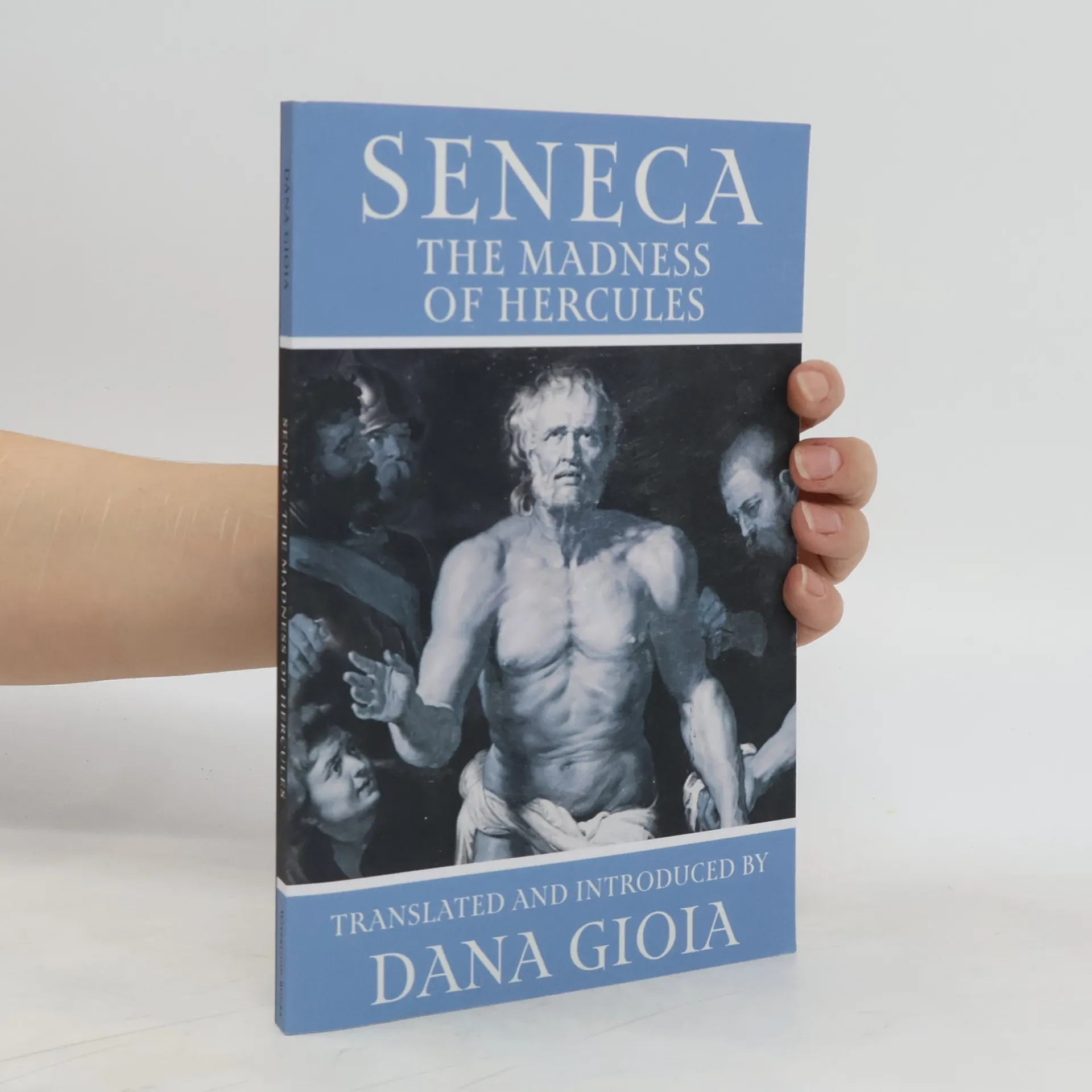
Senecova tragédia Šialený Herkules spracováva jednu epizódu o hrdinovi, ktorý
v nepríčetnosti zavraždil svoje deti a manželku. Rovnakú tému spracoval aj
Euripides v tragédii Herakles. Poňatie postáv sa ale v Senecovom spracovaní
líši od tých, ktoré poznáme z Euripida. Hra sa sústredí najmä na vnútorné
konflikty, vášne a emócie. Herkules, jedna z najobľúbenejších mytologických
postáv, predstavuje stelesnenie stoického ideálu a jeho odhodlanie prežiť a
vytrvať ho robí ukážkovým stoickým hrdinom.
Der antike römische Philosoph Seneca war ein freier, unabhängiger Geist. Seine Schriften sind klar formuliert und noch dem heutigen Leser unmittelbar verständlich. Sein humanitär grundiertes Denken kreist um die Kunst der Lebensführung, die zu Seelenruhe und innerer Freiheit führt. Dieser Band dokumentiert Senecas Werk in all seinen Facetten. Er umfasst Schriften wie »Von der Seelenruhe«, »Vom glücklichen Leben«, »Von der Muße«, »Von der Kürze des Lebens«, »Über die Milde«, »Über den Zorn« sowie sein Hauptwerk, die »Moralischen Briefe an Lucilius«.
♦ Cet ebook bénéficie d’une mise en page esthétique optimisée pour la lecture numérique. ♦ « L'homme heureux est celui qui se contente du présent, quel qu'il soit. » S énèque est un philosophe stoïcien romain. Dans cet écrit datant de 58 ap. J.-C., il nous offre une définition du bonheur et des moyens de l'acquérir. Il ne s’agit pas simplement d’un traité de sagesse mais aussi d'une réponse du philosophe à ses détracteurs qui lui reprochaient de ne pas vivre selon les principes qu’il défendait dans ses oeuvres.
Exploring the theme of time management, the book emphasizes the importance of valuing and utilizing the time we have. It argues that life is inherently long enough to achieve meaningful goals if we avoid procrastination and distractions. By encouraging readers to reflect on their priorities and make conscious choices, it advocates for a more intentional and fulfilling approach to life.
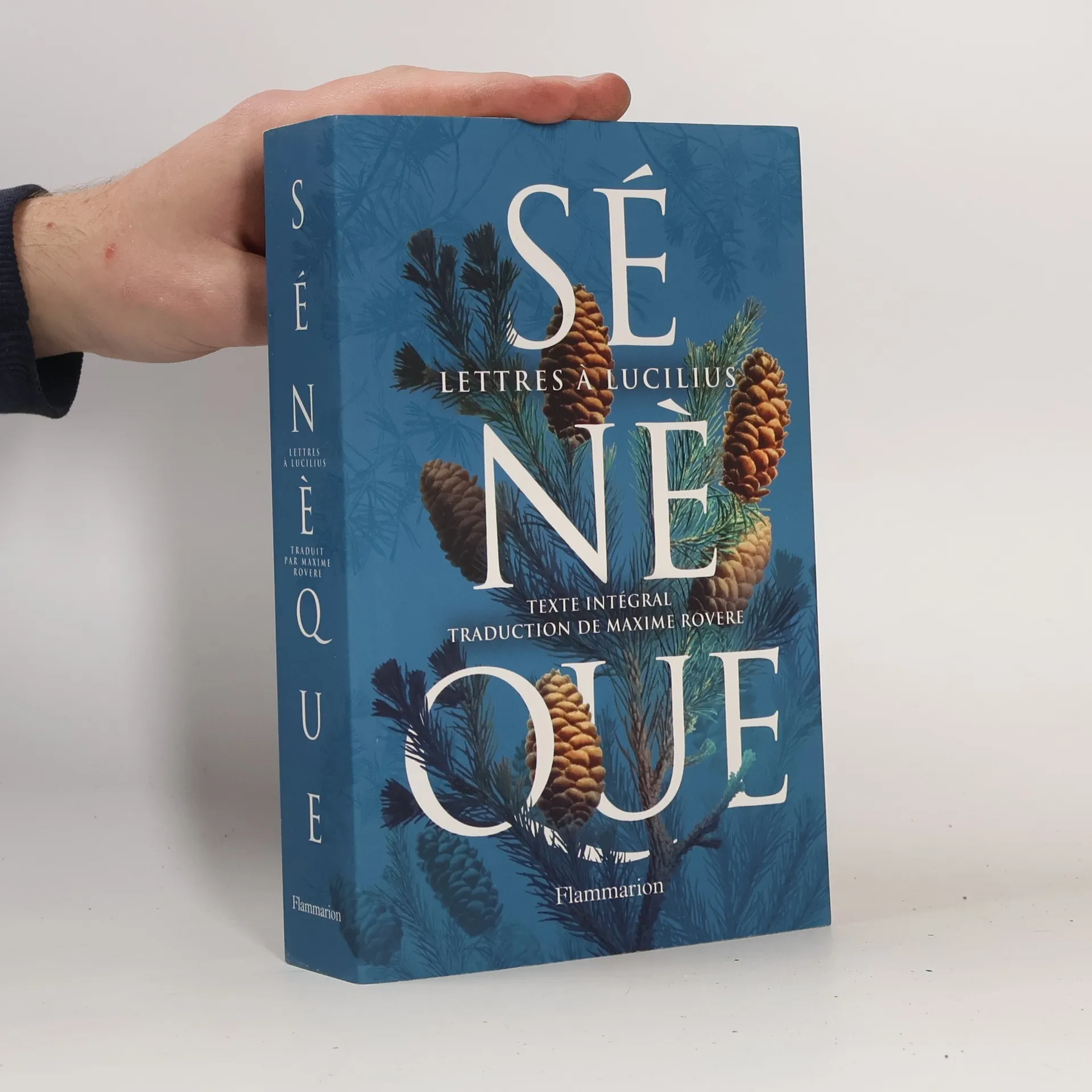
The collection features 124 letters by Seneca, exploring core themes of Stoic philosophy, including the acceptance of death, the resilience of the wise, and the pursuit of virtue as the highest good. Through personal reflections and practical advice, Seneca emphasizes the importance of inner strength and moral integrity, offering timeless insights into leading a meaningful life.
Antická dráma Octavia prvýkrát vychádza v slovenskom jazyku. Lucius Annaeus
Seneca predstaviteľ stoickej filozofie bol radcom kontroverzného cisára Nera.
Jeho zachované literárne diela, tragédie s mytologickými námetmi, obsahujú
morálne idey, opakovaným motívom sa stáva spor rozumu s vášňou.
This Stoicism Collection contains three of the most notable Stoic pieces, The Meditations of Marcus Aurelius, Seneca's Letters from a Stoic, and The Discourses of Epictetus. These three pieces are the foundations of Stoicism.
This book contains many powerful and effective practices for a modern person. If you want to have control over things that belong to your internal state, then The Stoic way of Life is for you.
Alle wollen immer das Beste, das Neueste. Luxus bedeutet heute vor Konsum. Doch die problematische Jagd nach Statussymbolen und das zügellose Ausleben kurzfristiger Trends sind nicht neu. Schon Seneca beklagte sich im ersten Jahrhundert über die Eskapaden und die Gier seiner Zeitgenossen.Wie viel Luxus brauchen wir tatsächlich für ein gutes Leben? Und vor Was brauchen wir eigentlich? Wer sich heute für Nachhaltigkeit einsetzt, findet in seinen Schriften eine Fülle an Argumenten.
Lucius Annaeus Seneca je predovšetkým známy ako predstaviteľ stoickej filozofie a radca kontroverzného cisára Nera. Jeho zachované literárne diela, tragédie s mytologickými námetmi, obsahujú morálne idey, opakovaným motívom sa stáva spor rozumu s vášňou. Autor v nich rozoberá problematiku osudu a ľudských emócií, poukazuje na deštruktívne dôsledky hnevu a zla. Zároveň nám ponúka aj zaujímavý pohľad na vtedajší svet v jeho kultúrnom a sociálnom kontexte. Dielo Thyestes je po prvýkrát preložené do slovenského jazyka.
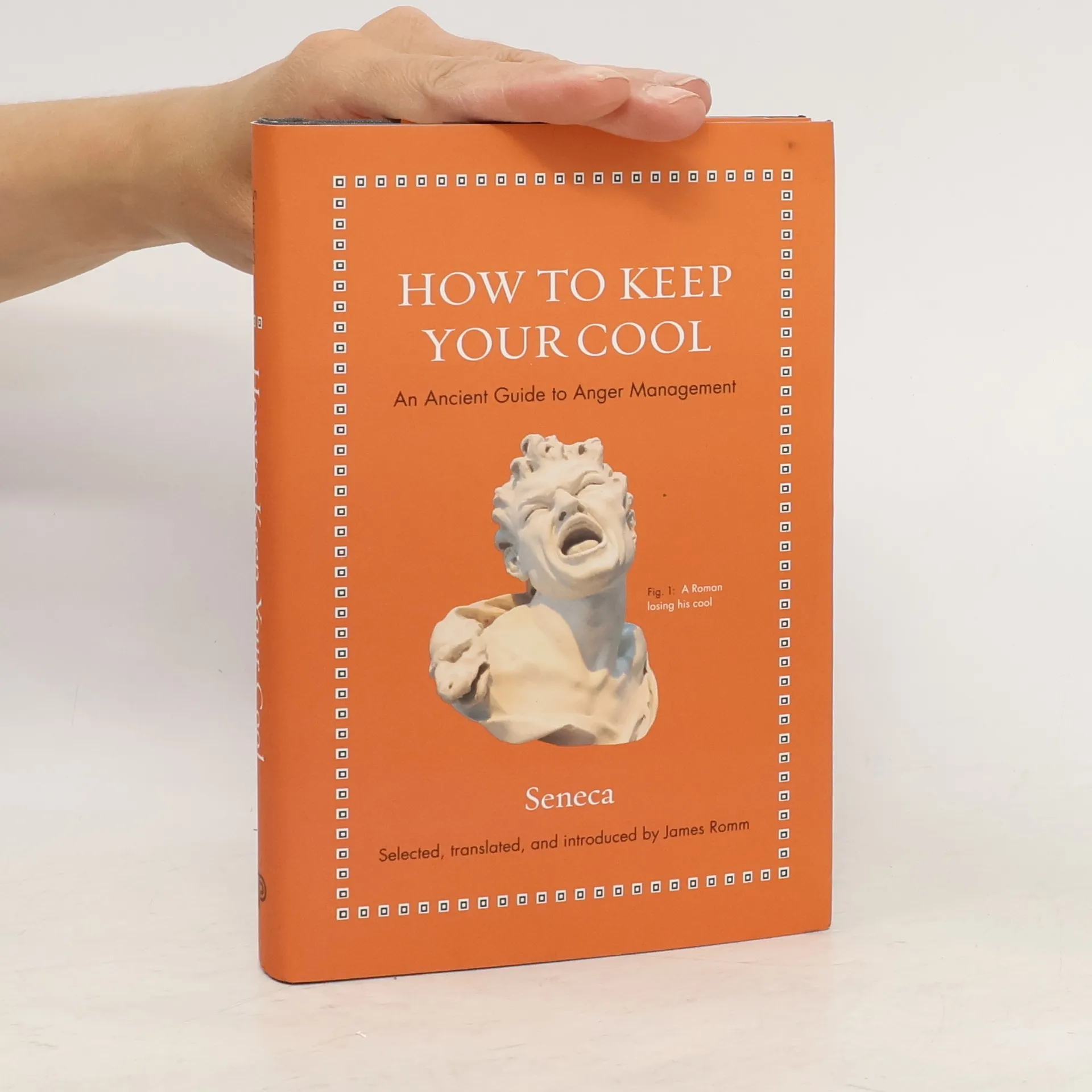
Timeless wisdom on controlling anger in personal life and politics from the Roman Stoic philosopher and statesman Seneca. In his essay "On Anger," Seneca argues that anger is the most destructive passion: "No plague has cost the human race more dear." His own life exemplifies this, as he barely survived under the wrathful emperor Caligula and ultimately lost his life under Nero. This new translation of essential selections from "On Anger," accompanied by an enlightening introduction and the original Latin, serves as a timeless guide to managing anger. Seneca vividly illustrates the dangers of this emotion and the vast benefits of controlling it for individuals and society. Utilizing his rhetorical prowess, he employs historical examples, anecdotes, and eloquent expressions to build a compelling case against anger. He paints a grim picture of the moral perils anger brings, linking many of the world's evils to this toxic source. Yet, he also offers a vision of an alternate path—one of forgiveness and compassion that resonates with various ethical traditions. Seneca's insights on anger are especially relevant today, as uncivil discourse increasingly taints public debate. Readers seeking personal growth or political renewal will find in his wisdom a valuable antidote to the ills of an angry age.
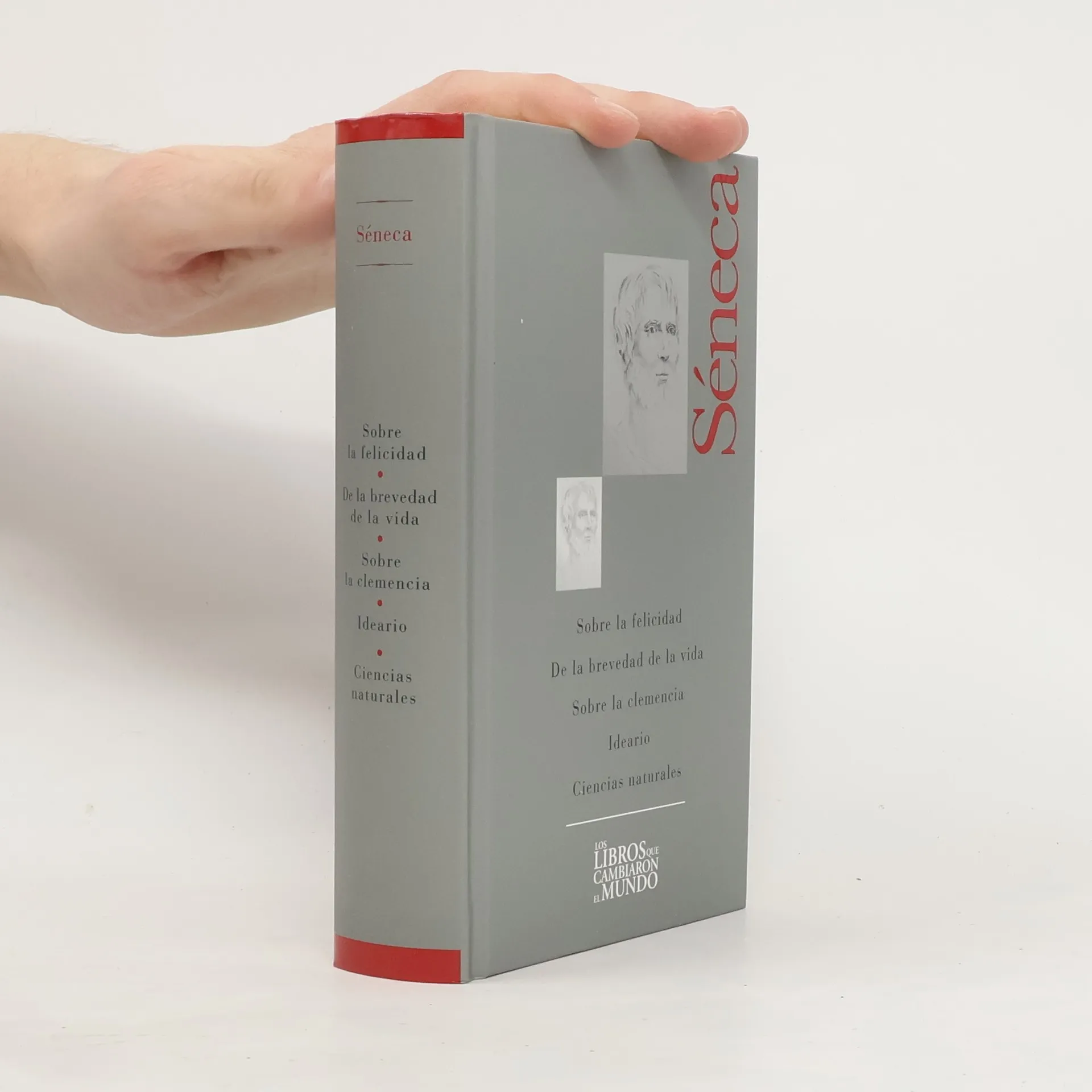
¿Qué es la felicidad? ¿Cómo conservarla? Éstas son preguntas que la humanidad se ha hecho durante milenios, y a las que los grandes pensadores (o cualquiera de nosotros) han contestado de formas diversas, a veces opuestas. Séneca creía que el camino de la felicidad estaba marcado por la razón, una facultad que nos permite vivir en armonía con la naturaleza, imponiéndonos al vaivén del azar y a los requerimientos del deseo. La Mettrie escribió su propia propuesta: sus estudios médicos en el siglo XVIII le llevaron a concluir que la felicidad dependía de los sentidos, identificando así la virtud con el placer, y renegando de toda autoridad divina o moral que pudiera dictar sobre el camino de la vida feliz de un ser humano. Este libro es un verdadero combate filosófico por la felicidad.
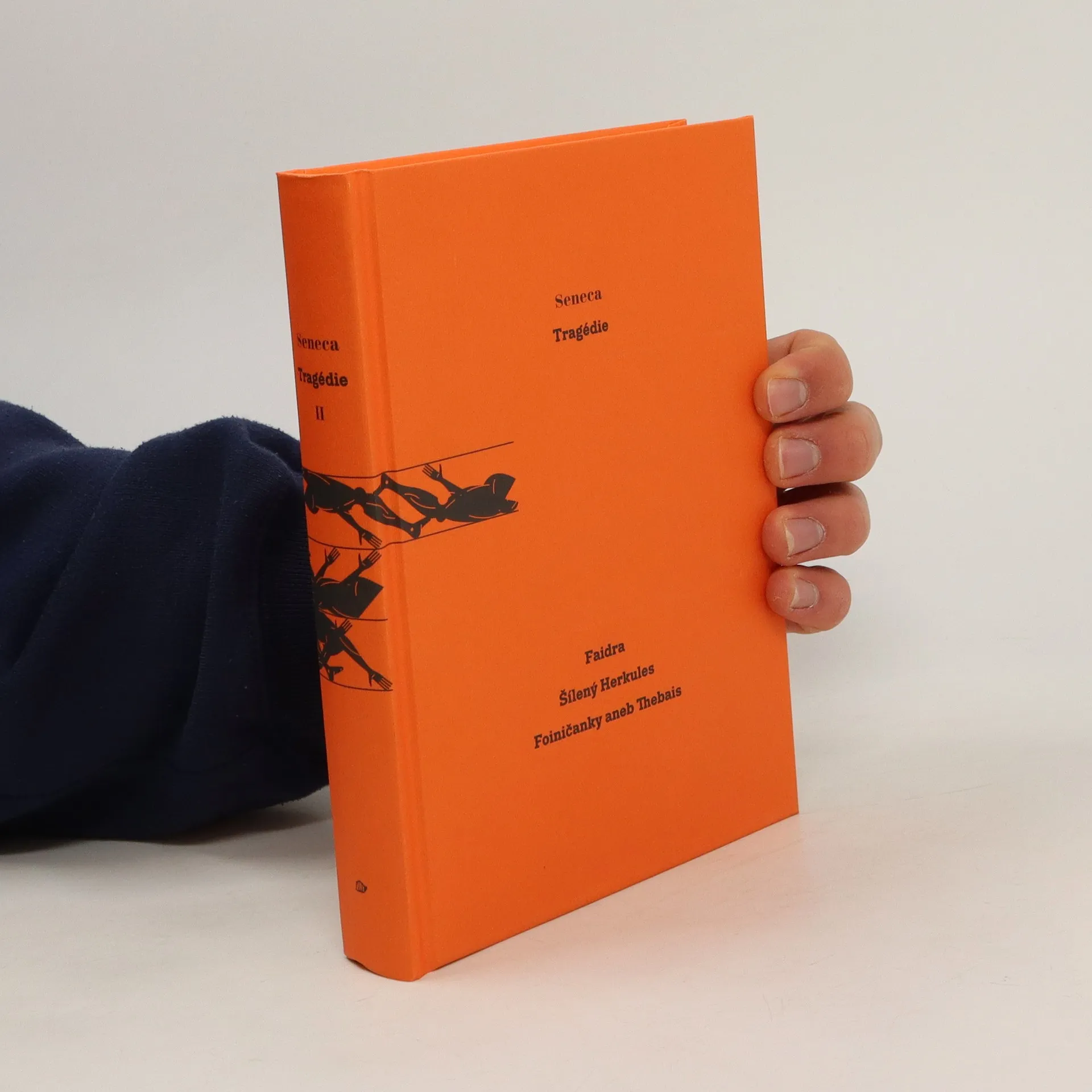
Druhý ze tří svazků tragédií nesmrtelného Římana: FOINIČANKY ANEB THEBAIS, překlad a úvod Eva Stehlíková; FAIDRA, překlad a úvod Eva Stehlíková; ŠÍLENÝ HERKULES, překlad a úvod Daniela Čadková.
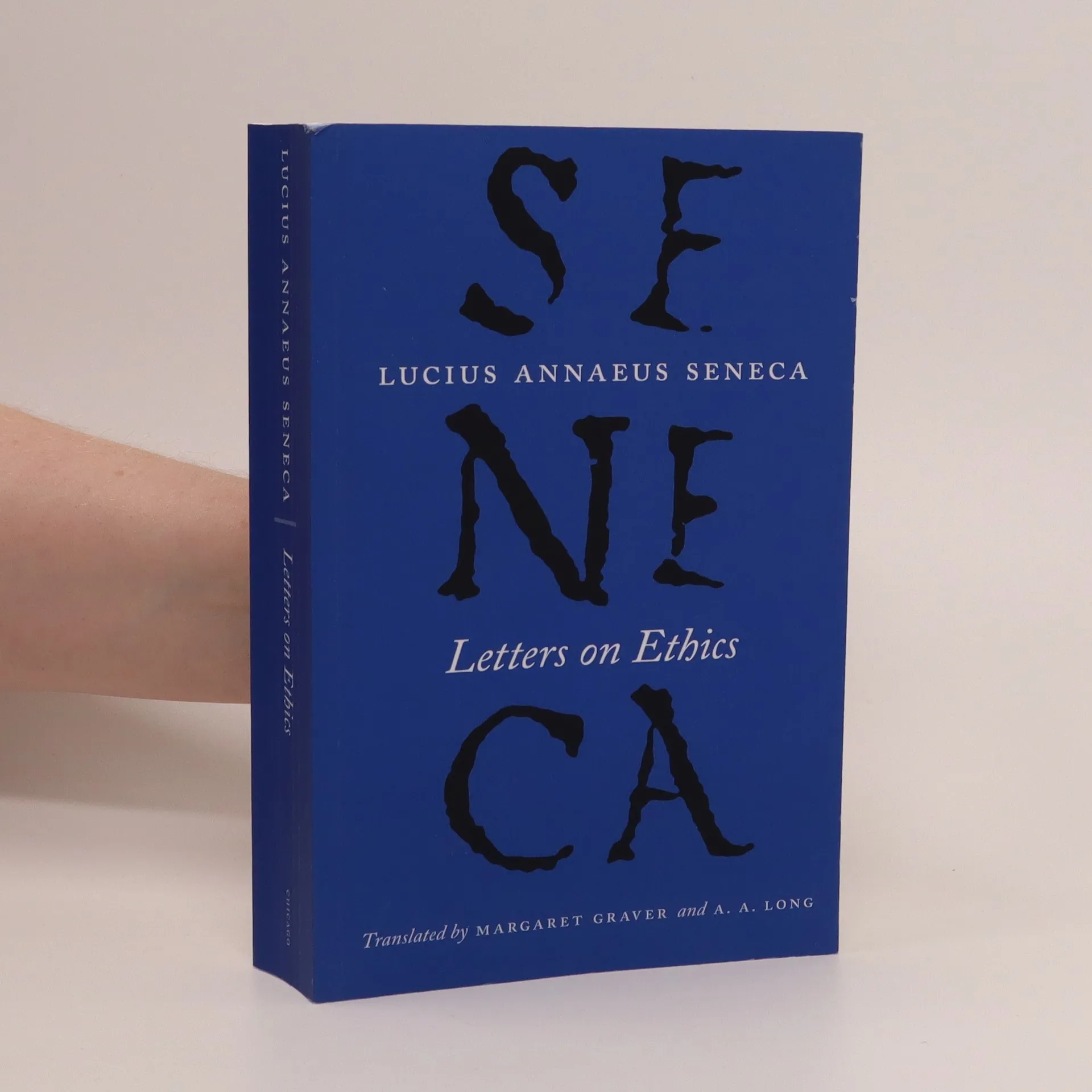
The Roman statesman and philosopher Seneca (4 BCE–65 CE) recorded his moral philosophy and reflections on life as a highly original kind of correspondence. Letters on Ethics includes vivid descriptions of town and country life in Nero’s Italy, discussions of poetry and oratory, and philosophical training for Seneca’s friend Lucilius. This volume, the first complete English translation in nearly a century, makes the Letters more accessible than ever before. Written as much for a general audience as for Lucilius, these engaging letters offer advice on how to deal with everything from nosy neighbors to sickness, pain, and death. Seneca uses the informal format of the letter to present the central ideas of Stoicism, for centuries the most influential philosophical system in the Mediterranean world. His lively and at times humorous expositions have made the Letters his most popular work and an enduring classic. Including an introduction and explanatory notes by Margaret Graver and A. A. Long, this authoritative edition will captivate a new generation of readers.
Tragédie známeho stoického filozofa L. A. Senecu vychádzajú prvýkrát v slovenčine práve v Divadelnom ústave v edícii Svetová dráma – antológie. Výber tvorí Agamemnón, Oidipus, Faidra, Médeia, Trójanky v preklade Martiny Borodovčákovej a v prebásnení Ľubomíra Feldeka. Texty divadelných hier dopĺňajú odborné štúdie spoluautorov, ale i kalendárium Senecovho života a diela, poznámkový aparát vrátane menného a zemepisného registra.
Výber pripravila Martina Borodovčáková Z latinských originálov Agamemnon, Oedipus, Phaedra, Medea, Troades preložila Martina Borodovčáková, prebásnil Ľubomír Feldek
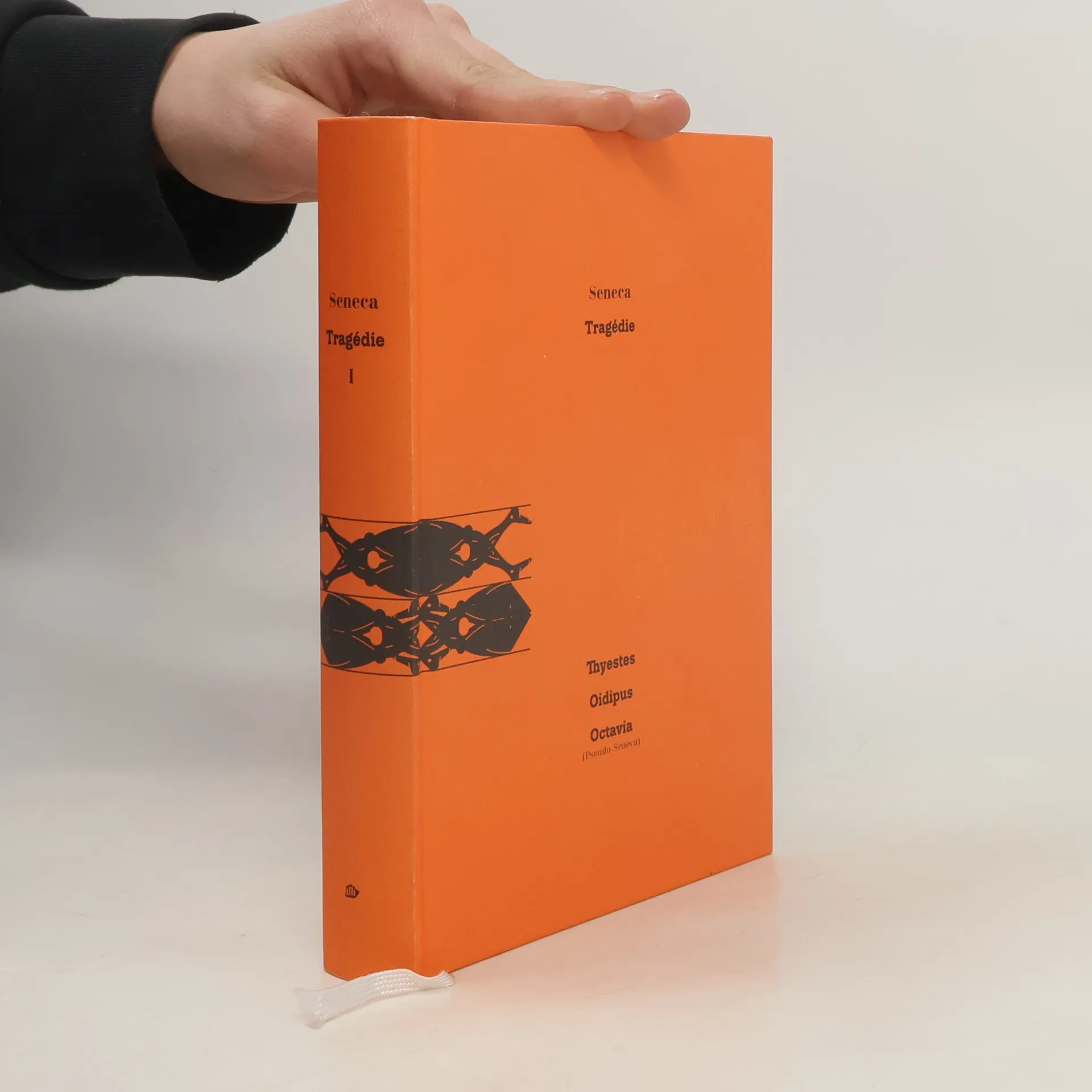
OIDIPUS — překlad a úvod: Eva Stehlíková THYESTES — překlad a úvod: Eva Stehlíková OCTAVIA (Pseudo-Seneca) — překlad a úvod: Daniela Čadková Editor: Pavel Drábek Kateřina Wewiorová
The collection features Seneca's remaining essays, focusing on themes of consolation, happiness, and tranquility amid life's challenges. These writings, often used in undergraduate philosophy courses, aim to provide edification and insight into achieving a fulfilling life. Fantham's translation is highlighted as a standout element of the volume, enhancing the accessibility and impact of Seneca's thought.
Dialoghi - Lettere a Lucilio - Apocolocintosi - La clemenza - I benefici - Questioni naturali - Sul matrimonio A cura di Mario Scafidi Abbate Tragedie: Ercole furioso - Troiane - Le fenicie - Medea - Fedra - Edipo - Agamennone - Tieste - Ercole sull'Eta - Ottavia A cura di Ettore Paratore Edizioni integrali con testo latino a fronte.
Meditations of Marcus Aurelius The Golden Sayings Fragments and Discourses of Epictetus Letters from a Stoic and The Enchiridion
518 stránek
19 hodin čtení
This collection features six foundational works of Stoic philosophy, including Marcus Aurelius' "Meditations" and Seneca's "Letters from a Stoic." It also includes key texts by Epictetus, such as "The Golden Sayings," "Fragments," and "The Enchiridion," along with selected discourses. Each text offers profound insights into resilience, virtue, and the art of living, providing readers with timeless wisdom for personal growth and self-discipline. Together, these works serve as a comprehensive introduction to Stoic thought.
Die Briefe an Lucilius von Seneca sind ein bedeutendes Werk der römischen Philosophie, das als kompakter Lebensratgeber dient. Jeder Brief bietet Weisheit und praktische Ratschläge, ergänzt durch prägnante Sentenzen. Diese Ausgabe enthält eine neue Übersetzung, die den literarischen Geist und die rhetorische Kraft des Originals bewahrt. Ein Anhang bietet zusätzliche Anmerkungen.
Die Briefe an Lucilius über Ethik sind das reifste und eingängigste Werk des großen römischen Philosophen Lucius Annaeus Seneca. Im allerbesten Sinne des Wortes populärphilosophisch, präsentieren sie sich dem Leser als kurze und kompakte Lebensratgeber. Jeder einzelne Brief ist voll der Weisheit, des lebenspraktischen Rates, der ermutigenden Worte und an den fruchtbarsten Stellen mit prägnanten Merksätzen, sogenannten Sentenzen, versehen. Dieser Band enthält das 3. Buch der Briefe in deutscher Übersetzung. Anders als die meisten Ausgaben Senecascher Werke bedient sich diese allerdings nicht der hundert Jahre alten Übertragung des Otto Apelt, sondern bringt eine Neuübersetzung, in welcher der klassische literarische Geist, die rhetorische Kraft des Urtextes sowie der wörtliche Sinn möglichst bewahrt sind. Ein Anhang am Ende des Buches bietet Anmerkungen zu philosophischen, historischen und literarischen Details. Wer die tiefen praktischen Einsichten der Briefe nicht nur oberflächlich erfassen, sondern gänzlich durchdringen will, wird so an die Materie unmittelbar herangeführt.
Each work has been newly revised, edited and curated for the digital age. There is a complete Musonius Rufus and the rarely published Stoic Hierocles. Consolations From A Stoic contains all three of Seneca's consolations - To Marcia, To Helvia and To Polybius. On The Shortness of Life also by Seneca is presented in a brand new translation by author Damian Stevenson. The Stoics by Diogenes Laërtius is a fascinating 3rd century biography of the first Greek Stoics - Zeno of Citium, Dinoysius the Renegade, Chrysippus of Soli et al and there is also Meditations In Verse, an interesting Victorian poetic homage to Aurelius. Stoic Six Pack 2 is an amazing collection of masterworks and rarities, a must-read for fans of Meditations, Letters From A Stoic and Stoic philosophy in general.
Ein gelingendes Leben zu führen, ist wohl Kunst und Wissenschaft zugleich. Wie finden wir Ruhe und Gelassenheit in einer Welt, die immer schneller und komplexer wird? Wie leben und sterben wir in Würde? Welches sind die Tugenden, welches sind die Laster, um die man wissen muss? Die Weisheiten der Stoiker, allen voran die des Seneca, sind auch den kommenden Generationen ein Wegweiser, um ein selbstbestimmtes Lebensgefühl zu erreichen.
Wie soll ich leben? Die großen Denker geben Dir gute Anregungen, aber sie werden selten gelesen, weil die Texte nicht unbedingt den heutigen Leser erreichen. Ich habe versucht, die Texte zu „modernisieren“, ohne den Sinn zu beeinträchtigen. Denn die Gedanken der „Heavyweights“ sind für Dich und mich aufgeschrieben worden. Für ein besseres Leben.
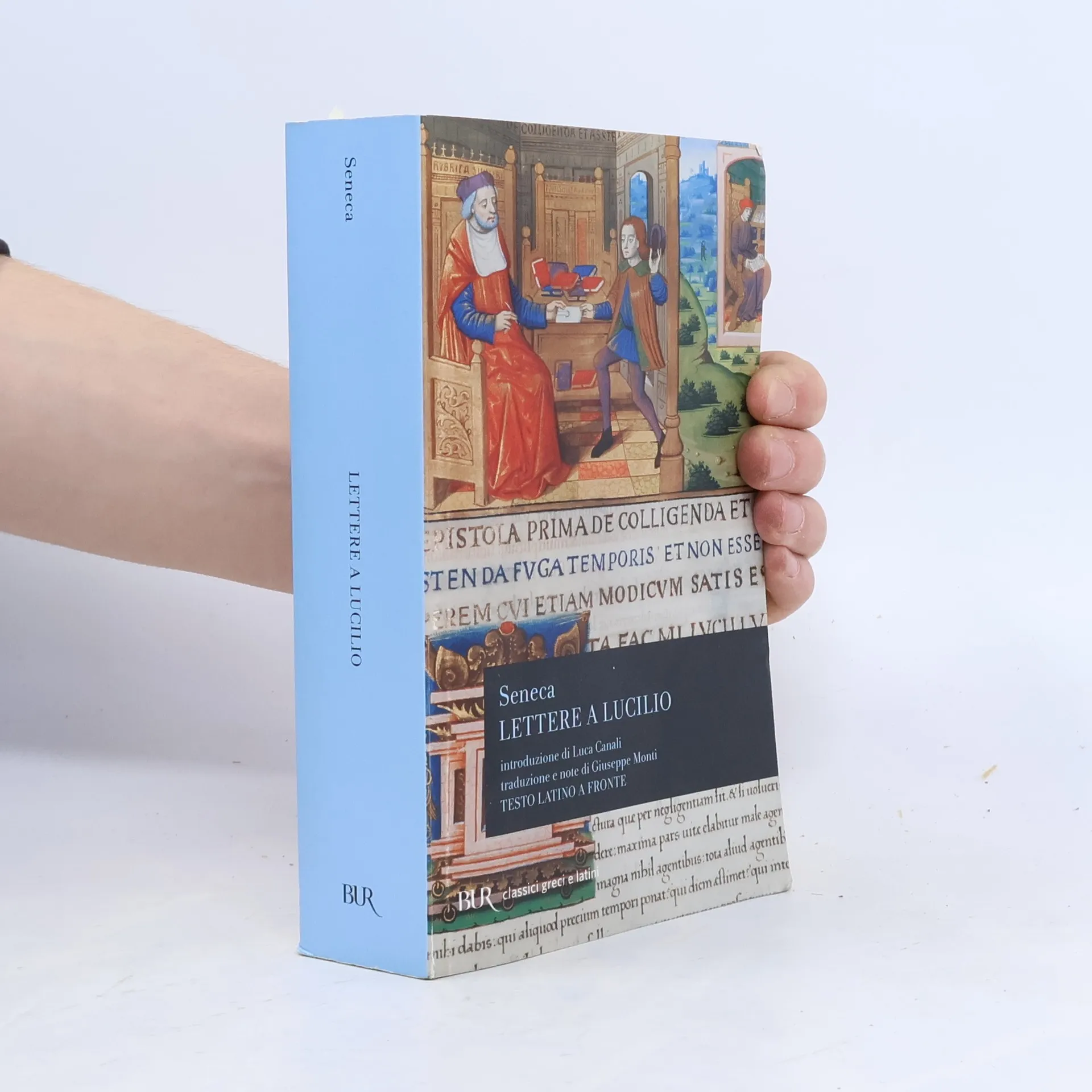
Introduzione di Luca Canali, traduzione e note di Giuseppe Monti, Testo latino a fronte
1088 stránek
39 hodin čtení
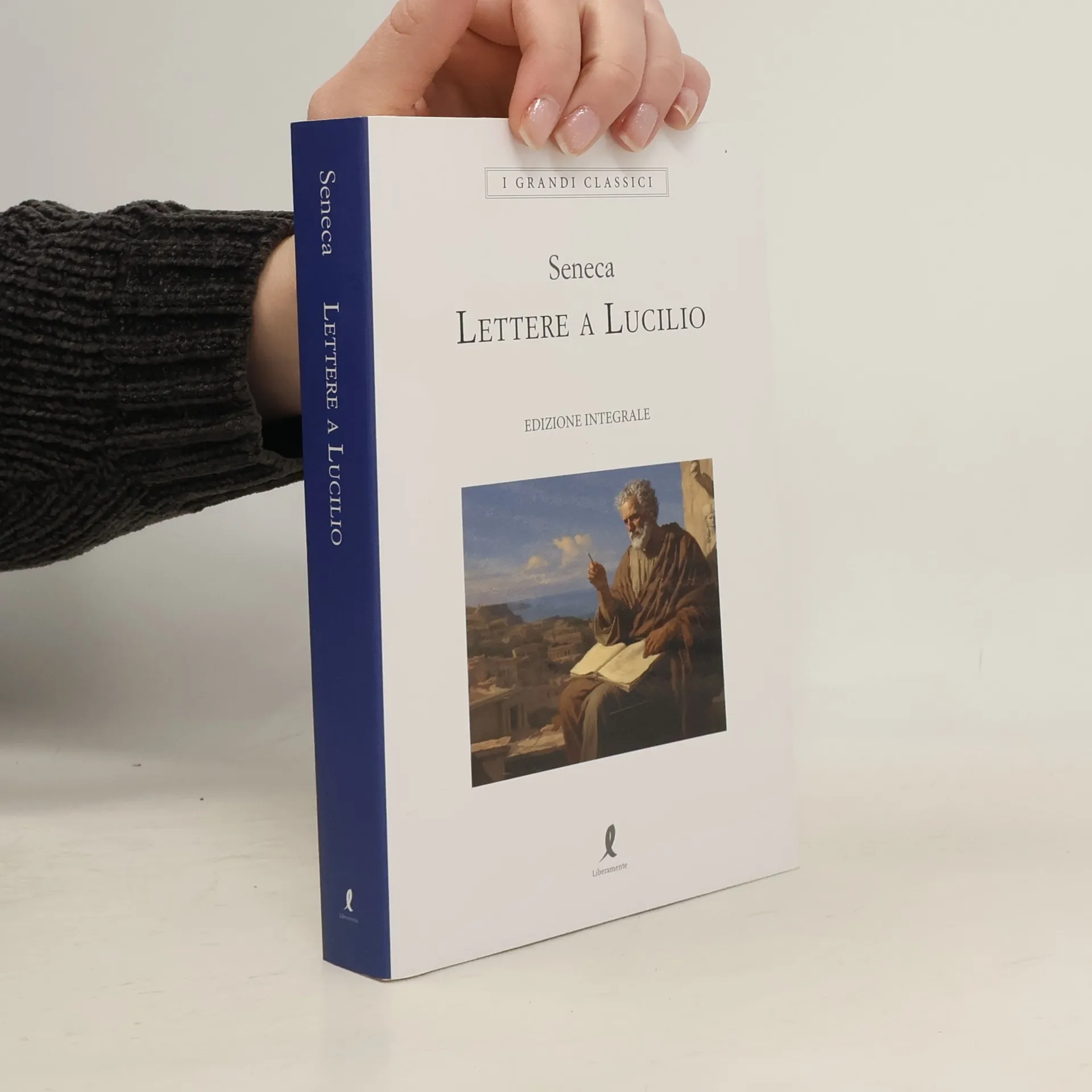
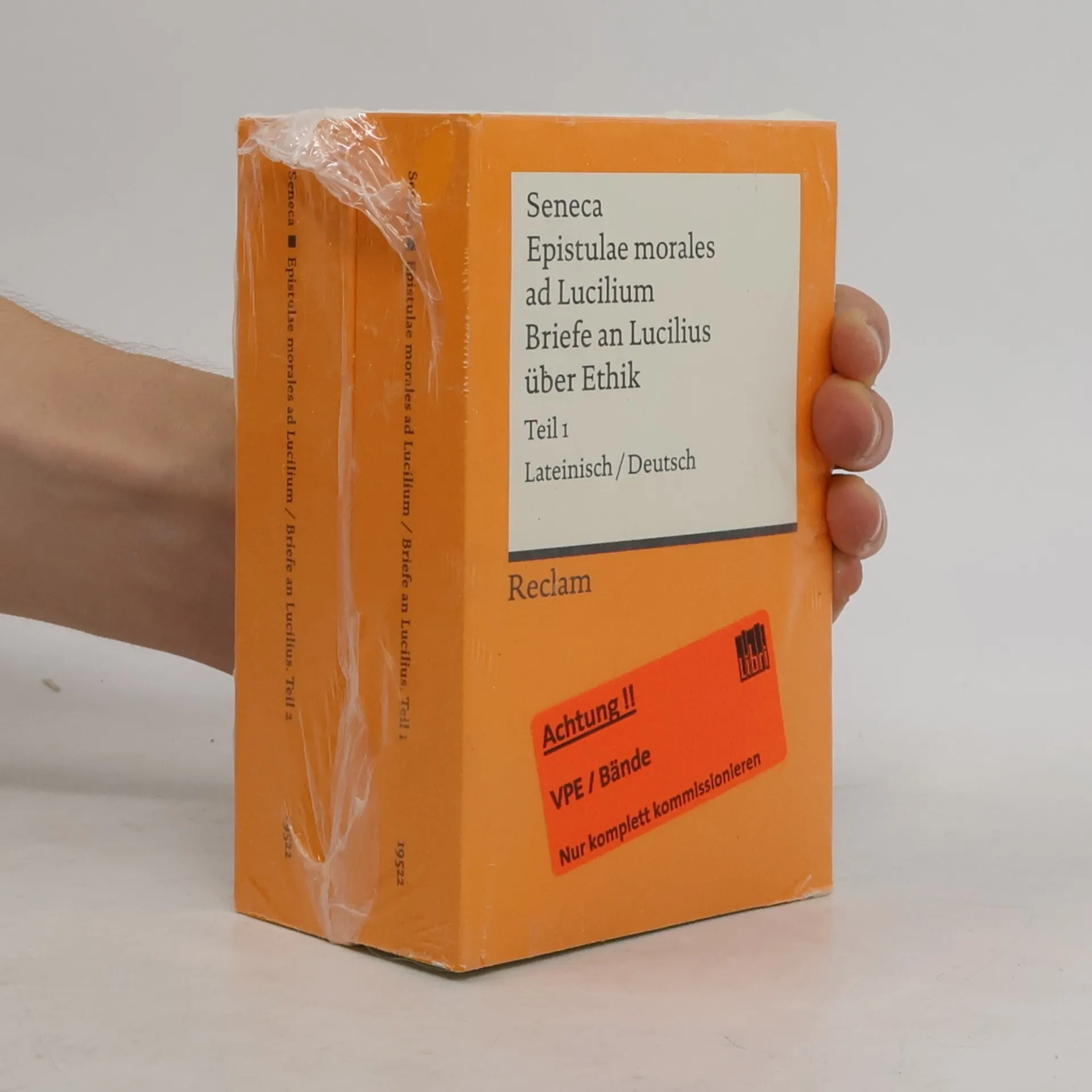
Due volumi in cofanetto. Testo latino a fronte. Le Lettere morali a Lucilio sono una raccolta di 124 lettere (suddivide in 24 libri) scritte da Lucio Anneo Seneca al termine della sua vita. L'opera venne scritta negli anni del disimpegno politico, tra il 62 e il 65, ed è giunta incompleta; questo epistolario costituisce un caso unico nel panorama letterario latino, sebbene Seneca abbia tratto l'idea di comporre lettere filosofiche da Platone e da Epicuro. È un'opera sulla quale v'è una discussione se siano davvero lettere inviate da Seneca a Lucilio o siano una finzione letteraria, ma probabilmente si tratta di un epistolario reale, dato che in varie lettere si chiede una risposta dell'amico. Rispetto alla tradizione epistolare, rappresentata in particolare da Cicerone, il filosofo distingue le lettere filosofiche dalla comune pratica epistolare.
Ratgeber für ein glückliches Leben feiern nicht erst heute große Erfolge. Schon Seneca legte im 1. Jahrhundert nahe: »Will man glücklich werden, dann mehre man nicht den Besitz, sondern mindere die Wünsche.« Und wer wüsste besser, was ein glückliches Leben wirklich ausmacht, als einer, der wie Seneca die Höhen und Tiefen des Lebens kennengelernt hat? Aber Seneca hat mehr zu bieten als erbauliche Kalendersprüche. Treffsicher zeichnet er lebhafte Charaktere und nimmt das Fehlverhalten seiner Zeitgenossen aufs Korn. Damit bereiten seine Texte selbst noch dem heutigen Leser eine vergnügliche Lektüre.
Texte, Prosa und Gedichte zum Thema von Seneca, Schopenhauer, Theodor Lessing, Kafka, Tucholsky, Rilke, Walter Hasenclever bis Umberto Eco, Hans Magnus Enzensberger, Peter Hacks, Wiglaf Droste, Robert Gernhardt, Wilhelm Genazino und vielen anderen mehr. Dazu eine dem Thema gemäße leise aber konzise Einleitung, die eine kulturgeschichtliche Einführung ins Laute bietet, mit klugen Seitenblicken in die Biologie und die Psychologie.
Senecas Schriften sprechen uns heute noch genau so an wie die Menschen in der Antike. Diese Anthologie versammelt das Wichtigste aus seinem Werk in Ausschnitten, u. a. unter den Kapitel-Überschriften »Aufforderung zur Philosophie«, »Welt und Natur«, »Leben und Schicksal«, »Leben in der Gesellschaft«, »Der Mensch in seiner Zeitlichkeit«, »Affekte, Laster und Leidenschaften« sowie »sittliche Vollkommenheit, Glück, Seelenruhe«.
Los Tratados morales son pequeñas obras, que no son propiamente diálogos, sino ensayos sobre problemas de moral. Los temas tratados en ellos son muy variados, desde cómo debe ser la clemencia de los gobernantes, hasta cómo debe el sabio aprovechar su tiempo de ocio; los títulos de dichos diálogos son: De providentia; de constantia sapientis; de ira; de uita beata; de otio; de tranquillitate animi; de breuitate uitae; de beneficiis; de clementia. También se incluyen las Cartas a Lucilio (124 cartas distribuidas en diez libros, que si bien tienen un destinatario al que Séneca alude en todas ellas, van destinadas a un público más amplio. Constituyen un verdadero tratado de dirección espiritual). Edición de Pedro Rodríguez Santidrián.
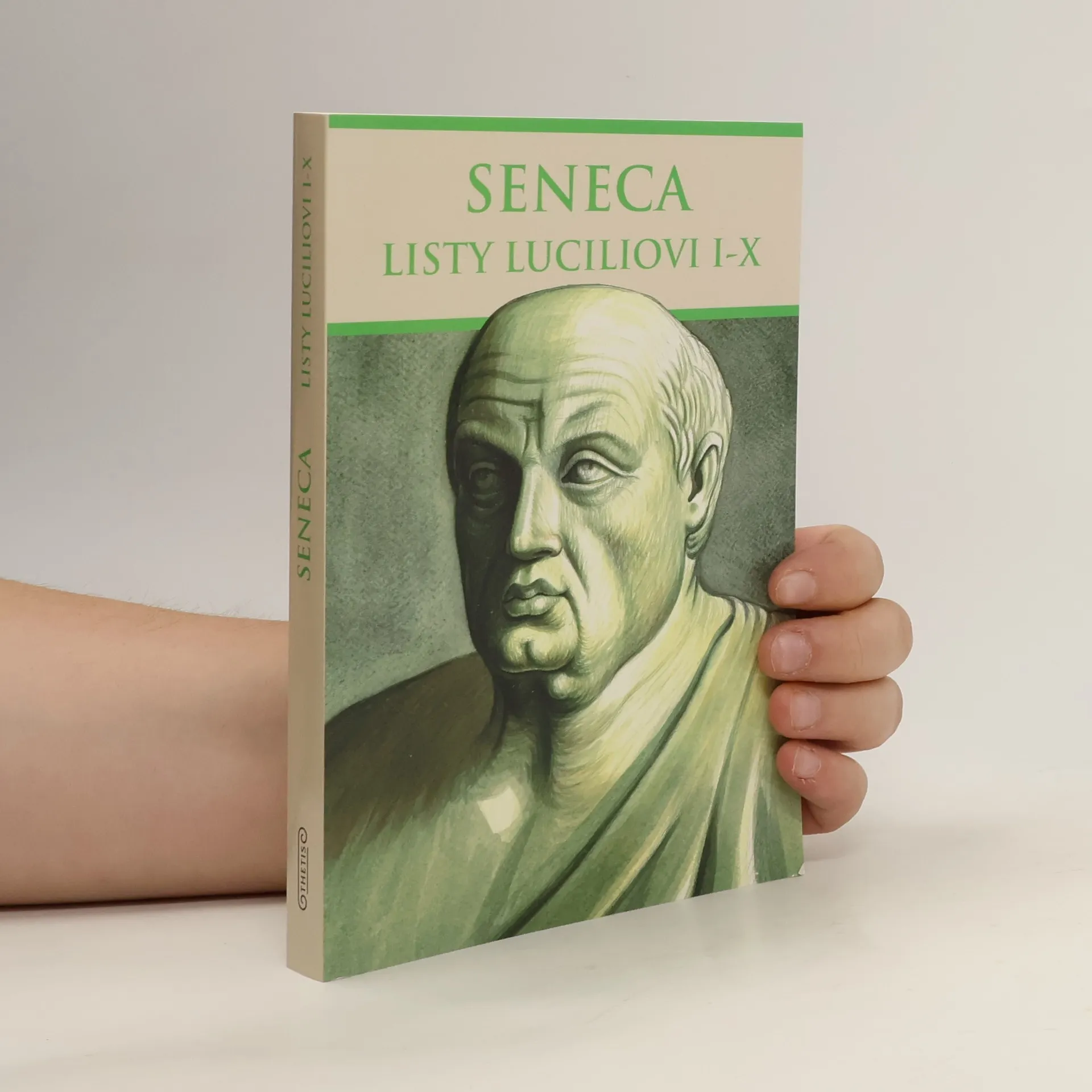
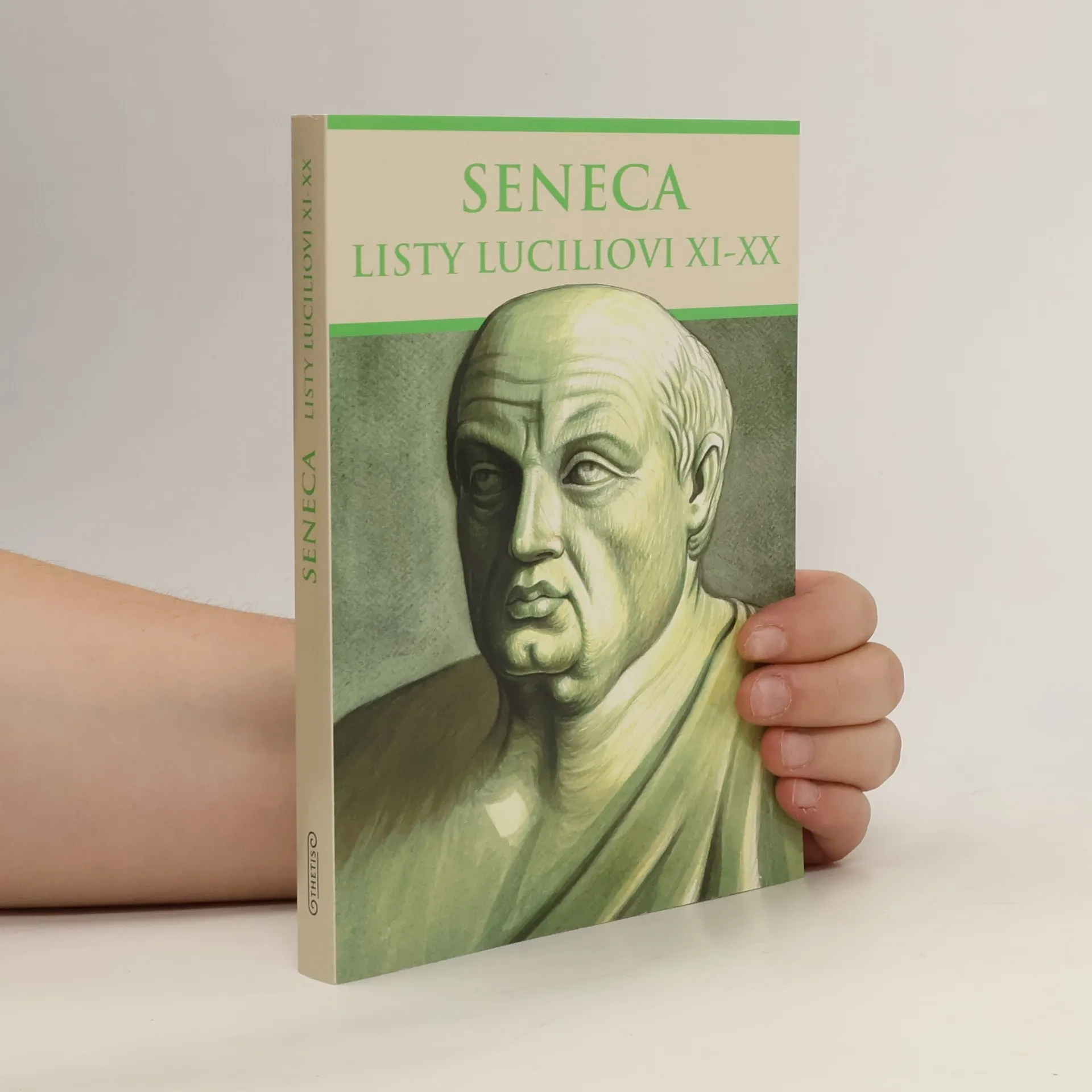
Listy Luciliovi sú Senekovým najvýznamnejším dielom, ktoré vytvoril už v zrelom veku, utiahnutý do ústrania od aktívneho politického života. Systematicky v nich preberá rôzne otázky života, bytia, existencie, kultúrne a spoločenské hodnoty, otázky umenia, ako aj bežné každodenné veci. Toto dielo je syntézou Senekových životných skúseností, ktoré nazbieral počas svojho nepokojného a rôznymi udalosťami poznačeného života.
V knihe je uvedená aj prvá časť porovnávacej štúdie Miloslava Okála Filozof Seneca a Pavol apoštol.
V Senecových Listoch Luciliovi nájdeme mnoho statí, ktoré Seneca píše so silným oduševnením, v ktorých sa prejavuje jeho pozoruhodná vnútorná sila, a to najmä vtedy, keď strasti a útrapy úmorne zvierali jeho dušu. Senekove Listy Luciliovi nám môžu byť príkladom vysokej morálnej sily útrapami skúšaného človeka a môžeme sa z nich tiež dozvedieť mnoho zaujímavých informácií z obdobia veľkého Ríma.
Senekove názory a filozofiu, ako aj Senekov vzťah k Pavlovi apoštolovi, jeho učeniu a kresťanstvu podrobne skúma porovnávacia štúdia Miloslava Okála Filozof Seneca a Pavol apoštol, ktorej dokončenie uvádzame v tejto knihe.
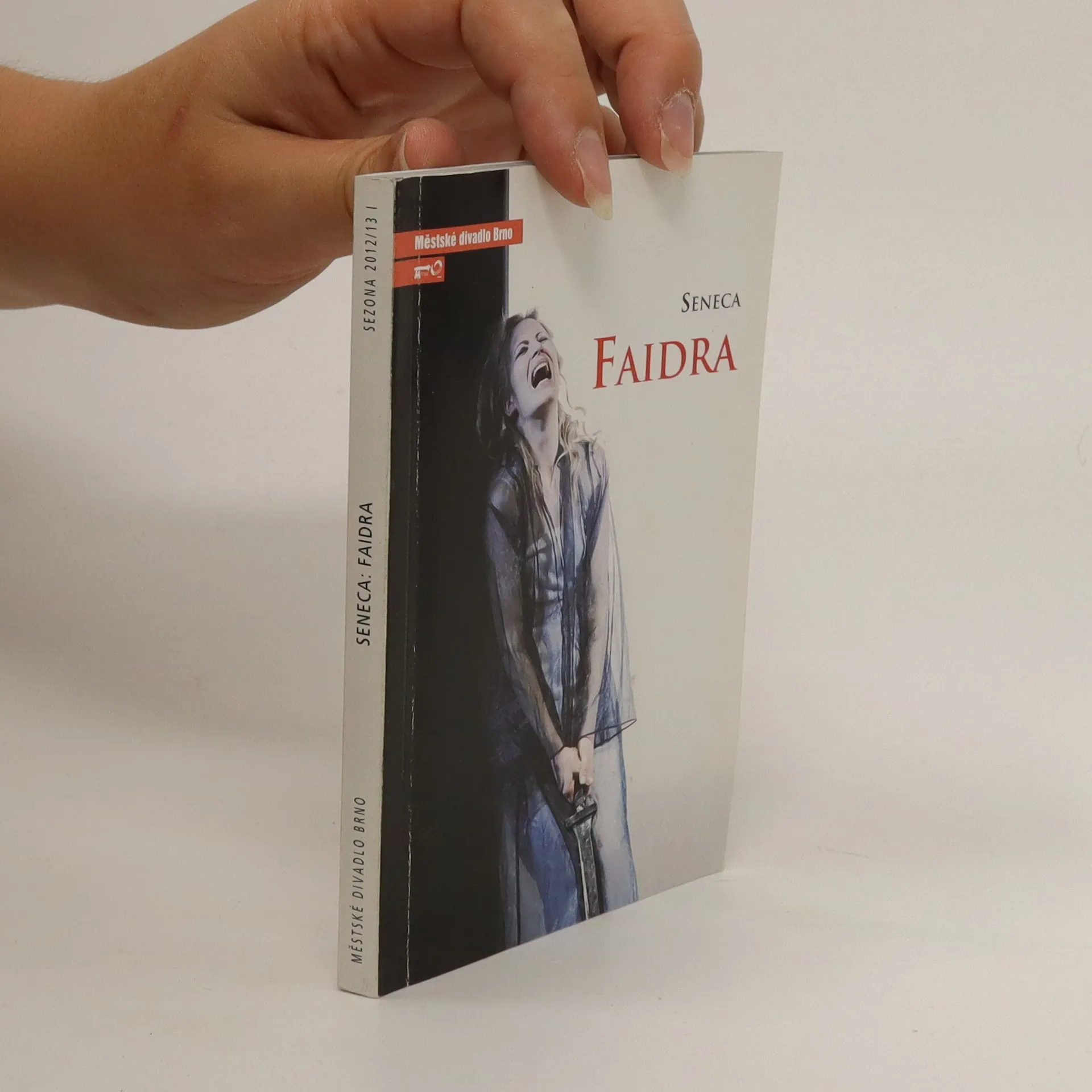
Tragický příběh lásky dcery krétského krále Minóa k Hippolytovi, synu svého muže z prvního manželství, z pera římského klasika Senecy v moderním překladu Evy Stehlíkové vychází jako 79. svazek edice D. Překladatelka je také autorkou doslovu, zabývajícího se interpretací hry.
Lucius Annaeus Seneca (4 BCE - 65 CE) was a Roman Stoic philosopher,
dramatist, statesman, and adviser to the emperor Nero, all during the Silver
Age of Latin literature. This title is a fresh and compelling series of new
English-language translations of his works in eight accessible volumes.
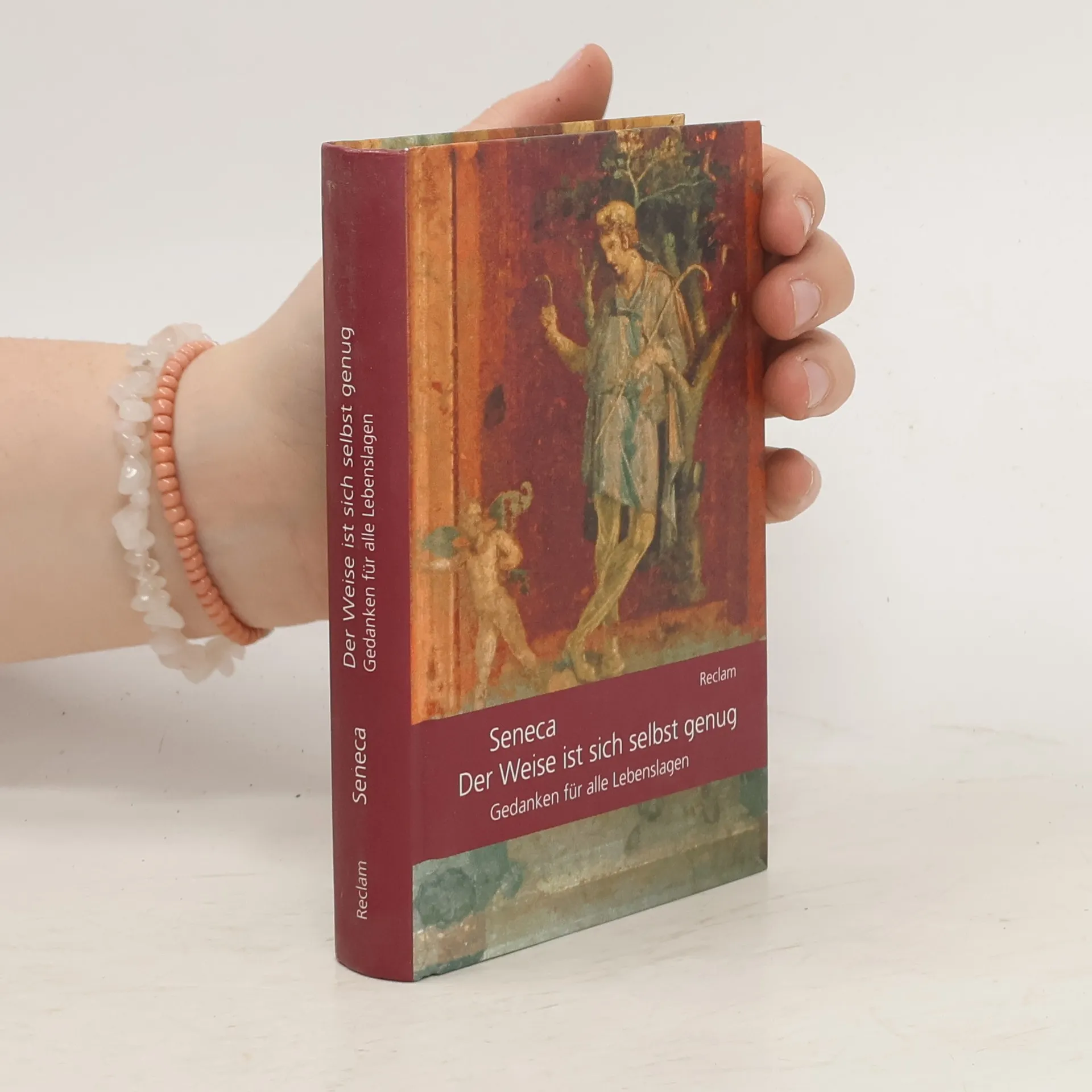
Was macht ein gutes Leben aus? Ist alles vorherbestimmt, oder haben wir unser Leben selbst in der Hand? Was macht uns glücklich? Und: Wie wollen wir sterben? Lebensfragen wie diese sind zeitlos. Und die Antworten des römischen Philosophen Seneca sind auch nach 2000 Jahren noch aktuell. Der bisher nur in der Reclam Bibliothek greifbare Band bietet zentrale Texte des Stoikers in Übersetzung: Von der Kürze des Lebens, Von der Ruhe des Gemüts, Vom glücklichen Leben, Von der Vorsehung und Von der Muße .
In der Schrift sind alle bekannten philosophischen Dialoge des römischen Philosophen Stoikers Seneca (ca. 4 v. Chr. - 65 n. Chr.) enthalten, die Diatriben genannt werden.
Stoic philosopher and tutor to the young emperor Nero, Seneca wrote moral
essays - exercises in practical philosophy - on how to live in a troubled
world. Strikingly applicable today, his thoughts on happiness and other
subjects are here combined in a clear, modern translation with an introduction
on Seneca's life and philosophy.