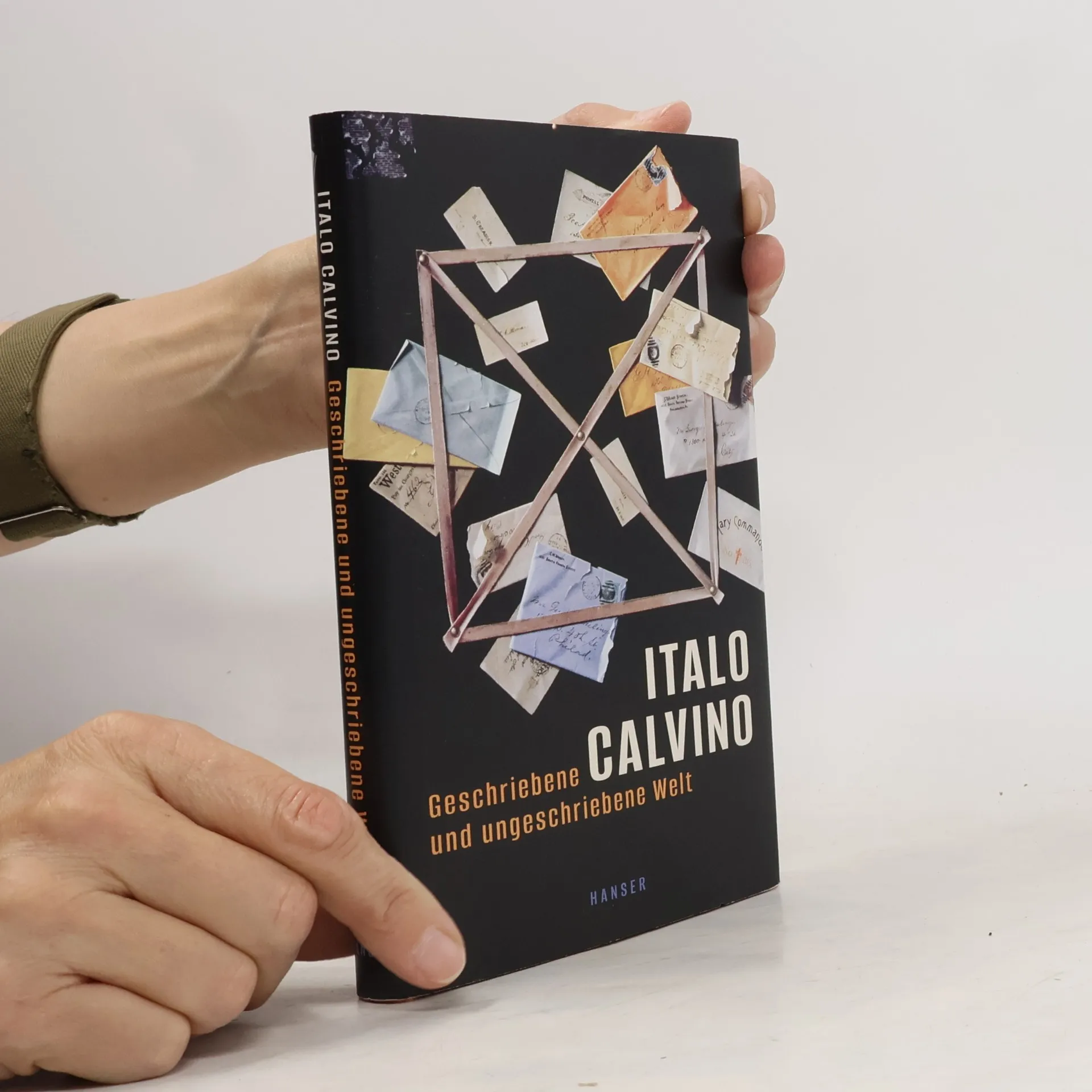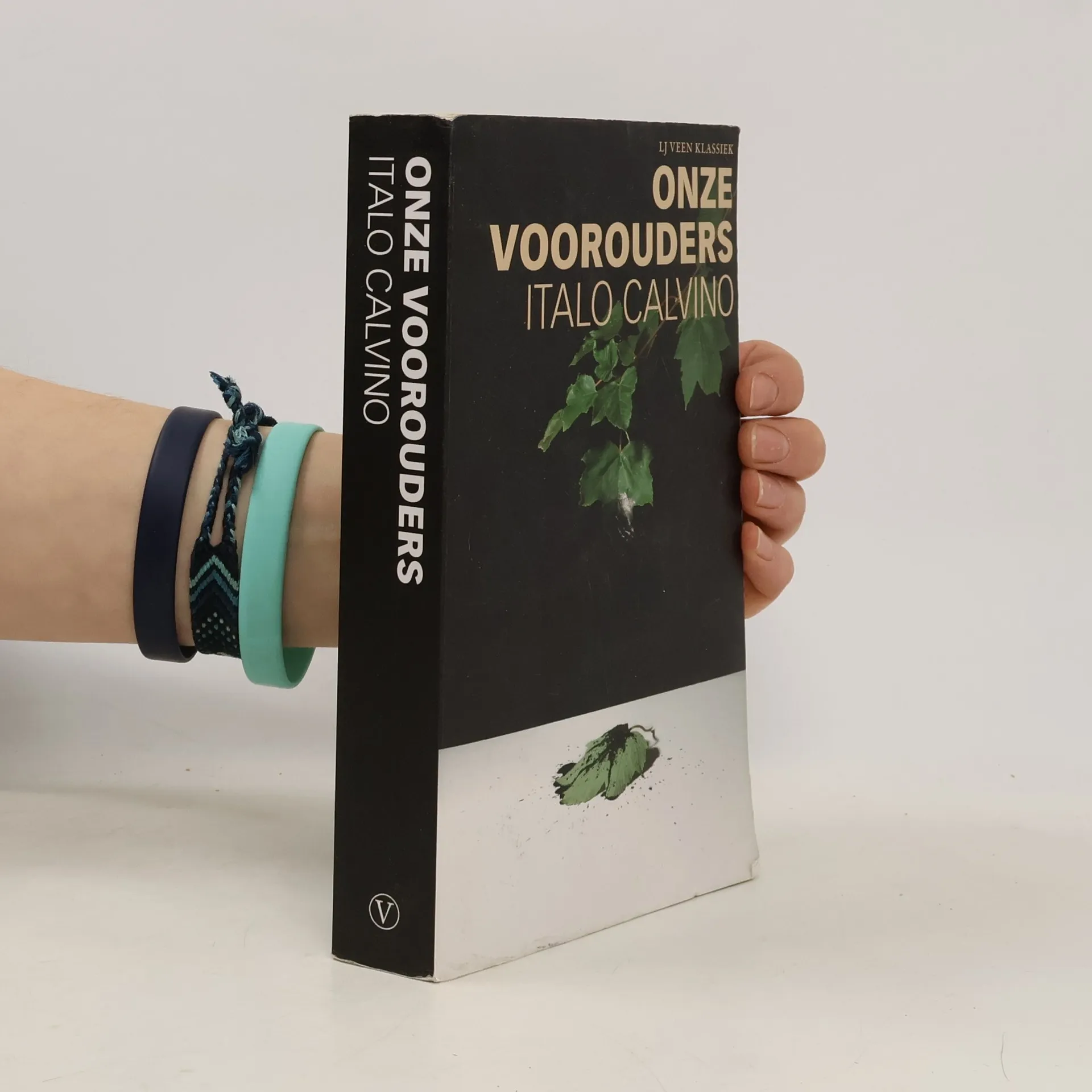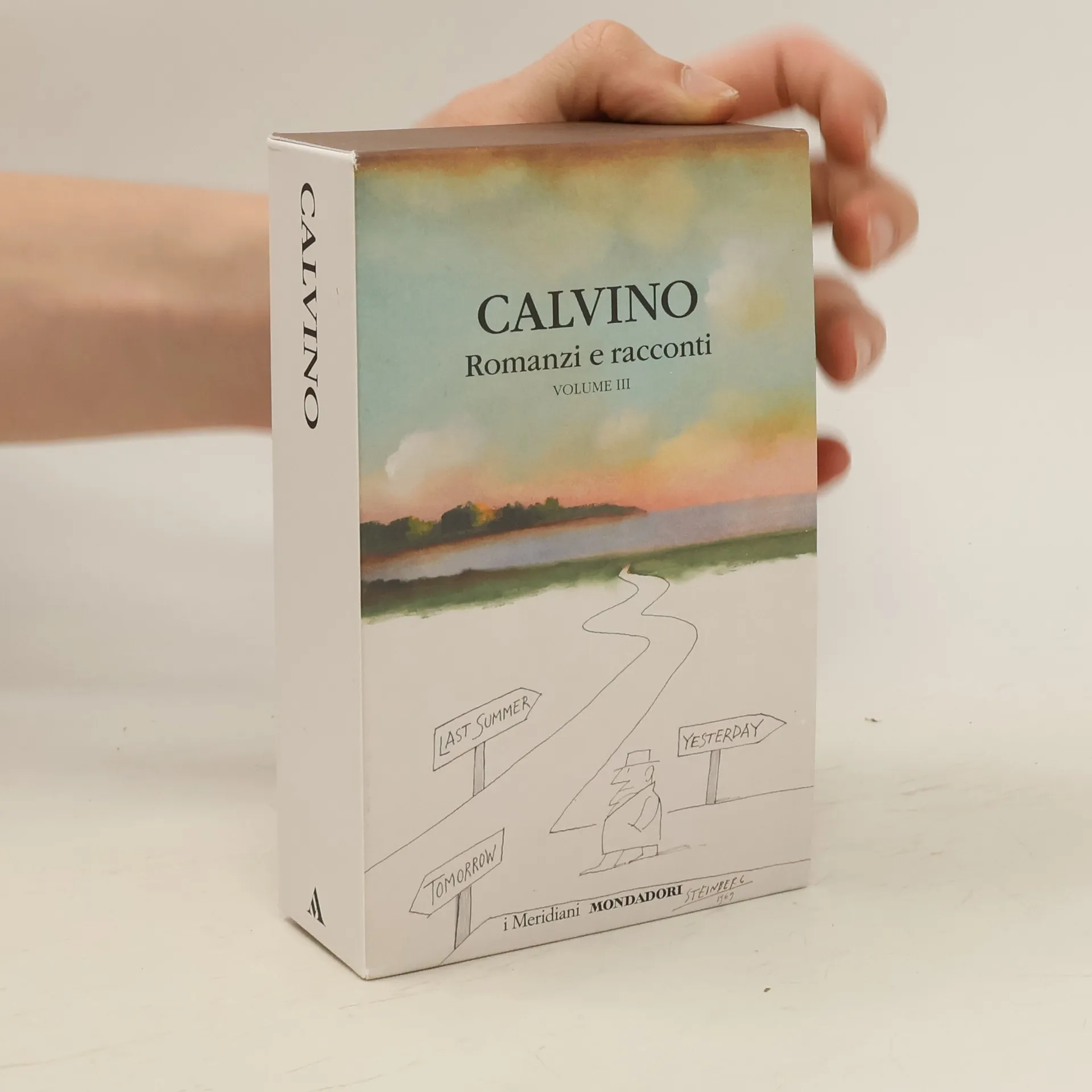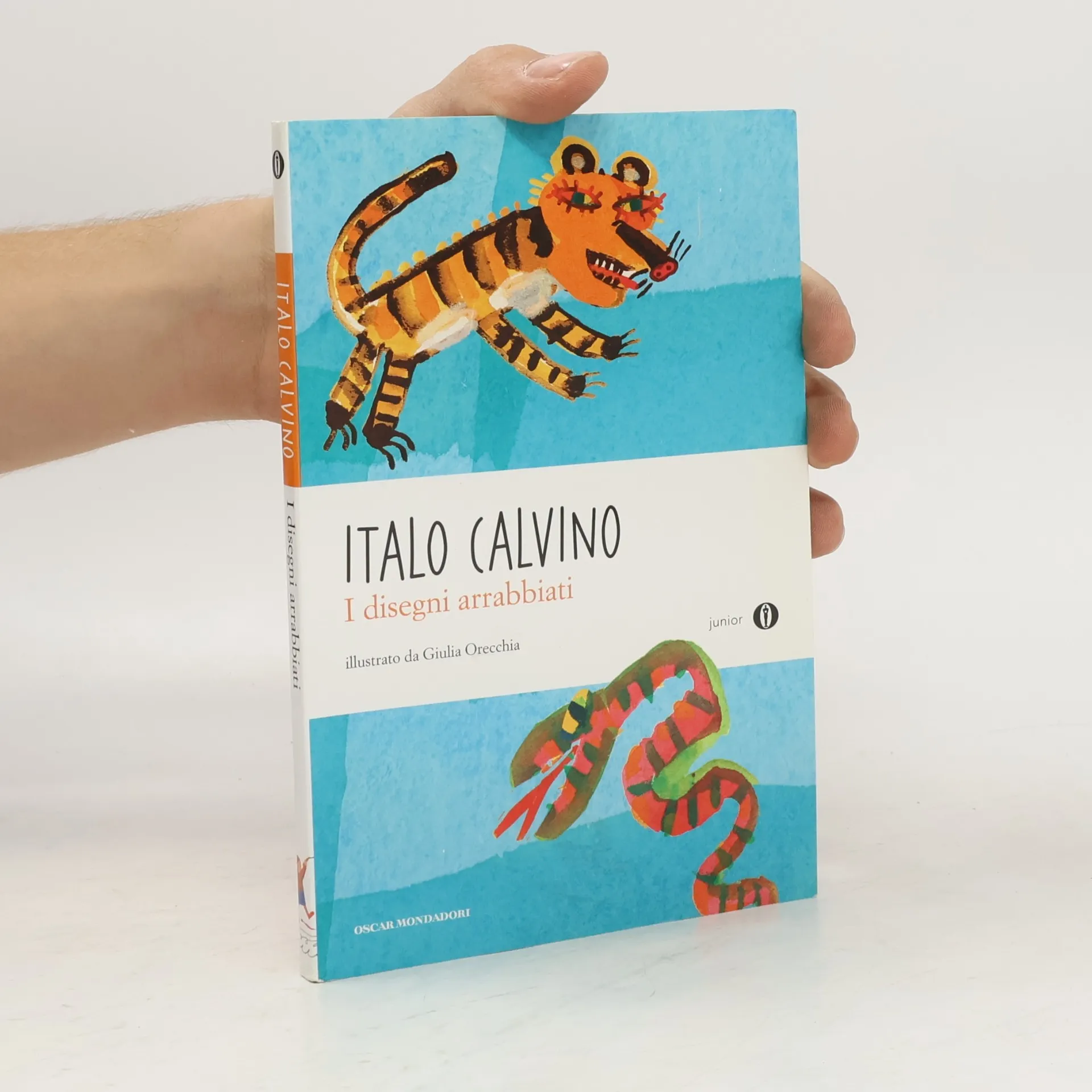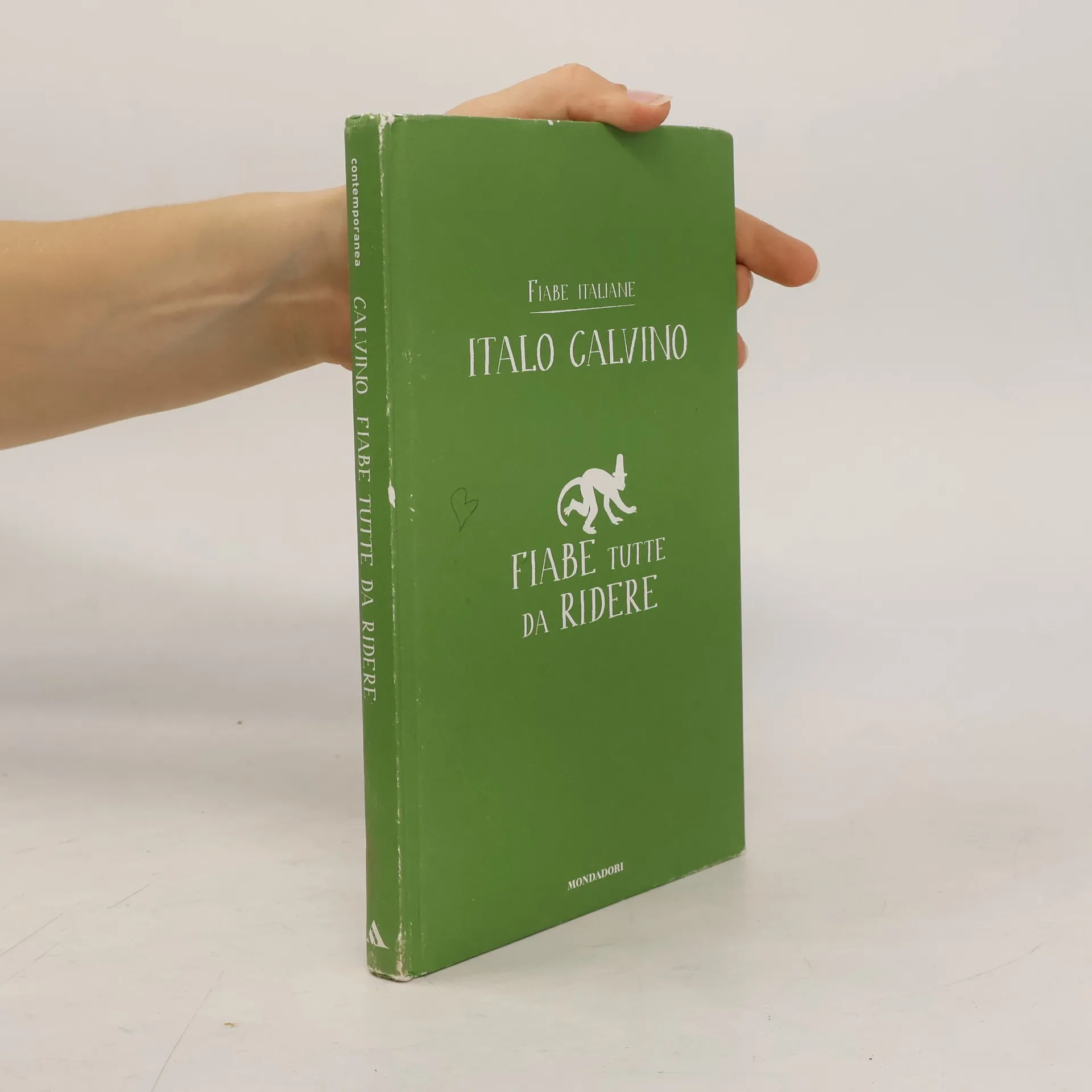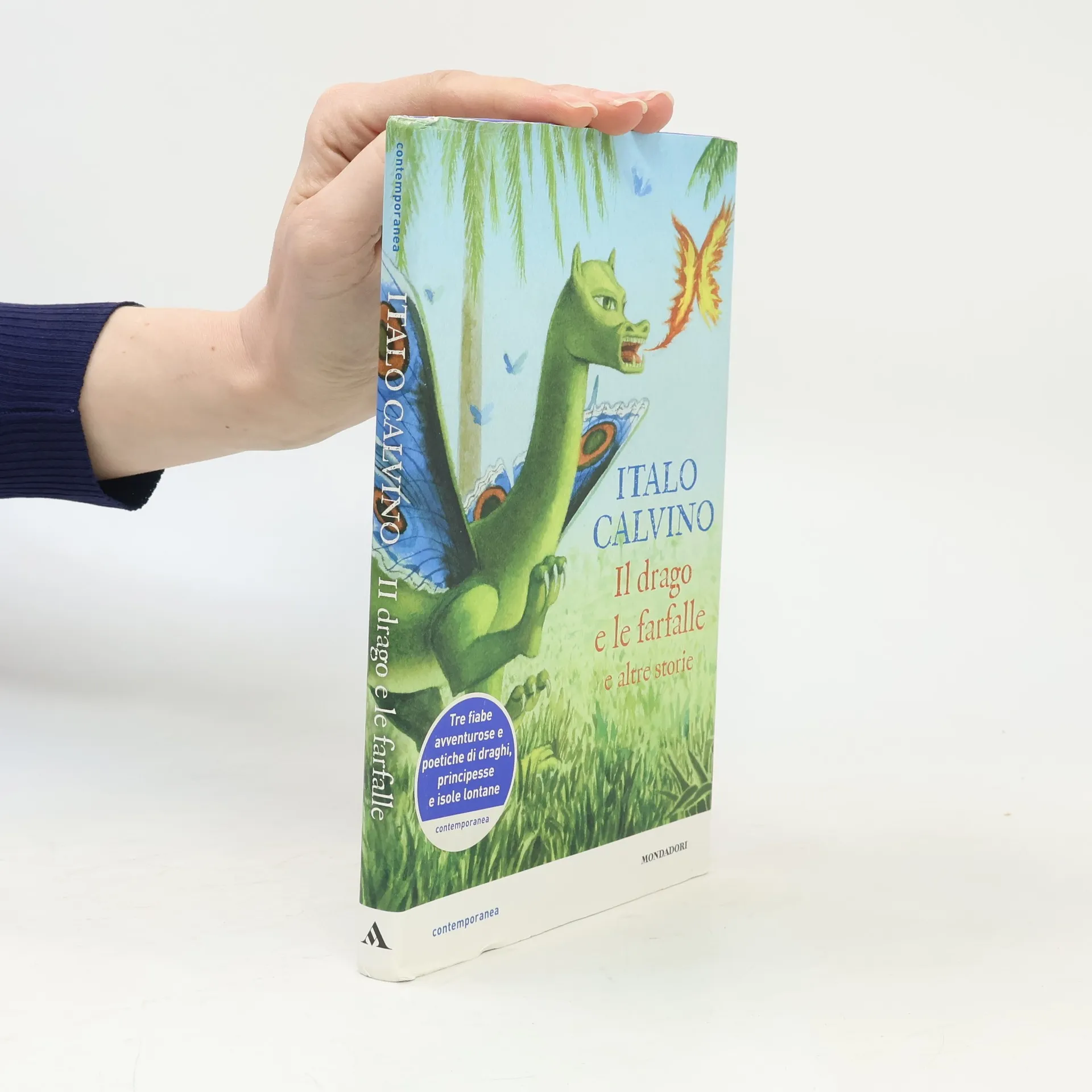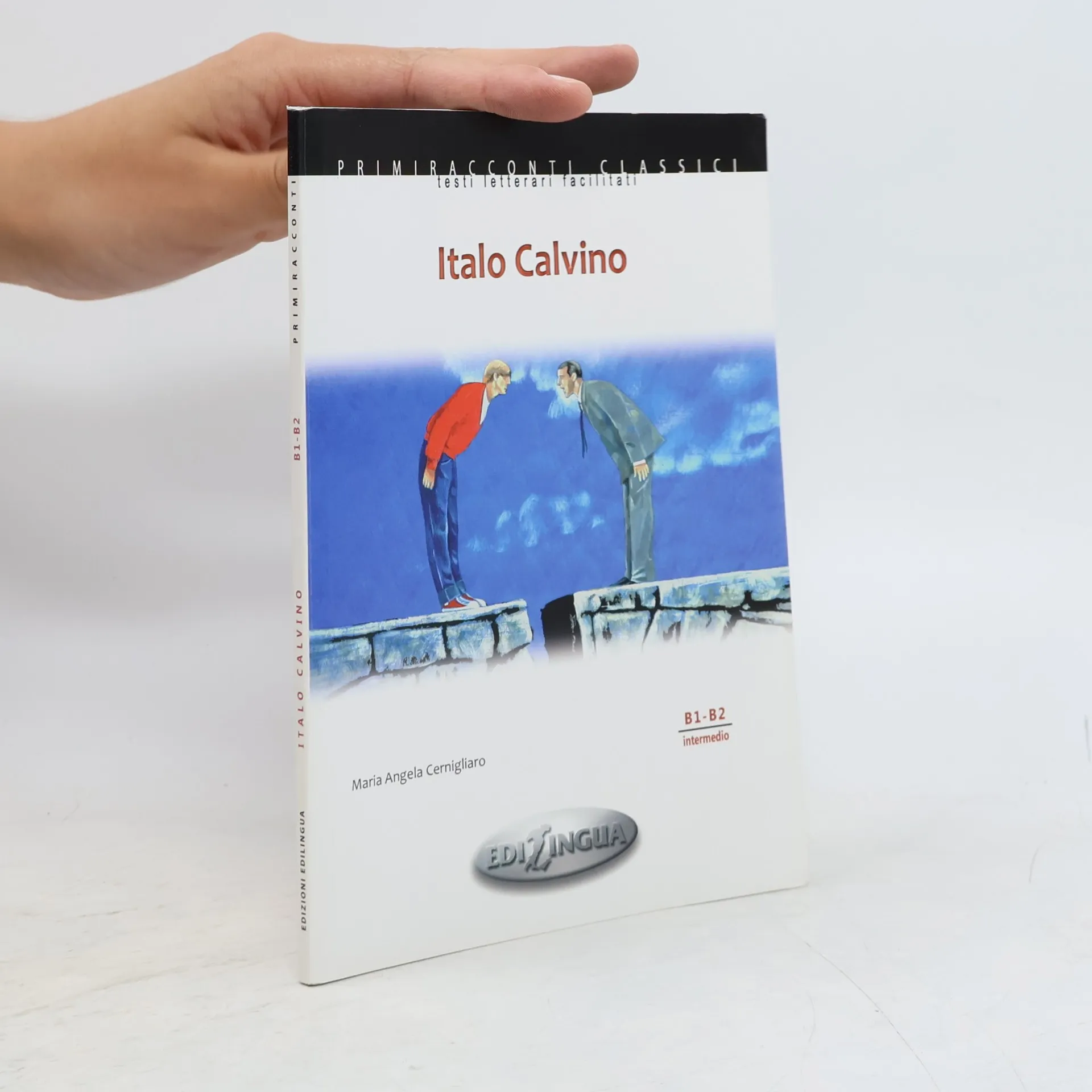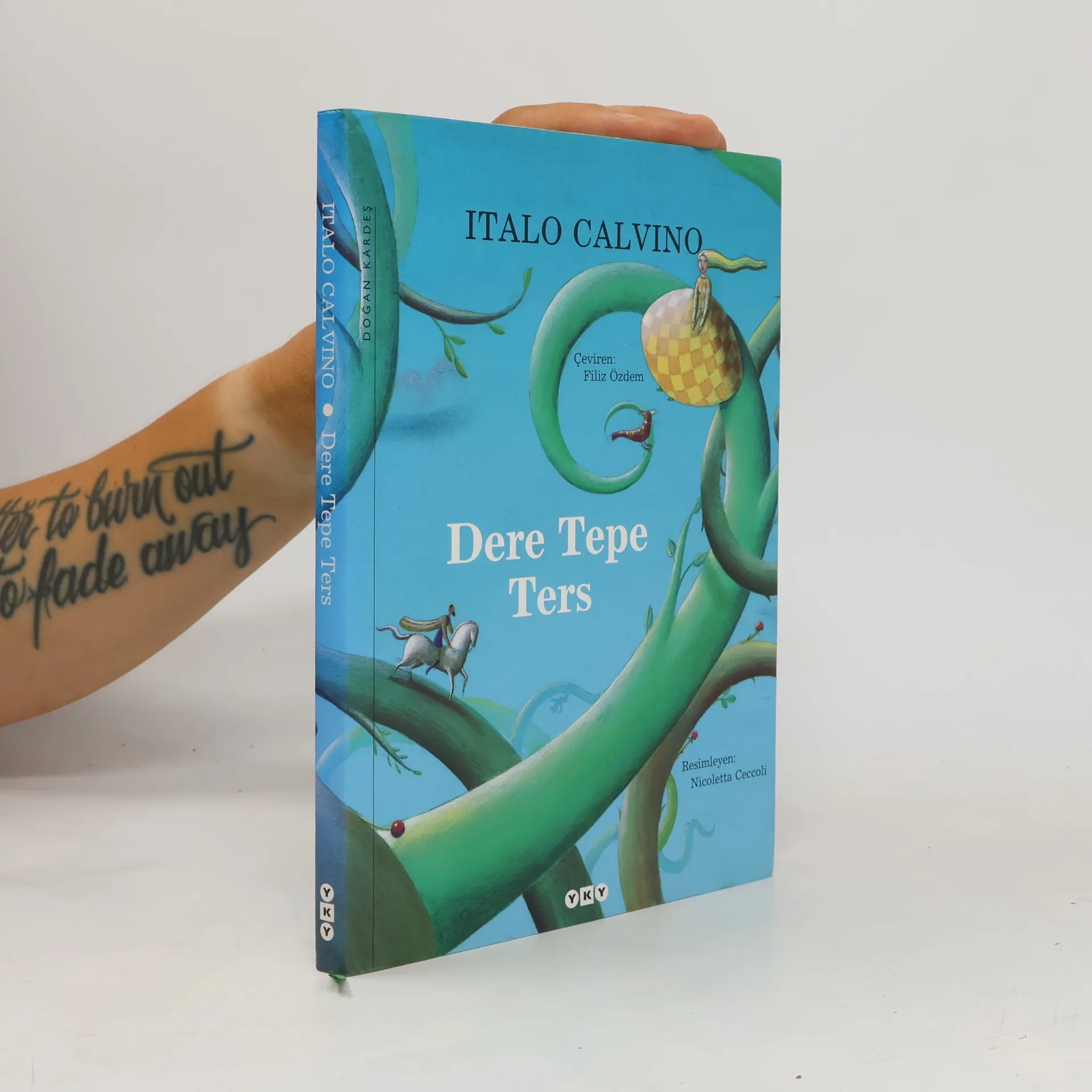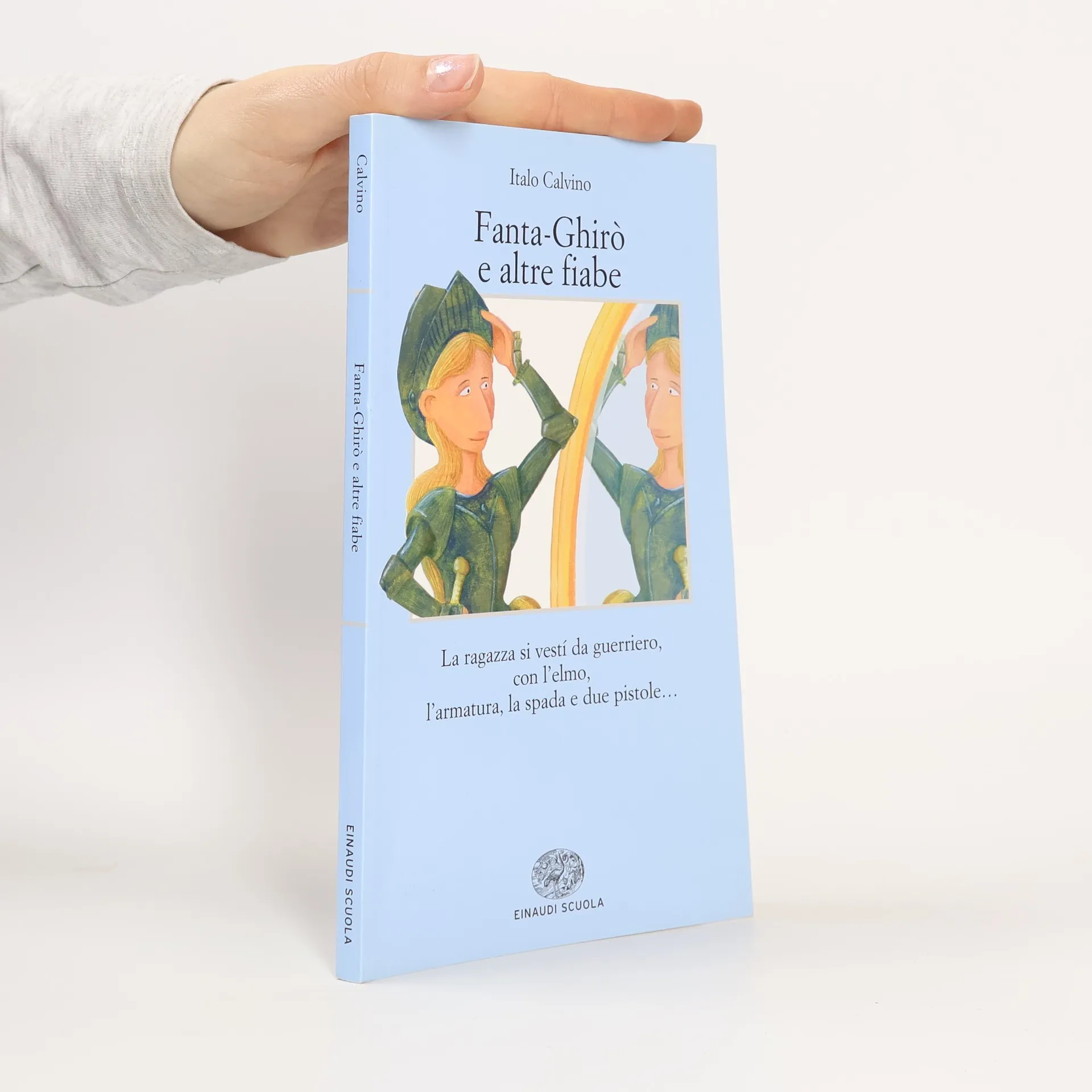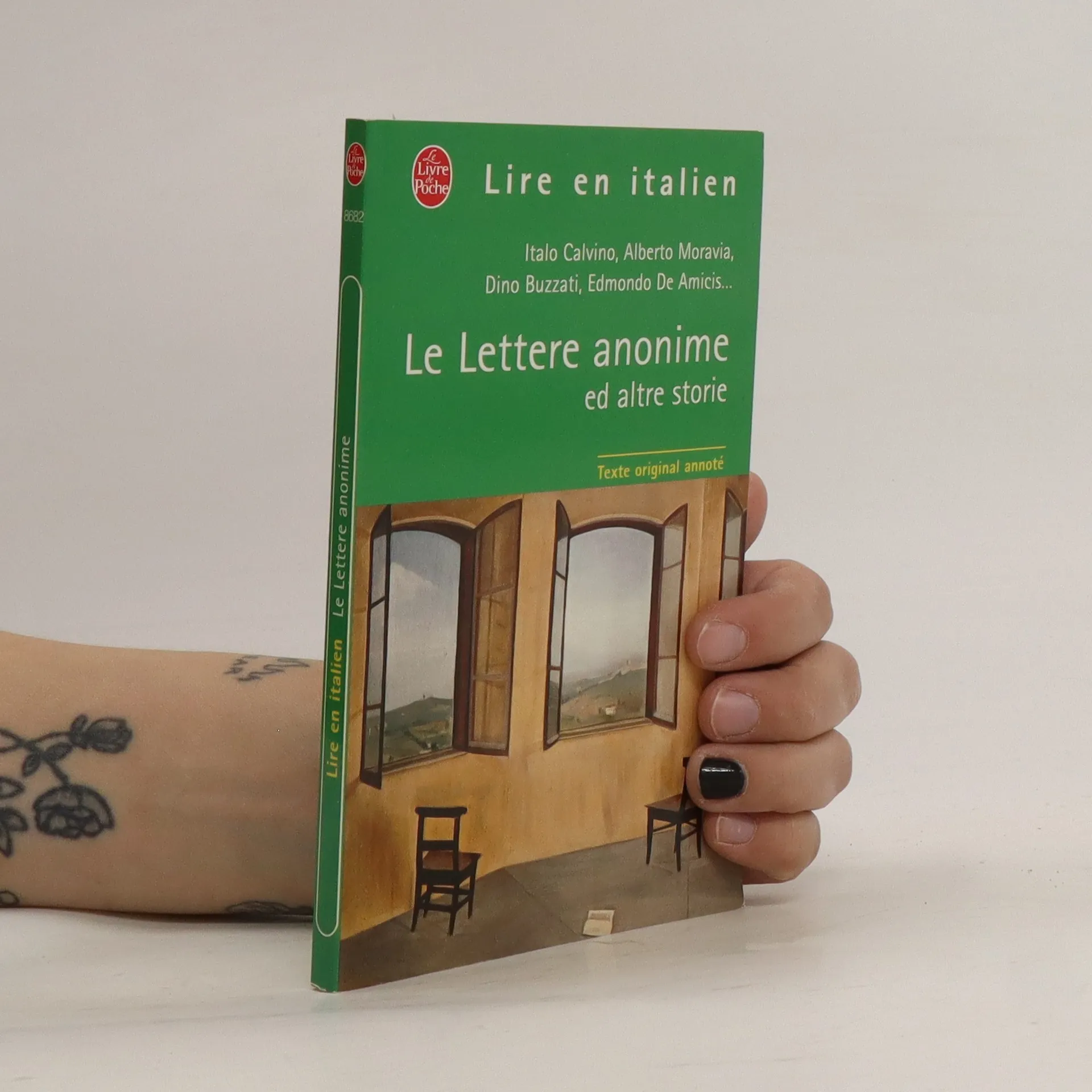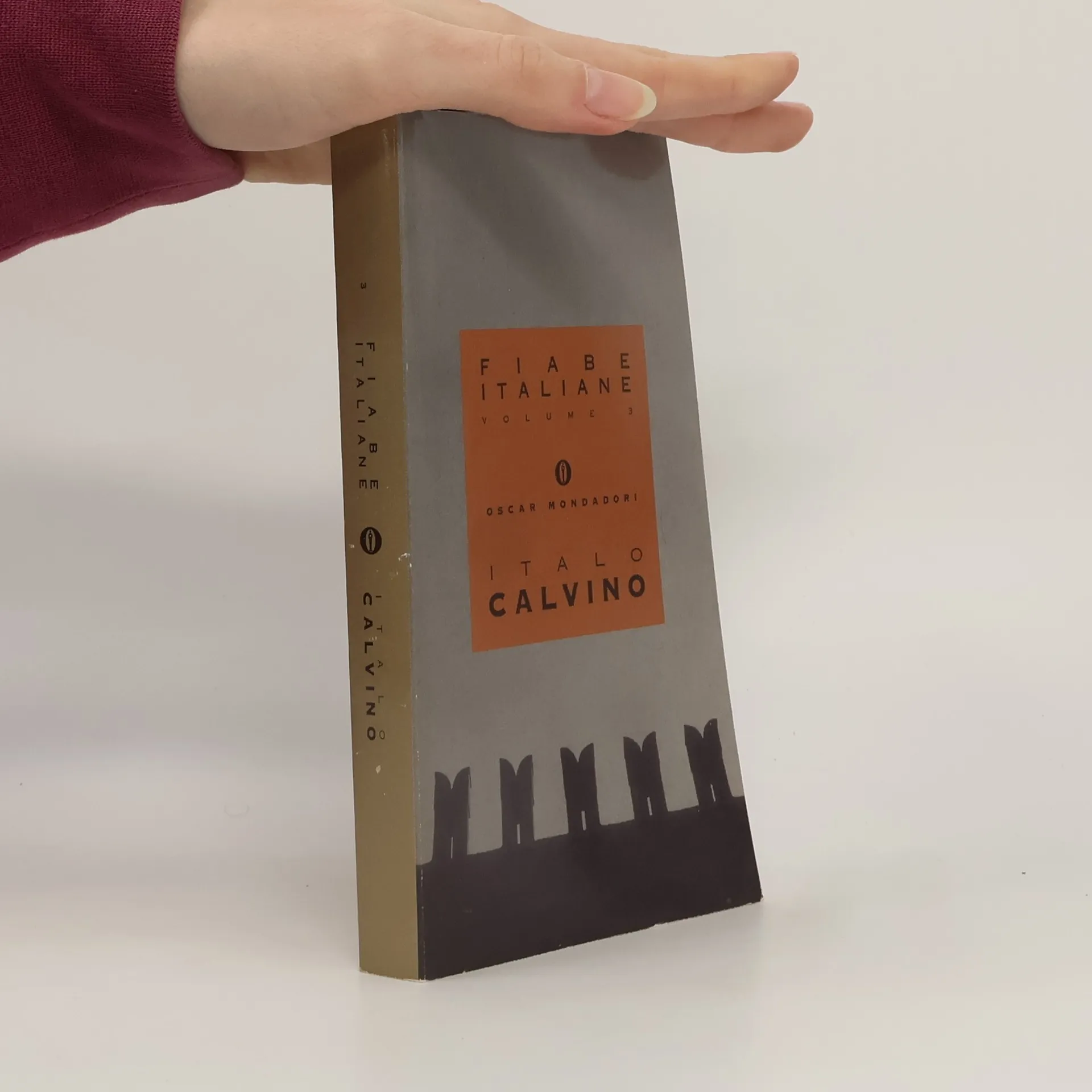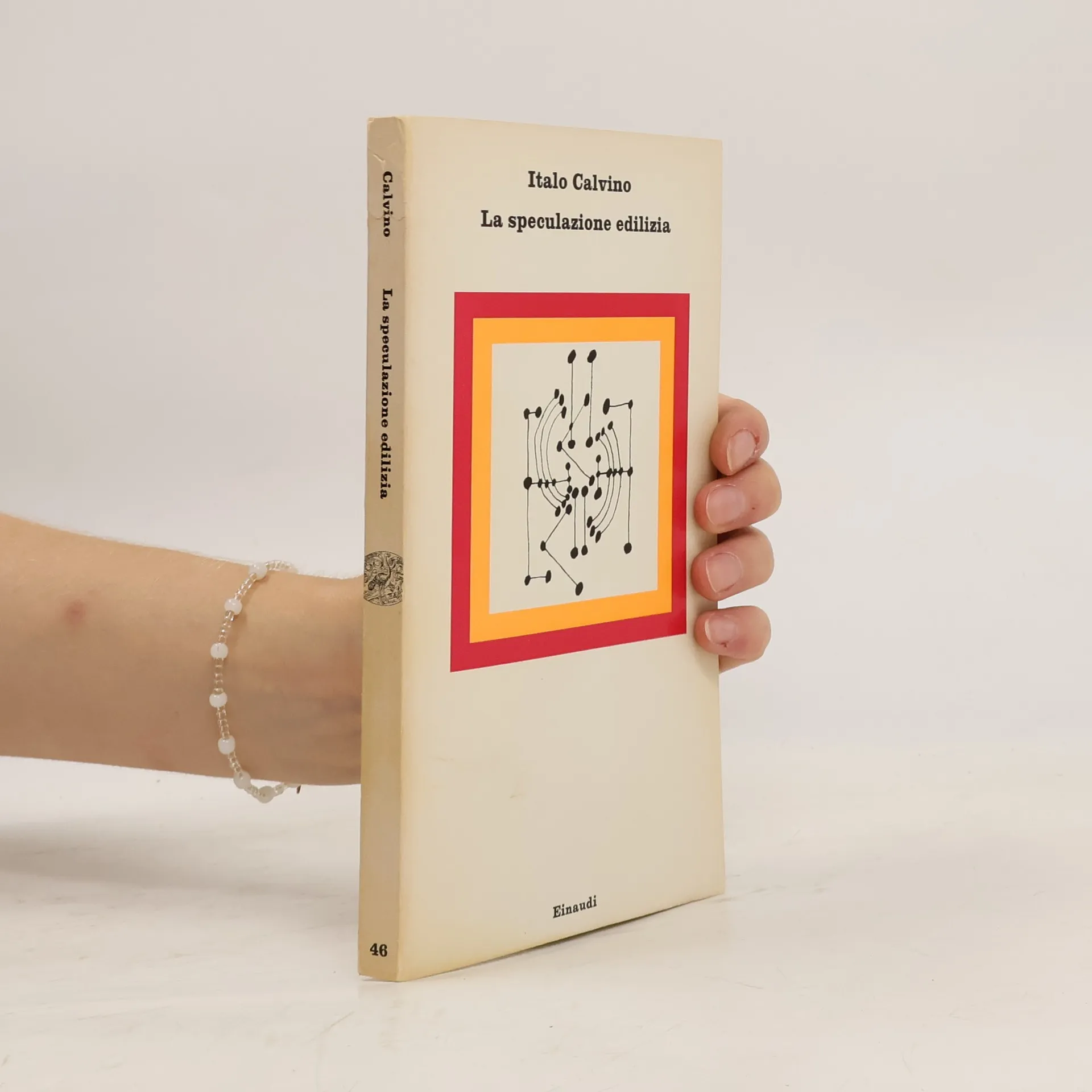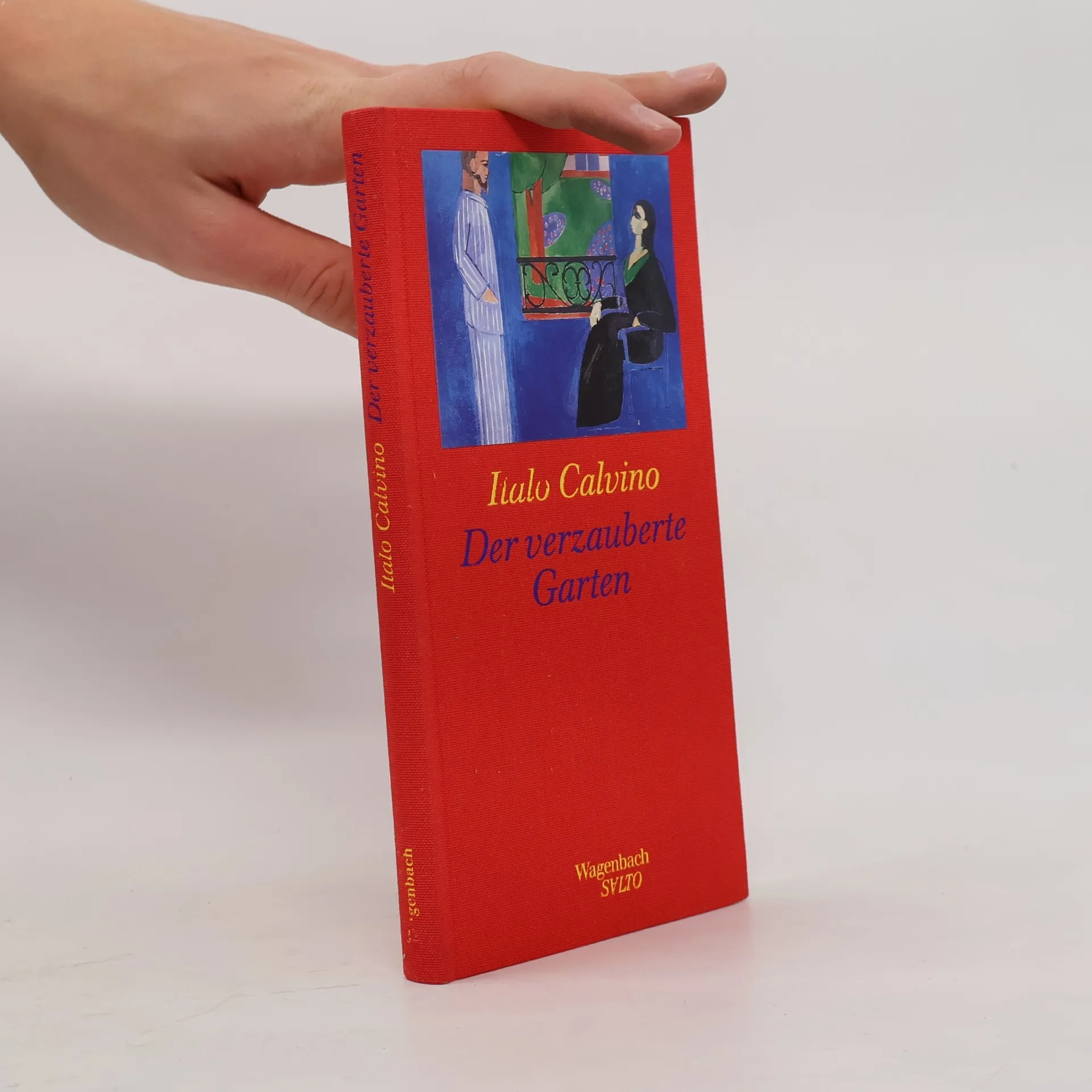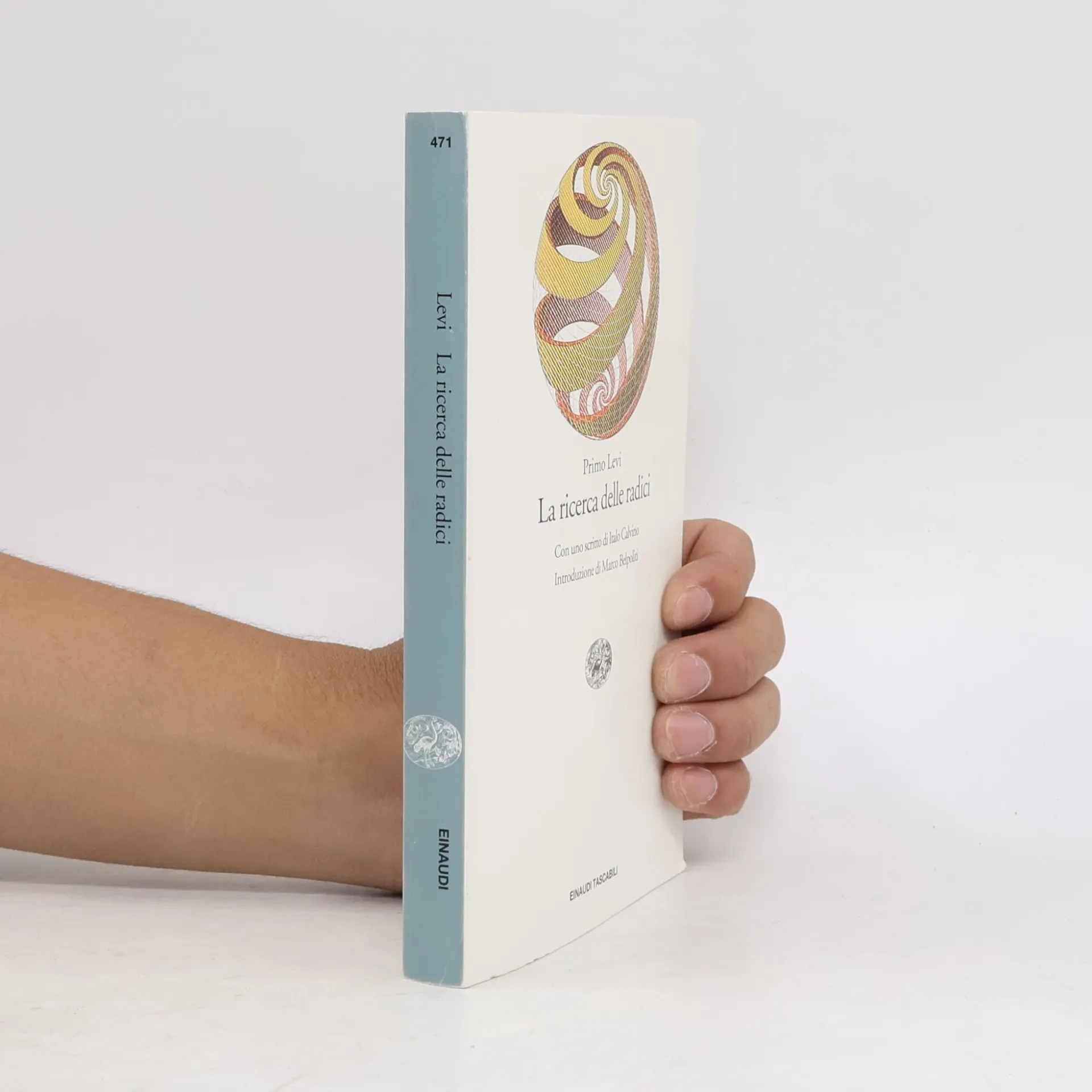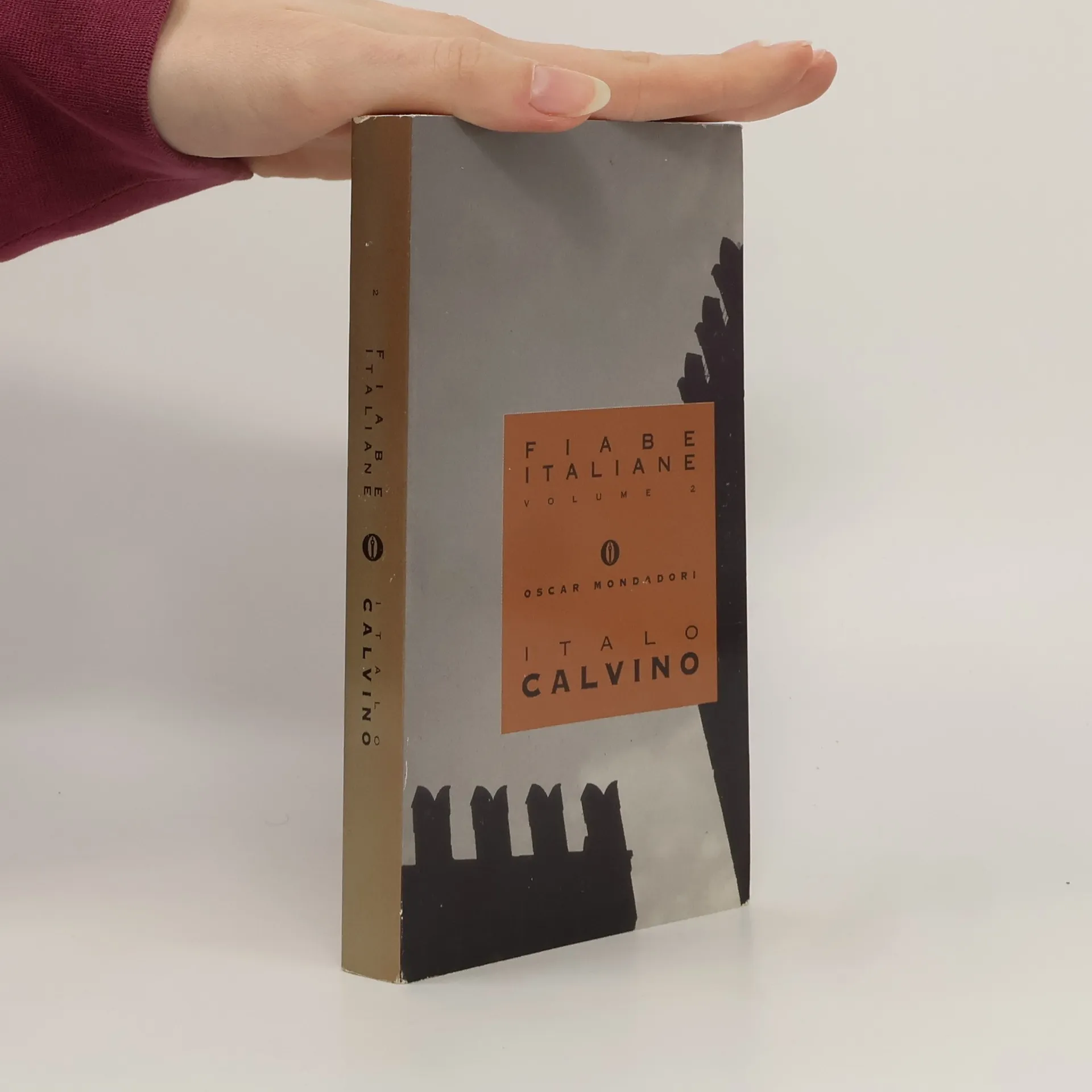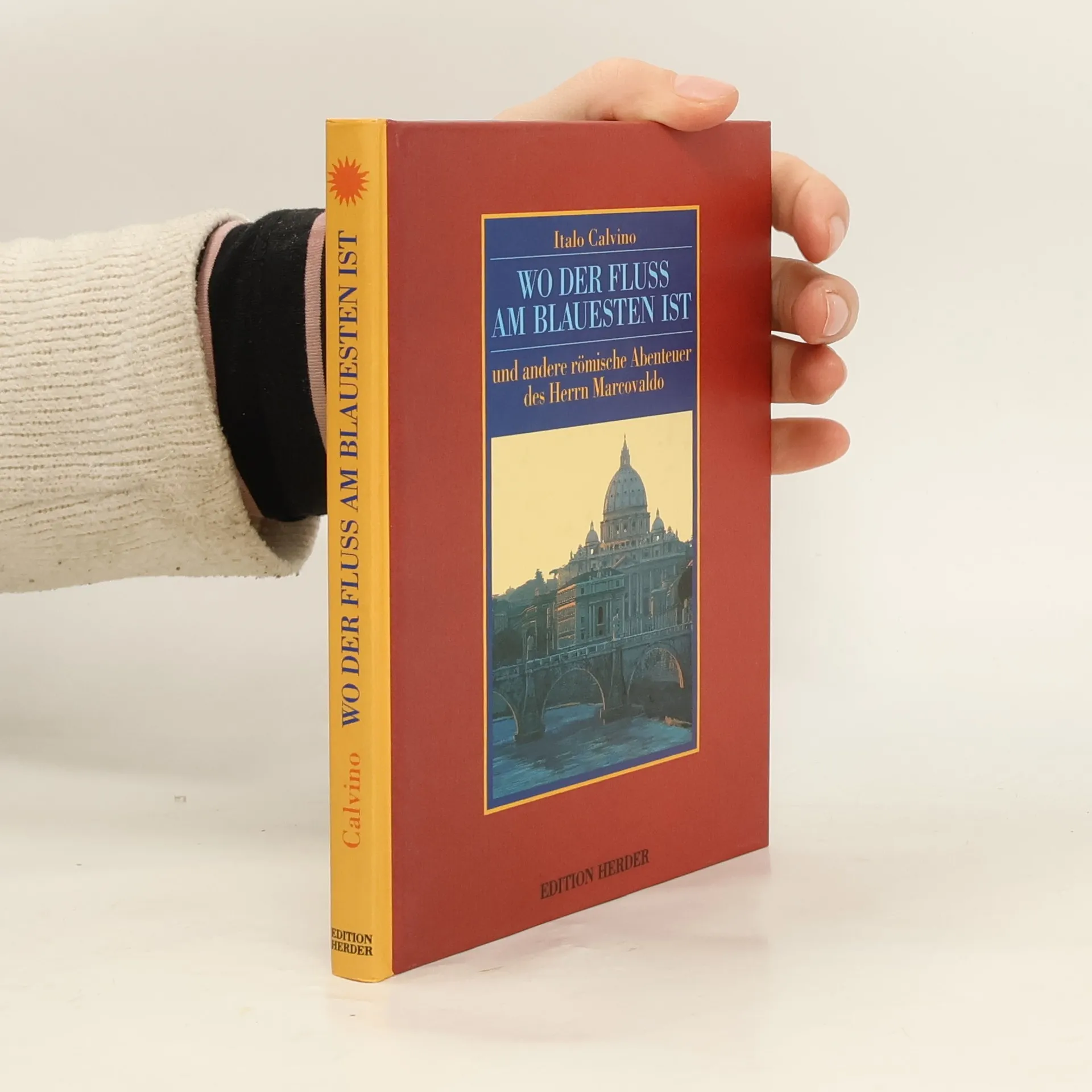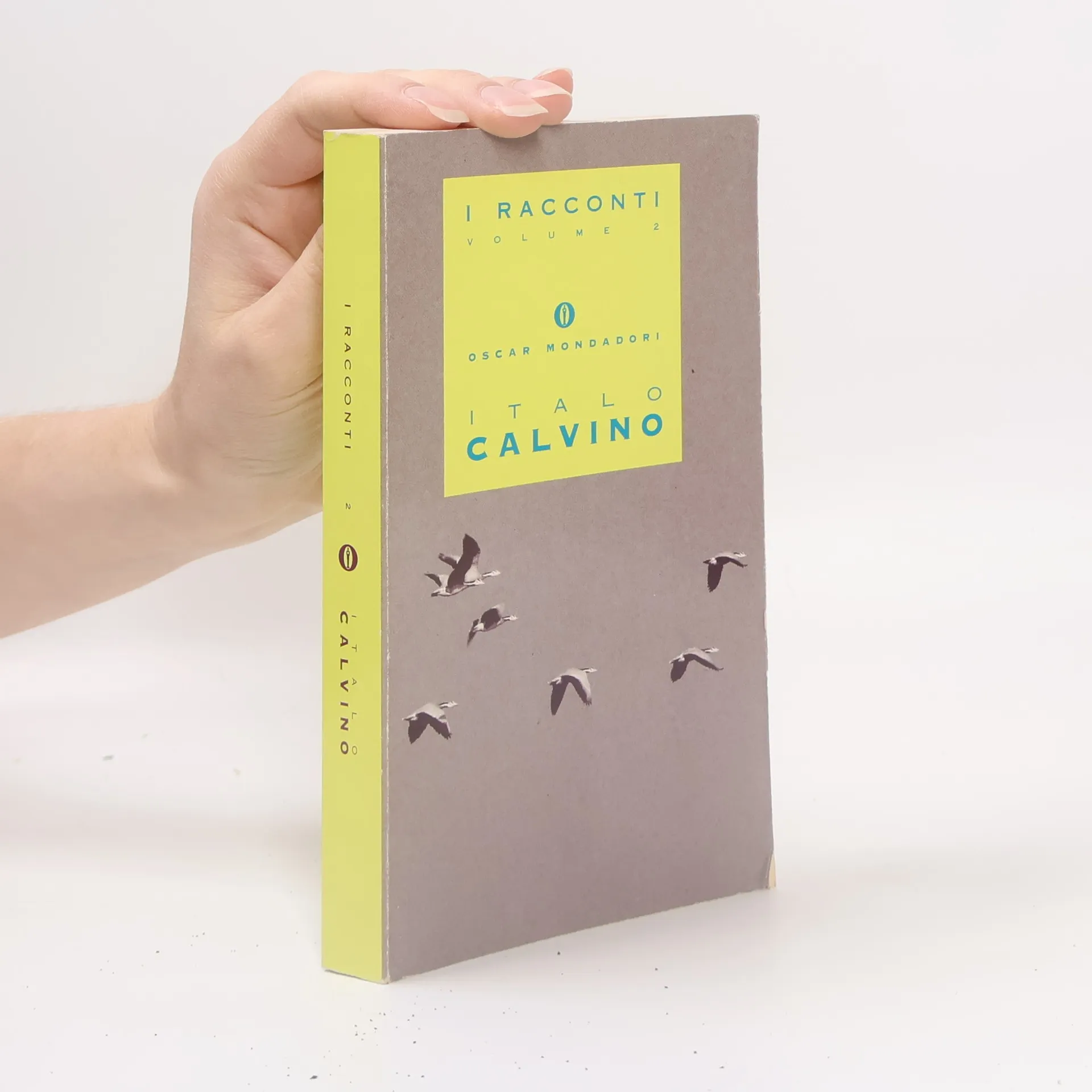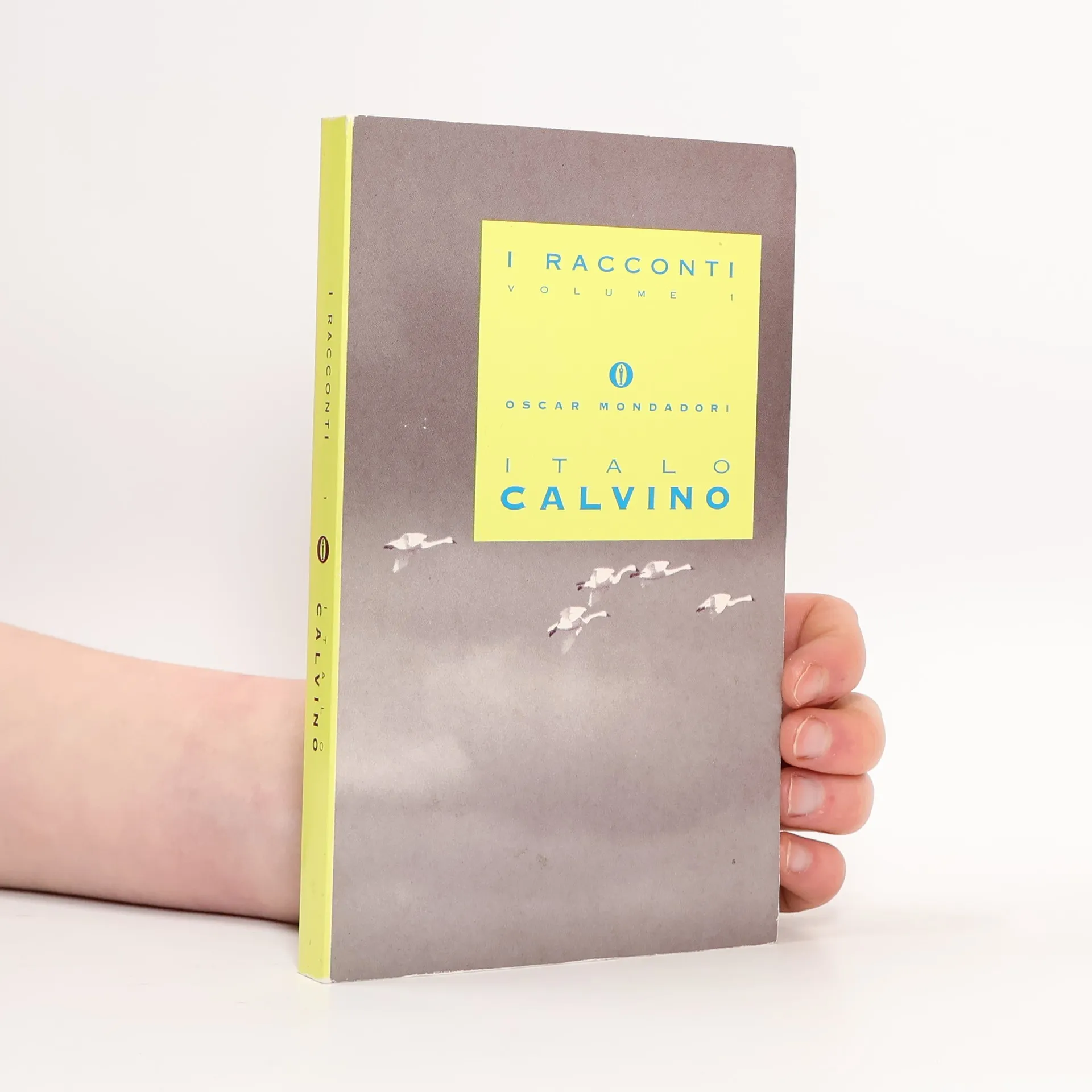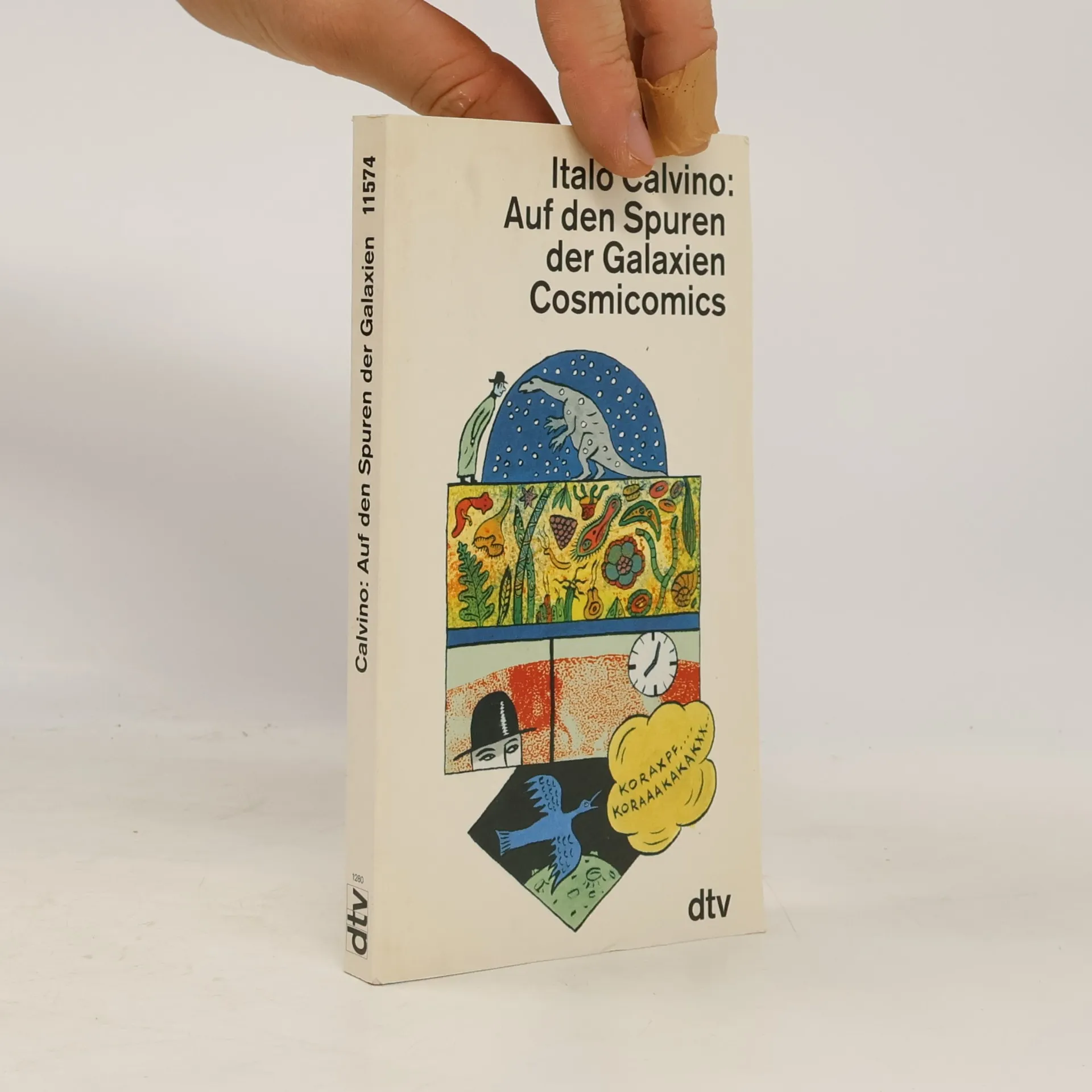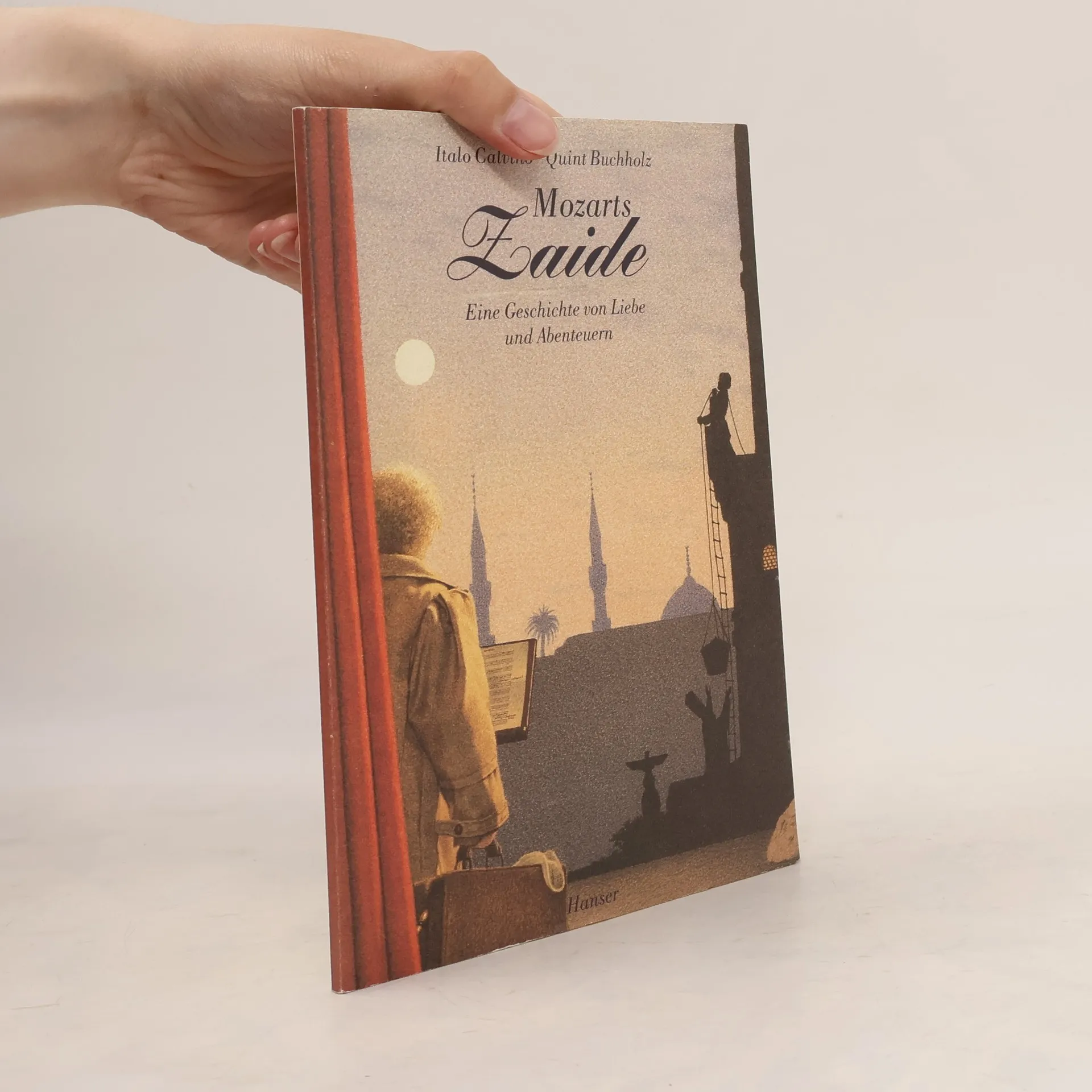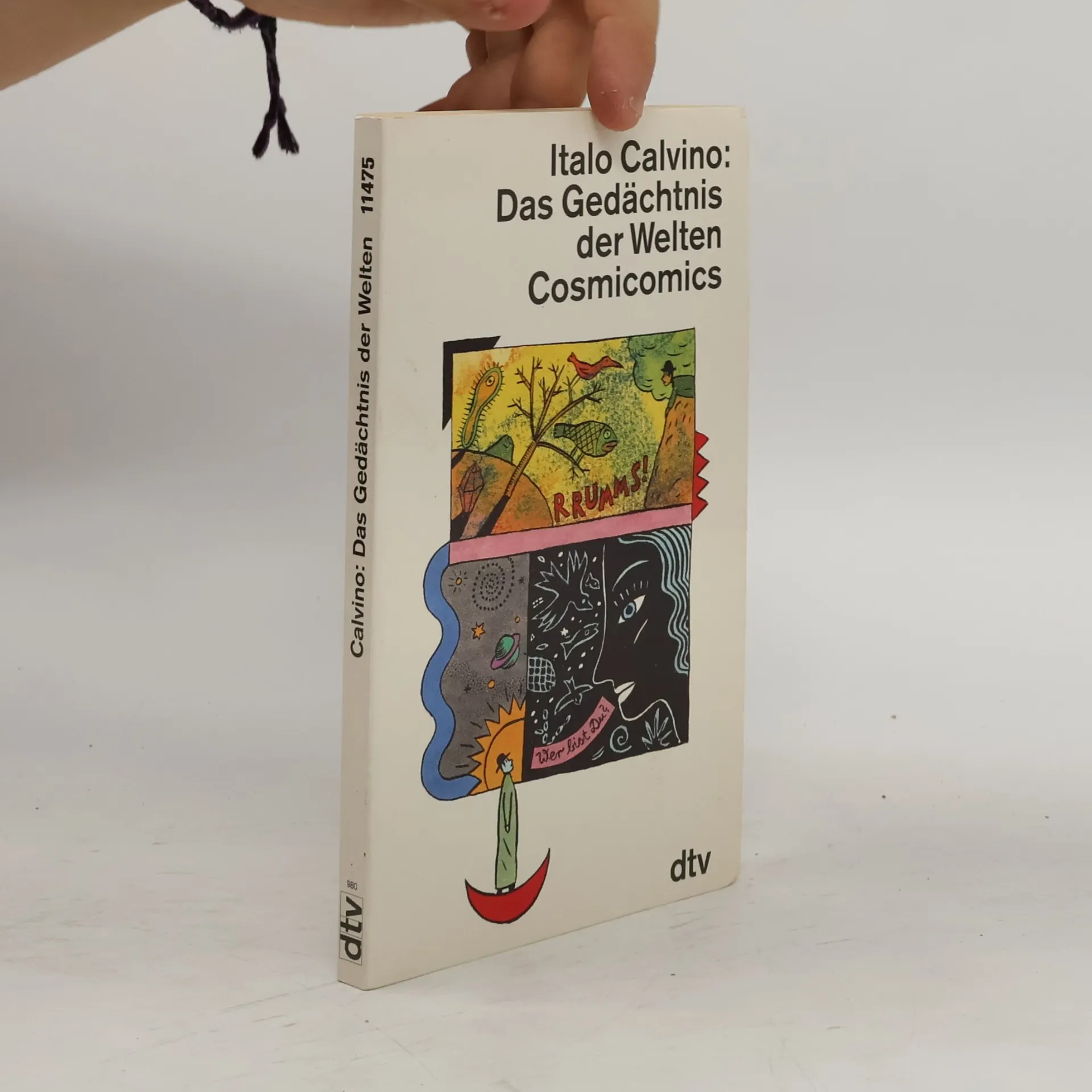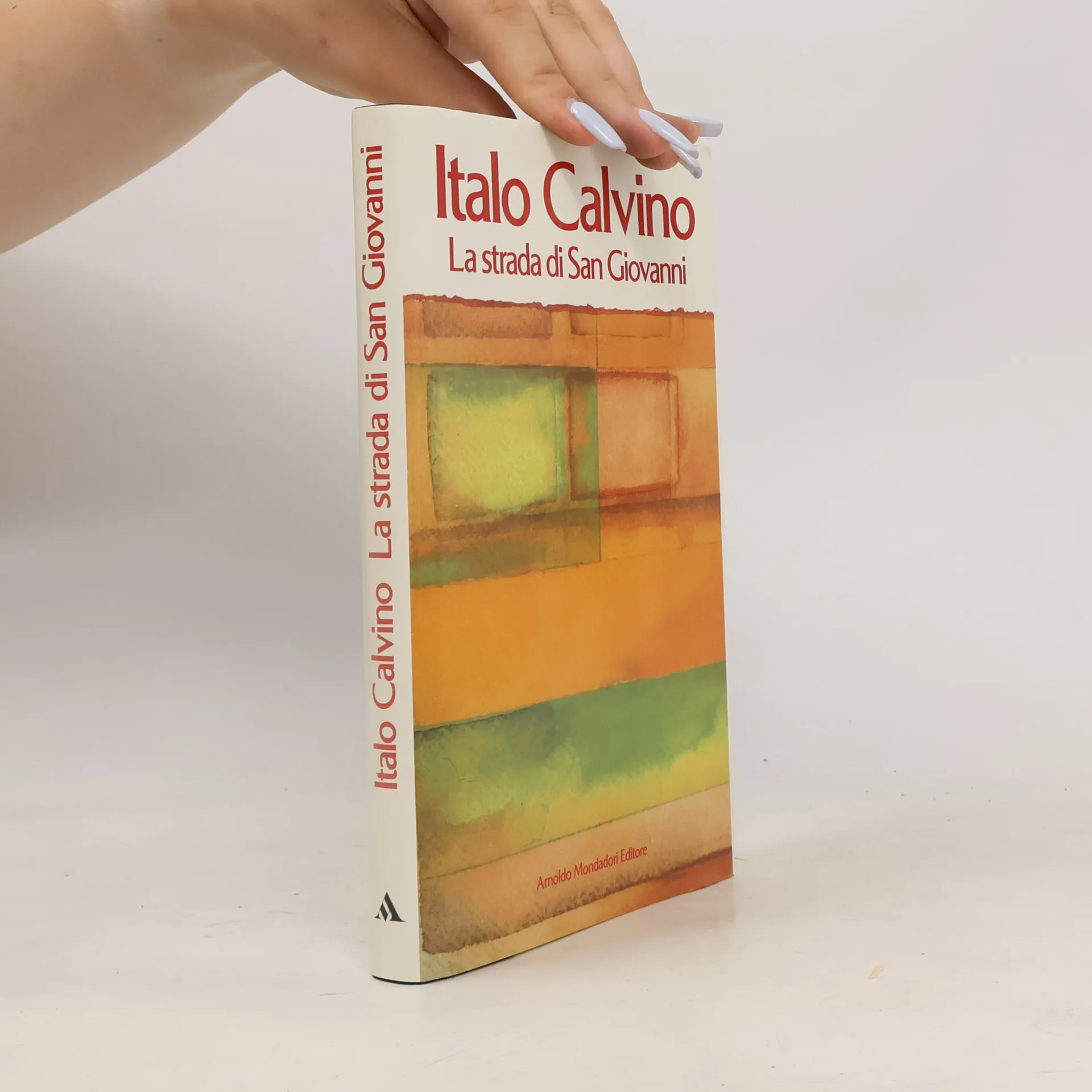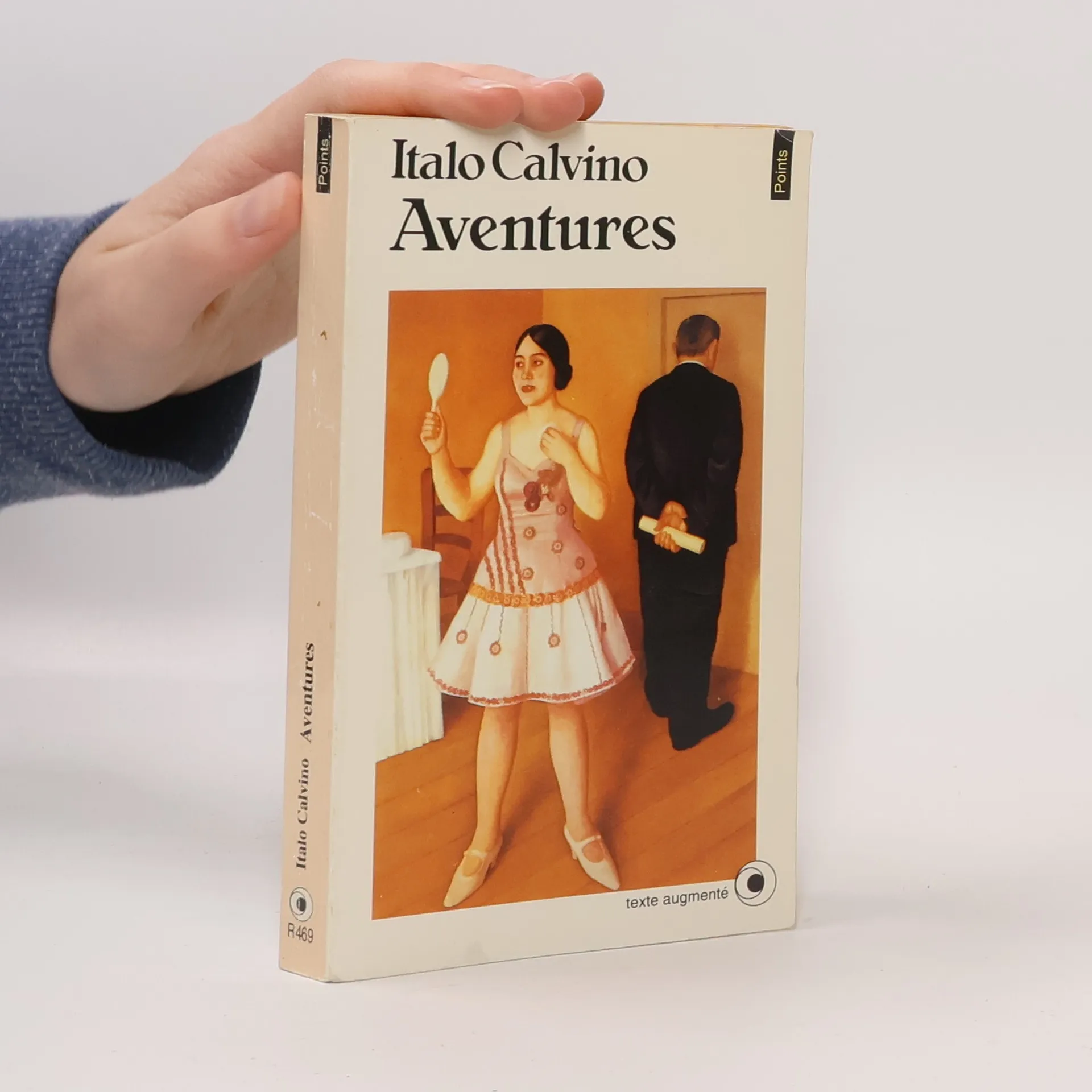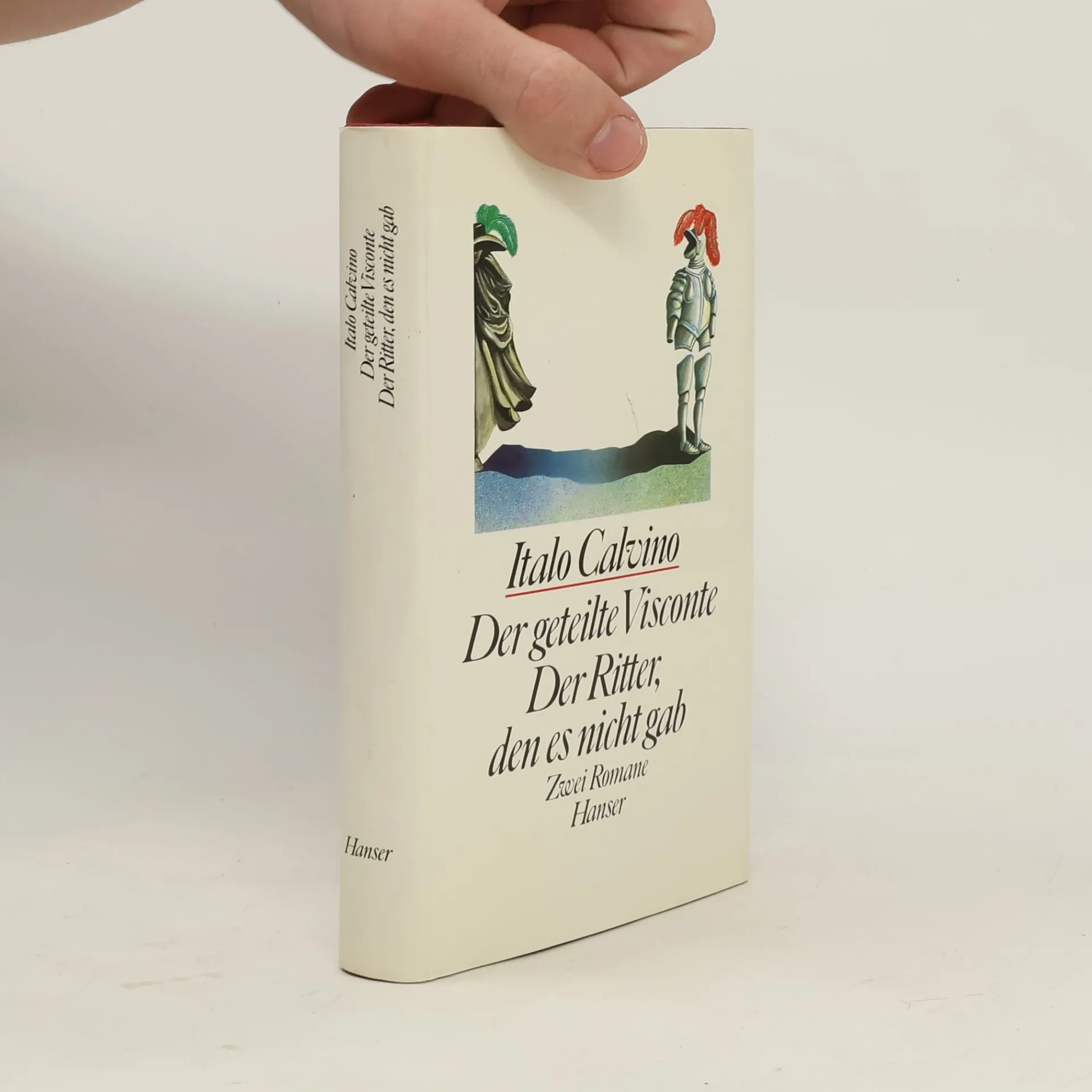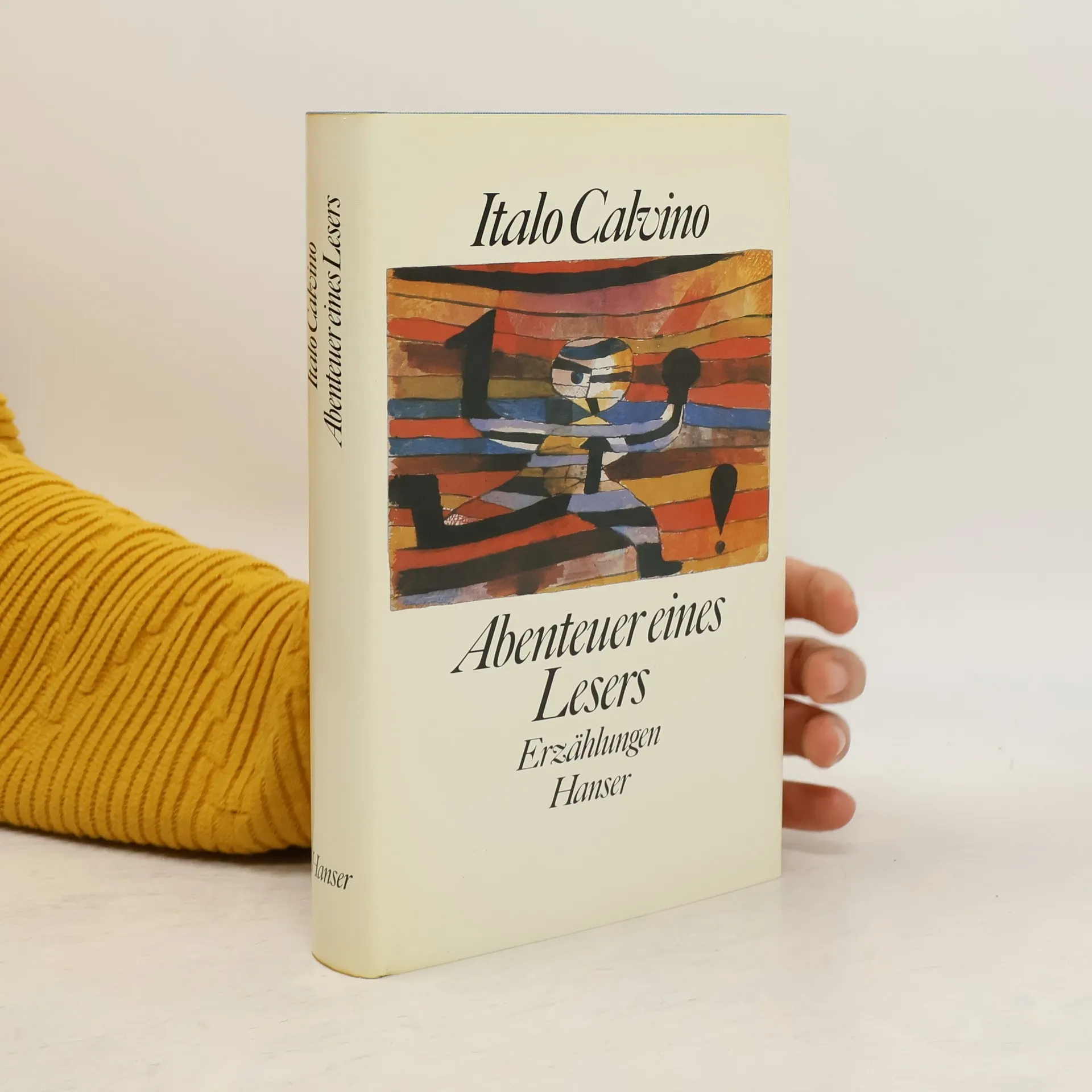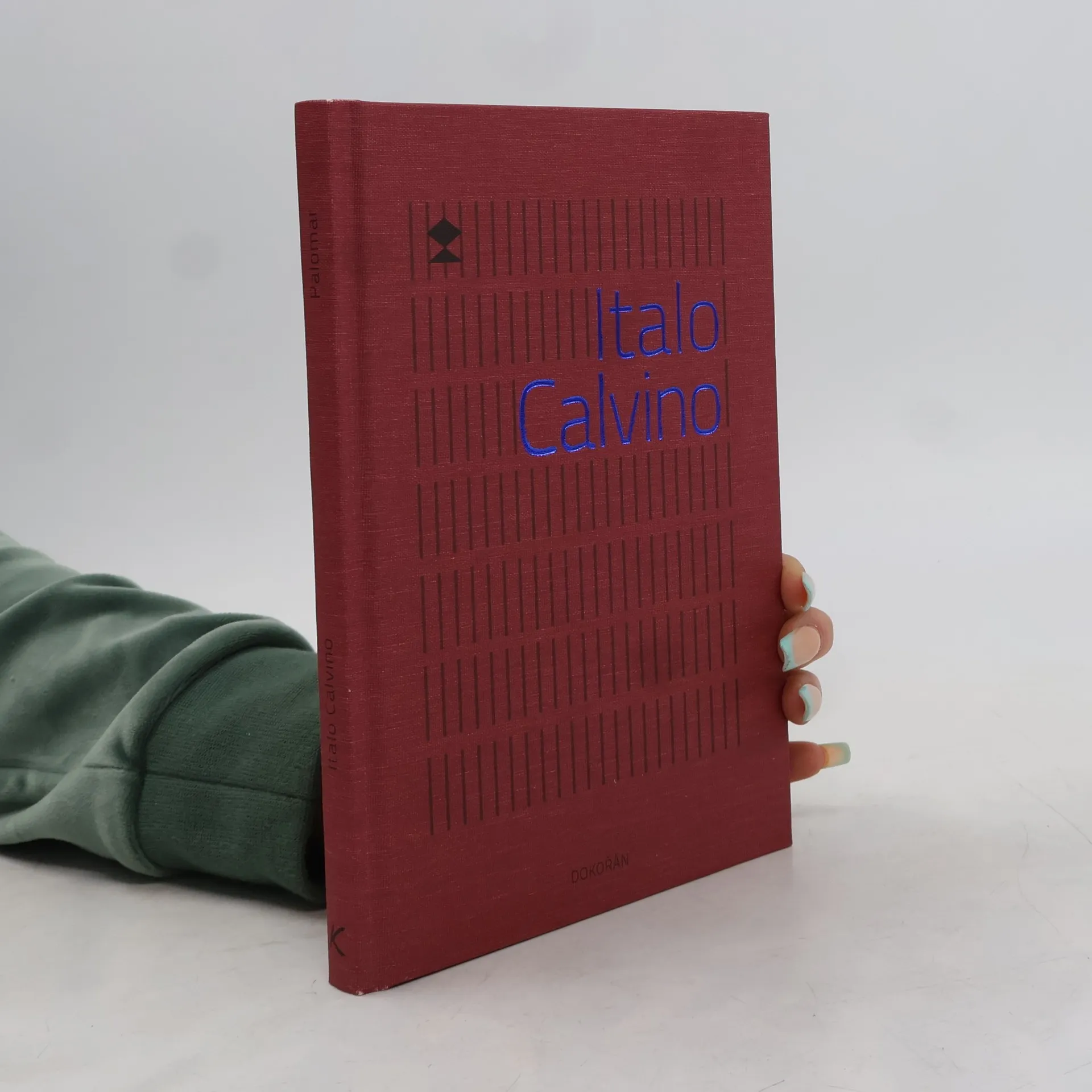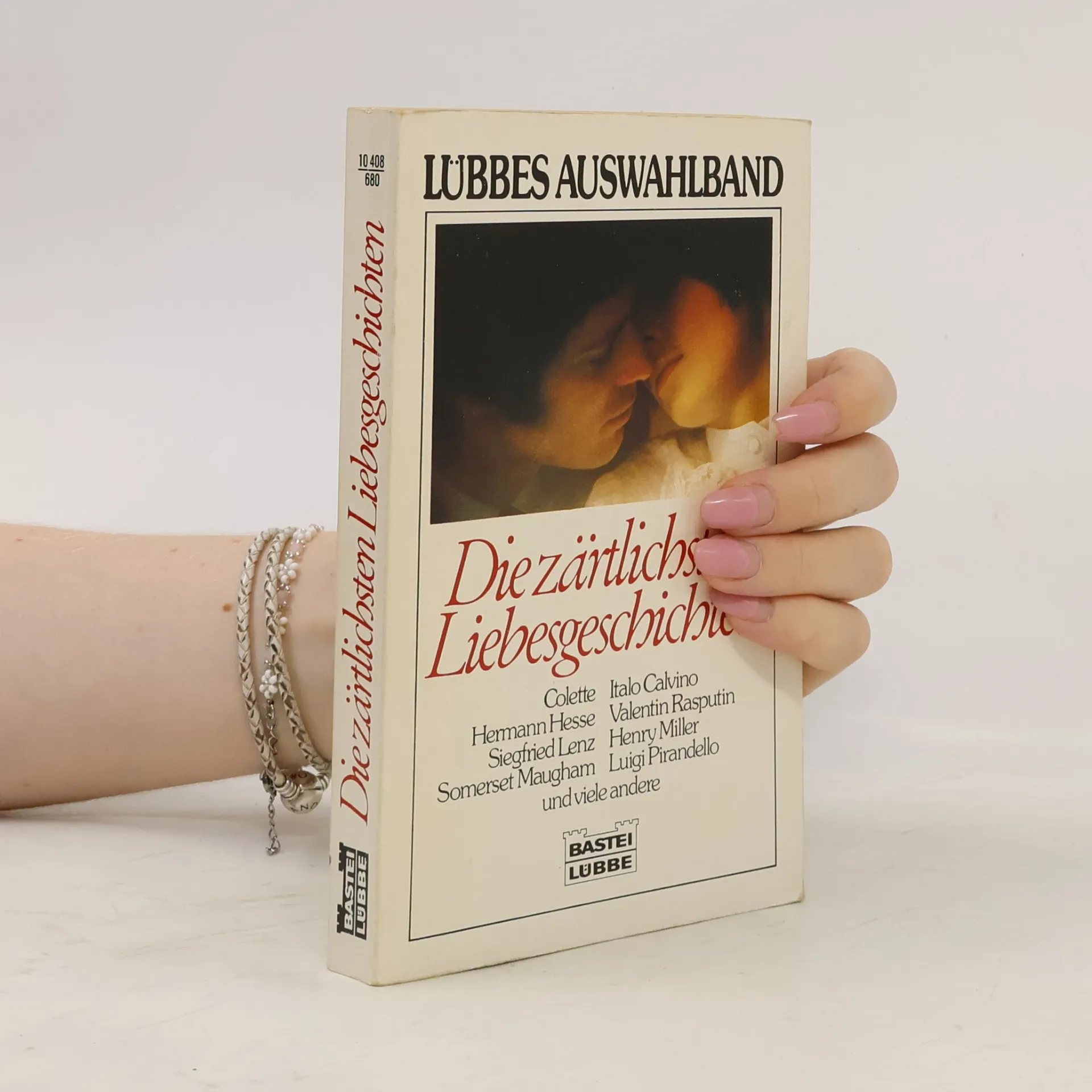
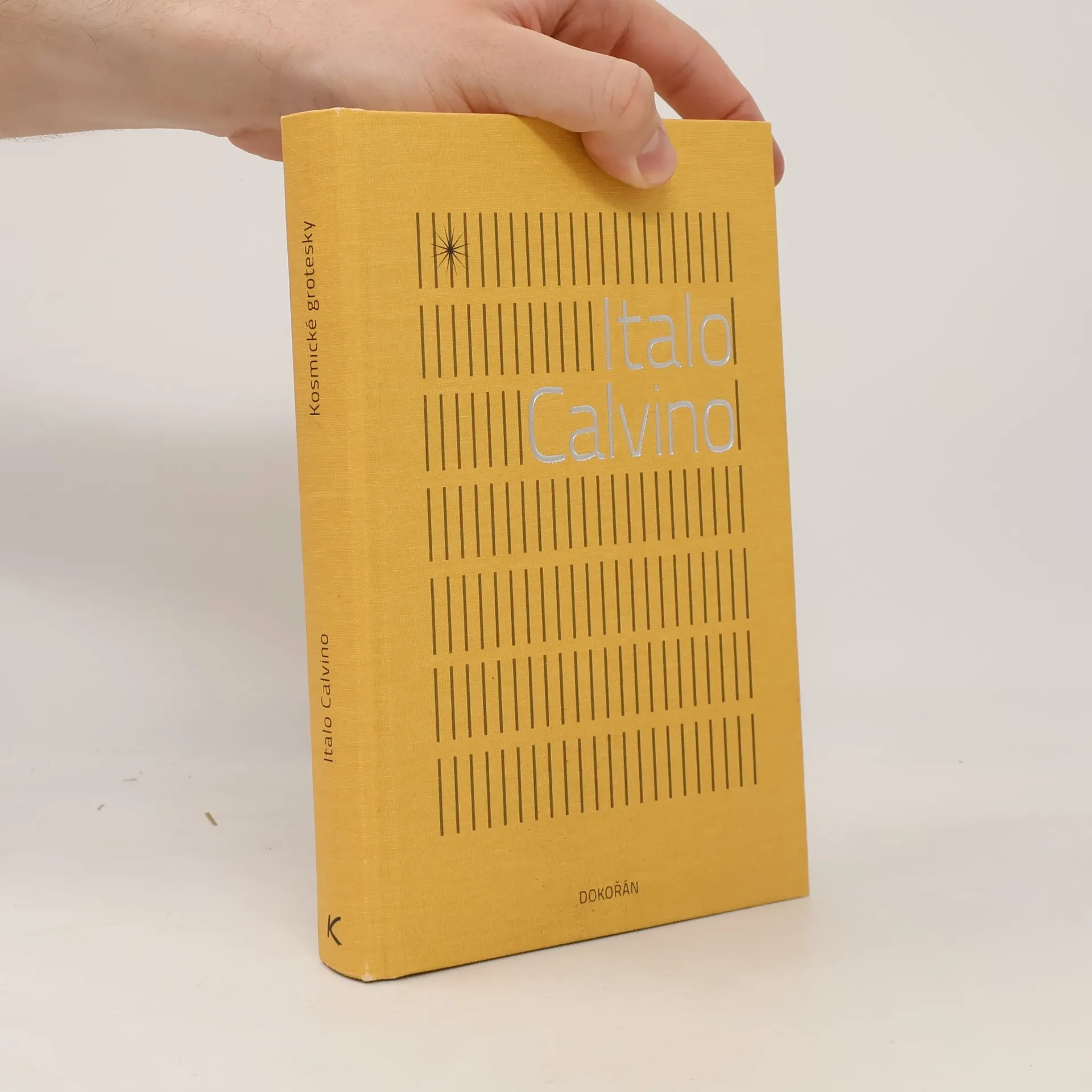
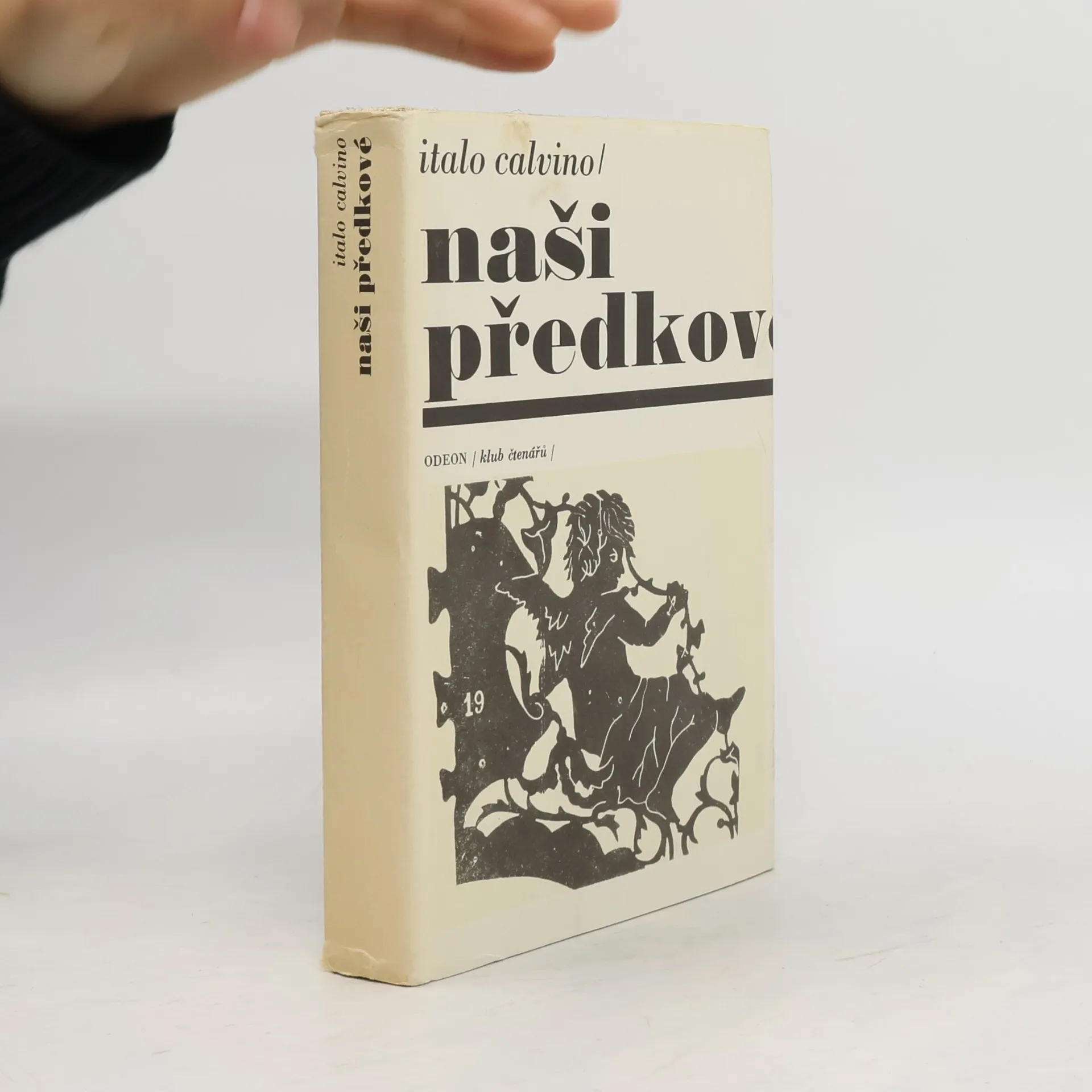
Italo Calvino byl italský prozaik, jehož dílo se vyznačuje neuvěřitelnou rozmanitostí. Jeho styl je těžko zařaditelný, často se pohybuje na pomezí pohádky a magického realismu, ale občas sklouzne i k ostřejšímu pozorování reality. Calvino se ve své tvorbě často zamýšlel nad samotnou strukturou vyprávění a jazyka, a jak sám uvedl, jeho cílem bylo „odlehčovat“. Tato snaha o redukci a zkoumání podstaty příběhů a slov činí jeho dílo jedinečným a podnětným pro čtenáře.
This illustrated edition celebrates the 50th anniversary of a beloved work, featuring an introduction by acclaimed author Anthony Doerr, known for his Pulitzer Prize-winning storytelling. The edition enhances the reading experience with visual elements that complement the narrative, inviting both new readers and longtime fans to explore the themes and characters in a fresh light.
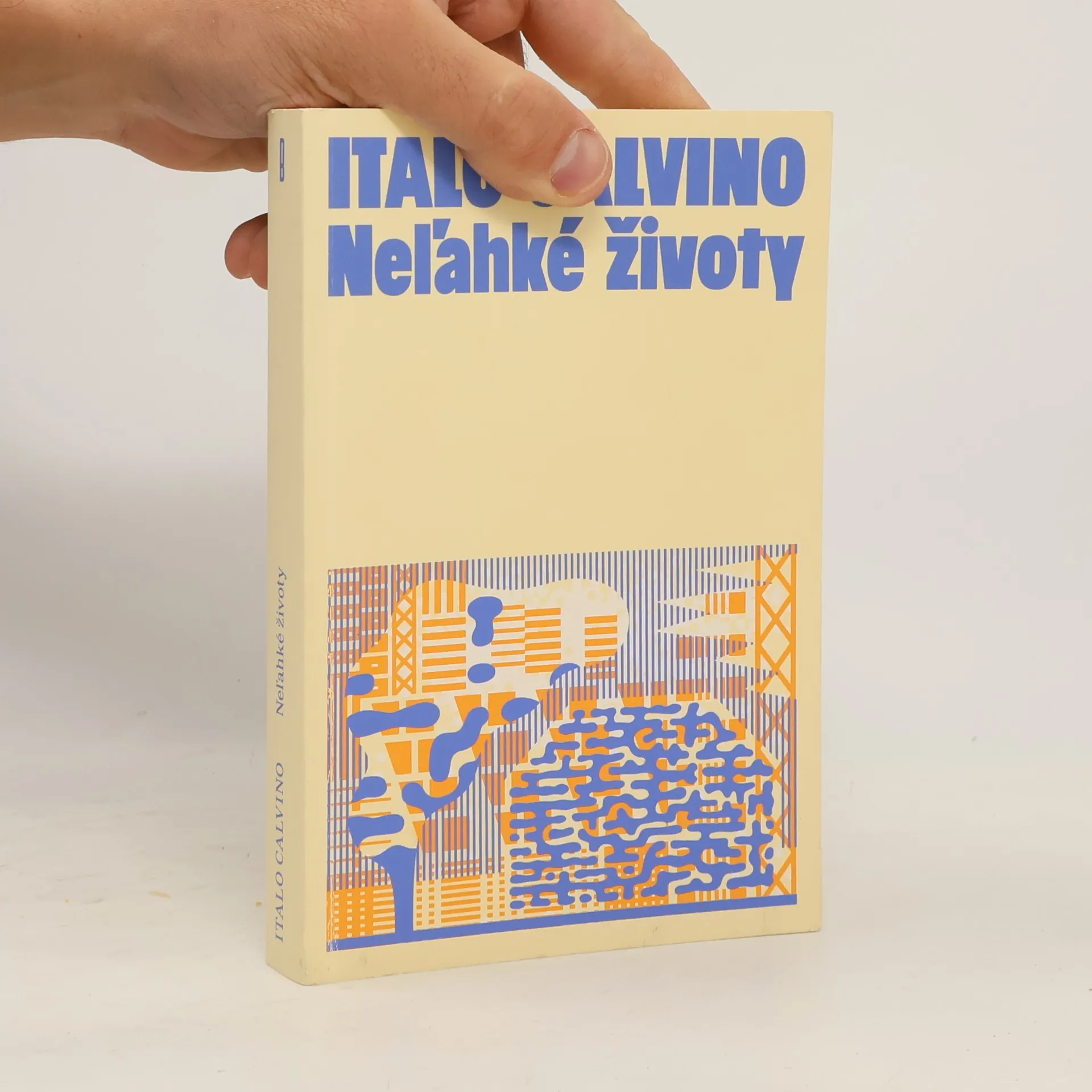
Italo Calvino je jeden z najvýznamnejších talianskych a európskych spisovateľov dvadsiateho storočia. Jeho dielo prešlo viacerými tvorivými fázami od príklonu k neorealizmu cez alegoricko – symbolické príbehy a texty inšpirované kombinatorikou, cez príklon k hnutiu OULIPO až k postmodernizmu. Tri novely (Argentínske mravce, Stavebné špekulácie a Oblak smogu) vyjdú pod spoločným názvom Neľahké životy. Kniha vychádza v preklade Miroslavy Vallovej. Italo Calvino, jeden z najvýznamnejších talianskych spisovateľov a mysliteľov dvadsiateho storočia, autor kultového románu Neviditeľné mestá, sa v zbierke troch noviel Neľahké životy zaoberá pálčivými témami, ktoré sú navýsosť aktuálne aj dnes. Bolestne naliehavou otázkou je pre neho trvalá udržateľnosť životného prostredia v atmosfére stavebného boomu povojnového Talianska. S rovnakou nástojčivosťou približuje aj dilemy a následné zlyhávanie intelektuála v tvorivom procese a zložitých výzvach neľahkého života.
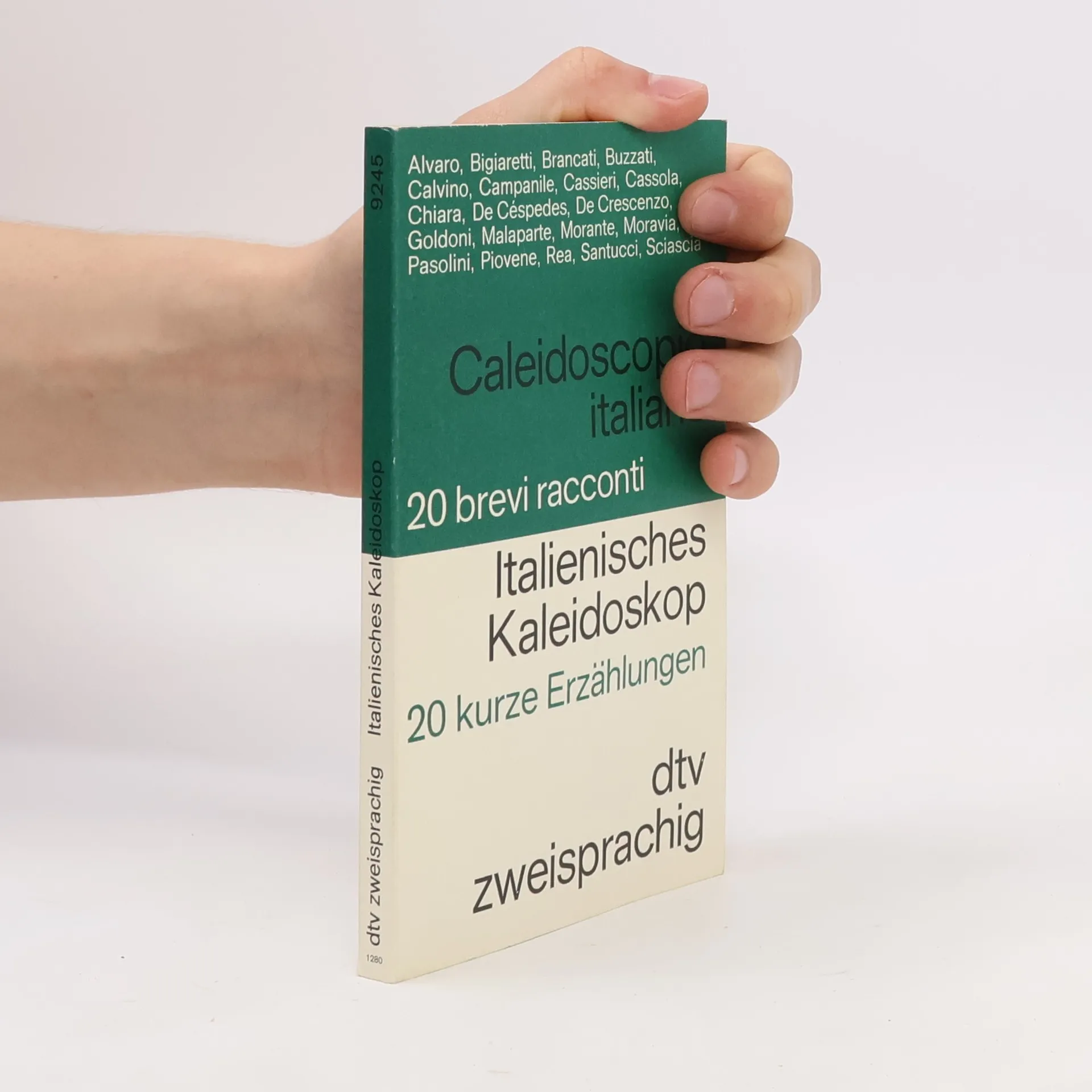
Kabinettstücke der italienischen Märchenliteratur Ninetta entdeckt einen geheimen Garten, in dem sich der Königssohn unsterblich in sie verliebt. Ein junges Mädchen muss ihr Elternhaus verlassen, weil sie vom Pech verfolgt wird, Pippina wird mit einem Fluch belegt und verwandelt sich, von der Sonne berührt, in eine Schlange. Caterina die Kluge überlistet ihren Ehemann, damit er bei ihr bleibt. Und eine junge Fürstin wird mithilfe ihres Dieners ihren geizigen Gatten los. Sie alle müssen sich den Herausforderungen stellen, die das Leben ihnen aufgibt, ehe sie Liebe und Lebensglück finden können. Diese fünf sizilianischen Märchen, aufgezeichnet von Italo Calvino, zeigen die Magie der mündlich überlieferten italienischen Fabeln, die reich an fantastischen Wesen und Zauber sind. dtv zweisprachig – Die Vielfalt der Sprachen auf einen Blick Die Reihe umfasst drei Sprach-Niveaus – Einsteiger, Fortgeschrittene und Könner – und mittlerweile über 130 Titel in vielen Sprachen. Landeskunde, Kulturgeschichte und Redewendungen, zeitgenössische und klassische Texte in unterschiedlichen Formen und Genres – von der Kurzgeschichte bis zum Krimi – für jeden Lesegeschmack ist etwas dabei. Einzigartig ist die konsequente Zeilengleichheit zwischen Originaltext und Übersetzung, damit man vom ersten bis zum letzten Wort in zwei Sprachwelten zuhause ist.
Calvino's anthology showcases his signature sparkling prose and witty exploration of ideas, inviting readers to reconsider conventional perspectives. With a blend of humor and open-mindedness, the collection promises to engage both long-time admirers and newcomers alike, making it a delightful read for anyone interested in thought-provoking literature.
A collection of essays, articles, interviews, correspondence, notes and other occasional pieces on writing, reading and interpreting books, this work gives us new insight into Italo Calvino's expansive, curious and generous mind
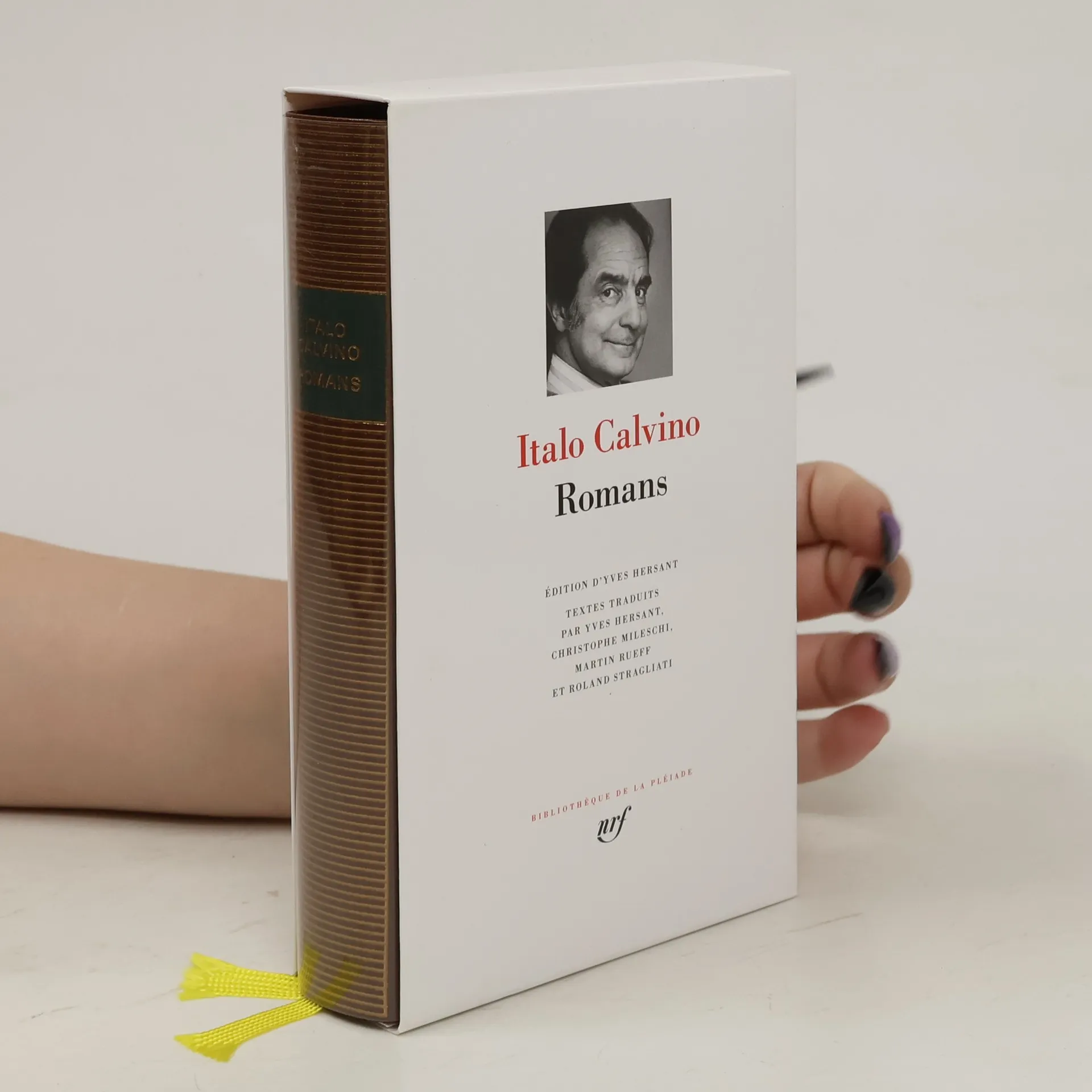
In tre Meridiani è raccolta in ordine cronologico l'intera produzione narrativa di Calvino, sia edita che inedita, arricchita da prefazioni d'autore presentate in un'apposita sezione. Le note e notizie sui testi forniscono preziose informazioni sulla genesi delle singole opere, sulle influenze letterarie che le hanno ispirate, sulle varianti che documentano le successive fasi di scrittura. In particolare, il terzo volume racchiude i Racconti sparsi e altri testi d'invenzione
Przywracamy autonomię zbiorkowi opowiadań Itala Calvina Jeżeli t = 0, wydanemu
niegdyś w Polsce w ramach Wszystkich opowieści kosmikomicznych, co dotkliwie
pozbawiło go podmiotowości. W oryginale został opublikowany w roku 1967 jako
osobny tomik i stał się punktem granicznym twórczości Calvina: między nurtem
prozy fantastyczno-naukowej a literaturą eksperymentalno-kombinatoryczną.
Stanowi zbiór jedenastu opowiadań w trzech autonomicznych częściach. Pierwsza
ma za przedmiot mitologię naukowych hipotez; narracja drugiej części
prowadzona jest według zasad fizyki kwantowej, gdzie każdy odcinek czasu
rozwidla się i stanowi zapowiedź alternatywnych wariantów; część ostatnia ma
charakter dedukcyjny. Punktem wyjścia dla Calvina są paradoksy, jak ten, od
którego pochodzi tytuł tomu, czy paradoks strzały Zenona z Elei. Jeżeli t = 0
to forpoczta Zamku skrzyżowanych losów (1969), Niewidzialnych miast (1972) czy
Jeśli zimową nocą podróżny (1979).
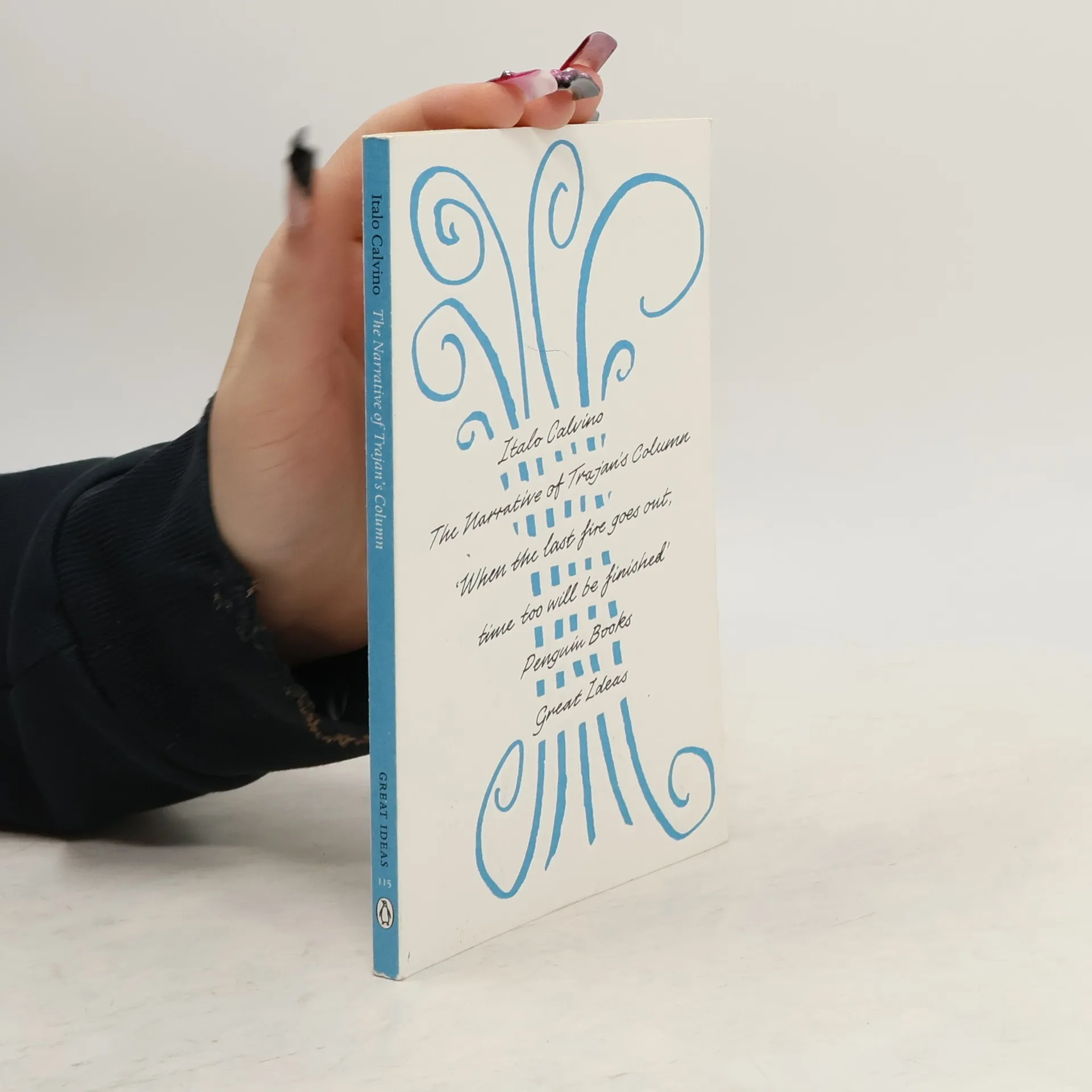
'When the last fire goes out, time too will be finished' Italo Calvino was one of the most joyful and imaginative writers of the twentieth century. Here he muses on what the things we leave behind - whether waxworks or ancient graffiti, enigmatic maps or a crumbling Roman column - tell us about the greater truths of the world, space and time.One of twenty new books in the bestselling Penguin Great Ideas series. This new selection showcases a diverse list of thinkers who have helped shape our world today, from anarchists to stoics, feminists to prophets, satirists to Zen Buddhists.
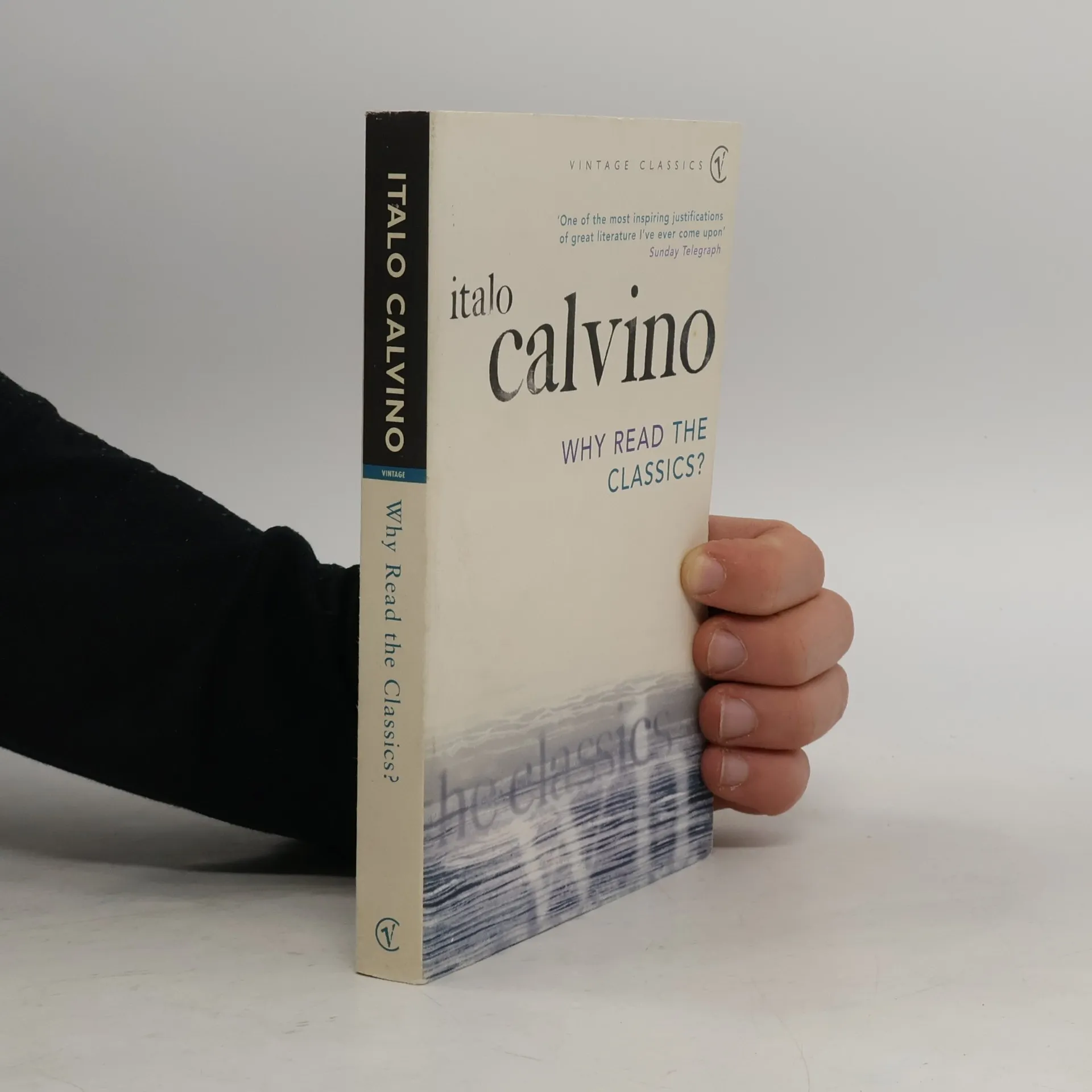
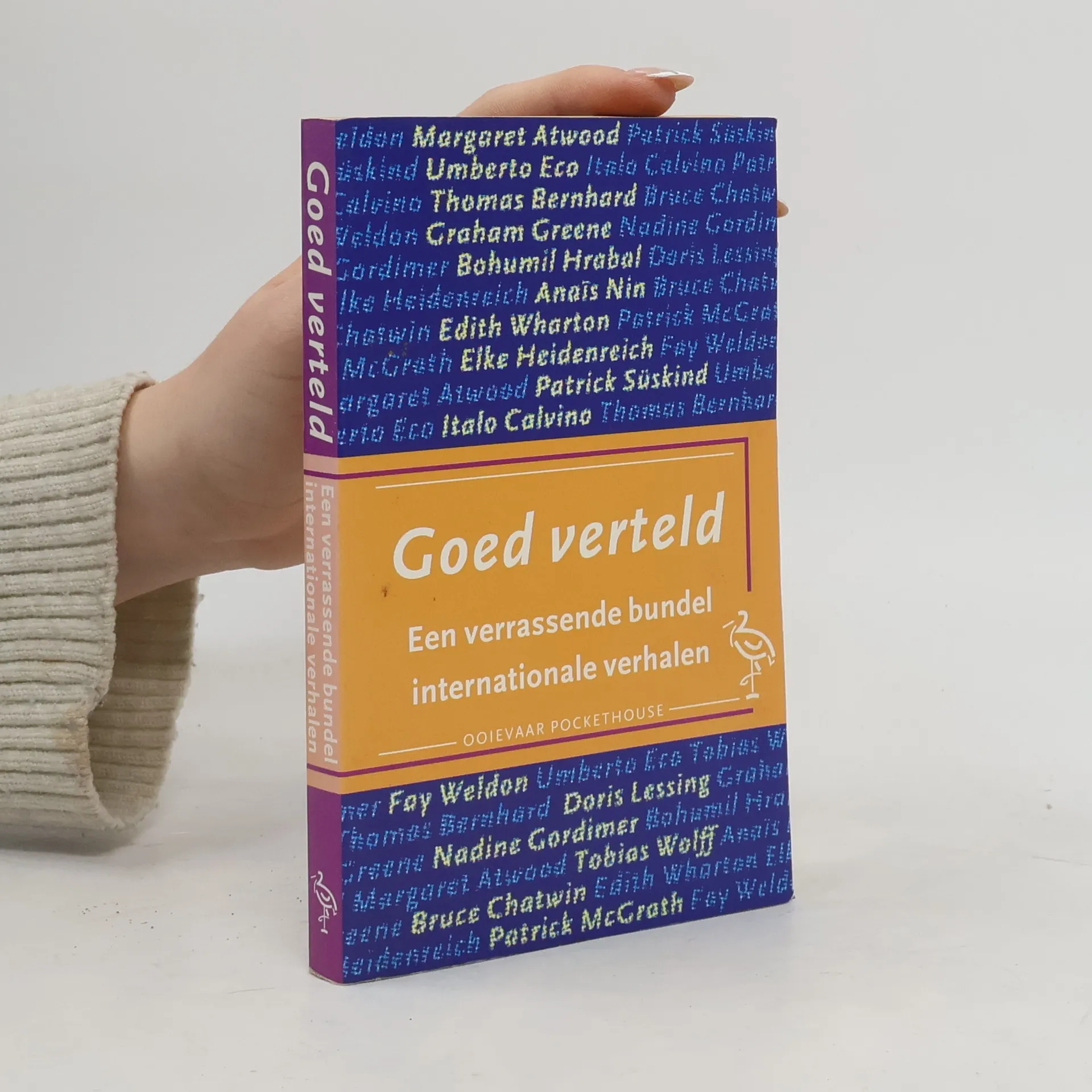
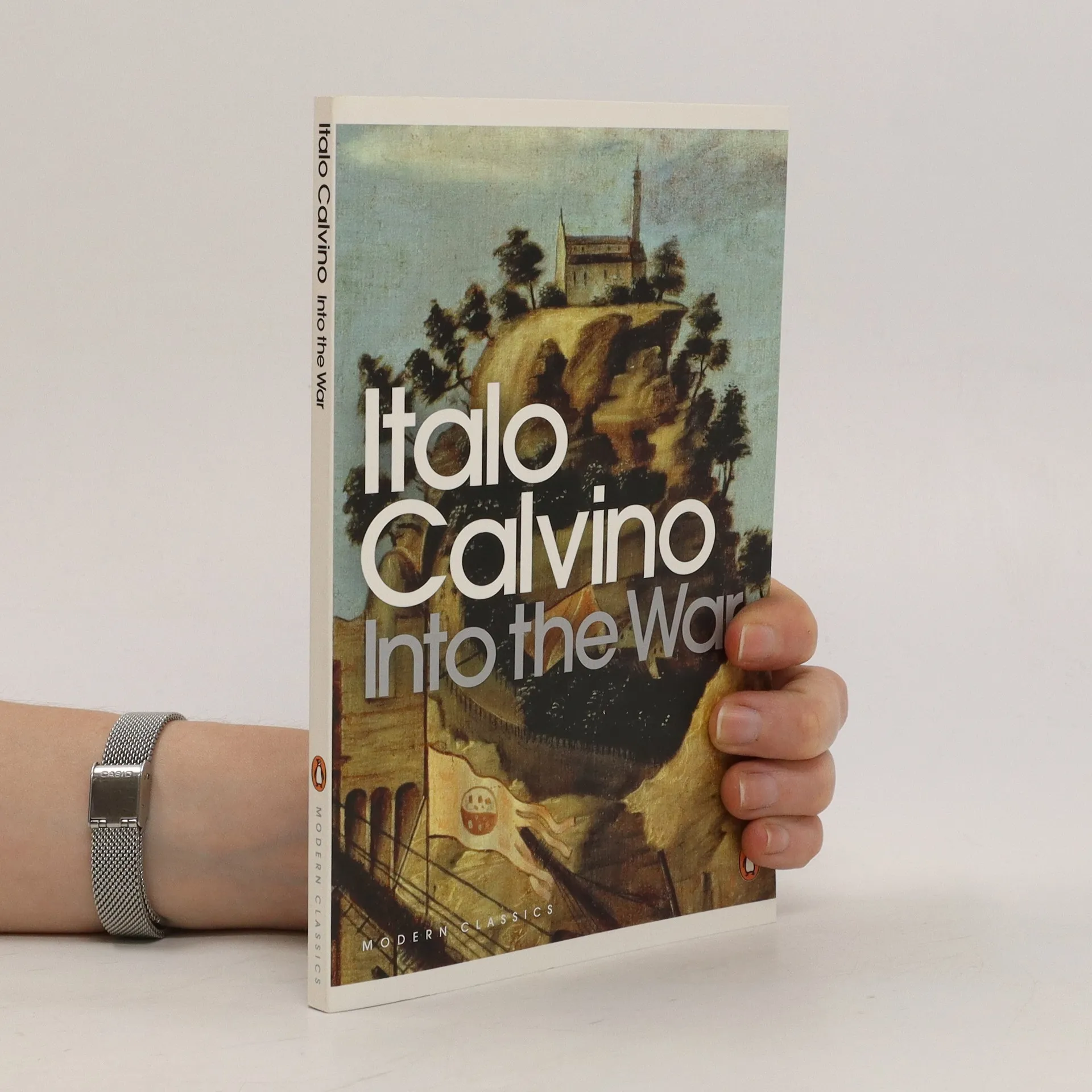
Nesnadné vzpomínky jsou pak tvořeny v první řadě pěti kratšími povídkami, v nichž se Calvino věnuje tématu vztahů mezi otci a syny, ale vrací se opět i k válce a partyzánskému odboji. Doplňují je tři autobiografické povídky, které prvotně tvořily svazek, v nichž Calvino popisuje vstup Itálie do války a průběh jejích prvních dnů.
Souborné vydání 32 různorodých povídek známého italského autora z let 1945-1958. Jedná se o první svazek původního autorského souboru Povídky vydaného v roce 1958, zahrnuté texty jsou tematicky i stylisticky velmi různorodé. V několika povídkách autor přibližuje proces dospívání v Ligurii, kraji z jedné strany obehnaném horami a z druhé mořem. Část dalších povídek pracuje s pohádkovými motivy či na osudech prosťáčka Marcovalda zachycuje problémy objevující se v moderních velkoměstech. Povídky reflektující válečné zkušenosti a situace z odboje tematizují chladnokrevnost, zradu, odhodlání a okamžiky bezbřehého násilí. Je zde zachycen jedinečný úhel pohledu jednotlivých postav, který zpravidla vychází z jejich psychologického, sociálního a historického zakotvení.
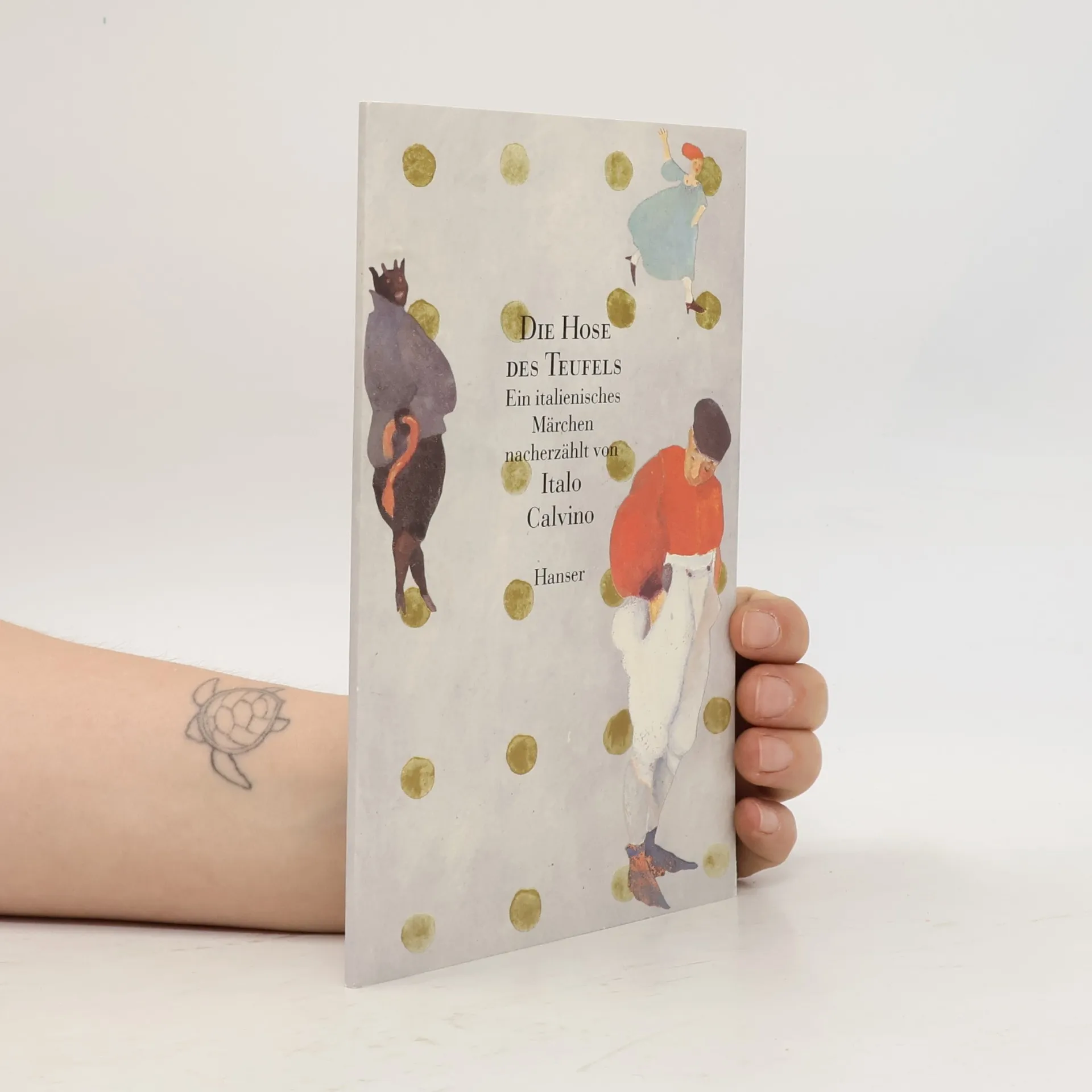
Es war einmal eine Stadt, in der alle Einwohner Diebe waren. Jeder bestahl jeden und so hatte immer jeder etwas. Eines Tages kam ein Ehrlicher in die Stadt und brachte das bequeme Gleichgewicht durcheinander. Das Chaos beginnt zu regieren. Wie entstanden Reichtum und Armut auf der Welt? Italo Calvino entwickelt erzählerisch seine ganz eigene Theorie.
"Questo romanzo è il primo che ho scritto; quasi posso dire la prima cosa che ho scritto, se si eccettuano pochi racconti. Che impressione mi fa, a riprenderlo in mano adesso? Più che come un'opera mia lo leggo come un libro nato anonimamente dal clima generale d'un'epoca, da una tensione morale, da un gusto letterario che era quello in cui la nostra generazione si riconosceva, dopo la fine della Seconda Guerra Mondiale. Al tempo in cui l'ho scritto, creare una 'letteratura della Resistenza' era ancora un problema aperto, scrivere 'il romanzo della Resistenza' si poneva come un imperativo; ...ogni volta che si è stati testimoni o attori d'un'epoca storica ci si sente presi da una responsabilità speciale ...A me, questa responsabilità finiva per farmi sentire il tema come troppo impegnativo e solenne per le mie forze. E allora, proprio per non lasciarmi mettere in soggezione dal tema, decisi che l'avrei affrontato non di petto ma di scorcio. Tutto doveva essere visto dagli occhi d'un bambino, in un ambiente di monelli e vagabondi. Inventai una storia che restasse in margine alla guerra partigiana, ai suoi eroismi e sacrifici, ma nello stesso tempo ne rendesse il colore, l'aspro sapore, il ritmo..." (Italo Calvino)
Autobiographisch sind alle Texte dieses Bandes, und so vielfältig wie das Leben. Gewitzte kleine »Erinnerungsstücke«, die ganz Unterschiedliches heraufbeschwören: Calvinos leidenschaftliche Liebe zum Kino der 30er Jahre, seine Hommage an Fellini, Reminiszenzen an seine Zeit bei den Partisanen, und die ebenso sachliche wie wehmütig-liebevolle Erinnerung an den Vater, einen großen Botaniker und Jäger, und an die Landschaft, in der Calvino seine Jugend verbracht hat: die ligurische Riviera mit ihren Hügeln, Weinbergen und dem Meer.
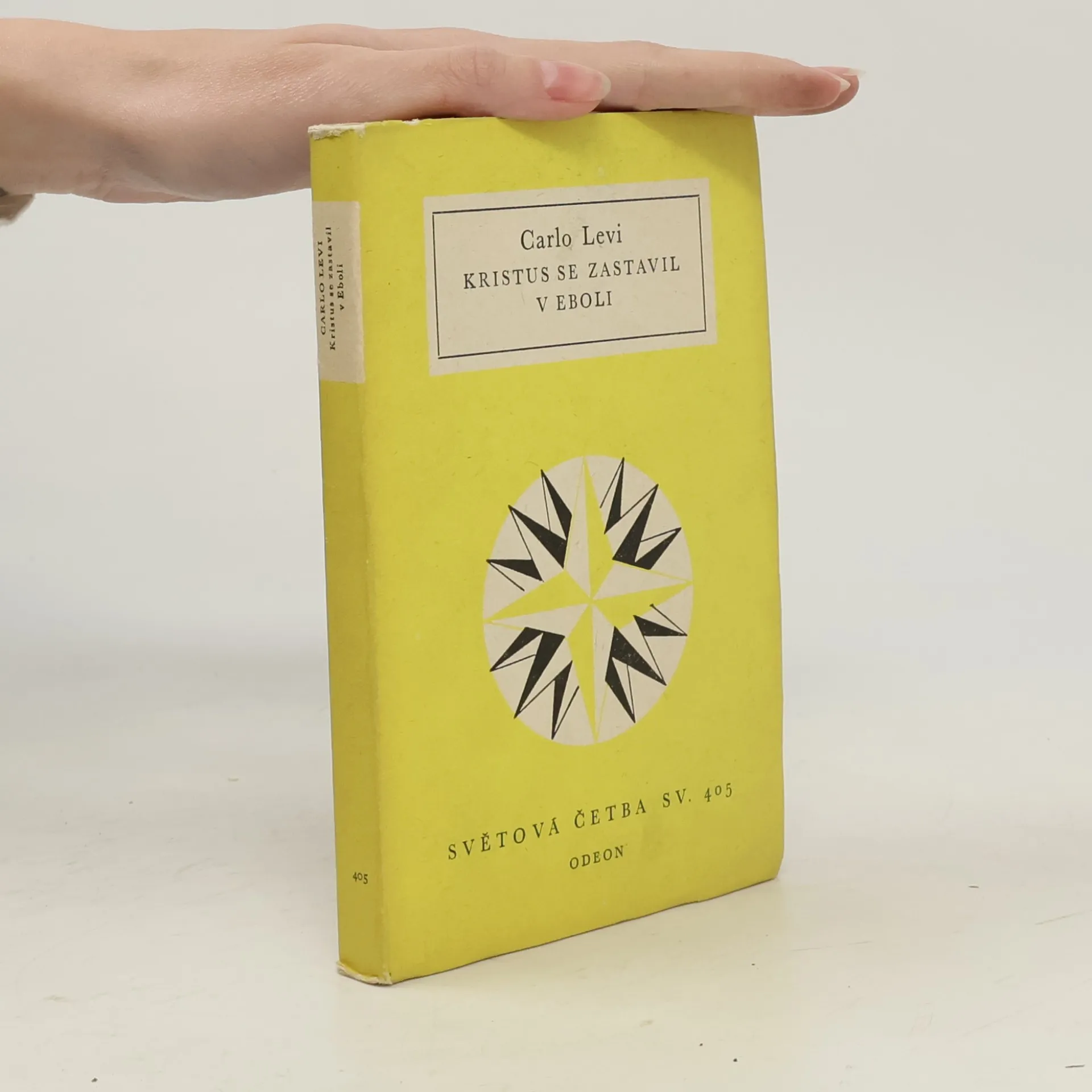
Pokrokový italský spisovatel poutavě líčí v knize život zaostalé horské vesnice Gagliano v jihoitalské Lukánii, do níž ho fašistický režim vykázal v třicátých letech k nucenému pobytu. Denním stykem s vesničany objevuje autor pudový, pověrami a kouzly prostoupený život lidu od věků ponechaného vlastní bídě a beznaději, zakletého mezi vyprahlé stráně a strže, deptaného malárií, lhostejně opomíjeného všemi režimy. Tenká vrstva místní honorace, hloupé, nevzdělané, pánovité, je jediným pojítkem vesnice s civilisovaným světem, jehož vzdáleným symbolem je nejbližší železniční stanice Eboli a za ní – Amerika, útočiště zbídačelých vystěhovalců.
Una volta ci fu un Re che aveva due figli gemelli: Giovanni e Antonio... Così inizia la fiaba II palazzo delle scimmie, in cui un futuro re deve prendere in moglie... proprio una scimmia! I cinque scapestrati, invece, con le loro "arti" riescono a gabbare il re di Francia e la sua pazza figlia. E poi ci sono II soldato napoletano e due suoi amici che, sfidando i giganti, si trasformano in re e duchi. E furbi sono anche Cricche, Crocche e Manico d'Uncino che fanno una scommessa per vedere chi è il "mariuolo più fino". Mentre il povero Giufà è il protagonista di ben quattro fiabe, nelle quali si dimostra più allocco che mai: prima vuole vendere una tela a una statua, poi si fa truffare perfino dalle mosche, e infine decide di far finta di morire per non pagare i suoi debiti. Ma una buona dose di legnate nelle storie da ridere non manca mai ed è quello che accade nell'ultima, Giufà e l'otre. Otto racconti per ridere insieme dell'imprudenza, della sbadataggine e della furbizia del popolo, illustrati da Fabian Negrin. Le Fiabe italiane racchiudono il tesoro della tradizione fiabistica popolare degli ultimi cent'anni. Da quello scrigno Calvino stesso ha selezionato per i più piccoli queste storie, in cui le vite di persone e animali si intrecciano a magia e meraviglia senza tempo. Età di lettura: da 6 anni.
Welche Literatur wird dem Verschleiß standhalten und die Jahrtausendwende überleben? Welche literarischen Tugenden muss ein Werk haben, damit es über die Epochenschwelle hinaus Leser findet? In seinen für die Harvard-Universität konzipierten Vorlesungen entwirft Calvino ein handliches Vademekum der Tugenden, die ihm beim Gang durch die Jahrhunderte bedeutsam erscheinen: Leichtigkeit, Schnelligkeit, Genauigkeit, Vielschichtigkeit, Haltbarkeit. Seine Beispiele entnimmt er der bekannten Literatur: vom Volksmärchen über Dante bis hin zu Milan Kundera.
A collection of stories. Set in Italy in the summer of 1940, it explores the relationships between the different generations caught up in the war as well as the author's own experiences as a teenager
'The inspector ordered that the bird be searched.One of the agents stalled saying it made him feel sick, and after some fierce pecking another withdrew sucking a bleeding finger.' In these two stories from an inventive, comic master of the form, old friends and friendly rivals Pietro and Tommasso discover a treasure lost by the side of the road, and become suspected of a using a blameless chicken for devious ends. Italo Calvino�s writing explores the fringes of these small, unusual scenes and finds incalculable wisdom and humour there. This book contains The Queen's Necklace and The Workshop Hen.
Translated by Archibald Colquhoun and revised by Martin McLaughlin 'Has the stark black-and-white quality of the classic Italian neo-realist films' The New York Times Pin is a bawdy, adolescent cobbler's assistant, both arrogant and insecure who - while the Second World War rages - sings songs and tells jokes to endear himself to the grown-ups of his town - particularly jokes about his sister, who they all know as the town's 'mattress'. Among those his sister sleeps with is a German sailor, and Pin is dared to steal his pistol, hiding it among the spiders' nests in an act of rebellion that entangles him in the adults' war. Published in 1947, Italo Calvino's first novel remains startling, and the 1964 preface is his most brilliant piece of literary self-examination. 'The crucial novel of Calvino's early years' Mail on Sunday
Le bref retour d'un fils... La déchéance d'un " homme d'honneur "... Un bon repas apprécié tardivement... Un enfant qui se refuse à dormir... Une fille qui montre qu'elle vaut plus qu'un garçon... Un curieux personnage plus soucieux de son orthographe que la morale... La confession du fils au chevet du père mourant... Est surpris qui voulait surprendre...
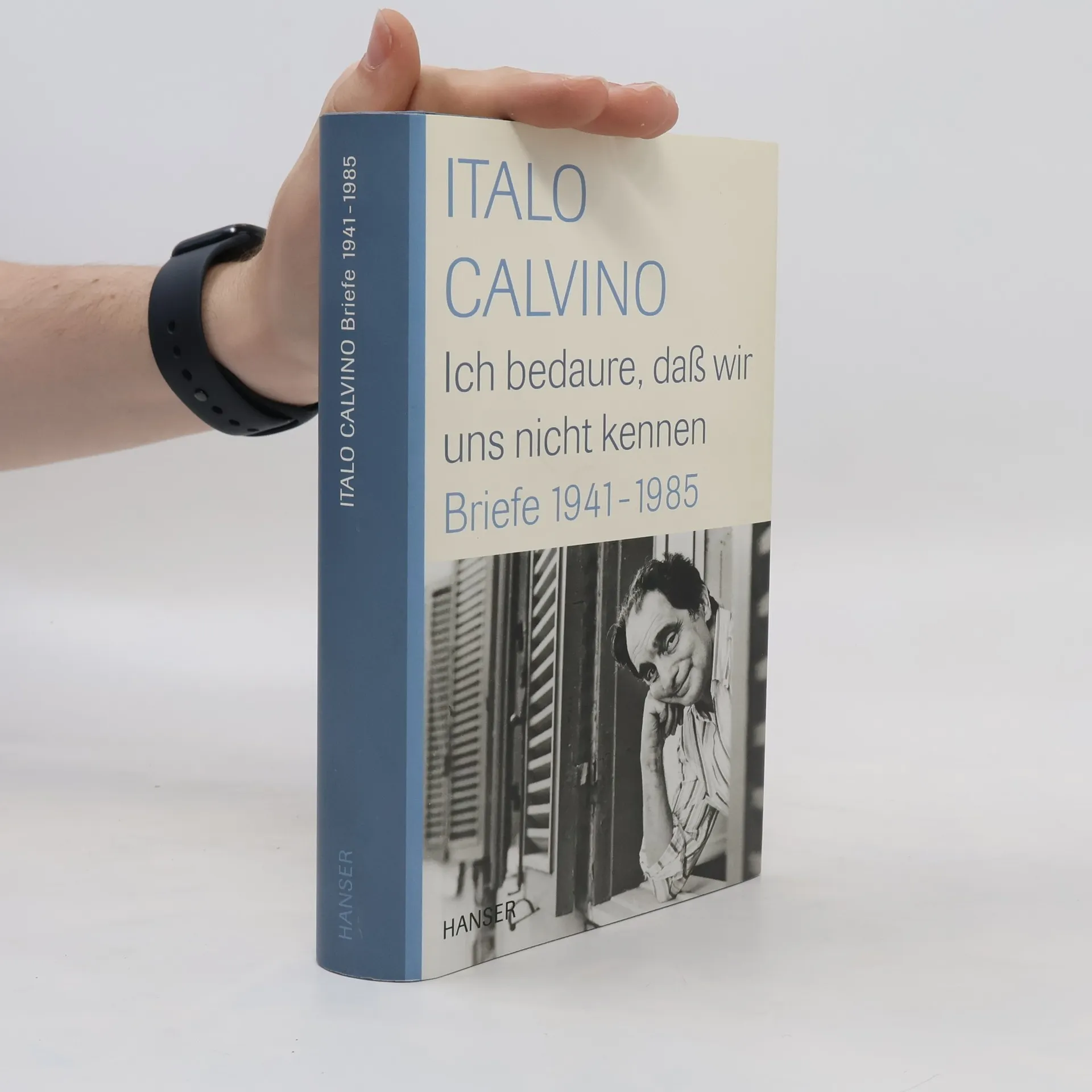
Italo Calvino war nicht nur einer der phantasievollsten und beliebtesten Autoren Italiens, er war auch eine der größten Figuren im intellektuellen und literarischen Leben. Der vorliegende Band versammelt seine Briefe von 1941 bis zum seinem Tode 1985. Sie spiegeln die großen Ereignisse des 20. Jahrhunderts und dessen Persönlichkeiten wider: von der kulturellen Neugründung nach dem Faschismus bis zu den Revolutionen in Lateinamerika und dem Pariser Mai 1968, von Pier Paolo Pasolini und Franco Fortini bis zu Michelangelo Antonioni. Ein großes Buch über Italien und über das, was literarische und künstlerische Debatten bedeuten können.
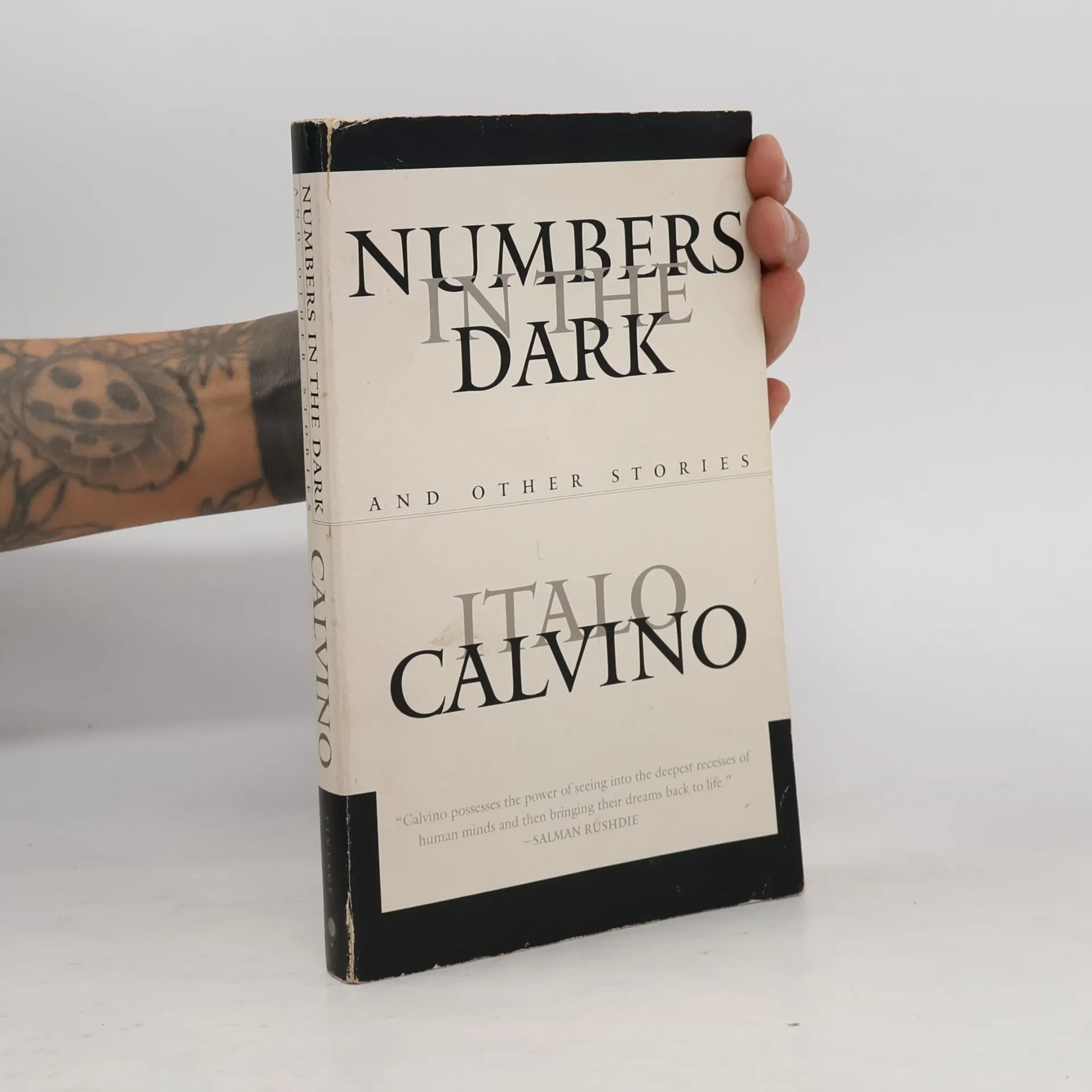
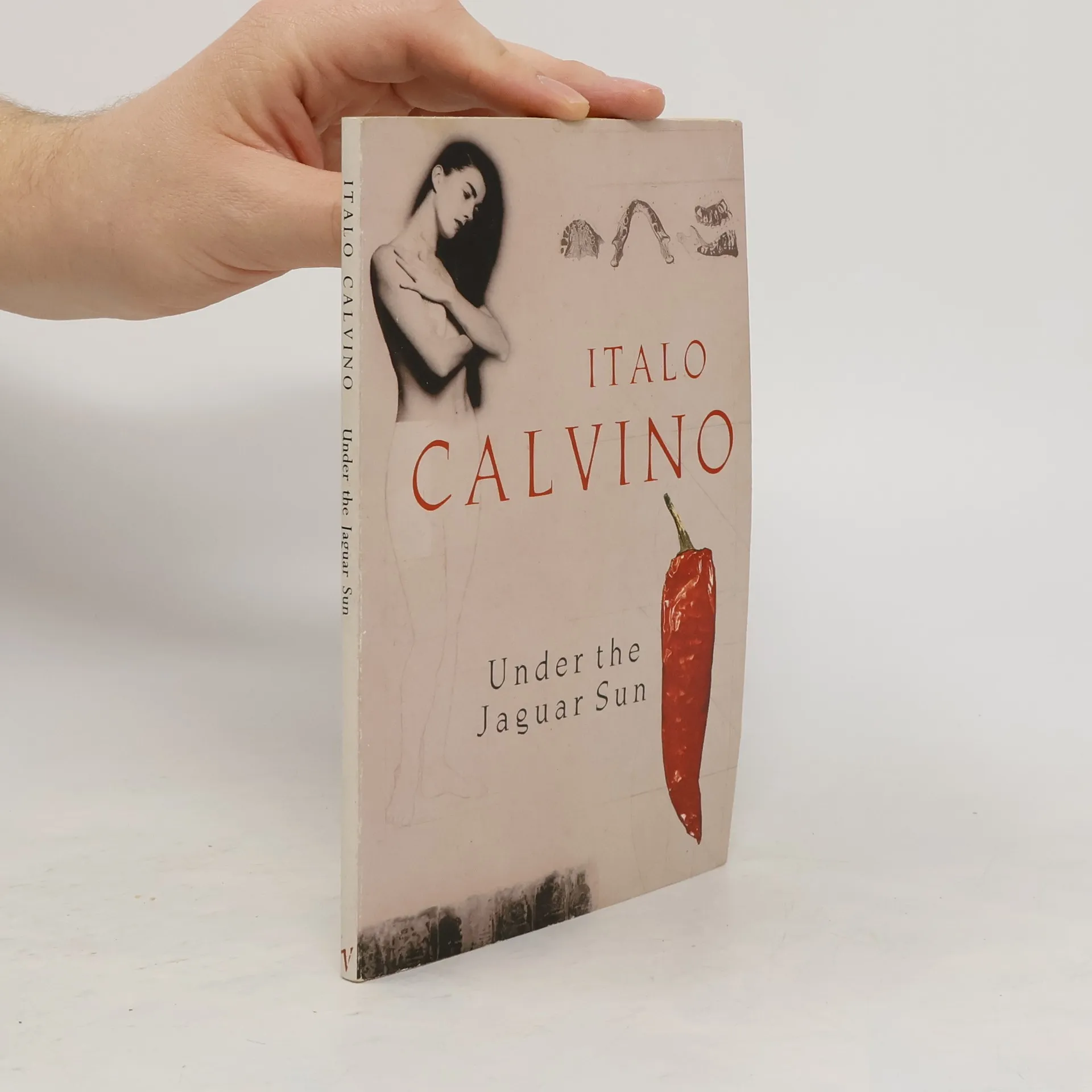
Numbers in the Dark is a collection of short stories covering the length of Italo Calvino's extraordinary writing career, from when he was a teenager to shortly before his death. They include witty allegories and wise fables; a town where everything has been forbidden apart from the game of tip-cat; a pitiable tribe watching the flight paths of guided missiles from outside their mud huts; a computer programmer considering the possible sequence of a series of brutal acts; and dialogues with Henry Ford, a Neanderthal and the gloomy, overthrown Montezuma ...
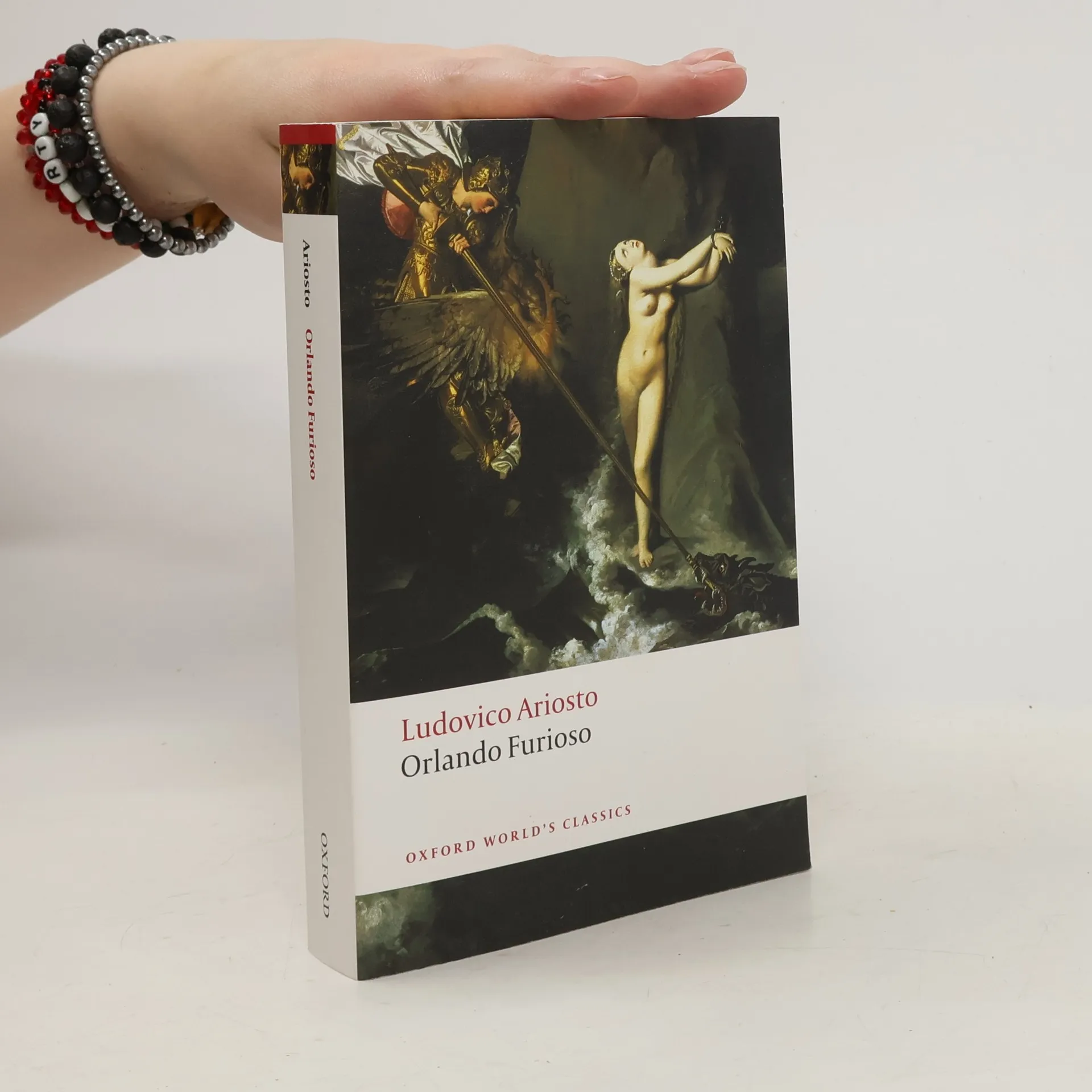
`I sing of knights and ladies, of love and arms, of courtly chivalry, of courageous deeds.' So begins Ariosto's Orlando Furioso (1532), the culmination of the chivalric legends of Charlemagne and the Saracen invasion of France. It is a brilliantly witty parody of the medieval romances, and a fitting monument to the court society of the Italian Renaissance which gave them birth. This unabridged prose translation faithfully captures the narrative entire and is a kaleidoscope of scenes and emotions of fact and fantasy. ABOUT THE SERIES: For over 100 years Oxford World's Classics has made available the widest range of literature from around the globe. Each affordable volume reflects Oxford's commitment to scholarship, providing the most accurate text plus a wealth of other valuable features, including expert introductions by leading authorities, helpful notes to clarify the text, up-to-date bibliographies for further study, and much more.
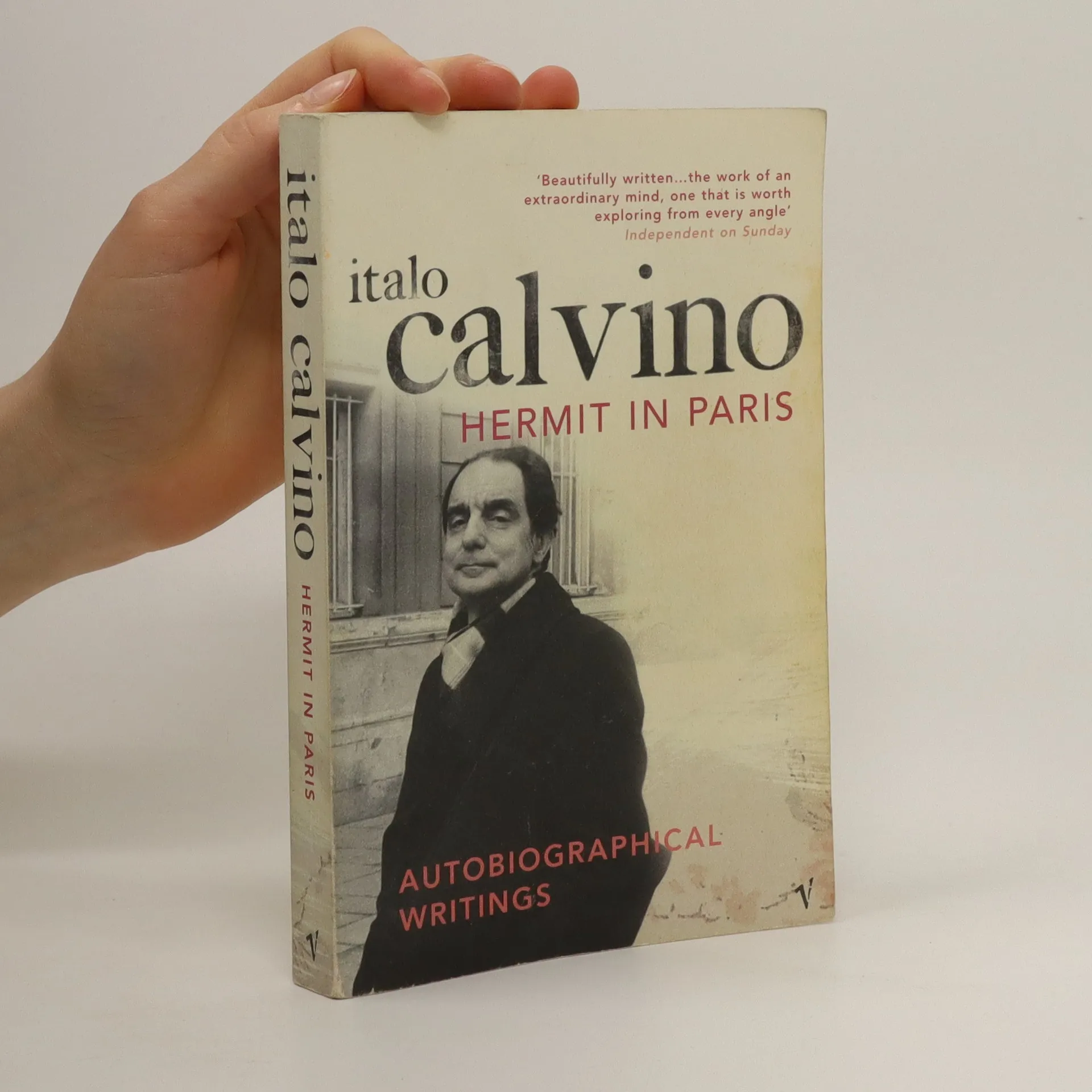
Italo Calvino once said that he preferred to give false details about his biography since he felt that even the genuine data of a writer's life shed no light on the creative work. But this volume of posthumously collected personal writings is the closest we will ever come to the autobiography of this most private of writers. The pieces collected here range from the early 1950s to his last interview, completed just before his sudden death in 1985. Apart from shedding light on his own formative experiences and evolution as an author, Calvino's autobiographical writings also examine the major events of twentieth-century history from a very personal viewpoint. This volume is, as ever, full of ideas on literature and other writers, all conveyed with the author's distinctive lightness and intelligence.
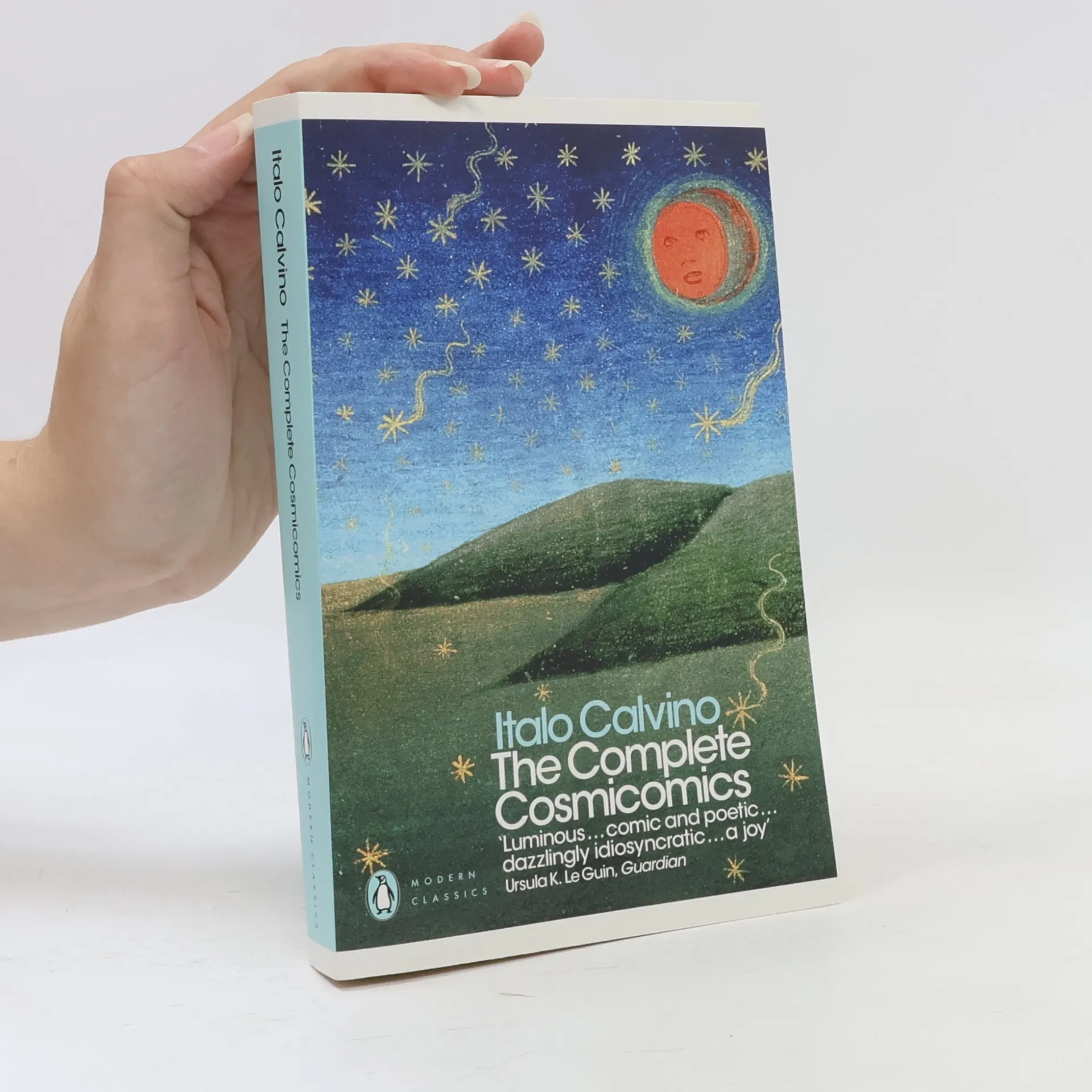
This title includes enchanting stories about the evolution of the universe, with characters that are fashioned from mathematical formulae and cellular structures. They disport themselves among galaxies, experience the solidification of planets, move from aquatic to terrestrial existence, play games with hydrogen atoms - and have time for a love life. 'Naturally, we were all there, old Qfwfq said, where else could we have been? Nobody knew then that there could be space. Or time either: what use did we have for time, packed in there like sardines?'.
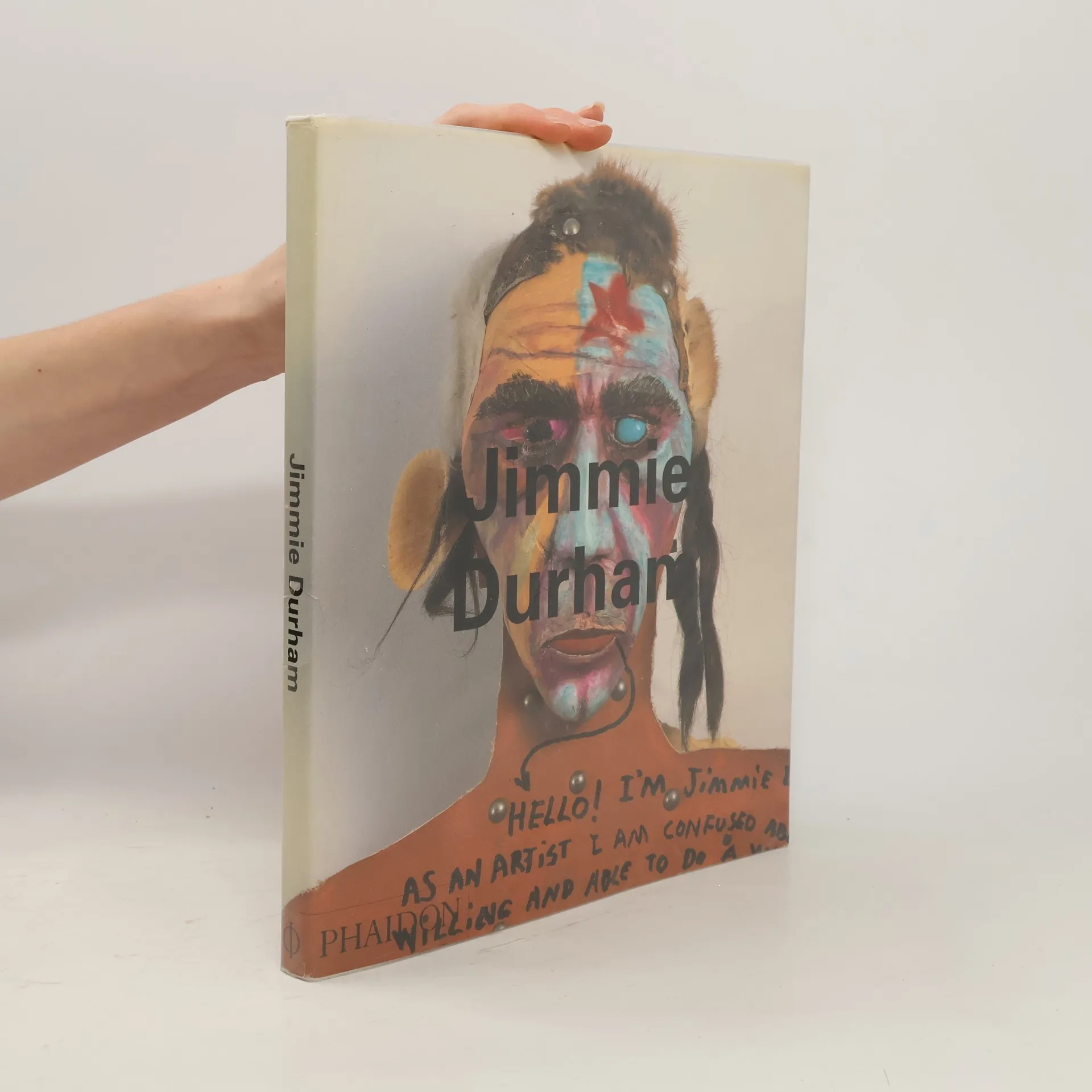
This text examines the work of Jimmie Durham, the sculptor and performance artist of Cherokee descent. The book is part of a series of studies of important artists of the late-20th century. Each title offers a comprehensive survey of the artist's work, providing analyses and multiple perspectives on contemporary art and its inspiration.
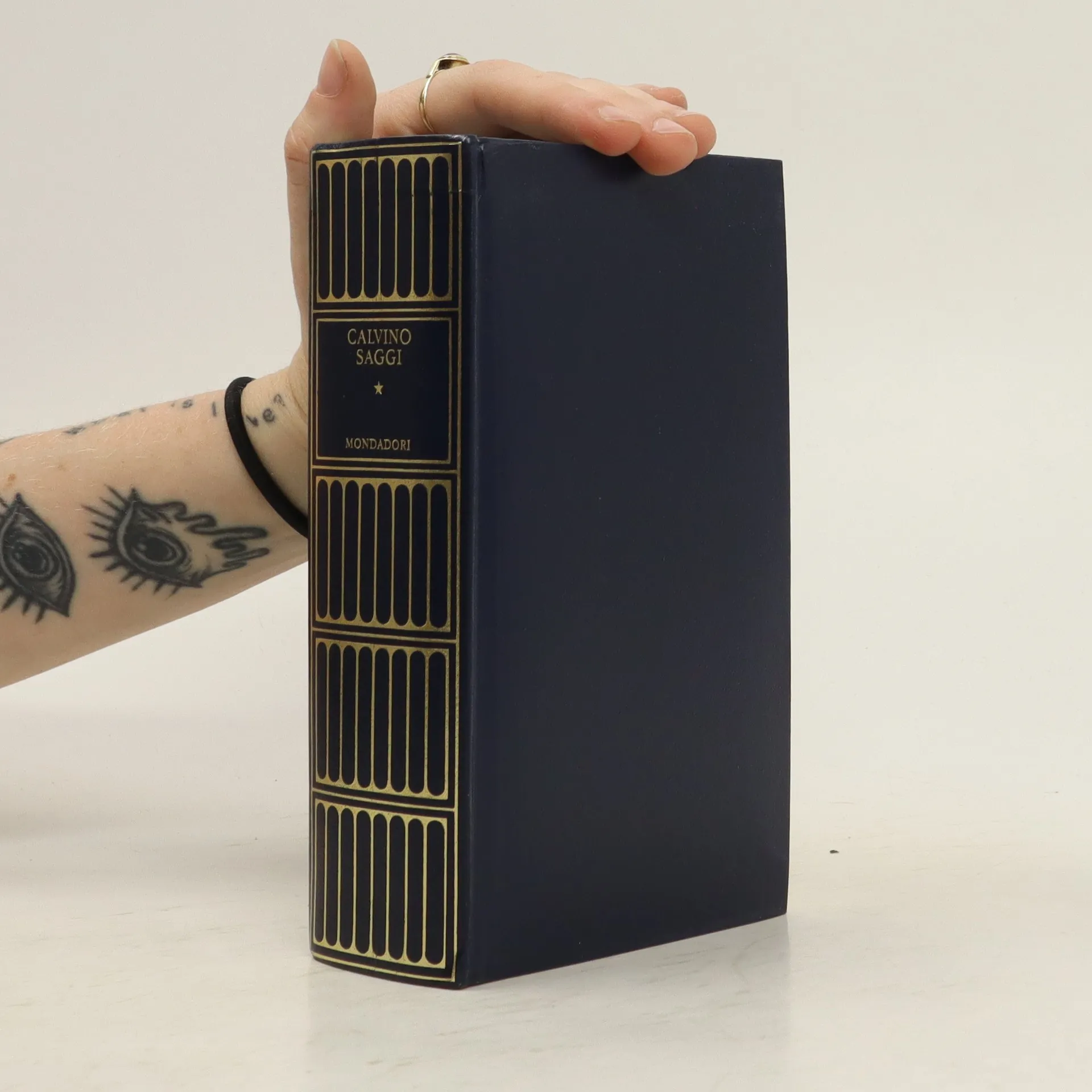
Diese Auswahl aus Calvinos Essays, Skizzen, Miniaturen und Traktaten ist das letzte Buch, das zu Lebzeiten des Autors erschien. Die Texte haben allesamt, direkt oder indirekt, mit der Erkundung der Welt durch den Blick zu tun. Der große italienische Schriftsteller zeigt auch in der kleinen Form seine unnachahmliche Meisterschaft.
Italo Calvino entfaltet in »Die Mülltonne« eine tiefsinnige Geschichte über den Mülleimer als Symbol für Informationen, Müll und Kants kategorischen Imperativ. Er thematisiert Geschlechterrollen und die Vergänglichkeit. Calvinos autobiographische Texte sind eine Hommage an Fellini und die Traumfabrik Kino. Pflichtlektüre!
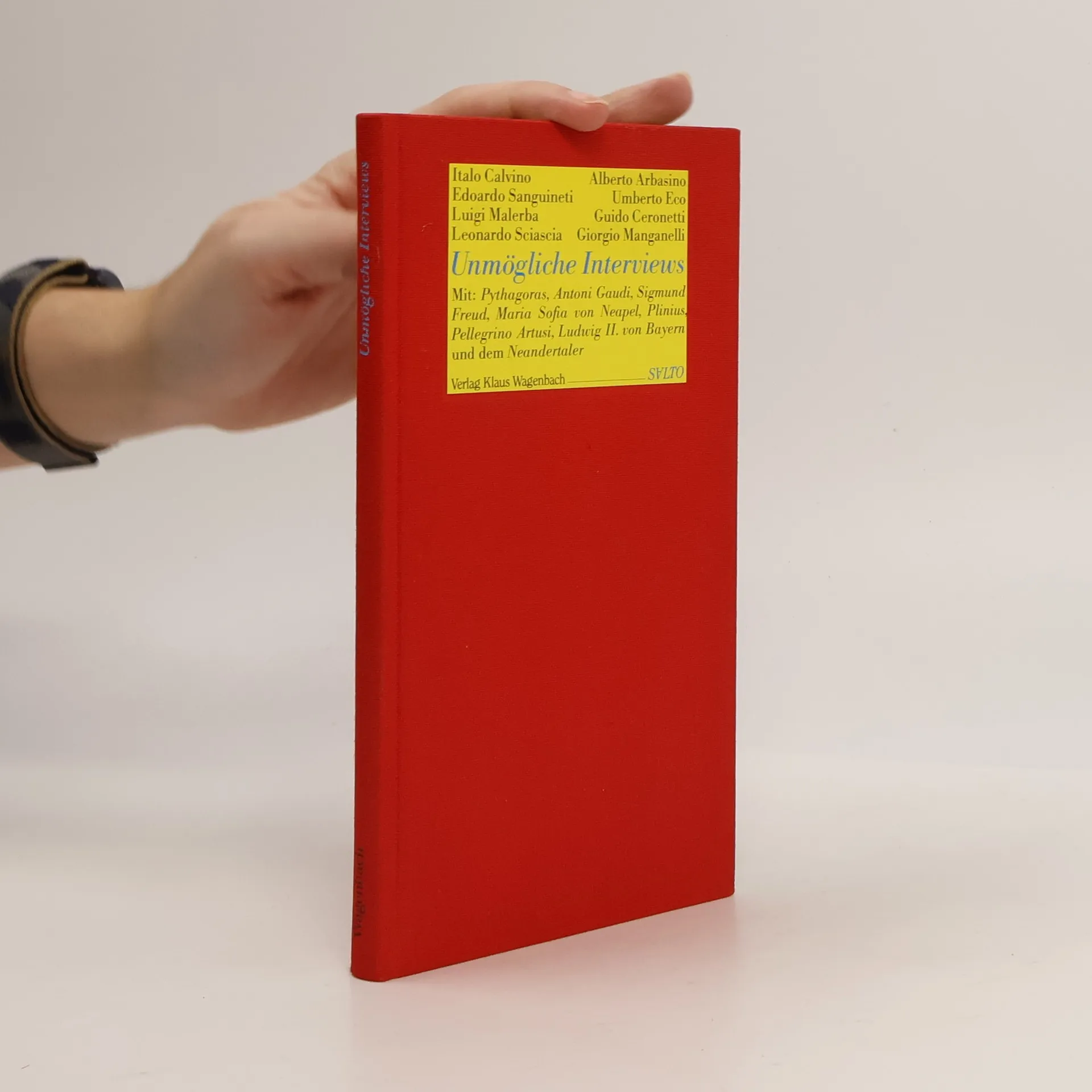
For the first time in paperback--a volume of thirty-seven diabolically inventive stories, fables, and "impossible interviews" from one of the great fantasists of the 20th century, displaying the full breadth of his vision and wit. Written between 1943 and 1984 and masterfully translated by Tim Parks, the fictions in Numbers in the Dark display all of Calvino's dazzling gifts: whimsy and horror, exuberance of style, and a cheerful grasp of the absurdities of the human condition.
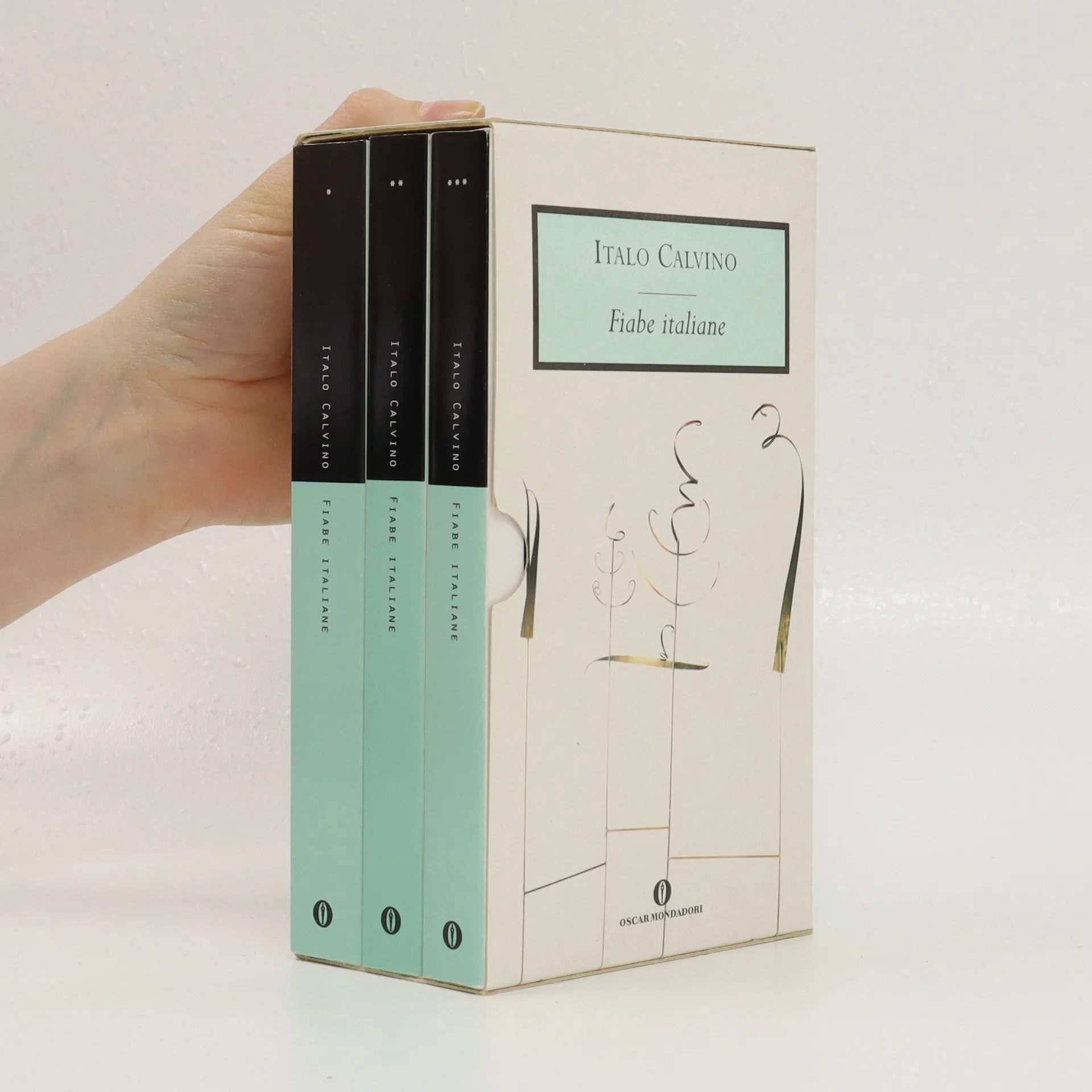
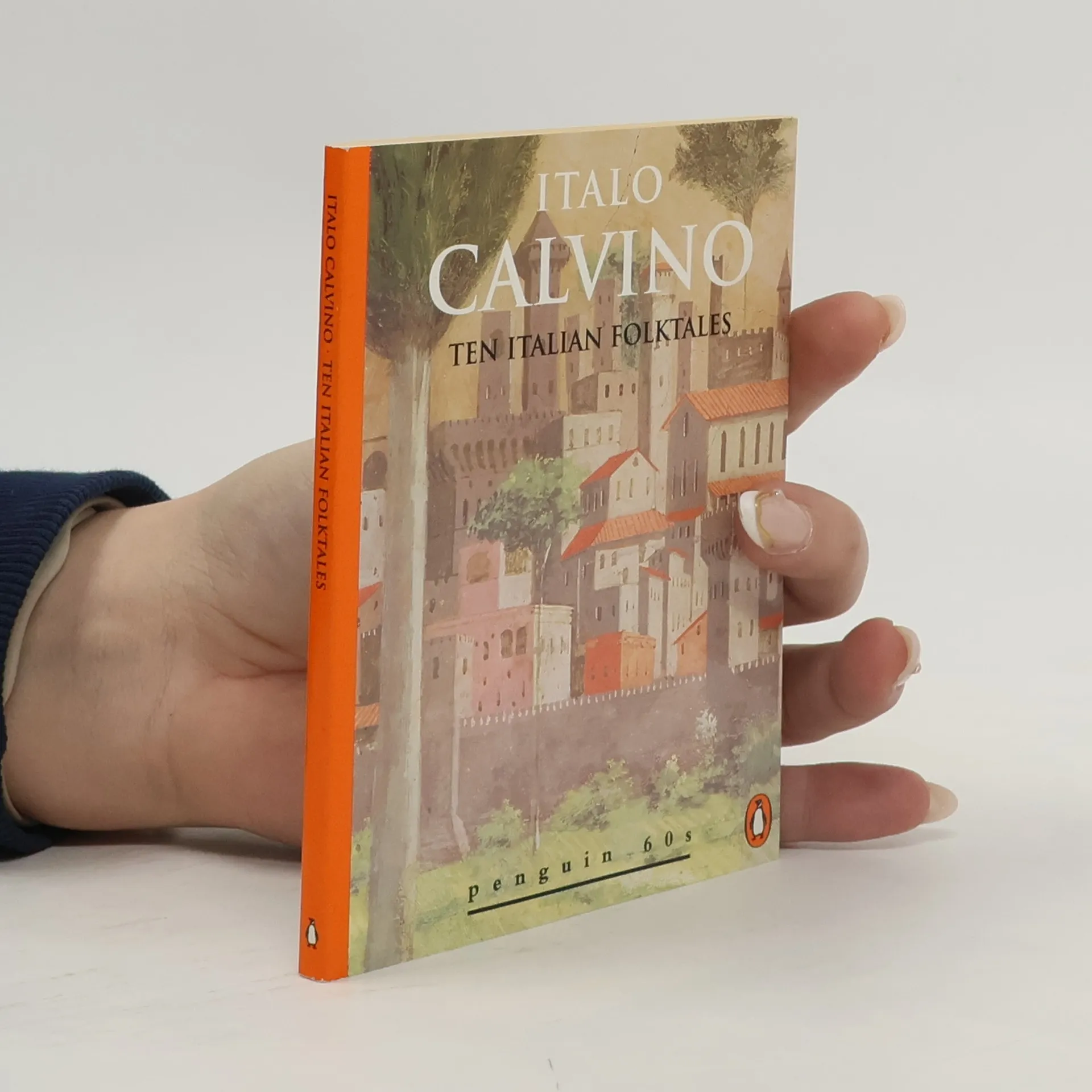
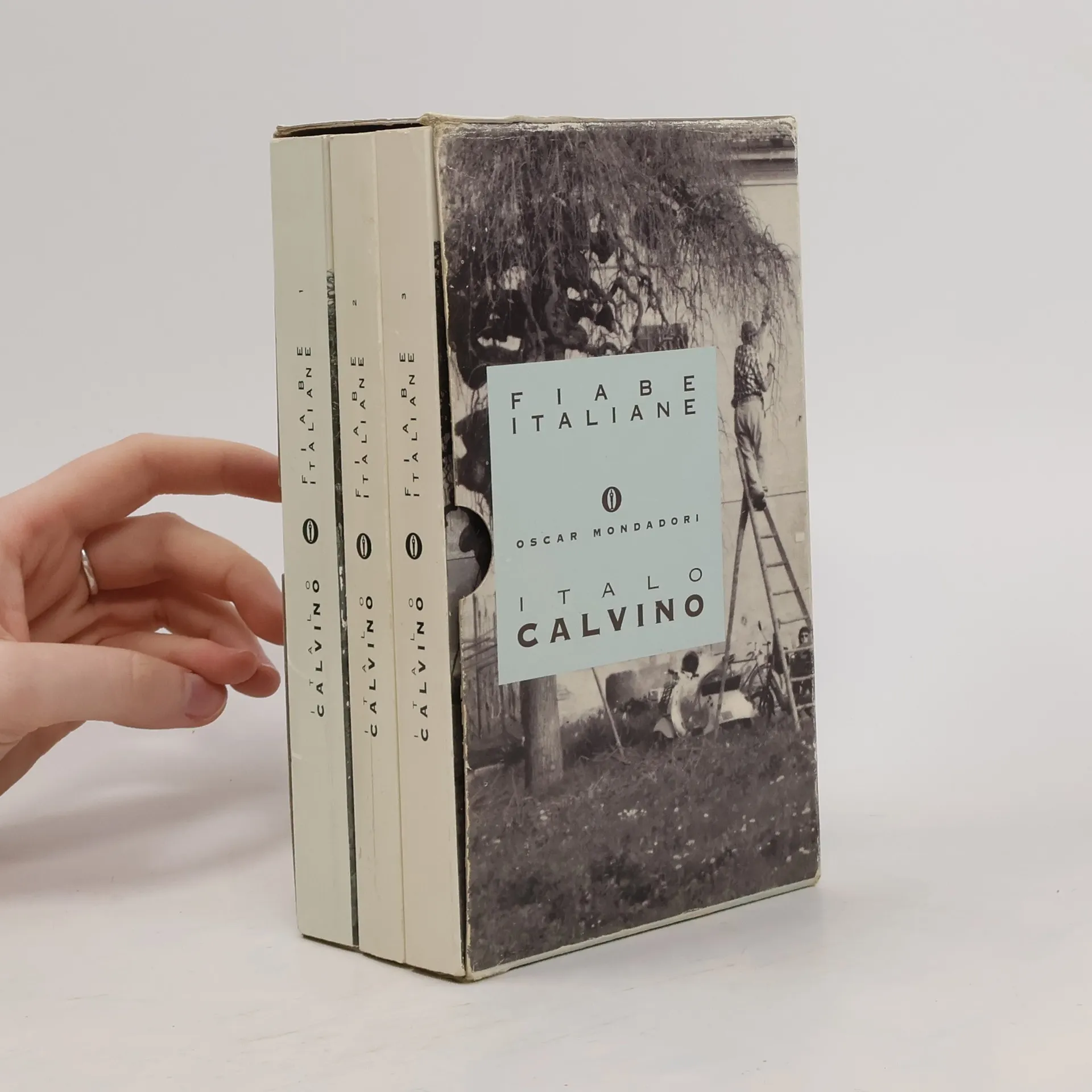
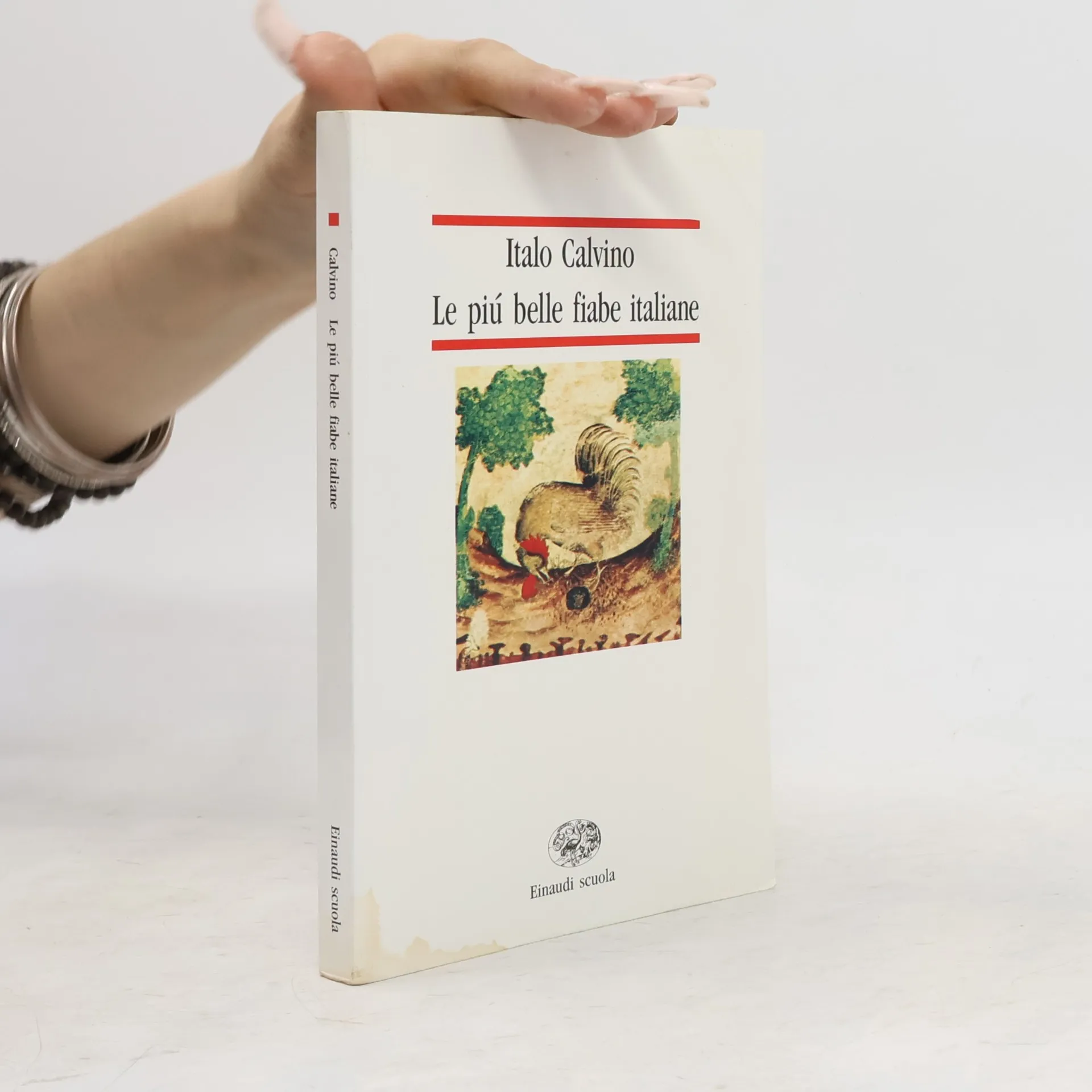
Il volume raccoglie una selezione di fiabe italiane, rielaborate e reinterpretate da Italo Calvino. Le storie spaziano tra vari temi, tra cui l'astuzia, la giustizia e il contrasto tra bene e male, riflettendo la ricca tradizione narrativa del folklore italiano. I personaggi principali includono eroi e antieroi, figure magiche, e animali parlanti, ognuno dei quali incarna valori e insegnamenti morali.
Le fiabe presentano una struttura narrativa classica, con elementi di magia e avventura, e spesso culminano in una morale o in una lezione di vita. Calvino, attraverso il suo stile distintivo, riesce a rendere accessibili e affascinanti storie che affondano le radici nella cultura popolare, mantenendo viva l'essenza delle tradizioni orali.
Il libro offre un'ampia panoramica della varietà e della complessità delle fiabe italiane, evidenziando non solo il divertimento e l'intrattenimento, ma anche la riflessione su temi universali e la condizione umana. Le narrazioni sono adatte a lettori di tutte le età, invitando a esplorare il mondo fantastico e simbolico delle fiabe.
In "Heikle Erinnerungen" präsentiert Calvino zwölf frühe Erzählungen, die seine präzise Beobachtungsgabe und feine Ironie zeigen. Die Protagonisten befinden sich in heiklen Situationen, während groteske und phantastische Elemente aufblitzen, die seinen späteren Erzählstil prägen. Ein Muss für Calvino-Fans und Neulinge.
Un'antologia di fiabe «di magia», rappresentative di tutte le regioni italiane, scelte dalla raccolta che Italo Calvino compose nel 1956. Gli eroi, ragazze e giovani generosi e furbi, quasi sempre si allontanano da casa in cerca del loro destino; oppure devono liberarsi da un incantesimo. In prove rischiose, lottano contro il «Nemico», diavolo, mago, strega o forza della natura; sono destinati a vincere, anche perché vecchine, animali, corsi d'acqua spontaneamente forniscono loro un aiuto magico. Alla fine c'è il ritorno a casa, coronato dalla ricchezza, necessaria per la felicità propria e dei propri cari; a meno che l'eroe non si fermi là dove ha conquistato la mano di una principessa
Sein Name ist unaussprechlich: Er heisst Qfwfq und ist der Erzähler der Cosmicomics. Er war in jeder Phase der Weltentwicklung dabei, in allen Gestalten, auch als Amöbe, auch als Mammut. In diesen »umgekehrten« Science-fiction-Geschichten verbindet sich der Reiz kühner Wissenschaftstheorien mit der Macht uralter kosmogonischer Mythen.
Il primo volume nei Meridiani Collezione nel quale è raccolta in ordine cronologico l'intera produzione narrativa di Calvino, sia edita che inedita, arricchita da prefazioni d'autore presentate in un'apposita sezione. Le note e notizie sui testi forniscono preziose informazioni sulla genesi delle singole opere, sulle influenze letterarie che le hanno ispirate, sulle varianti che documentano le successive fasi di scrittura.
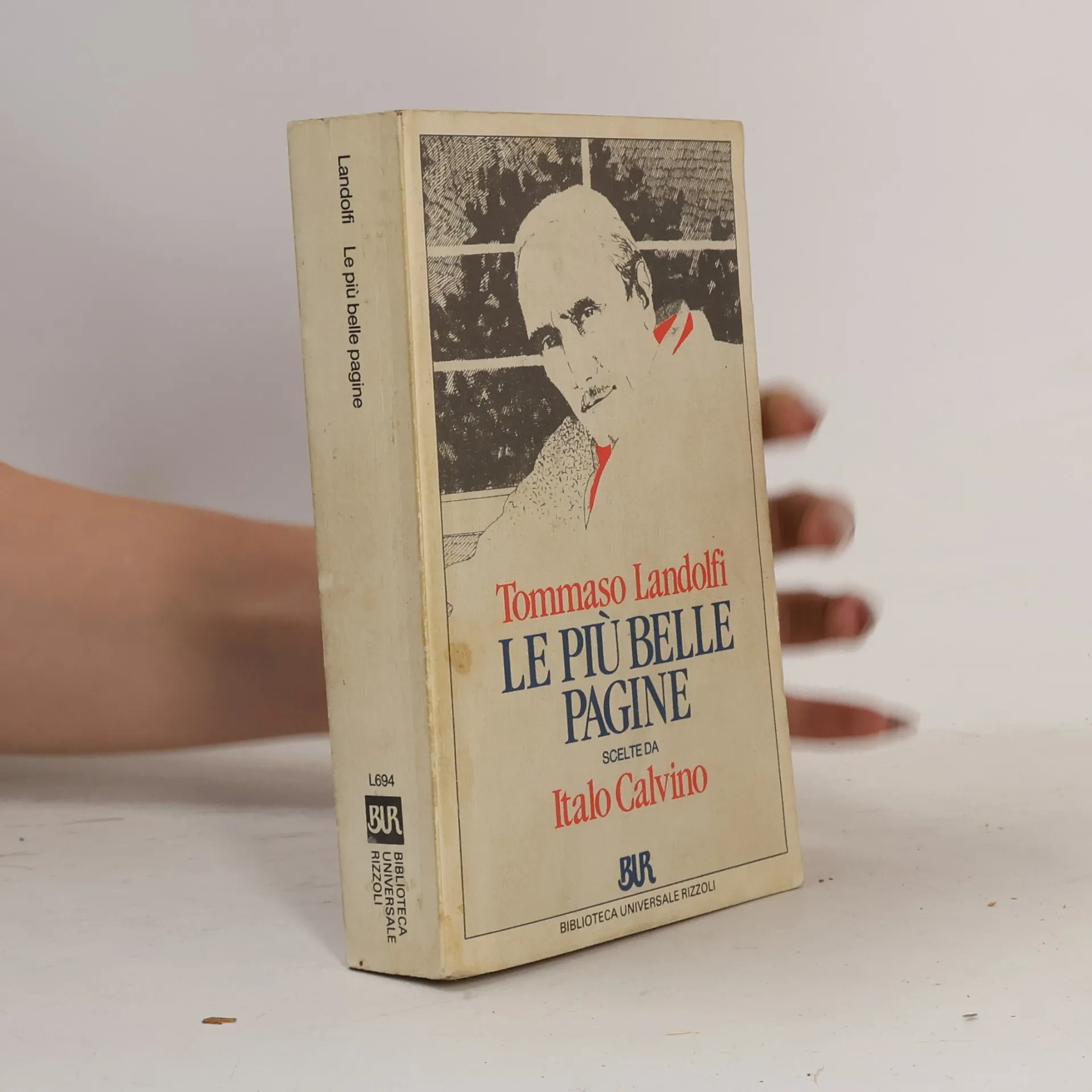
Nel 1982, muovendo dalla constatazione che Landolfi ebbe in sommo grado «la dote di catturare l’attenzione e la meraviglia del lettore» ma accompagnata da una «fama d’impraticabilità e stranezza», Italo Calvino si cimentò nell’ardua impresa di allestire un invito alla lettura sotto forma di antologia. Dopo aver setacciato le raccolte pubblicate da Landolfi nell’arco di oltre quarant’anni, Calvino scelse da ultimo cinquantatré testi. Organizzati in sette sezioni che corrispondono ad altrettanti luminosi spunti critici – «Racconti fantastici», «Racconti ossessivi», «Racconti dell’orrido», «Tra autobiografia e invenzione», «L’amore e il nulla», «Piccoli trattati», «Le parole e lo scrivere» –, essi consentono di cogliere in tutte le sue rifrazioni un’opera sconcertante. E soprattutto di cogliere il vero Landolfi, quello che «sperpera le sue puntate d’un colpo o le ritira bruscamente dal tavolo col gesto allucinato del giocatore».
V povídkách souboru T nula Italo Calvino rozvíjí tematiku i formální strategie iniciované Kosmickými groteskami a dokládá, že experimentální verva ho rozhodně neopustila. Calvino vždy přikládal velkou váhu dialogu literatury a vědy a byl přesvědčen, že právě vědecké hypotézy mohou spisovatele nejkratší cestou přivést k tomu, o čem by měl mluvit: k rozhovoru s univerzem. V prvním oddílu se opět vrací proteovský vypravěč Qfwfq, v následujícím triptychu Priscilla pak Calvino vytvořil obraz života ?na buněčné úrovni? a povídky závěrečné části sám autor označil jako deduktivní, jejich tématem je konkrétní situace, téměř bodová přítomnost. V jednotlivých textech se prozkoumávají alternativy, jichž je každý okamžik plný a jimiž se následně může ubírat budoucnost? Vyprávění a život jsou si však u Calvina nakonec vždy něčím podobné: v obou případech máme co do činění s neustále rozevřenou pluralitou možností, jejichž kombinatoriku nelze nikdy beze zbytku vyčerpat.
Americké přednášky: Šest poznámek pro příští tisíciletí
Jeden z nejvýznamnějších italských prozaiků 20. století, dobře známý i českému čtenáři (např. Naši předkové, Italské pohádky, Neviditelná města), se ve svých přednáškách-esejích zamýšlí nad hodnotami literatury. Na sklonku našeho tisíciletí, které bylo mj. poznamenáno knihou, nemůžeme nepozorovat, že kniha v tom tvaru, v jakém ji známe, ztrácí svůj význam zároveň s literaturou. Americké přednášky chtějí být pokusem o výčet hodnot knihy a literatury, které by měly být pro příští tisíciletí ne-li zachovány, tedy alespoň ne zcela zapomenuty.
V jednotlivých esejích (Lehkost, Rychlost, Přesnost, Viditelnost, Mnohost a Soudržnost, kterou už nestačil napsat) se Calvino obrací k vlastní tvorbě, ale i k mytologii, pohádkám a světovým autorům, jako je Musil, Proust, Jarry či Borges. Na šesti heslech názorně předvádí literaturu a zároveň svůj zápas s jazykem: lehkost vyjádření závažnosti, rychlost popisu stálosti, přesnost pomocí nepřesností jazyka, viditelnost toho, co nelze uvidět, mnohost jednoho a soudržnost, která chybí. Zdánlivá naivita a přímočarost esejů zachovává Calvinův literární styl a přispívá k tomu, že jsou čtivé a podnětné pro širší publikum.
In these three witty and fantastical stories, Italo Calvino explores the sensory aptitudes of the body in taste, hearing and smell. 'Each story continues Calvino's lifelong campaign to add more territory to the empire of the imagination; each discloses marvels in regions that we presumed exhausted' Time 'In all three stories, intellectual keenness accompanies intense receptiveness to sensuous nuance' Sunday Times
Marcovaldo is an unskilled worker in a drab industrial city in northern Italy. He is an irrepressible dreamer and an inveterate schemer. Much to the puzzlement of his wife, his children, his boss, and his neighbors, he chases his dreams-but the results are never the expected ones.
Palomar je poslední větší próza Itala Calvina a i zde se autor rozhodl pro originální experiment. Kapitoly této knihy bychom mohli vnímat jako básně v próze, ale spíše je lze označit za křížence románu nebo básně s esejem. V Calvinově díle má jejich titulní protagonista, pan Palomar, četné předchůdce – rozmanité komentátory a spekulativní talenty. Ti všichni jsou, stejně jako on, velkými pozorovateli světa, protože pozorování věcí je podle Calvina naším základním úkolem. Pan Palomar však chce svět nejen uvidět a pochopit, ale také popsat a vyjádřit: chce jej proměnit v slova. Lze se ale světa zmocnit autentickým, avšak subjektivním pohledem? Spočívá pravda o světě v bezprostřednosti okamžiku? A jak uchopit svět „nepsaný“? Sám Calvino charakterizoval tuto svou knihu následovně: „Jistý muž se vydá na cestu, aby krok za krokem dosáhl moudrosti. Dosud nedorazil k cíli.“
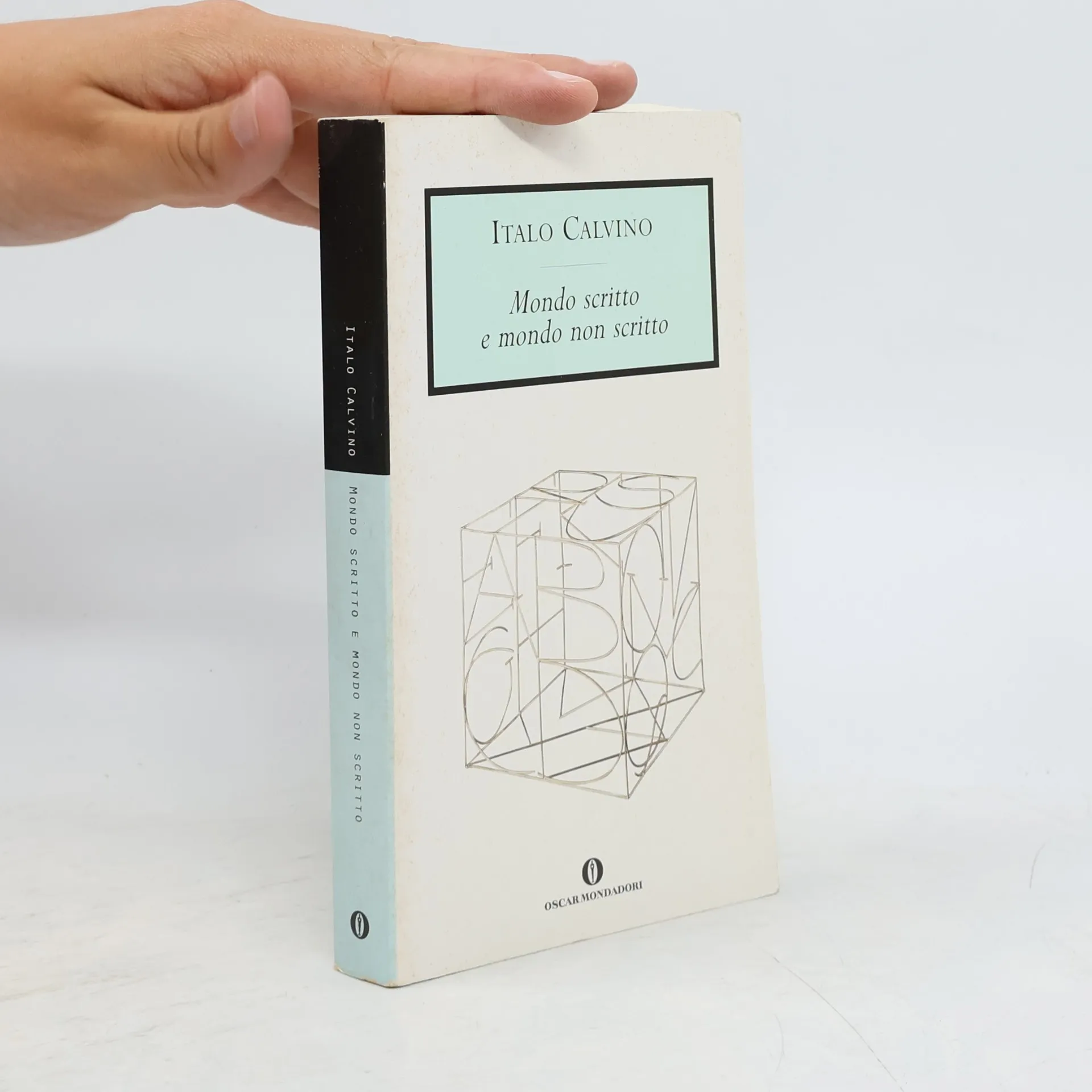
Nur wenige Schriftsteller unserer Zeit haben so originell und erschöpfend über das Handwerk des Schreibens nachgedacht wie Italo Calvino. In dieser Sammlung seiner Essays zeigt sich Calvino nicht nur als Autor, sondern vor allem als Leser, dem die Beschäftigung mit der Literatur zum Überlebenstraining wird.
Marcovaldo is an unskilled worker in a drab industrial city in northern Italy. He is an irrepressible dreamer and an inveterate schemer. Much to the puzzlement of his wife, his children, his boss, and his neighbors, he chases his dreams-but the results are never the expected ones. Translated by William Weaver. A Helen and Kurt Wolff Book
The story follows Viscount Medardo of Terralba, who is bisected by a cannonball during a battle against the Turks. His two halves embark on contrasting paths: one indulges in a life of decadence and evil, while the other embodies virtue. As both halves vie for the affection of the same woman, their rivalry leads to increasingly outrageous antics. This novella showcases Calvino's unique blend of humor and fantasy, presenting a captivating exploration of identity and morality in a whimsically macabre setting.