

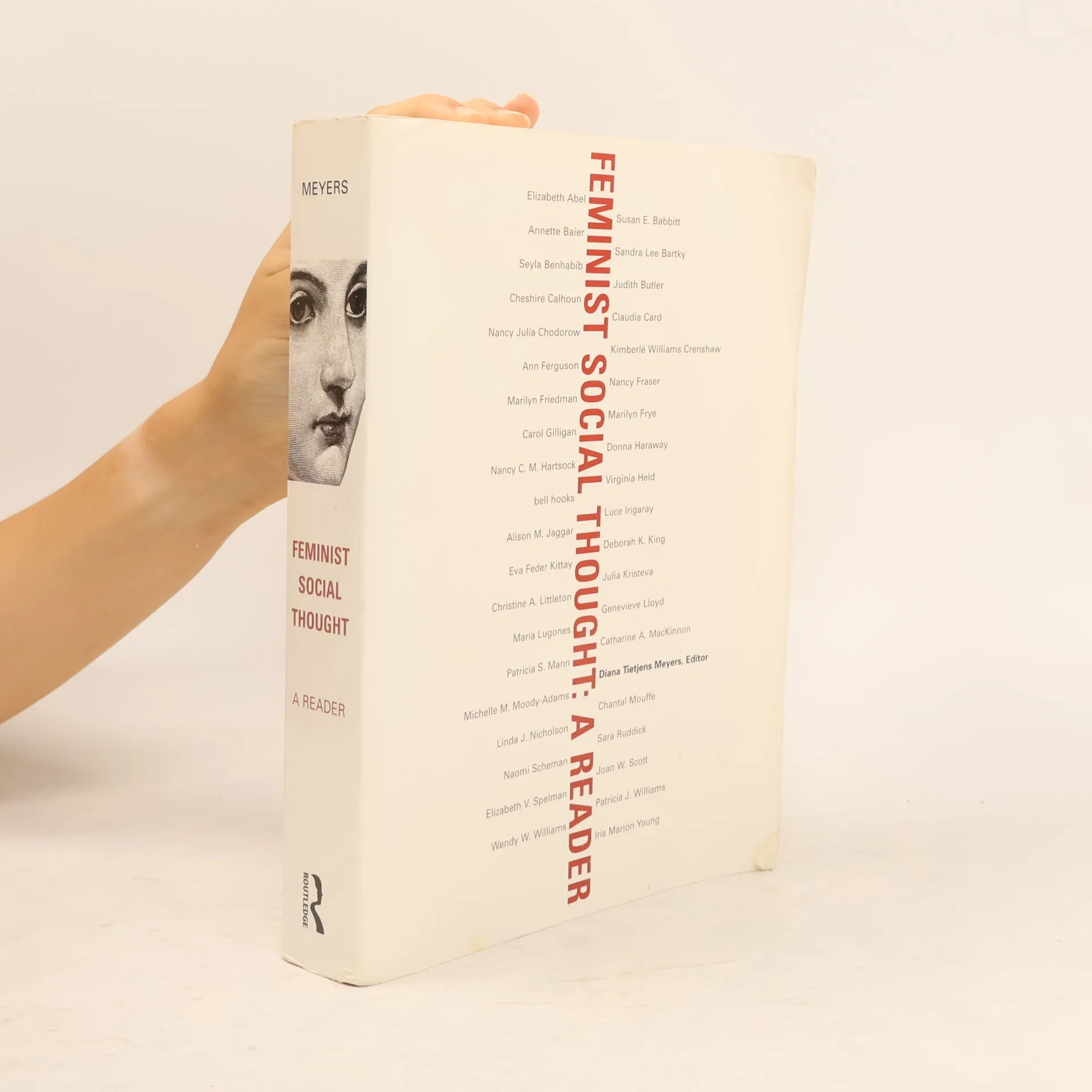
First published in 1998, this collection brings together key articles by prominent feminist thinkers, providing a sophisticated exploration of theoretical topics central to feminist social thought. It highlights significant concerns in contemporary feminist scholarship and the advancements made by feminist philosophers. The editor's introduction offers alternative pathways through the text, enabling instructors to tailor the reader to their specific courses and student interests. Each article includes a brief introduction that contextualizes it, emphasizing the main issues and conclusions, which aids students in navigating challenging theoretical concepts. Organized around seven topics—constructions of gender; theorizing diversity; figurations of women; subjectivity, agency, and feminist critique; social identity, solidarity, and political engagement; care and its critics; and women, equality, and justice—this collection represents a broad spectrum of feminist thinking. Students will engage with critical questions, including how gender norms are instilled and perpetuated, the relationships between gender and other social positions like race and class, the resources available for recognizing and resisting subordination, the goals of feminist politics, and the reconciliation of social and legal equality with difference.
Genevieve Lloyd Knihy
Genevieve Lloydová je australská filozofka a feministka, jejíž práce se hluboce zabývá historií filozofie a rolí rozumu v moderním myšlení. Zkoumá, jak byly klíčové filozofické koncepty, zejména představa „muže rozumu“, formovány historicky a jak tyto koncepty ovlivňují genderové role a společenské struktury. Její analýzy odhalují, jak patriarchální předpoklady pronikly do samotných základů západní filozofie a jak je lze zpochybnit a přetvořit pro spravedlivější budoucnost.

Exploring the philosophy of Spinoza, this work presents innovative perspectives on freedom and difference. It engages with contemporary interpretations to challenge traditional notions and invites readers to rethink these fundamental concepts through a collective lens. The book aims to inspire fresh dialogues and insights into the complexities of human experience and social dynamics.
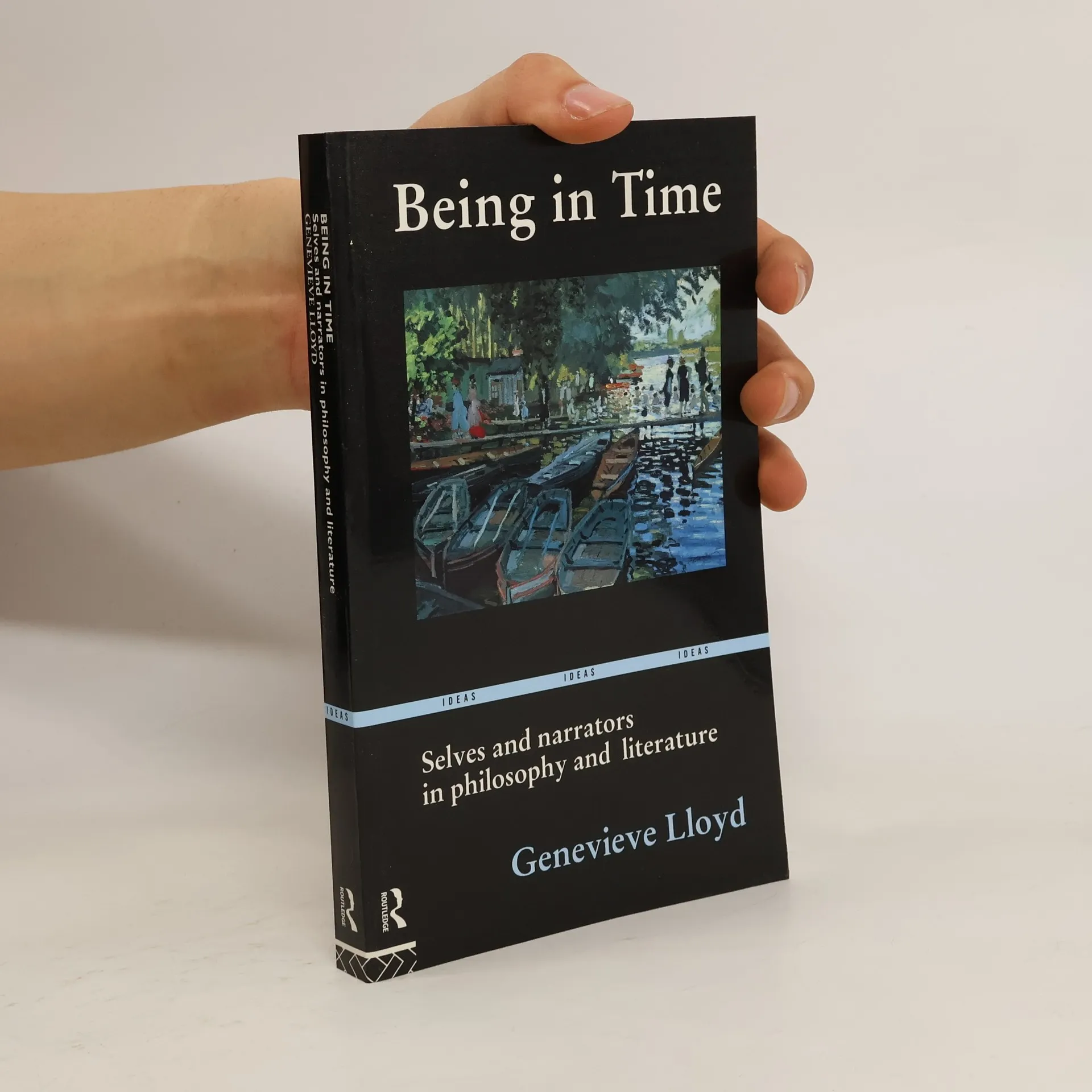
Genevieve Lloyd's book is a provocative and accessible essay on the fragmentation of the self as explored in philosophy and literature. The past is irrevocable, consciousness changes as time passes: given this, can there ever be such a thing as the unity of the self? Being in Time explores the emotional aspects of the human experience of time, commonly neglected in philosophical investigation, by looking at how narrative creates and treats the experience of the self as fragmented and the past as 'lost'. It shows the continuities, and the contrasts, between modern philosophic discussions of the instability of the knowing subject, treatments of the fragmentation of the self in the modern novel and older philosophical discussions of the unity of consciousness. Being in Time combines theoretical discussion with human experience: it will be valuable to anyone interested in the relationship between philosophy and literature, as well as to a more general audience of readers who share Augustine's experience of time as making him a 'problem to himself'.
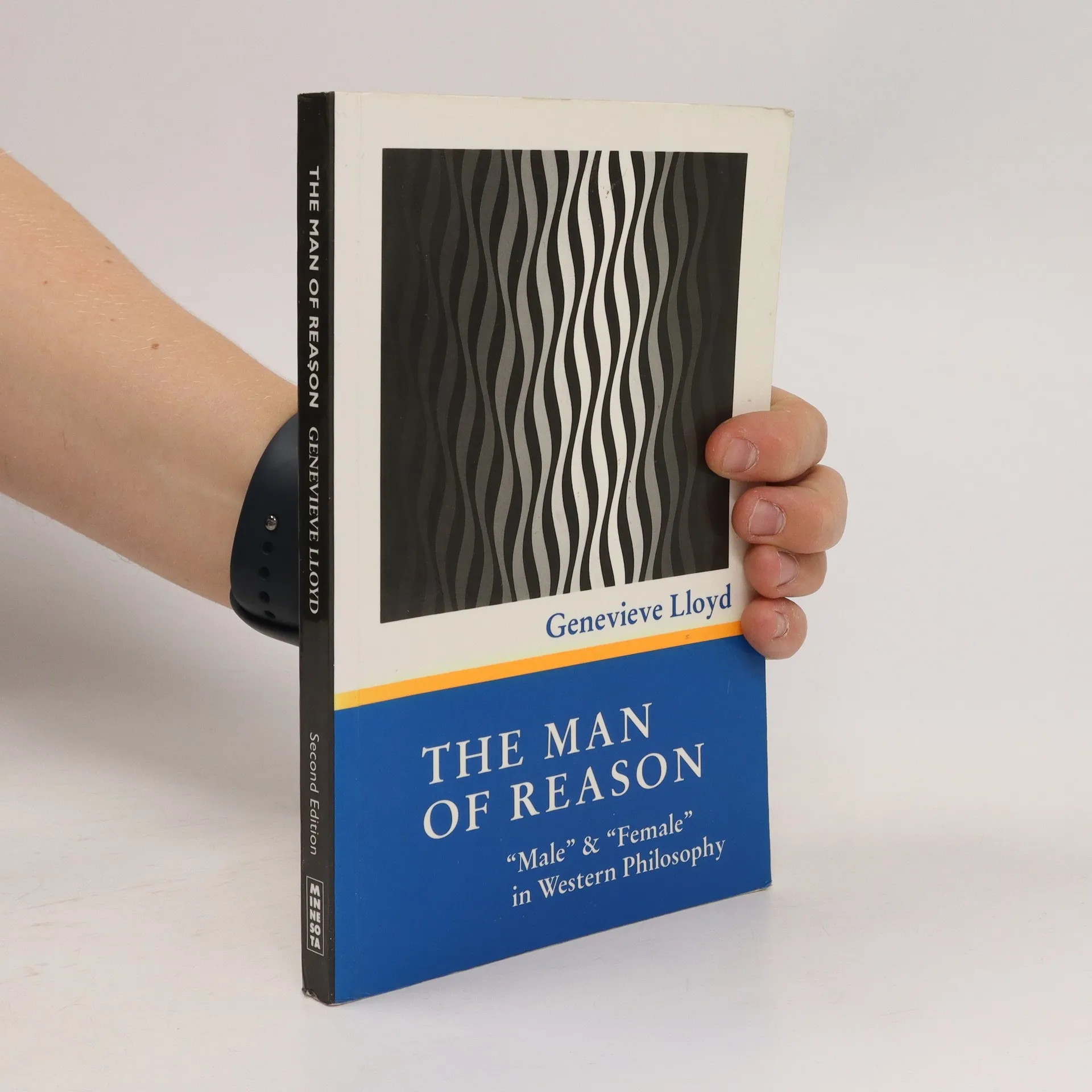
This new edition of Genevieve Lloyd's classic study of the maleness of reason in philosophy contains a new introduction and bibliographical essay assessing the book's place in the explosion of writing and gender since 1984.