
Knihobot

Robin Dunbar

    28. červen 1947
    Robin Dunbar
    How Religion Evolved And Why it Endures
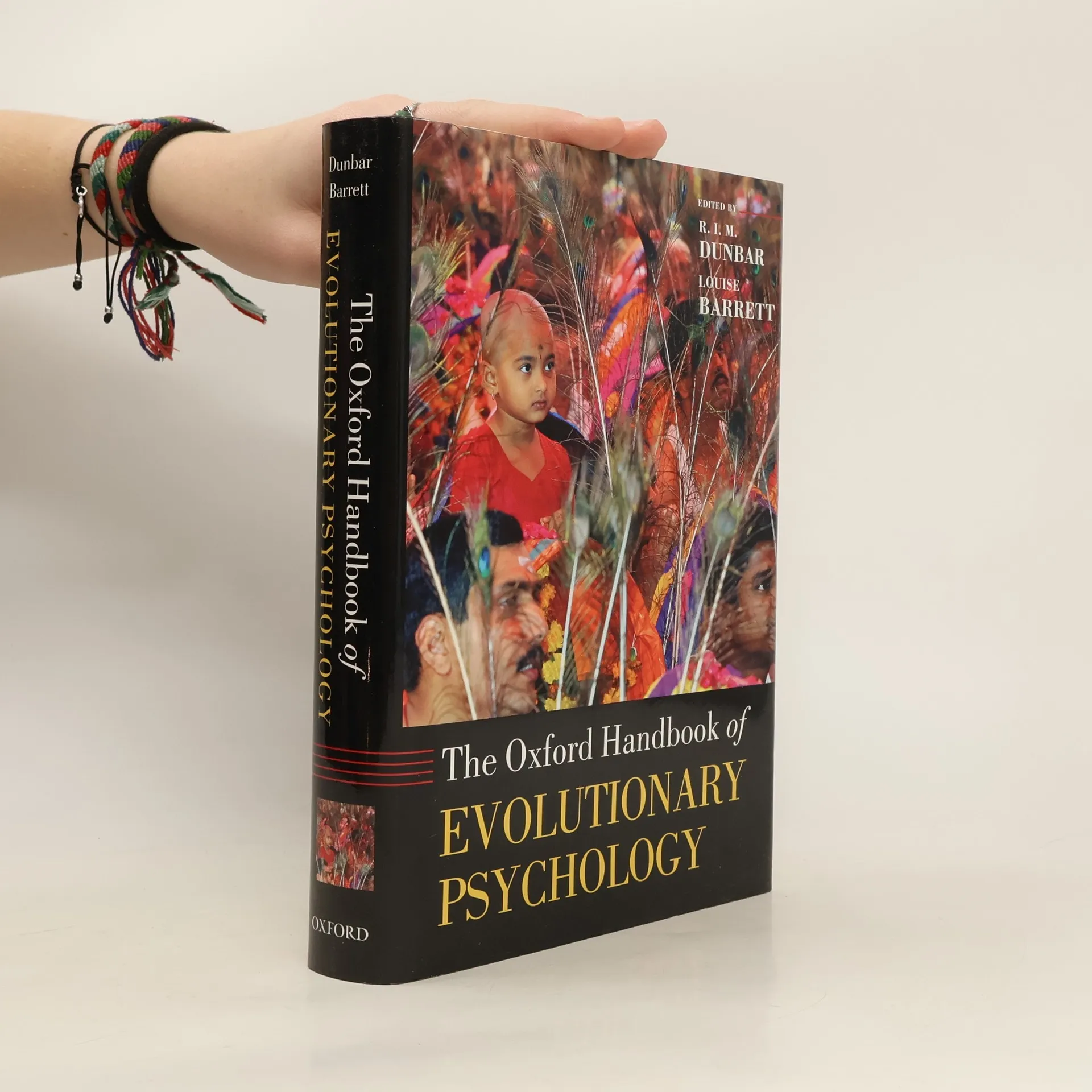
    Oxford Handbook of Evolutionary Psychology
    Human evolution
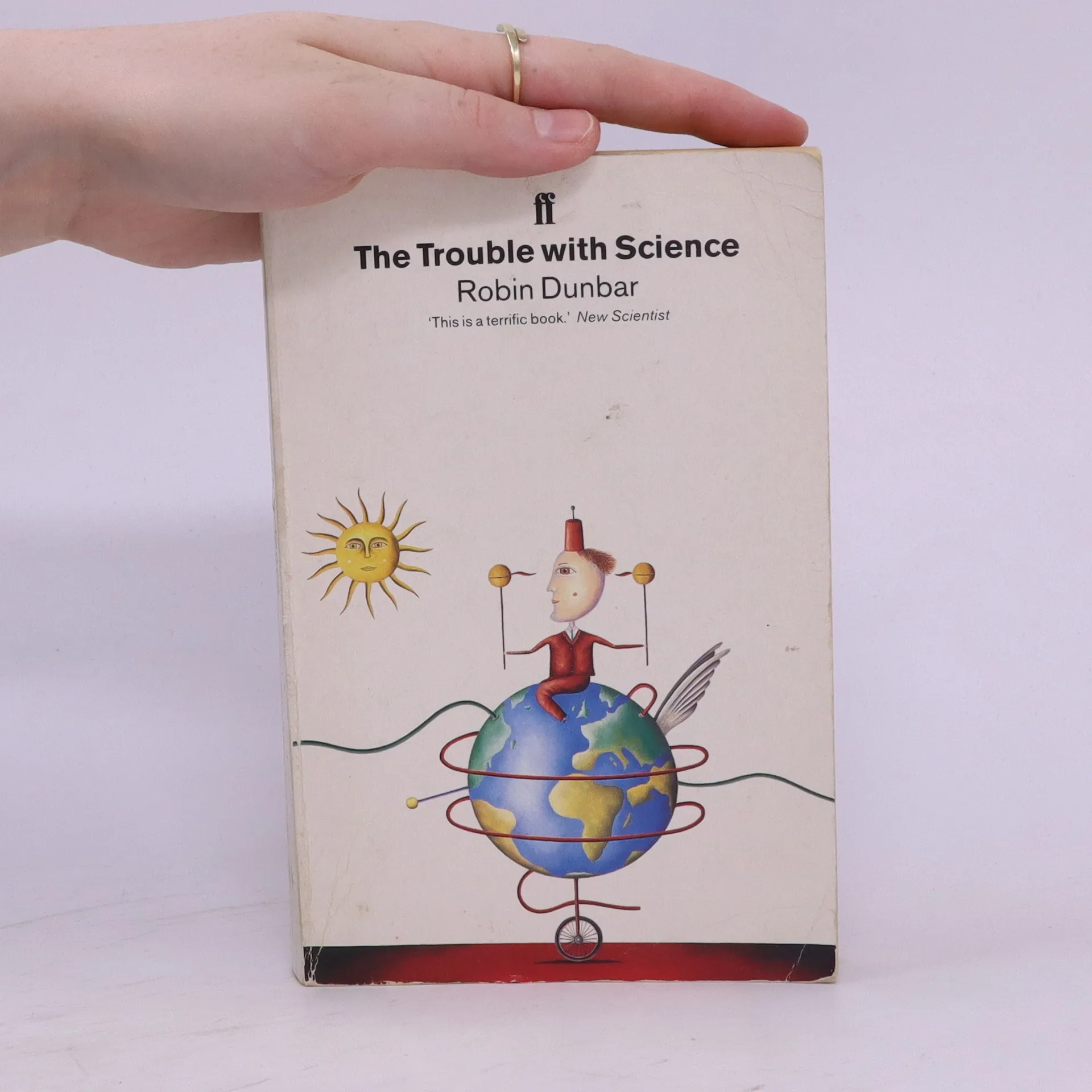
    The Trouble with Science
    World of nature.
    Příběh rodu Homo. Nové dějiny evoluce člověka
    • 2022

      How Religion Evolved And Why it Endures

      • 352 stránek
      • 13 hodin čtení
      4,0(338)Ohodnotit

      When did humans develop spiritual thought? What is religion's evolutionary purpose? In our increasingly secular world, why has it endured? Every society has lived with religion. An evolutionary psychologist tracks its origins to the 'mystical stance'—a psychological predisposition that allows belief in a transcendent world and facilitates spiritual encounters. By examining world religions and those practiced by hunter-gatherer societies, the author argues that this instinct is not merely a human quirk but rather an evolutionary advantage. Religion enhances individual health and wellbeing and fosters large-scale social bonding, helping to maintain cohesion in fractious societies. This perspective may provide a unified theory explaining why and how humans are religious, integrating the diverse strands within the field. Utilizing groundbreaking research, clinical case studies, and global fieldwork, alongside stories of charismatic cult leaders and lost faiths, the analysis delves into the quintessentially human impulse to believe.
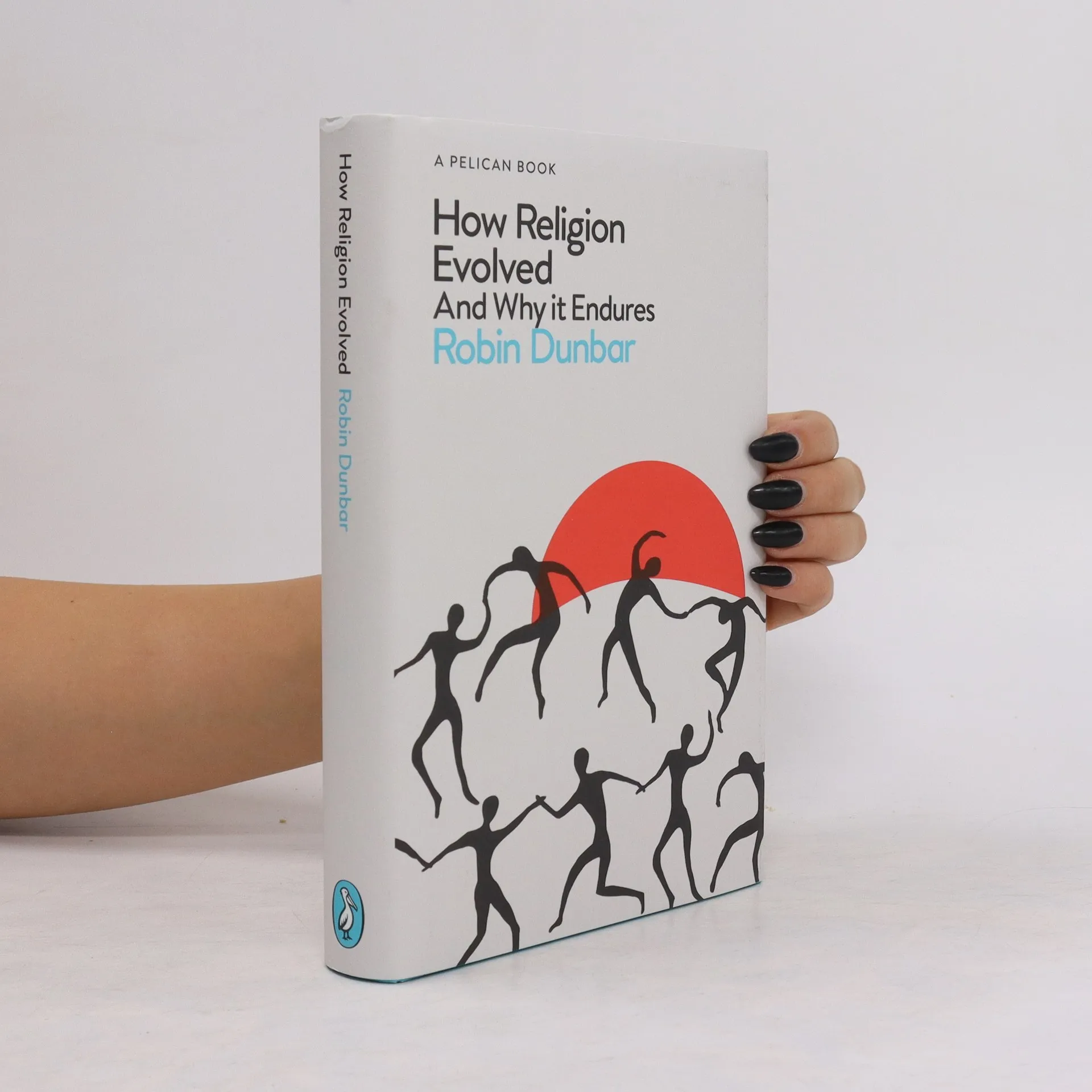
      How Religion Evolved And Why it Endures
    • 2014

      Human evolution

      • 432 stránek
      • 16 hodin čtení
      4,1(273)Ohodnotit

      What makes us human? How did we develop language, thought and culture? Why did we survive, and other human species fail? The past 12,000 years represent the only time in the sweep of human history when there has been only one human species. How did this extraordinary proliferation of species come about - and then go extinct? And why did we emerge such intellectual giants? The tale of our origins has inevitably been told through the 'stones and bones' of the archaeological record, yet Robin Dunbar shows it was our social and cognitive changes rather than our physical development which truly made us distinct from other species.

      Human evolution
    • 2011

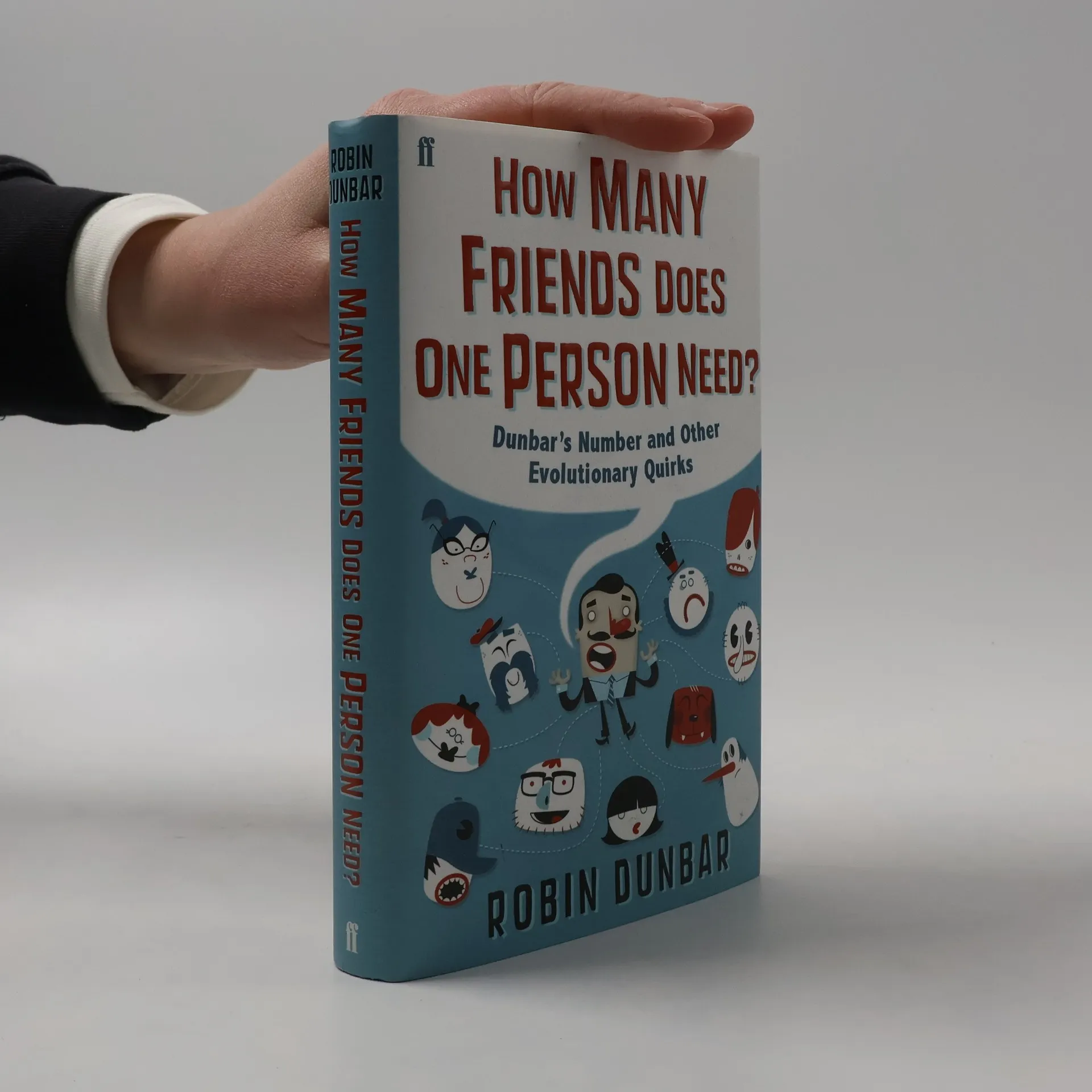
      How Many Friends Does One Person Need?

      • 320 stránek
      • 12 hodin čtení
      3,6(24)Ohodnotit

      We are the product of our evolutionary history and this history colours our everyday lives - from why we kiss to how religious we are. In this book, the author explains how the distant past underpins our current behaviour, through the experiments that have changed the thinking of evolutionary biologists forever.

      How Many Friends Does One Person Need?
    • 2010

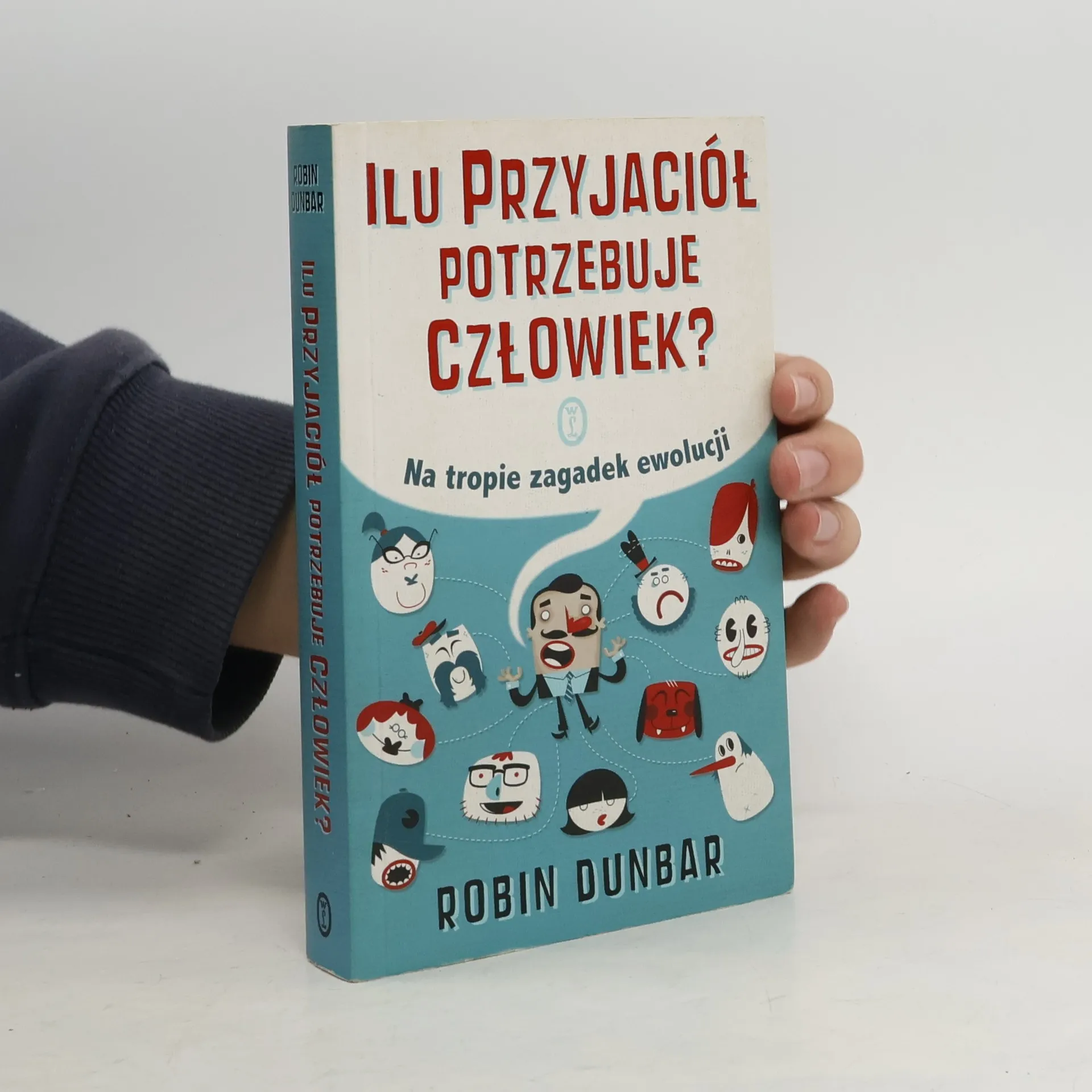
      Ekscytująca podróż w świat ewolucji, naukowych odkryć i psychologii. W przystępnie i atrakcyjnie napisanej książce znany antropolog opowiada m.in. o tym, ilu maksymalnie przyjaciół możemy zdobyć w ciągu naszego życia, o tym, jak poznać, czy „odziedziczyliśmy” mózg po matce, czy po ojcu, o tym, dlaczego Szekspir był geniuszem, a nawet odpowiada na pytanie: dlaczego się śmiejemy. Dunbar mówi o rzeczach czasem dla nas całkiem zaskakujących: wykazuje na przykład, że praktycznie każdy z nas ma sławnych przodków, analizuje rolę religii w ewolucji człowieka i próbuje wytłumaczyć, dlaczego mężczyźni i kobiety inaczej postrzegają barwy. Przekonuje także, że czasem lepiej na stanowisku wymagającym wysokiego IQ zatrudnić pracownika o... niezłej muskulaturze. Część materiału ukazywała się na łamach magazynu „New Scientist”. Robin Ian MacDonald Dunbar (ur. w 1947 w Liverpoolu) – brytyjski antropolog i biolog. Najbardziej znany jest ze swojej Liczby Dunbara (150), którą mierzy się maksymalną liczbę ludzi, z którymi dana osoba jest w stanie utrzymać w miarę stabilne i regularne relacje.

      Ilu przyjaciół potrzebuje człowiek?
    • 2009

      Podtitul: Nové dějiny evoluce člověka. Poslední desetiletí byla z hlediska vědních oborů zabývajících se evolucí člověka doslova převratná. Najednou jsme se ocitli uprostřed „rodinného kruhu“ velkých afrických lidoopů a mnohdy není snadné se s touto skutečností vyrovnat. Avšak jsou naše pocity, vzorce chování a překážky, s nimiž se v rámci rodičovství či partnerských vztahů potýkáme, skutečně natolik výlučné? Kde vlastně hledat počátky všeho, co jsme takříkajíc dostali do vínku, a co z nás přes veškerou naši nedostatečnost činí druh tak jedinečný a životaschopný? Do jaké míry je kultura skutečně hájemstvím člověka a kdy a proč se zrodil zpěv, jazyk a náboženství? Zábavnou, nanejvýš poutavou a běžnému čtenáři přístupnou formou nám jeden z nejvýznamnějších evolučních psychologů dává nahlédnout do hlubin lidské mysli a snaží se zodpovědět otázku, co to vlastně znamená být člověkem. Přeložila Jana Enderlová.

      Příběh rodu Homo. Nové dějiny evoluce člověka
    • 2007

      With contributions from over 50 experts in the field, this book provides an overview of the latest developments in evolutionary psychology. In addition to well studied areas of investigation, it also includes chapters on the philosophical underpinnings of evolutionary psychology, comparative perspectives from other species, and more.

      Oxford Handbook of Evolutionary Psychology
    • 2001
    • 1998

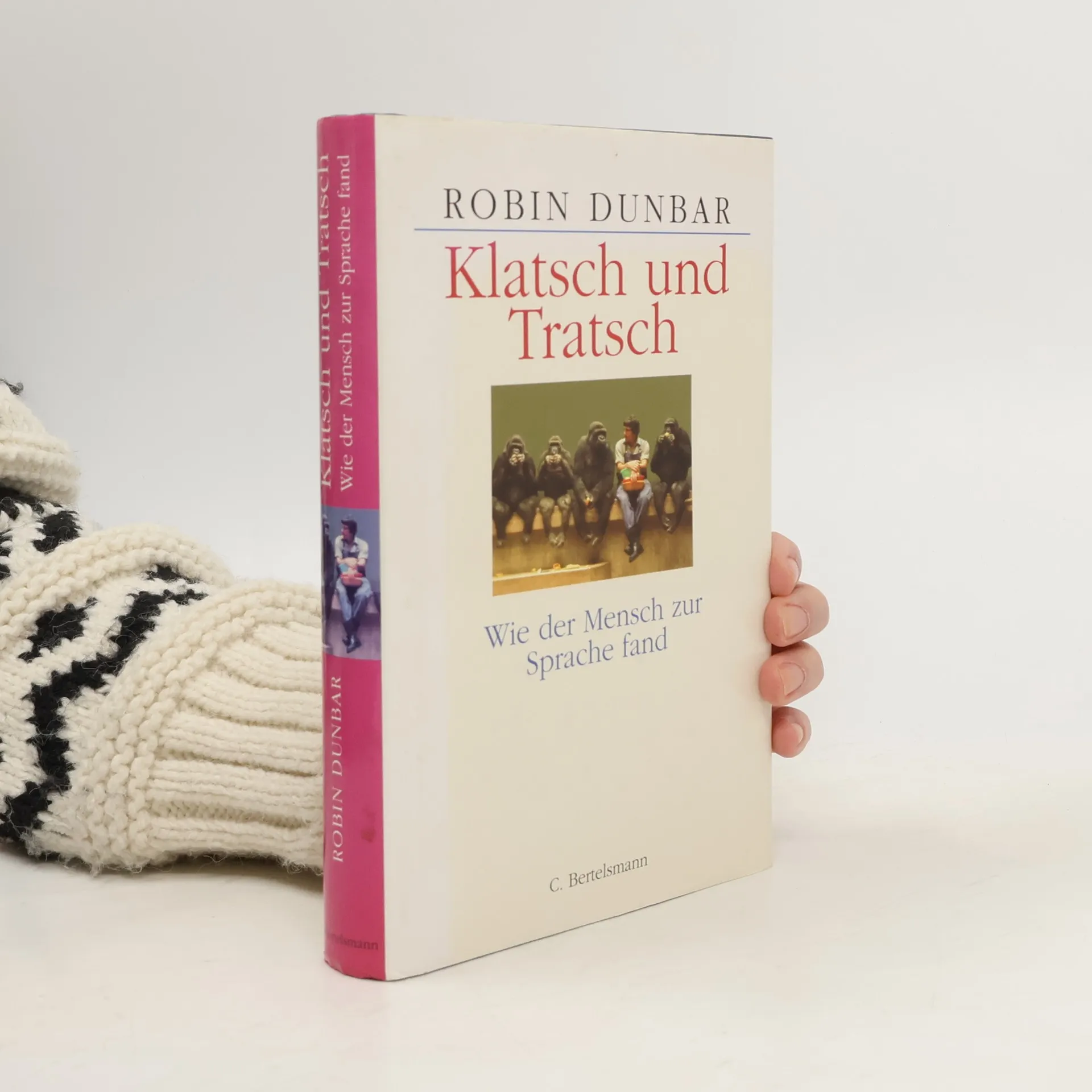
      Der Affe, der den anderen krault, betätigt sich nicht sich nicht als Kammerjäger. Seine begehrten Hände dienen nicht in erster Linie der Fellhygiene, sondern sorgen vielmehr für Wohlgefühl beim Partner, stärken die soziale Bindung und Ordnung und helfen damit der Horde beim Geschäft des Überlebens. Die menschliche Urgemeinschaft, zu groß um durch Kraulen das soziale Netzwerk intakt zu halten, mußte ein zeitökonomischeres Medium finden: die Sprache. Wem ging aber zuerst der Mund über? Robin Dunbar verwirft die bekannte These, daß die vermeintlichen Herren der Schöpfung den Wort-Wechsel während der Jagd erfanden. Die Sprache wurde vielmehr von Frauen "am Lagerfeuer" entwickelt. Denn sie bildeten Kern und Rückgrat der frühmenschlichen Gruppen. Die kühne Brücke, die Robin Dunbar von unseren haarigen Vettern zu unseren Vorfahren schlägt, führt bis zum Hordenverhalten des Zivilisationsmenschen: Rund zwei Drittel unserer alltäglichen Konversation drehen sich um Klatsch und Tratsch: Wer treibt es mit wem, wer ist in, wie bringe ich den Partner zur Räson? Der Anthropologe stieß dabei auf vertratue Unterschiede: Während Frauen hauptsächlich über andere reden und so am sozialen Netzwerk stricken, schneiden Männer brutal daran herum: Sei sprechen vor allem über sich und betreiben ausgiebig Selbst-PR.

      Klatsch und Tratsch
    • 1996

      This book explains with vivid examples and historical excursions, what science is, what it does, what it cannot do, and why most of us find science - or even thinking logically - relatively difficult.

      The Trouble with Science
    • 1989