Text knihy vychází z třetího vydání obou dílů Fausta v nakladatelství Odeon (1982), které redigovala Božena Koseková. Přihlédnuto bylo i k některým starším vydáním (8. vydání Fausta, Svoboda 1949) a v případě nejasností i k německému originálu.
Bayard Taylor Knihy
11. leden 1825 – 19. prosinec 1878
Bayard Taylor byl americký básník, literární kritik, překladatel a autor cestopisů. Jeho dílo se vyznačuje pozorováním rozmanitých kultur a krajin, které zpracovával s vypravěčským nadšením. Taylor přistupoval ke své tvorbě s hlubokým zájmem o svět a jeho obyvatele, což se odráží v jeho detailních a poutavých popisech. Jeho eseje a básně často zkoumají témata cesty, objevování a mezikulturního porozumění.



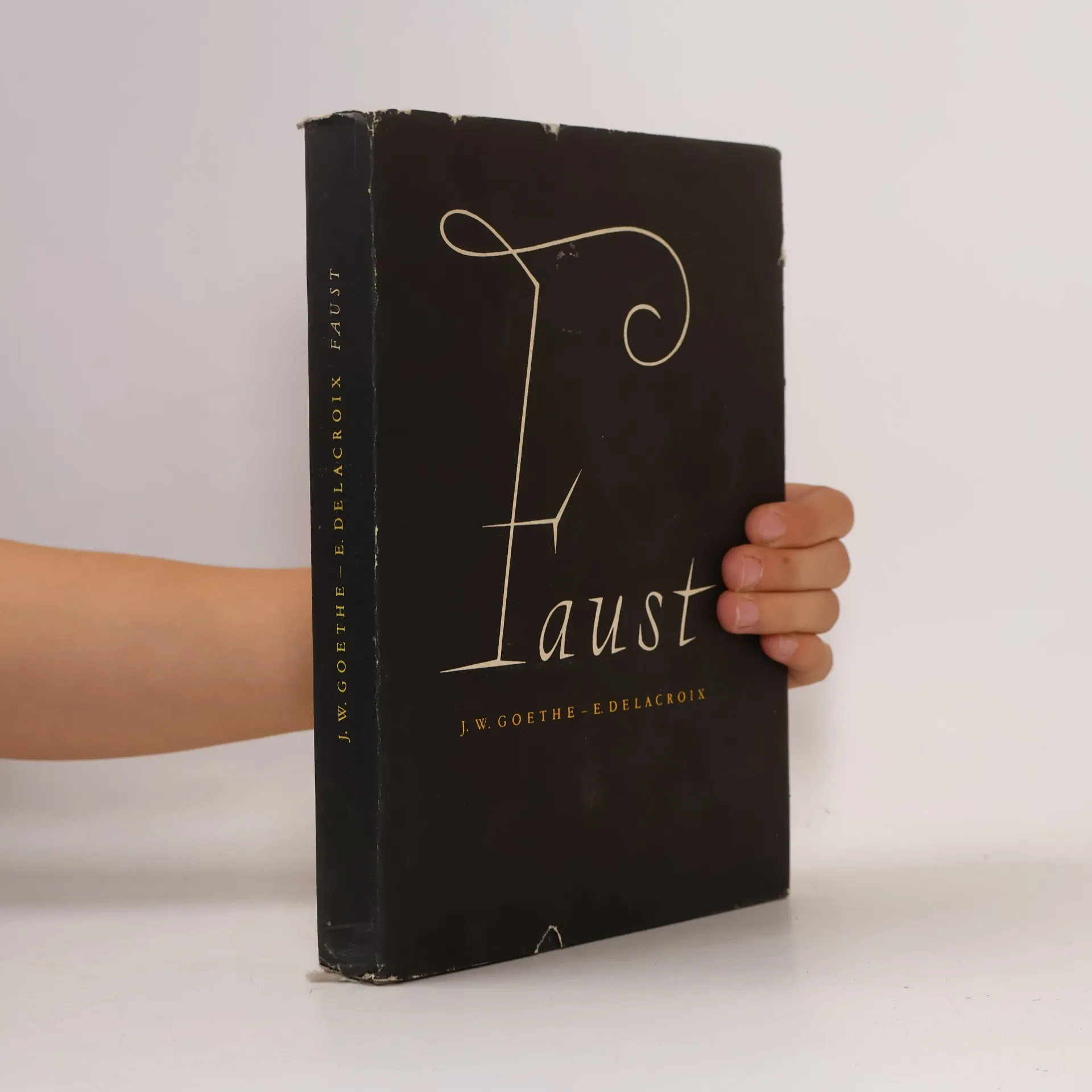
»Dvě duše žijí, ach, v mé hrudi« – dramatické osudy »Fausta« jsou mnohým známy. Johann Wolfgang von Goethe v tomto díle, které vytvořil během své 60leté tvůrčí činnosti, stanovil v německé literatuře měřítka, jež lze jen těžko popsat pojmem světová literatura. Faust, univerzální učenec, se nachází v hluboké krizi při hledání toho, co drží svět pohromadě. V jeho učebně, blízko sebevraždy, je zachráněn jarními květinami a při velikonoční procházce si uvědomuje svou touhu po poznání a pozemských radostech. Cítí se odříznut od všech životních hodnot a proklíná život. Ďábel v podobě Mefistofela vytuší svou šanci a nabízí Faustovi pakt: jediný okamžik životního požitku by stál jeho duši. Faust souhlasí a je zaplaven smyslovými radostmi, avšak ani potěšení v Auerbachově sklepení a čarodějnické kuchyni ho neuspokojují. Teprve setkání se 14letou Gretchen probouzí jeho pozemské touhy a uvádí drama do pohybu. I přes Faustovu individuální tragédii odráží toto dílo obecné drama lidstva, což z něj činí nadčasový zážitek. Dramatická jednotka a sázka s Mefistofelem zdůrazňují konflikt mezi dobrem a zlem v člověku.
Faust II
- 328 stránek
- 12 hodin čtení
Druhý díl tragédie Faust byl dlouhou dobu považován za nesrozumitelný, avšak ve dvacátém století byl jeho význam, a tedy i význam díla jako celku, doceněn. Goethe v něm opouští individuální osudy, shrnuje sumu svého, potažmo lidského poznání. Faust dále testuje jeho hranice, zakládá rodinu, podniká, aby nakonec ve svém snažení vize v podstatě politické selhal - přesto, že umírá v iluzi opaku. Sluha a pokušitel Mefisto selhává rovněž, neboť se vyjeví, že Faustova duše mu - v rozporu s očekáváním - nemůže náležet. Goethe mistrně propojuje filozofické i politické myšlenky s poetickým vyjádřením, čímž vytváří dílo, které oslovuje nejen intelekt, ale také emoce.
This edition focuses on making historical works accessible to individuals with impaired vision through large print. Published by Megali, the book is a reproduction of an original text, ensuring that important historical content is preserved and easily readable for a wider audience.
A Journey to Central Africa
- 540 stránek
- 19 hodin čtení
Originally published in 1857, this reprint offers readers a chance to explore the historical context and themes of the era. It captures the essence of the time through its narrative and characters, providing insights into the social dynamics and cultural influences of the period. The book's enduring relevance and literary significance make it a valuable addition to any collection.
The book is a reprint of a classic work originally published in 1856, preserving the historical context and insights of its time. It offers readers a glimpse into the themes and issues prevalent during the mid-19th century, making it a valuable resource for those interested in the era's literature and societal reflections. The reprint aims to maintain the authenticity of the original text while making it accessible to contemporary audiences.
Northern Travel
- 440 stránek
- 16 hodin čtení
This reprint presents a classic work originally published in 1858, offering readers a chance to explore the themes and context of the time. The book retains its historical significance and literary value, showcasing the author's unique style and perspective. Readers can expect an authentic experience of the period's culture and ideas, making it a valuable addition to any collection of historical literature.
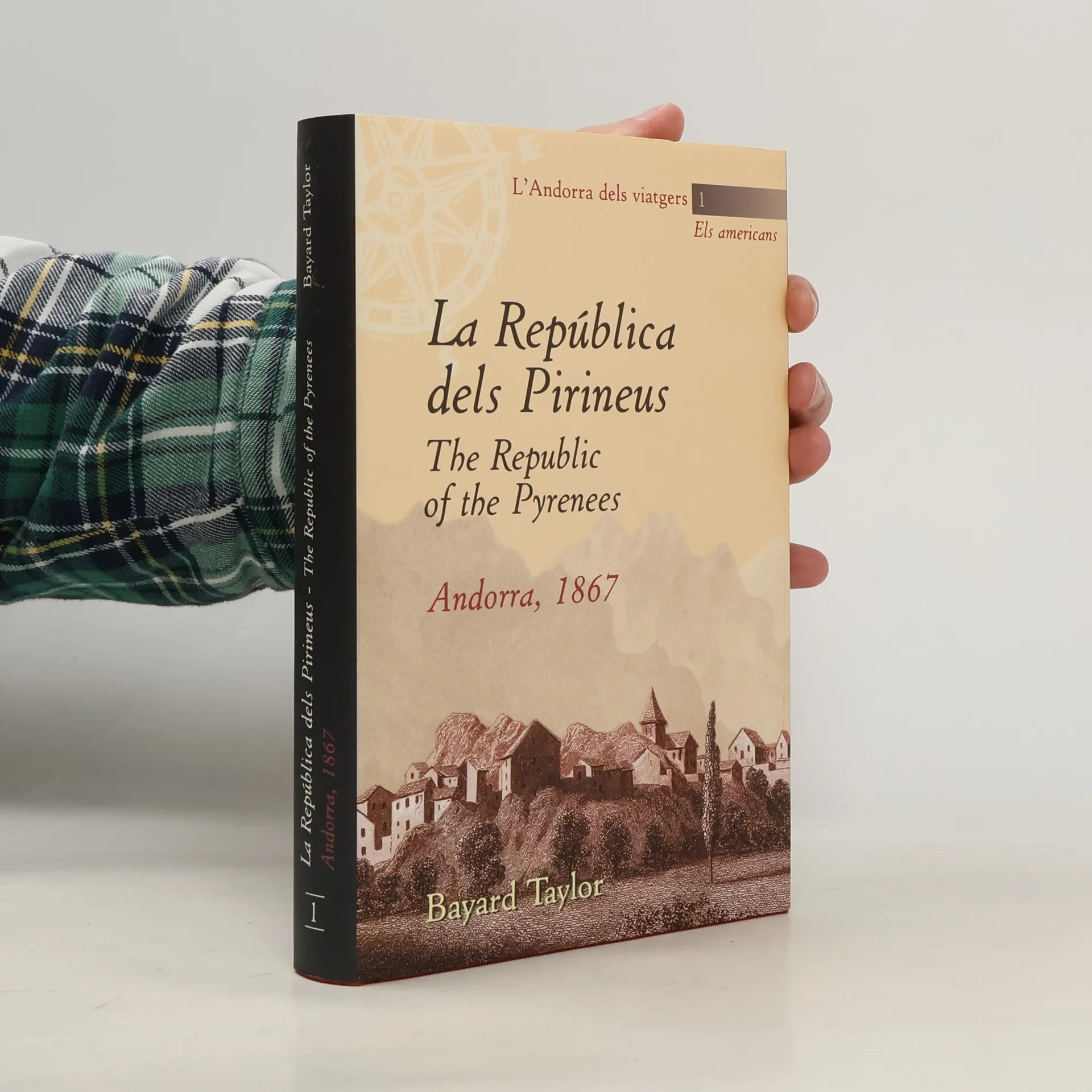
La República dels Pirineus, Andorra, 1867
- 245 stránek
- 9 hodin čtení
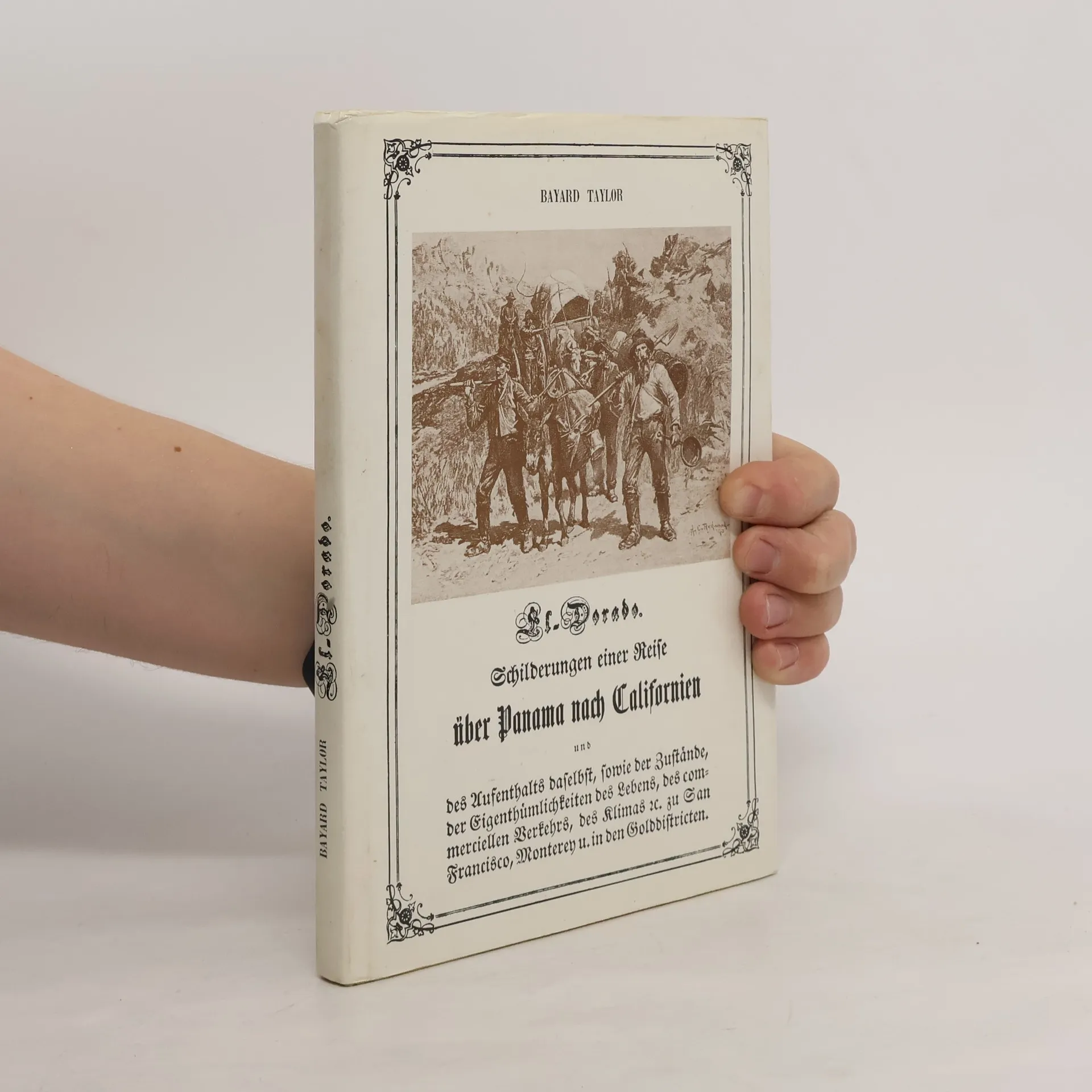
Das Eldorado, das Bayard Taylor in seiner jugendlichen Poesie imaginierte, war nicht halb so fabelhaft wie das Kalifornien, das er im historischen Jahr 1849 tatsächlich sah. Er schloss sich der Flut der Goldsucher an, nicht als Glücksritter, sondern als Journalist, und segelte von New York auf einem überfüllten Dampfer. Der Anblick von San Francisco überwältigte ihn: die brodelnden Berge, das Wasser und die Luft, die wenigen hundert Häuser, die sich vor seinen Augen zu vermehren schienen, und die Straßen, die von Menschen "einer vielfältigen und bizarren Art" wimmelten. Der Immobilienmarkt boomte, und Vermögen wurden in zwei Monaten gemacht, verloren und wiedergewonnen. Bevor Taylor 1850 über Mexiko nach New York zurückkehrte, würde er die Missionen, Goldlager und verstreuten Ranches im Landesinneren besichtigen; das landwirtschaftliche Potenzial der Täler notieren; und mit den überlandziehenden Auswanderern sprechen. Indem er den fieberhaften Puls einer zusammengewürfelten Gesellschaft erfasste, würde er, wie alle anderen, durch Kalifornien verändert werden.