
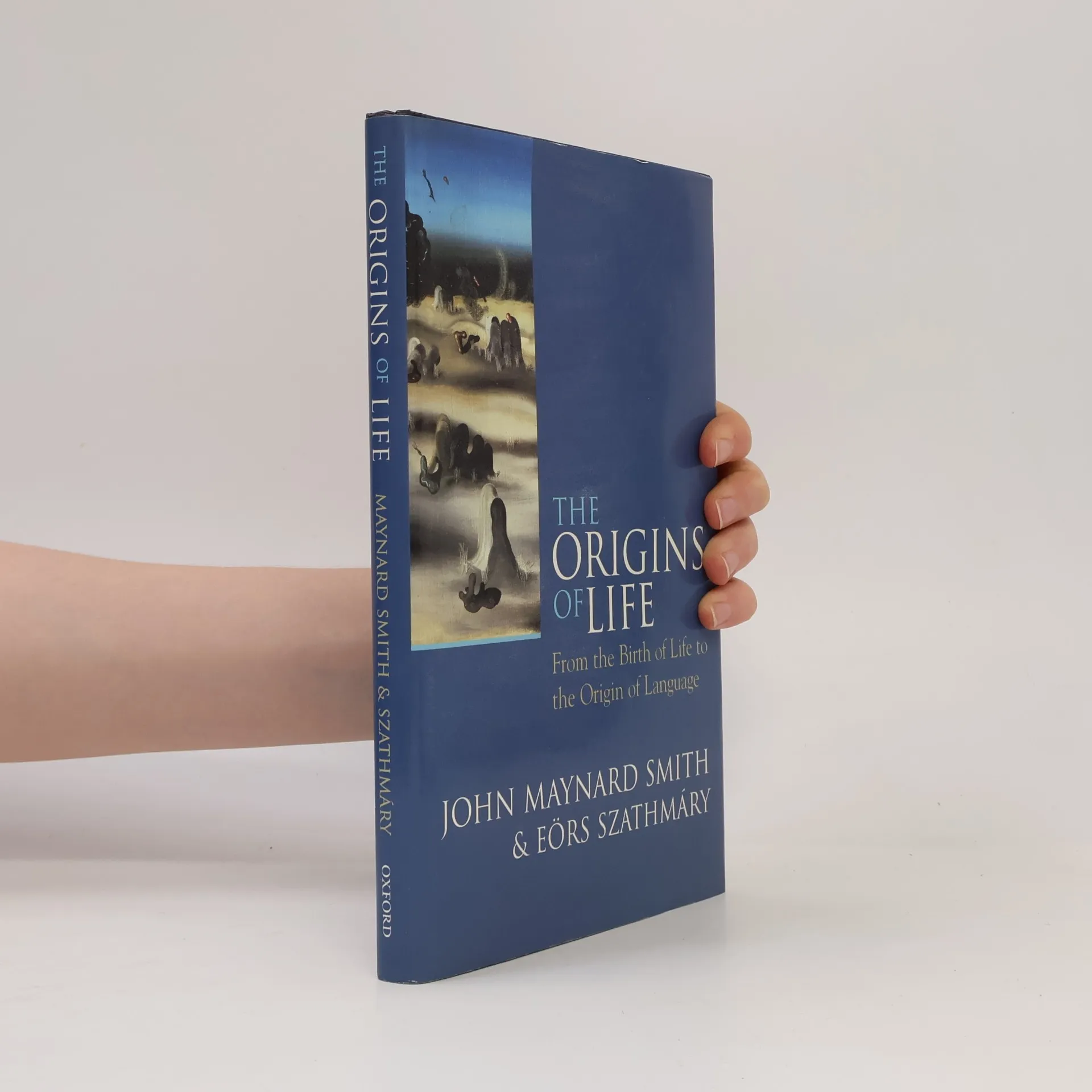
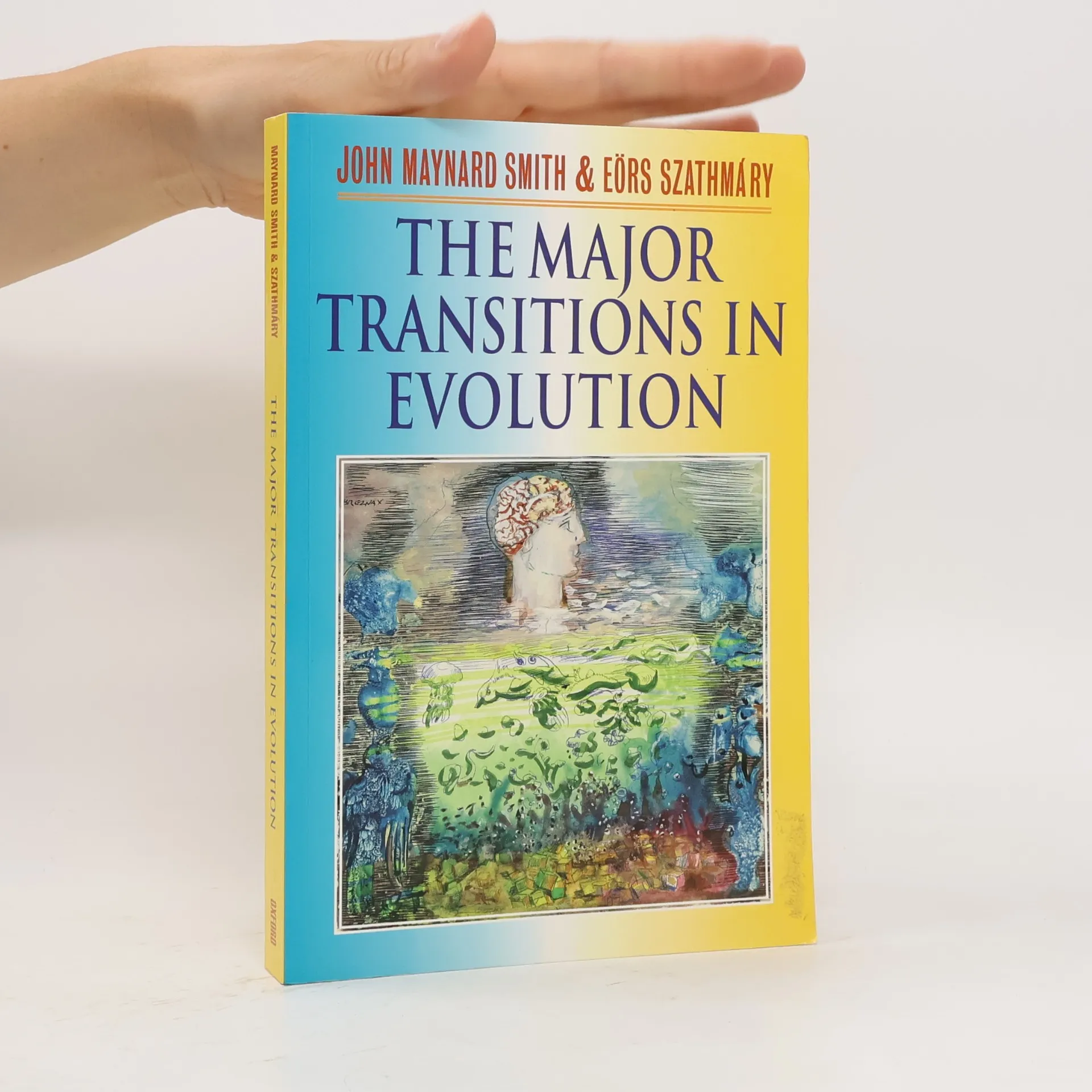
The origins of life. From the birth of life to the origin of language
- 192 stránek
- 7 hodin čtení
Presents, for the general readership, the novel picture of evolution proposed in the 1995 book, The major transitions in evolution.
Tento britský evoluční genetik byl jedním z nejdůležitějších biologů své doby, jehož práce zásadně ovlivnila naše chápání evolučních procesů. Jeho inovativní přístup k teorii her a evoluční biologii otevřel nové cesty pro výzkum a pochopení chování organismů. Jeho myšlenky nadále inspirují vědce a studenty po celém světě, kteří se snaží rozluštit složitost života.


Presents, for the general readership, the novel picture of evolution proposed in the 1995 book, The major transitions in evolution.
Over the history of life there have been several major changes in the way genetic information is organized and transmitted from one generation to the next. These transitions include the origin of life itself, the first eukaryotic cells, reproduction by sexual means, the appearance of multicellular plants and animals, the emergence of cooperation and of animal societies, and the unique language ability of humans. This ambitious book provides the first unified discussion of the full range of these transitions. The authors highlight the similarities between different transitions--between the union of replicating molecules to form chromosomes and of cells to form multicellular organisms, for example--and show how understanding one transition sheds light on others. They trace a common theme throughout the history of after a major transition some entities lose the ability to replicate independently, becoming able to reproduce only as part of a larger whole. The authorsinvestigate this pattern and why selection between entities at a lower level does not disrupt selection at more complex levels. Their explanation encompasses a compelling theory of the evolution of cooperation at all levels of complexity. Engagingly written and filled with numerous illustrations, this book can be read with enjoyment by anyone with an undergraduate training in biology. It is ideal for advanced discussion groups on evolution and includes accessible discussions of a wide range of topics, from molecular biology and linguistics to insect societies.
Dieses Buch ist ein Meilenstein auf dem Weg zu einem tieferen Verständnis evolutionärer Prozesse. Das zentrale Thema sind die großen „Übergänge“ in der Entwicklung des Lebens - Schritte, in denen die Organisation und die Art der Weitergabe genetischer Information von einer Generation zur nächsten jeweils einen grundlegenden Wandel erfuhren. Einheiten, die sich zuvor unabhängig vermehren konnten, verloren diese Fähigkeit als Teile eines größeren Ganzen. Zu jenen evolutionären Weichenstellungen zählen - nach dem Ursprung des Lebens selbst - die Entstehung der Chromosomen, das Auftreten der ersten eukaryotischen Zellen, die Entwicklung der geschlechtlichen Fortpflanzung, das Erscheinen vielzelliger Lebensformen und die Entstehung von Tiergesellschaften. Die Sprache als einzigartige Fähigkeit des Menschen markiert einen letzten großen Übergang. Damit überspannt das einzigartige Buch einen Zeitraum von vier Milliarden Jahren und ein Themenspektrum von der präbiotischen Chemie bis zur Linguistik. Das vereinheitlichende theoretische Konzept, dem die Autoren folgen, ermöglicht einen völlig neuen Blick auf den Gesamtprozeß der Evolution und seine Gesetzmäßigkeiten.