Knihobot

Ehrhard Bahr

    1. leden 1932 – 5. duben 2020
    Geschichte der deutschen Literatur 2: Von der Aufklärung bis zum Vormärz
    Thomas Mann, Der Tod in Venedig
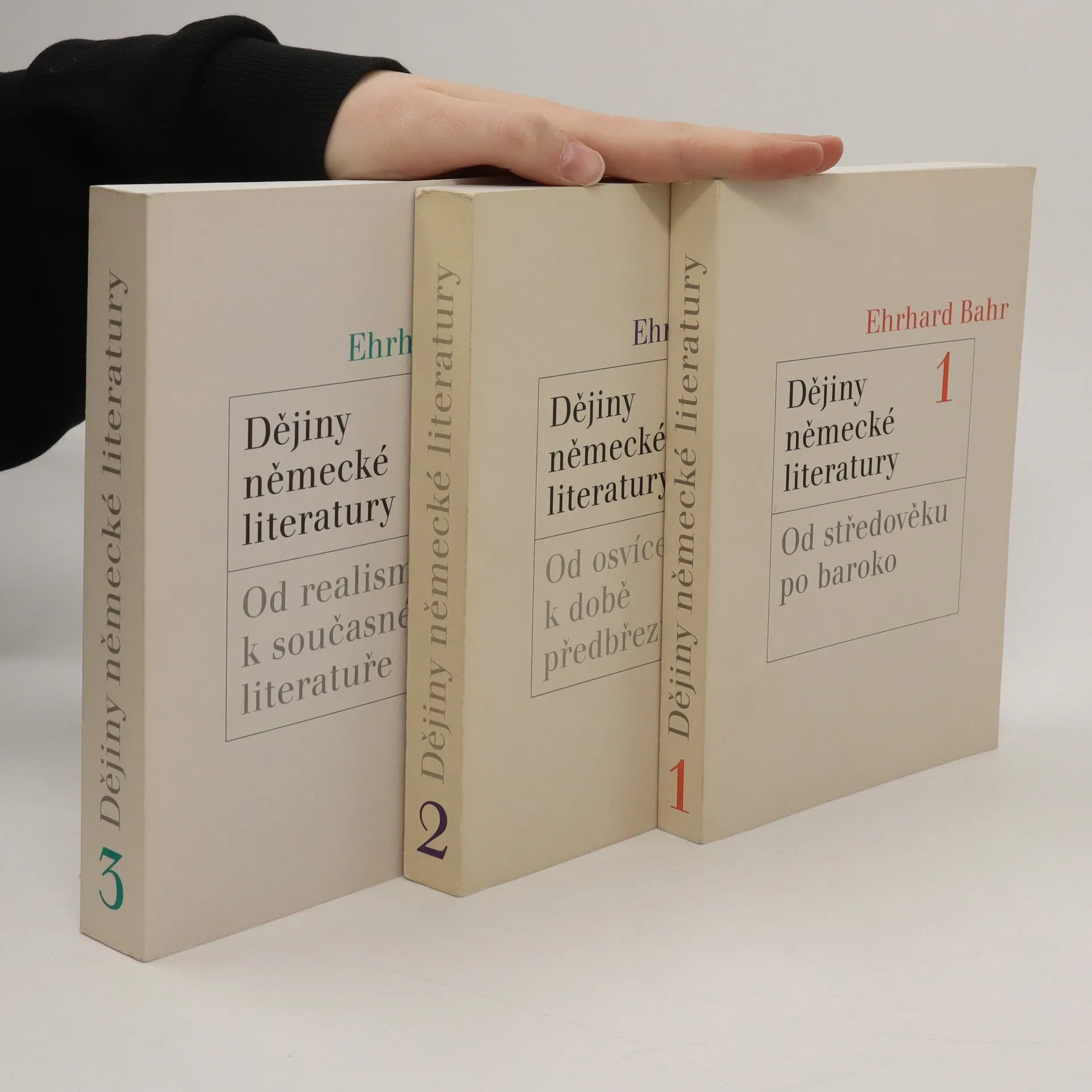
    Dějiny německé literatury 2. Od osvícenství k době předbřeznové
    Dějiny německé literatury
    Dějiny německé literatury : kontinuita a změna : od středověku po současnost. Svazek 3, Od realismu k současné literatuře
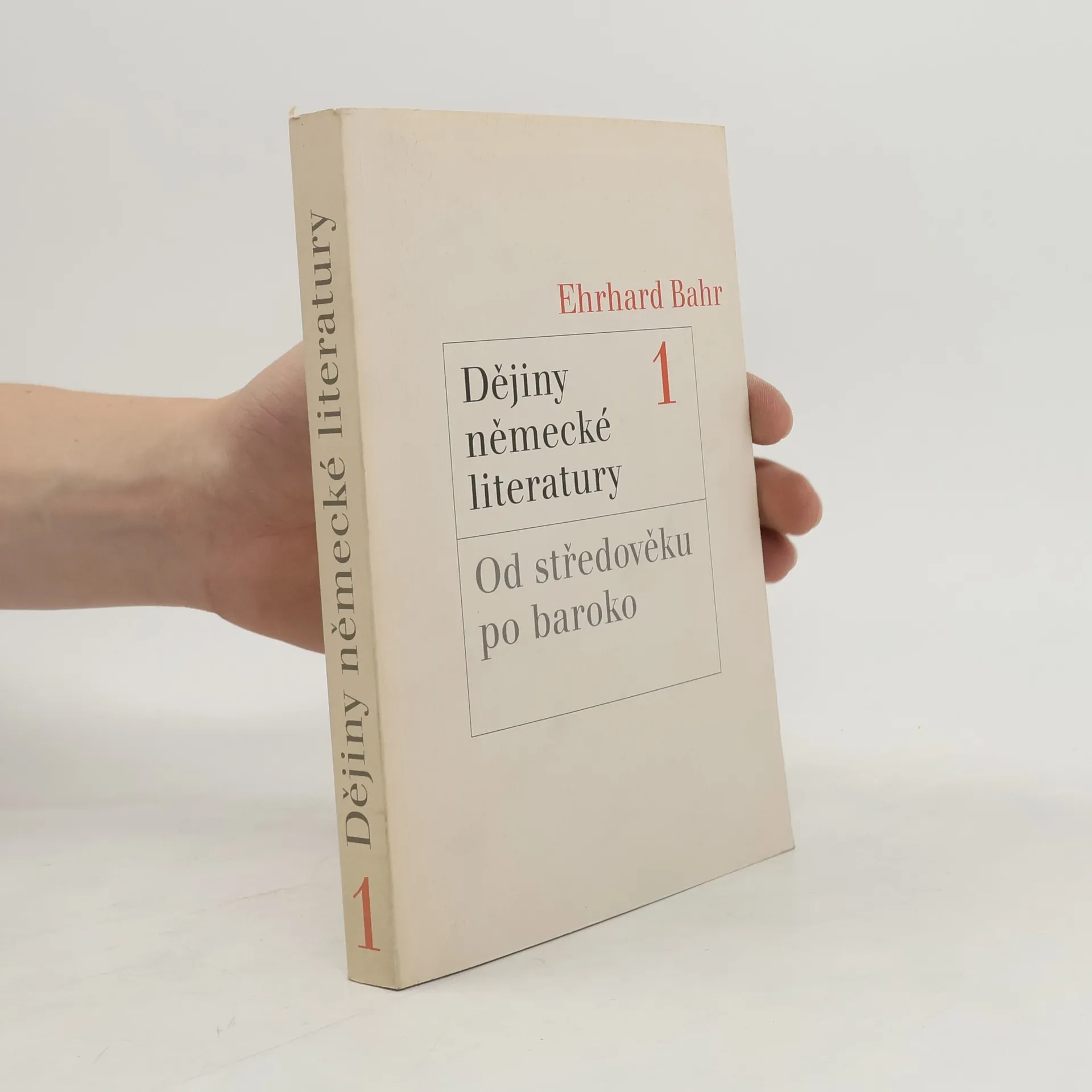
    Dějiny německé literatury 1: Od středověku po baroko
    • Bahrovy třísvazkové Dějiny německé literatury, zahrnující období od raného středověku po současnost, patří dnes již ke klasickým pracím literární historie. První svazek se zabývá obdobím středověku, renesance a baroka. Jednotlivá témata jsou pojednána v ucelených oddílech specialisty na dané období a jejich základ tvoří interpretace stěžejních děl. Věnují se také vývoji žánrů typických pro jednotlivá období, jako jsou například minnesang, dvorský epos, bajky, knížky lidového čtení jezuitské drama či román. Zařazují literaturu do širšího kontextu dějin nejen německých, ale především evropských. Publikaci doplňují výběrové bibliografie k dějinám německé literatury pro zájemce o další studium.

      Dějiny německé literatury 1: Od středověku po baroko
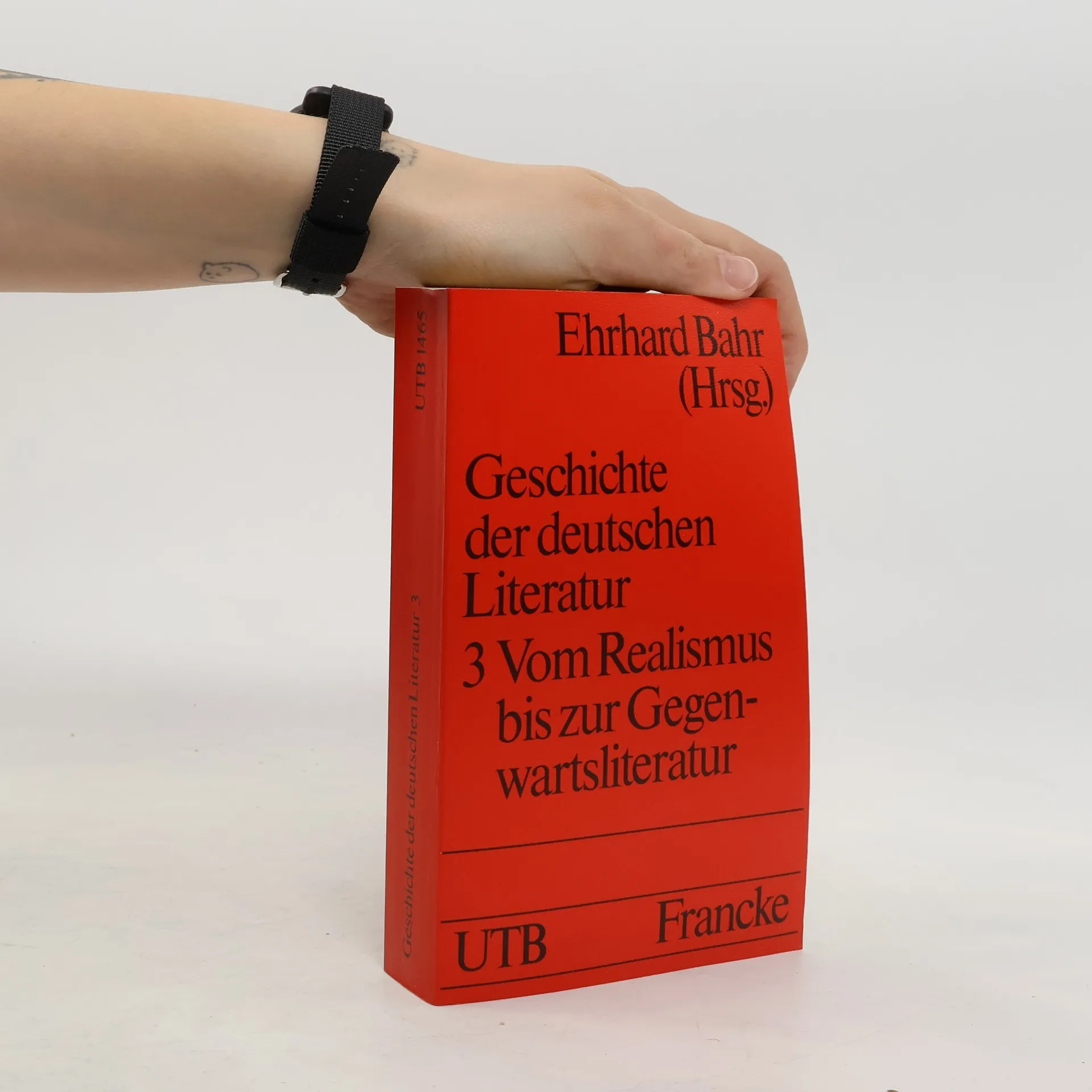
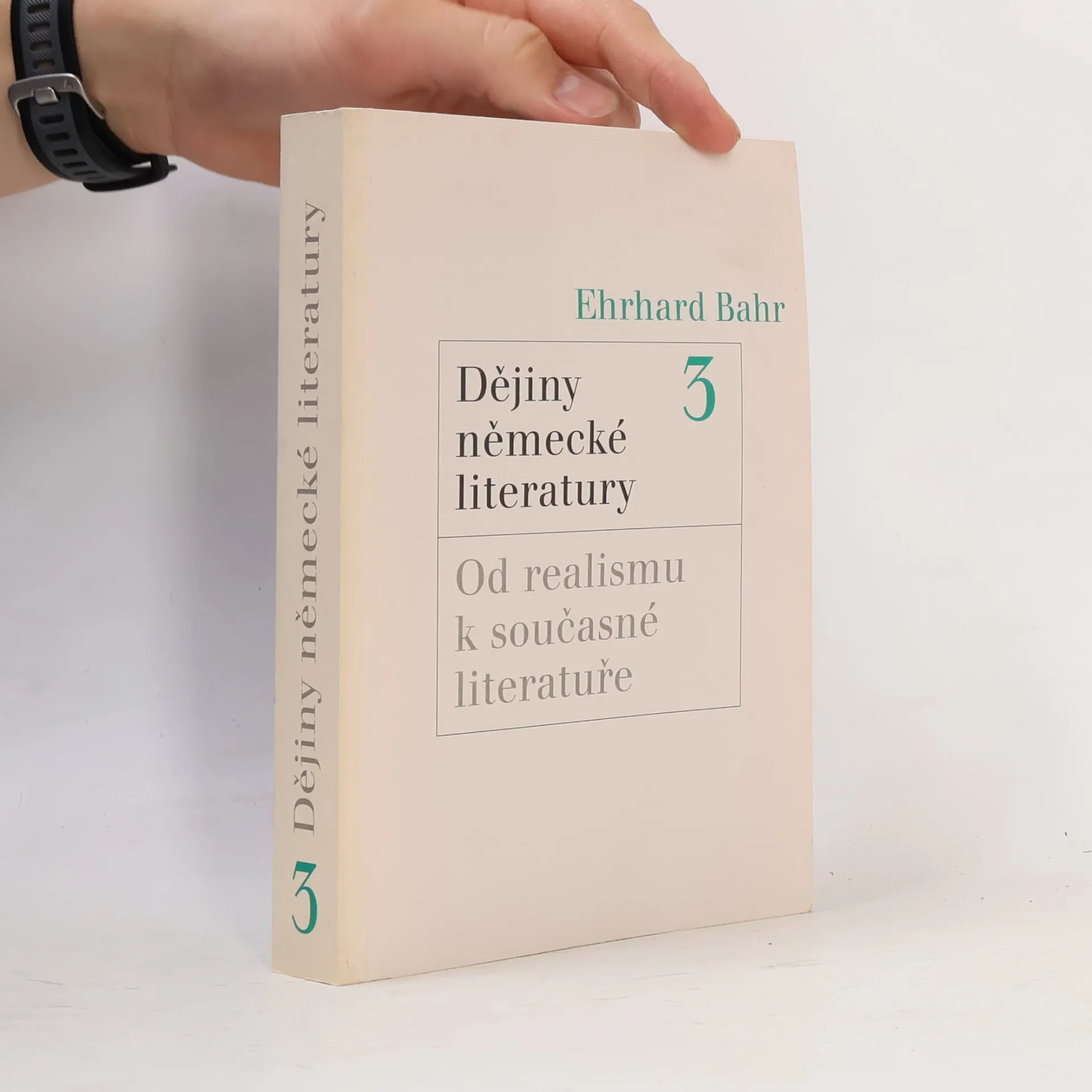
    • Ve třetím, závěrečném a nejobsáhlejším svazku Dějin německé literatury jsou představeny literární dějiny období realismu, naturalismu, impresionismu, secese, expresionismu, literatura v době fašismu a literatura současná až do 90. let. Bibliografie je doplněna o seznam českých překladů.

      Dějiny německé literatury : kontinuita a změna : od středověku po současnost. Svazek 3, Od realismu k současné literatuře
    • Bahrovy třísvazkové Dějiny německé literatury zahrnující období od raného středověku po současnost patří dnes již ke klasickým pracím literární historie. Dějiny vyšly poprvé koncem 80. let jako zhuštěný přehled literatury a literární vědy pro studenty v Americe. Především díky vysoké uživatelské hodnotě se poté ujaly také mezi studenty germanistiky i laiky v Německu. Celý text byl pro vydání, ze kterého vychází náš překlad, aktualizován a upraven. Ve druhém svazku Dějin německé literatury jsou představeny literární dějiny období osvícenství a klasicismu, literární vědou dosud přesně nezařazení autoři Jean Paul, Friedrich Hölderlin a Heinrich von Kleist, epocha romantismu a dobu biedrmaieru. Přehled končí německou literaturou před revolučním rokem 1848.

      Dějiny německé literatury 2. Od osvícenství k době předbřeznové
    • Erläuterungen und Dokumente. Der Tod in Venedig ist eine Novelle von Thomas Mann (1912), entstanden zwischen Juli 1911 und Juli 1912.

      Thomas Mann, Der Tod in Venedig
    • Was ist Aufklärung?

      • 85 stránek
      • 3 hodiny čtení
      3,8(31)Ohodnotit

      InhaltsverzeichnisMoses Mendelssohn: Über die Frage: Was heißt aufklären? Immanuel Kant: Beantwortung der Frage: Was ist Aufklärung? Johann Georg Hamann: Brief an Christian Jacob Kraus vom 18. Dezember 1784 Christoph Martin Wieland: Sechs Fragen zur Aufklärung Johann Gottfried Herder: Wort und Begriff der Humanität Andreas Riem: Aufklärung ist ein Bedürfnis des menschlichen Verstandes Gotthold Ephraim Lessing: Über die Wahrheit Johann Benjamin Erhard: Über das Recht des Volks zu einer Revolution Friedrich Schiller: Über die Grenzen der Vernunft

      Was ist Aufklärung?
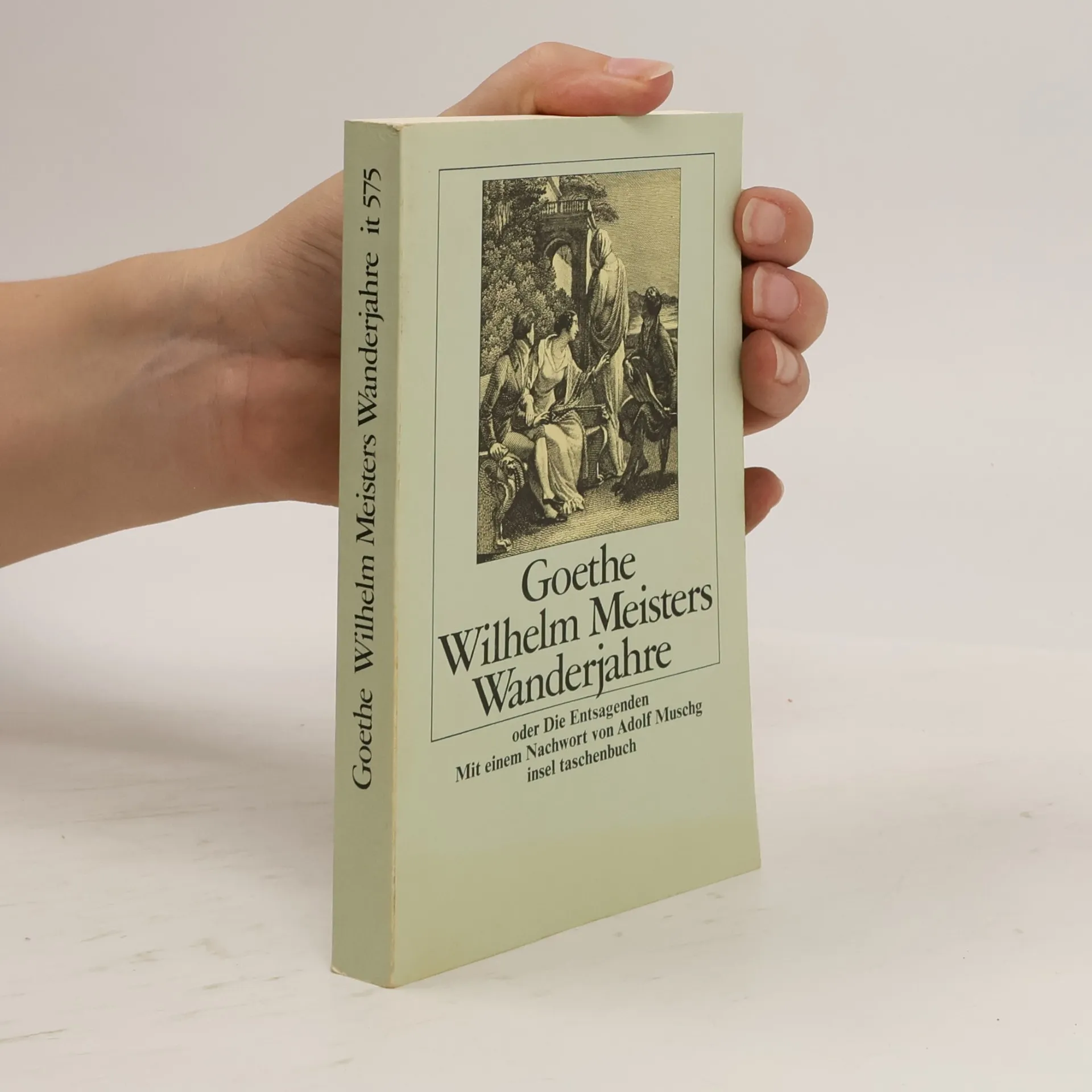
    • Johann Wolfgang Goethe: Wilhelm Meisters Wanderjahre oder Die Entsagenden Erstdruck: Stuttgart und Tubingen (Cotta) 1821, in erweiterter Form in: Werke, Ausgabe letzter Hand, Stuttgart (Cotta) 1829. Vollstandige Neuausgabe mit einer Biographie des Autors. Herausgegeben von Karl-Maria Guth. Berlin 2016. Textgrundlage ist die Ausgabe: Goethes Werke. Hamburger Ausgabe in 14 Banden. Textkritisch durchgesehen und mit Anmerkungen versehen von Erich Trunz, Hamburg: Christian Wegener, 1948 ff. Die Paginierung obiger Ausgabe wird in dieser Neuausgabe als Marginalie zeilengenau mitgefuhrt. Umschlaggestaltung von Thomas Schultz-Overhage unter Verwendung des Bildes: Ludwig Willroider, Der Heimweg des Musikanten, 1910. Gesetzt aus der Minion Pro, 11 pt."

      Wilhelm Meisters Wanderjahre, oder, die Entsagenden
    • An authoritative English translation of one of the most important works in the history of the novel Wilhelm Meister’s Apprenticeship (1795–1796), Goethe’s second novel, is a foundational work in the history of the genre—perhaps the first Bildungsroman, a coming-of-age story focusing on the growth and self-realization of the main character. The story centers on Wilhelm, a young man living in the mid-1700s who strives to break free from the restrictive bourgeois world of his upbringing and seek fulfillment as an actor and playwright. Goethe’s novel had a huge impact on the Romantics. Hegel, Schelling, Novalis, and Schopenhauer considered it one of the most important novels yet written. Schlegel famously called it one of the “three tendencies of the age,” along with the French Revolution and the philosophy of Fichte. And Beethoven, Schubert, and Schumann set poems from the novel to music. It also had a major influence on nineteenth-century British writers, including Thomas Carlyle, who was its first English translator, and George Eliot. Drawn from Princeton’s authoritative collected works of Goethe, and featuring a new introduction by David Wellbery, this is the definitive English version of a landmark of world literature.

      Wilhelm Meister's Apprenticeship