Live Forever
- 255 stránek
- 9 hodin čtení
A beautiful presentation of the stylish artist's celebrated drawings and paintings.



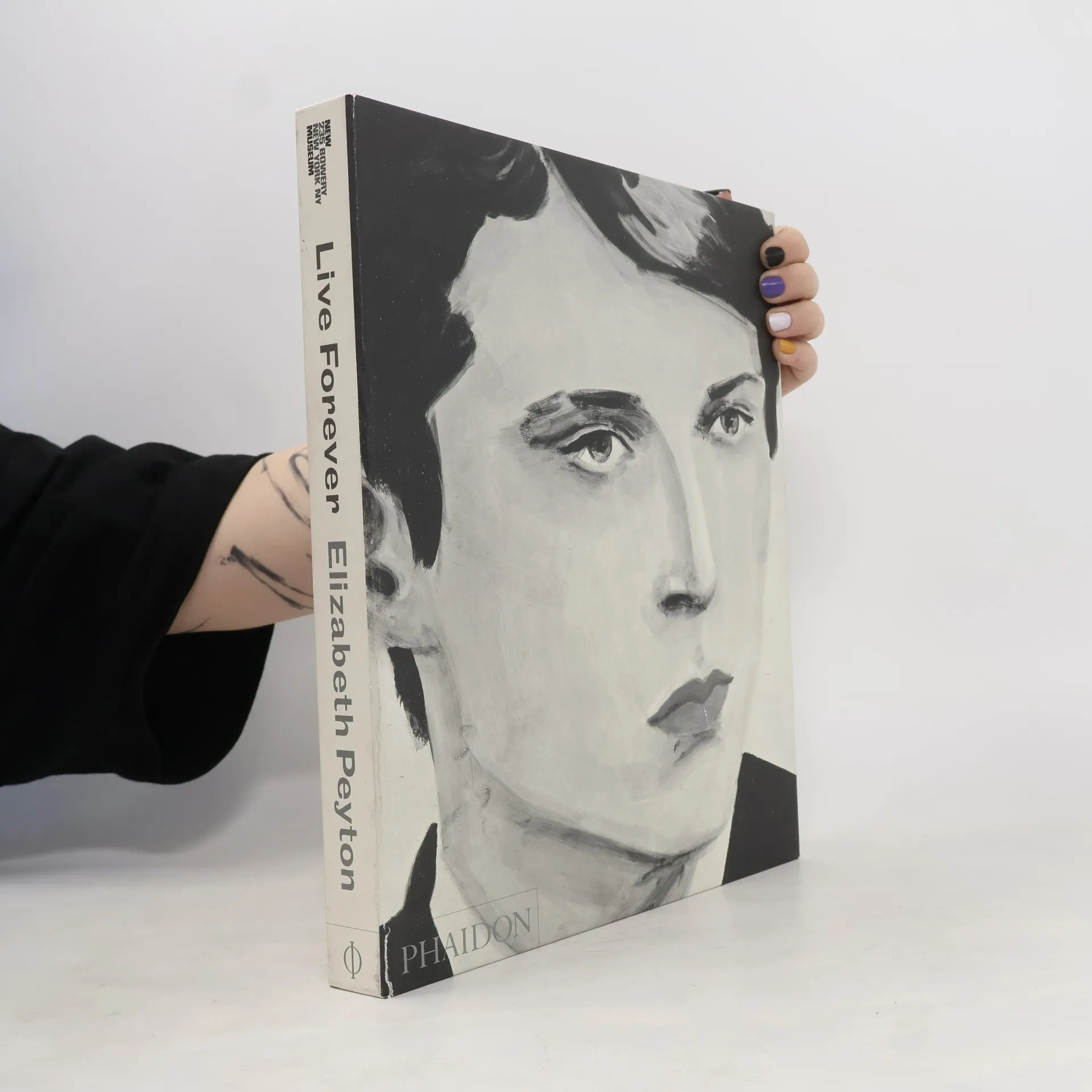
A beautiful presentation of the stylish artist's celebrated drawings and paintings.
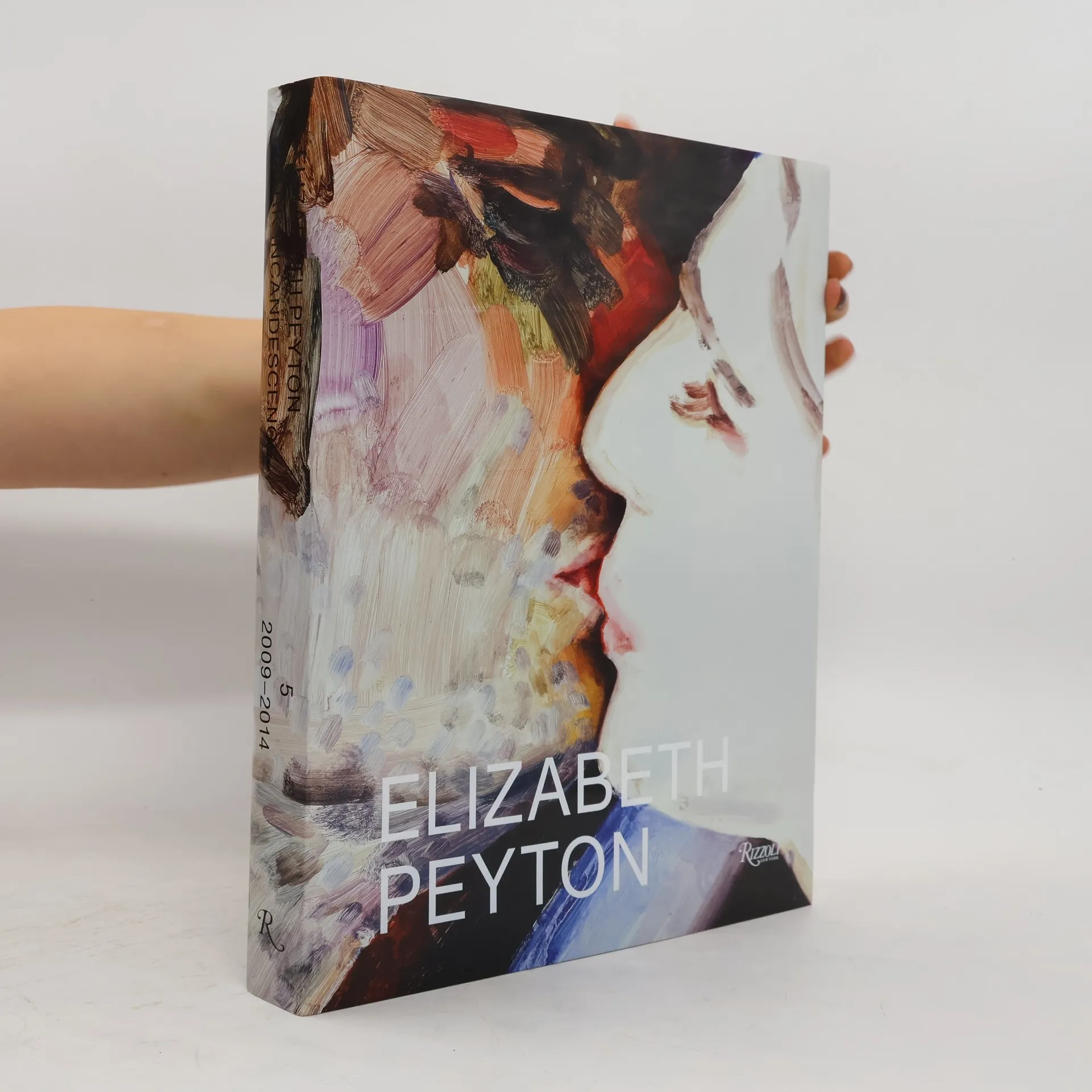
This beautiful volume highlights a five-year period in Elizabeth Peyton's evolving career, serving as a visual chronicle of an age and an individual's life. Since the early 1990s, Peyton has gained acclaim for her intimate portraits of artists, musicians, historical figures, and friends. This new work, created in collaboration with designer Brendan Dugan, offers a focused view of a period marked by two exhibitions in Brussels, one in 2009 and another in 2014. During this time, Peyton experienced introspection and developed a more personal painterly language, embracing a new realism that reflects her interests and passions within her artistic practice. Her range expanded to include lush still lifes of books, flowers, and interiors; expressive scenes inspired by Richard Wagner's operas; and striking portraits of peers and mentors, both historical and contemporary. Subjects include David Bowie, tenor Jonas Kaufmann, Delacroix, Giorgione, and fellow artists like Matthew Barney and Klara Liden, as well as actor Taylor Kitsch and tattoo artist Scott Campbell. Through numerous self-portraits, her work seeks to bridge the gap between self and object of fascination, capturing the essence of humanity and the feelings of her time.
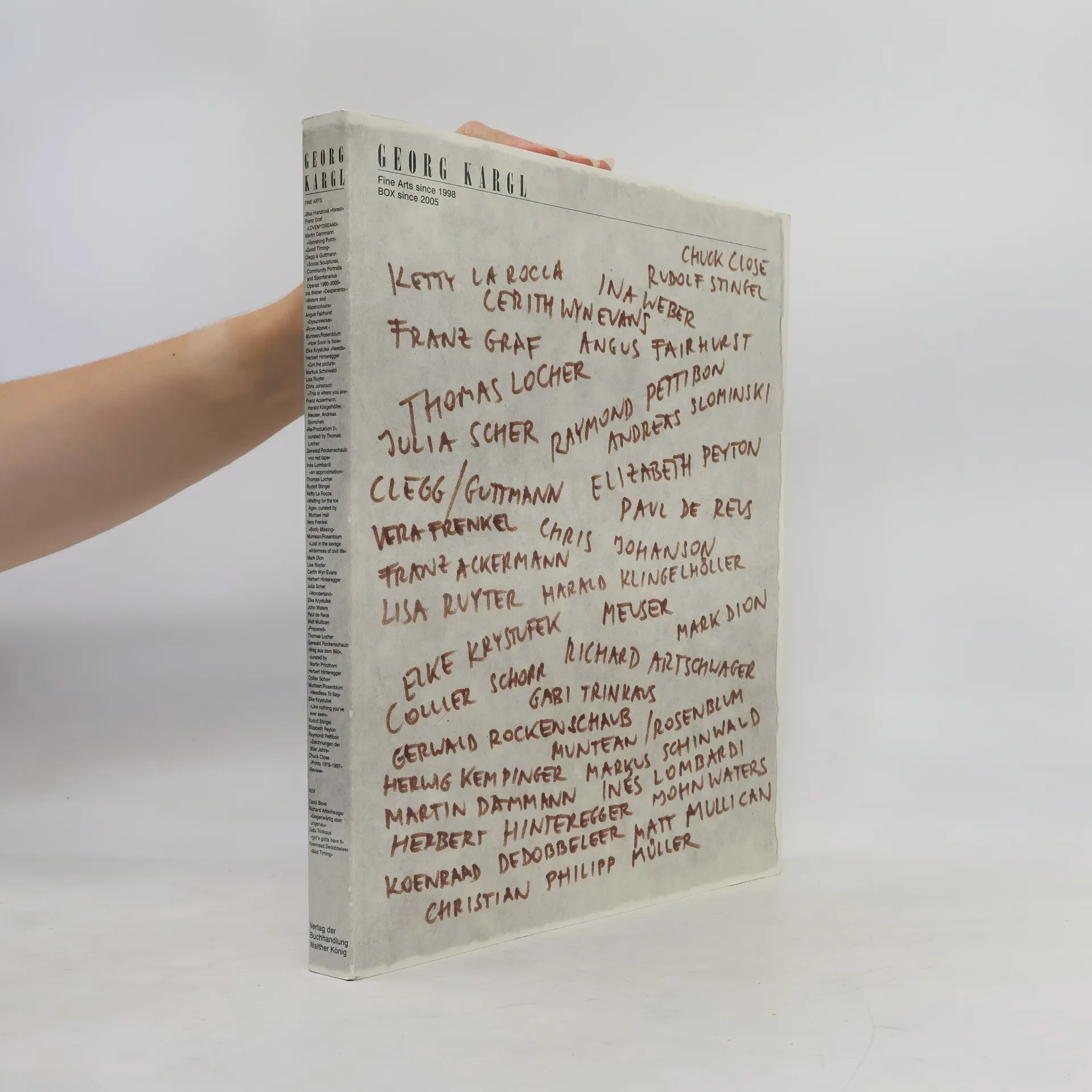
Georg Kargl founded the respected Galerie Metropol in Vienna in 1978, and in 1998 he opened Kargl Fine Arts, now called BOX. This history of Kargl's visionary take on contemporary art over the years includes John Baldessari, Dan Flavin, Christopher Williams, Collier Schorr, Raymond Pettibon and John Waters to name just a few.
The first thorough survey of multimedia artist Jonathan Horowitz Orienting himself firmly in the media-present, New York artist Jonathan Horowitz replays the recent past in the incarnations of our times. This reprisal occurs particularly in video works such as "Maxell," in which the name of the now obsolete videotape company is worn down to a VHS blur, and "The Soul of Tammi Terrell," in which 1960s footage of the eponymous pop star singing "Ain't No Mountain High Enough" is juxtaposed with Julia Roberts and Susan Sarandon's rendition of the song in the 1998 film Stepmom . Horowitz himself makes no overt political critique, but always ensures that the work's underlying edge is laid plainly before the viewer. Queer and ecological themes also abound, as does sly humor and a Warholian detachment. This is the first thorough survey of Horowitz's work.