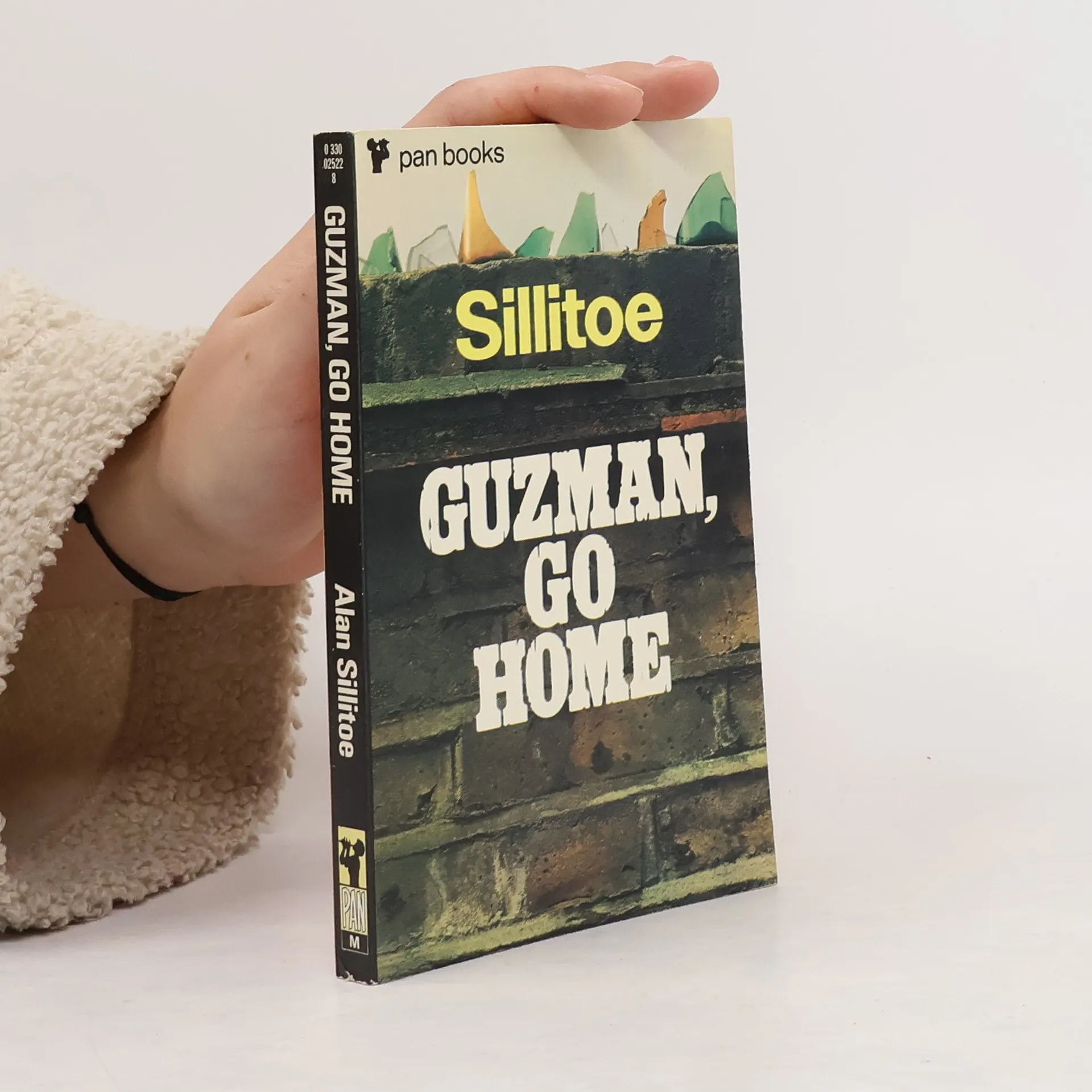
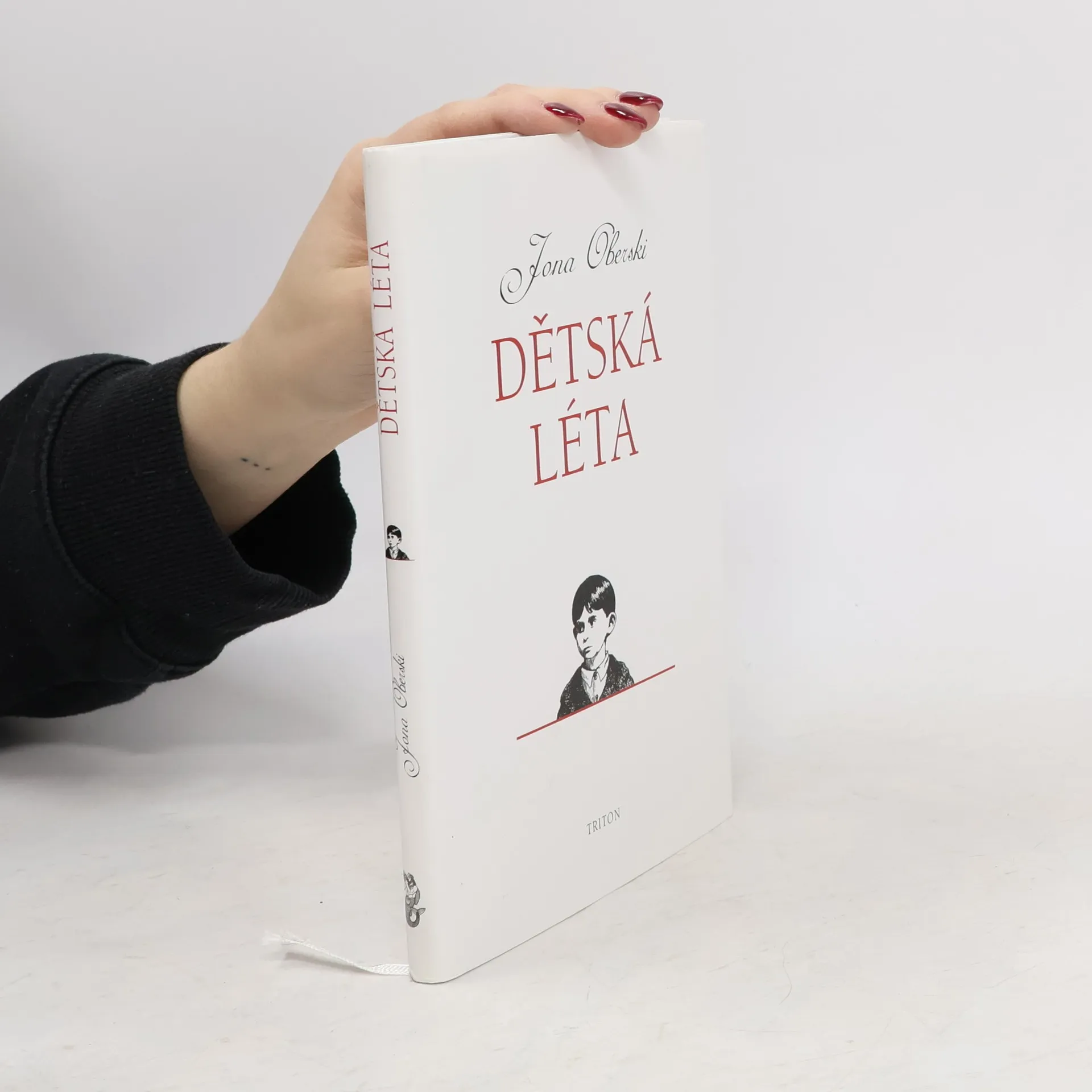
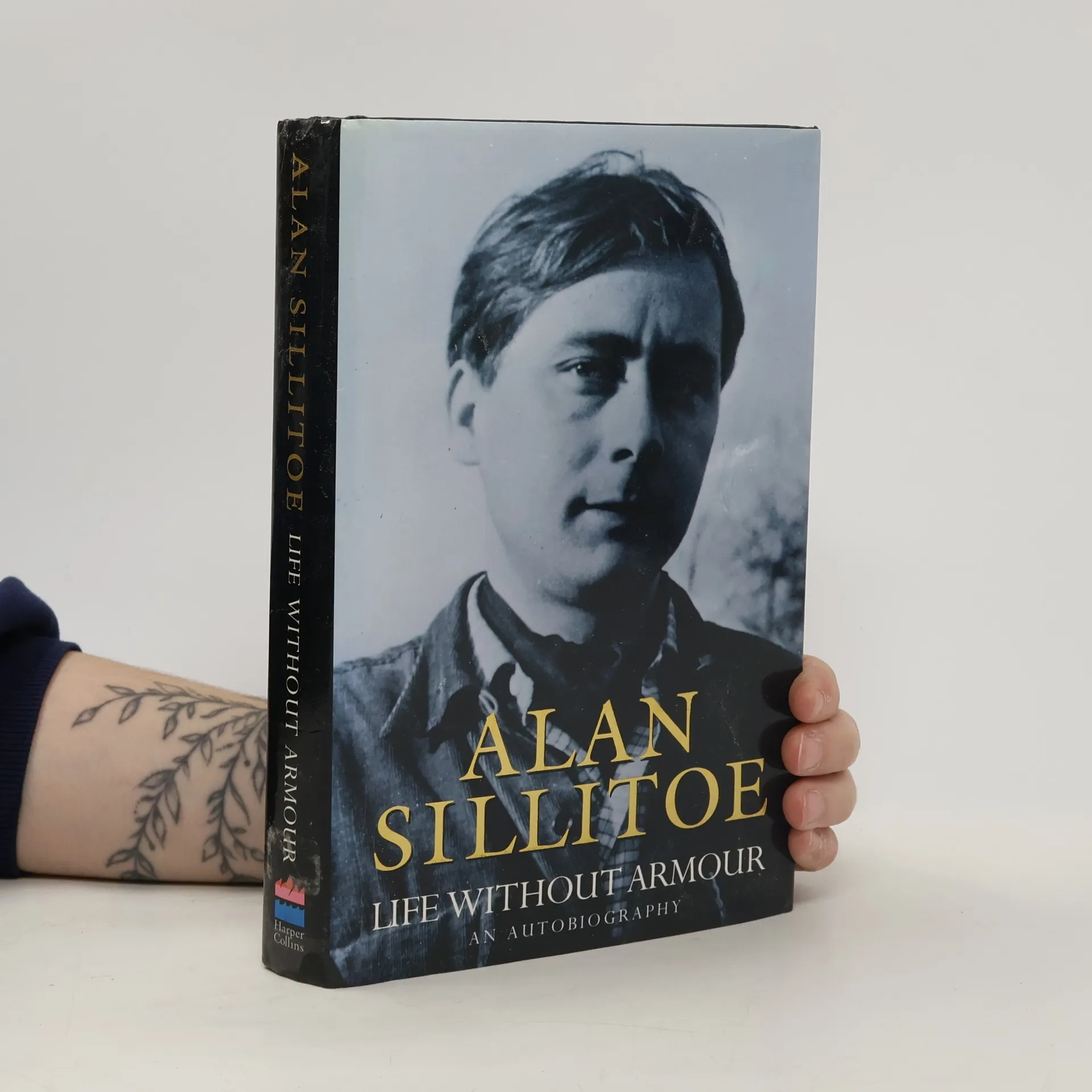
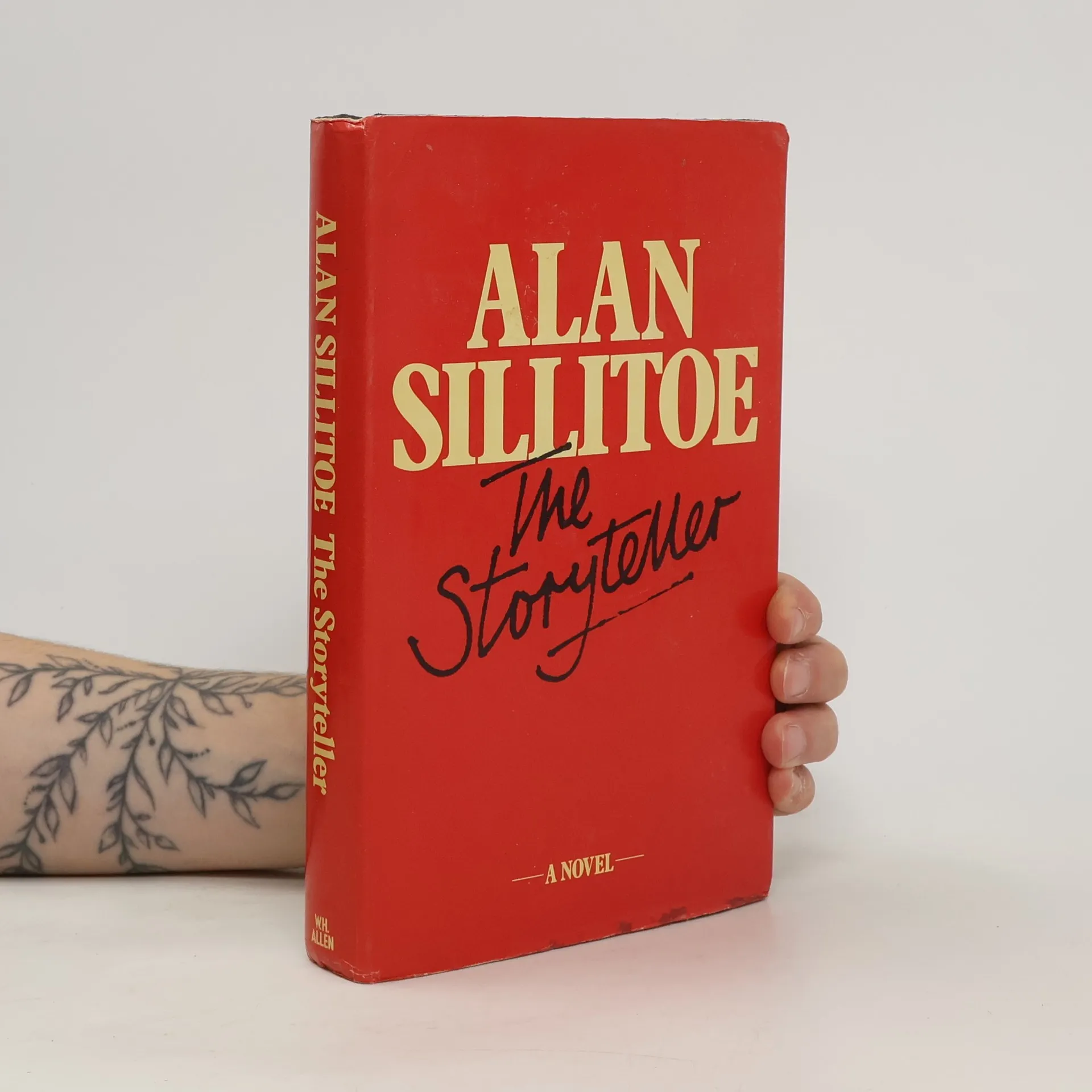
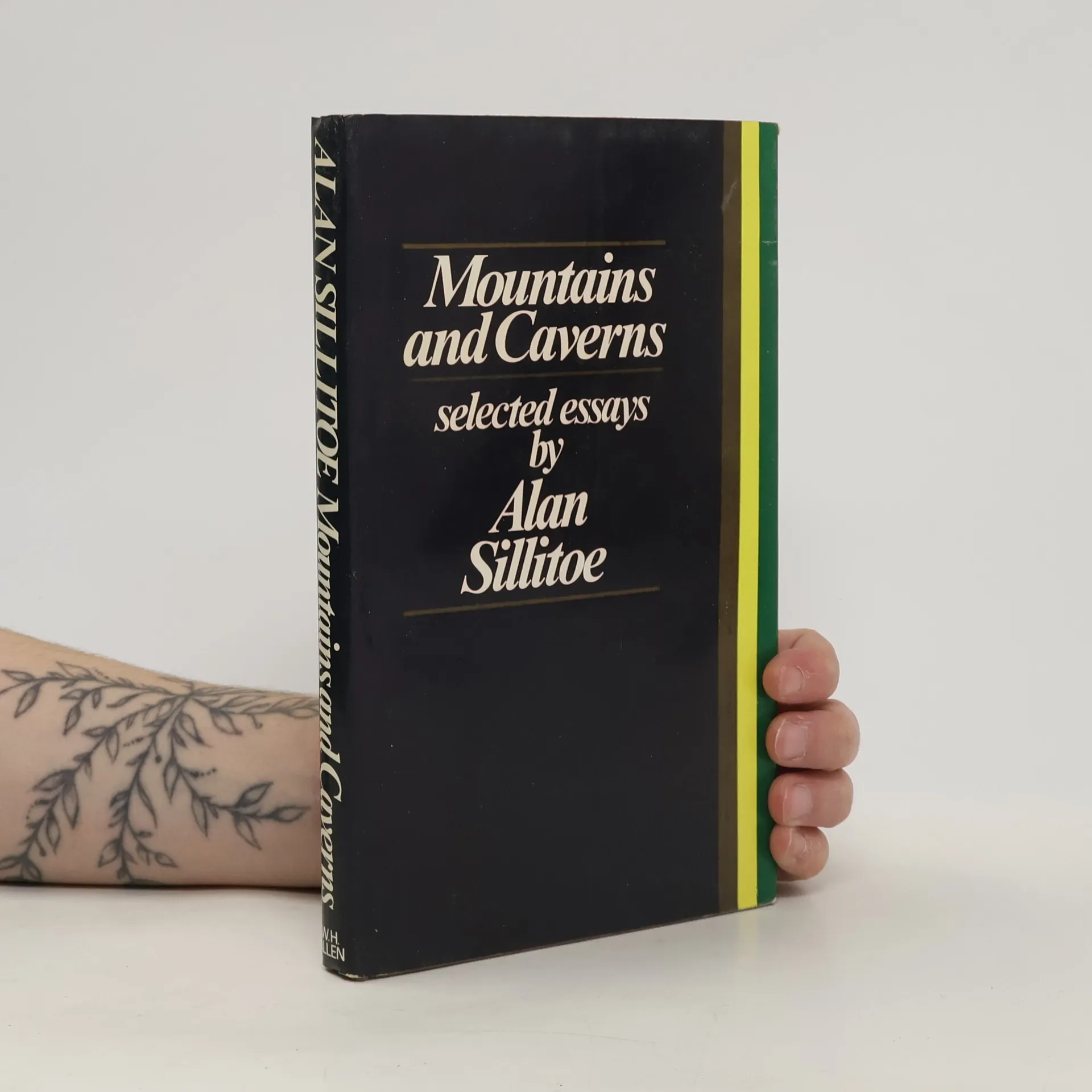
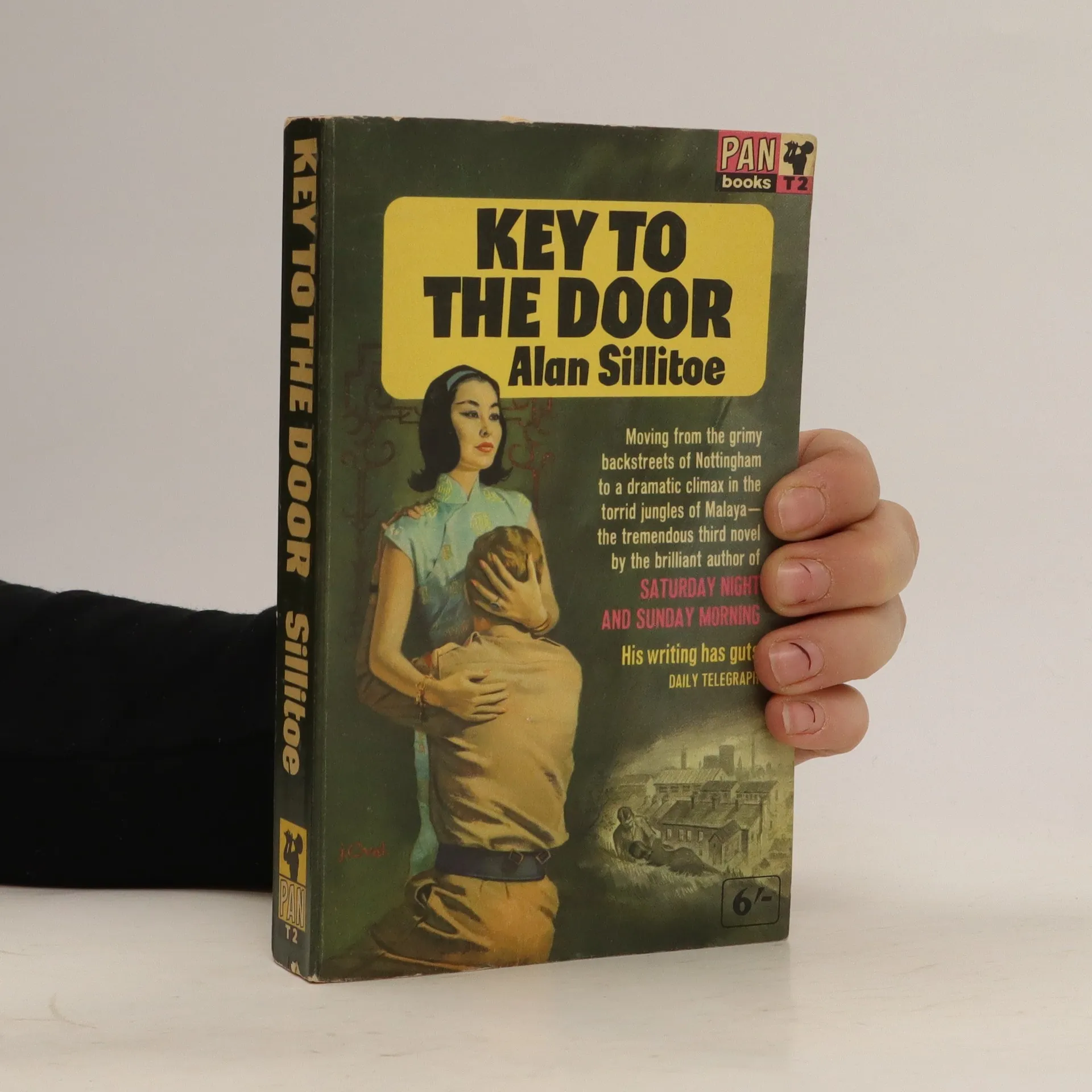
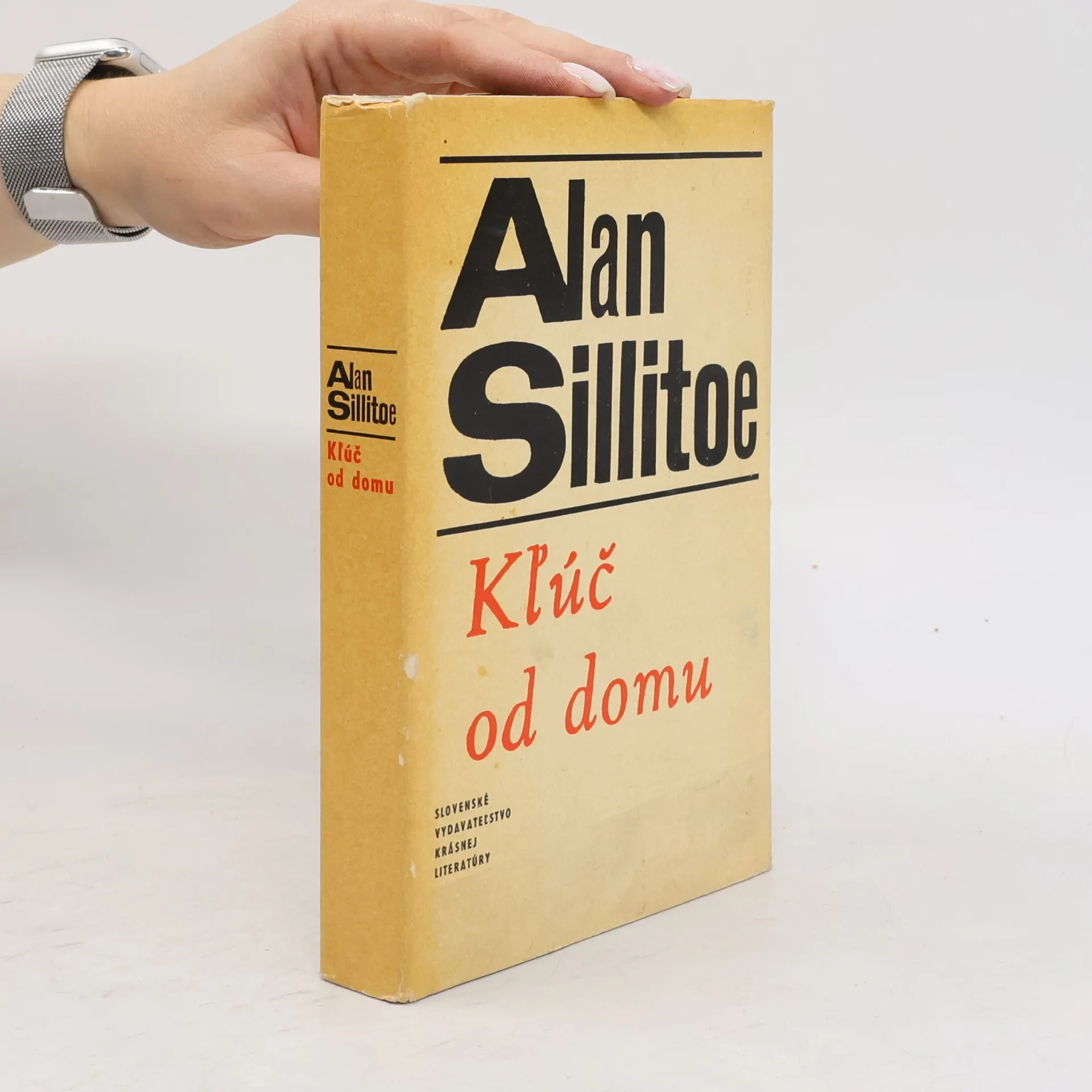
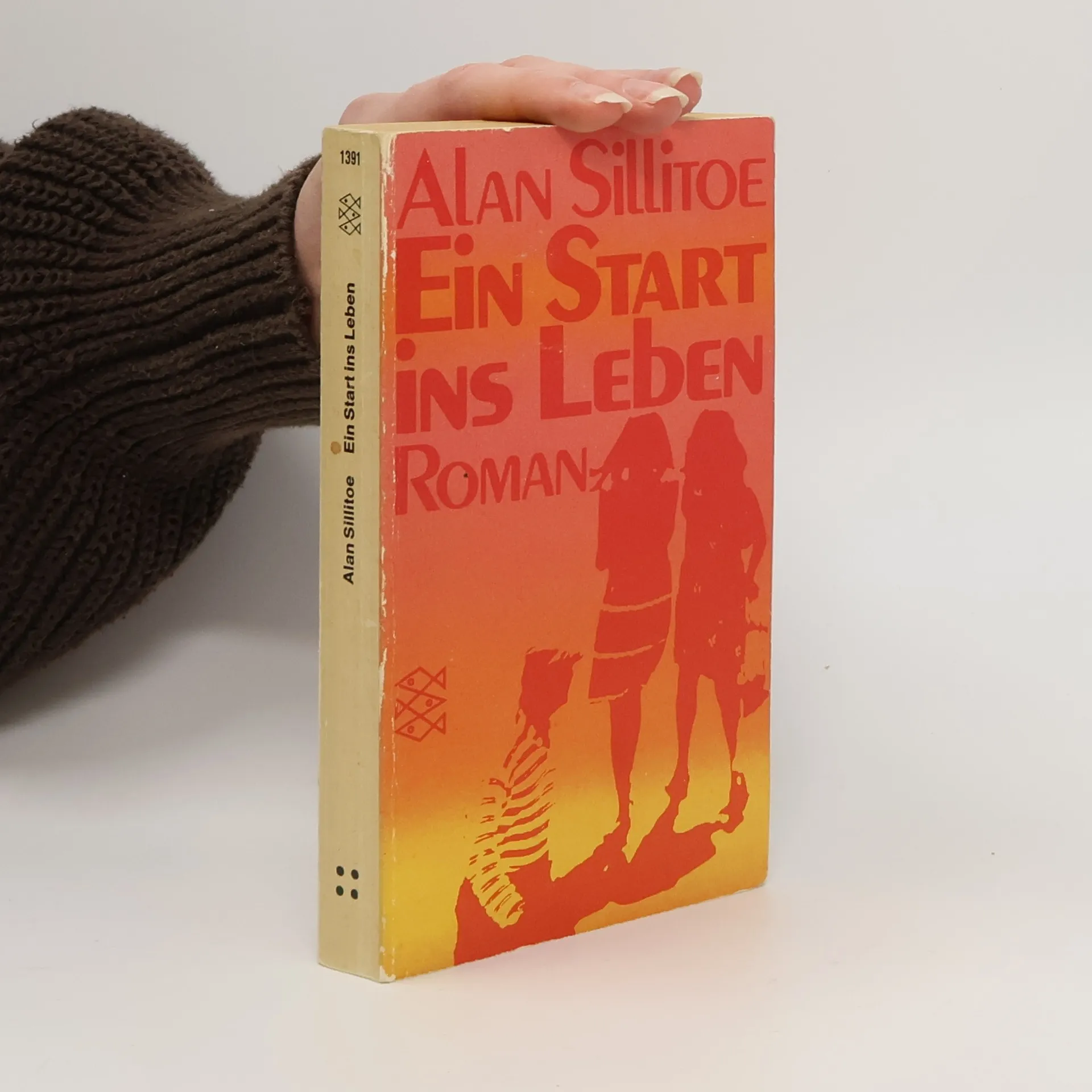
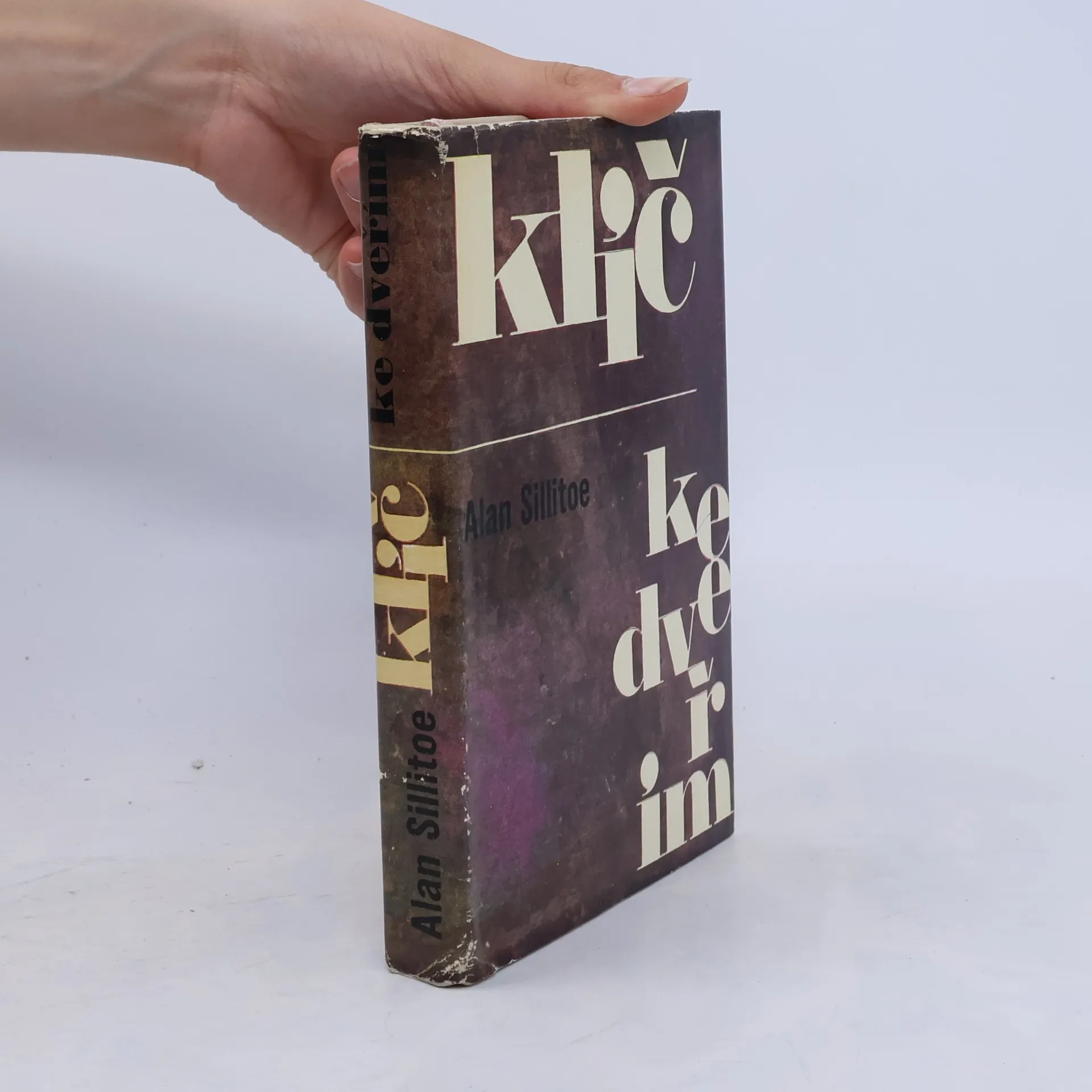
V podstatě autobiografický román u nás známého autora zejména zfilmované novely Osamělost přespolního běžce. Je to příběh chlapce z proletářské rodiny, který po tvrdém dětství nastoupí dráhu dělníka, odejde později jako britský voják do Malajska a vrací se do Anglie duševně uzrálý a zkušenostmi vyzbrojený s vědomím, že má nyní v ruce klíč ke dveřím života a že „stačí, když pak jen napne příslušné svaly a ty dveře otevře“. Doslov napsal Josef Škvorecký.
Alan Sillitoe Knihy
4. březen 1928 – 25. duben 2010
Alan Sillitoe byl anglický spisovatel, jehož dílo se často vyznačovalo syrovou upřímností a zkoumáním života dělnické třídy. Jeho psaní se snažilo zachytit nespokojenost a touhu po změně, které rezonovaly v poválečné Británii. Sillitoeho styl byl přímý a pronikavý, často se zaměřoval na psychologii postav a jejich boj s omezeními společnosti. Jeho zobrazení obyčejných lidí a jejich snahy o důstojnost a smysl mu zajistilo významné místo v literatuře.


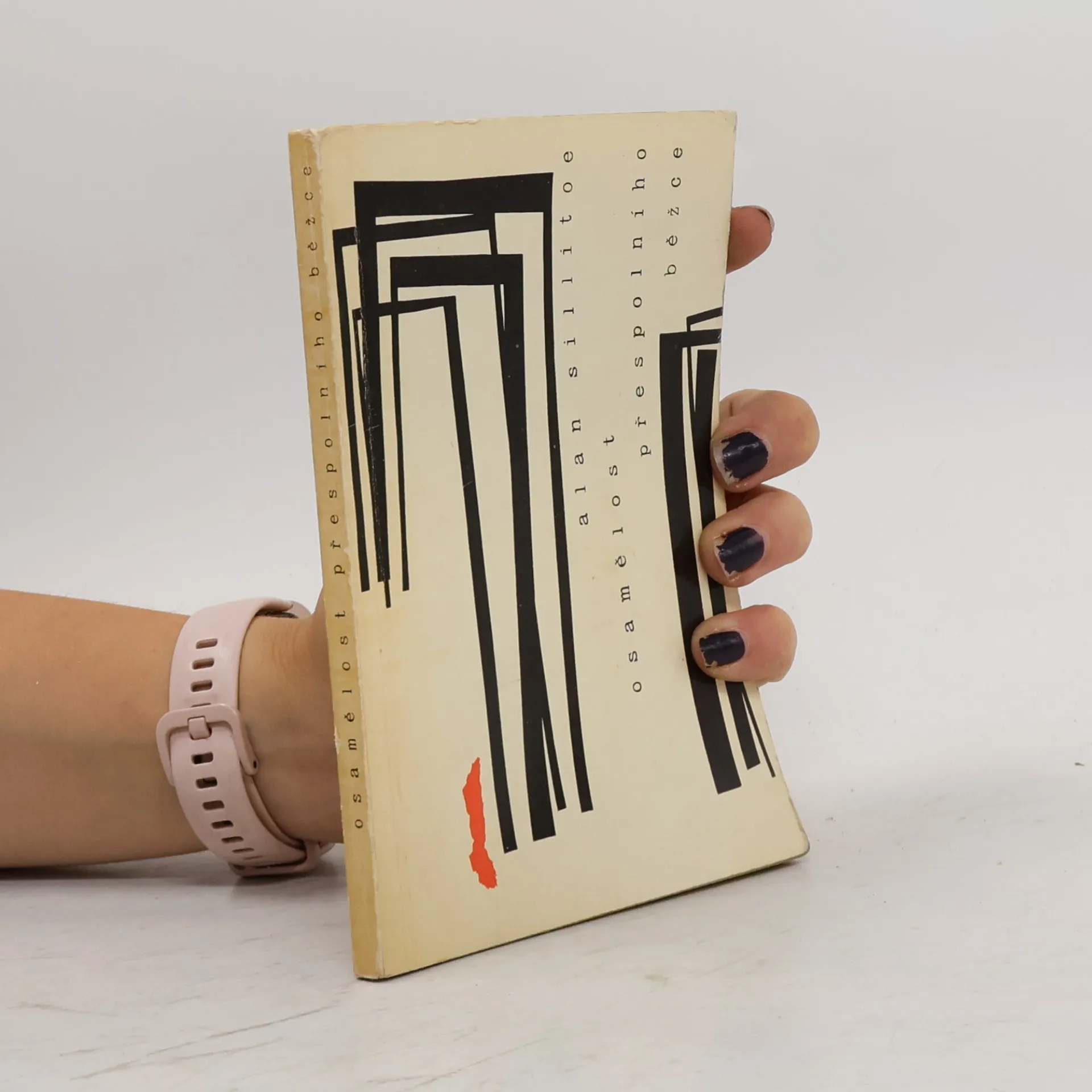
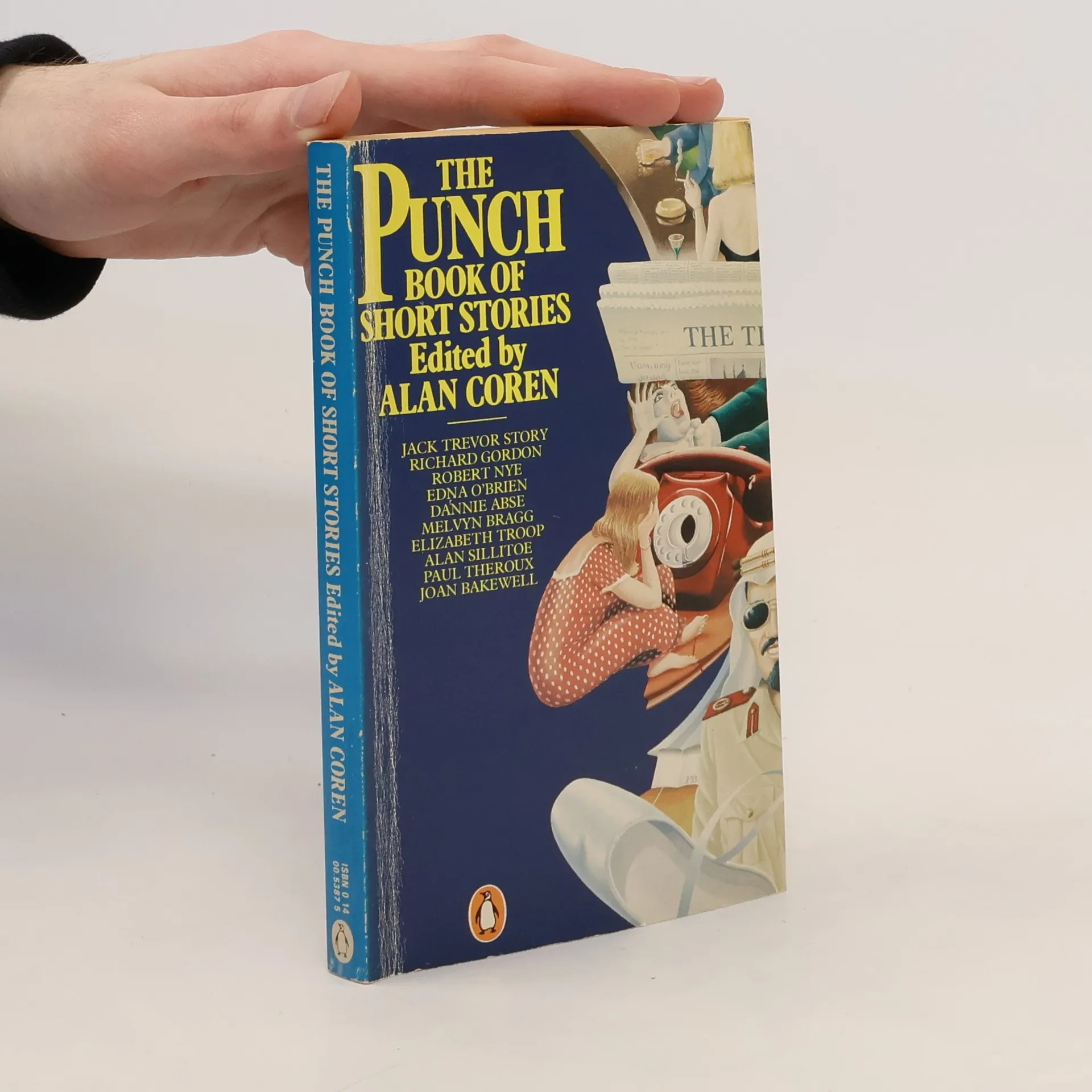
Podle nejrozsáhlejší novely nazvaný výbor z próz anglického proletářského spisovatele. Jejich hrdiny, říká autor doslovu, poutá pokrevenství nádherných darebáků, uličníků k pohledání, čertových kvítek, kteří všichni mají tu větší, tu menší sklony k chuligánství, všichni jsouna štíru se zákony a nic jim není svaté.
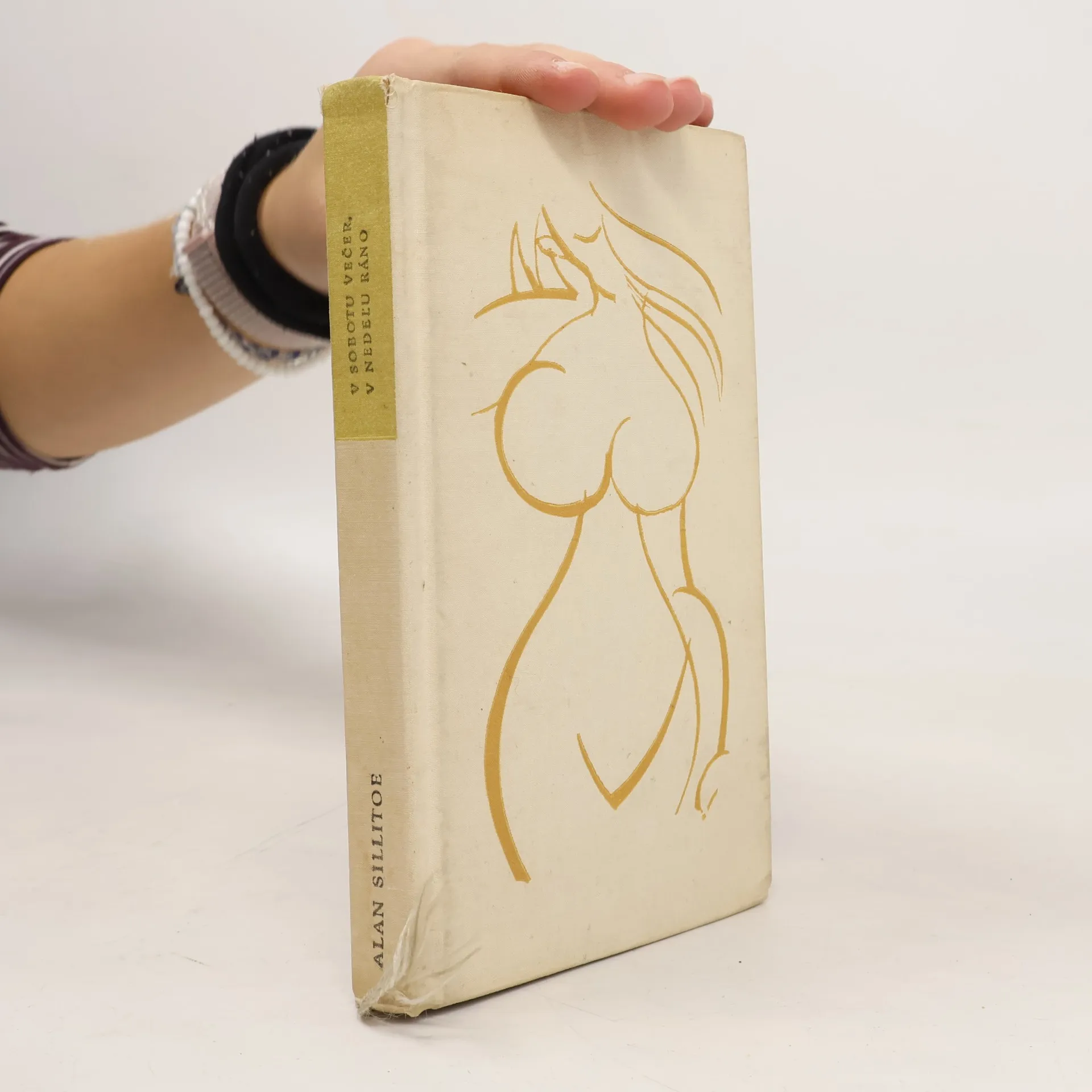
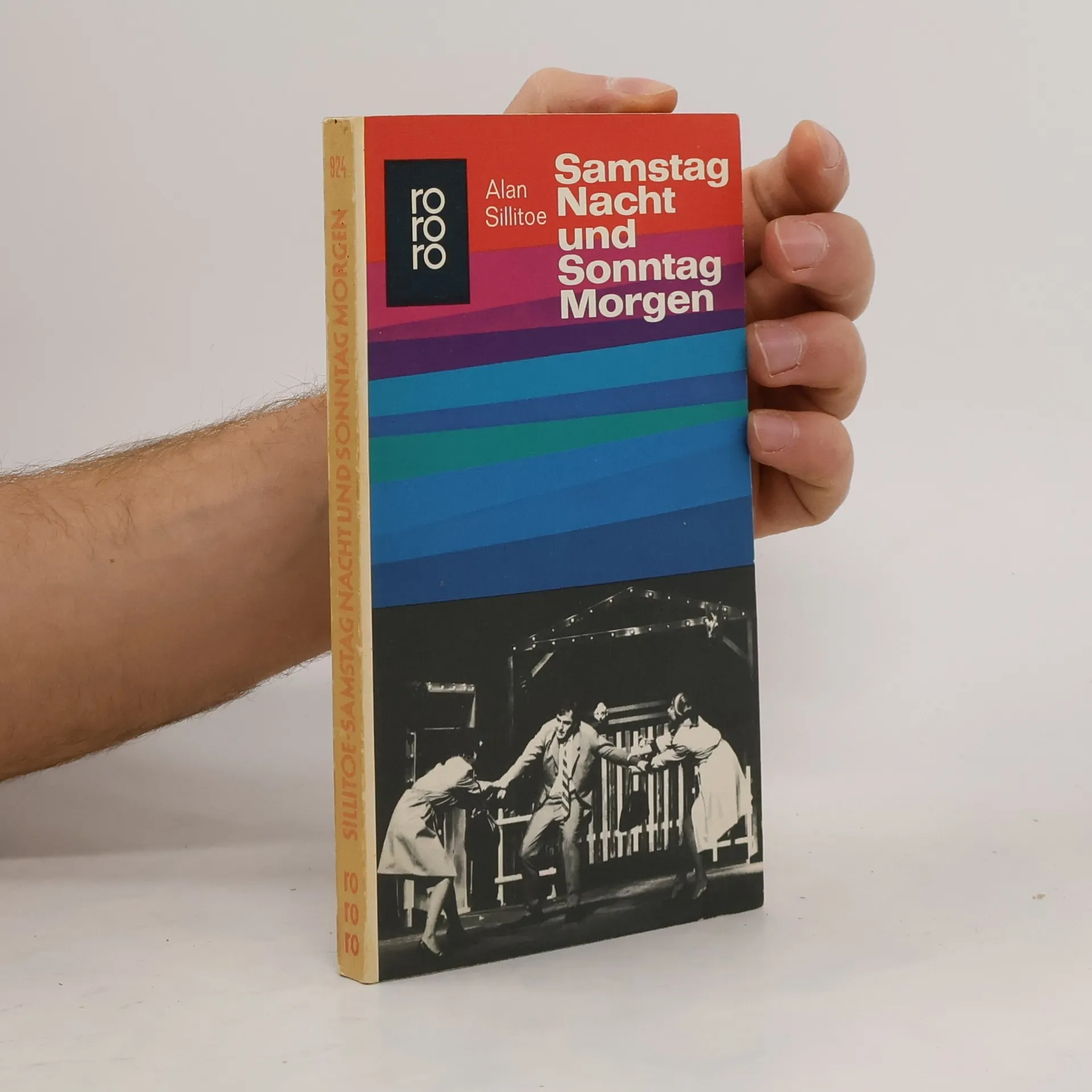
První román anglického prozaika, představitele mladé umělecké generace (pozdějšího autora u nás dobře známé novely Osamělost přespolního běžce). Román, který na sebe upozornil svým výstižným symbolickým titulem. Kniha, která realisticky líčí život většiny mladých dělníků v dnešní Anglii, život, který o nic neusiluje, odvíjí se jen v sobotu večer a v neděli ráno na pitkách a tancovačkách.
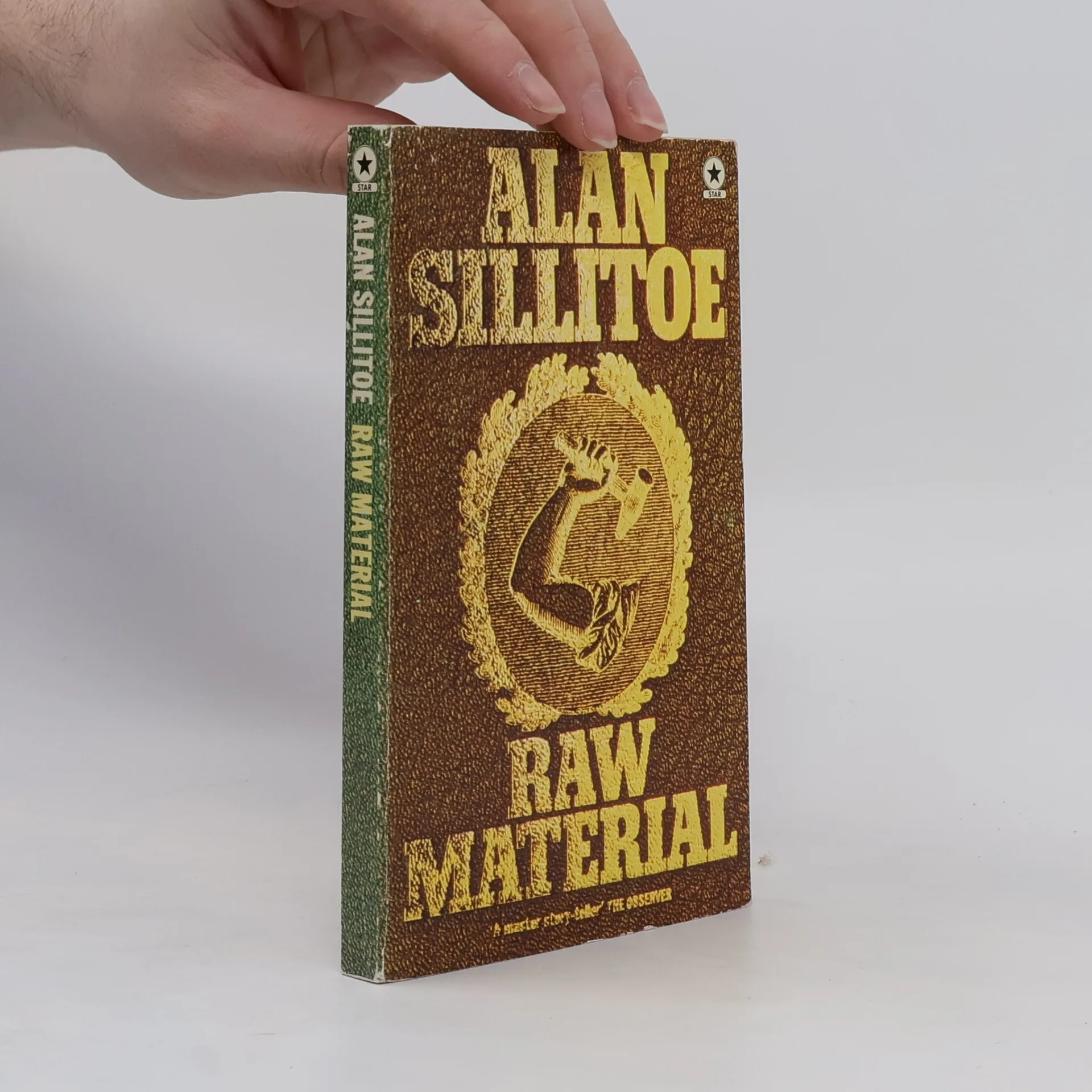
Raw Material
- 190 stránek
- 7 hodin čtení
This fusion of novel and memoir chronicles the destructive effects of WWI on two working-class families in Nottingham. Alan Sillitoe, an advocate for ordinary people, combines family memoir with extensive research on military records and artistic speculation in this inventive historical narrative. Central to the story are his grandfather, the blacksmith Ernest Burton, and his uncle Edgar, a World War I deserter. The narrative begins with a legless match-seller from Sillitoe’s childhood, whose deformity sparked various explanations from family members, setting the tone for a tale colored by human imagination and opinion. Sillitoe delves into his heritage, portraying his maternal grandfather as a tyrant who was both feared and respected, separated from society by illiteracy yet a talented craftsman. On his father’s side, he explores the life of his uncle Edgar, who enlisted in the army in 1914 but soon deserted after realizing the harsh realities of military life. Edgar's attempts to evade military service lead him on a tumultuous journey, culminating in his capture and return to duty just in time for the Battle of the Somme. Spanning a century of family history and legends, this work interweaves personal memories with collected facts and hearsay. Sillitoe's signature “kitchen-sink realism” evolves into a more philosophical exploration, reflecting the inspirations behind his esteemed literary career.
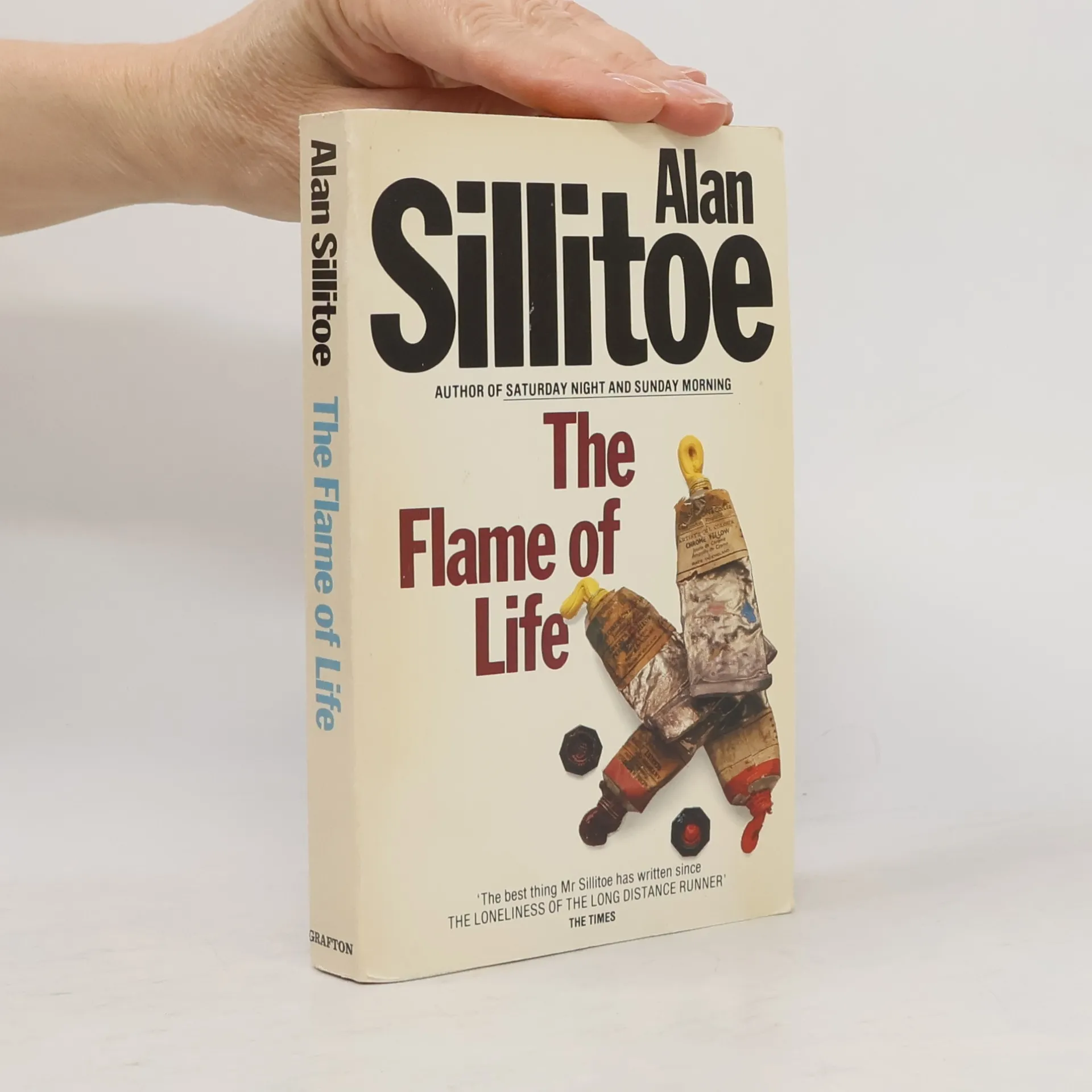
The Flame of Life
- 318 stránek
- 12 hodin čtení
Set in 1960s England, this narrative explores the struggles of the Handley family commune, which has taken residence in the home of affluent Myra Bassingfield. Painter Albert Handley juggles a tumultuous life filled with art, relationships, and the challenges posed by his seven children. Among them, Cuthbert faces expulsion from theological college, Mandy grapples with an unexpected pregnancy by her unstable husband, and younger sons Richard and Adam delve into army manuals for revolutionary inspiration. Complicating matters, Myra’s lover, Frank Dawley, returns from Algeria with his wife and children, further straining communal living. As the dynamics of cohabitation unfold, tensions rise, especially with the arrival of a young Spanish anarchist harboring violent intentions and carrying notebooks that could implicate Frank in a past transgression. The community's stability hangs in the balance, prompting a critical examination of revolutionary ideals and the essence of authenticity. The narrative questions whether the spirit of life can endure when the guiding flame seems extinguished. This ebook includes an illustrated biography of the author, featuring rare images from his estate.
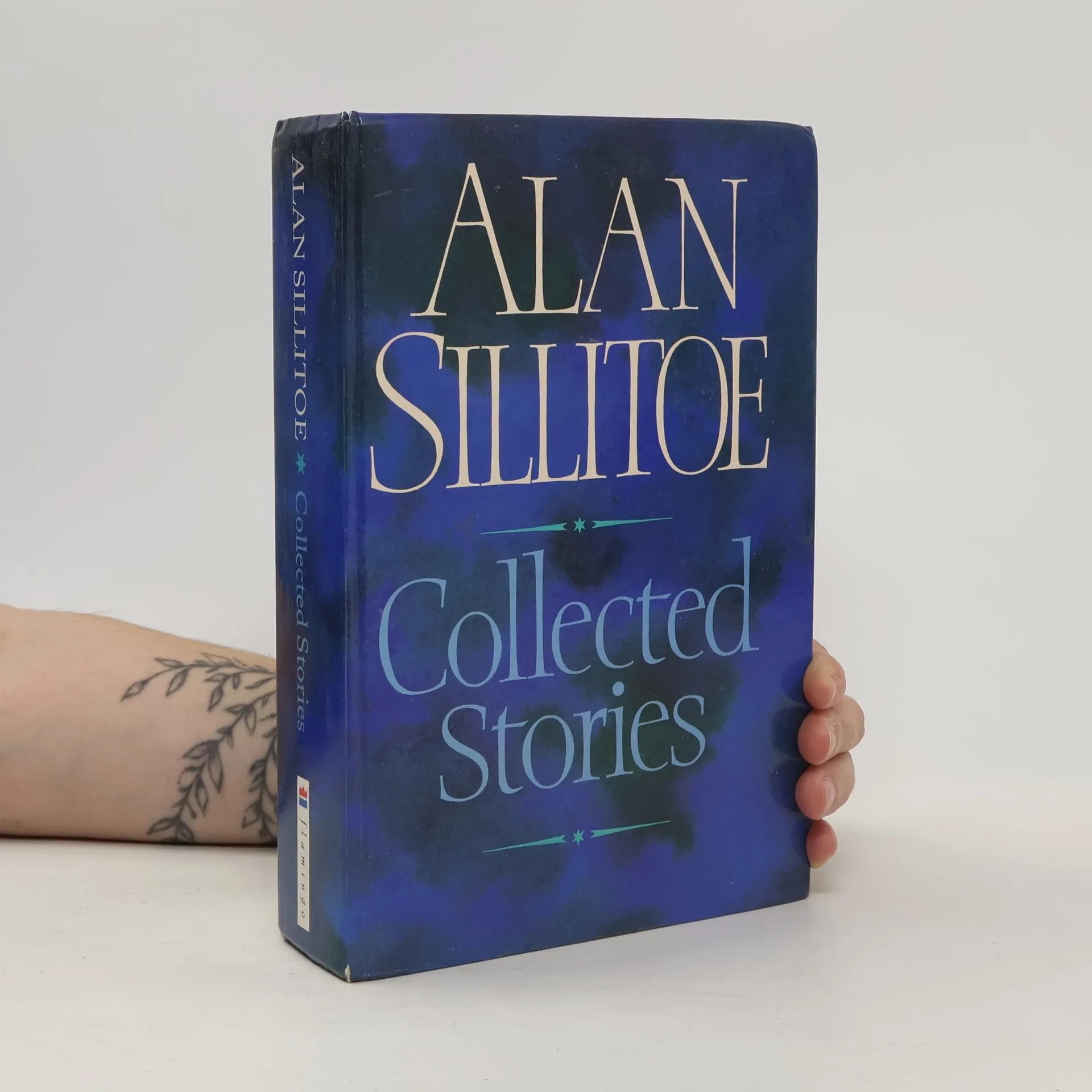
Collected Stories
- 586 stránek
- 21 hodin čtení
Thirty-eight stories on life among the English working classes. They include The Loneliness of the Long Distance Runner, on a rebellious youth in a reformatory, and Mr. Raynor the School Teacher, on a teacher who is a Peeping Tom
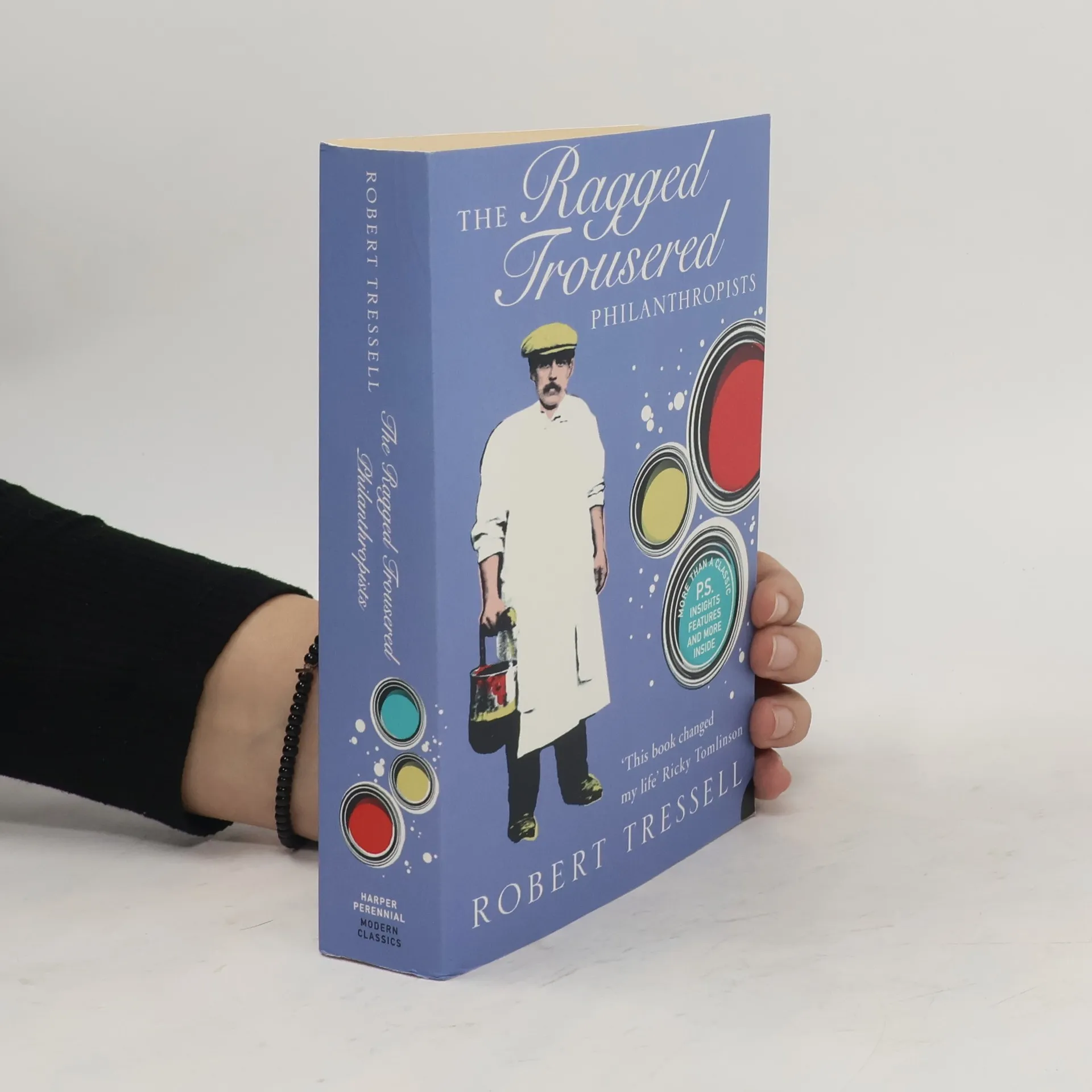
The Ragged Trousered Philanthropists
- 590 stránek
- 21 hodin čtení
Originally published in 1914, The Ragged Trousered Philanthropists is a timeless story of socialism, political awakenings and class struggle, told with a volatile mix of heartfelt rage and sly humour.
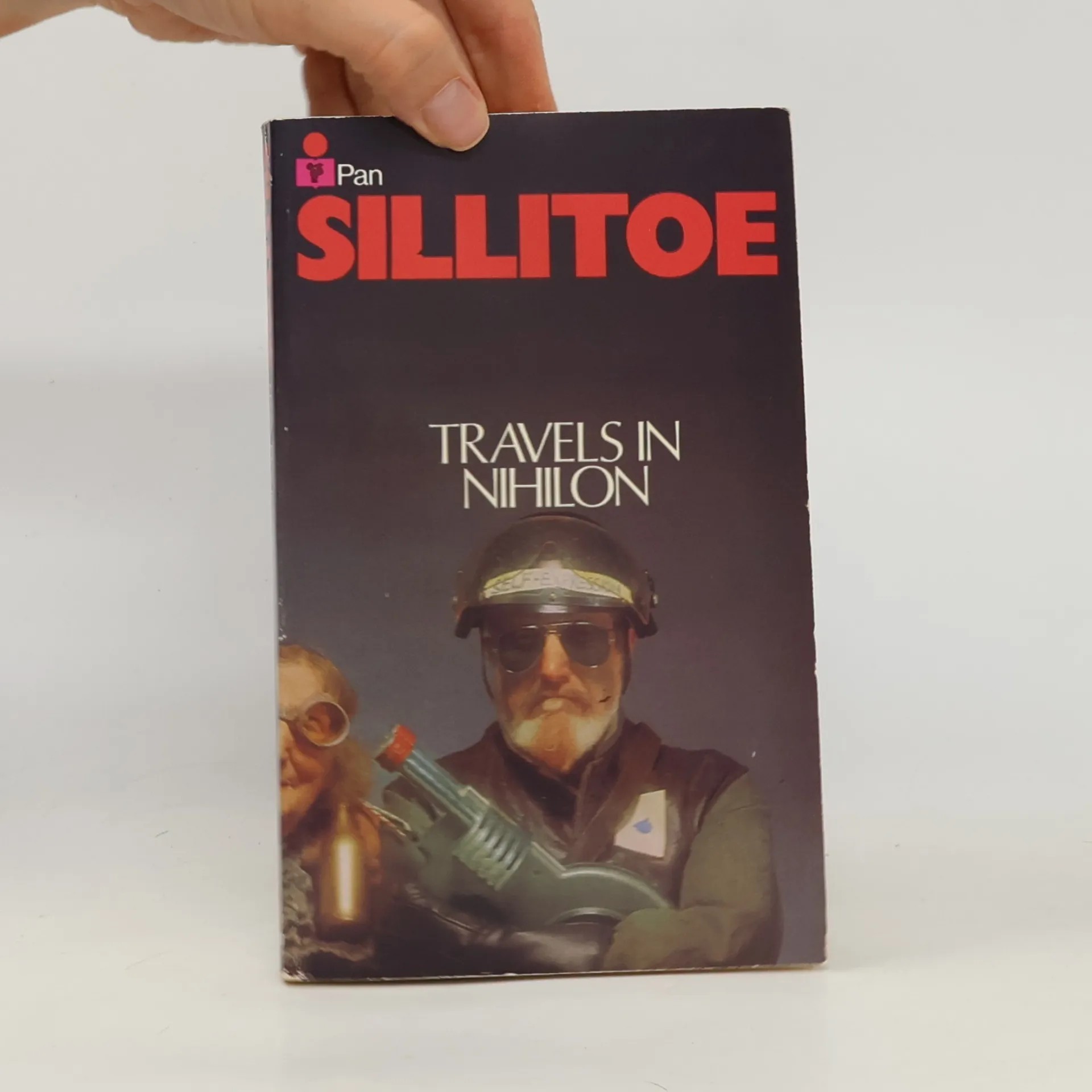
Travels in Nihilon
- 286 stránek
- 11 hodin čtení
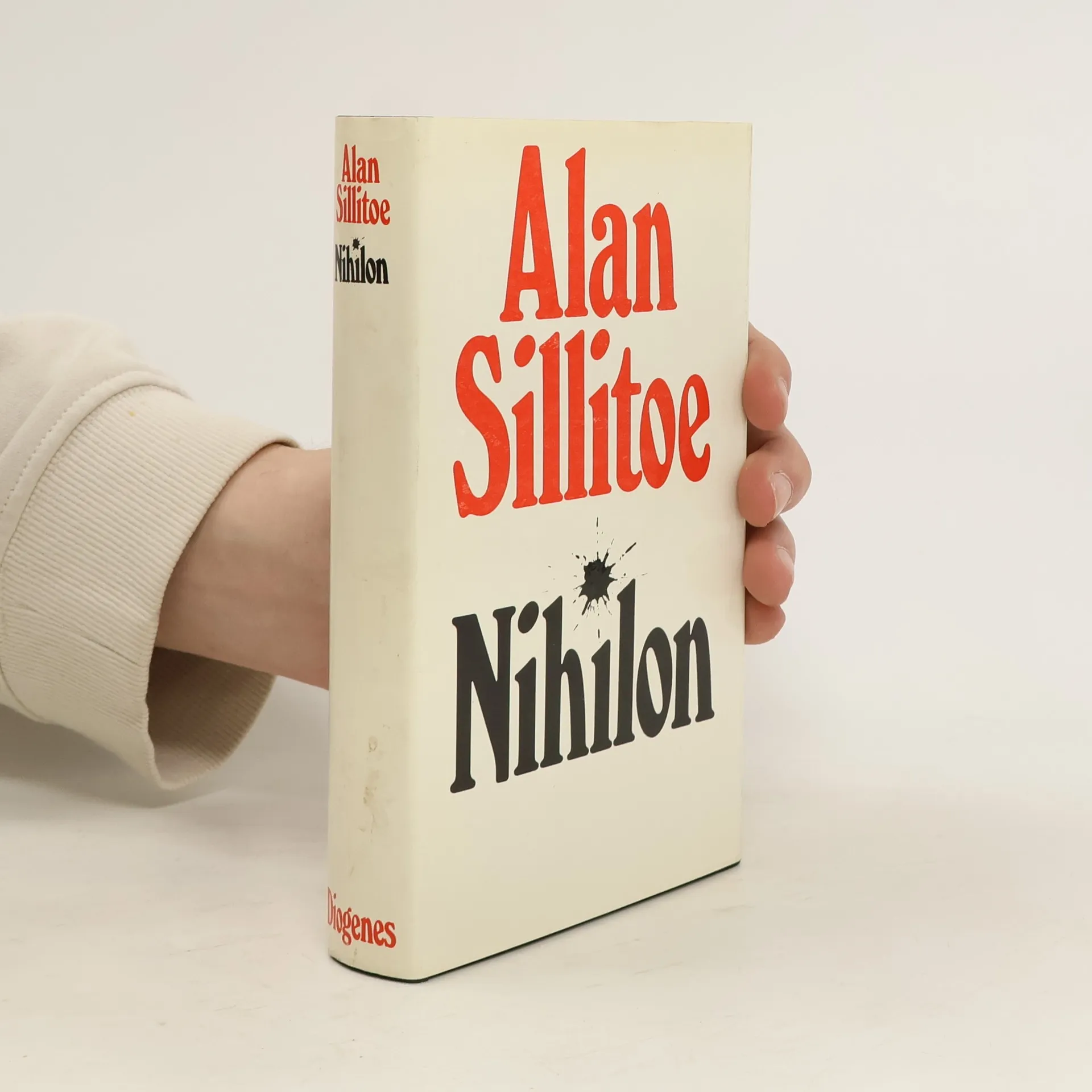
From one of Britain’s leading writers comes a biting satire about a country founded on Nihilism and a government gone mad Nihilon is a country where honesty is outlawed, drunk driving is mandatory, and nihilism reigns supreme. Five researchers are sent into the midst of this chaos to compile a new guidebook about the peculiar, unexplored land and its all-powerful leader, President Nil. Adam, Benjamin, Jaquiline, Edgar, and Richard attempt to gather information—but find themselves swept up by a nation turned upside down. As they navigate their way to the capital through artificial mist created by President Nil to disorient his people, the writers are stopped by ordinary citizens whom they quickly discover cannot be trusted. Adam accidentally starts a ground war, Benjamin is forced to buy a car, and Jaquiline discovers that robbery is not only legal, but encouraged. The researchers, who arrived as tourists, will find that although it is easy to enter Nihilon, it is much, much harder to escape. Alan Sillitoe, the bestselling author of The Loneliness of the Long-Distance Runner, crosses into uncharted territory in this comic dystopia that is as smart as it is engrossing.
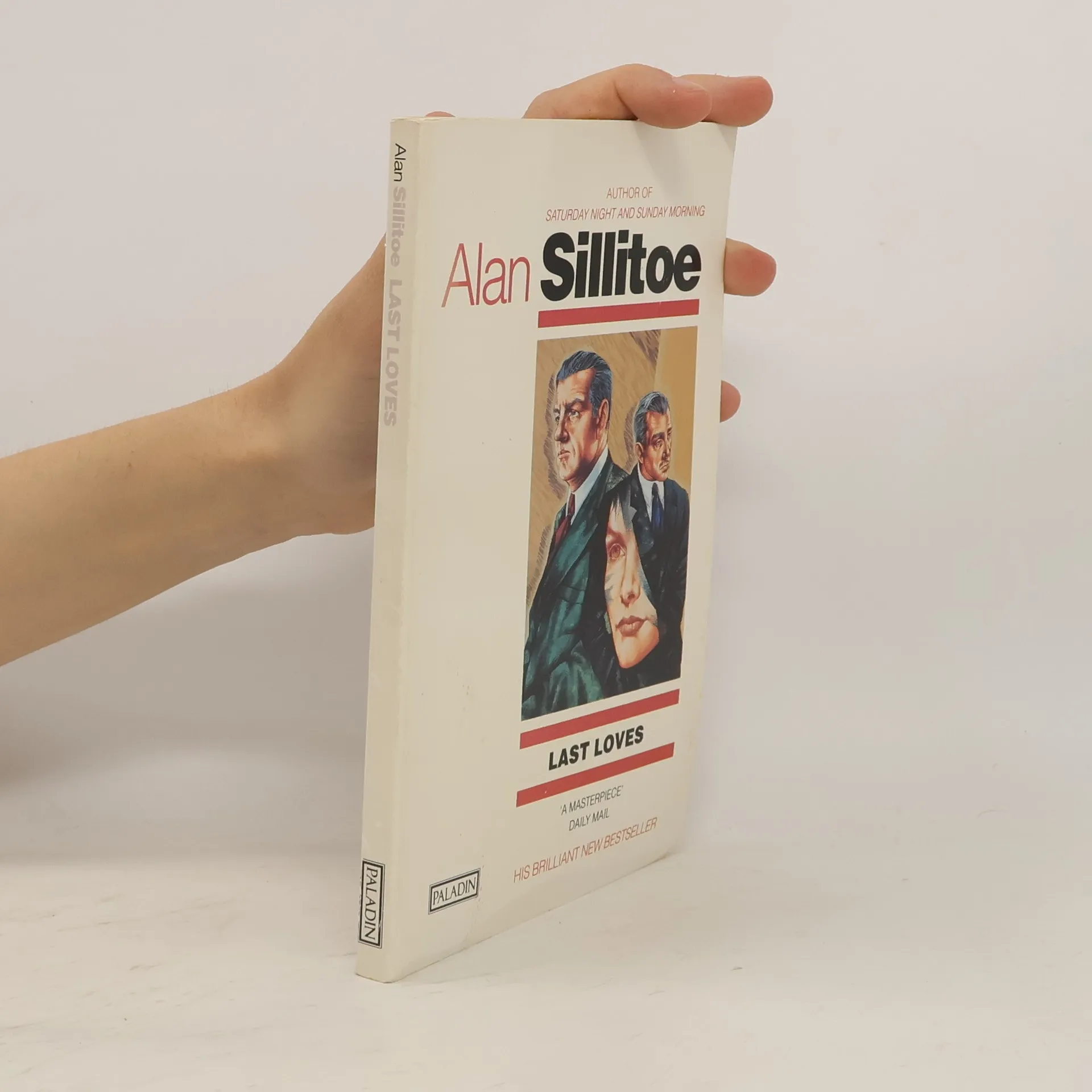
Last Loves
- 190 stránek
- 7 hodin čtení
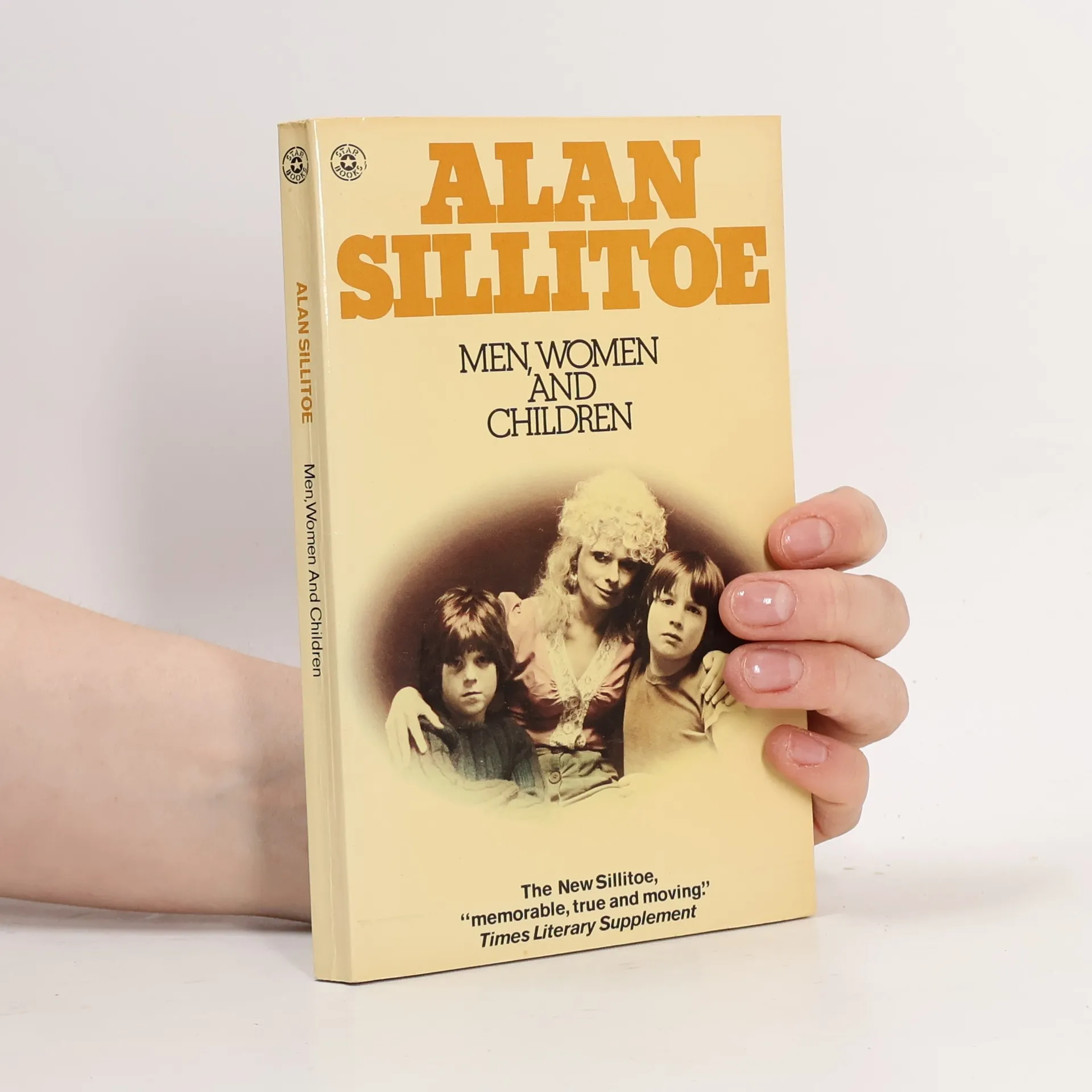
Men, Women and Children
- 189 stránek
- 7 hodin čtení
Alan Sillitoe is famous as a master of the short story. This book shows why. From the bible-basher and his key rôle in PIT STRIKE, to the boy whose parents left each other – and him – the same morning in ENOCH'S TWO LETTERS; from the man who tried to act out a 'real' life in MIMIC, to the woman whose husband came back to her in BEFORE SNOW COMES – these stories go to the heart of the torments and joys of living.
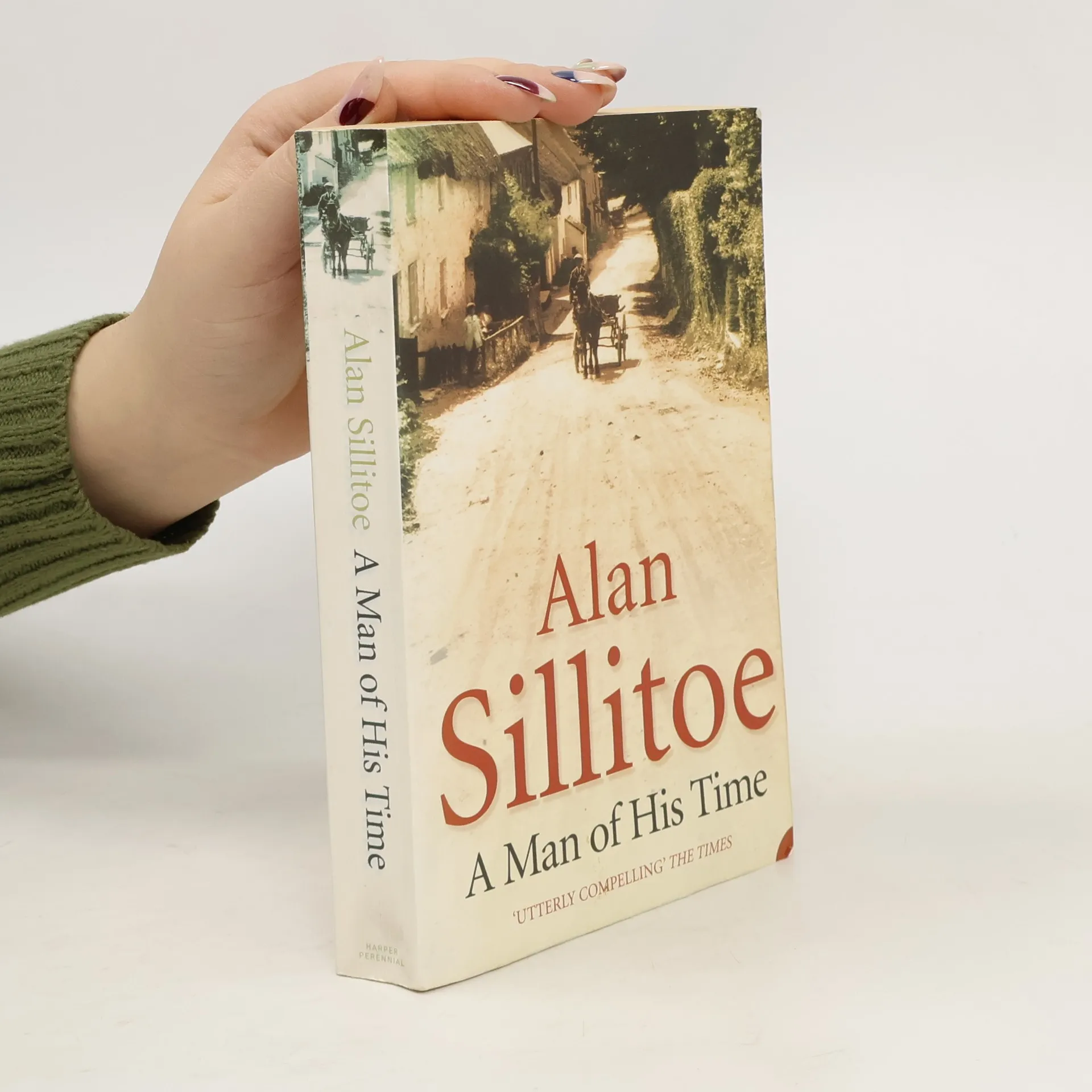
A Man of His Time
- 400 stránek
- 14 hodin čtení
A wonderful historical novel from one of our best loved and most prolific writersAs a young man Ernest Burton was a bold and reckless journeyman blacksmith, seducing all young girls he comes across. We watch him grow to become a master Blacksmith, and a tyrannical father of eight who refuses even to try to remain faithful to the woman he married and who reigns over his young family with an iron fist, instilling in his sons and daughters a mixture of fear and hatred of him. Burton is an extraordinary fictional creation a bully who shows no mercy in his relentless terrorism of his sons, he can also be effortlessly charming, with a magnetic attraction that effects all he meets.Written in the sparse, plain language that Sillitoe has made his own, A Man of His Time is a mesmerising portrait of an extraordinary individual, aware that he is, in many ways, the last of a dying breed. It's a rich, absorbing, wonderfully readable novel that covers decades and crosses generations, depicting with singular brilliance an England poised on the brink of change.
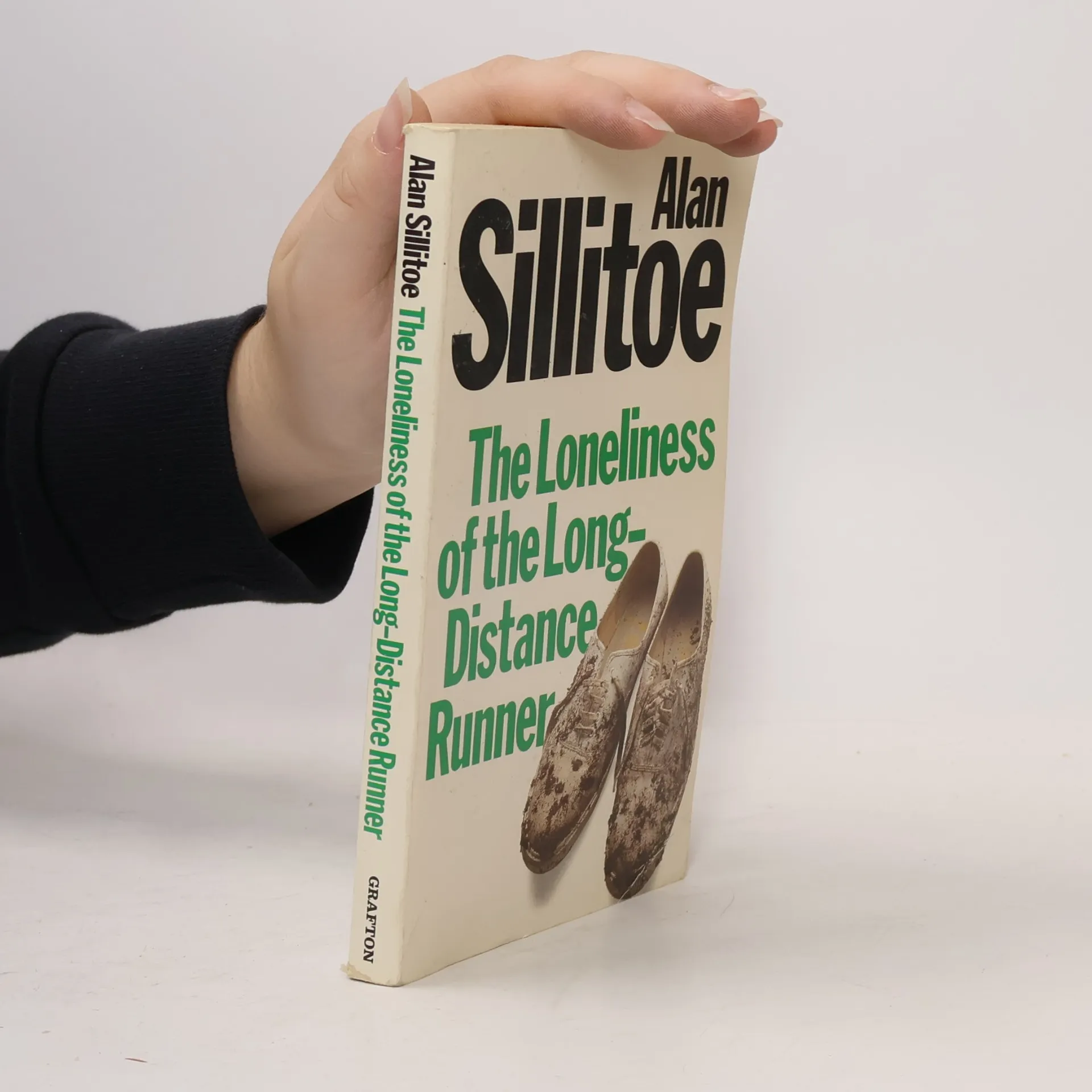
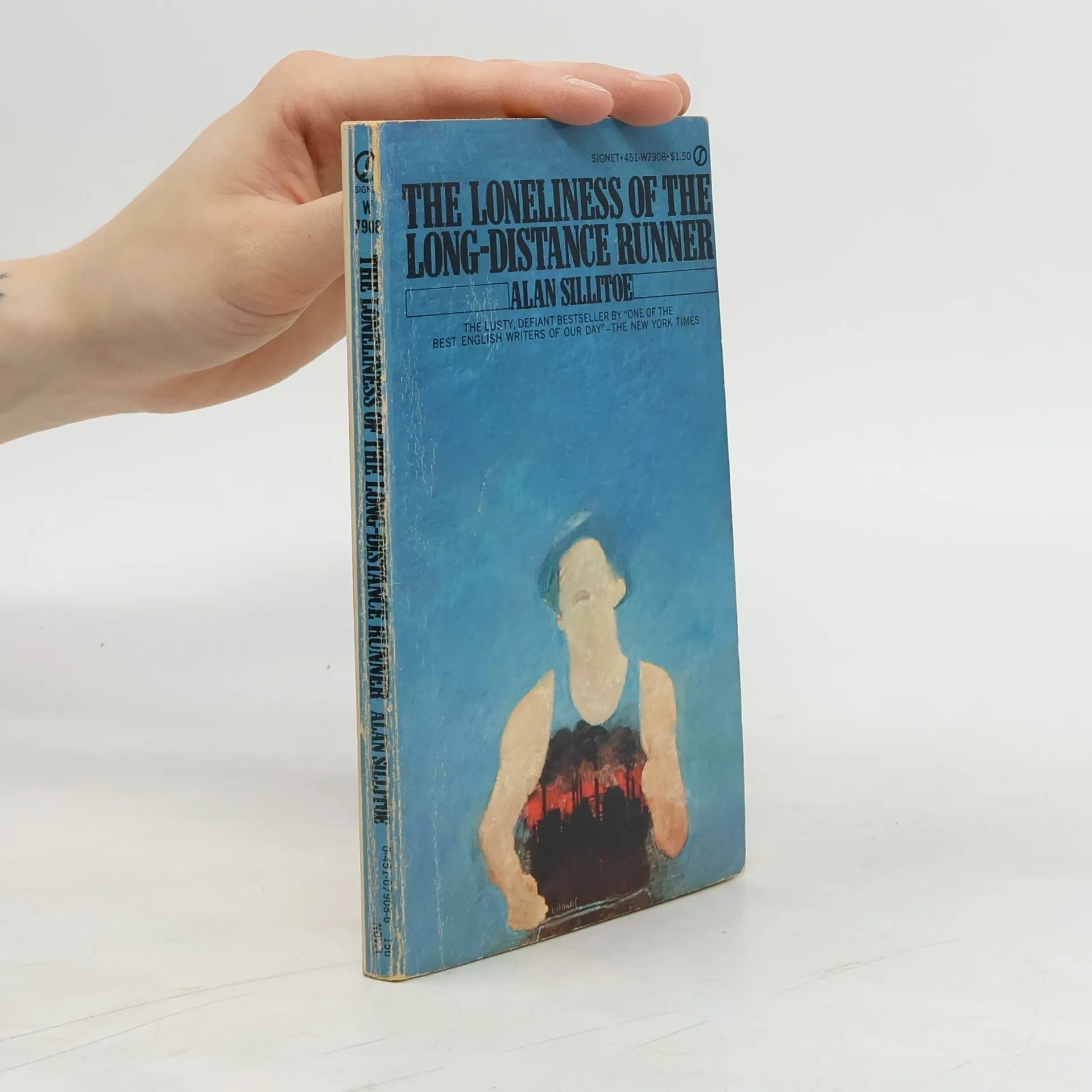
The Loneliness of the Long Distance Runner
- 176 stránek
- 7 hodin čtení
Sillitoe's portrayal of the mind of an incorrigible rebel. By the author of "Saturday Night, Sunday Morning", "Snowstop", "The Open Door", "Life Goes On", "The Storyteller" and "Last Loves".
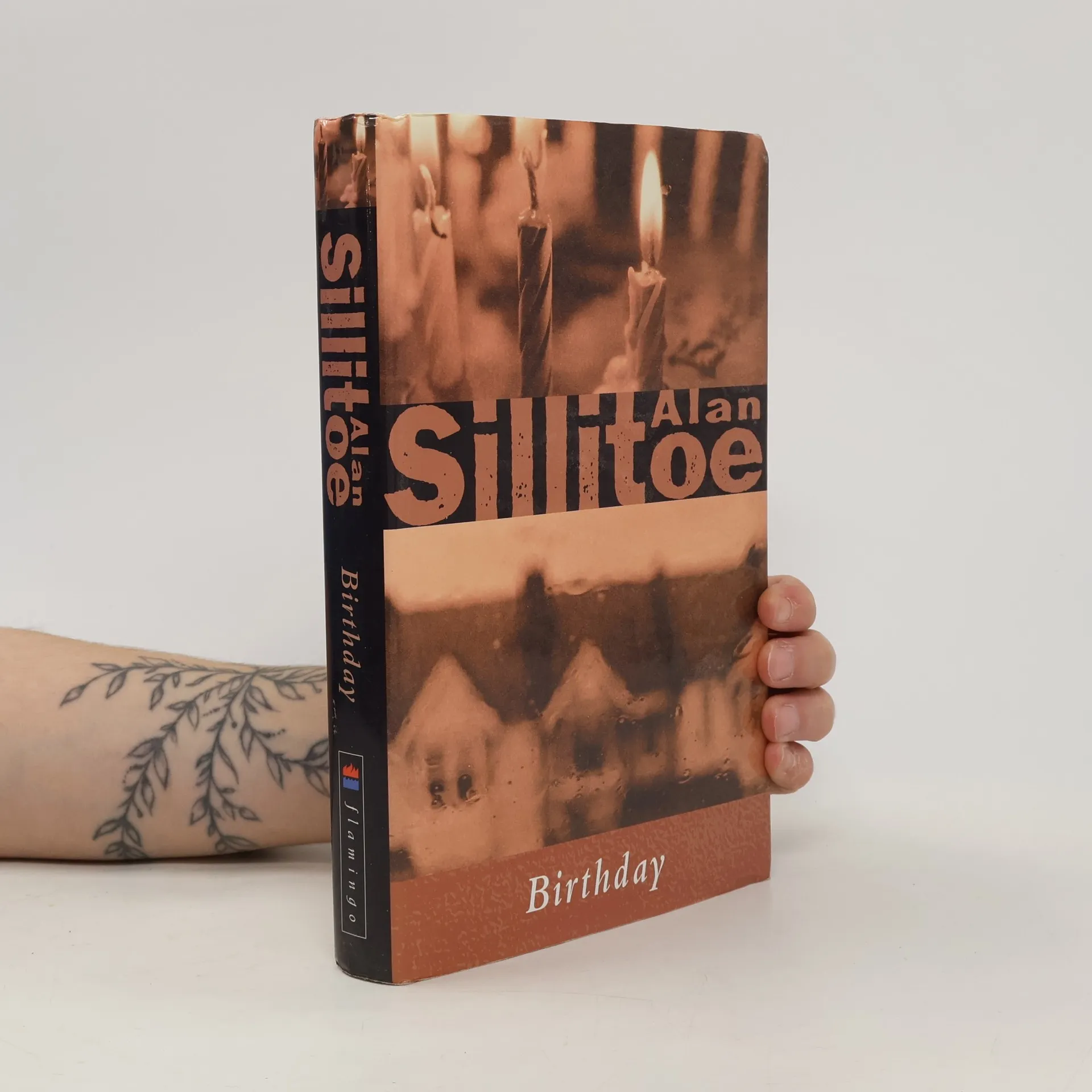
Birthday is the long-awaited sequel to Alan Sillitoe's classic novel of the 1950s, Saturday Night and Sunday Morning. Four decades on from the novel which was at the forefront of the new wave of British Literature, we re-discover the Seaton brothers: older, cetainly; wiser - possibly not. Arthur and Brian Seaton, one with an ailing wife, one with an emotional knapsack of failure and success, are on their way to Jenny's 70th birthday party. Jenny and Brian had years ago experimented with sex - semi-clothed, stealthy, with the bonus of fear. Arthur, of course, had cut a winning swathe through the married and unmarried women of Nottinghamshire. Life has changed. Alan Sillitoe is undoubtedly one of the greatest English writers of our time, and, indeed, one of the most influential.
The ragman's daughter
- 176 stránek
- 7 hodin čtení
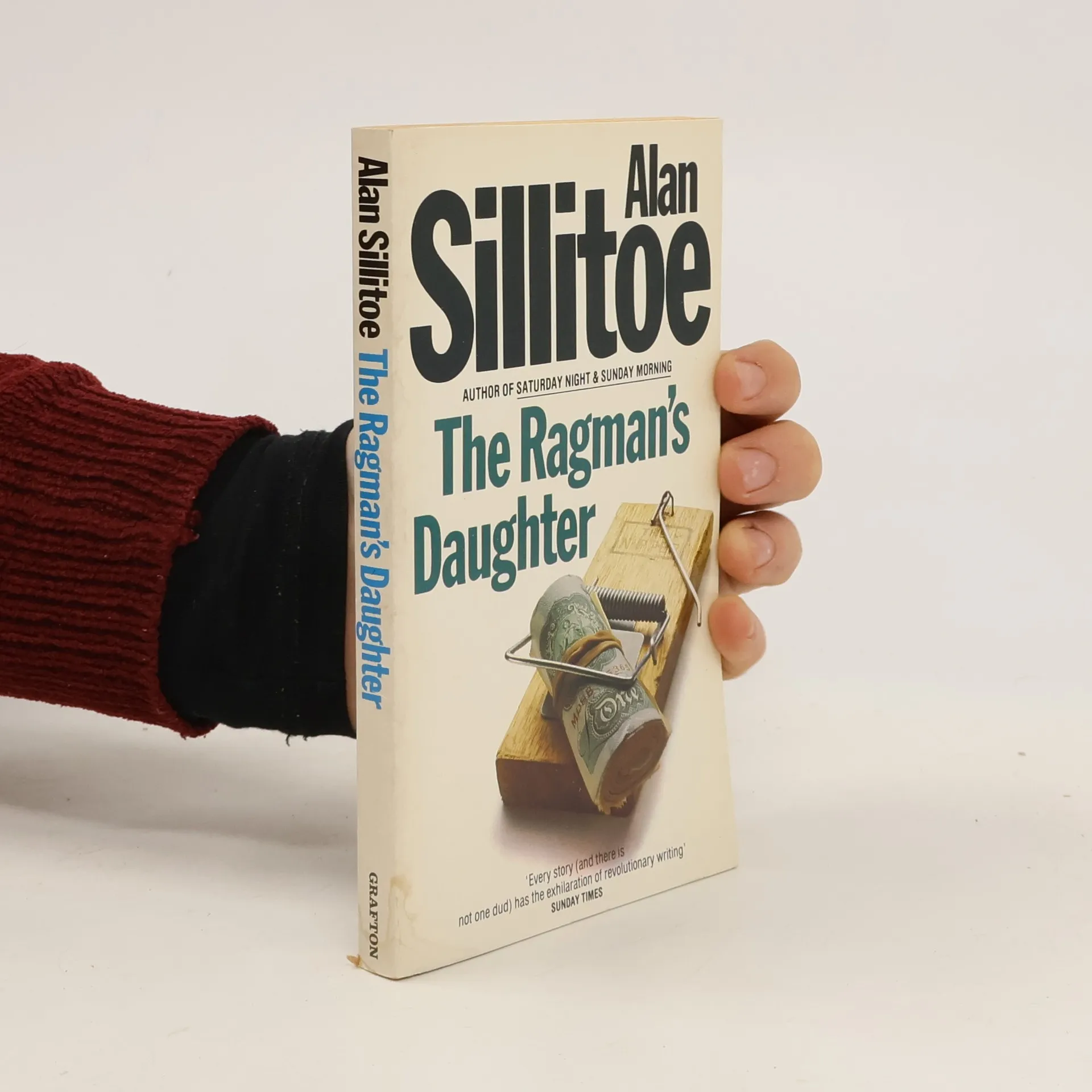
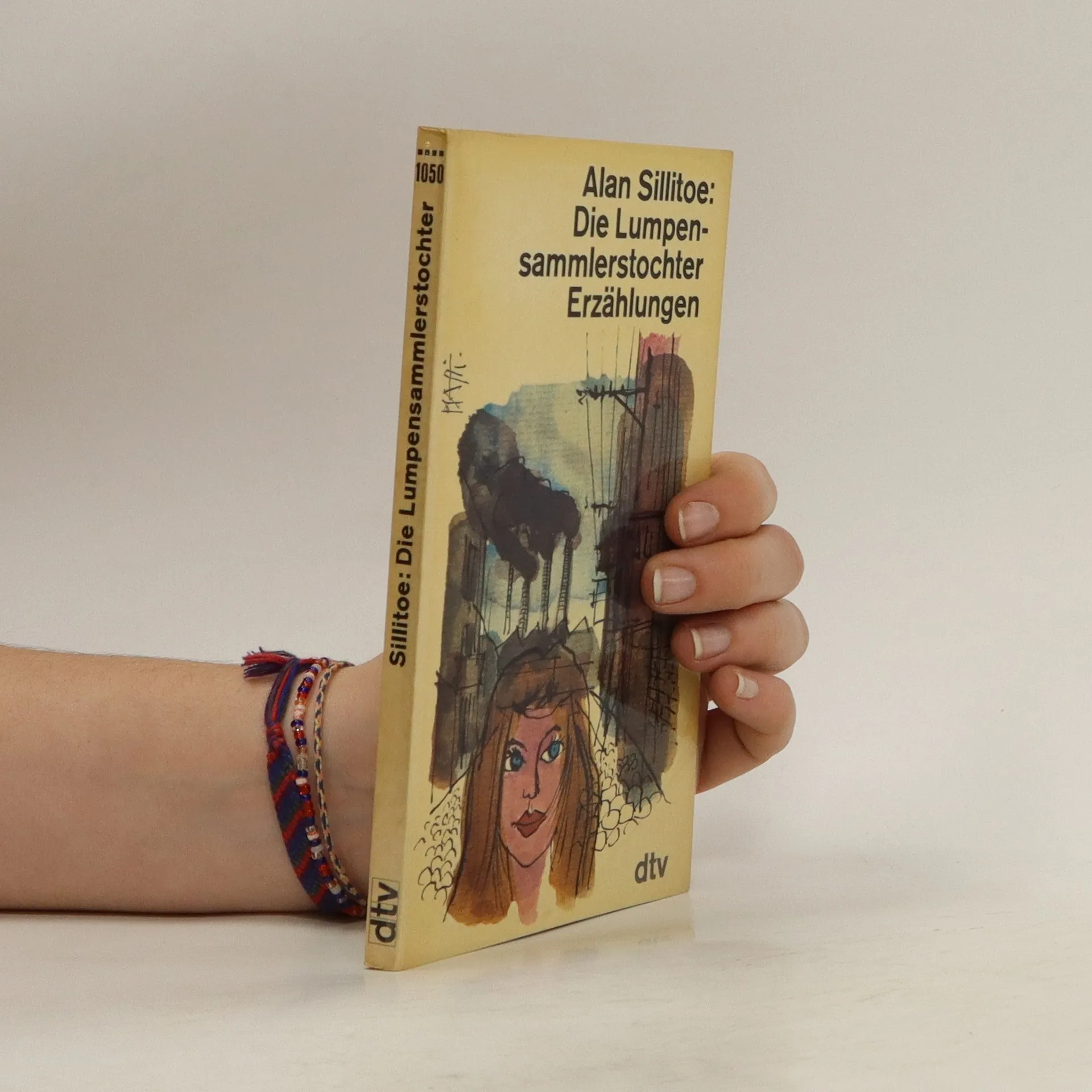
Short story collection- the title story is about, "A young Englishman, now married, reminisces about his wild teen-age days. He stole for kicks. He met Doris, daughter of a prosperous scrap merchant, who became his partner in love and thievery. He was caught after they robbed a shoe shop one night. He spent 3 yrs. in prison. Doris was pregnant, she married a mechanic, & both were killed in an accident. After Tony came out of prison he went straight. He never acknowledged his & Doris' child but knows the boy is well cared for by his grandfather." (from The New Yorker); Inspiration for the film, The Ragman's Daughter, a 1972 British crime-drama / romantic film directed by Harold Becker starring Simon Rouse and Victoria Tennant.
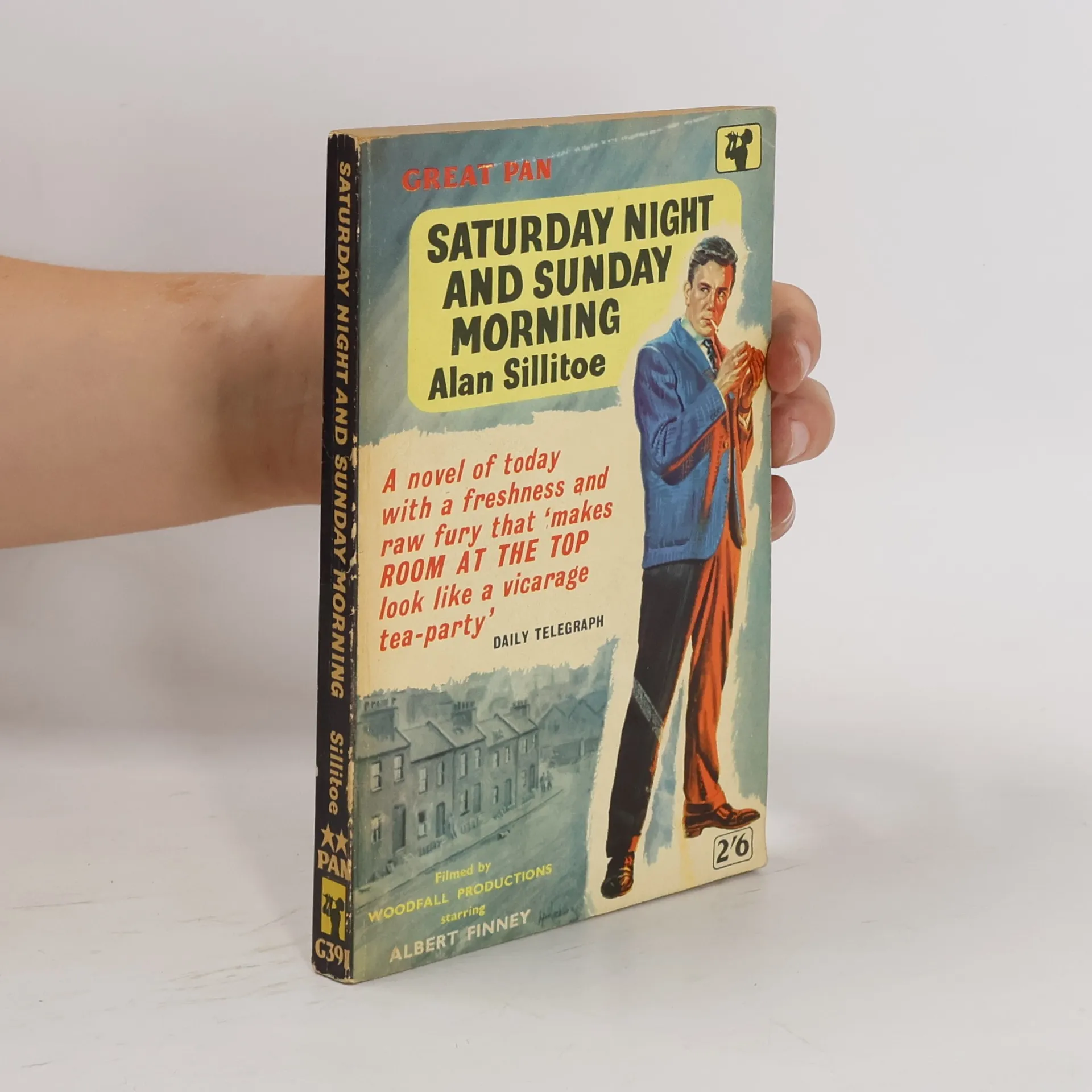
"Working all week at the lathe leaves Arthur Seaton with energy to spare at the weekends. A hard-drinking, hard-working rebel, he knows exactly what he wants, and how to get it. Before long his dalliances with a couple of married women make him the centre of local gossip. But then one evening he meets a young girl in a pub, and life begins to look a little less simple." "Alan Sillitoe's classic novel achieved instant critical acclaim, and now, fifty years after its first publication, it stands as one of the great works of twentieth-century British writing."--BOOK JACKET.
Autor je synem židovských rodičů, kteří uprchli z Německa do Nizozemska. Jako malé dítě byl spolu s rodiči deportován do koncentračního tábora, kde rodiče zahynuli. Tato novela je prostý a zároveň šokující autobiografický příběh. Působivě líčí, jak malý židovský chlapec prožívá druhou světovou válku a dobu krátce po ní. Oberskimu se podařilo s velkou naléhavostí a silou zachytit události očima dítěte. Kniha byla zfilmována italským režisérem Robertem Faenzem pod názvem Jonáš, který žil v břiše velryby. Film zvítězil v roce 1993 na FF v Moskvě a na festivalu Efebo d´Oro na Sicílii.
Stories for Our Time
- 63 stránek
- 3 hodiny čtení
The Broken Chariot
- 299 stránek
- 11 hodin čtení
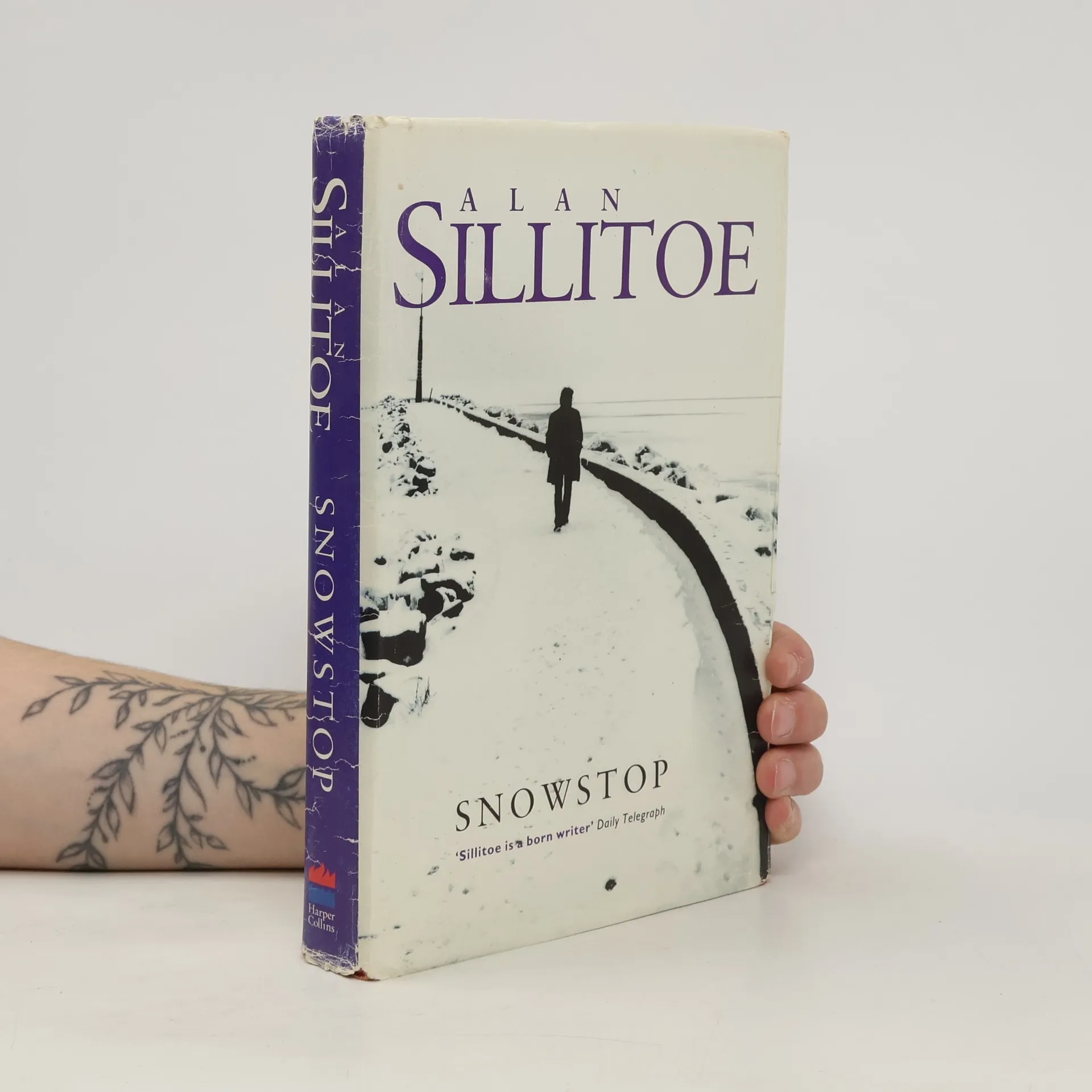
Snowstop
- 280 stránek
- 10 hodin čtení
A snowbound hotel shelters fourteen oddly assorted people - from psychopaths to lovers.
Life Without Armour
- 296 stránek
- 11 hodin čtení
Den engelske forfatter Alan Sillitoe f. 1928 fortæller om sin barndom og tidligste ungdom
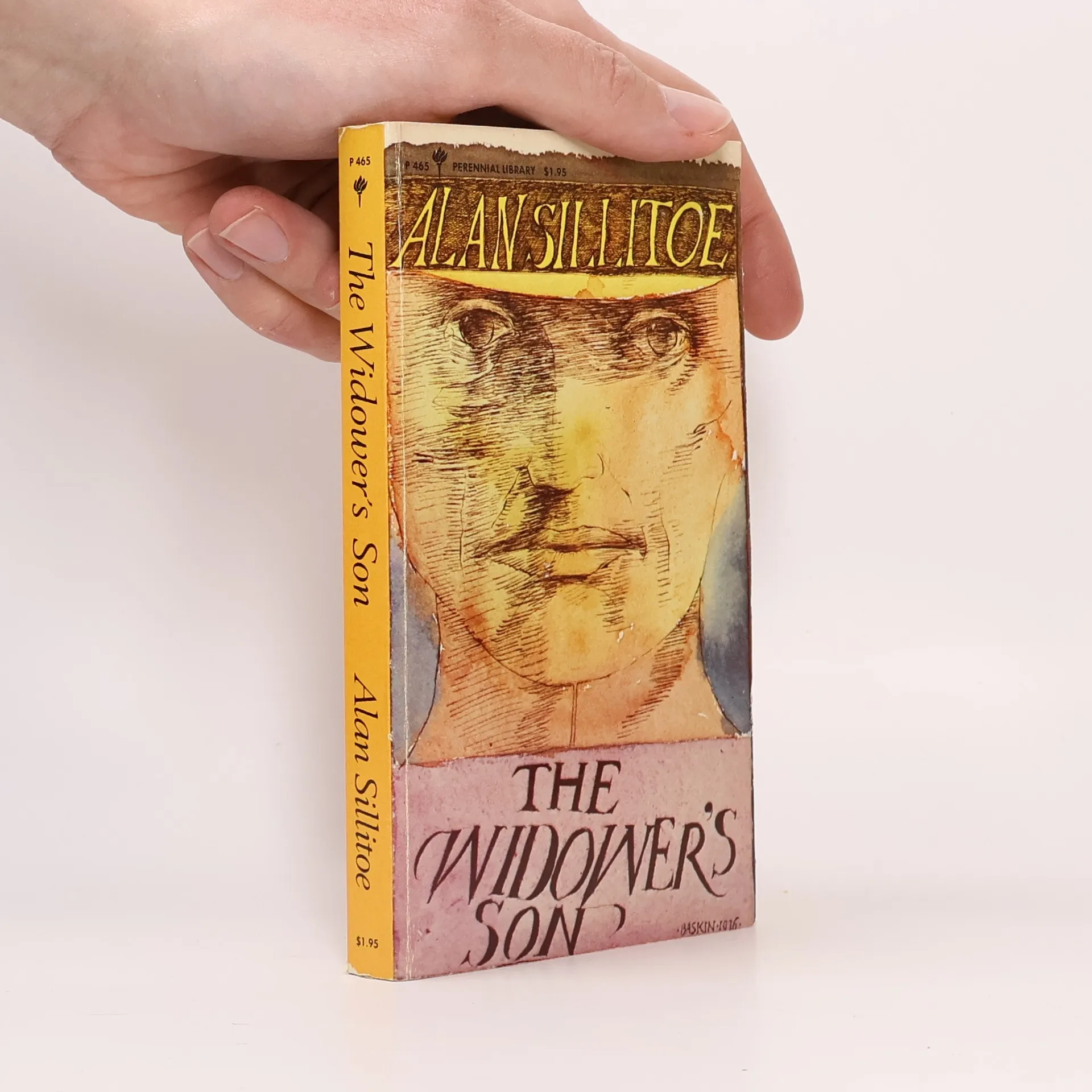
First edition, first printing hard cover, with unclipped dust jacket, both in very good condition. Jacket illustration by Leonard Baskin. From the library of W.L. Webb, the Guardian's literary editor for many years. General shelf and handling wear, including creasing and wear to cover, edges, corners and folds, with tanning to cover and pageblock. Boards are clean; some wear to edges, and creasing to spine head and foot noted. Within, pages are tightly bound, and content is bright and unmarked. CN
Down from the Hill
- 224 stránek
- 8 hodin čtení
Growing Up. Selected British Short Stories. Für die Sek.II
- 64 stránek
- 3 hodiny čtení
New and Collected Stories
- 624 stránek
- 22 hodin čtení
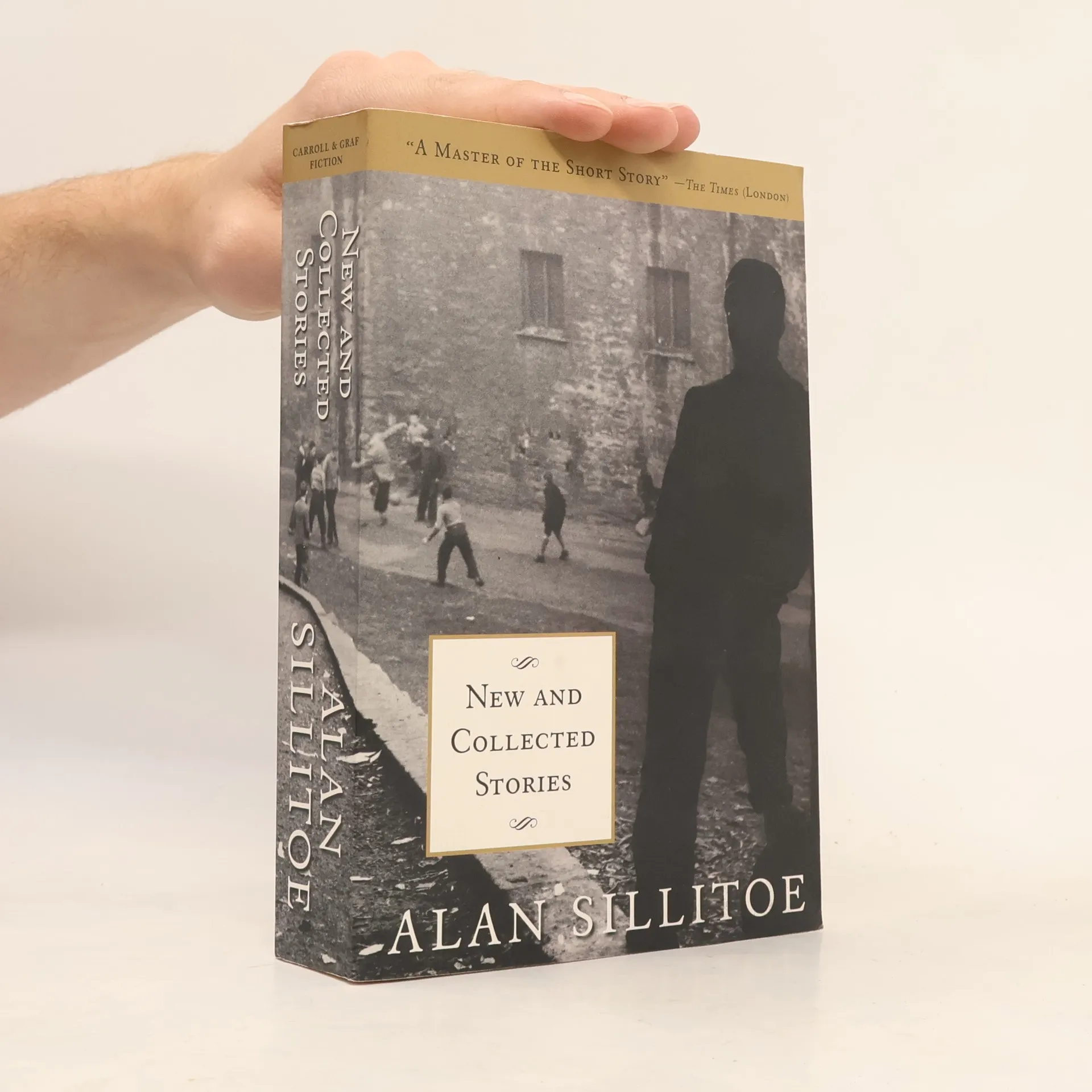
With the publication of Saturday Night and Sunday Morning in 1958 and the subsequent arrival of The Loneliness of the Long Distance Runner a year later, Alan Sillitoe brought a poetic new voice to working-class England and quickly established himself as a standout in England’s embittered yet immensely talented “Angry Young Men” school of writers - which included Kingsley Amis and John Osborne.New and Collected Stories brings together more than forty pieces of short fiction, encompassing Sillitoe’s entire career, and includes several previously unpublished stories. It is an essential and comprehensive collection from an often-overlooked gem in the canon of modern fiction and an abiding literary voice for working-class Britain.
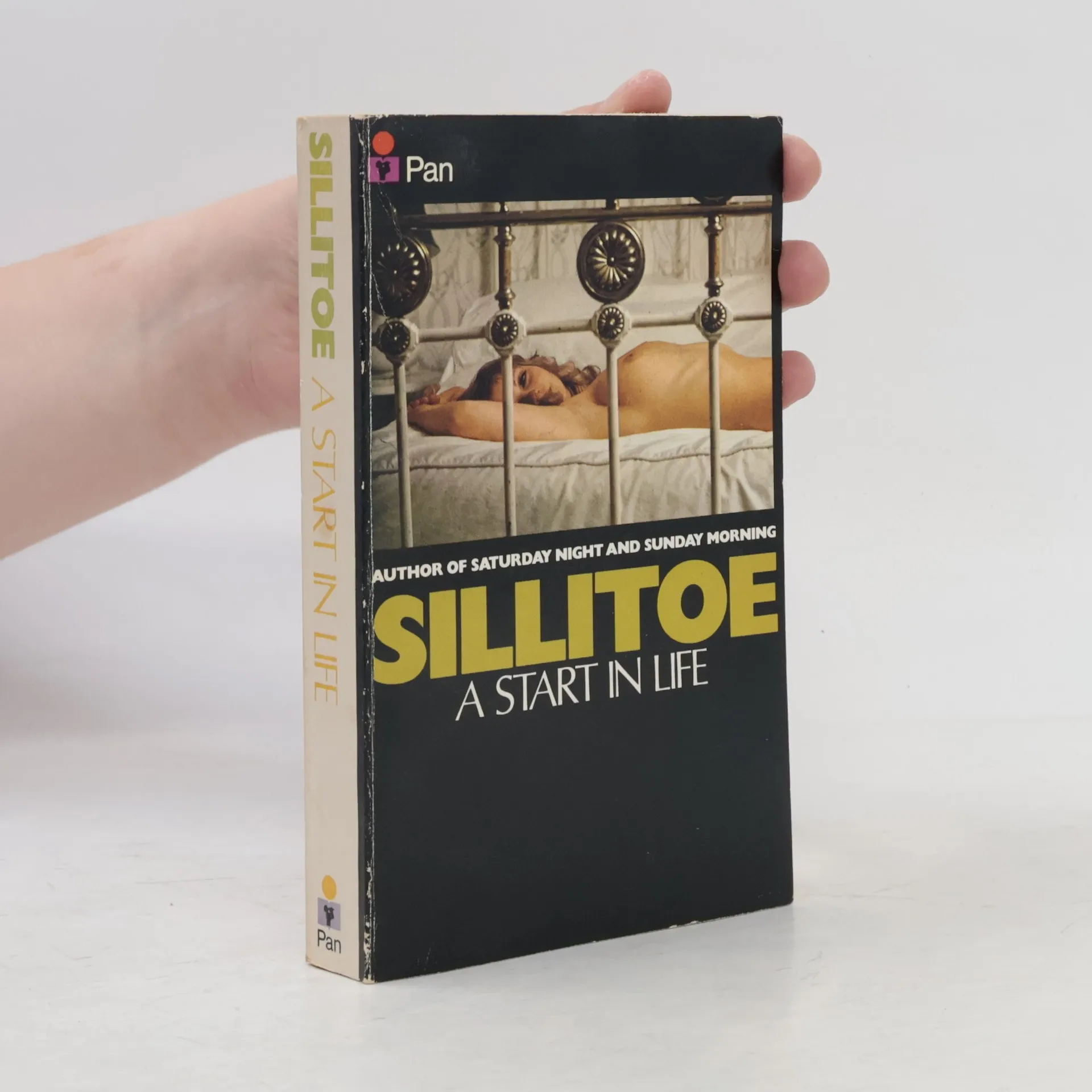
A Start in Life
- 416 stránek
- 15 hodin čtení
From The Loneliness of the Long Distance Runner to his more recent A Man of His Time, Alan Sillitoe remains one of England's greatest living authors. A Start in Life is Sillitoe's ninth novel and follows the fortunes of Michael Cullen, who describes himself as ''a bastard'' at the start of the novel and soon confirms another meaning of the term when he leaves Nottingham and his pregnant girlfriend behind to flee to London, where he becomes involved in a smuggling ring. Sillitoe has adopted the picaresque form for this novel, yet it is full of his trademark humour.
Widower's Son
- 288 stránek
- 11 hodin čtení
Raised by a career soldier, a working class Englishman tries to find his place—both in and out of uniform—in this compelling novel of love and war Charlie Scorton sees his best friend killed beside him in the mine, and resolves to join the army. His father throws him out for deserting the coal miner’s life, but Charlie never looks back. For twenty-four years, he roams the empire, a king’s soldier who is finally left with no choice but to come home. He has a child, his wife dies, and the old soldier dedicates himself to raising his boy. Charlie trains his son, William, to be an artilleryman from birth. William finds a home in the army, the sort he has always longed for, and makes his mark during World War II, performing heroically during the retreat at Dunkirk, risking his life to save thousands. But soon, he will be forced to answer the question his father never could: What does a soldier do when war is over? Alan Sillitoe, the bestselling author of The Loneliness of the Long-Distance Runner , examines where the fight ends and life begins for a soldier in this story of love and war, and the blurred lines between them.
Román o Brianovi Seatonovi, jeho žene Pauline, jeho malajskej milenke, jeho kamarátoch z detstva a pri vojsku.....
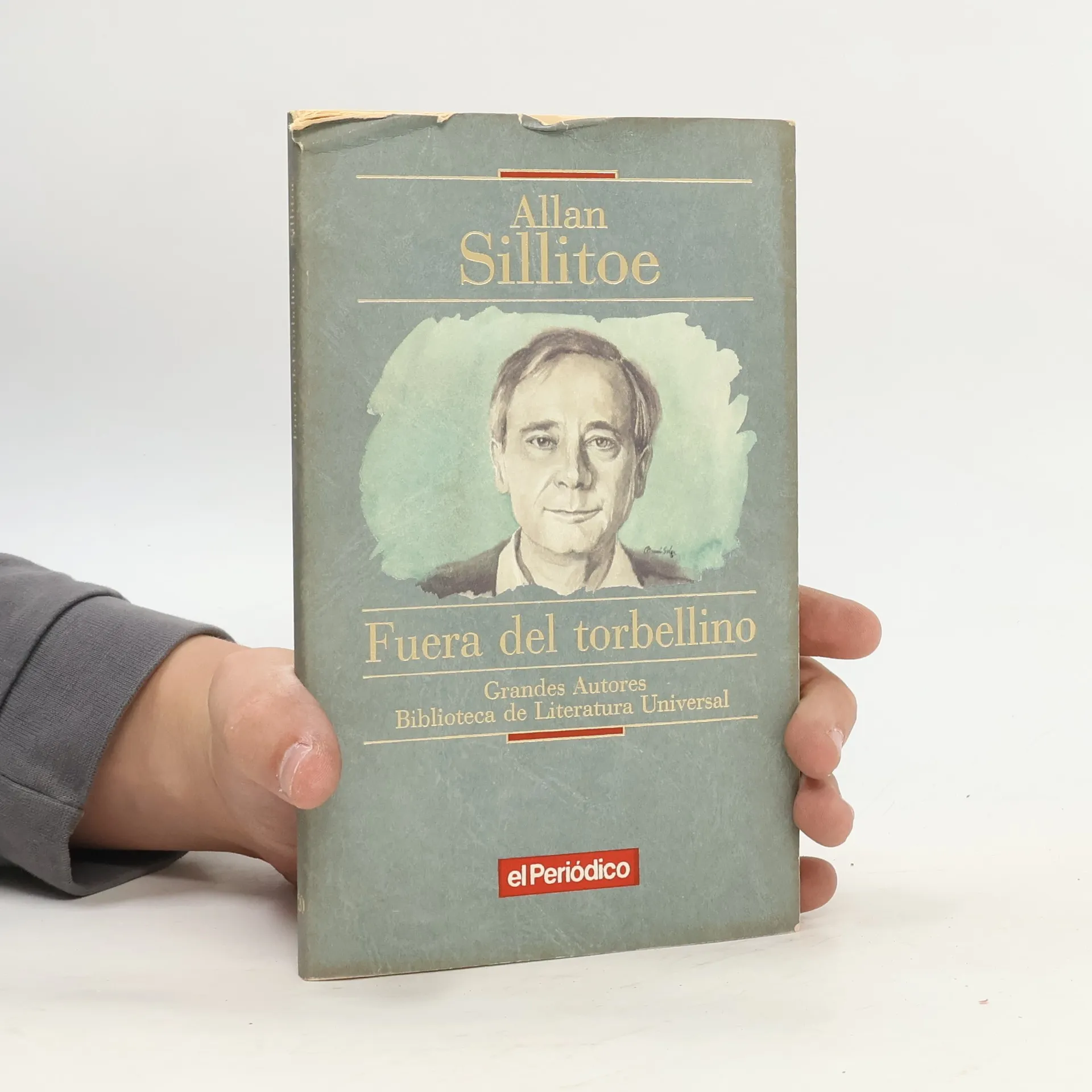
Fuera del torbellino
- 95 stránek
- 4 hodiny čtení
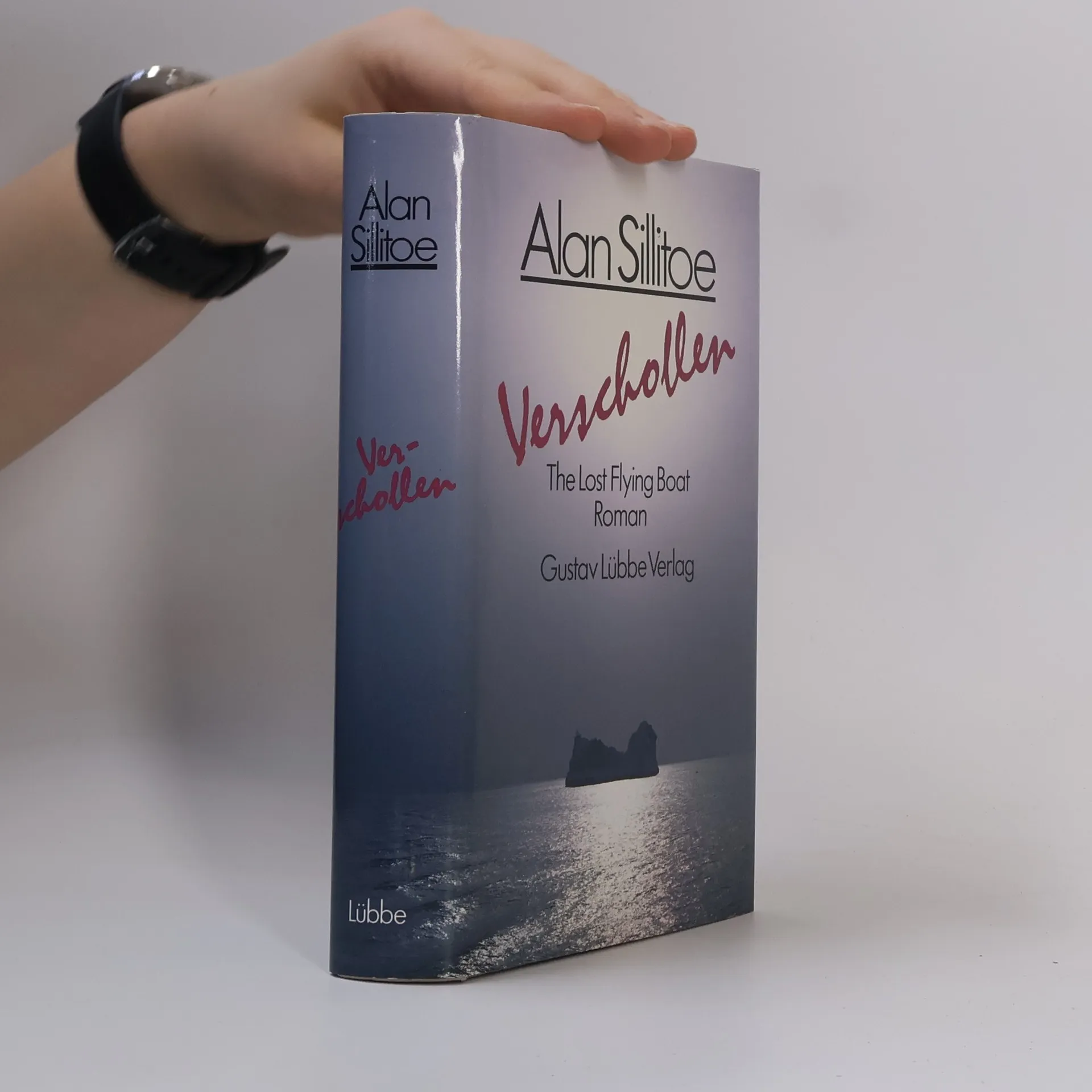
Verschollen. Roman
- 329 stránek
- 12 hodin čtení
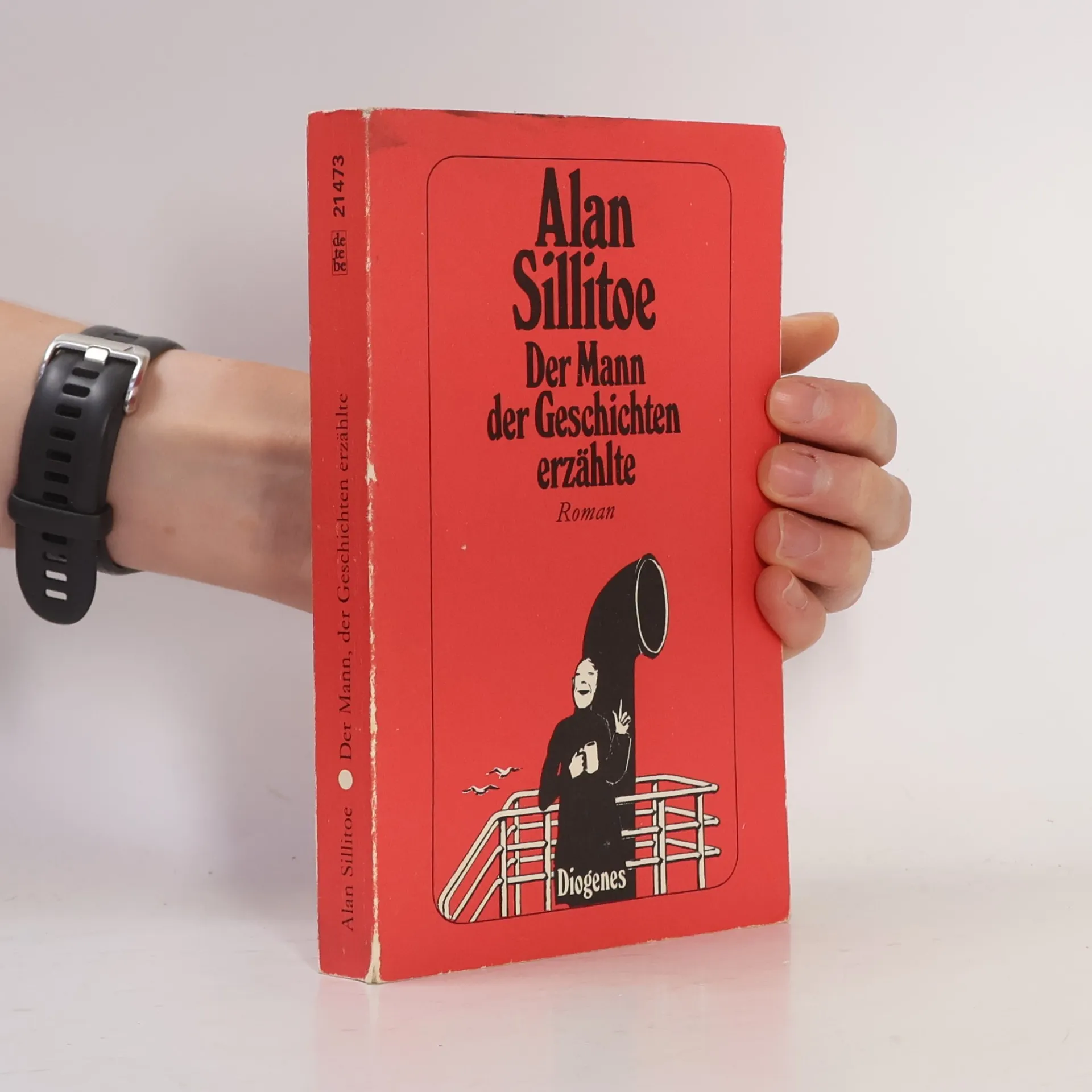
Der Mann, der Geschichten erzählte
- 345 stránek
- 13 hodin čtení
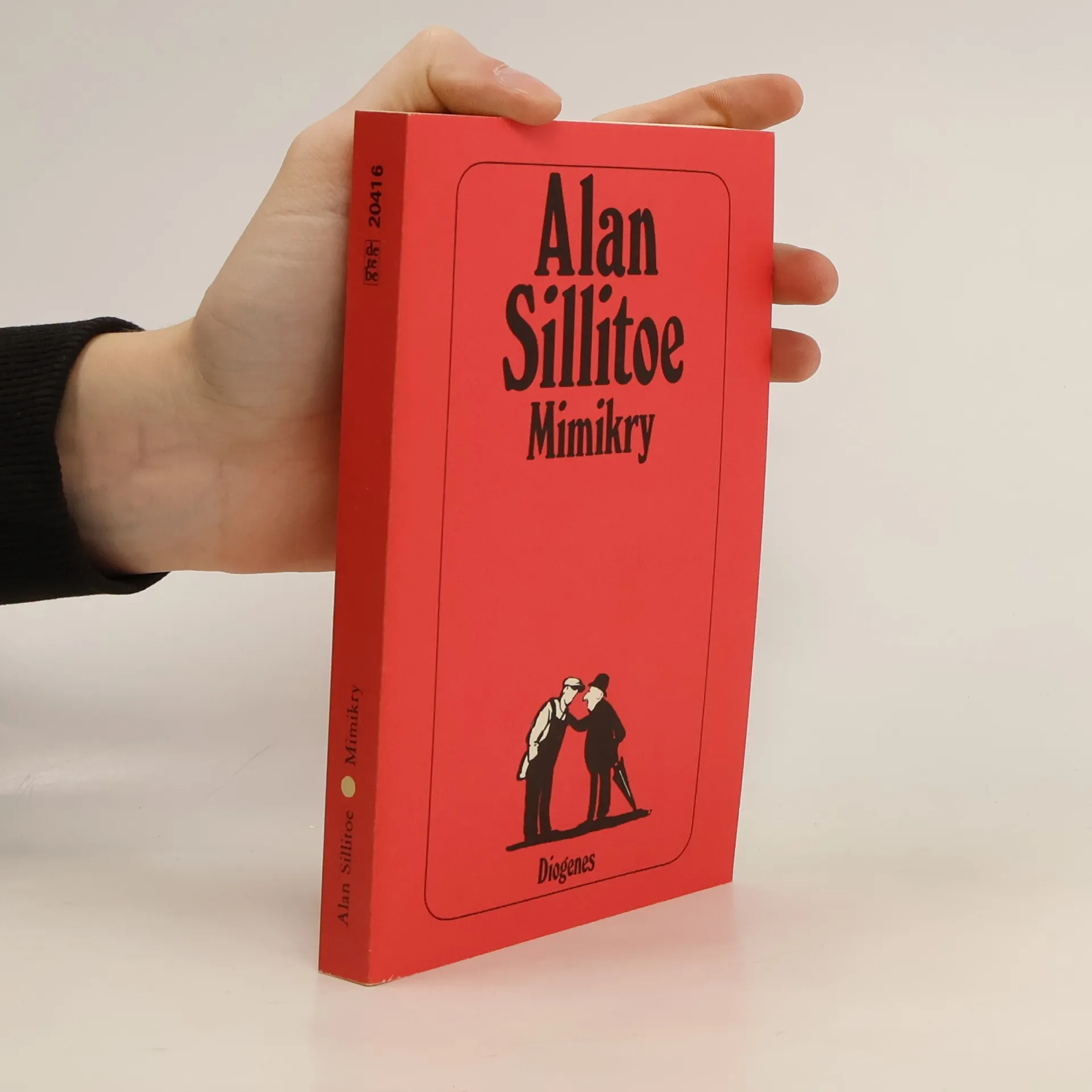
Mimikry
- 257 stránek
- 9 hodin čtení
Sillitoes berühmteste Geschichten aus der Welt derer, denen nichts in den Schoß fällt, über ihre Gefährdung, ihre verletzten Gefühle, aber auch ihre Lebenslust. Ein Nachahmer ( Mimikry ) ist einer, dessen Leben nur dann Realität annimmt, wenn er andere Leute imitiert. In Die Lumpensammlerstochter führt ein Kleptomane seine Freundin in die Kunst des Stehlens ein. Doch Doris überspannt den Bogen."
Po sobotnom večere, keď vybuchujú nazhromaždené vášne a dobrá nálada zmýva z tela "následky celotýždennej monotónnej hrdlačiny vo fabrike", prichádza surové, nesviatočné vytriezvenie. Nie je tomu inak ani v príbehu Arthura Seatona, hrdinu románovej prvotiny Alana Sillitoea. Mladý sústružník, len čo unikne z fabrického kolobehu, absolvuje druhý, rovnako maratónsky: chce zabudnúť, nacelkom sa odovzdať svojim ilúziám a mení krčmy, nápoje, ženy častejšie ako košeľu. Pravdaže, jeho športová záľuba dobýjať postele vydatých žien nemôže ostať nepotrestaná, a Arthur sa čoraz väčšmi zaplieta do "malérov".
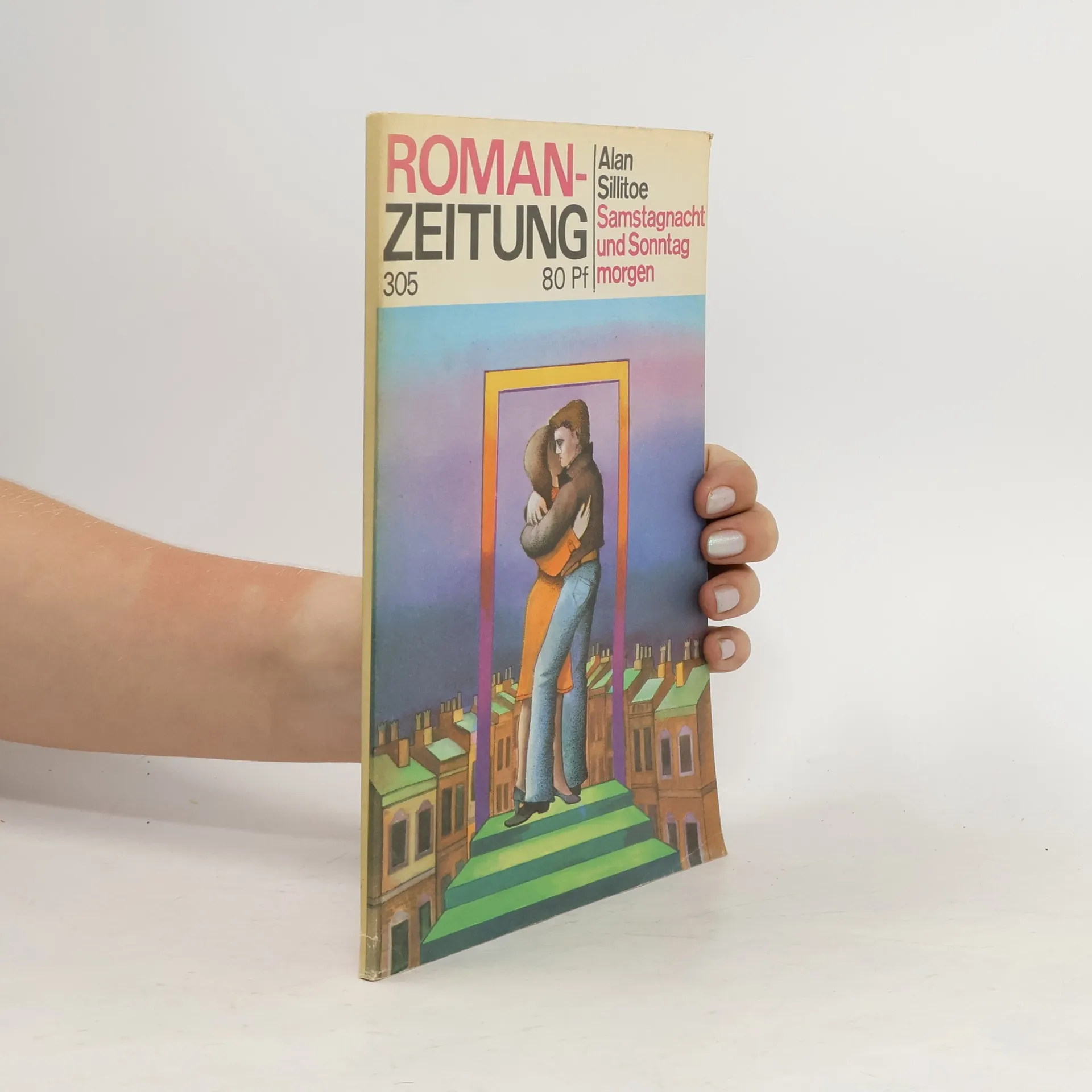
Roman - Zeitung 305
Samstagnacht und Sonntag morgen
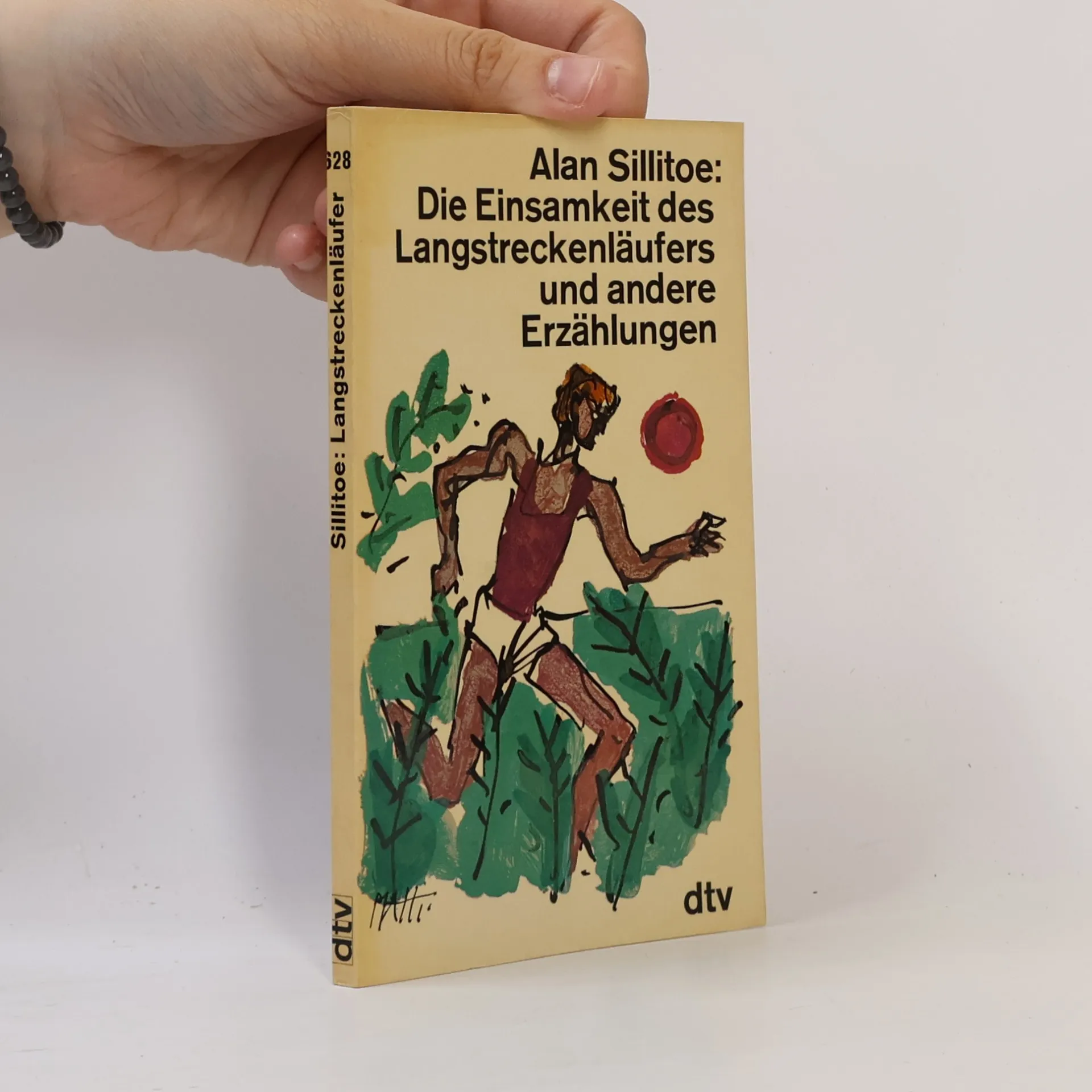
Die Einsamkeit des Langstreckenläufers und andere Erzählungen.
- 148 stránek
- 6 hodin čtení
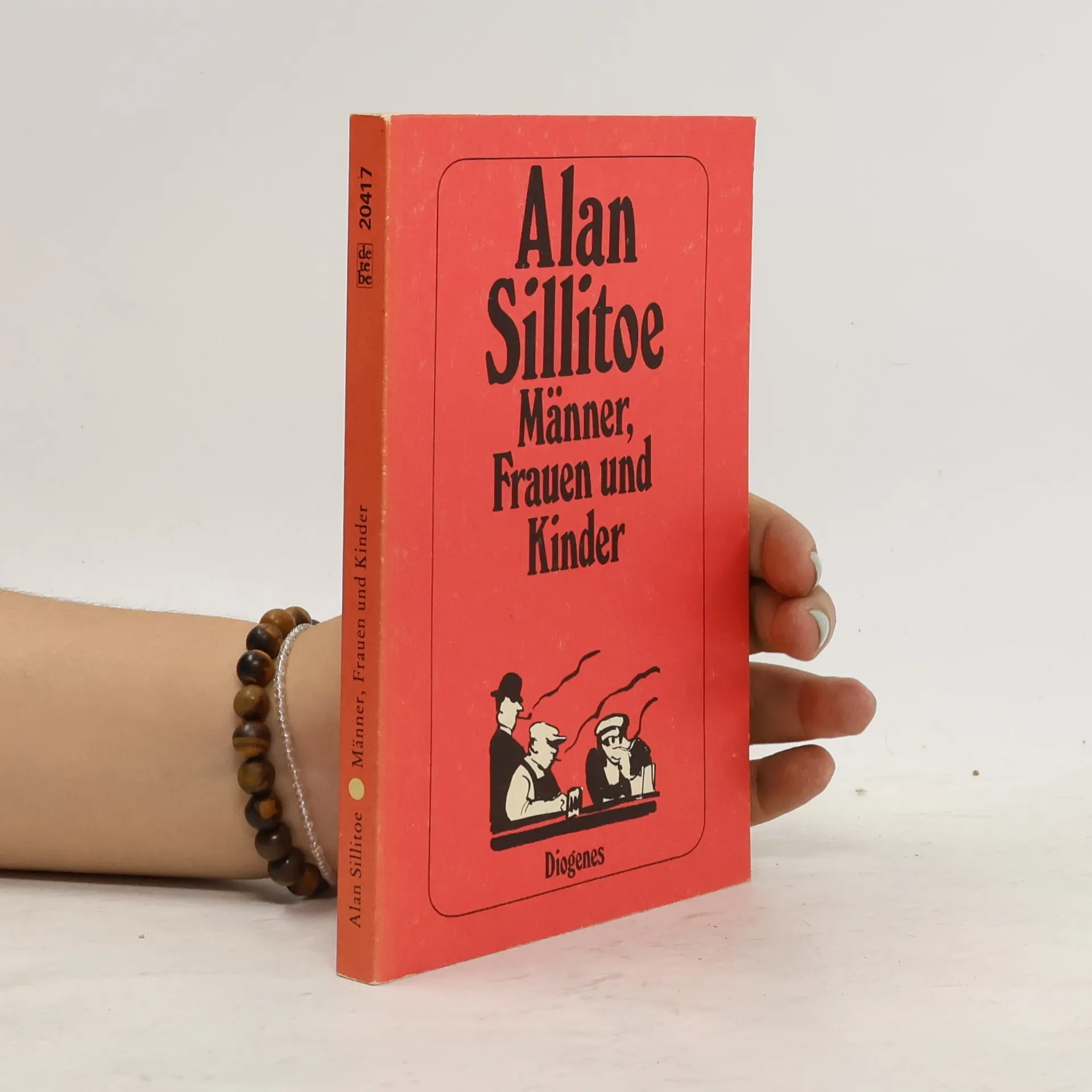
Männer, Frauen und Kinder. Erzählungen V.
- 186 stránek
- 7 hodin čtení
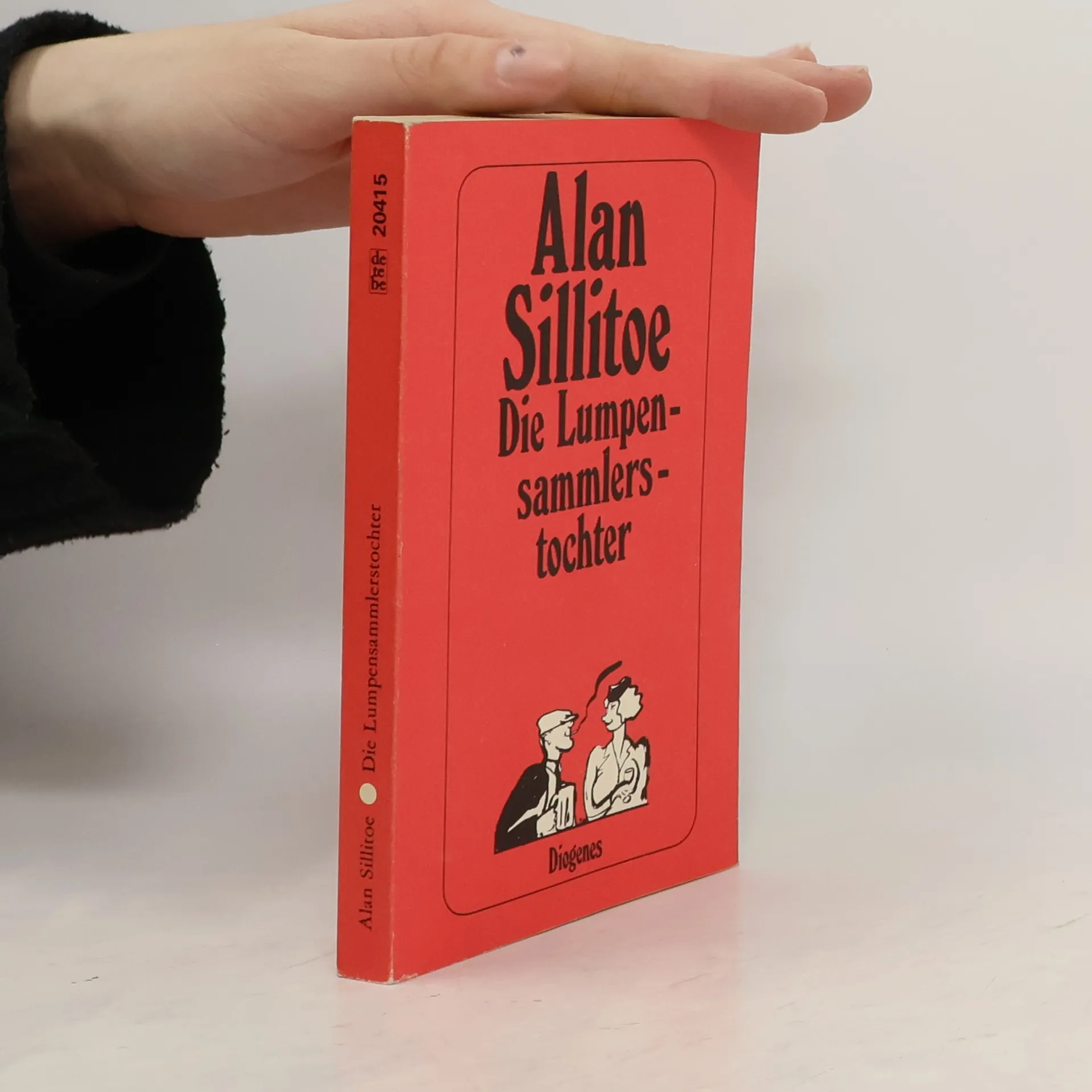
Die Lumpensammlerstochter. Erzählungen III.
- 235 stránek
- 9 hodin čtení
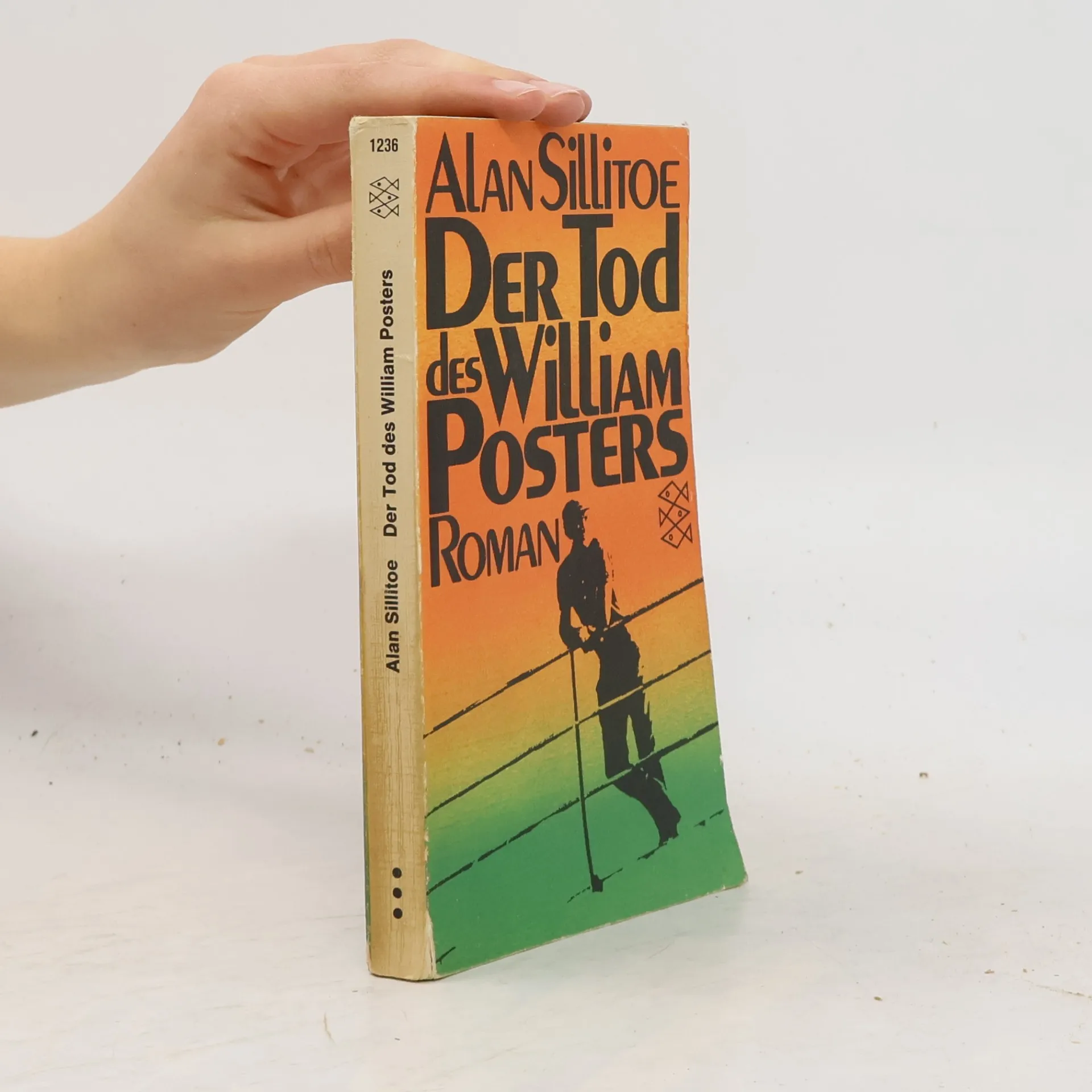
Der Tod des William Posters
- 255 stránek
- 9 hodin čtení
Roman. ( Frank-Dawley-Trilogie, 2). 470 S. Neuausgabe.
Die Lumpensammlerstochter
- 303 stránek
- 11 hodin čtení
Die Lumpensammlerstochter. Erzählungen
- 173 stránek
- 7 hodin čtení
Der Sohn des Witwers
- 372 stránek
- 14 hodin čtení
Meistererzählungen
- 240 stránek
- 9 hodin čtení
Verschollen
- 329 stránek
- 12 hodin čtení
La solitude du coureur de fond
- 310 stránek
- 11 hodin čtení
Dès mon arrivée au Borstal, ils ont fait de moi un coureur de fond en cross. Ça doit être parce qu'ils trouvaient que j'avais la découpure qu'il faut, parce que j'étais grand et musclé pour mon âge (et je le suis toujours). Au fond, pour vous dire le vrai, je ne m'en faisais guère pour ça, parce que, de courir, ça tout le temps été le fort dans notre famille, surtout quand il s'agit de se défiler de la police. Moi, j'ai toujours été bon à la course, avec, à la fois du sprint et de la foulée, mais le seul ennui, c'est que malgré toute ma vitesse, et pour savoir jouer des flûtes, vous pouvez être, sûr que je m'y connais, même si c'est moi qui vous le dis, c'est pas ça qui m'a empêché de me faire piger par les cognes le jour que j'ai fait la boulangerie.