

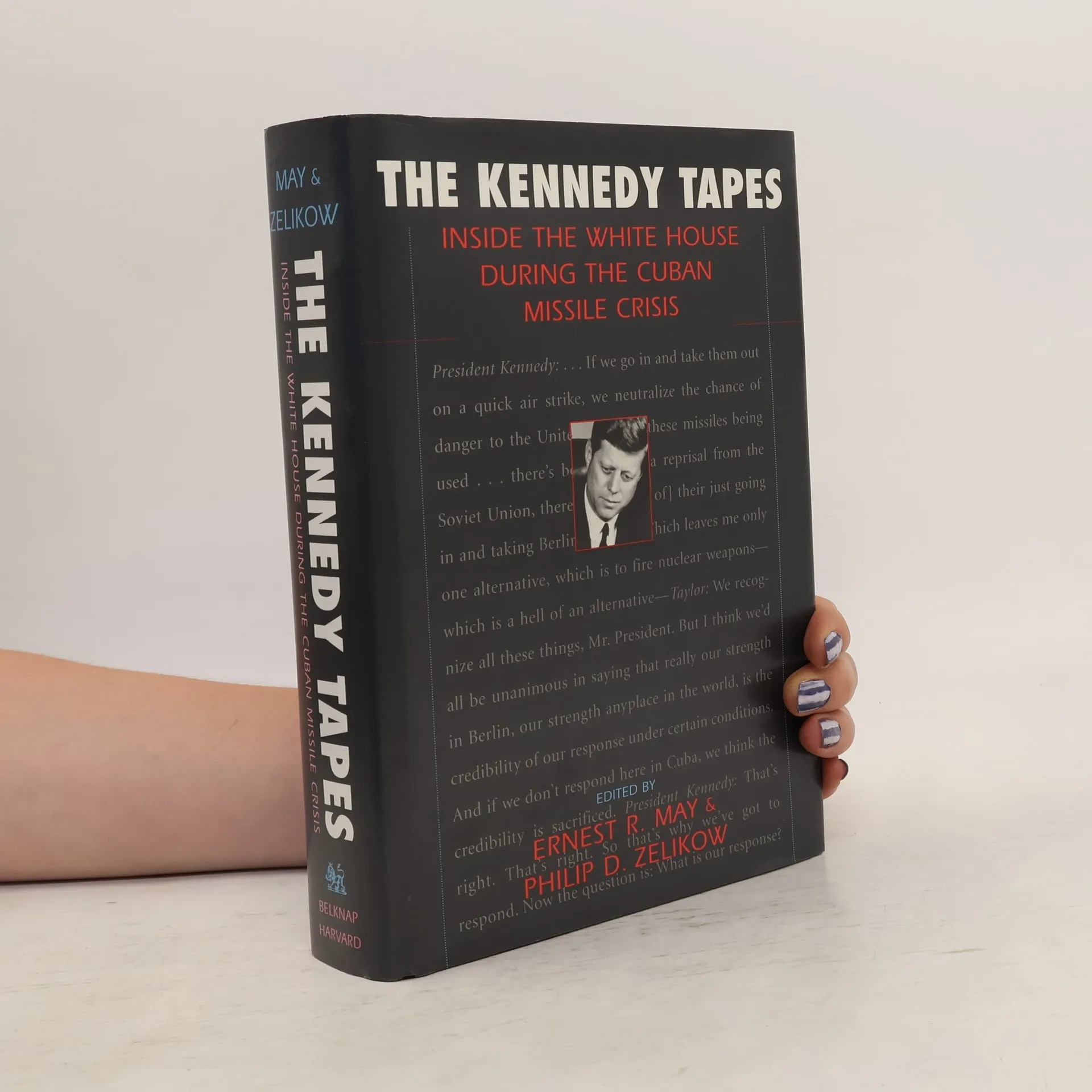
During one of the most perilous moments in history, the United States and the Soviet Union faced off with enough nuclear weapons to destroy each other's civilizations. For two weeks, an executive committee around President Kennedy's National Security Council debated their response to Soviet military units in Cuba, which were prepared for nuclear retaliation. Unknown to most participants, tape recordings captured these critical deliberations, providing a unique glimpse into the decision-making process that could have altered the course of history. These transcripts represent a vital document from the Cuban missile crisis, revealing the intense discussions of those responsible for the fate of the West in a rapidly evolving and dangerous situation. President Kennedy, wary of experts following the Bay of Pigs incident and troubled by his previous confrontation with Khrushchev, navigated the crisis with the weight of nuclear codes nearby. The editors contextualize the participants and their actions, framing this singular crisis within the larger narrative of several administrations. Their conclusions, which include insights into Khrushchev's perspective, highlight this moment as the climax of the Cold War.
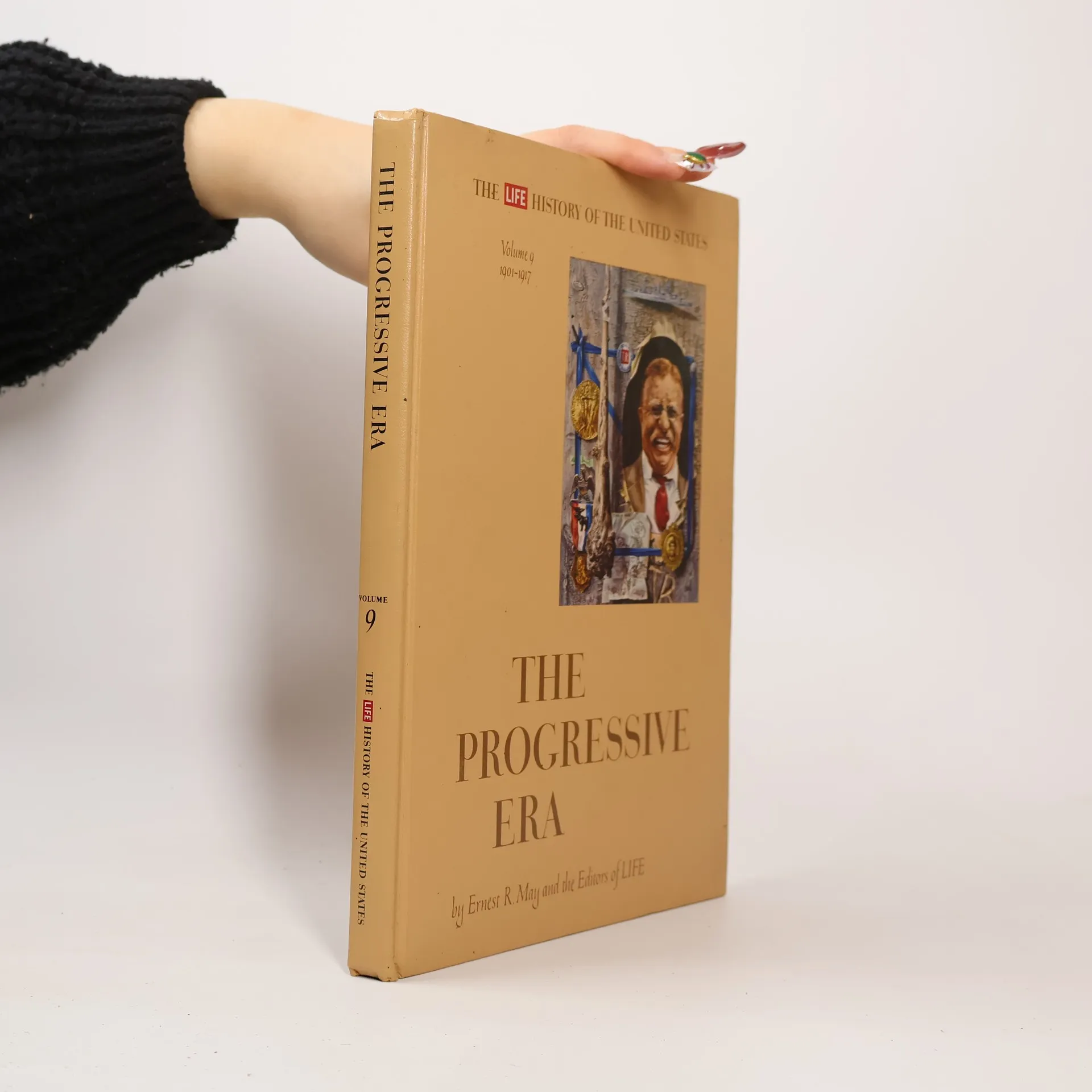
Ernest R. May Knihy
Ernest May byl americký historik mezinárodních vztahů, jehož práce se zaměřuje na klíčové momenty 20. století. Proslul svými podrobnými analýzami americké zahraniční politiky, zejména v souvislosti s první světovou válkou a pádem Francie ve druhé světové válce. Jeho přístup spočíval v hlubokém ponoru do archivních materiálů a svědectví, což čtenářům poskytuje poutavý pohled na rozhodovací procesy v krizových situacích. Mayovy analýzy často zdůrazňovaly selhání zpravodajských služeb a vliv politických lídrů na průběh dějin.

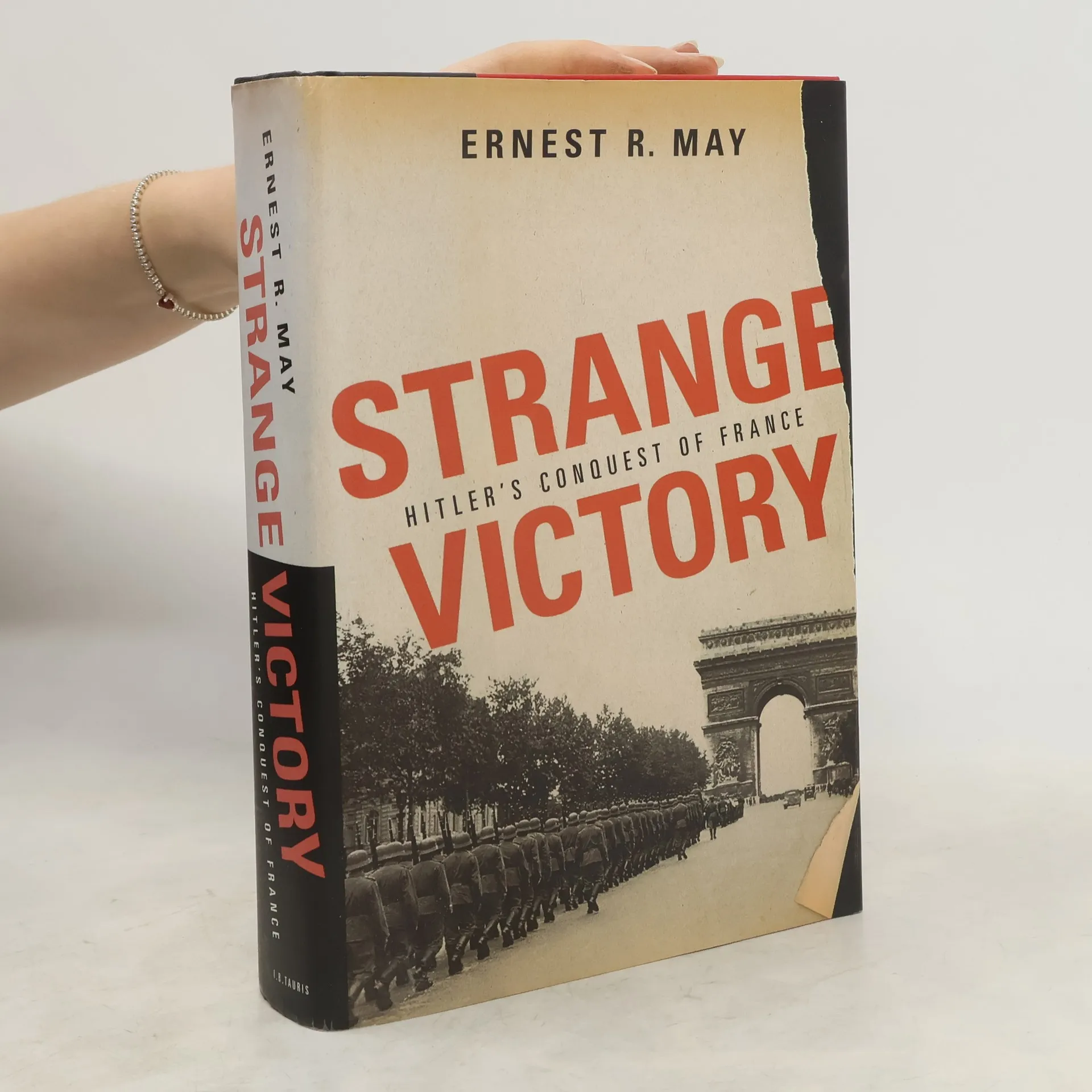
How did Hitler and his generals manage the swift conquest of France, considering that the French and their allies were superior in every measurable dimension and considering the Germans' own scepticism about their chances? This title is a new interpretation of Germany's lightning attack that swept the Wehrmacht to Paris in the spring of 1940. It studies the years leading up to those crucial weeks and suggests new ways to think about the decisions taken on both sides.
The Bedford Series in History and Culture: Martin Luther King, Jr., Malcolm X, and the Civil Rights Struggle of the 1950s and 1960s
A Brief History with Documents
- 207 stránek
- 8 hodin čtení
The civil rights movement’s most prominent leaders, Martin Luther King, Jr. (1929–1968) and Malcolm X (1925–1965), represent two wings of the revolt against racism: nonviolent resistance and revolution "by any means necessary." This volume presents the two leaders’ relationship to the civil rights movement beyond a simplified dualism. A rich selection of speeches, essays, and excerpts from Malcolm X’s autobiography and King’s sermons shows the breadth and range of each man’s philosophy, demonstrating their differences, similarities, and evolution over time. Organized into six topical groups, the documents allow students to compare the leaders’ views on subjects including integration, the American dream, means of struggle, and opposing racial philosophies. An interpretive introductory essay, chronology, selected bibliography, document headnotes, and questions for consideration provide further pedagogical support.
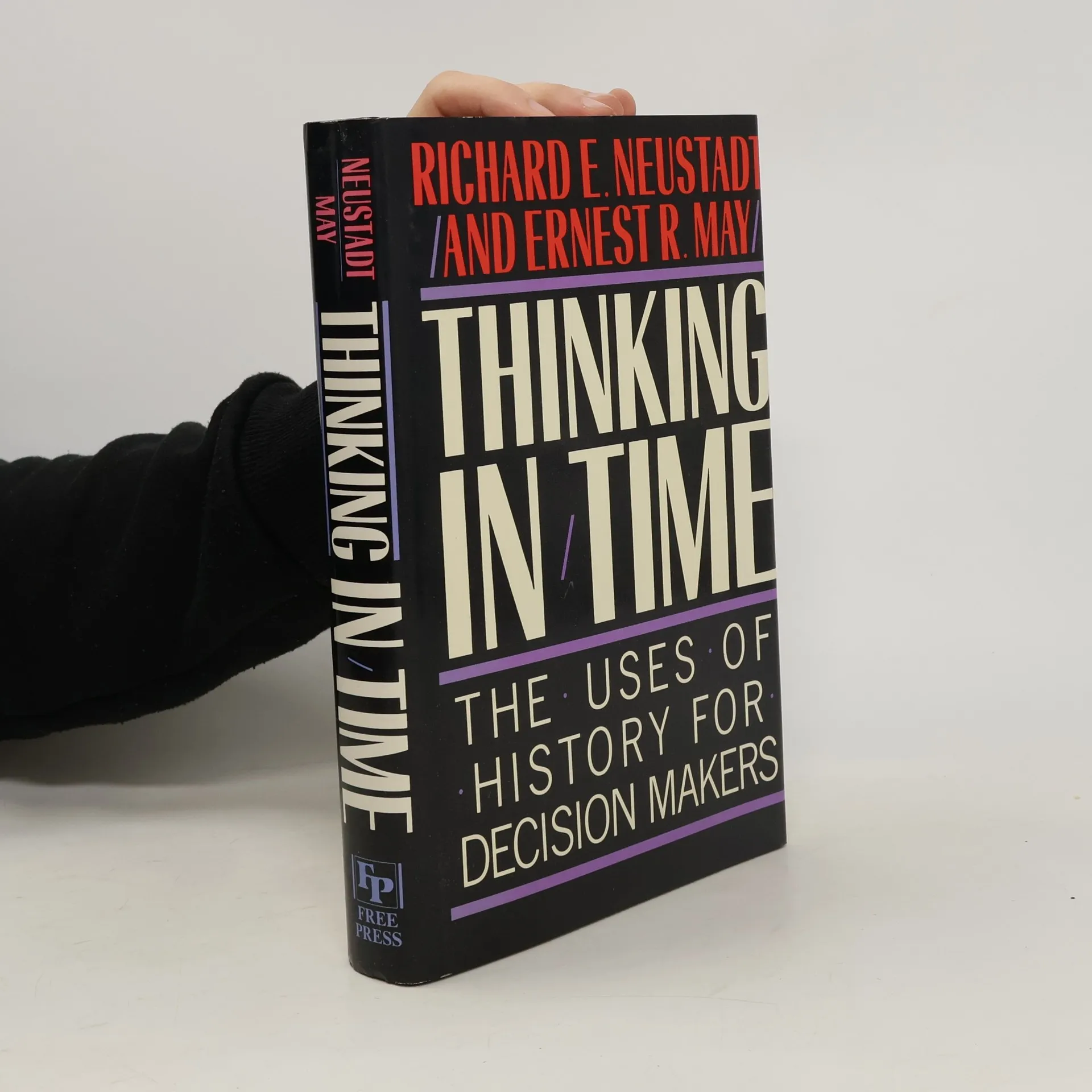
Thinking in Time. The Uses of History for Decision-Makers
- 329 stránek
- 12 hodin čtení
For nearly a decade distinguished scholars Richard Neustadt and Ernest May of Harvard's Kennedy School of Government have taught an unusual and influential course for high-level public officials and their aides, showing them how to make practical use of history in day-to-day decision making and management. And while the pioneering methods they have developed and introduced through their course are based on decision processes in government, their techniques can prove valuable in the upper echelons of business and industry as well. Now, in this long-awaited book, Neustadt and May describe their methods in full.
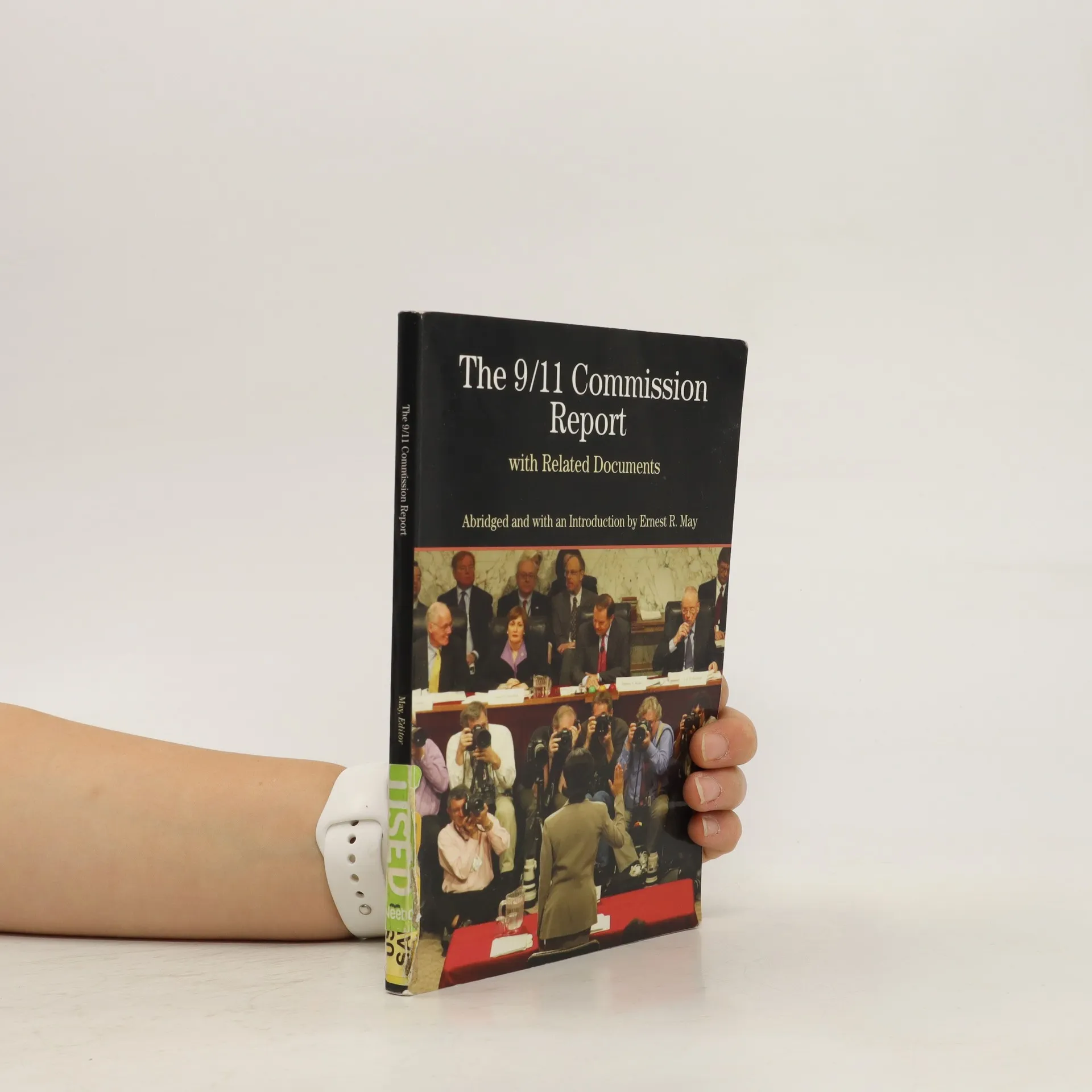
The 9/11 Commission Report with Related Documents
- 208 stránek
- 8 hodin čtení
The terrorist attacks of September 11, 2001 left Americans wondering how such a breach of security could have occurred. Relatives and friends of the victims pushed for the creation of a National Commission on Terrorist Attacks upon the United States to investigate the government's preparedness for and response to the attacks and to provide recommendations for preventing future disasters. As Senior Advisor to the 9/11 Commission, Ernest R. May provides students with a firsthand account of the commission's methods and actions. His introduction, which describes the drafting process and the collaboration of the commissioners despite the bitter political divisions surrounding them, allows students to view the report as an historical document. The report itself has been carefully abridged for the classroom while preserving the essence of the complete version. A cast of characters, a glossary of political acronyms, a chronology, a selected bibliography, and questions for consideration make this edition ideal for students.