



Více o knize
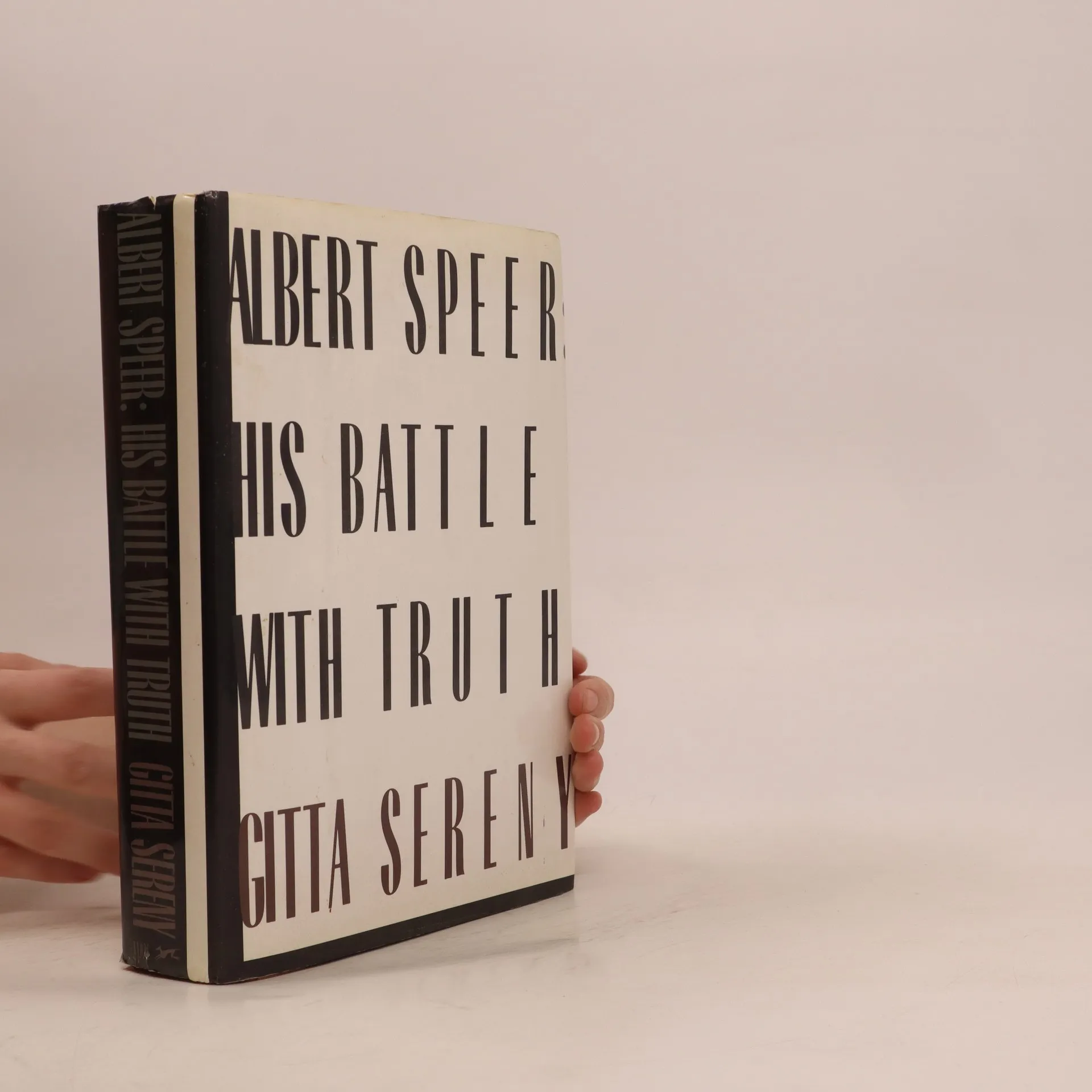
Gitta Sereny first saw Albert Speer on trial at Nuremberg. Over the last years of his life she came to know him - through hundreds of hours of conversations - as no other biographer has known a Nazi leader. She interviewed as well the people around him - the celebrated, the notorious and the ordinary. Speer gave Sereny, for her use, a number of unpublished manuscripts, and after his death she obtained access to many of his papers. Out of her probings a huge, and hugely alive, portrait emerges. Sereny takes us through the emotional desert of Speer's childhood and marriage, through his embrace (basically, she demonstrates, for nonideological reasons) of the Nazi Party and his service as Minister of Armaments and Munitions, during which his brutal use of slave labor extended a lost war. She superbly portrays the circles in which Speer functioned: the ambivalent General Staff and the infinitely peculiar and nightmarish upper echelons of Nazism



Nákup knihy
Albert Speer, Gitta Sereny
- Jazyk

- Rok vydání
- 1995
- product-detail.submit-box.info.binding
- (pevná)
Doručení
Platební metody
Tady nám chybí tvá recenze.
- Titul
- Albert Speer
- Jazyk
- anglicky
- Autoři
- Gitta Sereny
- Vydavatel
- Knopf
- Rok vydání
- 1995
- Vazba
- pevná
- ISBN10
- 0394529154
- ISBN13
- 9780394529158
- Série
- Štítky
- Naučná literatura, Umění & Kultura, Historické téma, Historie, Skutečné příběhy, Životopisy, Architektura, Architektura & Urbanismus, Německo, Vojenské dějiny, Války, Druhá světová válka, Berlín, Holokaust, Nacismus, Třetí říše (nacistické Německo), 1933-1945, Adolf Hitler, Nacisté, Norimberské procesy
- První vydání
- 1995
- Původní název
- Albert Speer: His Battle with Truth
- Hodnocení
- 4,3 z 5
- Anotace
- Gitta Sereny first saw Albert Speer on trial at Nuremberg. Over the last years of his life she came to know him - through hundreds of hours of conversations - as no other biographer has known a Nazi leader. She interviewed as well the people around him - the celebrated, the notorious and the ordinary. Speer gave Sereny, for her use, a number of unpublished manuscripts, and after his death she obtained access to many of his papers. Out of her probings a huge, and hugely alive, portrait emerges. Sereny takes us through the emotional desert of Speer's childhood and marriage, through his embrace (basically, she demonstrates, for nonideological reasons) of the Nazi Party and his service as Minister of Armaments and Munitions, during which his brutal use of slave labor extended a lost war. She superbly portrays the circles in which Speer functioned: the ambivalent General Staff and the infinitely peculiar and nightmarish upper echelons of Nazism