

Knihu momentálně nemáme skladem
Parametry
- 198 stránek
- 7 hodin čtení
Více o knize
Friedrich Nietzsche's work serves as a powerful critique of modernity, challenging established notions in science, arts, and politics. He argues against the universality of morality, asserting that moral systems are shaped by individual perspectives rather than absolute truths. The book particularly targets European and Christian morality, which Nietzsche sees as hypocritical and life-denying. Through this provocative analysis, it examines themes of identity, religion, democracy, psychology, and individual freedom, influencing contemporary moral philosophy significantly.


Vydání
- 2024

- 2024
- 2023
- 2023
- 2023
- 2023
- 2023
- 2023
- 2023
- 2023
- 2023
- 2023

- 2022
- 2022
- 2022
- 2022
- 2022
- 2022
- 2022
- 2021
- 2021
- 2021
- 2021
- 2021
- 2021
- 2021
- 2021

- 2020
- 2020
- 2020
- 2020
- 2020
- 2020
- 2020
- 2020
- 2020
- 2020
- 2020
- 2020
- 2020
- 2020
- 2020
- 2020
- 2020
- 2020
- 2020

- 2019
- 2019
- 2019
- 2019
- 2019


- 2018

- 2018
- 2018
- 2018
- 2018
- 2018
- 2018
- 2018
- 2018
- 2018
- 2017
- 2017
- 2017
- 2017
- 2016

- 2013
- 2012
- 2010
- 2009
- 2009

- 2008
- 2008
- 2008
- 2008
- 2007
- 2007
- 2006
- 2005
- 2005
- 2004
- 2004







Nákup knihy
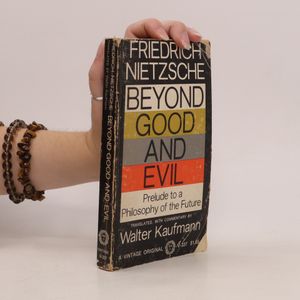
Beyond Good and Evil, Friedrich Nietzsche
- Jazyk

- Rok vydání
- 2024
Jakmile se objeví, pošleme e-mail.
Doručení
Platební metody
Tady nám chybí tvá recenze.
- Titul
- Beyond Good and Evil
- Jazyk
- anglicky
- Autoři
- Friedrich Nietzsche
- Vydavatel
- Warbler Classics
- Rok vydání
- 2024
- Počet stran
- 198
- ISBN13
- 9781962572675
- Série
- Štítky
- Naučná literatura, Společenské vědy, Skutečné příběhy, Psychologická tématika, Filosofická tématika, Německá literatura, Publicistika & Eseje, 19. století
- První vydání
- 1886
- Původní název
- Jenseits von Gut und Böse
- Hodnocení
- 4,25 z 5
- Anotace
- Friedrich Nietzsche's work serves as a powerful critique of modernity, challenging established notions in science, arts, and politics. He argues against the universality of morality, asserting that moral systems are shaped by individual perspectives rather than absolute truths. The book particularly targets European and Christian morality, which Nietzsche sees as hypocritical and life-denying. Through this provocative analysis, it examines themes of identity, religion, democracy, psychology, and individual freedom, influencing contemporary moral philosophy significantly.