

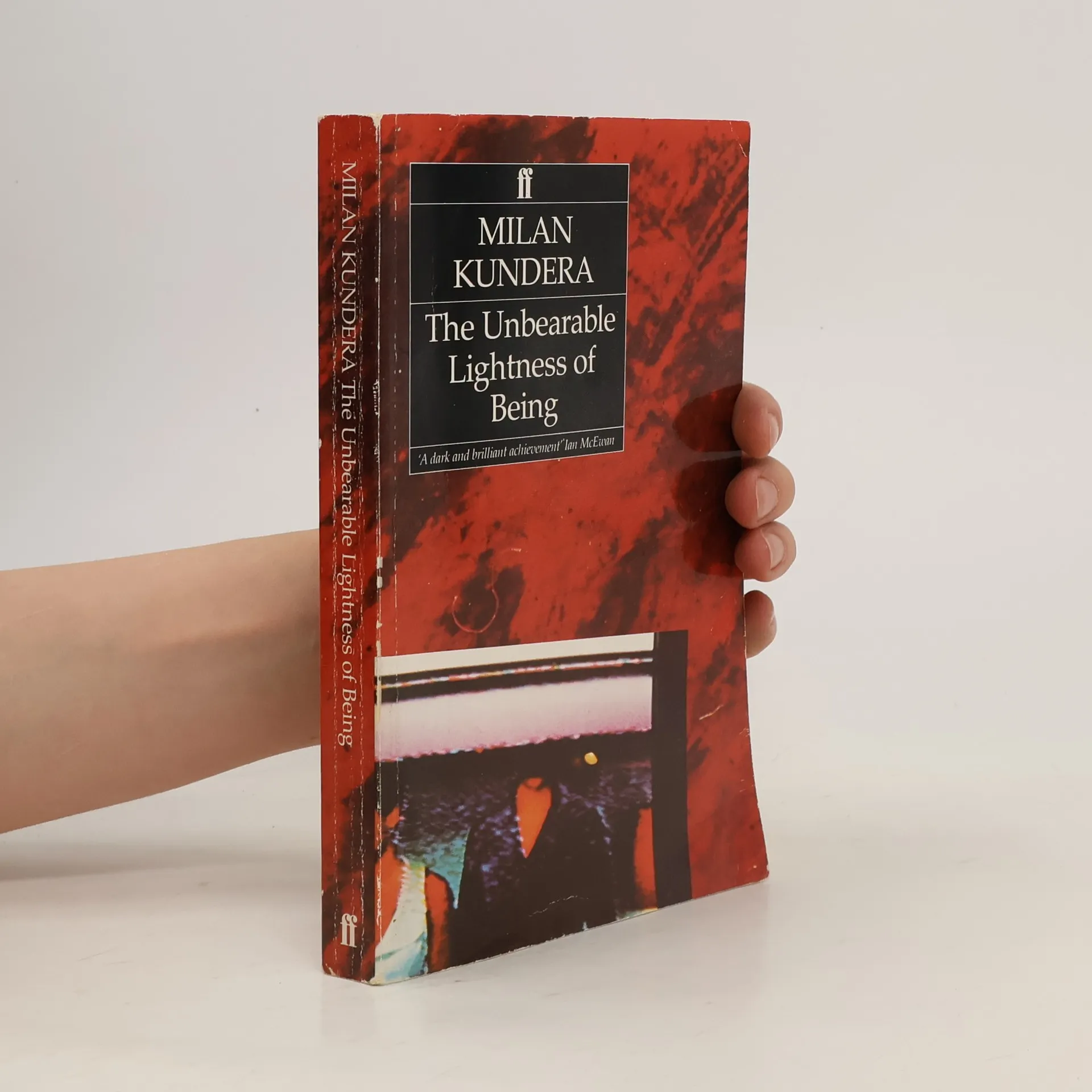
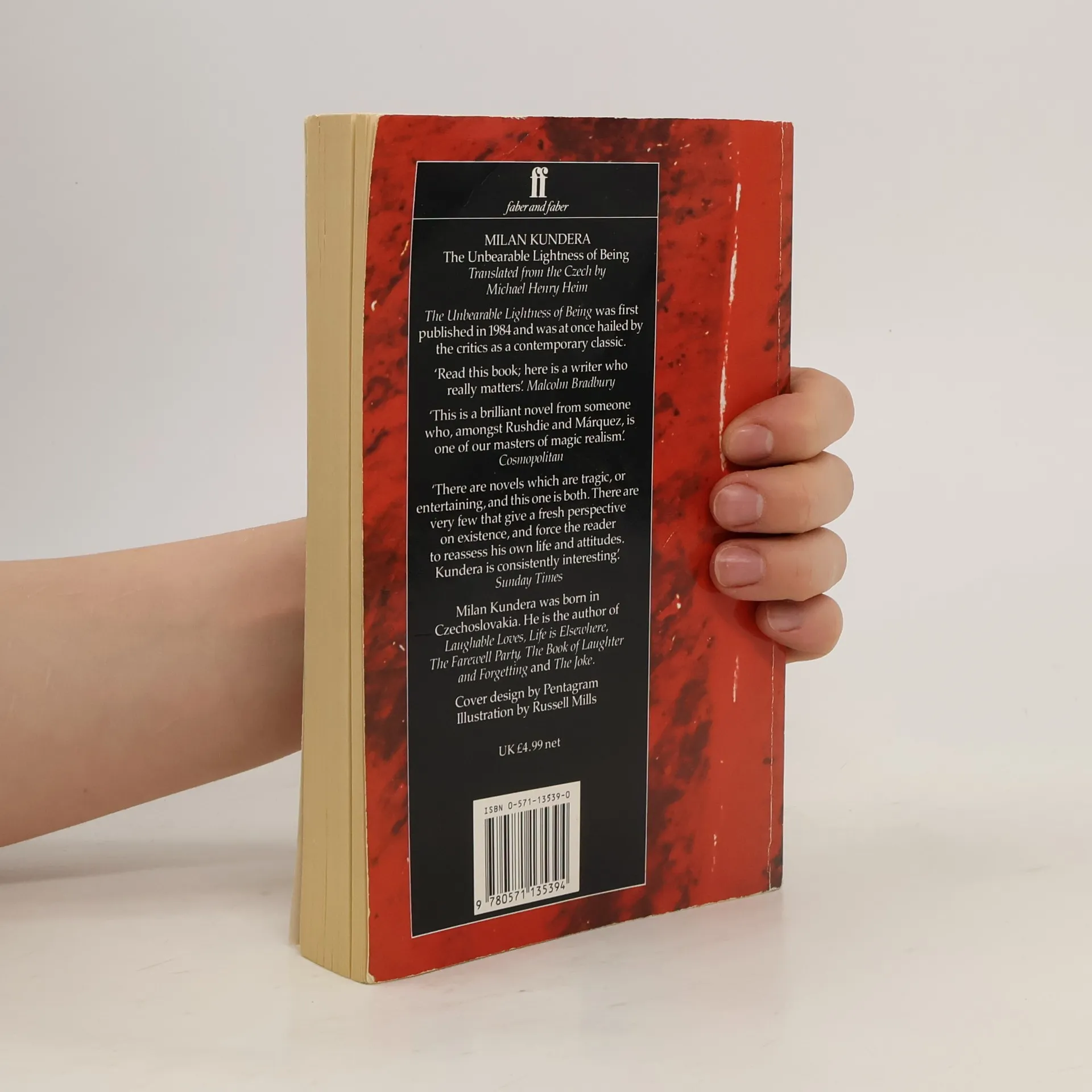
Více o knize
A young woman in love with a man torn between his love for her and his incorrigible womanising; one of his mistresses and her humbly faithful lover - these are the two couples whose story is told in this novel. Controlled by day, Tereza's jealousy awakens by night, transformed into ineffably sad death-dreams, while Tomas, a successful surgeon, alternates loving devotion to the dependent Tereza with the ardent pursuit of other women. Sabina, an independent, free-spirited artist, lives her life as a series of betrayals - of parents, husband, country, love itself - whereas her lover, the intellectual Franz, loses all because of his earnest goodness and fidelity. In a world in which lives are shaped by irrevocable choices and by fortuitous events, a world in which everything occurs but once, existence seems to lose its substance, its weight. Hence we feel, says the novelist, "the unbearable lightness of being"--Not only as the consequence of our private acts but also in the public sphere, and the two inevitably intertwine







Nákup knihy
Unbearable Lightness of Being, Milan Kundera
- Jazyk

- Rok vydání
- 1995
- Vazba
- (měkká)
Doručení
Platební metody
Tady nám chybí tvá recenze.
- Jazyk
- anglicky
- Autoři
- Milan Kundera
- Vydavatel
- Faber and Faber
- Rok vydání
- 1995
- Vazba
- měkká
- Počet stran
- 328
- ISBN10
- 0571135390
- ISBN13
- 9780571135394
- Série
- Hodnocení
- 4,1 z 5
- Anotace
- A young woman in love with a man torn between his love for her and his incorrigible womanising; one of his mistresses and her humbly faithful lover - these are the two couples whose story is told in this novel. Controlled by day, Tereza's jealousy awakens by night, transformed into ineffably sad death-dreams, while Tomas, a successful surgeon, alternates loving devotion to the dependent Tereza with the ardent pursuit of other women. Sabina, an independent, free-spirited artist, lives her life as a series of betrayals - of parents, husband, country, love itself - whereas her lover, the intellectual Franz, loses all because of his earnest goodness and fidelity. In a world in which lives are shaped by irrevocable choices and by fortuitous events, a world in which everything occurs but once, existence seems to lose its substance, its weight. Hence we feel, says the novelist, "the unbearable lightness of being"--Not only as the consequence of our private acts but also in the public sphere, and the two inevitably intertwine