

Více o knize
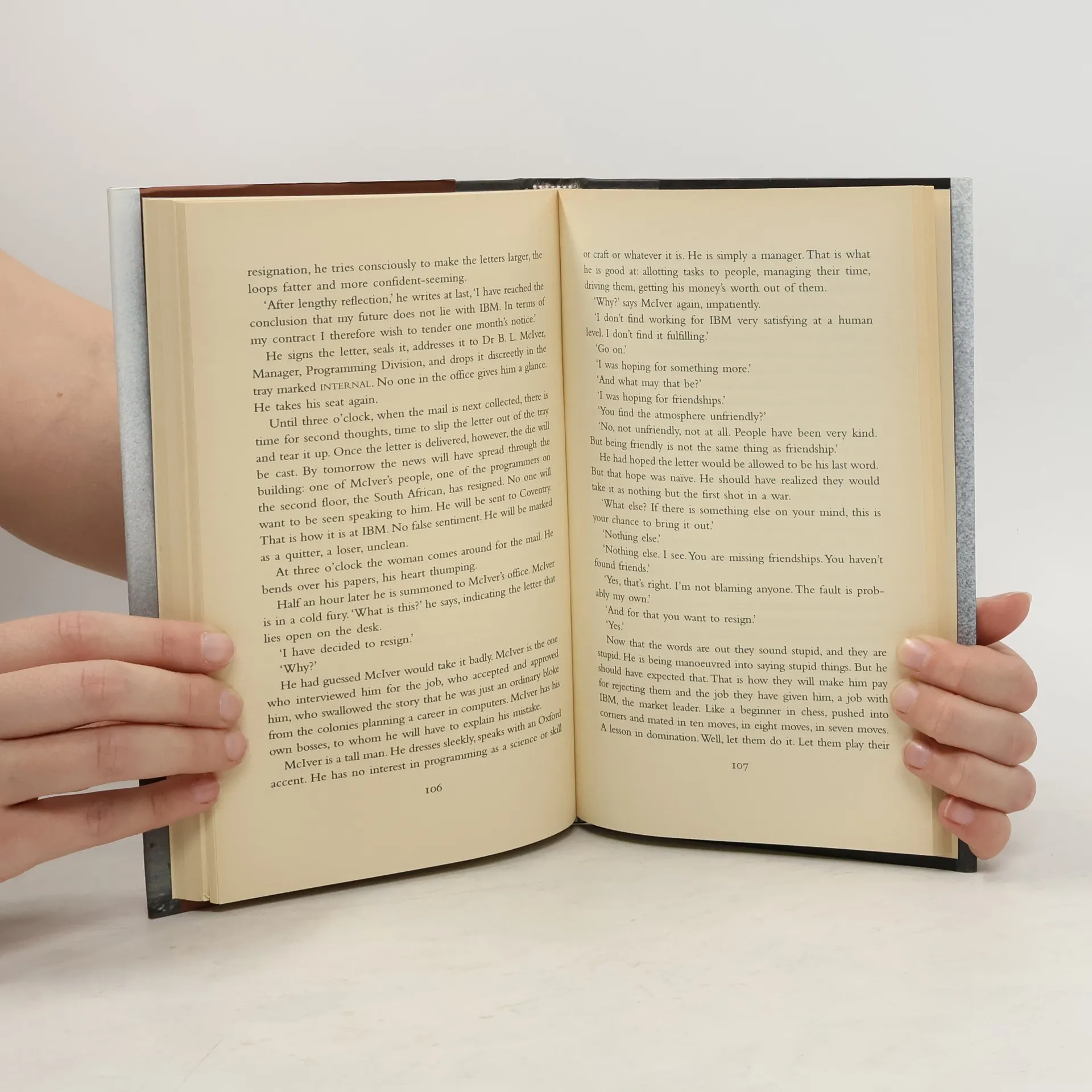
A searing portrait of a young colonial in early 1960s London – from the two-time winner of the Booker Prize. Set against the background of the 1960s - Sharpeville, the Cuban missile crisis, Vietnam – Youth is a remarkable portrait of a consciousness, isolated and adrift, turning in on itself. The narrator of Youth, a student in the South Africa of the 1950s, studies mathematics, reads poetry, saves money, trying to ensure that when he escapes to the real world, wherever that may be, he will be prepared to experience life to its full intensity and transform it into art. Arriving in London, however, he finds neither poetry nor romance. Instead he succumbs to the monotony of life as a computer programmer, from which random, loveless affairs offer no relief. Devoid of inspiration, he stops writing. An awkward colonial, a constitutional outsider, he begins a dark pilgrimage in which he is continually tested and continually found wanting.






Nákup knihy
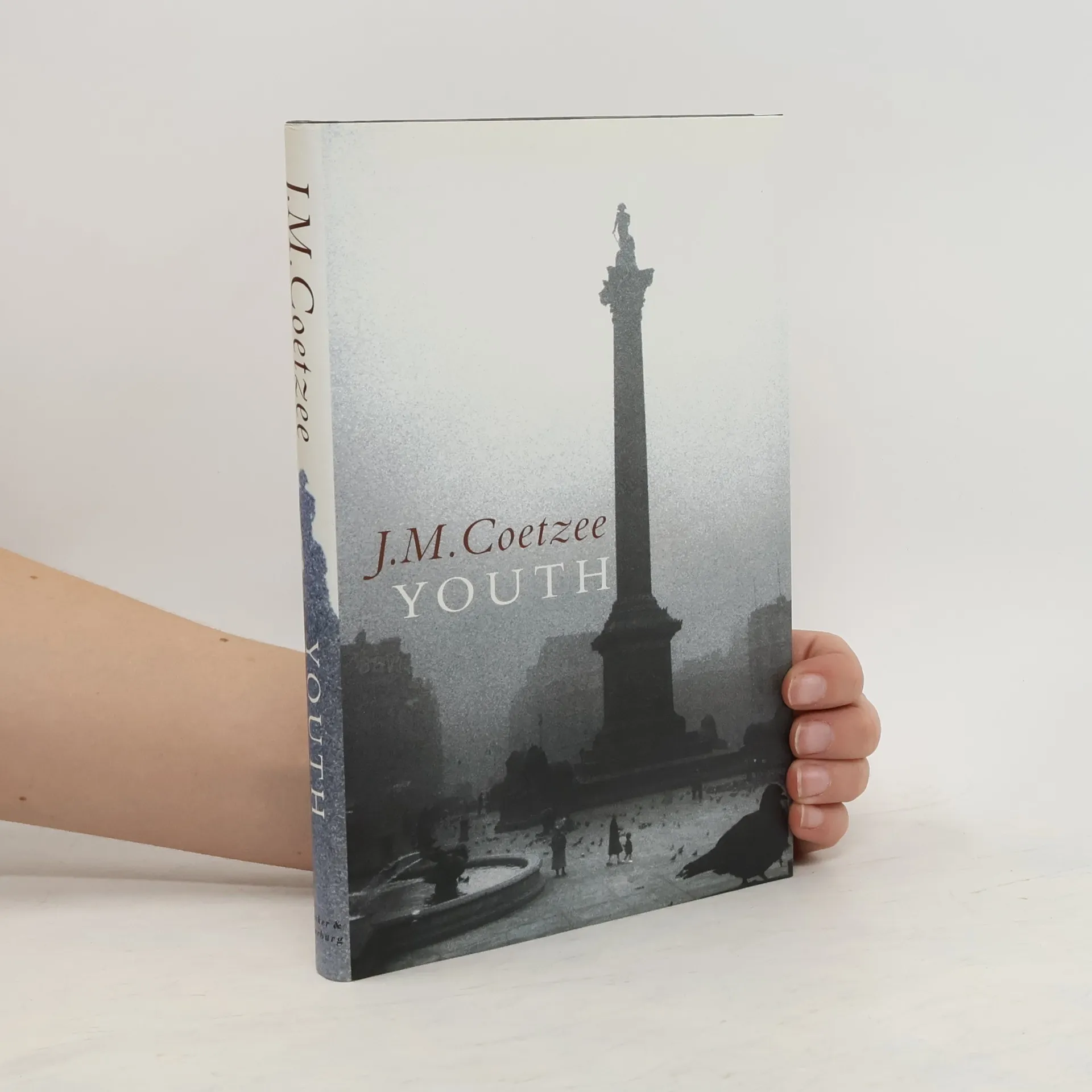
Youth, John Maxwell Coetzee
- Jazyk

- Rok vydání
- 2002
- Vazba
- (pevná)
Doručení
Platební metody
Tady nám chybí tvá recenze.
- Titul
- Youth
- Jazyk
- anglicky
- Autoři
- John Maxwell Coetzee
- Vydavatel
- Secker & Warburg
- Rok vydání
- 2002
- Vazba
- pevná
- Počet stran
- 169
- ISBN10
- 0436205823
- ISBN13
- 9780436205828
- Štítky
- Cestování, Anglie, Velká Británie, Afrika, Dospívání, Mládež, Londýn, Spisovatelé, Nobelova cena, Autobiografické romány, Jihoafrická republika, Studenti, Jižní Afrika, Intelektuálové, Jihoafrická literatura
- První vydání
- 2002
- Původní název
- Youth
- Hodnocení
- 3,8 z 5
- Anotace
- A searing portrait of a young colonial in early 1960s London – from the two-time winner of the Booker Prize. Set against the background of the 1960s - Sharpeville, the Cuban missile crisis, Vietnam – Youth is a remarkable portrait of a consciousness, isolated and adrift, turning in on itself. The narrator of Youth, a student in the South Africa of the 1950s, studies mathematics, reads poetry, saves money, trying to ensure that when he escapes to the real world, wherever that may be, he will be prepared to experience life to its full intensity and transform it into art. Arriving in London, however, he finds neither poetry nor romance. Instead he succumbs to the monotony of life as a computer programmer, from which random, loveless affairs offer no relief. Devoid of inspiration, he stops writing. An awkward colonial, a constitutional outsider, he begins a dark pilgrimage in which he is continually tested and continually found wanting.