

Knihu momentálně nemáme skladem
Více o knize
In 1845, Henry David Thoreau moved into a cabin in the woods at Walden Pond to record a philosophical experiment in living: to simplify his life, to support himself entirely by his own labor, and to draw spiritual sustenance from his surroundings. The result: Walden: Or, Life in the Woods (1854). In 1846, Thoreau refused to pay a mandated poll tax, refusing to support a government that protected slavery and had launched an aggressive war against Mexico. In his essay "Civil Disobedience," Thoreau argues that it is the duty of every citizen to disobey immoral laws--and willingly suffer the legal consequences for doing so.


Vydání
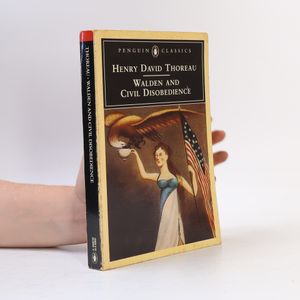
- 2024

- 2024
- 2024

- 2023
- 2023
- 2023
- 2023
- 2023
- 2023
- 2022
- 2022
- 2022
- 2022
- 2021
- 2021
- 2021
- 2021
- 2021
- 2021
- 2021
- 2020
- 2020
- 2020
- 2020
- 2020
- 2020
- 2020
- 2020
- 2020
- 2020
- 2020
- 2020
- 2020
- 2020
- 2020
- 2020
- 2020
- 2020
- 2019
- 2019
- 2019
- 2019
- 2018
- 2018
- 2018
- 2018
- 2018
- 2018
- 2018

- 2017
- 2017
- 2017
- 2017
- 2017
- 2017
- 2017




- 2016
- 2016

- 2014
- 2014
- 2014
- 2014



- 2011
- 2011
- 2011
- 2011
- 2011
- 2011
- 2011
- 2011
- 2011
- 2010

- 2009
- 2009
- 2009
- 2009
- 2009
- 2009

- 2008
- 2008
- 2008
- 2007
- 2007
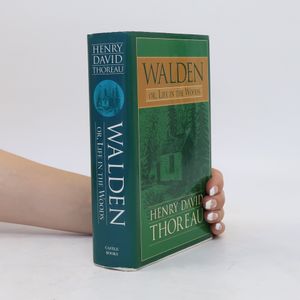



- 2005
- 2004
- 2004


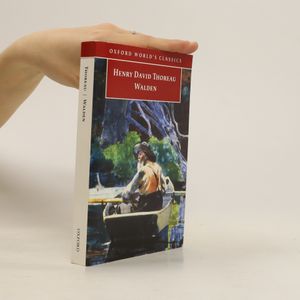

- 1996



- 1992
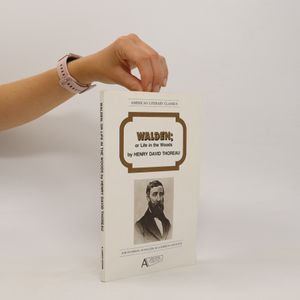
- 1965





Nákup knihy
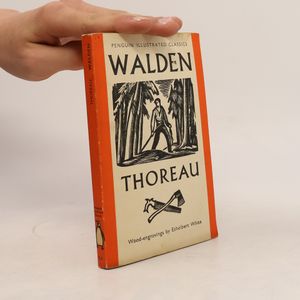
Walden and Civil Disobedience, Henry David Thoreau
- Jazyk

- Rok vydání
- 2023
- product-detail.submit-box.info.binding
- (měkká)
Doručení
Platební metody
Tady nám chybí tvá recenze.
- Jazyk
- anglicky
- Autoři
- Henry David Thoreau
- Vydavatel
- Union Square & Co.
- Rok vydání
- 2023
- Vazba
- měkká
- ISBN10
- 1435171810
- ISBN13
- 9781435171817
- Série
- Štítky
- Skutečné příběhy, Životopisy, Příroda, Filosofická tématika, Autobiografie & Memoáry, USA, 19. století, Amerika, Osamělost, Lesy, Pokusy (věda), Civilizace, Divočina
- První vydání
- 1854
- Původní název
- Walden; or, Life in the Woods
- Hodnocení
- 3,85 z 5
- Anotace
- In 1845, Henry David Thoreau moved into a cabin in the woods at Walden Pond to record a philosophical experiment in living: to simplify his life, to support himself entirely by his own labor, and to draw spiritual sustenance from his surroundings. The result: Walden: Or, Life in the Woods (1854). In 1846, Thoreau refused to pay a mandated poll tax, refusing to support a government that protected slavery and had launched an aggressive war against Mexico. In his essay "Civil Disobedience," Thoreau argues that it is the duty of every citizen to disobey immoral laws--and willingly suffer the legal consequences for doing so.