

Více o knize
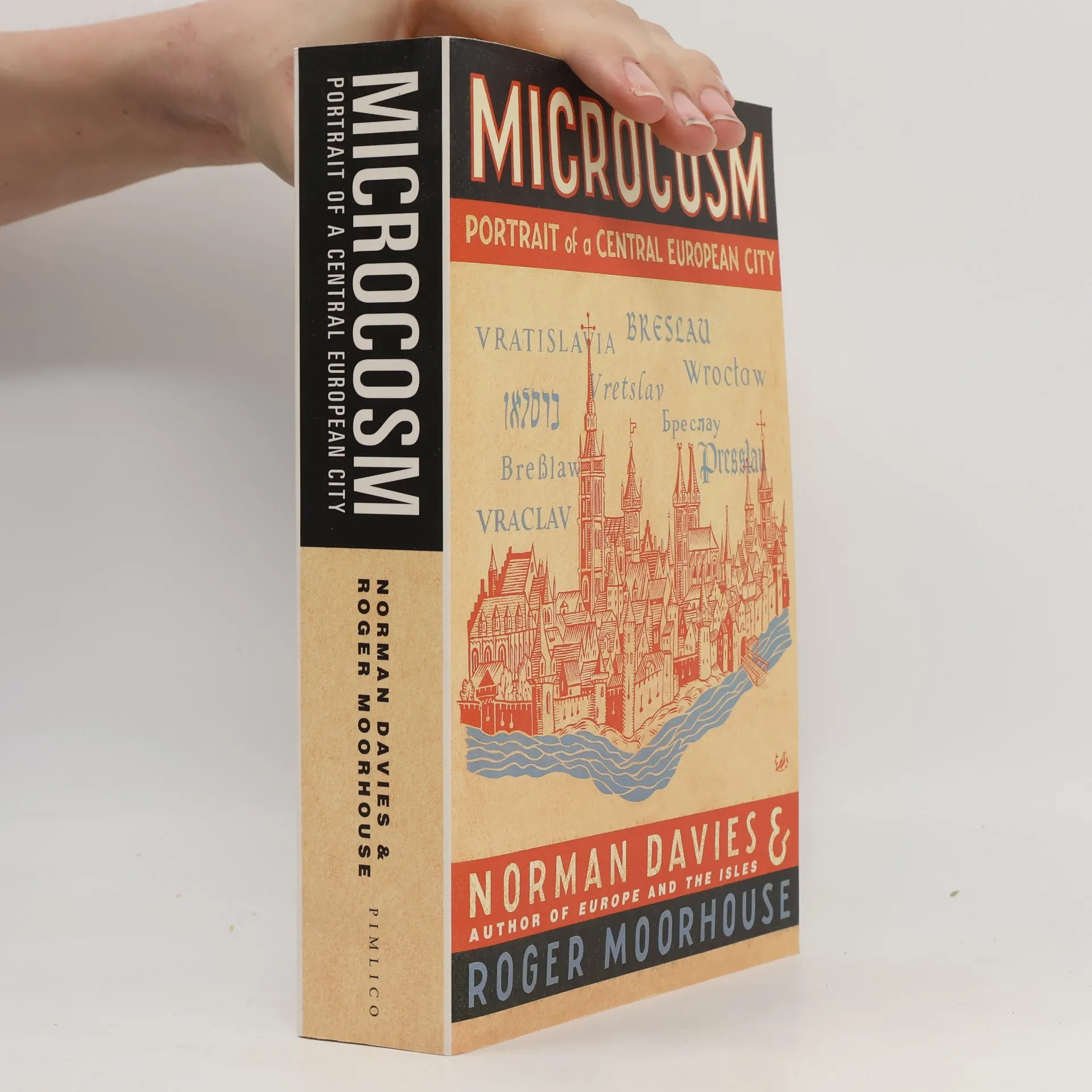
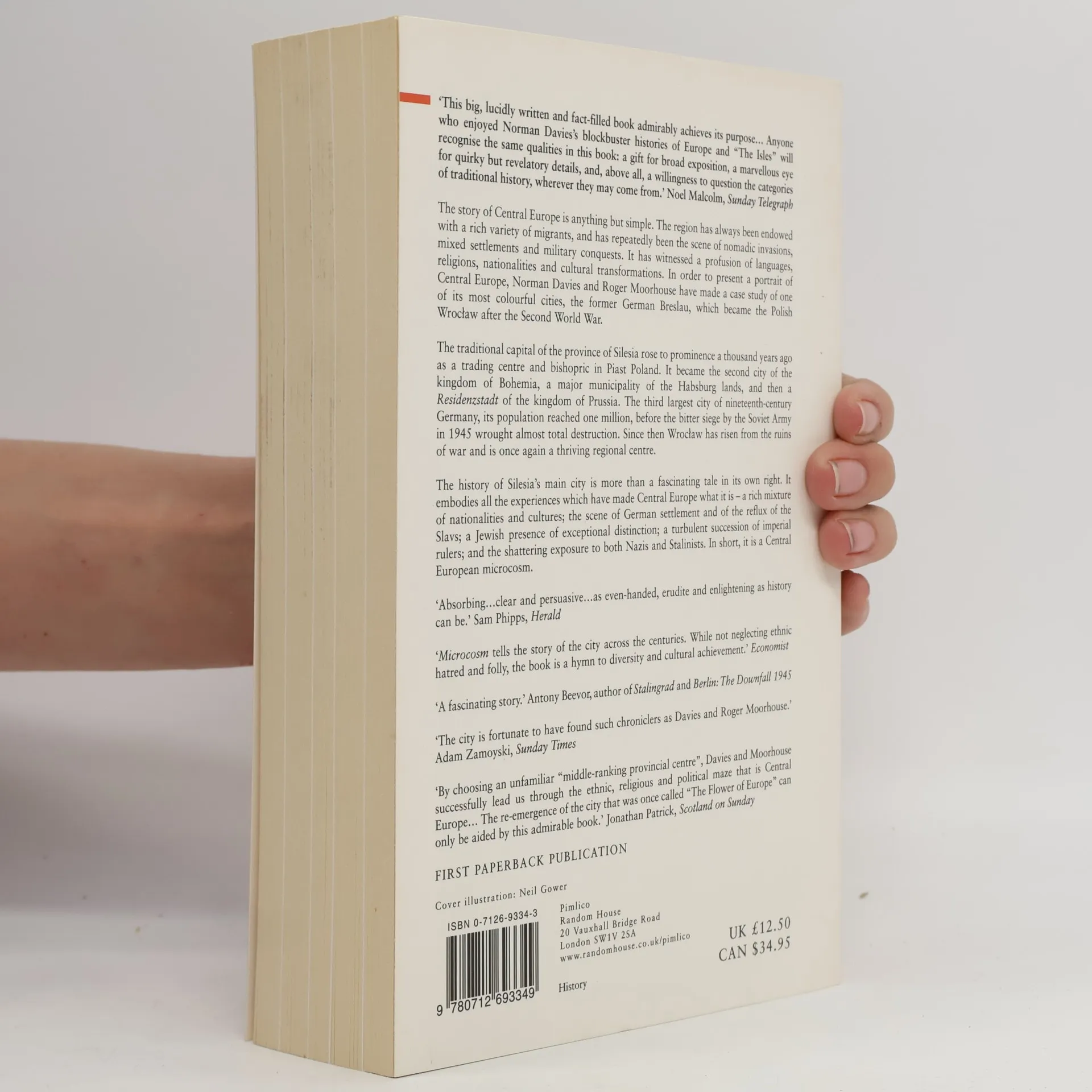
Central Europe has always been richly endowed with a variety of migrants and settlers, and repeatedly been the scene of nomadic invasions, mixed settlements and military conquests. As a result, the area has witnessed a profusion of languages, cultures, religions and nationalities.The history of Silesia's main city can be seen as a fascinating tale in its own right, but it is more than that. It embodies all the experiences that have made Central Europe what it is -- the rich mixture of nationalities and cultures; the German settlement and the reflux of the Slavs; a Jewish presence of exceptional distinction; a turbulent succession of Imperial rules; and the shattering exposure to both Nazis and Stalinists. In short, it is a Central European microcosm.The third largest German city of the mid-nineteenth century, Breslau's population reached one million in 1945, before the bitter German defence of the city against the Soviets wrought almost total destruction. Transferred to Poland after the war, Breslau has risen from ruins and is again a thriving economic and cultural centre of the region.




Nákup knihy
Microcosm, Norman Davies, Roger Moorhouse
- Jazyk

- Rok vydání
- 2003
- product-detail.submit-box.info.binding
- (měkká),
- Stav knihy
- Poškozená
- Cena
- 198 Kč
Doručení
Platební metody
Tady nám chybí tvá recenze.
- Titul
- Microcosm
- Jazyk
- anglicky
- Autoři
- Norman Davies, Roger Moorhouse
- Vydavatel
- Random House
- Rok vydání
- 2003
- Vazba
- měkká
- Počet stran
- 608
- ISBN10
- 0712693343
- ISBN13
- 9780712693349
- Série
- Štítky
- Naučná literatura, Historické téma, Historie, Mapy & Cestování, Skutečné příběhy, Cestopisy, Německo, Dějiny Evropy, Lokální historie, Města, Polsko, Střední Evropa, Slezsko, Vratislav
- První vydání
- 2002
- Původní název
- Microcosm
- Hodnocení
- 4 z 5
- Anotace
- Central Europe has always been richly endowed with a variety of migrants and settlers, and repeatedly been the scene of nomadic invasions, mixed settlements and military conquests. As a result, the area has witnessed a profusion of languages, cultures, religions and nationalities.The history of Silesia's main city can be seen as a fascinating tale in its own right, but it is more than that. It embodies all the experiences that have made Central Europe what it is -- the rich mixture of nationalities and cultures; the German settlement and the reflux of the Slavs; a Jewish presence of exceptional distinction; a turbulent succession of Imperial rules; and the shattering exposure to both Nazis and Stalinists. In short, it is a Central European microcosm.The third largest German city of the mid-nineteenth century, Breslau's population reached one million in 1945, before the bitter German defence of the city against the Soviets wrought almost total destruction. Transferred to Poland after the war, Breslau has risen from ruins and is again a thriving economic and cultural centre of the region.