

Parametry
- 672 stránek
- 24 hodin čtení
Více o knize
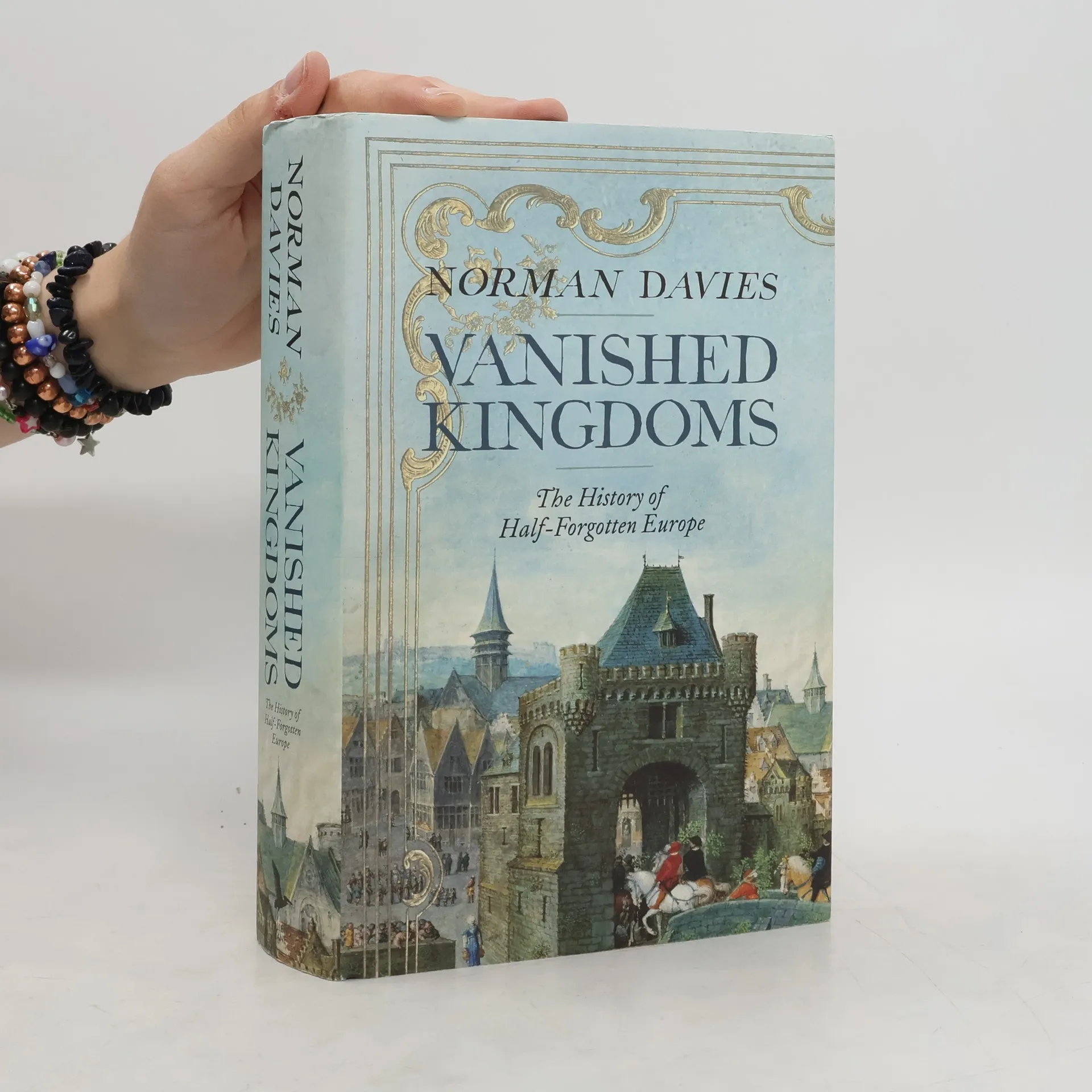
The past is often seen as a foreign country, yet its differences from the present are frequently overlooked, leading to an imperfect historical memory. We tend to view European history through the lens of modern nations like France and Germany, which can obscure our understanding of its complex political landscape. Europe's history is filled with now-defunct kingdoms, duchies, empires, and republics that were once significant, such as the Empire of Aragon and the Grand Duchy of Lithuania. This exploration encourages readers to look beyond mainstream historical narratives and acknowledge the echoes of these lost realms. For instance, many may not know that Glasgow was founded by the Welsh before the existence of England and Scotland as we know them today. The text prompts us to consider how future generations will remember entities like the former Soviet Union or even the United Kingdom itself. In this thought-provoking work, the author challenges conventional views and invites us to reevaluate our understanding of familiar histories. Rich with unexpected stories and insights, it offers a fresh perspective on Europe's past, urging readers to think critically about the legacies of history.





Nákup knihy
Vanished Kingdoms, Norman Davies
- Jazyk

- Rok vydání
- 2011
- product-detail.submit-box.info.binding
- (pevná)
Doručení
Platební metody
Tady nám chybí tvá recenze.
- Titul
- Vanished Kingdoms
- Jazyk
- anglicky
- Autoři
- Norman Davies
- Vydavatel
- Penguin UK
- Rok vydání
- 2011
- Vazba
- pevná
- Počet stran
- 672
- ISBN10
- 1846143381
- ISBN13
- 9781846143380
- Série
- Štítky
- Naučná literatura, Společenské vědy, Historické téma, Historie, Politologie & Politika, Politika, Evropa, Středověk, Dějiny Evropy, Kulturní dějiny
- Hodnocení
- 3,9 z 5
- Anotace
- The past is often seen as a foreign country, yet its differences from the present are frequently overlooked, leading to an imperfect historical memory. We tend to view European history through the lens of modern nations like France and Germany, which can obscure our understanding of its complex political landscape. Europe's history is filled with now-defunct kingdoms, duchies, empires, and republics that were once significant, such as the Empire of Aragon and the Grand Duchy of Lithuania. This exploration encourages readers to look beyond mainstream historical narratives and acknowledge the echoes of these lost realms. For instance, many may not know that Glasgow was founded by the Welsh before the existence of England and Scotland as we know them today. The text prompts us to consider how future generations will remember entities like the former Soviet Union or even the United Kingdom itself. In this thought-provoking work, the author challenges conventional views and invites us to reevaluate our understanding of familiar histories. Rich with unexpected stories and insights, it offers a fresh perspective on Europe's past, urging readers to think critically about the legacies of history.