


Parametry
- 259 stránek
- 10 hodin čtení
Více o knize
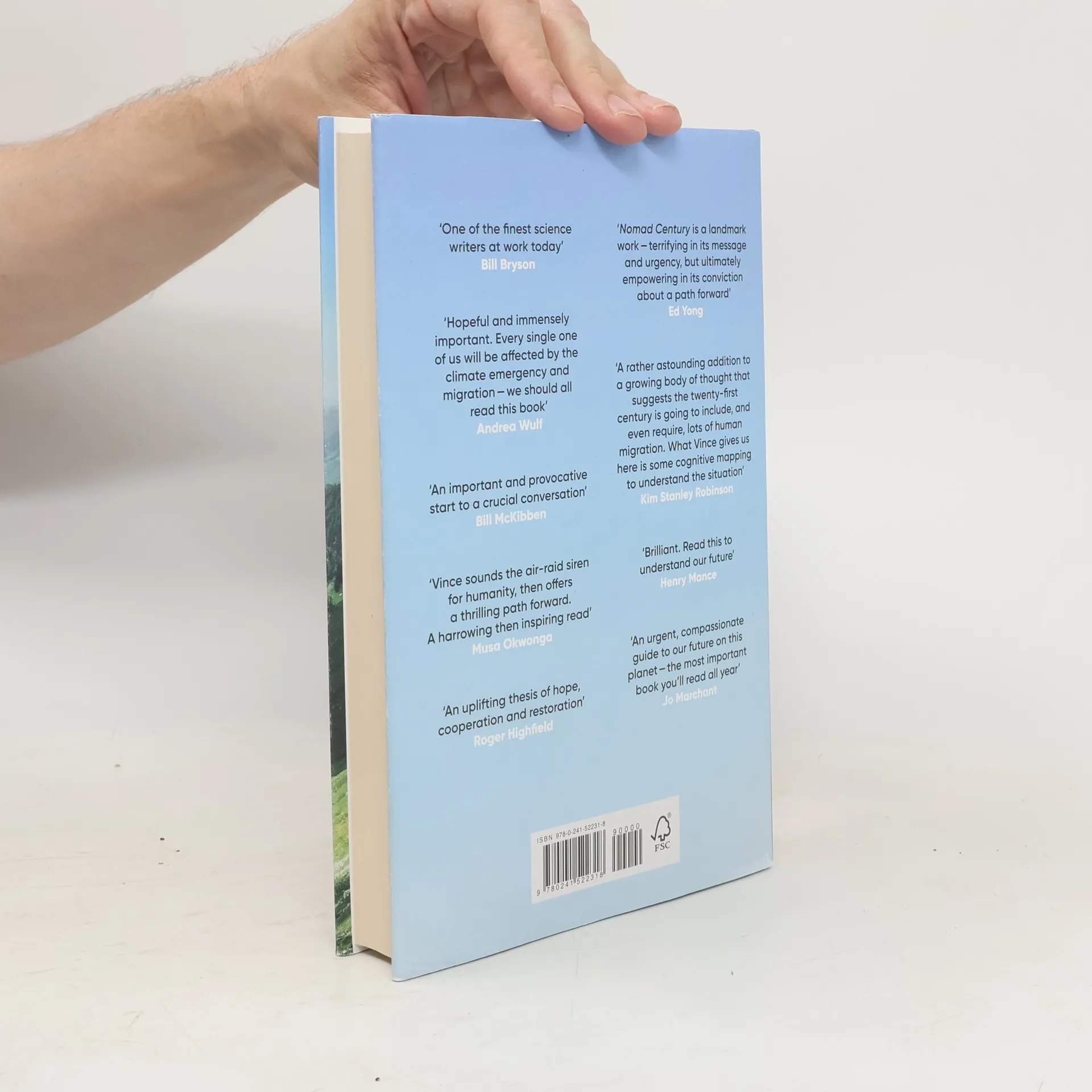
An urgent investigation into the seismic consequences of climate change reveals how it will force changes in where and how we live. We are facing a species emergency, as every degree of temperature rise threatens to displace a billion people from areas that have been habitable for millennia. While mitigating climate change is crucial, vast regions are becoming uninhabitable. From Bangladesh to Sudan and cities like Cardiff, New Orleans, and Shanghai, the combined threats of drought, heat, wildfires, and flooding will drastically alter human geography in the coming decades. The author, a Royal Society Science Book Prize winner, presents a compelling call to action, emphasizing that migration is not a problem but a solution. Utilizing extensive data and original reporting, the book illustrates how migration benefits both migrants and host countries facing demographic challenges and labor shortages. As humanity may need to relocate northwards into the habitable fringes of Europe, Asia, and the Arctic, the inevitability of mass migration remains largely overlooked. This work addresses a critical question for humanity: how to manage climate migration while restoring the planet to a livable state.




Nákup knihy
Nomad Century, Gaia Vince
- Jazyk

- Rok vydání
- 2022
- product-detail.submit-box.info.binding
- (pevná)
Doručení
Platební metody
Tady nám chybí tvá recenze.
- Titul
- Nomad Century
- Jazyk
- anglicky
- Autoři
- Gaia Vince
- Vydavatel
- Allen Lane
- Rok vydání
- 2022
- Vazba
- pevná
- Počet stran
- 259
- ISBN10
- 0241522315
- ISBN13
- 9780241522318
- Série
- Štítky
- Naučná literatura, Společenské vědy, Věda & Matematika, Příroda, Politologie & Politika, Politika, Věda, Ekologická tématika, Dárky pro dědu, Ekologie, Klimatické změny
- Hodnocení
- 3,8 z 5
- Anotace
- An urgent investigation into the seismic consequences of climate change reveals how it will force changes in where and how we live. We are facing a species emergency, as every degree of temperature rise threatens to displace a billion people from areas that have been habitable for millennia. While mitigating climate change is crucial, vast regions are becoming uninhabitable. From Bangladesh to Sudan and cities like Cardiff, New Orleans, and Shanghai, the combined threats of drought, heat, wildfires, and flooding will drastically alter human geography in the coming decades. The author, a Royal Society Science Book Prize winner, presents a compelling call to action, emphasizing that migration is not a problem but a solution. Utilizing extensive data and original reporting, the book illustrates how migration benefits both migrants and host countries facing demographic challenges and labor shortages. As humanity may need to relocate northwards into the habitable fringes of Europe, Asia, and the Arctic, the inevitability of mass migration remains largely overlooked. This work addresses a critical question for humanity: how to manage climate migration while restoring the planet to a livable state.