Knihobot

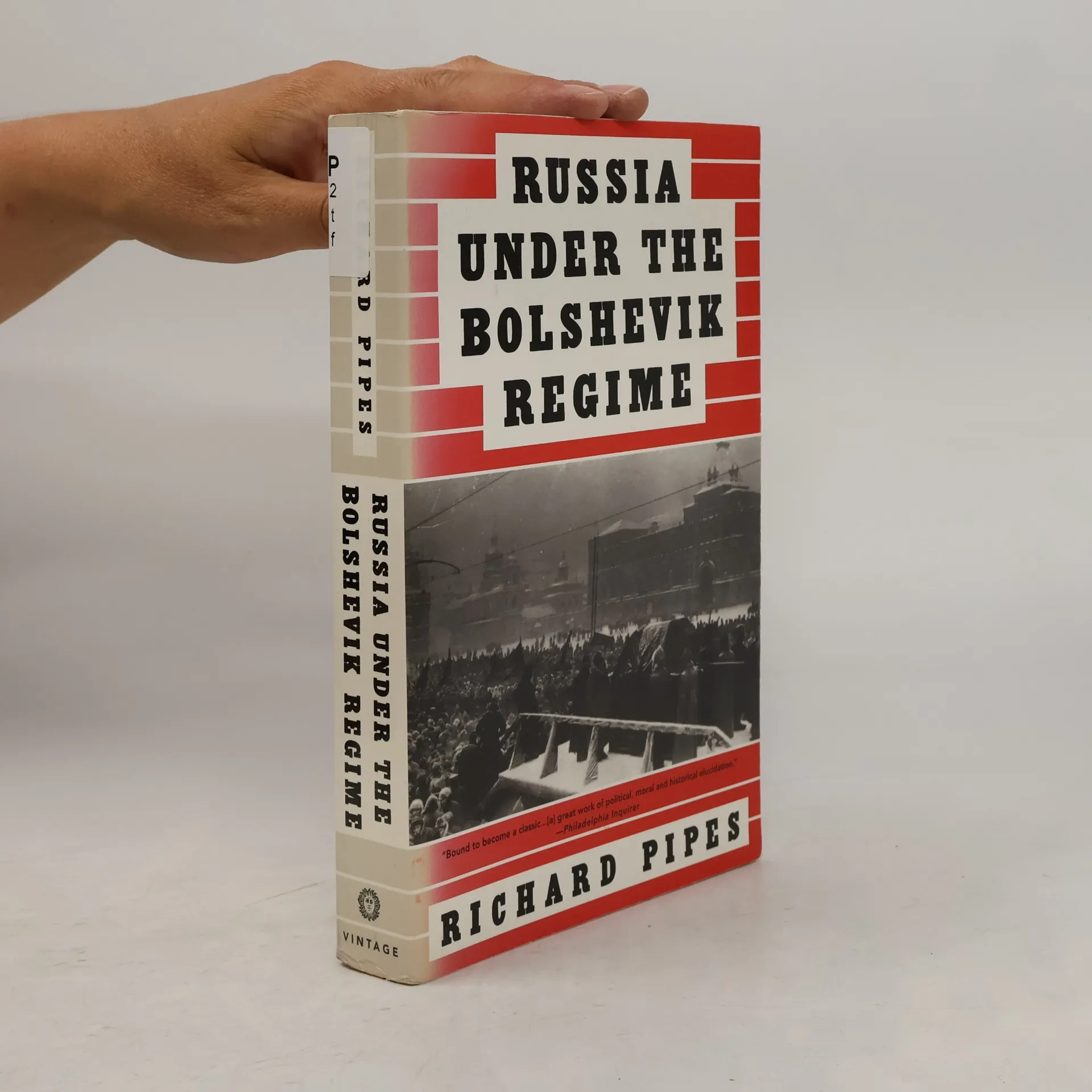
Russia under the Bolshevik Regime

Hodnocení knihy

Více o knize

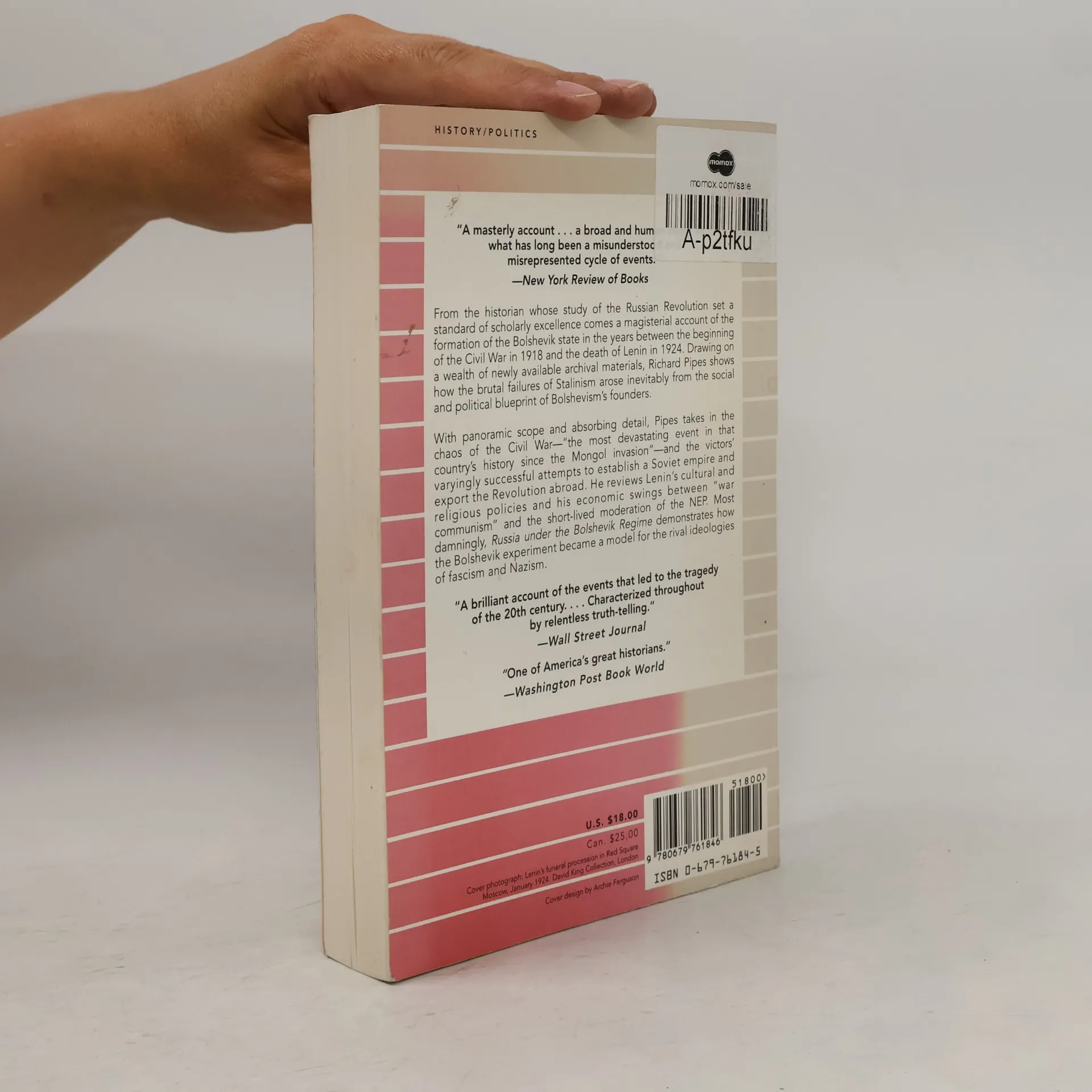
Continuing and concluding "The Russian Revolution" and completing the trilogy begun with "Russia under the Old Regime," this book stands on its own. It deals with the attempts of the Bolsheviks to defend and expand their authority from the Great Russian base they conquered in the winter of 1917-18 to the borderlands of the defunct Russian Empire and beyond, to the rest of the world. By the autumn of 1920, it became apparent that these efforts would not succeed, and that the new regime had to concentrate on building a communist state at home. The closing part of the book deals with the crises this unexpected development caused Russia's new rulers. In addition, the author discusses Communist cultural and religious policies. By treating these and other topics usually ignored by historians, the author seeks to fulfill the promise given in the introduction to "The Russian Revolution" to look beyond the struggle for power, which is commonly seen as the quintessence of the Revolution, to its makers' designs and their uses of that power. The book concludes with the death of Lenin in January 1924, by which time all the institutions and nearly all the practices of future Stalinism were in place.

Nákup knihy

Russia under the Bolshevik Regime, Richard Pipes

Jazyk
Rok vydání
1995
product-detail.submit-box.info.binding
(pevná)
Jakmile se objeví, pošleme e-mail.

Doručení

Platební metody

4,1
Velmi dobrá
8 Hodnocení

Tady nám chybí tvá recenze.

Titul
Russia under the Bolshevik Regime
Jazyk
anglicky
Vydavatel
Vintage Books
Rok vydání
1995
Vazba
pevná
Počet stran
587
ISBN10
0394502426
ISBN13
9780394502427
Série
Hodnocení
4,1 z 5
Anotace
Continuing and concluding "The Russian Revolution" and completing the trilogy begun with "Russia under the Old Regime," this book stands on its own. It deals with the attempts of the Bolsheviks to defend and expand their authority from the Great Russian base they conquered in the winter of 1917-18 to the borderlands of the defunct Russian Empire and beyond, to the rest of the world. By the autumn of 1920, it became apparent that these efforts would not succeed, and that the new regime had to concentrate on building a communist state at home. The closing part of the book deals with the crises this unexpected development caused Russia's new rulers. In addition, the author discusses Communist cultural and religious policies. By treating these and other topics usually ignored by historians, the author seeks to fulfill the promise given in the introduction to "The Russian Revolution" to look beyond the struggle for power, which is commonly seen as the quintessence of the Revolution, to its makers' designs and their uses of that power. The book concludes with the death of Lenin in January 1924, by which time all the institutions and nearly all the practices of future Stalinism were in place.