

Více o knize
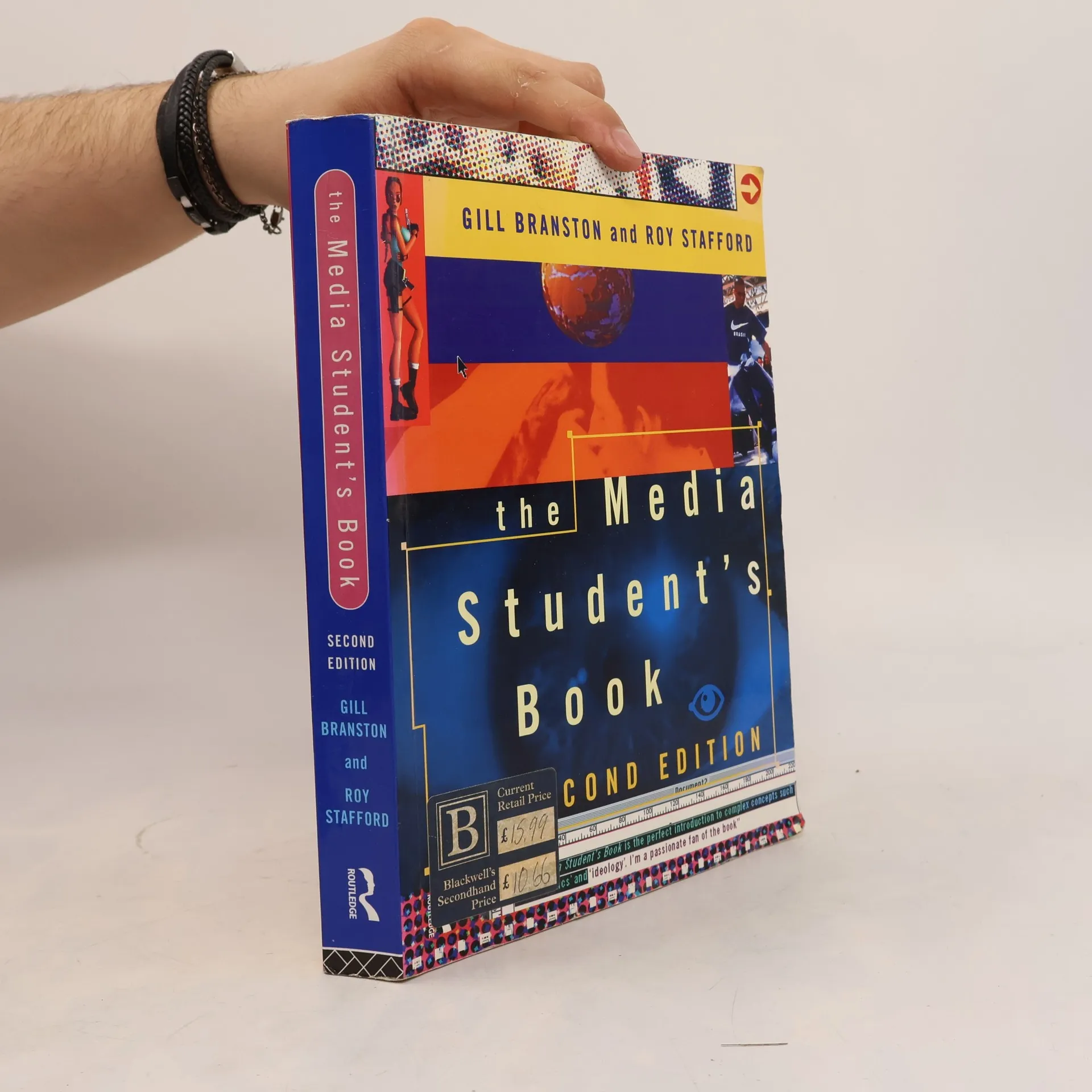
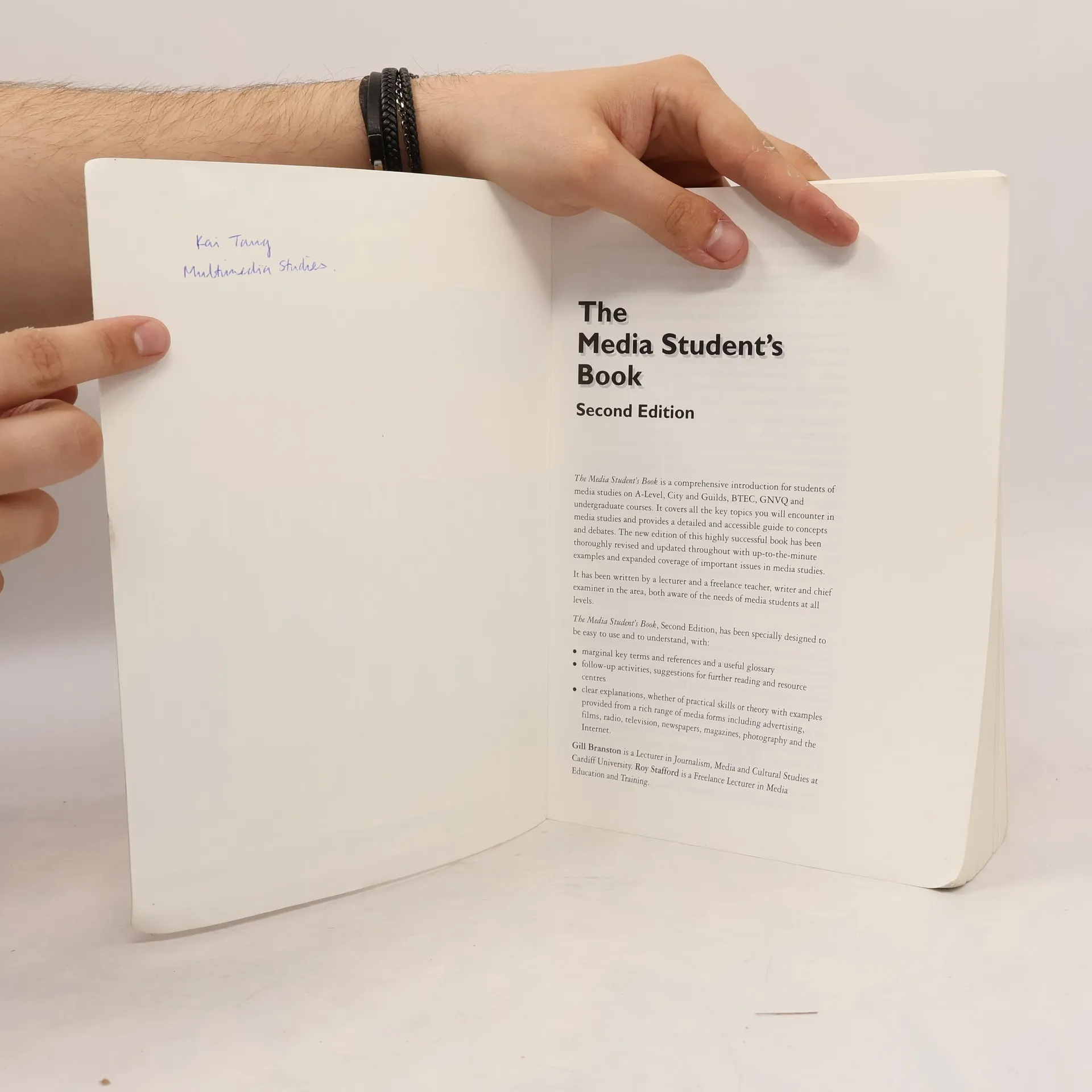
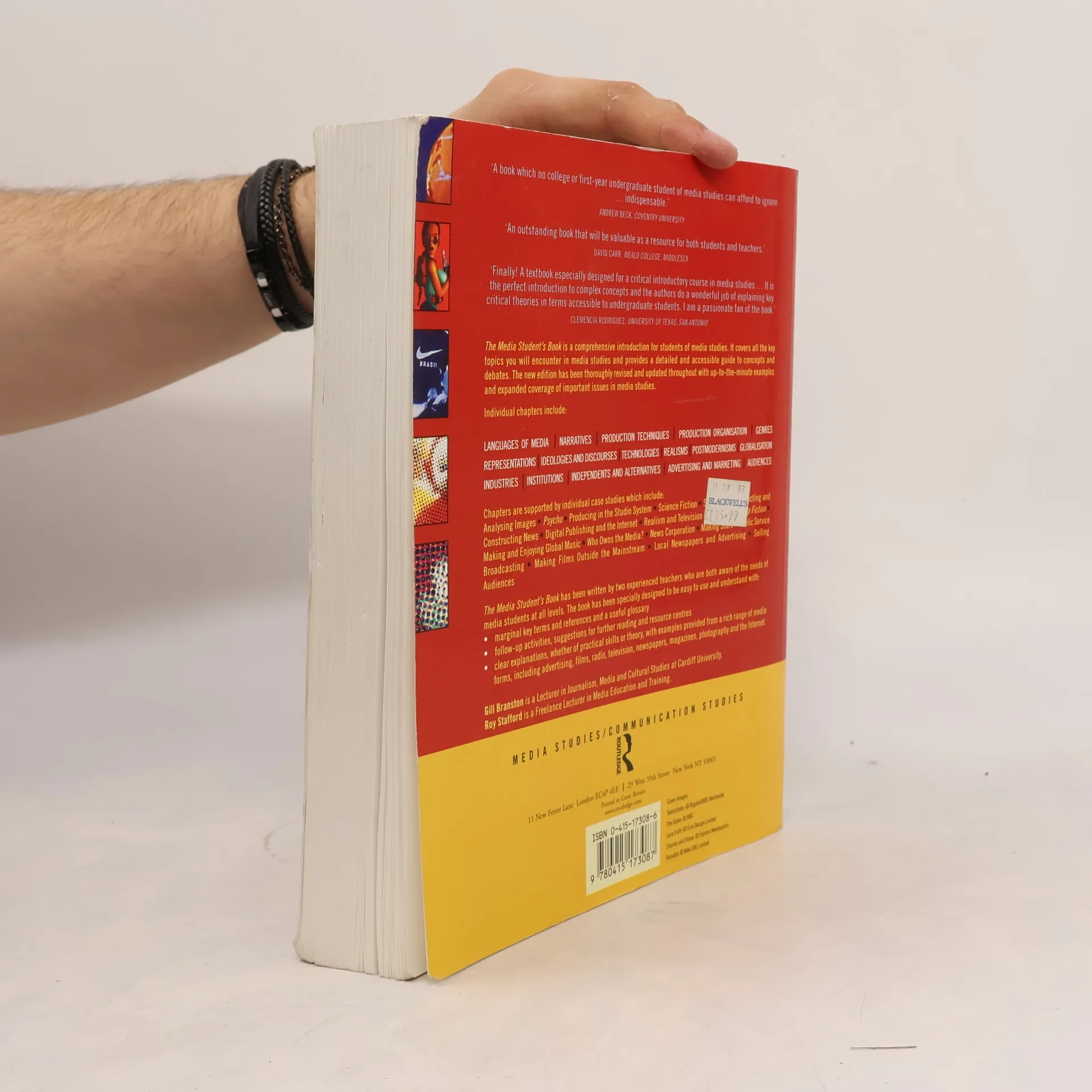
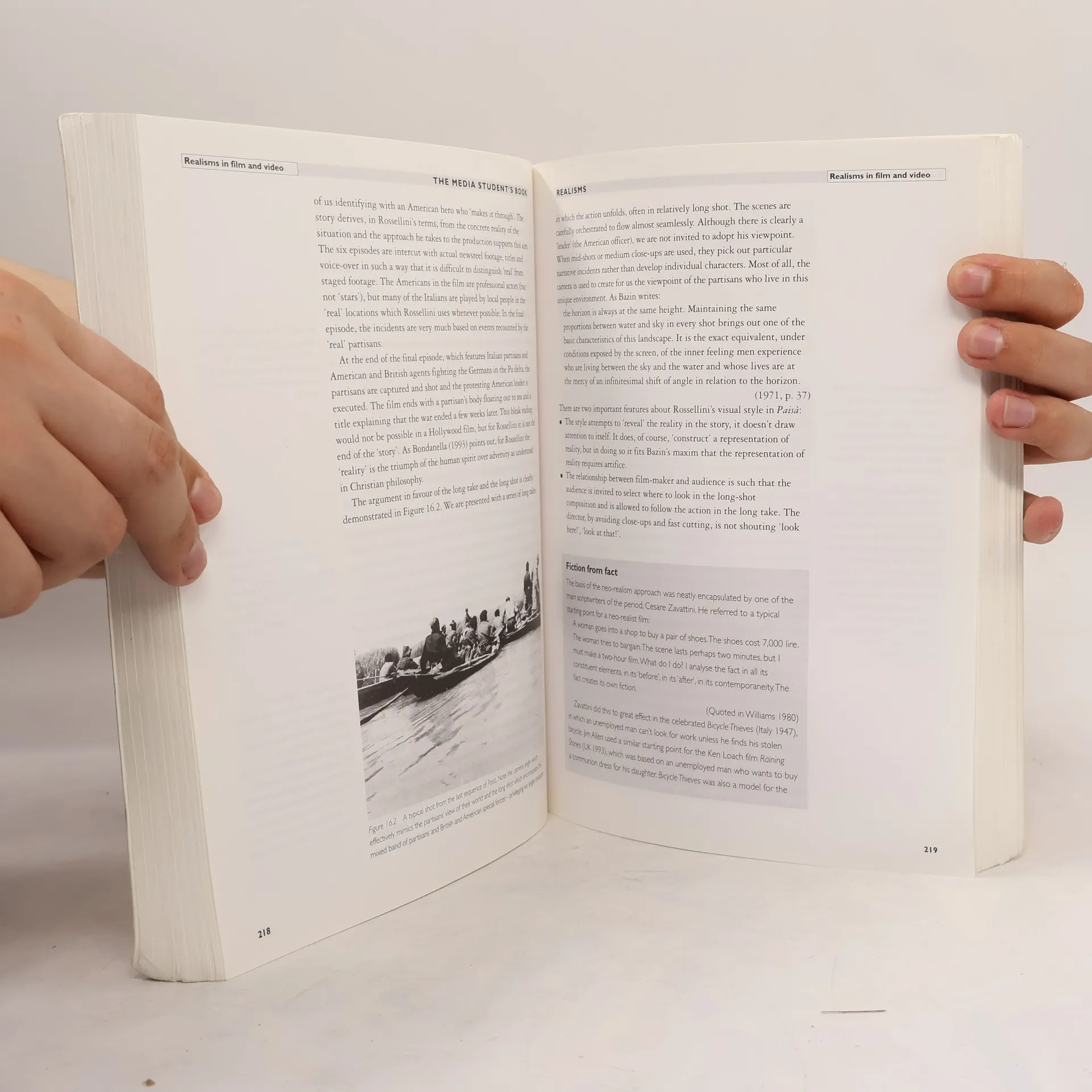
A guide for students of media studies, this text covers all the key topics and provides a detailed and accessible guide to concepts and debates. The book has been written by a lecturer and a freelance teacher, writer and chief examiner in the area, both aware of the needs of media students at all levels. Individual chapters include: languages of media; narratives; production techniques; production organization; genres; representations; ideologies and discourses; technologies; realisms; postmodernisms; globalization and alternatives; Advertising; marketing and fashion; audiences. The chapters are supported by individual case studies which include: Analyzing images; psycho; producing in the studio system; science fiction; stereotyping; selecting and constructing news; digital publishing and the Internet; realism and TV Police Series; pulp fiction; making and enjoying global music; who owns the media?; news corporation; making stars; public service broadcasting; making films outside the mainstream; local newspapers and advertising; selling audiences.


Nákup knihy
The Media Student's Book, Gill Branston, Roy Stafford
- Jazyk

- Rok vydání
- 1999
- product-detail.submit-box.info.binding
- (měkká),
- Stav knihy
- Poškozená
- Cena
- 60 Kč
Doručení
Platební metody
Tady nám chybí tvá recenze.
- Podtitul
- Second Edition
- Jazyk
- anglicky
- Autoři
- Gill Branston, Roy Stafford
- Vydavatel
- Routledge
- Rok vydání
- 1999
- Vazba
- měkká
- Počet stran
- 480
- ISBN10
- 0415173086
- ISBN13
- 9780415173087
- Série
- Štítky
- Naučná literatura
- Hodnocení
- 3,3 z 5
- Anotace
- A guide for students of media studies, this text covers all the key topics and provides a detailed and accessible guide to concepts and debates. The book has been written by a lecturer and a freelance teacher, writer and chief examiner in the area, both aware of the needs of media students at all levels. Individual chapters include: languages of media; narratives; production techniques; production organization; genres; representations; ideologies and discourses; technologies; realisms; postmodernisms; globalization and alternatives; Advertising; marketing and fashion; audiences. The chapters are supported by individual case studies which include: Analyzing images; psycho; producing in the studio system; science fiction; stereotyping; selecting and constructing news; digital publishing and the Internet; realism and TV Police Series; pulp fiction; making and enjoying global music; who owns the media?; news corporation; making stars; public service broadcasting; making films outside the mainstream; local newspapers and advertising; selling audiences.