

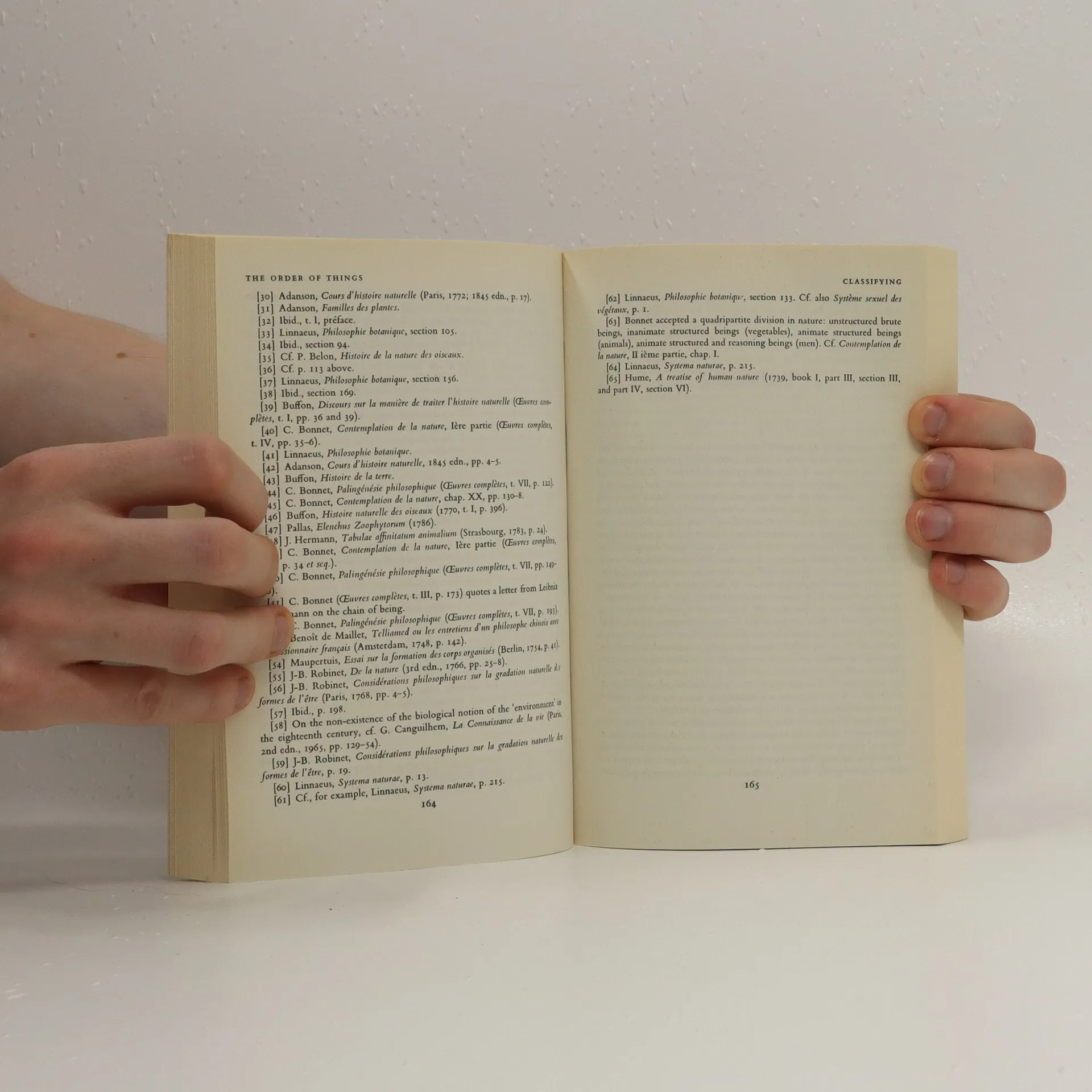
Parametry
- 416 stránek
- 15 hodin čtení
Více o knize
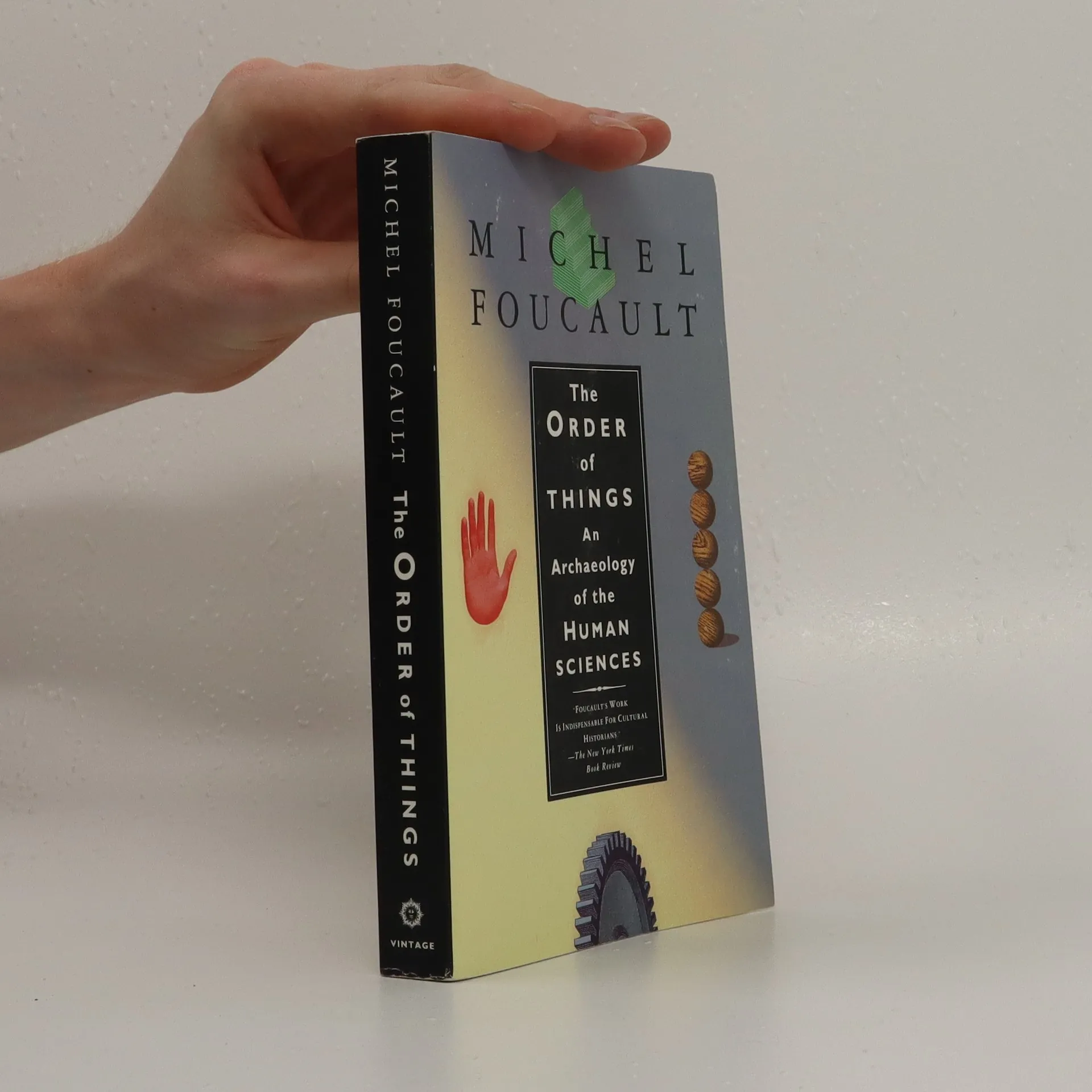
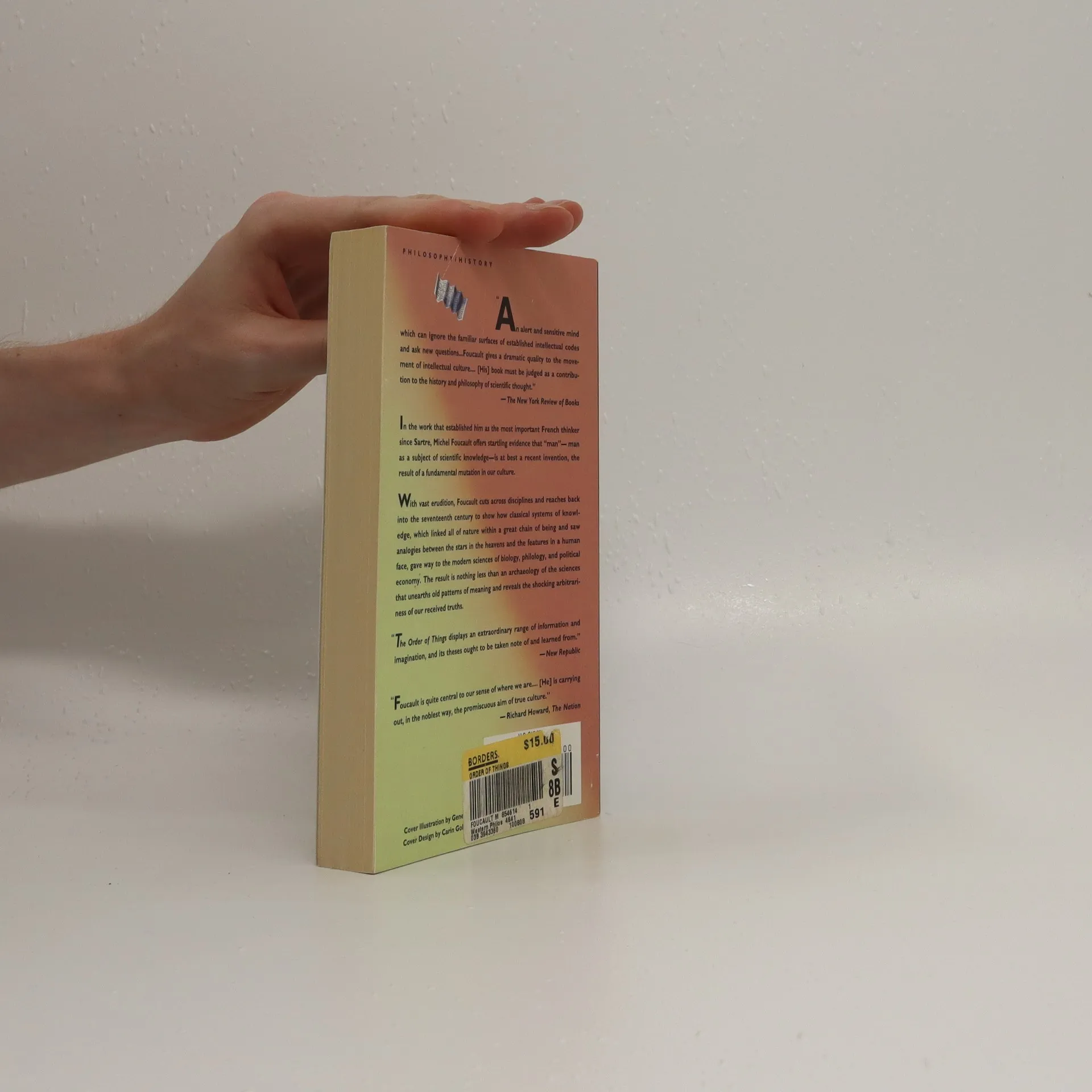
With vast erudition, Foucault cuts across disciplines and reaches back into seventeenth century to show how classical systems of knowledge, which linked all of nature within a great chain of being and analogies between the stars in the heavens and the features in a human face, gave way to the modern sciences of biology, philology, and political economy. The result is nothing less than an archaeology of the sciences that unearths old patterns of meaning and reveals the shocking arbitrariness of our received truths. In the work that established him as the most important French thinker since Sartre, Michel Foucault offers startling evidence that "man"—man as a subject of scientific knowledge—is at best a recent invention, the result of a fundamental mutation in our culture.




Nákup knihy
The Order of Things : an Archaeology of the Human Sciences, Michel Foucault
- Jazyk

- Rok vydání
- 1994
- product-detail.submit-box.info.binding
- (měkká)
Doručení
Platební metody
Tady nám chybí tvá recenze.
- Jazyk
- anglicky
- Autoři
- Michel Foucault
- Vydavatel
- Vintage Books
- Rok vydání
- 1994
- Vazba
- měkká
- Počet stran
- 416
- ISBN10
- 0679753354
- ISBN13
- 9780679753353
- Série
- Štítky
- Naučná literatura, Společenské vědy, Historické téma, Historie, Filosofická tématika, Filosofie, Věda, Francie, Sociologie, Vědecké teorie, Humanitní vědy, Dějiny civilizace
- První vydání
- 1966
- Původní název
- Les monts et les choses
- Hodnocení
- 4,15 z 5
- Anotace
- With vast erudition, Foucault cuts across disciplines and reaches back into seventeenth century to show how classical systems of knowledge, which linked all of nature within a great chain of being and analogies between the stars in the heavens and the features in a human face, gave way to the modern sciences of biology, philology, and political economy. The result is nothing less than an archaeology of the sciences that unearths old patterns of meaning and reveals the shocking arbitrariness of our received truths. In the work that established him as the most important French thinker since Sartre, Michel Foucault offers startling evidence that "man"—man as a subject of scientific knowledge—is at best a recent invention, the result of a fundamental mutation in our culture.