V roce 1978 otevřel Michel Foucault na Collège de France v Paříži přednáškový kurz, jehož tématem měla být „biopolitika", tedy vládní praxe, která se od 18. století pokoušela racionalizovat problémy populace spojené se zdravím, hygienou, porodností, dlouhověkostí apod. Foucault se rozhodl pojednat nejprve o politicko-filosofickém rámci, v němž se zmíněné problémy objevily a pro nějž byly velkou výzvou - o liberalismu. Téma liberalismu a liberální technologie vládnutí zaujalo Foucaulta do té míry, že nakonec celý kurz věnoval pouze jemu. Kniha Zrození biopolitiky tak podává zajímavý a podnětný rozbor, analýzu i komparaci klasického liberalismu 18. století a liberalismu 20. století v jeho dvou podobách, jimiž jsou německý ordoliberalismus a zejména americký neoliberalismus. Jelikož jde o záznam přednášek, má čtenář možnost zakusit půvab autorova mluveného slova.
Michel Foucault Knihy
Michel Foucault byl francouzský filozof a historik myšlenek, jehož práce se zaměřovala na kritické studium sociálních institucí a systémů moci. Prozkoumal vztah mezi věděním a mocí, zkoumal diskurzy, které formují naše chápání medicíny, psychiatrie a vězeňství. Jeho metodologie, ovlivněná Nietzschem, se snažila odhalit historické kořeny našich moderních myšlenkových systémů. Foucaultův vliv na akademické kruhy je dodnes mimořádný.



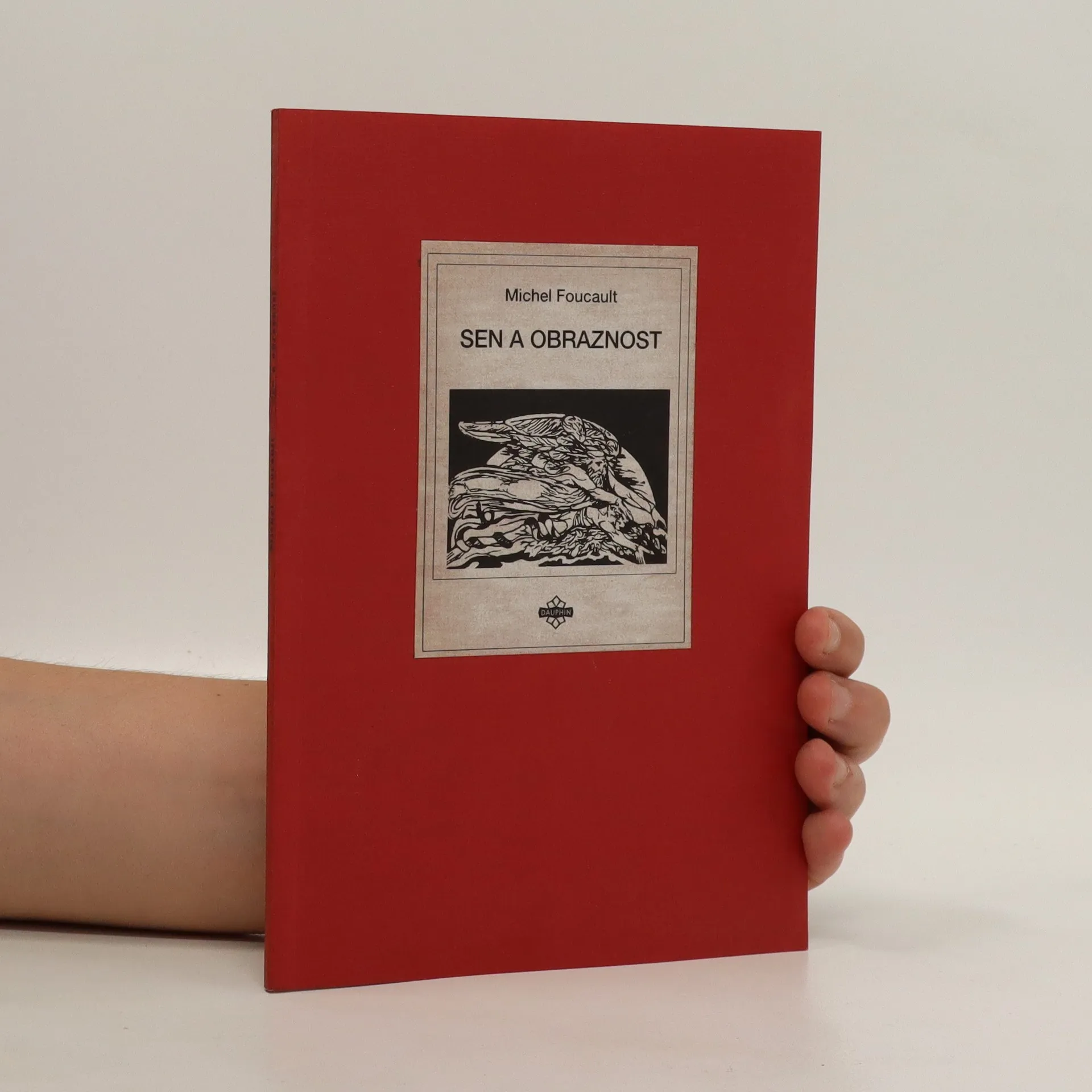

Raná práce předního francouzského filozofa, interpretace snu a imaginace v kontextu moderní antropologie a psychologie.
Studie Raymond Roussel (1963) je jediná Foucaultova kniha věnovaná jedné konkrétní osobnosti. Nejde zde jen o důkladný rozbor díla jedné z nejzajímavějších a nejbizarnějších postav francouzské literatury, díky němuž Roussel po dlouhém období zapomnění vstoupil do povědomí čtenářů, ale také o vybudování určité teorie vztahu mezi subjektem, řečí a světem. Právě zde se Foucault snad nejvýrazněji přibližuje budování něčeho, co by nebylo přehnané nazvat jeho svébytnou ontologií.
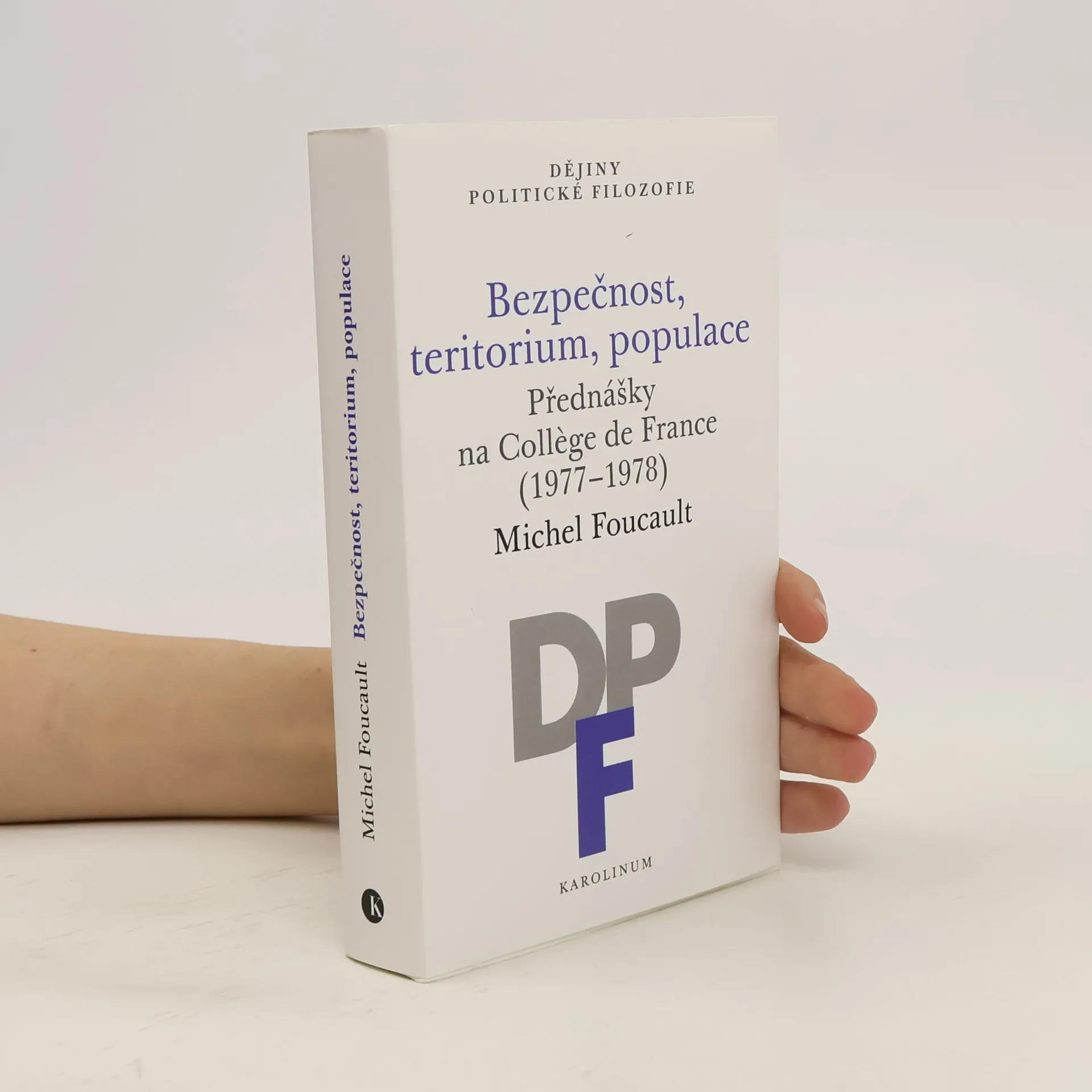
Bezpečnost, teritorium, populace
- 450 stránek
- 16 hodin čtení
Oproti mechanismům, jimiž se panovník až do doby klasicismu snažil zajistit bezpečí svého teritoria, staví Foucault technologie bezpečnosti, resp. korelace mezi nimi a populací. „Teritorium“ a „populace“ slouží jako protikladné póly, mezi nimiž se jeho uvažování rozvíjí. Jak došlo k přechodu od svrchovanosti nad teritoriem k regulaci populace? Jaké byly účinky této proměny na rovině vládních praktik? Objevení se populace jako ideje a jako reality nebylo důležité jen na politické úrovni, mělo také dopad na epistemologické úrovni. Analýza bezpečnostních dispozitivů vztahujících se k populaci vedla Foucaulta postupně k tomu, že zdůraznil pojem „vlády“. Ve svém tradičním smyslu veřejné moci nebo výkonu svrchovanosti nakonec ztratil váhu a začal označovat techniky specifické pro správu populací. Problematický trojúhelník, který sloužil jako původní rámec výzkumu, tak byl nahrazen systematickou řadou bezpečnost–populace–vláda, spolu s níž Foucault v tomto přednáškovém cyklu zavedl pojem „guvernementalita“, jímž se od historie bezpečnostních technologií dostal až ke genealogii moderního státu.
Je třeba bránit společnost
- 284 stránek
- 10 hodin čtení
Kniha vznikla z Foucaultových přednášek na College de France v akademickém roce 1975–1976 a znamená důležitý okamžik ve vývoji jeho vlastních badatelských zájmů. Foucault zkoumá, jak se rodí v novodobém historickém diskurzu téma vnitřního nebezpečí, jež údajně ohrožuje civilizovanou společnost, ať už v podobě nepřítele rasového, třídního nebo jiného, zejména takového, který ohrožuje její zdraví, který představuje cosi zlověstně nemocného na jinak „zdravém těle“ společnosti. Tento nepřítel musí být alespoň podroben kontrole (lékařské, zdravotní, policejní apod.), má-li být společností úspěšně zvládnut. Ve zrodu tak zvané biomoci, pozoruhodného spojení politické moci se zájmem o zdravotní stav populace, vidí Foucault rozhodující moment pro vznik pocitu strachu před nebezpečím, jemuž vystavuje společnost vnitřní nepřítel.
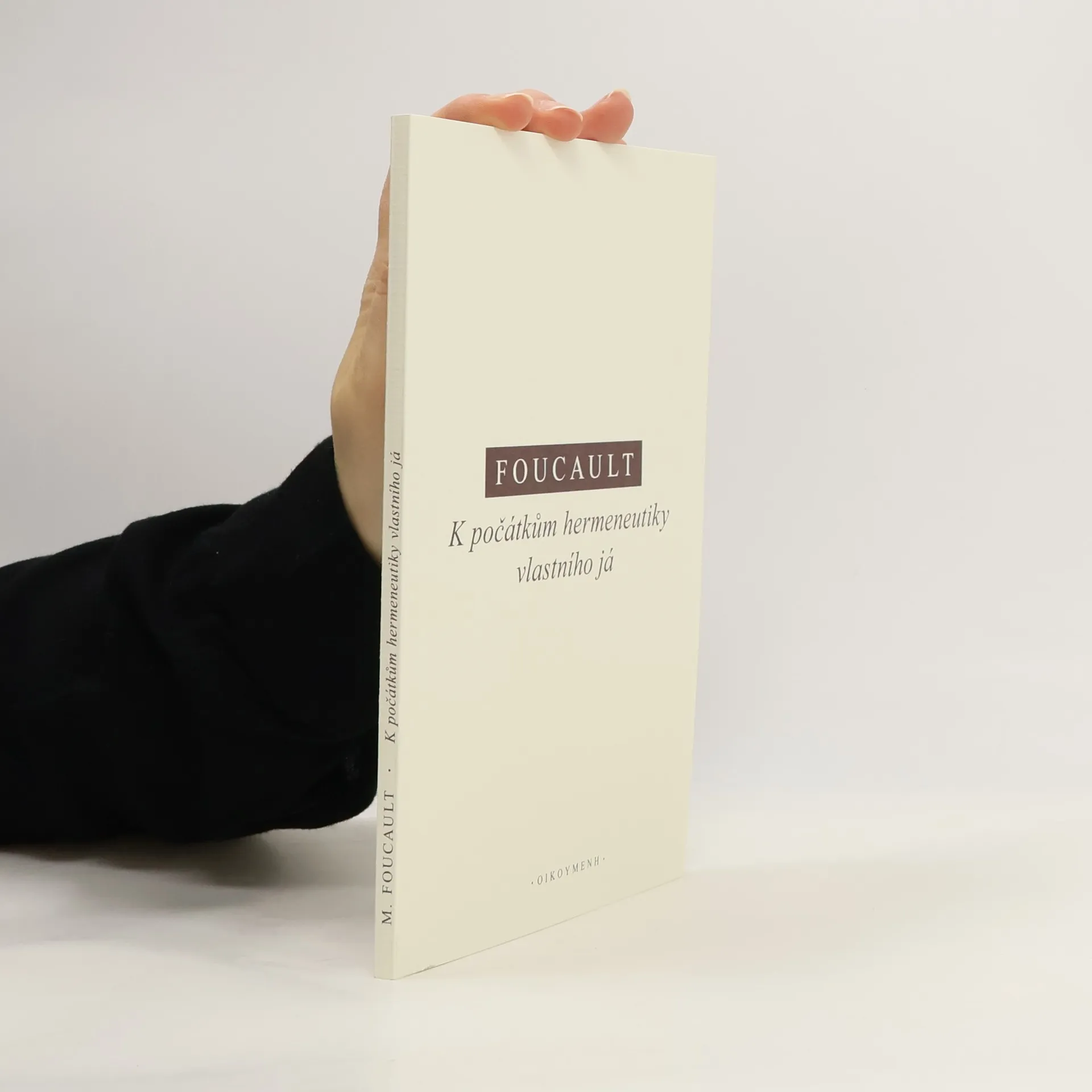
K počátkům hermeneutiky vlastního já
- 79 stránek
- 3 hodiny čtení
V roce 1980 Foucault přednesl na Dartmouth College dvě přednášky nazvané „Pravda a subjektivita“ a „Křesťanství a doznání“, v nichž stopuje genealogický původ moderního vztahu k vlastnímu já ve starověkých a raně křesťanských praktikách sebezpytování a doznání. Klíčovým zlomem pro konstituci moderní subjektivity je pro něj proměna delfské zásady gnóthi seauton v klášterní imperativ doznání všech myšlenek a tužeb. Předložený překlad obsahuje kromě obou těchto přednášek také Foucaultovu diskusi s publikem v Berkeley a rozhovor, v němž autor přibližuje cíle své historické analýzy vztahů mezi subjektivitou a pravdou. Spojujícím prvkem těchto textů je Foucaultovo přesvědčení, že jedním z významných politických úkolů současnosti je „politika nás samých.“
Dějiny sexuality. IV, Doznání těla
- 496 stránek
- 18 hodin čtení
Čtvrtý svazek Foucaultových Dějin sexuality, Doznání těla, byl publikován roku 2018. Ve Francii i ve světě se vydání tohoto čtvrtého dílu stalo skutečnou událostí, neboť teprve díky němu je nyní celý projekt Dějin sexuality kompletní a plně srozumitelný. Hlavním tématem Foucaultova spisu je formování zkušenosti sexuality – v návaznosti na antiku, avšak s mnohými originálními přesahy – v prvních staletích křesťanství, tedy v dílech církevních otců. Foucaultova kniha má podobu rozsáhlé fresky, v níž je téma sexuality začleněno do složitého historického i myšlenkového kontextu, který autor ve svých pozdních textech označuje souhrnným názvem „estetika existence“.
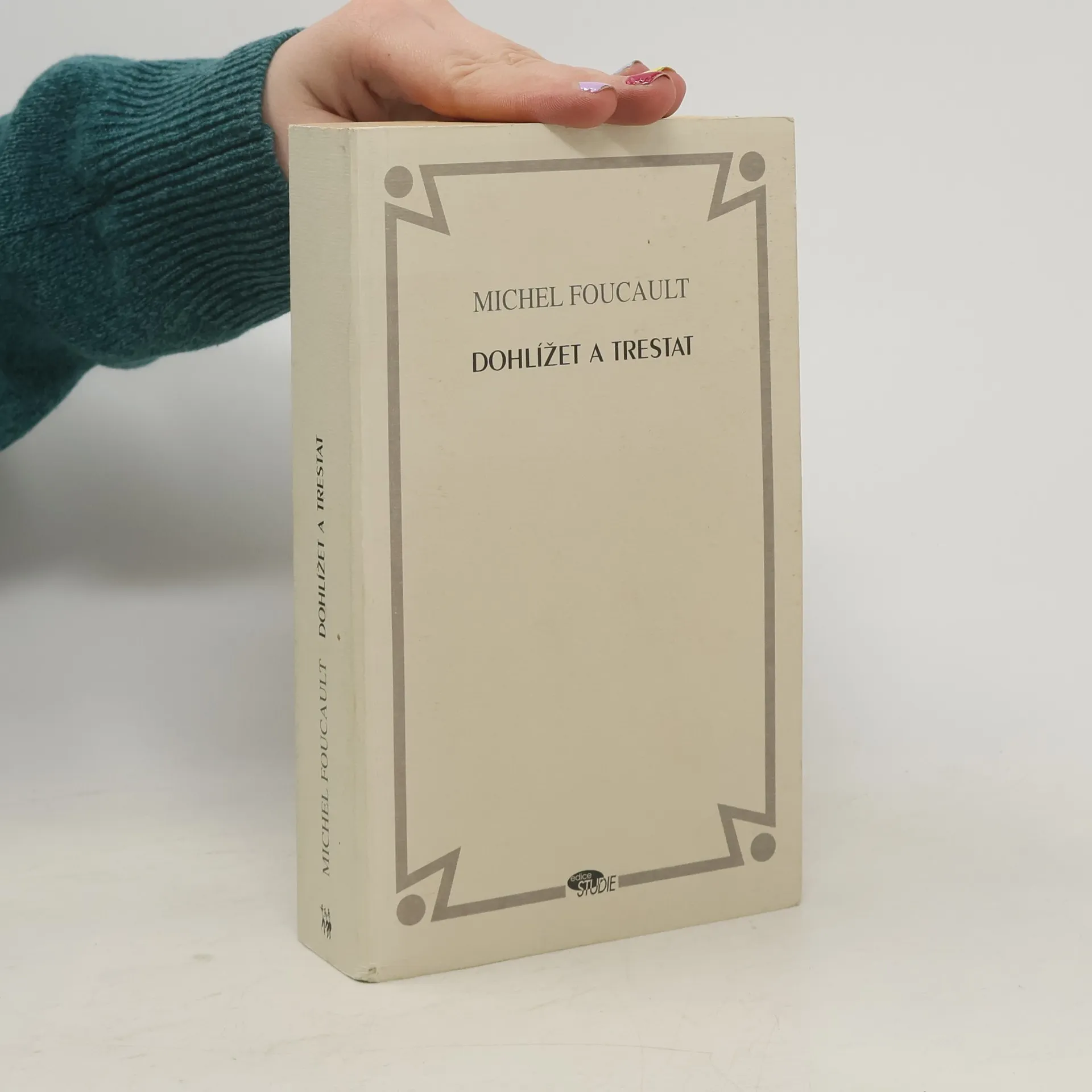
Kniha proslulého francouzského filozofa, jednoho z nejpronikavějších myslitelů druhé poloviny 20. století, je historickou analýzou zrodu vězení, věnovaná vzniku a vývoji obecně chápané instituce uvěznění, pronikající postupně celou společností.
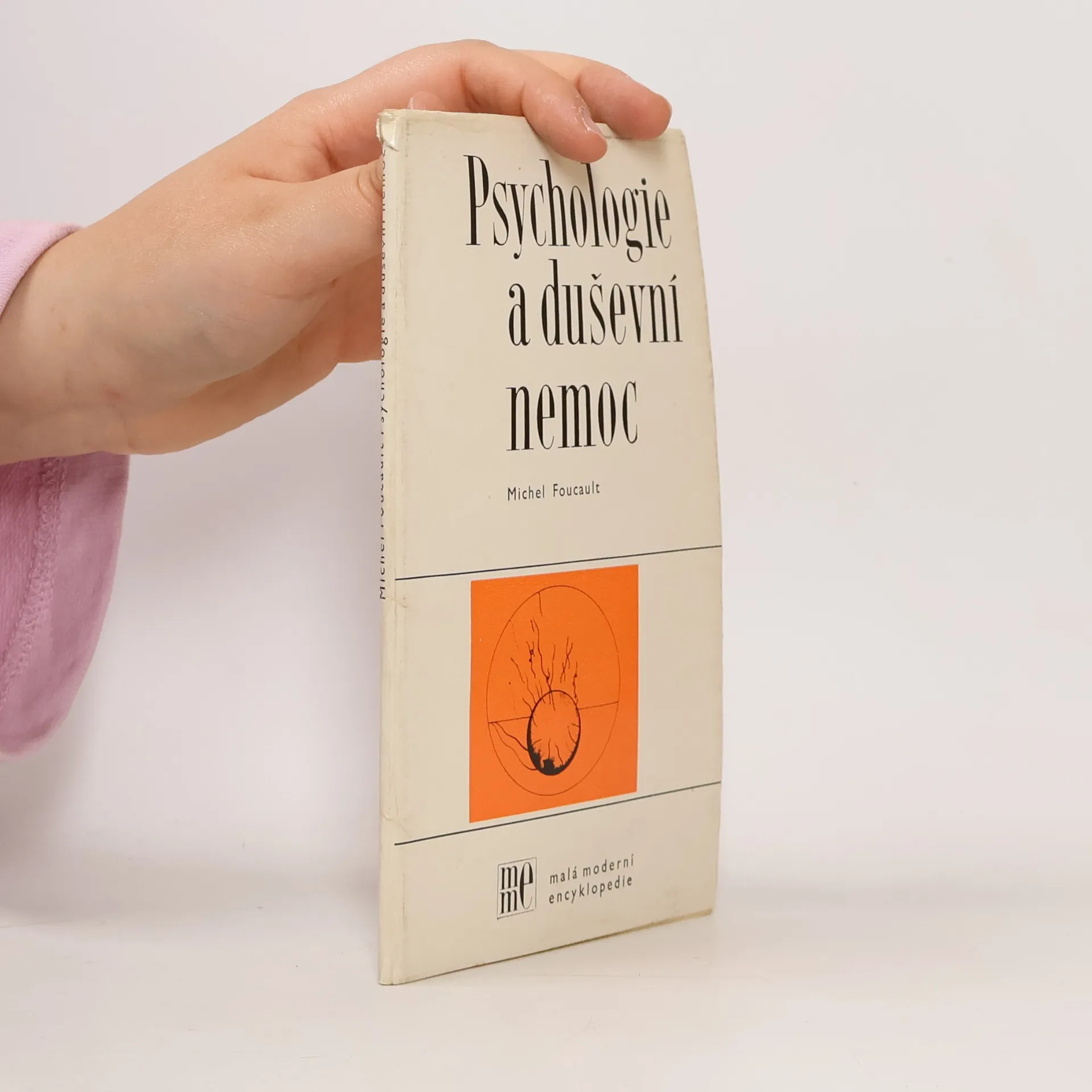
První publikovaná práce francouzského filozofa analyzuje téma vztahu psychologie a šílenství jako určitý moment ve vývoji naší civilizace. Prvotina dnes již věhlasného strukturalisticky orientovaného Francouze sonduje zásadní souvislosti duševních nemocí s konkrétním postavením lidského jedince ve světě. Snaží se doložit, „že kořeny psychopatologie nesmějí být hledány v nějaké ,metapatologii’, nýbrž v určitém historicky situovaném vztahu člověka k člověku šílenému a ke skutečnému člověku vůbec“. Je to nevšední, myšlenkově pronikavá publikace.
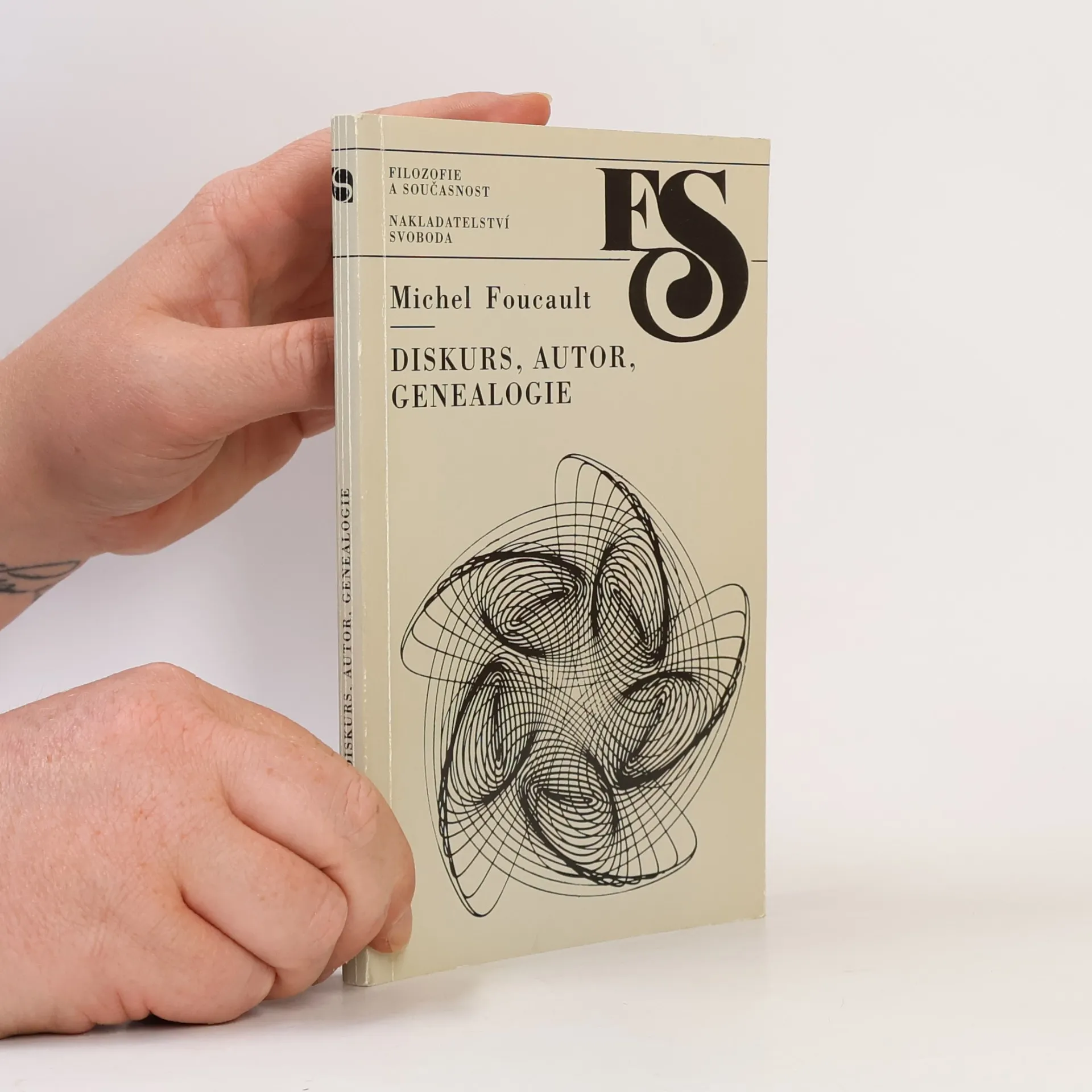
Tři pozoruhodné studie významného francouzského filozofa a historika, které spojuje myšlenka o moci jako základním motivu lidské touhy po vědění.
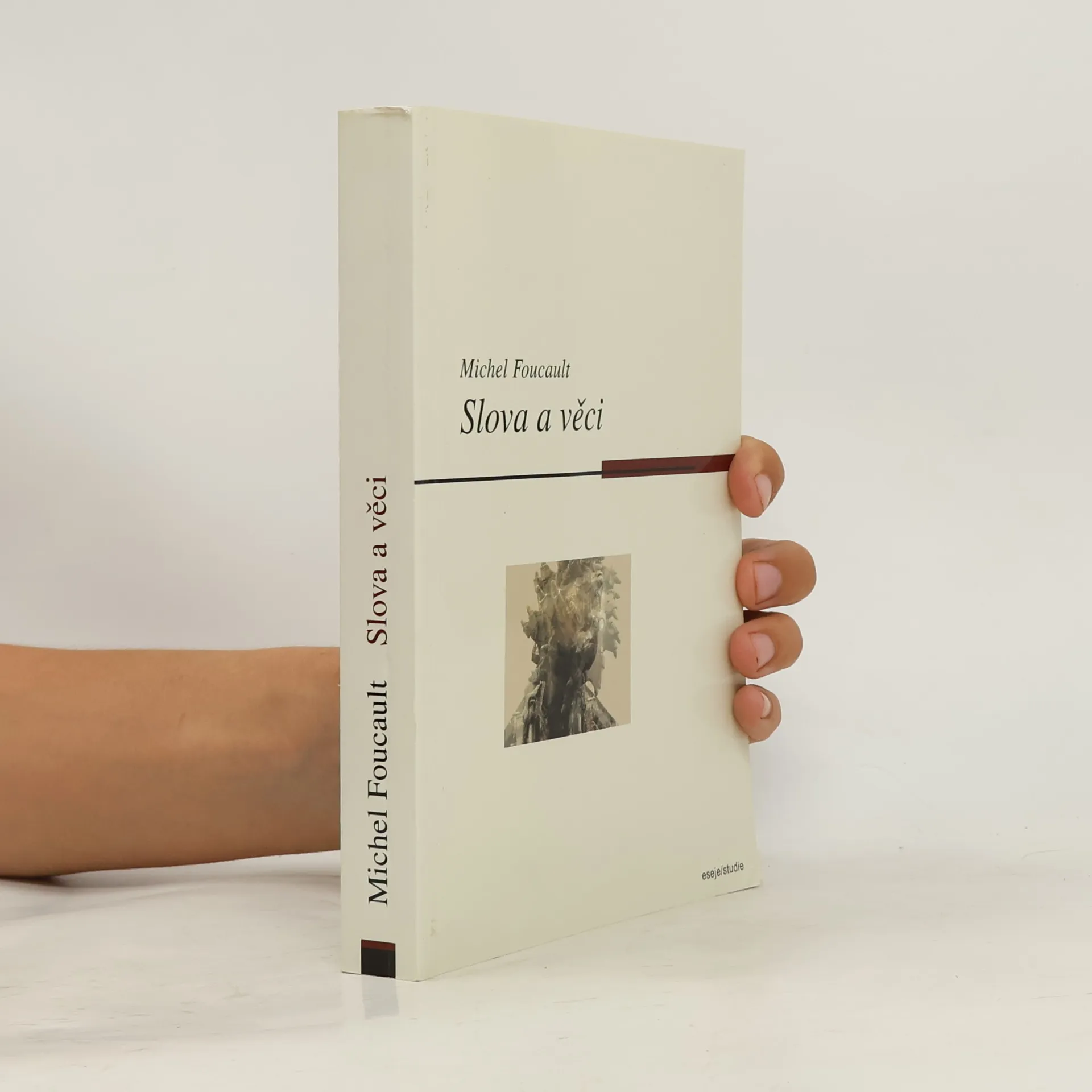
Slova a věci
- 316 stránek
- 12 hodin čtení
Dnešní humanitní vědy nejsou jen oblastí vědění: jsou praktikami a institucemi. M. F. analyzuje jejich zrození, vzájemné vztahy. „Člověk“ se objevil v našem vědění nedávno. Nebyl objektem zájmu po tisíciletí: zrodil se díky proměně naší kultury. V tomto díle nejde o „dějiny“ humanitních věd, ale o archeologii současnosti. A o kritiku: neboť kde se tyto okolnosti změní, „člověk“ zmizí a uvolní místo možnému novému myšlení.
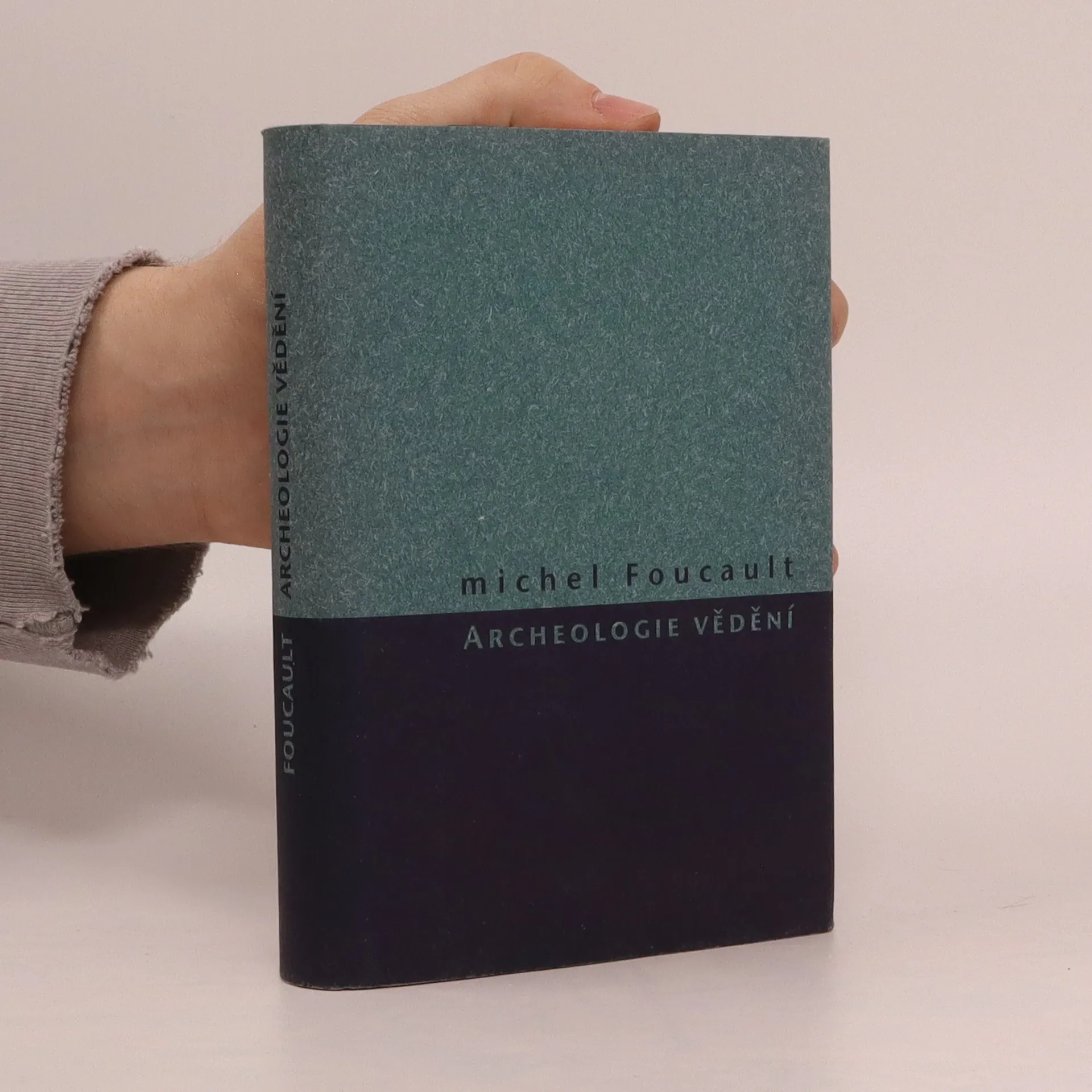
V knize se Foucault pokouší objasnit metodologická východiska svých tří předcházejících historických studií. Kriticky reviduje užívané postupy, snaží se přesně a důsledně definovat základní pojmy (diskurs, výpověď), vymezuje se vůči tradičním disciplínám, jako je historie idejíči anglosaská analytická filosofie jazyka, a do svého repertoáru zavádí nové pojmy: diskursivní formace či nediskursivní praxe.
Myšlení vnějšku
- 304 stránek
- 11 hodin čtení
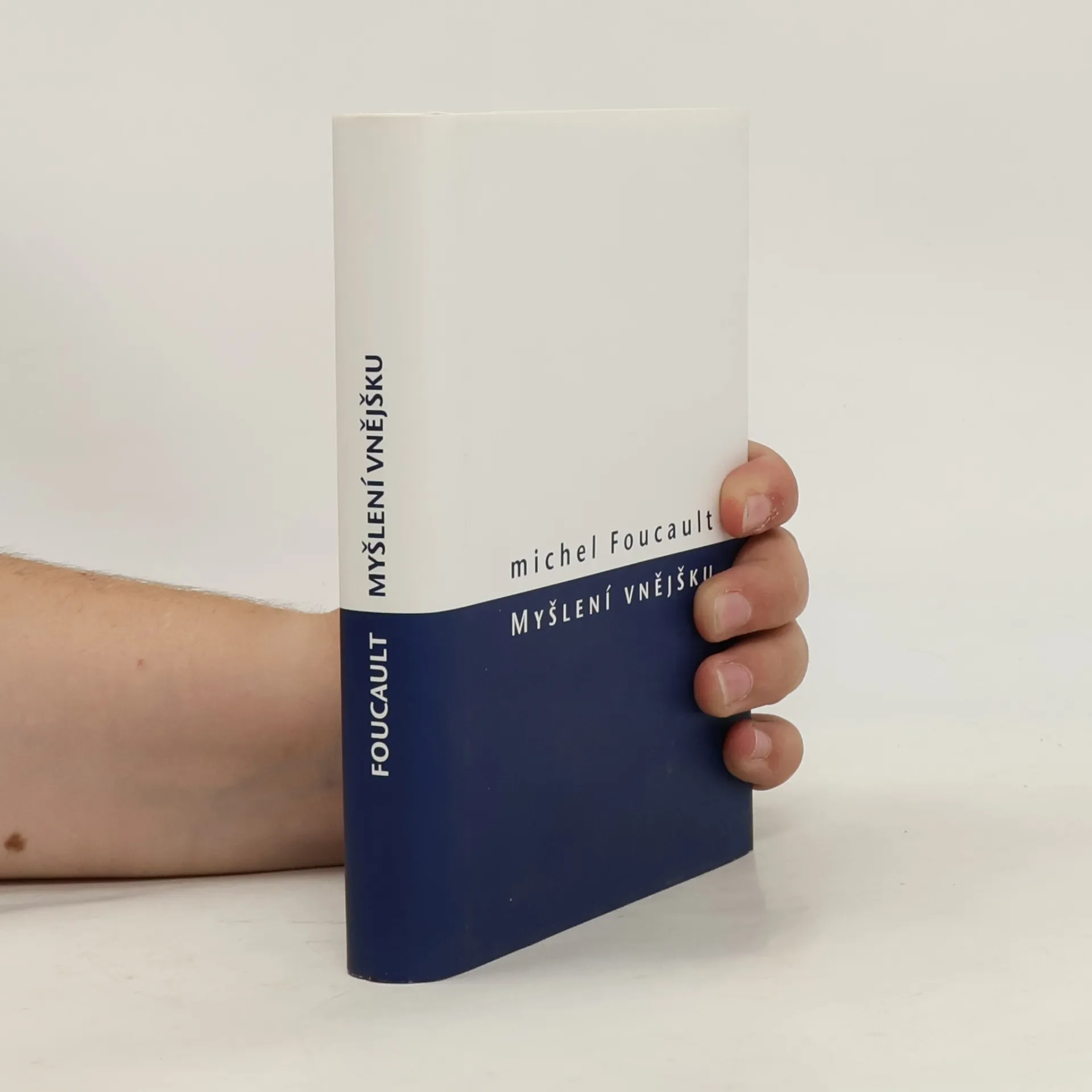
Výbor z Foucaultových článků a rozhovorů, který dokládá proměny jeho myšlení od 60. let až do jeho smrti. Zahrnuje tedy i rané statě věnované literatuře a těm spisovatelům, kteří inspirovali jeho generaci (Bataille, Blanchot), důkladnou recenzi dvou knih Gillese Deleuze, ale stejně tak i články a rozhovory, v nichž Foucault stručně shrnuje své pojetí politického rozumu, moci a moderní racionality. V posledním rozhovoru se pak dotýká i svého nedokončeného projektu "dějin sexuality".
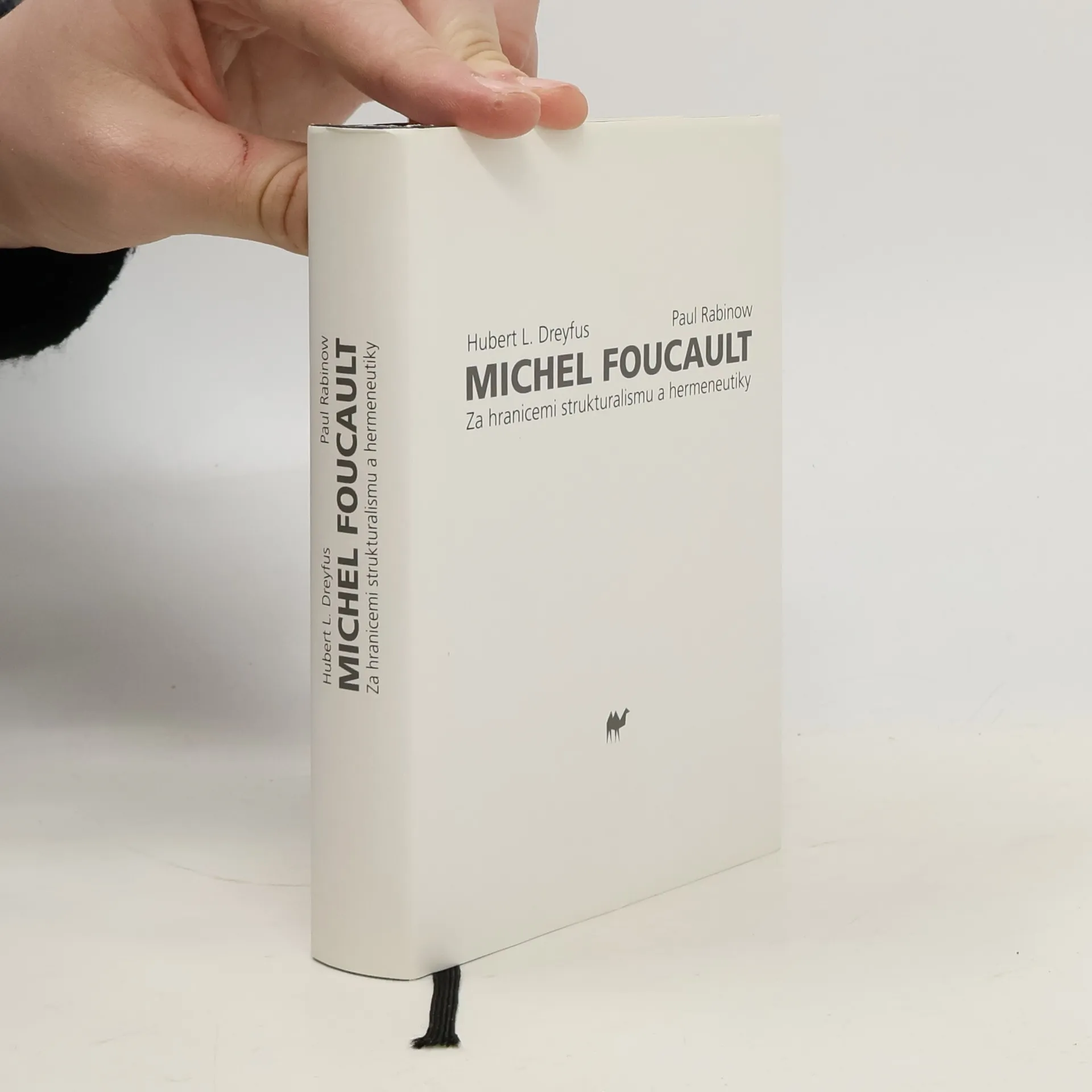
Přestože studie H.L. Dreyfuse a P. Rabinowa je jednou z vůbec prvních knižních publikací věnovaných Michelu Foucaultovi, stále patří k těm nejdůkladnějším a nejoriginálějším knihám, které byly tomuto filosofovi kdy věnovány. Autoři systematicky zkoumají Foucaultovo – v době vydání jejich textu dosud neuzavřené – dílo, přičemž základním výchozím bodem se pro ně stává Foucaultův „metodologický“ spis Archeologie vědění. Na tomto základě potom vymezují Foucaultovo myšlení jak vůči strukturalismu, tak vůči hermeneutice, a interpretují všechny klíčové motivy Foucaultova teoretického projektu: teorii diskursu, subjektu, moci, rozdíl mezi archeologií a genealogií atd. Kniha je doplněna rozhovorem se samotným Foucaultem, a také jeho textem týkajícím se otázky moci.
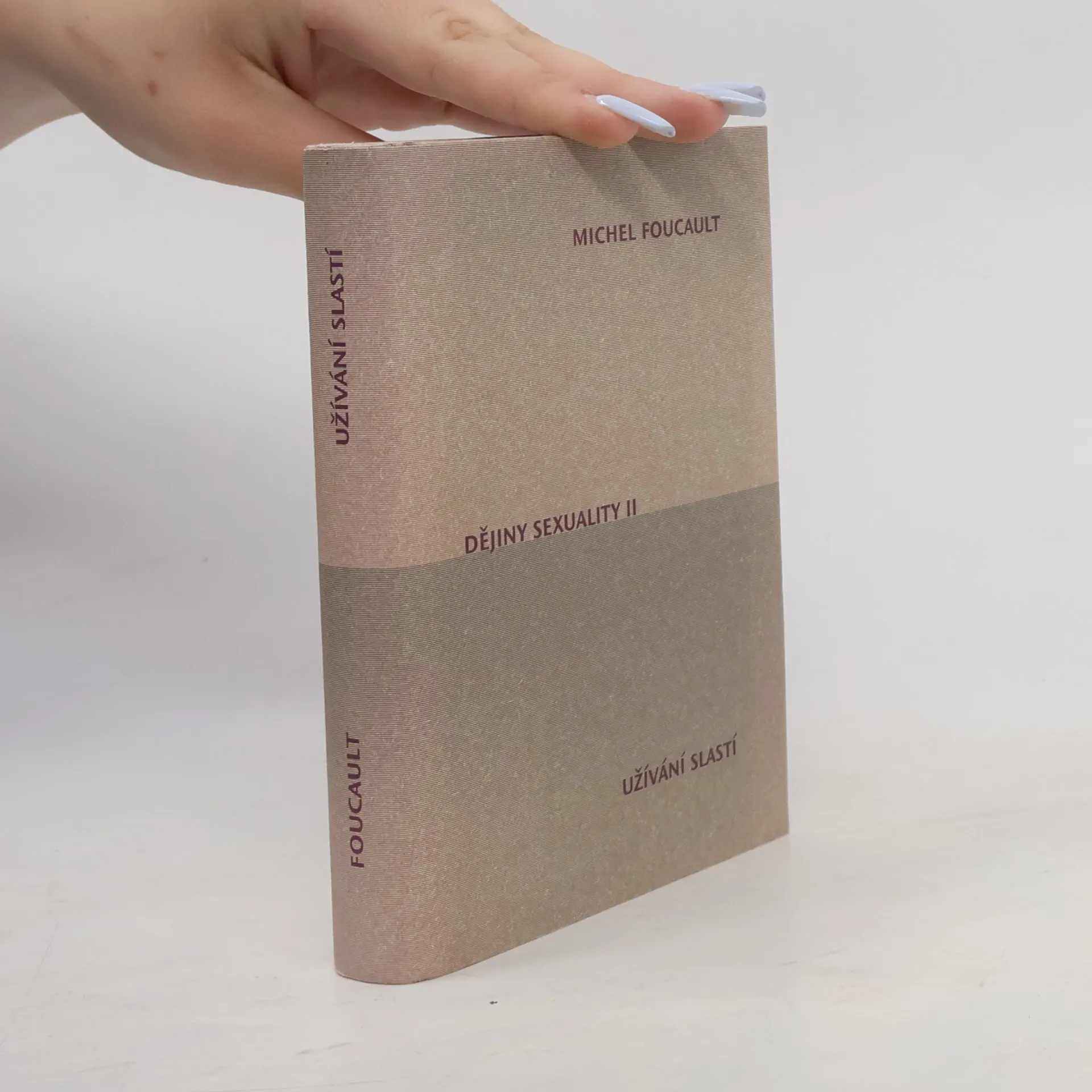
Druhý svazek nedokončeného vrcholného díla francouzského filosofa a historika. Dějiny sexuality nepředstavují snahu o rekonstrukci dějin sexuálního chování, nýbrž analýzu sexuality jako jedinečné formy zkušenosti, která se stává předmětem vědění, vznikajícího na průsečíku medicíny, politiky, ekonomie a filosofie. Užívání slasti se soustřeďuje na zkoumání způsobu, jakým se jedinec v klasickém období stával morálním subjektem svých aktů. Ústřední metodologické vodítko (řecký pojem chrésis afrodisión) je zde rozebráno ve třech hlavních kontextech: v kontextu Životosprávy chápané jako vztah k vlastnímu tělu, Hospodaření chápaného jako umění vést domácnost a Erotiky pojednávané na pozadí lásky k chlapcům a posléze, v rámci filosofie, pojímané jako možnost přístupu k pravdě. Péče o sebe navazuje na motivy pojednávané v předchozím svazku, ovšem tentokrát se zaměřuje na pozdní antiku (Artemidóros, Plútarchos, stoicismus) a její přechod do raného křesťanství. Právě raně křesťanské texty se měly stát tématem čtvrtého svazku se zamýšleným názvem Doznání tělesnosti. Foucault sice tento svazek víceméně dokončil, ale vzhledem k tomu, že ve své závěti zakázal jakékoliv posmrtné publikace, k jeho vydání nikdy nedošlo.
Dějiny šílenství
Hledání historických kořenů pojmu duševní choroby
Kniha pojednává o krajních formách lidské zkušenosti (mentálních chorobách, delikvencích, sexuálních poruchách...) v kontextu dějin. Autor hledá historické kořeny pojmu duševní choroby.
Dějiny sexuality III. Péče o sebe
- 326 stránek
- 12 hodin čtení
Péče o sebe navazuje na motivy pojednávané v předchozím svazku, ovšem tentokrát se zaměruje na pozdné antiku (Artemidóros, Plútarchos, stoicismus) a její přechod do raného křesťanství. Práve křesťanské texty se měly stát tématem čtvrtého svazku se zamýšleným názvem Doznáné tělesnosti. Foucault sice tento svazek víceménědokončil, ale vzhledem k tomu, že ve své závěti zákázal jakékoli posmrtné publikace, k jeho vydání nikdy nedošlo. (text z přebalu)
První část vrcholného díla francouzského filosofa a historika, které představuje analýzu sexuality jako jedinečné formy zkušenosti, která se stává předmětem vědění, vznikajícího na průsečíku medicíny, politiky, ekonomie a filosofie. Hlavním motivem první části s podtitulem Vůle k vědění je konstituce nového přístupu k sexualitě, jenž se prosadil na konci 18. století a ovládl století následující.
Kniha Zrození kliniky je přímým pokračováním Dějin šílenství. Soustřeďuje se na dobu konce osmnáctého a počátku devatenáctého století, kdy dochází k reorganizaci medicíny, především v její výuce v klinické praxi, a kdy se medicína ustavuje jako věda. Foucault studuje dějiny struktur na různých rovinách (ekonomické, sociální, politické, ideologické či kulturní), analyzuje jejich vzájemné vztahy a v souvislosti s nimi zkoumá celkové proměny způsobů označování a vidění v dané době, hranice viditelného a vyslovitelného.
Rád diskurzu
- 70 stránek
- 3 hodiny čtení
Jeden z najoriginálnejších mysliteľov druhej polovice 20.storočia. Jeho prednáška Rád diskurzu má medzi jeho filozofickými prácami osobitné postavenie. Predniesol v nej tézy, ktoré nielenže orientovali jeho vlastné skúmanie, ale stali sa aj podnetom diskusií, do ktorých vstupovali filozofi, lingvisti, sociológovia a iní. Foucault tu definoval diskurz ako bojové pole, miesto boja o moc, ako zdroj nepokoja a strachu. Úlohou intelektuálov je podľa neho bojovať proti moci, ktorá na nás parazituje, a Foucault nám na to v knihe dáva kľúč.
Člověk, moc a spravedlnost
- 110 stránek
- 4 hodiny čtení
V roce 1971 se Noam Chomsky a Michel Foucault zúčastnili televizní debaty v Holandsku, která představovala střet dvou významných myšlenkových směrů. Chomsky, lingvista a politický aktivista, vycházel z racionalistické tradice a optimistického pohledu na lidskou přirozenost a možnosti společnosti. Naopak Foucault, filozof zpochybňující zavedené normy, upozorňoval na mocenské vztahy a dominantní diskurzy, které ovlivňují lidskou činnost. Debata se nejprve soustředila na lidskou přirozenost, jazyk a dějiny vědy. Chomsky obhajoval tvořivou podstatu člověka a jeho schopnost rozvíjet vědění, zatímco Foucault kritizoval pojem lidské přirozenosti a zdůrazňoval význam kolektivního vědění. V druhé části se oba myslitelé zaměřili na politiku a společenskou změnu. Chomskyho anarchistické pojetí socialismu kontrastovalo s Foucaultovým maoistickým marxismem. Jejich výměna názorů se stala pokračováním diskuse o lidské přirozenosti a způsoby, jak dosáhnout změny ve společnosti. Český překlad obsahuje také dvě eseje, které debatu interpretují z různých politických perspektiv. Politolog Pavel Barša přistupuje k tématu z pohledu postrevoluční politiky, zatímco Ondřej Slačálek z časopisu A-kontra zvažuje možnosti světové revoluce.
Dějiny sexuality II., III. díl;
- 2 svazky
The Courage of Truth
- 364 stránek
- 13 hodin čtení
The Courage of the Truth is the last course that Michel Foucault delivered at the College de France before his death in 1984. In this course, he continues the theme of the previous year's lectures in exploring the notion of truth- telling in politics to establish a number of ethically irreducible conditionsbased on courage and conviction.
Subjectivity and Truth
- 352 stránek
- 13 hodin čtení
Subjectivity and Truth: Lectures at the Collège de France, 1980-1981 collects French philosopher Michel Foucault's renowned course of lectures...
The Punitive Society: Lectures at the Collège de France, 1972-1973
- 352 stránek
- 13 hodin čtení
These thirteen lectures on the 'punitive society,' delivered at the Collège de France in the first three months of 1973, examine the way in which the relations between justice and truth that govern modern penal law were forged, and question what links them to the emergence of a new punitive regime that still dominates contemporary society. Praise for Foucault's Lectures at the Collège de France Series “Ideas spark off nearly every page...The words may have been spoken in [the 1970s], but they seem as alive and relevant as if they had been written yesterday.”—Bookforum “Foucault is quite central to our sense of where we are...[He] is carrying out, in the noblest way, the promiscuous aim of true culture.”—The Nation “[Foucault] has an alert and sensitive mind that can ignore the familiar surfaces of established intellectual coded and ask new questions...[He] gives dramatic quality to the movement of culture.”—The New York Review of Books
The Government of Self and Others: Lectures at the Collège de France, 1982-1983
- 432 stránek
- 16 hodin čtení
An exciting and highly original examination of the practices of truth-telling and speaking out freely (parresia) in ancient Greek tragedy and philosophy. Foucault discusses the difficult and changing practices of truth-telling in ancient democracies and tyrannies.
Psychiatric Power
- 408 stránek
- 15 hodin čtení
In this addition to the College de France Lecture Series Michel Foucault explores the birth of psychiatry, examining Western society's division of 'mad' and 'sane' and how medicine and law influenced these attitudes. This seminal new work by a leading thinker of the modern age opens new vistas within historical and philosophical study.
The most accessible and exhaustive introduction to Foucault's thought to date, including every extant interview made by Foucault from the mid-60s until his death in 1984.
The History of Sexuality: 4
- 416 stránek
- 15 hodin čtení
Foucault's History of Sexuality changed the way we think about power, selfhood and sexuality. In this fourth and final volume, he turns his attention to early Christianity, exploring how ancient ideas of pleasure were modified into the Christian notion of the 'flesh' - a transformation that would define the Western experience of sexuality.
Foucault delves into the origins of psychiatry, analyzing how Western society distinguishes between the 'mad' and the 'sane.' He investigates the roles of medicine and law in shaping these perceptions, providing a critical examination of societal attitudes towards mental health. This work contributes significantly to historical and philosophical discourse, offering fresh insights from one of modern thought's foremost figures.
Power
- 528 stránek
- 19 hodin čtení
The third and final volume of the Essential Works of Foucault series, Power brings together his writings on the issues that he helped make the core agenda of Western political culture- medicine, prisons, psychiatry, government and sexuality, in particular showing his concerns with human rights, discrimination and exclusion. It also includes articles and open letters published directly in response to the issues of the time, calling for reform in abortion, asylum and the death penalty. All the pieces here bring a new sense of Foucault's huge influence on the politics of personal freedom.
Abnormal
- 288 stránek
- 11 hodin čtení
Michel Foucault remains one of the towering intellectual figures of the last half century. Michel Foucault's works on sexuality, madness, the prison and medicine are classics and his example continues to challenge and inspire. The philosopher gave public lectures at the College de France from 1971 until his death in 1984 - these lectures were seminal events and created benchmarks for contemporary critical inquiry. The lectures comprising "Abnormal" begin by examining the role of psychiatry in modern criminal justice and its method of categorizing individuals who "resemble their crime before they commit it." Michel Foucault shows how and why defining "abnormality" and "normality" were prerogatives of power in the 19th century and shaped the institutions. The College de France lectures add to our appreciation of the philosopher's thought and offer a unique window into his way of thinking
Wrong-Doing, Truth-Telling
- 360 stránek
- 13 hodin čtení
Three years before his death, Michel Foucault delivered a series of previously unknown lectures at the Catholic University of Louvain, focusing on the role of avowal, or confession, in shaping truth and justice. These lectures bridge Foucault's early work on madness, delinquency, and sexuality with his later studies of subjectivity in ancient Greece and Rome. He explores the evolution of truth-telling from ancient Greece to monastic practices of self-examination, highlighting how, by the nineteenth century, mere avowal of wrongdoing was insufficient for justice. This period raised critical questions about the identity of the "criminal" and the underlying factors of their actions. The emergence of psychiatric expertise during this time marked the establishment of psychiatry as a discipline and its influence on criminology and modern criminal justice. This collection of 1981 lectures is published for the first time, translated by Stephen W. Sawyer, and edited with extensive annotations by Fabienne Brion and Bernard E. Harcourt. It includes two interviews where Foucault elaborates on key themes. This work is a vital companion to "Discipline and Punish" and is essential for anyone interested in Foucault's thought.
Foucault's lectures and interviews from 1978 in Japan are presented in English for the first time, offering insights into his thoughts and philosophies. The book explores the historical context of these discussions while highlighting their ongoing significance and relevance in contemporary society. Through this collection, readers gain a deeper understanding of Foucault's ideas and their implications for modern thought.
Now in paperback, this collection of Foucault’s lectures traces the historical formation and contemporary significance of the hermeneutics of the self. Just before the summer of 1982, French philosopher Michel Foucault gave a series of lectures at Victoria University in Toronto. In these lectures, which were part of his project of writing a genealogy of the modern subject, he is concerned with the care and cultivation of the self, a theme that becomes central to the second, third, and fourth volumes of his History of Sexuality. Foucault had always been interested in the question of how constellations of knowledge and power produce and shape subjects, and in the last phase of his life, he became especially interested not only in how subjects are formed by these forces but in how they ethically constitute themselves. In this lecture series and accompanying seminar, Foucault focuses on antiquity, starting with classical Greece, the early Roman empire, and concluding with Christian monasticism in the fourth and fifth centuries AD. Foucault traces the development of a new kind of verbal practice—“speaking the truth about oneself”—in which the subject increasingly comes to be defined by its inner thoughts and desires. He deemed this new form of “hermeneutical” subjectivity important not just for historical reasons, but also due to its enduring significance in modern society.
Ethics
- 334 stránek
- 12 hodin čtení
Collecting the writings and interviews of Michel Foucault outside his published monographs, this work contains Foucault's summaries of the highly influential courses he taught at the College de France from 1970 to 1982, as well as engaging and unusally candid interviews and Foucault's key writings on ethics. schovat popis
Lectures on the Will to Know
- 293 stránek
- 11 hodin čtení
Foucault explores the concept of the will to know through a Nietzschean lens, examining the evolution of truth procedures, legal systems, and class struggles in ancient Greece. His analysis reveals how these elements interconnect to shape knowledge and power dynamics, offering a profound critique of historical narratives and their implications for contemporary thought. This lecture serves as a foundational exploration of the relationship between knowledge and societal structures.
Absolute(ly) Macht und Gerechtigkeit
- 61 stránek
- 3 hodiny čtení
"1971 kommt es im niederländischen Fernsehen zu einer einzigartigen Begegnung: Noam Chomsky, amerikanischer Linguist und Vordenker der Globalisierungskritik, diskutiert mit Michel Foucault, dem wohl einfl ussreichsten französischen Philosophen des 20. Jahrhunderts. Was unter dem Titel 'Human Nature: Justice versus Power' ausgestrahlt wurde, dreht sich um eine der Kernfragen der Philosophie: Gibt es so etwas wie eine menschliche Natur? Inwieweit ist der Mensch Produkt gesellschaftlicher Bedingungen? Ausgehend vom Problem der Sprache setzt die vom Philosophen Fons Elders moderierte Diskussion die Positionen der beiden Denker in scharfen Kontrast. orange-press legt dieses eindrucksvolle Dokument neuerer Philosophiegeschichte nun zum ersten Mal auf deutsch vor. Ein hervorragender Einstieg in die Denksysteme von Michel Foucault und Noam Chomsky."
The Hermeneutics of the subject
Lectures at the College de France series
The Hermeneutics of the Subject is the third volume in the collection of Michel Foucault's lectures at the Collège de France, one of the world's most prestigious institutions. Faculty at the Collège give public lectures, in which they present works-in-progress on any subject of their choosing. Foucault's wide-ranging lectures influenced his groundbreaking works like The History of Sexuality and Discipline and Punish. In the lectures comprising this volume, Foucault focuses on how the "self" and the "care of the self" were convinced during the period of antiquity, beginning with Socrates. The problems of the ethical formation of the self, Foucault argues, form the background for our own questions about subjectivity and remain at the center of contemporary moral thought. This series of lectures throws new light on Foucault's final works and shows the full depth of his engagement with ancient thought. Lucid and provocative, The Hermeneutics of the Subject reveals Foucault at the height of his powers.
Collection of thirteen essays, for the most part unpublished.
Aesthetics, Method, and Epistemology
- 528 stránek
- 19 hodin čtení
Presents a collection of Michel Foucault's articles, interviews and seminars. This work focuses primarily upon the philosophy, literature and other works of the imagination which have informed Foucault's particular engagement with ethics and power and includes Foucault's arresting commentaries on the work of de Sade, Rousseau, Marx, and Nietzsche. schovat popis
Anti-Oedipus : capitalism and schizophrenia
- 432 stránek
- 16 hodin čtení
An "introduction to the nonfascist life" (Michel Foucault, from the Preface) When it first appeared in France, Anti-Oedipus was hailed as a masterpiece by some and "a work of heretical madness" by others. In it, Gilles Deleuze and Félix Guattari set forth the following theory: Western society's innate herd instinct has allowed the government, the media, and even the principles of economics to take advantage of each person's unwillingness to be cut off from the group. What's more, those who suffer from mental disorders may not be insane, but could be individuals in the purest sense, because they are by nature isolated from society. More than twenty-five years after its original publication, Anti-Oedipus still stands as a controversial contribution to a much-needed dialogue on the nature of free thinking.
Land and Environmental Art
- 304 stránek
- 11 hodin čtení
The definitive survey of Land Art and contemporary environmental art, now available in paperback
Ranging from reflections on the Enlightenment and revolution to a consideration of the Frankfurt School, this collection offers insight into the topics preoccupying Foucault as he worked on what would be his last body of published work, the three-volume History of Sexuality.
"What Is Critique?" and "The Culture of the Self"
- 208 stránek
- 8 hodin čtení
Foucault's 1978 lecture reinterprets his philosophical project through Kant's "What Is Enlightenment?" by framing critique as a moral stance that challenges existing power dynamics and fosters self-formation within the "politics of truth." This volume includes the first critical edition of this pivotal lecture, an unpublished talk on self-culture, and debates from 1983 at UC Berkeley, where Foucault links Enlightenment ideas to Greco-Roman thought while advocating for a contemporary "new ethics" that transcends conventional religious and scientific frameworks.
On The Government of the Living
- 384 stránek
- 14 hodin čtení
With these lectures Foucault inaugurates his investigations of truth-telling in the ethical domain of practices of techniques of the self. How and why, he asks, does the government of men require those subject to power to be subjects who must tell the truth about themselves?
The Foucault Effect
Studies in Governmentality: With Two Lectures by and an Interview with Michel Foucault
- 307 stránek
- 11 hodin čtení
This volume is a sequel to Power/Knowledge, based on Michel Foucault's lectures at the Collège de France in 1978 and 1979, and his 1977 interview on imprisonment. Foucault explores governmental rationalities, examining government as both a contemporary practice and a historical phenomenon, highlighting how governmentality has been conceptualized and enacted. His insights into political discourse and governmentality are complemented by essays from esteemed scholars influenced by Foucault's work. They delve into various modern forms of government, such as state reasoning, police functions, liberalism, security, social economy, insurance, solidarity, welfare, and risk management. A central theme is that government is not an instinctive or natural phenomenon but rather an invention shaped by historical contexts. The collection also investigates the relationship between governmental practices and criticism, suggesting that critique can drive meaningful change and inspire new practices. This unique anthology of articles and primary materials paves the way for renewed discussions on Foucault's contributions and the implications for liberalism, social policy, and insurance.
The Freedom of Philosophy
- 131 stránek
- 5 hodin čtení
In a clear, considered, carefully constructed manner, this book - which has been translated into eight languages - advances a new and authoritative interpretation of the philosophy of Foucault.
Foucault's exploration of the history of sexuality, initiated in the 1960s through his lectures, reveals significant insights into his evolving ideas. This collection marks the first English publication of these pivotal lectures, providing readers with an opportunity to engage with Foucault's foundational thoughts on sexuality that have shaped contemporary discourse.
The Foucault Reader
- 390 stránek
- 14 hodin čtení
Michel Foucault was one of the most influential thinkers in the contemporary world, someone whose work has affected the teaching of half a dozen disciplines ranging from literary criticism to the history of criminology. But of his many books, not one offers a satisfactory introduction to the entire complex body of his work. The Foucault Reader was commissioned precisely to serve that purpose. The Reader contains selections from each area of Foucault's work as well as a wealth of previously unpublished writings, including important material written especially for this volume, the preface to the long-awaited second volume of The History of Sexuality , and interviews with Foucault himself, in the course of which he discussed his philosophy at first hand and with unprecedented candor. This philosophy comprises an astonishing intellectual enterprise: a minute and ongoing investigation of the nature of power in society. Foucault's analyses of this power as it manifests itself in society, schools, hospitals, factories, homes, families, and other forms of organized society are brought together in The Foucault Reader to create an overview of this theme and of the broad social and political vision that underlies it.
The Truth About the Truth
De-confusing and Re-constructing the Postmodern World
- 272 stránek
- 10 hodin čtení
Includes essays and excerpts from the works of prominent modern thinkers such as Umberto Eco, Jacques Derrida, and Isaiah Berlin among others.
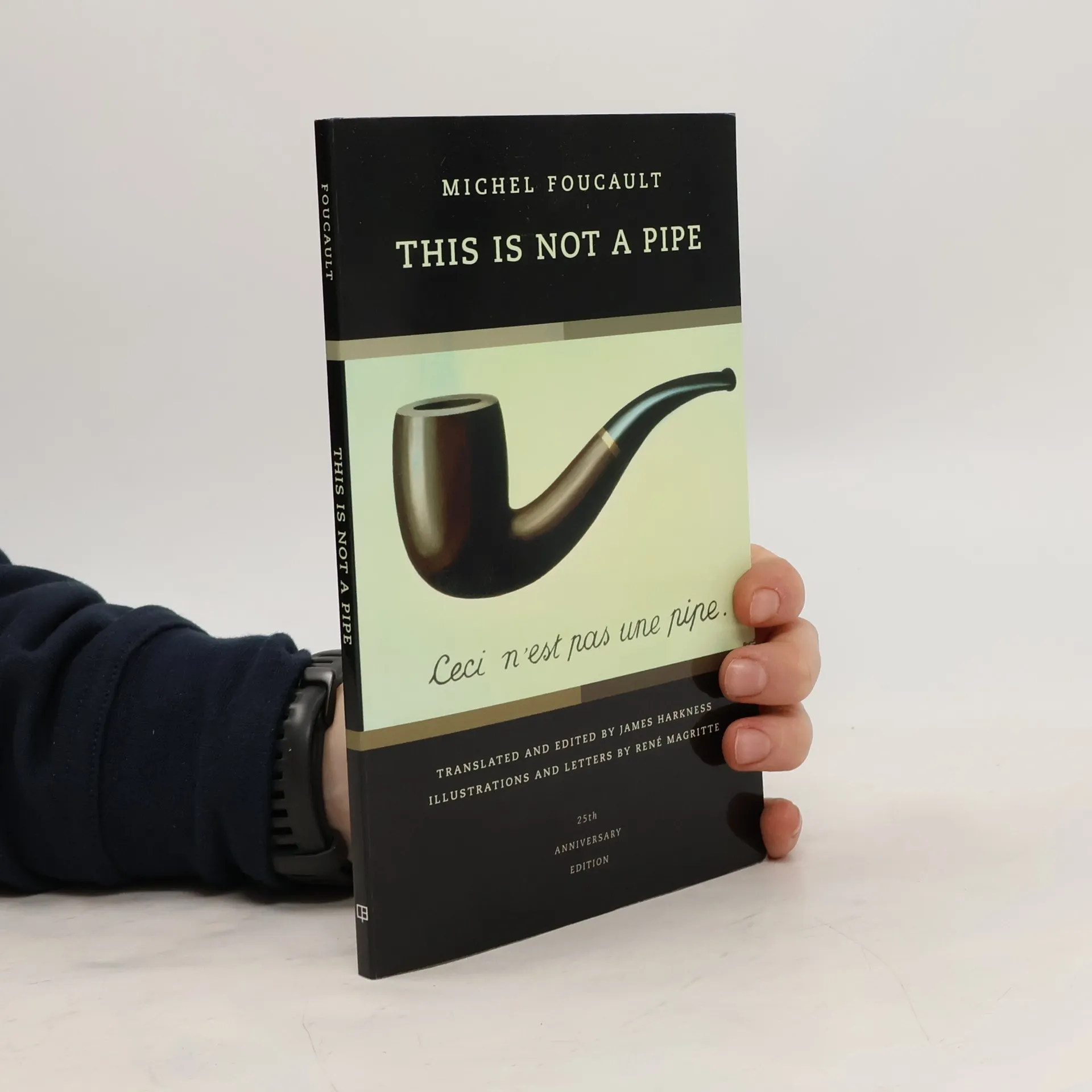
This Is Not a Pipe
- 112 stránek
- 4 hodiny čtení
What does it mean to write This is not a pipe across a bluntly literal painting of a pipe? By exploring the nuances and ambiguities of Magritte's visual critique of language, the author finds the painter less removed than previously thought from the pioneers of modern abstraction.
The Order of Things
The Archaeology of the Human Sciences
When one defines "order" as a sorting of priorities, it becomes beautifully clear as to what Foucault is doing here. With virtuoso showmanship, he weaves an intensely complex history of thought. He dips into literature, art, economics and even biology in The Order of Things, possibly one of the most significant, yet most overlooked, works of the twentieth century. Eclipsed by his later work on power and discourse, nonetheless it was The Order of Things that established Foucault's reputation as an intellectual giant. Pirouetting around the outer edge of language, Foucault unsettles the surface of literary writing. In describing the limitations of our usual taxonomies, he opens the door onto a whole new system of thought, one ripe with what he calls "exotic charm." Intellectual pyrotechnics from the master of critical thinking, this book is crucial reading for those who wish to gain insight into that odd beast called Postmodernism, and a must for any fan of Foucault.
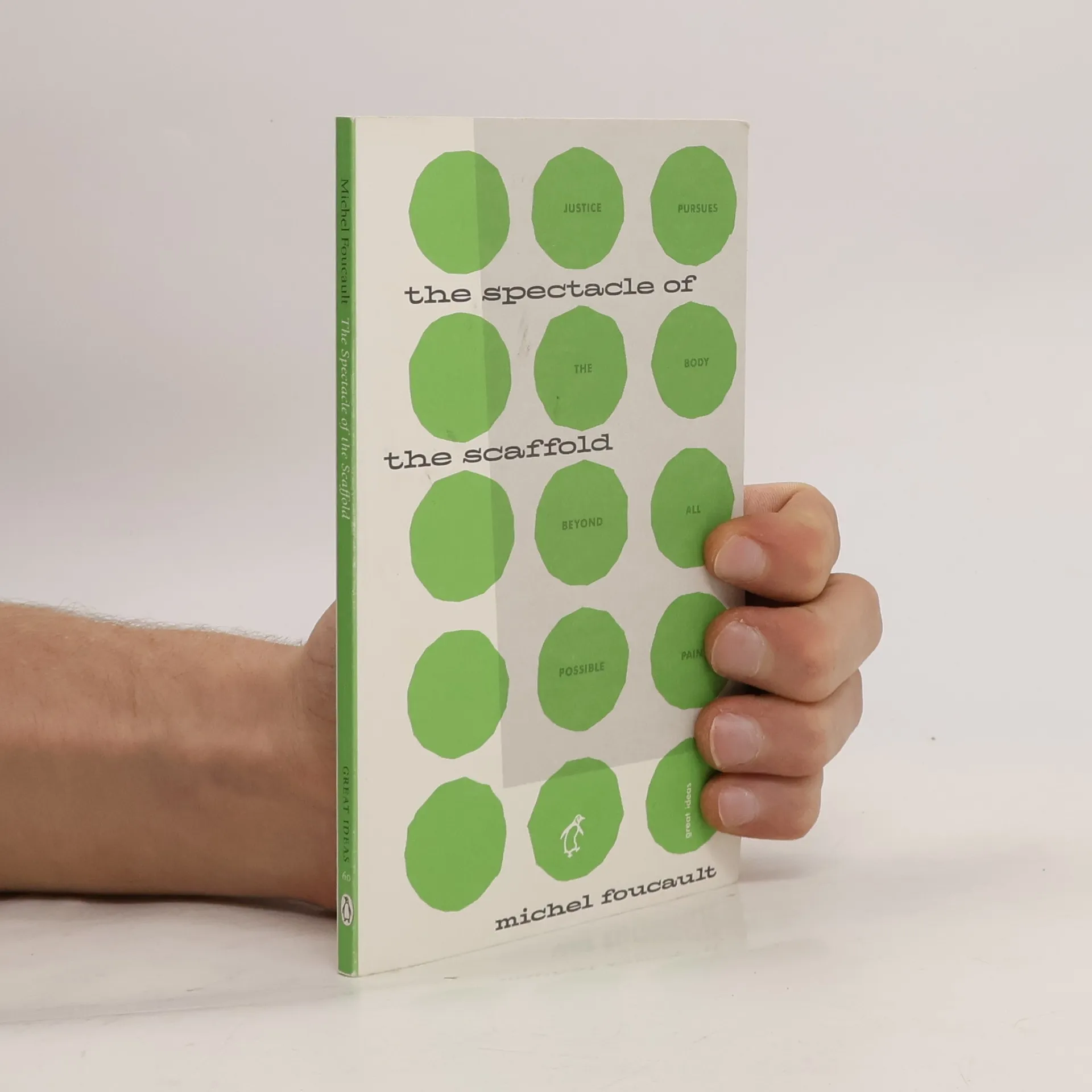
The Spectacle of the Scaffold
- 112 stránek
- 4 hodiny čtení
Argues that punishment has gone from being mere spectacle to becoming an instrument of systematic domination over individuals in society - not just of our bodies, but our souls.
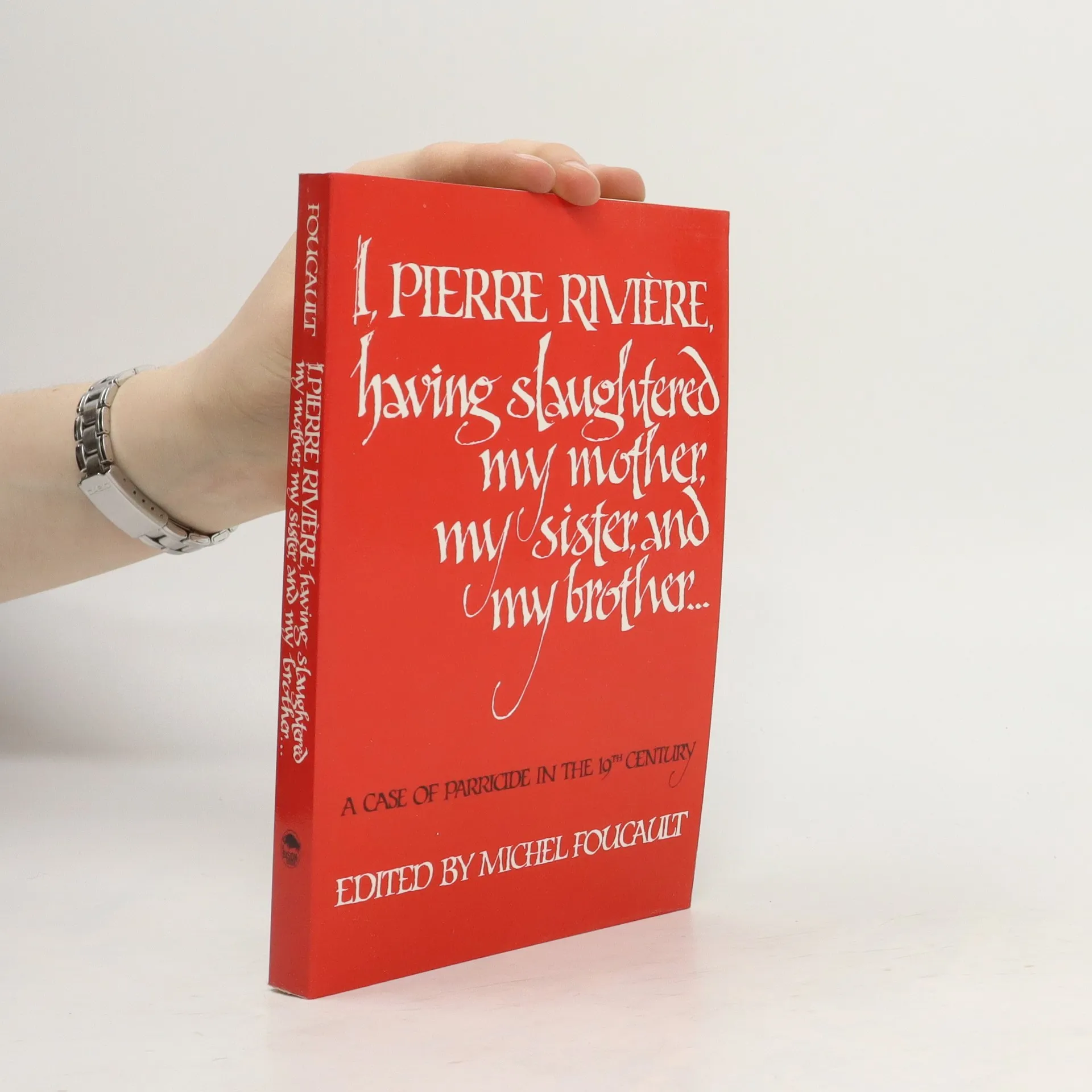
I, Pierre Rivière, Having Slaughtered My Mother, My Sister, and My Brother ...
- 288 stránek
- 11 hodin čtení
To free his father and himself from his mother's tyranny, Pierre Rivière decided to kill her. On June 3,1835, he went inside his small Normandy house with a pruning hook and cut to death his mother, his eighteen-year-old sister, and his seven-year-old brother. Then, in jail, he wrote a memoir to justify the whole gruesome tale. Michel Foucault, author of Madness and Civilization and Discipline and Punish, collected the relevant documents of the case, including medical and legal testimony, police records. and Rivière's memoir. The Rivière case, he points out, occurred at a time when many professions were contending for status and power. Medical authority was challenging law, branches of government were vying. Foucault's reconstruction of the case is a brilliant exploration of the roots of our contemporary views of madness, justice, and crime.
Language, Madness, and Desire
- 176 stránek
- 7 hodin čtení
This book brings together previously unpublishedtranscripts of oral presentations in which Michel Foucault speaks at lengthabout literature and its links to some of his principal themes: madness,language and criticism, and truth and desire.
Throughout the modern era, photography has been enlisted to classify the world and its people. Driven by a belief in the scientific objectivity of photographic evidence, the systems utilized to classify photographs have shaped modern visual culture. Accompanying the exhibition “The Order of Things: Photography from The Walther Collection,” this book investigates the production and uses of serial portraiture, vernacular imagery, architectural surveys and time-based performance in photography from the 1880s to the present, bringing together works by artists from Europe, Africa, Asia and North America. Setting early modernist photographers Karl Blossfeldt and August Sander in dialogue with contemporary artists such as Ai Weiwei, Nobuyoshi Araki, Richard Avedon, Zanele Muholi, Stephen Shore and Zhang Huan, The Order of Things illustrates how typological methods in photography have developed globally.
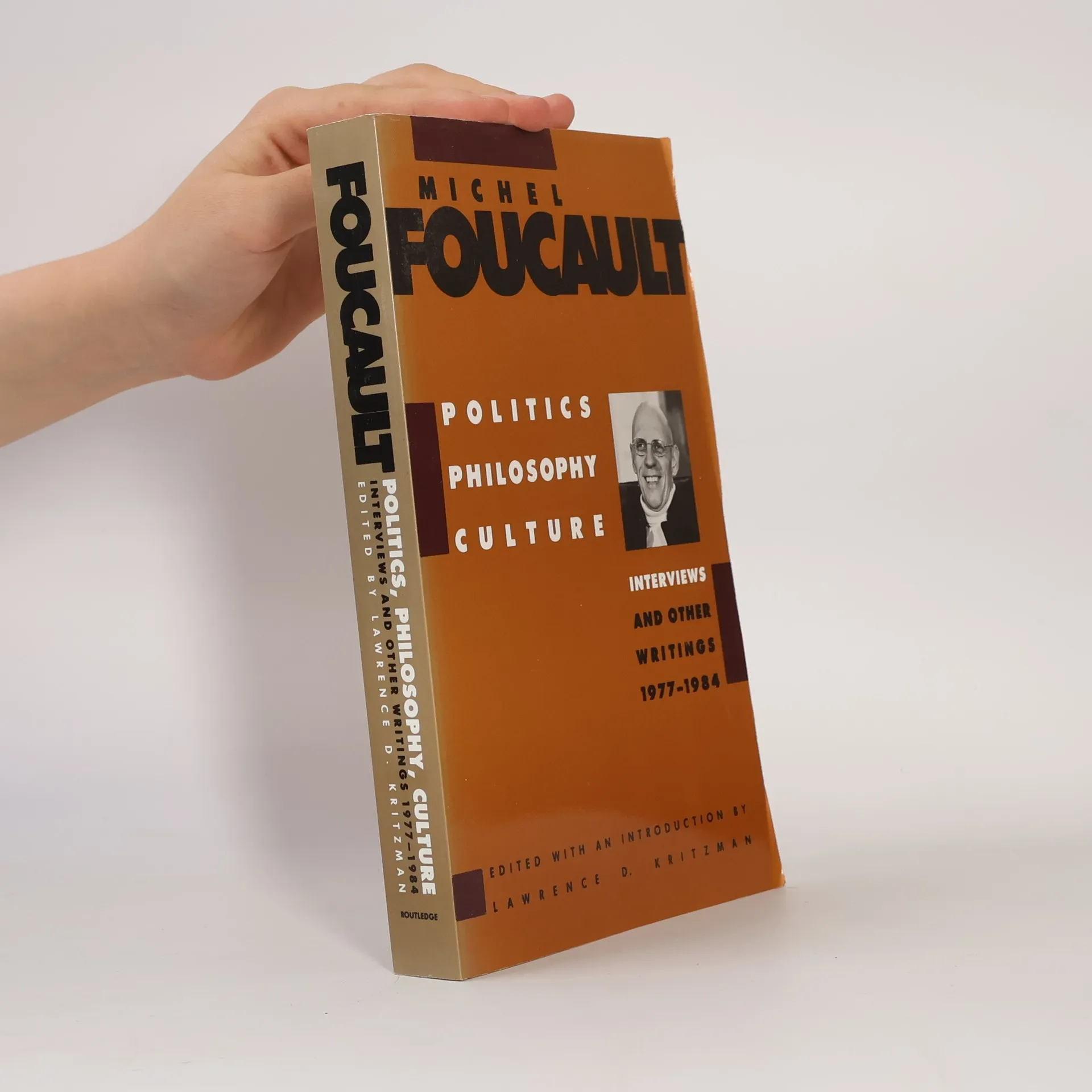
Politics, Philosophy, Culture contains a rich selection of interviews and other writings by the late Michel Foucault. Drawing upon his revolutionary concept of power as well as his critique of the institutions that organize social life, Foucault discusses literature, music, and the power of art while also examining concrete issues such as the Left in contemporary France, the social security system, the penal system, homosexuality, madness, and the Iranian Revolution.
The collection features essential writings from influential philosophers and cultural theorists of the twentieth century, exploring the foundational ideas that have shaped urban environments and architectural experiences. It delves into the theoretical frameworks that underpin contemporary architecture, offering insights into the cultural and philosophical contexts that inform our understanding of space and design. This compilation serves as a critical resource for those interested in the intersection of architecture, philosophy, and urban theory.
Librarian note: an alternate cover for this edition can be found here. Il est aujourd'hui deux manières de mesurer l'œuvre de Michel Foucault : soit cerner par des colloques l'actualité de la pensée de Foucault ; soit en souligner l'inactualité. C'est-à-dire son appartenance désormais à la grande tradition philosophique occidentale. L'ambition de ce volume est à la fois simple et immense : inscrire l'œuvre de Michel Foucault dans le corpus philosophique au même titre et sur un pied d'égale importance que ses voisins de catalogue - Rousseau ou Platon, Montesquieu ou Hobbes, Aristote ou Kierkegaard, Marx ou Nietzsche, Leibniz ou Kant. Trois grandes parties organisent cette anthologie : anthropologie et langage, régimes de pouvoir er régimes de vérité ; gouvernement de soi et des autres. Restituant, par la problématique philosophique, les étapes d'un parcours singulier, elles en soulignent l'originalité foncière à partir de l'écart qu'il creuse d'avec la tradition.
Die Hauptwerke
- 1686 stránek
- 60 hodin čtení
Michel Foucault, Philosoph und Historiker, politischer Aktivist und Professor am Collège de France, verband die Arbeit im Archiv mit unmittelbarem politischem Engagement und verstand es wie kein zweiter, die historisch-philosophische Analyse unserer Kultur für eine kritische Diagnose der Gegenwart fruchtbar zu machen. Seine Analysen der neuzeitlichen Ordnungen der Sexualität und des Wissens, der modernen Biomacht und der Gouvernementalität haben das theoretische Terrain abgesteckt, auf dem die aktuellen Debatten um eine Neubestimmung der condition humaine geführt werden. Vor allem seine diskurs- und machttheoretischen Schriften haben eine ganze Generation von Intellektuellen geprägt. Der Band versammelt die einschlägigen Hauptschriften Foucaults, die nach wie vor den Königsweg zu seinem Denken darstellen: Die Ordnung der Dinge, Archäologie des Wissens, Überwachen und Strafen und die drei Bände der Studien über Sexualität und Wahrheit: Der Wille zum Wissen, Der Gebrauch der Lüste und Die Sorge um sich.
Vom Licht des Krieges zur Geburt der Geschichte
- 60 stránek
- 3 hodiny čtení
La 4e de couv. porte : "Ces Dits et écrits, qui réunissent, parallèlement à ses grands livres, la totalité des textes publiés du vivant de Michel Foucault (1926-1984), constituent l'autobiographie intellectuelle de l'un des grands esprits du XXe siècle. On y découvre l'immensité de sa culture, la variété de ses préoccupations, une curiosité toujours en éveil, une liberté et une générosité de parole et d'engagement, qui permettent de mieux cerner le personnage et éclairent la lecture de ses ouvrages. Publiés dans l'ordre chronologique, ces conférences, préfaces, articles, essais et entretiens, croisés avec la biographie qui les précède, donnent la possibilité de suivre les cheminements de sa pensée, son perpétuel renouvellement. "
Foucault - Myšlienky
- 260 stránek
- 10 hodin čtení
Slovenskému čitateľovi sa prostredníctvom tejto publikácie prvýkrát dostáva do rúk prehľad myšlienok významného francúzskeho postmoderného mysliteľa Michela Foucaulta. Hlavným cieľom tohto výberu je priblížiť Foucaultove myšlienky širšej verejnosti, pričom sa predpokladá, že súbor myšlienok bude atraktívnejší než jeho zložité a pre laickú verejnosť takmer neznáme dielo. „Myšlienky“ však poskytujú len plytkú exkurziu do Foucaultovho myslenia, pričom sa podobajú zlomkom, ktoré samostatne tvoria obraz novátorského myslenia jedného z postmoderných mysliteľov a poskytujú rámec na pochopenie širokého spektra súčasných problémov. Náročnosť niektorých výrokov predpokladá aspoň základnú znalosť filozofie, avšak väčšinu z nich je možné chápať aj na menej odbornej úrovni. Je dôležité si uvedomiť, že Foucault ponúka „iný“ pohľad na problémy, než aký sa nachádza v učebniciach a vedeckých publikáciách. Jeho dominantou nebolo ohúriť čitateľa formou, ale skôr popísať svoju kontroverznú koncepciu myslenia a prístup k problémom, ako aj originálne prepojenie rôznych metód a disciplín. Mnohí sa ho snažili zaradiť medzi štrukturalistov, no jeho práca je komplexnejšia a neustále sa vyvíja, čo ho robí jedinečným.
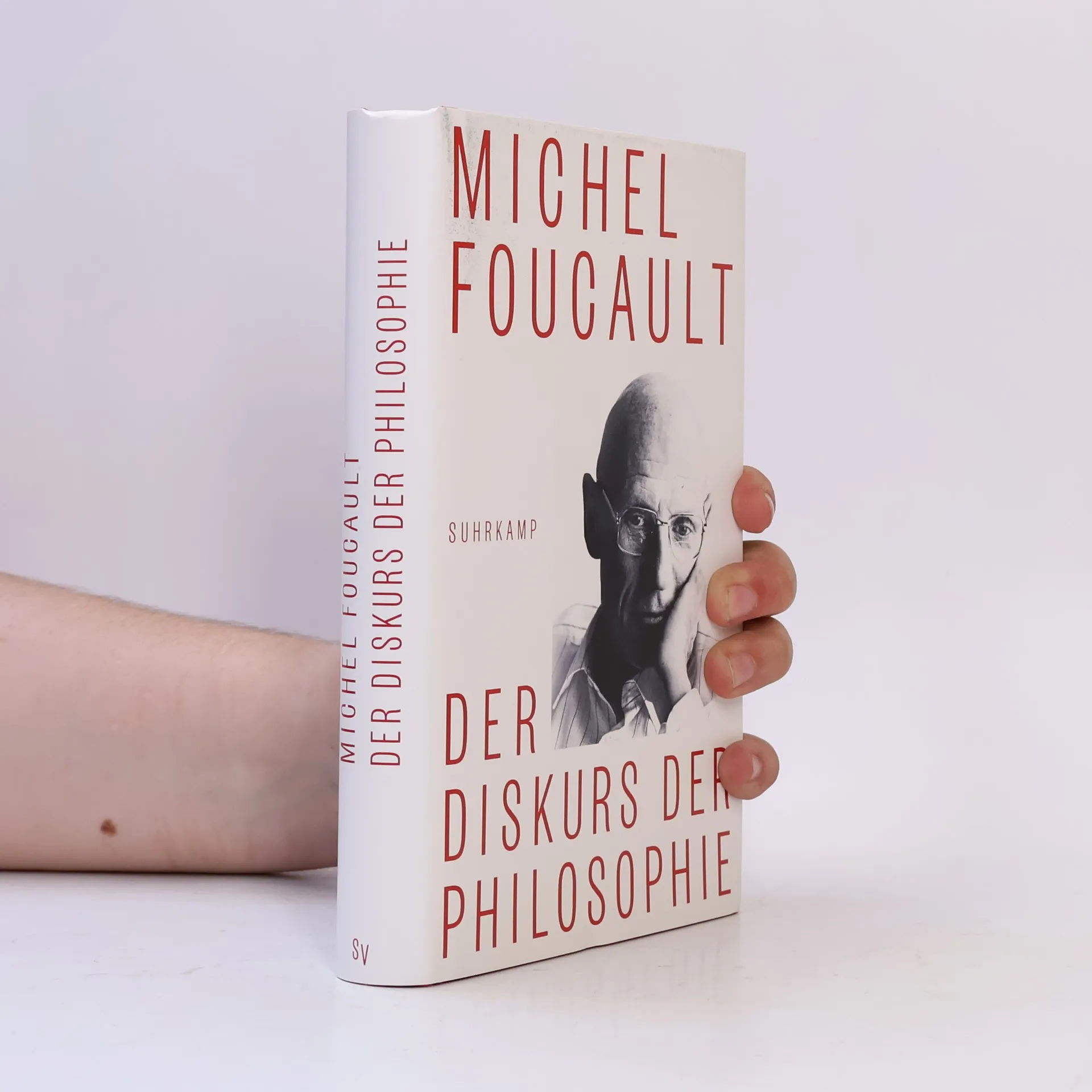
Der Diskurs der Philosophie
Bisher unbekannt und unveröffentlicht | Foucaults Geschichte der Philosophie von Decartes bis zum 20. Jahrhundert
- 352 stránek
- 13 hodin čtení
Was ist Philosophie? Und welche Rolle spielt sie in der Gegenwartsgesellschaft? Zwischen Juli und Oktober 1966, einige Monate nachdem er durch das Erscheinen von Die Ordnung der Dinge schlagartig zum neuen Star der Philosophie aufgestiegen war, gab Michel Foucault in einem sorgfältig durchkomponierten Manuskript seine Antwort auf diese bis heute viel diskutierten Fragen. Im Gegensatz zu denjenigen, die entweder das Wesen der Philosophie enthüllen oder sie gleich für tot erklären wollen, begreift Foucault sie als einen Diskurs, dessen Ökonomie im Vergleich mit anderen Diskursen – wissenschaftlichen, literarischen, alltäglichen, religiösen – herausgearbeitet werden muss.Der Diskurs der Philosophie schlägt somit eine neue Art und Weise der Philosophiegeschichtsschreibung vor, die von der reinen Kommentierung der großen Denker wegführt. Nietzsche nimmt allerdings einen besonderen Platz ein, da er eine neue Epoche einleitet, in der die Philosophie zur Gegenwartsdiagnose wird: Von nun an ist es ihre Aufgabe, einer Gesellschaft zu erklären, was ihr Zeitalter ausmacht. Nirgendwo hat Michel Foucault die Ambitionen seines intellektuellen Programms so deutlich gemacht wie in diesem Werk, das fast 60 Jahre nach seiner Niederschrift nun erstmals veröffentlicht wird. Eine kleine Sensation!
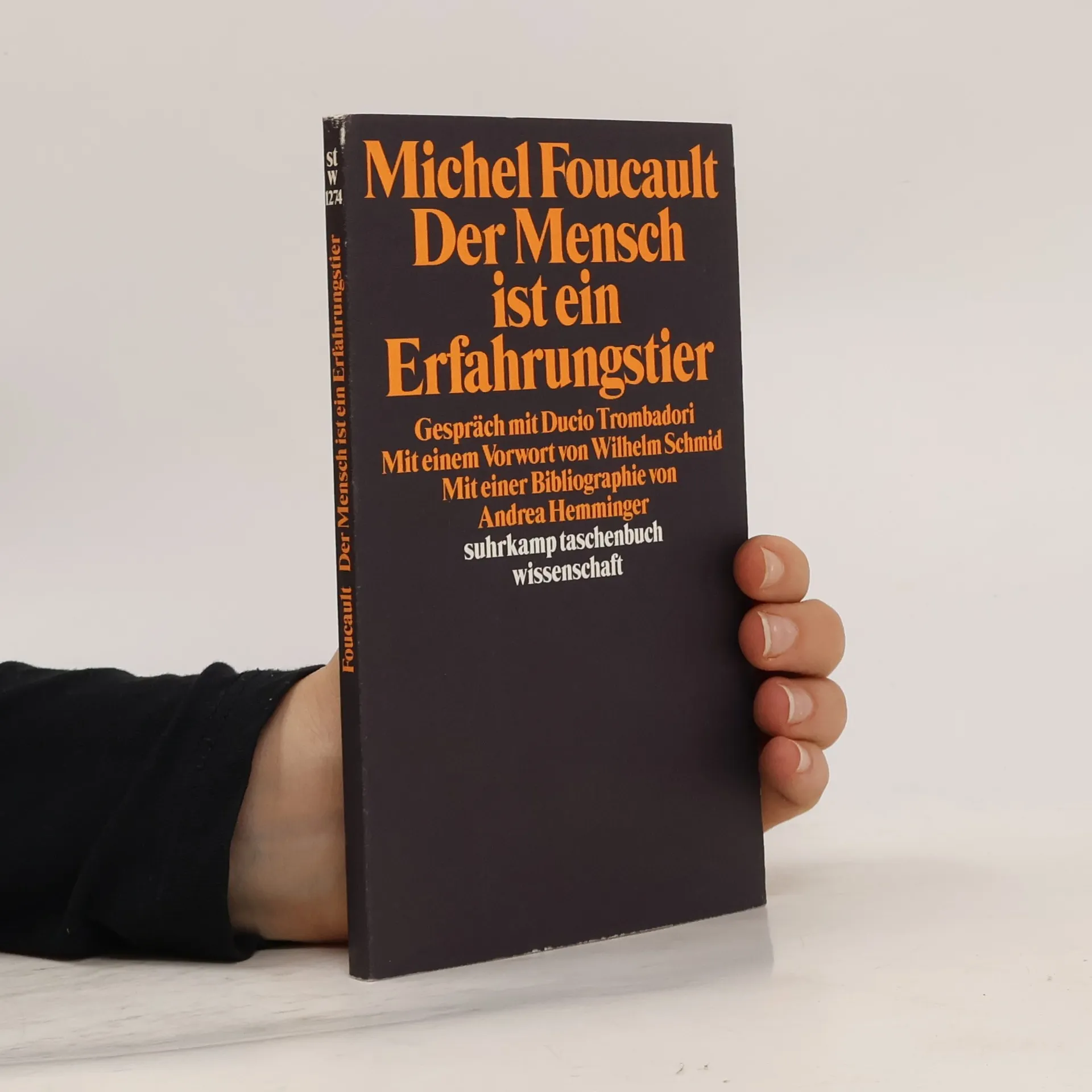
Michel Foucault führte dieses Gespräch Ende 1978, bald nach dem Erscheinen von Der Wille zum Wissen. Wie ein roter Faden zieht sich durch diese Unterredungen der Begriff der »Erfahrung« und ihre Bedeutung für das Individuum. Eine Erfahrung ist etwas, in der das Subjekt nicht dasselbe bleibt, aus der es als ein anderes hervorgeht. In der Offenheit für Erfahrungen entsteht ein anderes Verständnis des Subjekts - eines Subjekts, das den Verlust seiner Identität in »Grenzerfahrungen« geradezu sucht.
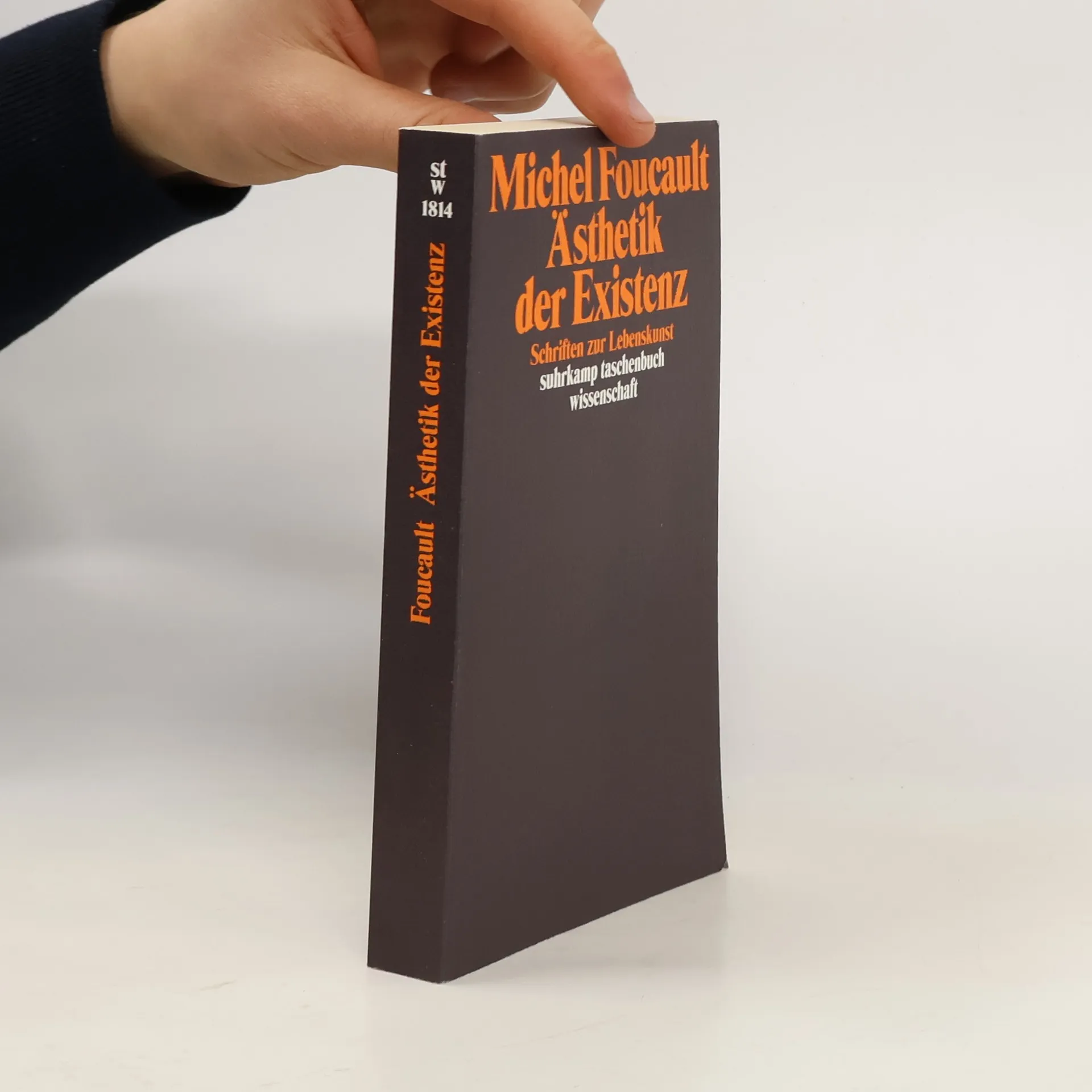
In der letzten Phase seines Schaffens hat sich Michel Foucault mit Passion und Akribie dem Studium antiker Texte gewidmet und die klassischen Modelle einer lebenspraktischen »Sorge um sich« und »Ästhetik der Existenz« der historischen Vergessenheit entrissen. In den kleinen Texten und Interviews derselben Zeit, die der Auswahlband versammelt, unternimmt Foucault den riskanten und faszinierenden Versuch einer Aktualisierung dieser antiken Denkfiguren. Die alles entscheidende Frage für Foucault ist dabei: Kann es heute eine Lebensform geben, die nicht vom Wissen und von der Norm bestimmt wird, sondern die ein Experiment ist und das Leben als Kunst versteht?
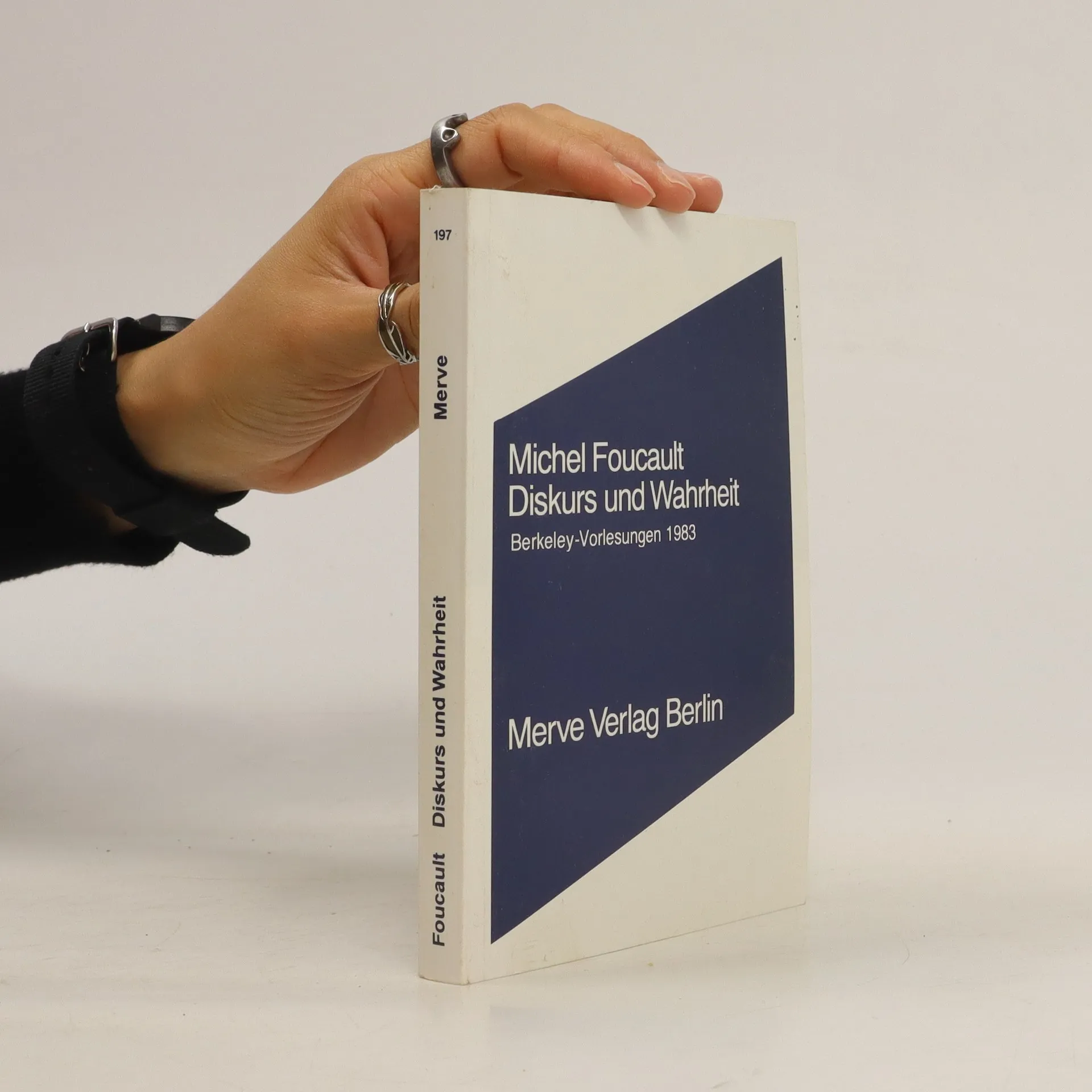
Diskurs und Wahrheit
Die Problematisierung der Parrhesia. Berkeley-Vorlesungen 1983
6 Vorlesungen, die 1983 in Berkeley gehalten wurden: Wer ist in der Lage, die Wahrheit zu sagen? Mit welchen Folgen und mit welcher Beziehung zur Macht? Parrhesia bedeutet, freimütig und aufrichtig die Wahrheit zu sagen, und ist zuallererst eine Praktik, der es um die Übereinstimmung zwischen Denken und Leben geht.
Historia ciała, monumentalne dzieło francuskich historyków, pokazuje, w jaki sposób ciało staje się przedmiotem historii. Autorzy nie pomijają żadnej sfery: mówią o religii, medycynie, seksualności, sztuce i innych dziedzinach życia. Ewolucję wyobrażeń ciała w kolejnych stuleciach ukazują w perspektywie "konkretnego" człowieka danej epoki. W rozważaniach tych daje się już przeczuć ciało naszych czasów. Uwadze autorów nie umyka żaden krzyk, szmer, milczenie ani gest, który może powiedzieć coś o kondycji człowieka. Ciało ukazane zostaje we wszelkich możliwych stanach: w cierpieniu, pragnieniu, marzeniu, w relacji do innych ciał. Także, jak chciał Foucault, w relacji do samego siebie.
Schriften zur Medientheorie
- 334 stránek
- 12 hodin čtení
Michel Foucault war Philosoph und Historiker, Begründer einer bestimmten Spielart der Diskursanalyse, aber kein Medienwissenschaftler. Nie empfahl er seine Schriften als "Rezepte" für irgendeine Denkweise oder gar Fachdisziplin, sondern nannte sie lieber "Werkzeuge" und sogar "Träume". Darin kommt eine von Foucault kultivierte "experimentelle Haltung" zum Ausdruck, die sowohl für seine großen Abhandlungen als auch für seine Essays, Vorträge und Gelegenheitsäußerungen zu Malerei und Photographie, zur Musik und zum Kino, zur Ordnung des Diskurses und zum Rauschen der Informationstechnologien prägend war. Der Band versammelt erstmals all jene (kürzeren) Texte, in denen Foucault die Entstehung und den Wandel der heutigen Medienkultur beleuchtet.
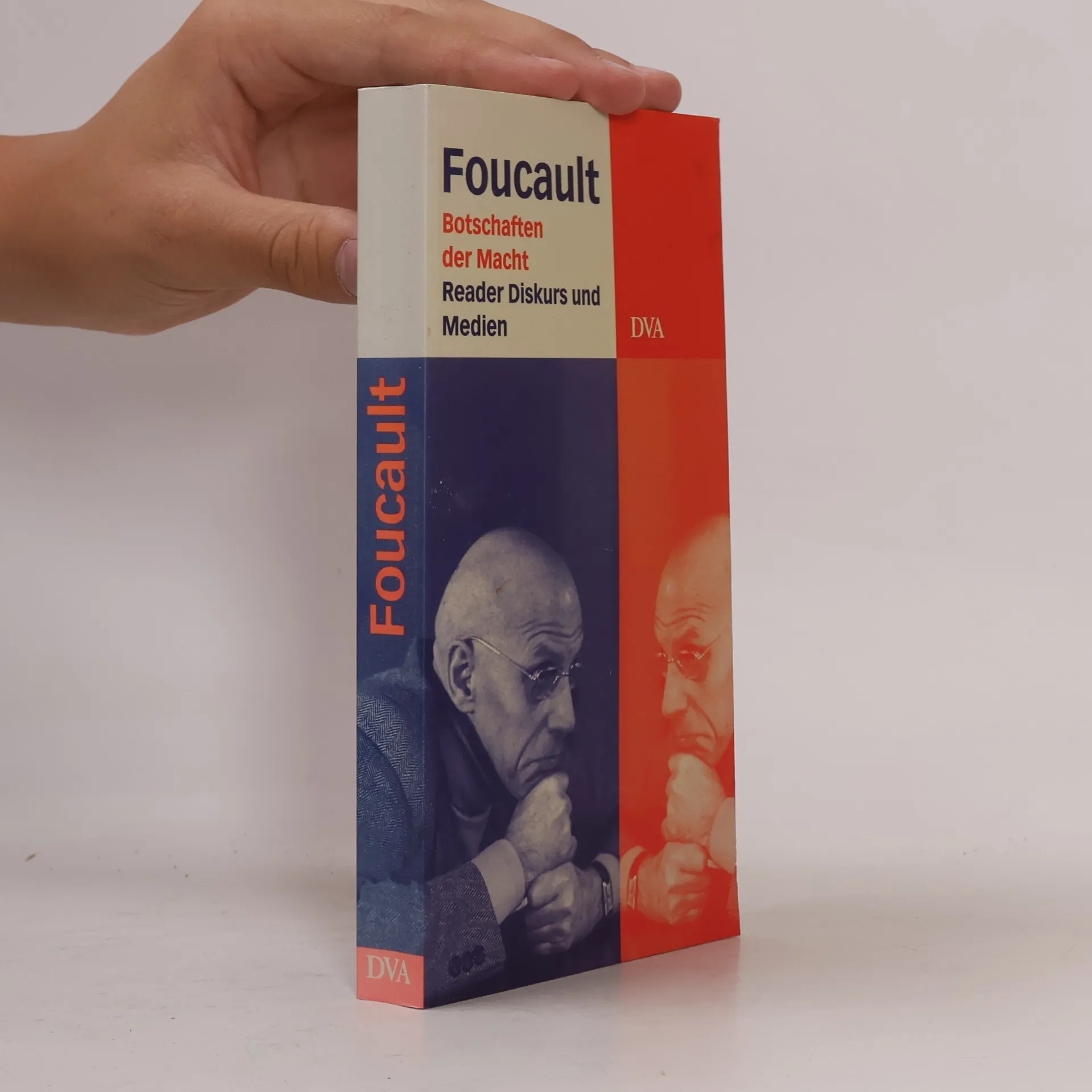
Botschaften der Macht
- 227 stránek
- 8 hodin čtení
Foucault
- 576 stránek
- 21 hodin čtení
„Verweigere den alten Kategorien des Negativen (Gesetz, Grenze, Kastration, Mangel, Lücke), die das westliche Denken so lange als eine Form der Macht und einen Zugang zur Realität geheiligt hat, jede Gefolgschaft! Gib dem den Vorzug, was positiv ist und multipel, der Differenz vor der Uniformität, den mobilen Dispositiven vor den Systemen! Glaube daran, daß das Produktive nicht seßhaft ist, sondern nomadisch!“
Von der Subversion des Wissens
- 148 stránek
- 6 hodin čtení
Es gehört zu den charakteristischen und faszinierenden Zügen des französischen Philosophen Michel Foucault, daß seine intellektuelle Biographie sich aus allen essentiellen geistigen Strömungen der Moderne speist: Psychoanalyse, Phänomenologie, Strukturalismus, die Philosophien Nietzsches und Heideggers. Alle diese Entwürfe, angereichert durch medizinische und literarische Erfahrung, hat er in höchst produktiver Weise benutzt und zugleich überschritten - sie wirken fort in der Vielfalt der von seinem Werk ausgehenden Anregungen und Provokationen. Von der Subversion des Wissens vereinigt Dokumente einerseits zu Foucaults Bildungsweg bis zum Ende der sechziger Jahre, andererseits zu seiner nach dem Pariser Mai vollzogenen Wendung zur Politik. Die drei Gespräche - mit Paolo Caruso, Gilles Deleuze und mit Pariser Studenten - belegen eindrucksvoll, wie Foucault, der Theoretiker der 'Ausgrenzung', sich mit ausgrenzenden Institutionen konkret befaßte - mit Gefängnissen, Schulen, psychiatrischen Anstalten. Drei Aufsätze, die sich auf Bataille, Blanchot und Nietzsche beziehen, erkunden den Zusammenhang von Macht und Wissen und die Möglichkeit eines 'anderen', subversiven Wissens. Der Band enthält im Anhang eine bis 1986 reichende Bibliographie der Schriften Foucaults und deren deutschen Übersetzungen.
„Wenn die Gespräche Foucaults integraler Bestandteil seines Werkes sind, so deshalb, weil sie die historische Problemstellung jedes seiner Bücher auf die Konstruktion des aktuellen Problems (Wahnsinn, Bestrafung oder Sexualität) hin verlängern.“
Das Leben der infamen Menschen
- 75 stránek
- 3 hodiny čtení
1977 ist der Text französisch erschienen, geschrieben als Vorwort für eine Sammlung von Dokumenten zur Geschichte der Internierung im Frankreich des 17. und 18. Jahrhunderts. Das Buch kam nicht zustande, geblieben ist dieser großartige Text. „Das Leben der infamen Menschen ist ein Meisterwerk.“ (Gilles Deleuze)
Die Frage nach der Macht durchzieht nicht nur wie ein roter Faden das Werk Michel Foucaults, sondern war auch Anlaß zu höchst kontroversen Diskussionen, die keineswegs abgeschlossen sind – im Gegenteil: Foucaults Konzepte, wie etwa die Biomacht, die Gouvernementalität, aber auch die Ästhetik der Existenz oder die Disziplinarmacht, geben aktuellen Debatten in der Philosophie und Soziologie, aber auch der Politik- und Geschichtswissenschaft entscheidende Impulse. Dieser Band versammelt die wichtigsten Texte Foucaults und bietet somit einen umfassenden Überblick über einen der zentralen Bereiche der Theoriebildung der letzten Jahrzehnte. In seinem Nachwort erschließt Thomas Lemke sowohl den historischen als auch den systematischen Kontext von Foucaults Machttheorie.
Von der Freundschaft als Lebensweise
Im Gespräch