

Více o knize
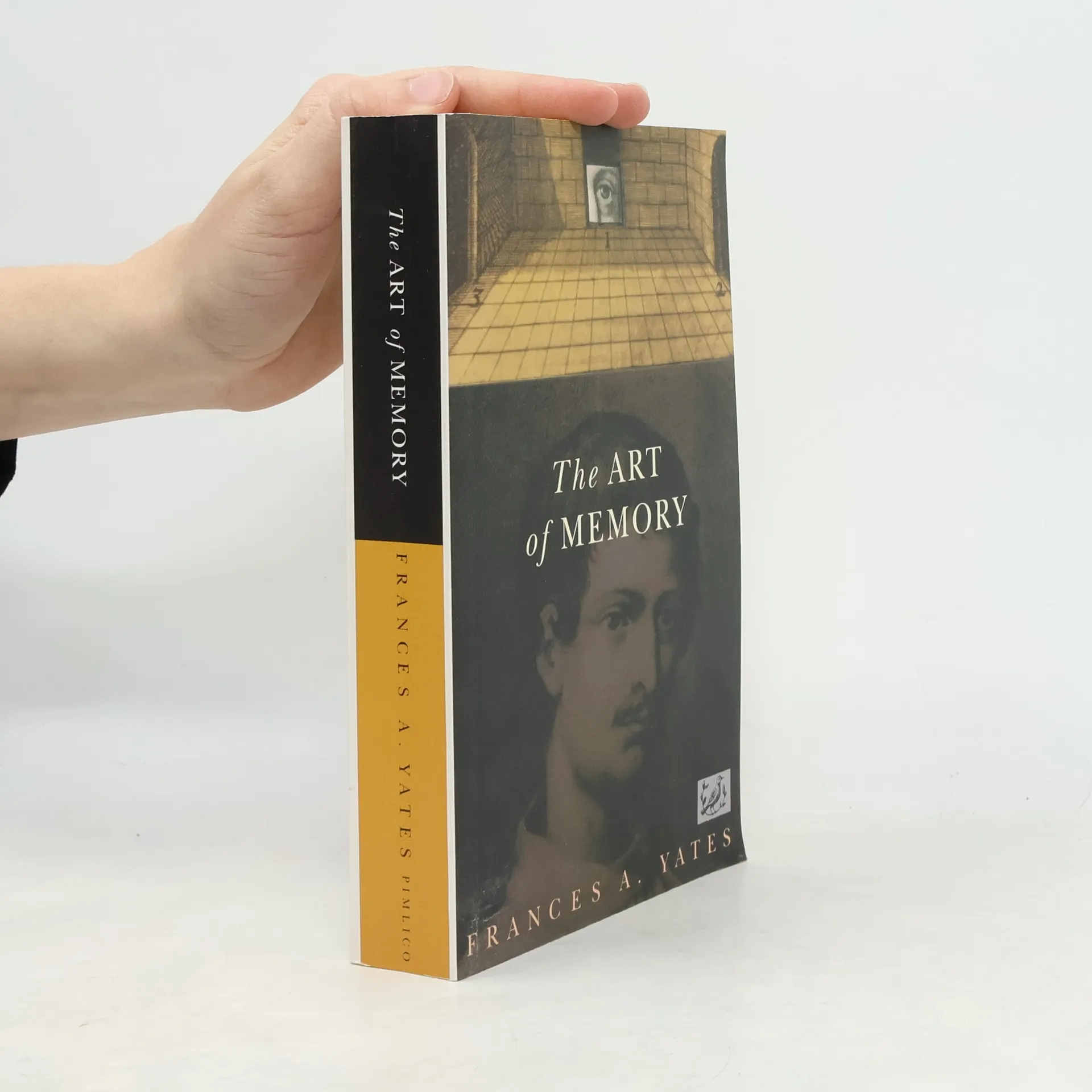
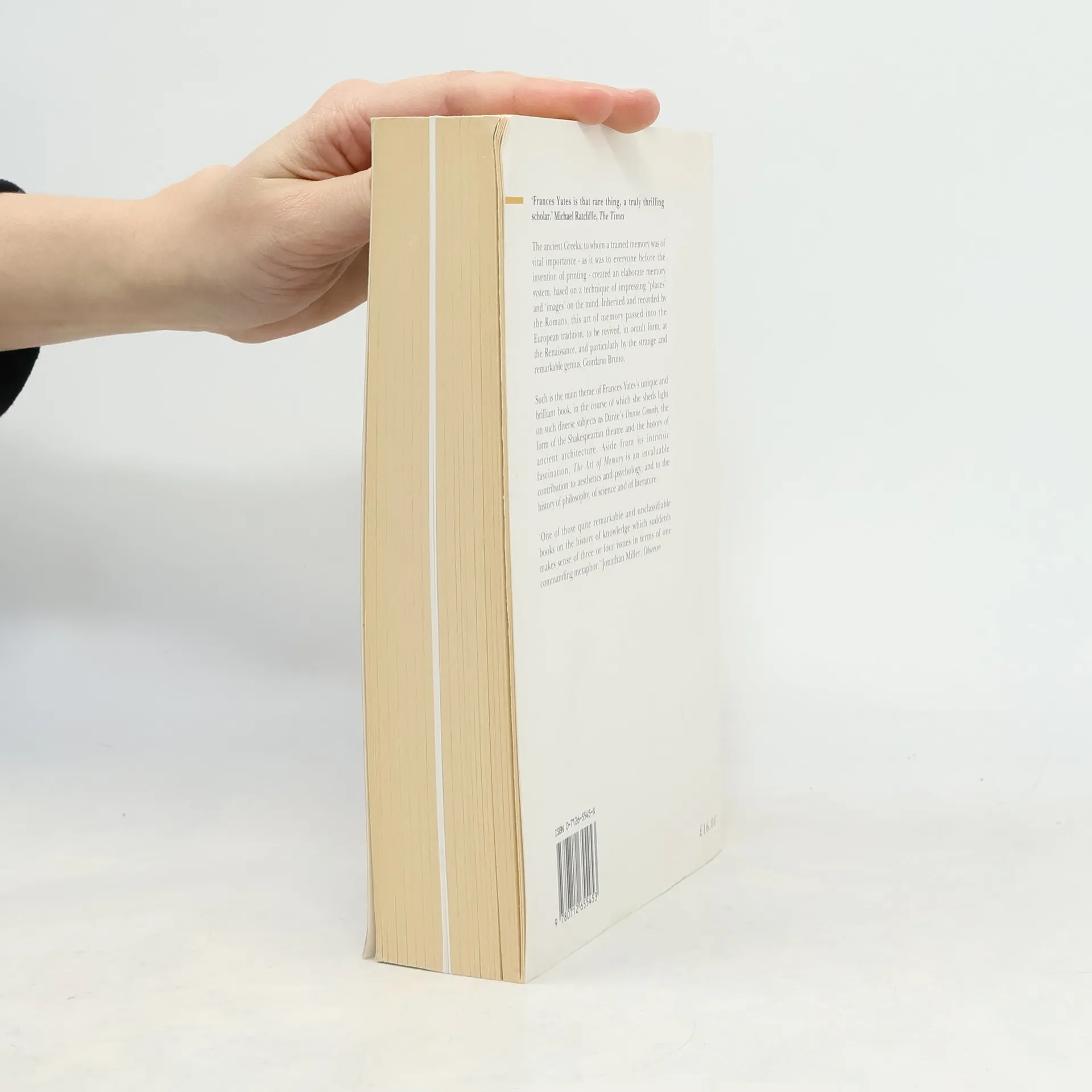
The subject of this book will be unfamiliar to most readers. Few people know that the Greeks, who invented many arts, invented an art of memory which, like their other arts, was passed on to Rome whence it descended in the European tradition. This art seeks to memorise through a technique of impressing 'places' and 'images' on memory. It has usually been classed as 'mnemotechnics', which in modern times seems a rather unimportant branch of human activity. But in the ages before printing a trained memory was vitally important ; and the manipulation of images in memory must always to some extent involve the psyche as a whole. Moreover an art which uses contemporary architecture for its memory places and contemporary imagery for its images will have its classical, Gothic, and Renaissance periods, like the other arts. Though the mnemotechnical side of the art is always present, both in antiquity and thereafter, and forms the factual basis for its investigation, the exploration of it must include more than the history of its techniques. Mnemosyne, said the Greeks, is the mother of the Muses; the history of the training of this most fundamental and elusive of human powers will plunge us into deep waters.




Nákup knihy
The Art of memory, Frances Yates
- Jazyk

- Rok vydání
- 1992
- product-detail.submit-box.info.binding
- (měkká),
- Stav knihy
- Dobrá
- Cena
- 369 Kč
Doručení
Platební metody
Tady nám chybí tvá recenze.
- Titul
- The Art of memory
- Jazyk
- anglicky
- Autoři
- Frances Yates
- Vydavatel
- Pimlico
- Rok vydání
- 1992
- Vazba
- měkká
- ISBN10
- 071265545x
- ISBN13
- 9780712655453
- Série
- Štítky
- Naučná literatura, Společenské vědy, Seberozvoj, Psychologická tématika, Filosofická tématika, Osobní růst, Věda
- První vydání
- 1966
- Původní název
- The Art of Memory
- Hodnocení
- 4,15 z 5
- Anotace
- The subject of this book will be unfamiliar to most readers. Few people know that the Greeks, who invented many arts, invented an art of memory which, like their other arts, was passed on to Rome whence it descended in the European tradition. This art seeks to memorise through a technique of impressing 'places' and 'images' on memory. It has usually been classed as 'mnemotechnics', which in modern times seems a rather unimportant branch of human activity. But in the ages before printing a trained memory was vitally important ; and the manipulation of images in memory must always to some extent involve the psyche as a whole. Moreover an art which uses contemporary architecture for its memory places and contemporary imagery for its images will have its classical, Gothic, and Renaissance periods, like the other arts. Though the mnemotechnical side of the art is always present, both in antiquity and thereafter, and forms the factual basis for its investigation, the exploration of it must include more than the history of its techniques. Mnemosyne, said the Greeks, is the mother of the Muses; the history of the training of this most fundamental and elusive of human powers will plunge us into deep waters.