


Více o knize
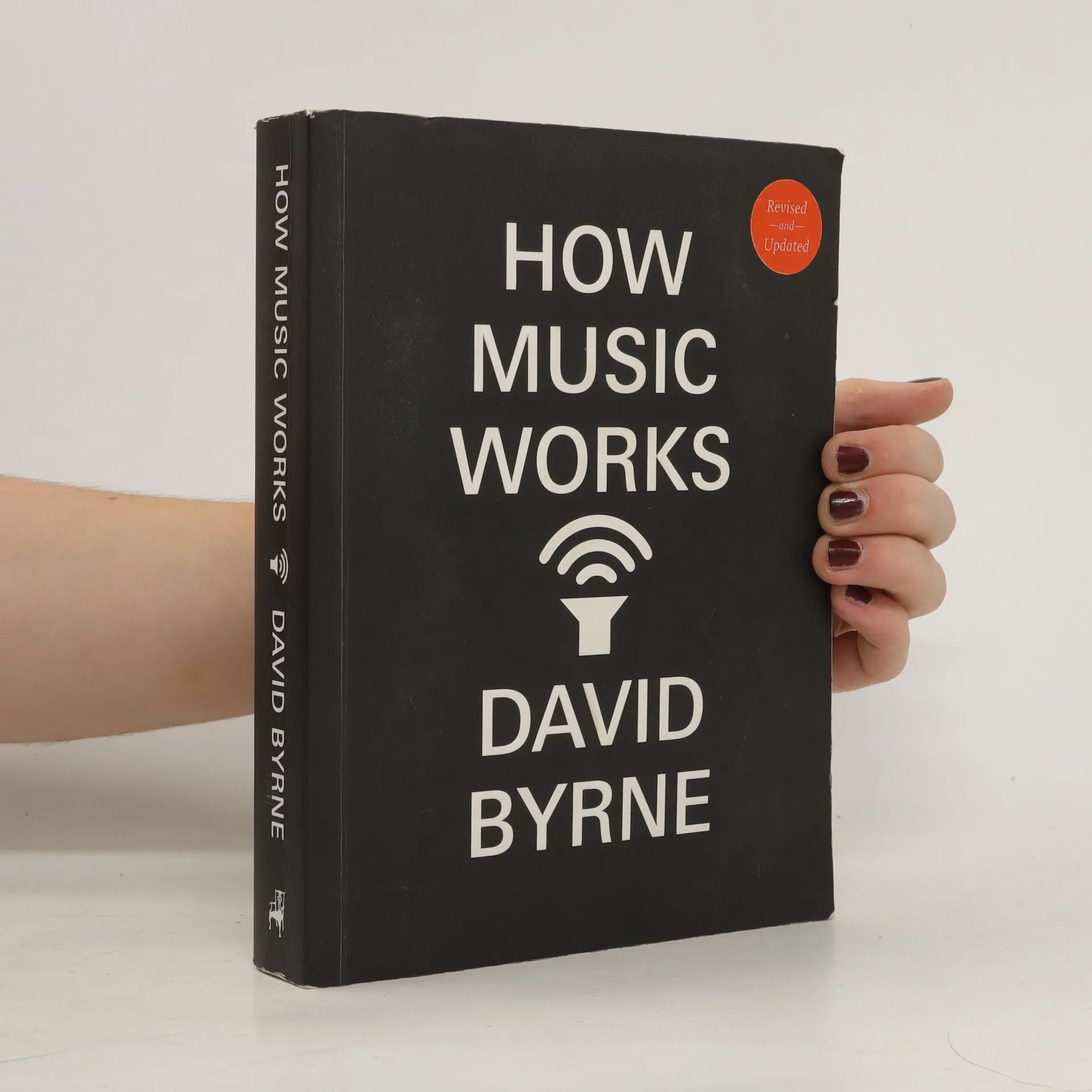
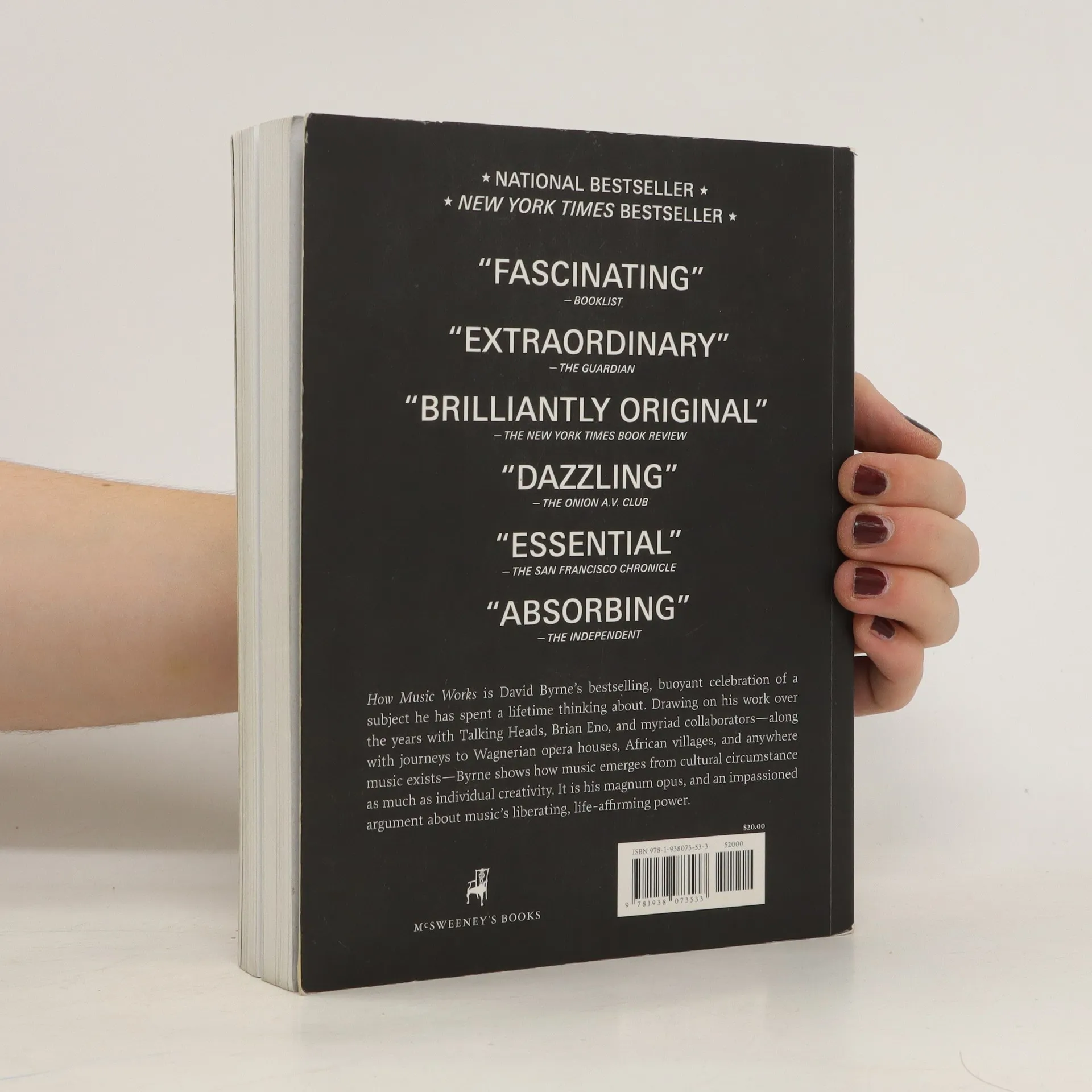
The Rock-and-Roll Hall of Fame inductee and co-founder of Talking Heads presents a celebration of music that offers insight into the roles of time, place and recording technology, discussing how evolutionary patterns of adaptations and responses to cultural and physical contexts have influenced music expression throughout history and culminated in the 20th century's transformative practices. In this book Byrne explores why the past matters and what the future might bring. From personal accounts of devising and performing his most famous work, to an exploration of the possibilities of new technologies, he discovers that artistic creation is less about an internal creative spark than we thought and more about external factors such as history, architecture and technology. "The universe of music follows broad and basic evolutionary patterns-as does birdsong, to take one example. It seems the will only triumphs if the context is amenable, just as in Darwinian adaptation. What we hear is determined by what we want to hear, by what can be heard, and by the circumstances that allow it to come into being."





Nákup knihy
How Music Works, David Byrne
- Jazyk

- Rok vydání
- 2013
- Vazba
- (měkká)
Doručení
Platební metody
Tady nám chybí tvá recenze.
- Titul
- How Music Works
- Jazyk
- anglicky
- Autoři
- David Byrne
- Vydavatel
- McSweeney's
- Rok vydání
- 2013
- Vazba
- měkká
- Počet stran
- 374
- ISBN10
- 1938073533
- ISBN13
- 9781938073533
- Série
- Štítky
- Naučná literatura, Umění & Kultura, Historické téma, Historie, Skutečné příběhy, Životopisy, Umění, Hudební tématika, Hudba, Věda
- Hodnocení
- 4 z 5
- Anotace
- The Rock-and-Roll Hall of Fame inductee and co-founder of Talking Heads presents a celebration of music that offers insight into the roles of time, place and recording technology, discussing how evolutionary patterns of adaptations and responses to cultural and physical contexts have influenced music expression throughout history and culminated in the 20th century's transformative practices. In this book Byrne explores why the past matters and what the future might bring. From personal accounts of devising and performing his most famous work, to an exploration of the possibilities of new technologies, he discovers that artistic creation is less about an internal creative spark than we thought and more about external factors such as history, architecture and technology. "The universe of music follows broad and basic evolutionary patterns-as does birdsong, to take one example. It seems the will only triumphs if the context is amenable, just as in Darwinian adaptation. What we hear is determined by what we want to hear, by what can be heard, and by the circumstances that allow it to come into being."