



Hodnocení knihy
Více o knize
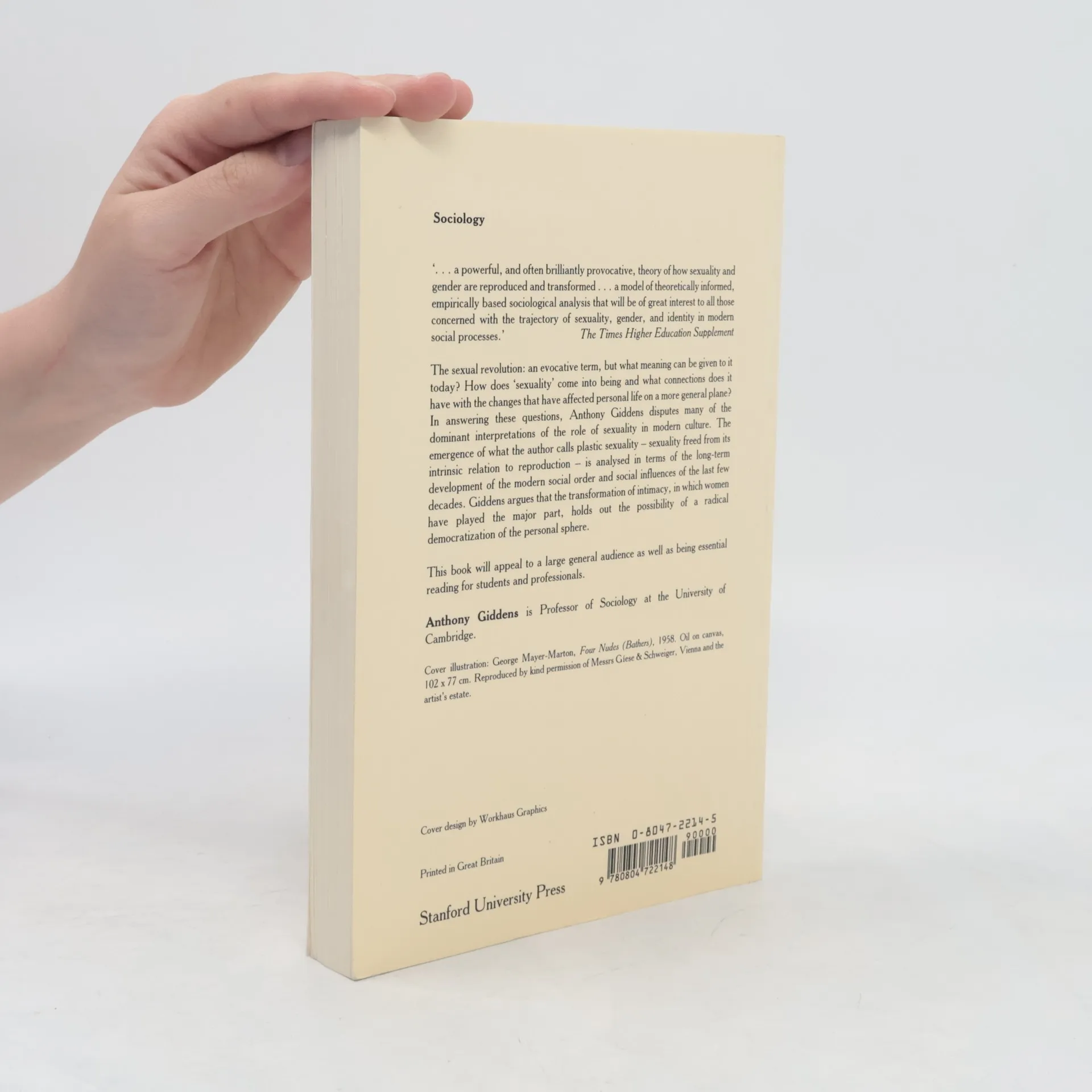
The term "sexual" evokes strong connotations, but what does it mean today? How does "sexuality" emerge, and what links does it have with broader changes in personal life? The author challenges prevailing interpretations of sexuality's role in modern culture, arguing that the revolutionary changes surrounding it are more long-term than typically acknowledged. He posits that these changes are integral to the evolution of modern societies and their characteristics. Today’s sexuality is a product of modernity, reflecting the contradictions of social life—emancipation and oppression, opportunity and risk—tying individual experiences to global transformations in intimacy. For the first time, women are asserting their equality with men, although the author does not delve into ongoing gender inequalities in economic or political spheres. Instead, he focuses on ordinary women who have instigated significant changes in their daily lives, independent of political agendas. This involves exploring the "pure relationship," which assumes sexual and emotional equality, challenging existing power dynamics. The author discusses "plastic sexuality," which is detached from reproduction and traditional roles, allowing for personal expression and reflexivity. This concept supports a pure relationship that transcends heterosexual norms. He speculates that evolving intimacy could disrupt modern institutions, suggesting a future where intrinsic reward



Nákup knihy
The Transformation of Intimacy, Anthony Giddens
- Jazyk

- Rok vydání
- 1993
- product-detail.submit-box.info.binding
- (měkká),
- Stav knihy
- Poškozená
- Cena
- 244 Kč
Doručení
Platební metody
Tady nám chybí tvá recenze.
- Podtitul
- Sexuality, Love and Eroticism in Modern Societies
- Jazyk
- anglicky
- Autoři
- Anthony Giddens
- Vydavatel
- Stanford University Press
- Rok vydání
- 1993
- Vazba
- měkká
- Počet stran
- 216
- ISBN10
- 0804722145
- ISBN13
- 9780804722148
- Série
- Štítky
- Naučná literatura, Společenské vědy, Filosofie, Psychologie, Vztahy, Sociologie, Sexualita & Intimita, Gender
- Hodnocení
- 3,45 z 5
- Anotace
- The term "sexual" evokes strong connotations, but what does it mean today? How does "sexuality" emerge, and what links does it have with broader changes in personal life? The author challenges prevailing interpretations of sexuality's role in modern culture, arguing that the revolutionary changes surrounding it are more long-term than typically acknowledged. He posits that these changes are integral to the evolution of modern societies and their characteristics. Today’s sexuality is a product of modernity, reflecting the contradictions of social life—emancipation and oppression, opportunity and risk—tying individual experiences to global transformations in intimacy. For the first time, women are asserting their equality with men, although the author does not delve into ongoing gender inequalities in economic or political spheres. Instead, he focuses on ordinary women who have instigated significant changes in their daily lives, independent of political agendas. This involves exploring the "pure relationship," which assumes sexual and emotional equality, challenging existing power dynamics. The author discusses "plastic sexuality," which is detached from reproduction and traditional roles, allowing for personal expression and reflexivity. This concept supports a pure relationship that transcends heterosexual norms. He speculates that evolving intimacy could disrupt modern institutions, suggesting a future where intrinsic reward