



Knihobot

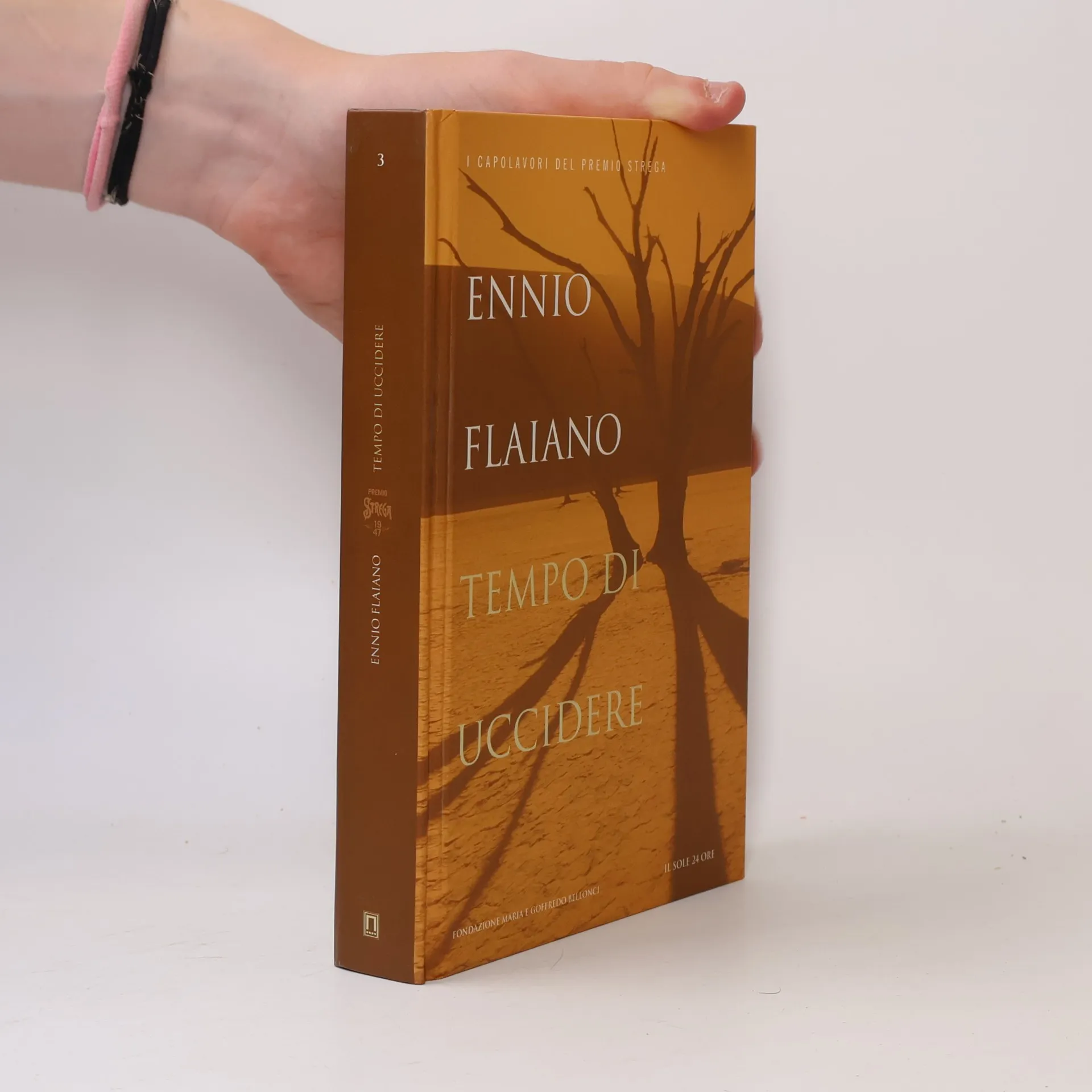
Tempo di uccidere

Hodnocení knihy

Více o knize

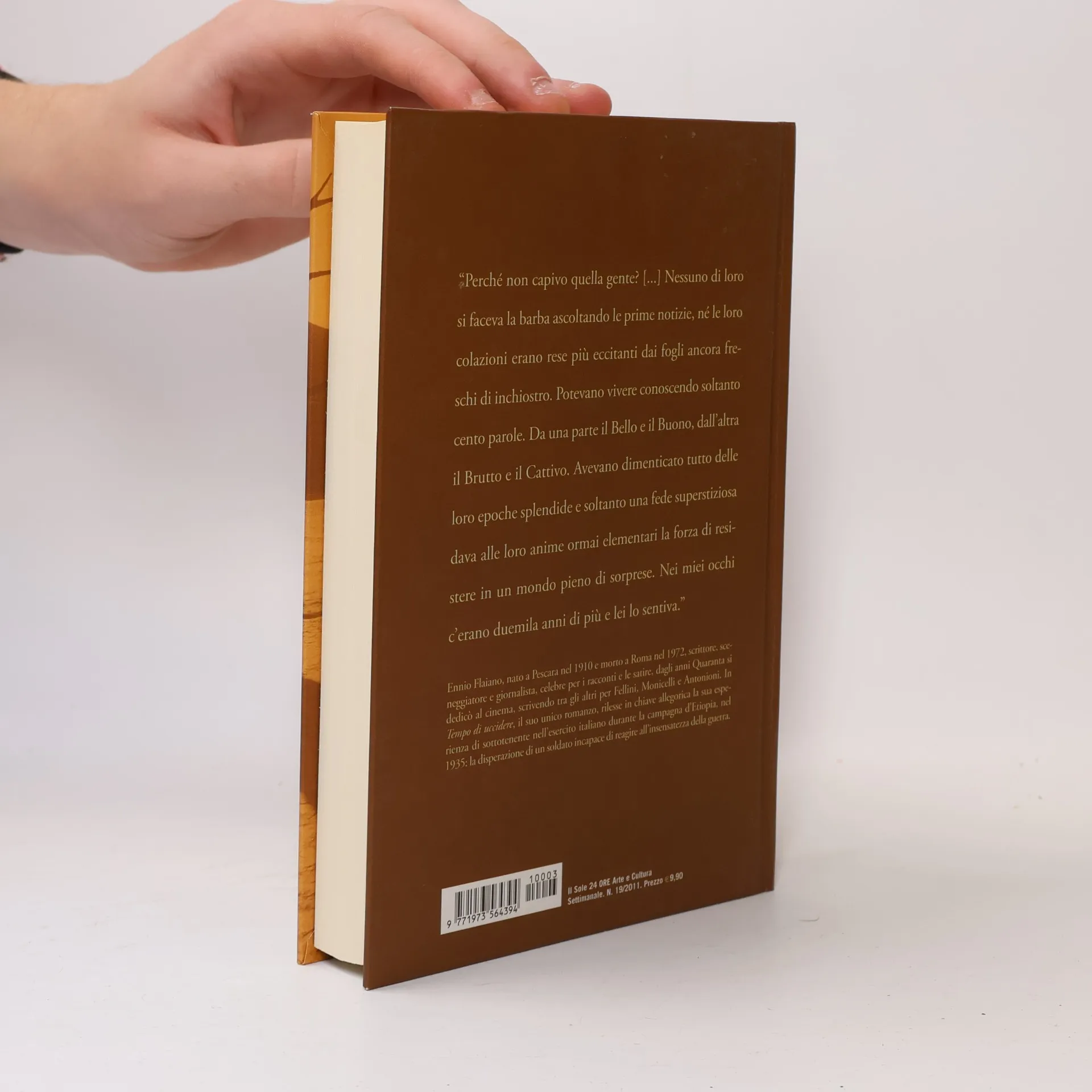
This fine novel, Flaiano's only full-length work of fiction, was published in 1947 and won the Strega Prize. Translated into English as The Short Cut in 1950, it resonates with contemporary readers who can appreciate the plight of the young Italian officer at its center. Set in Abyssinia during its conquest by a major European power in 1935-36, the story follows a lieutenant who, bothered by a toothache, seeks a dentist and takes a shortcut through a sinister valley. There, he encounters a native woman bathing in a stream, and after a brief encounter, tragedy strikes when he accidentally shoots her while trying to fend off what he believes to be a threat. Unable to seek help, he commits a further crime by killing her as she sleeps. The narrative unfolds as he grapples with guilt and attempts to evade responsibility, ultimately realizing that the chain of events is tied to his own actions. Albert Guerard notes that unlike Dostoevsky's characters, the lieutenant lacks redemption or divine intervention. The haunting memories of his crime linger, symbolized by a sickly odor that follows him, representing his inescapable guilt and the threat of impunity that looms over him.

Nákup knihy

Tempo di uccidere, Ennio Flaiano

Jazyk
Rok vydání
2000
product-detail.submit-box.info.binding
(měkká)
Jakmile se objeví, pošleme e-mail.

Doručení

Platební metody

3,8
Velmi dobrá
74 Hodnocení
Recenze obsahuje spoilery.

Příběh vyprávěný italským vojákem sloužícím v Africe. Nebýt této knihy, tak bych si asi těžko uvědomil, že v Africe působilo i italské vojsko - není to tak známo jako u britských, francouzských a nizozemských jednotek. Celý příběh se točí okolo nešťastného zastřelení domorodé ženy a vyprávění italského vojáka je takovou sondou do svědomí.

Titul
Tempo di uccidere
Jazyk
italsky
Vydavatel
BUR
Rok vydání
2000
Vazba
měkká
Počet stran
282
ISBN10
8817202754
ISBN13
9788817202756
Série
První vydání
1947
Původní název
Tempo di uccidere
Hodnocení
3,75 z 5
Anotace
This fine novel, Flaiano's only full-length work of fiction, was published in 1947 and won the Strega Prize. Translated into English as The Short Cut in 1950, it resonates with contemporary readers who can appreciate the plight of the young Italian officer at its center. Set in Abyssinia during its conquest by a major European power in 1935-36, the story follows a lieutenant who, bothered by a toothache, seeks a dentist and takes a shortcut through a sinister valley. There, he encounters a native woman bathing in a stream, and after a brief encounter, tragedy strikes when he accidentally shoots her while trying to fend off what he believes to be a threat. Unable to seek help, he commits a further crime by killing her as she sleeps. The narrative unfolds as he grapples with guilt and attempts to evade responsibility, ultimately realizing that the chain of events is tied to his own actions. Albert Guerard notes that unlike Dostoevsky's characters, the lieutenant lacks redemption or divine intervention. The haunting memories of his crime linger, symbolized by a sickly odor that follows him, representing his inescapable guilt and the threat of impunity that looms over him.