






Nádherný a zároveň veľmi smutný príbeh .
Miláček čtenářů je právě vyprodaný
Více o knize
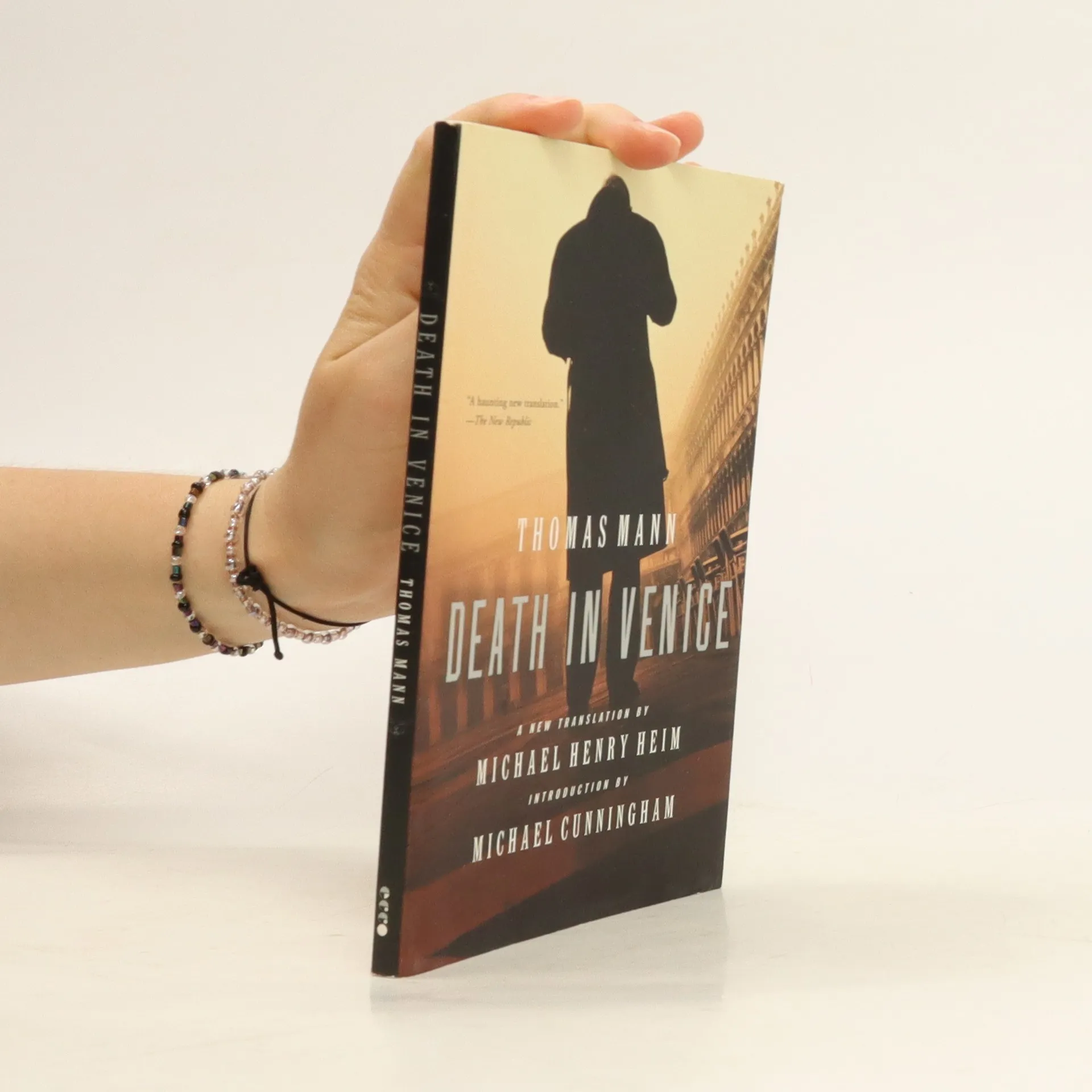
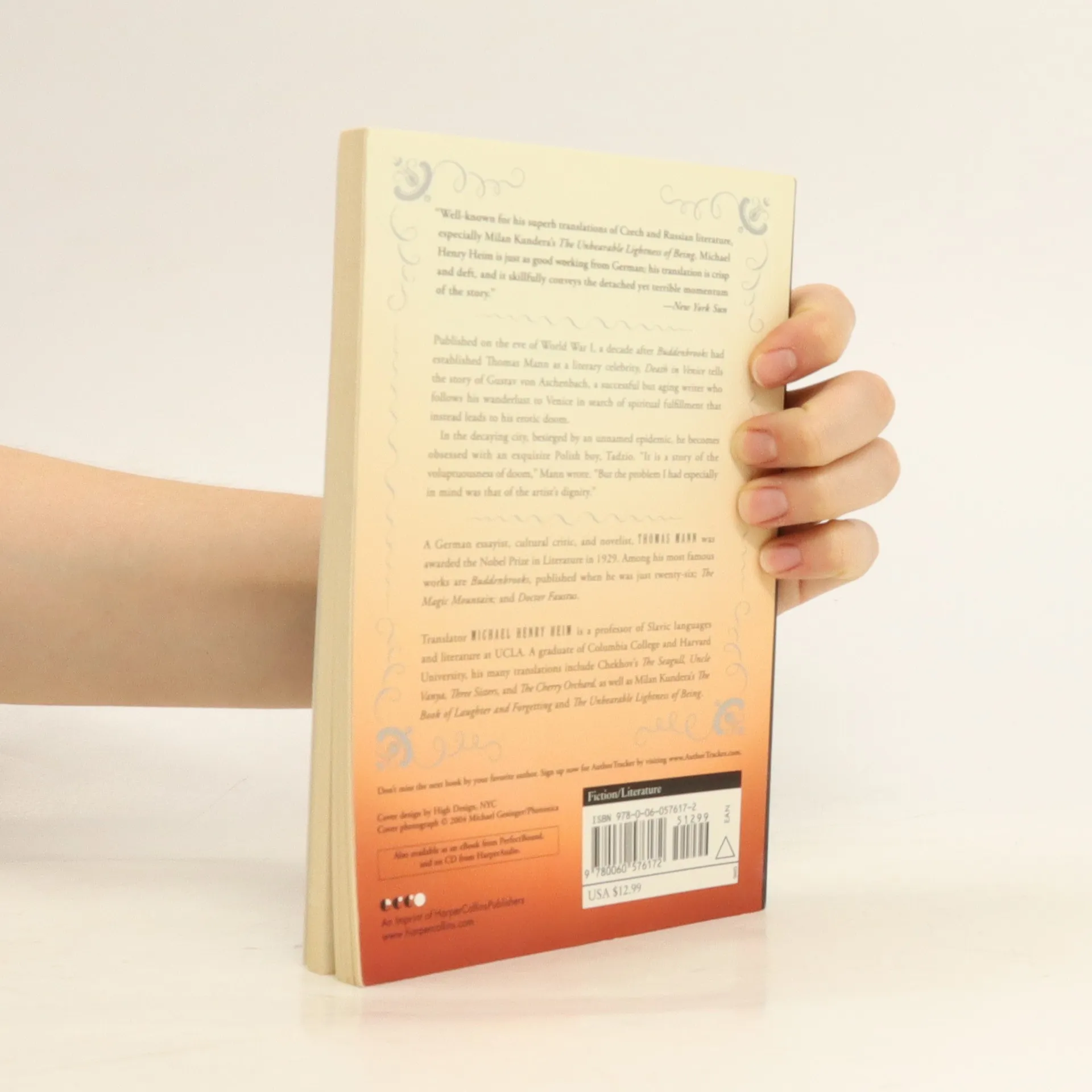
The world-famous masterpiece by Nobel laureate Thomas Mann -- here in a new translation by Michael Henry Heim.Published on the eve of World War I, a decade after Buddenbrooks had established Thomas Mann as a literary celebrity, Death in Venice tells the story of Gustav von Aschenbach, a successful but aging writer who follows his wanderlust to Venice in search of spiritual fulfillment that instead leads to his erotic doom.In the decaying city, besieged by an unnamed epidemic, he becomes obsessed with an exquisite Polish boy, Tadzio. "It is a story of the voluptuousness of doom," Mann wrote. "But the problem I had especially in mind was that of the artist's dignity."
Nákup knihy
Death in Venice, Thomas Mann
- Jazyk

- Rok vydání
- 2005
- product-detail.submit-box.info.binding
- (měkká)
Jakmile se objeví, pošleme e-mail.
Doručení
Platební metody
- Titul
- Death in Venice
- Jazyk
- anglicky
- Autoři
- Thomas Mann
- Vydavatel
- Harper Perennial
- Rok vydání
- 2005
- Vazba
- měkká
- ISBN10
- 0060576170
- ISBN13
- 9780060576172
- Série
- Štítky
- Beletrie, Historické téma, Umění, Láska, Německá literatura, Klasika, Povídky, Německo, 20. století, LGBTQ+, Příběhy, Úmrtí, Jižní Evropa, Itálie, Kultura a společnost, Zfilmováno, Novely, Inspirace, Cesta, Nemoci, Spisovatelé, Povinná četba, Homosexualita, Nobelova cena, Vyprávění, Hotely, Benátky, Grafika
- První vydání
- 1912
- Původní název
- Der Tod in Venedig
- Hodnocení
- 3,75 z 5
- Anotace
- The world-famous masterpiece by Nobel laureate Thomas Mann -- here in a new translation by Michael Henry Heim.Published on the eve of World War I, a decade after Buddenbrooks had established Thomas Mann as a literary celebrity, Death in Venice tells the story of Gustav von Aschenbach, a successful but aging writer who follows his wanderlust to Venice in search of spiritual fulfillment that instead leads to his erotic doom.In the decaying city, besieged by an unnamed epidemic, he becomes obsessed with an exquisite Polish boy, Tadzio. "It is a story of the voluptuousness of doom," Mann wrote. "But the problem I had especially in mind was that of the artist's dignity."