

Více o knize
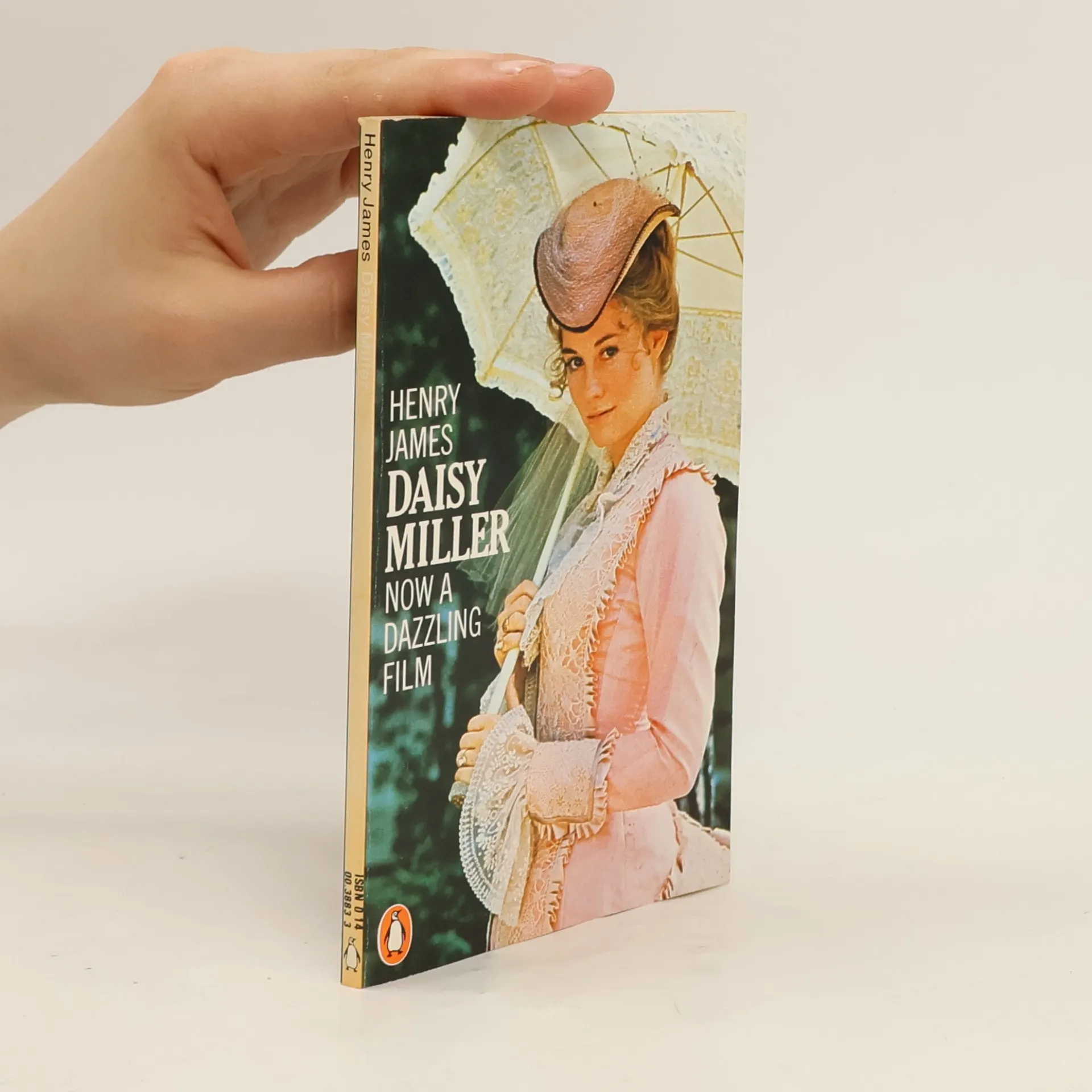
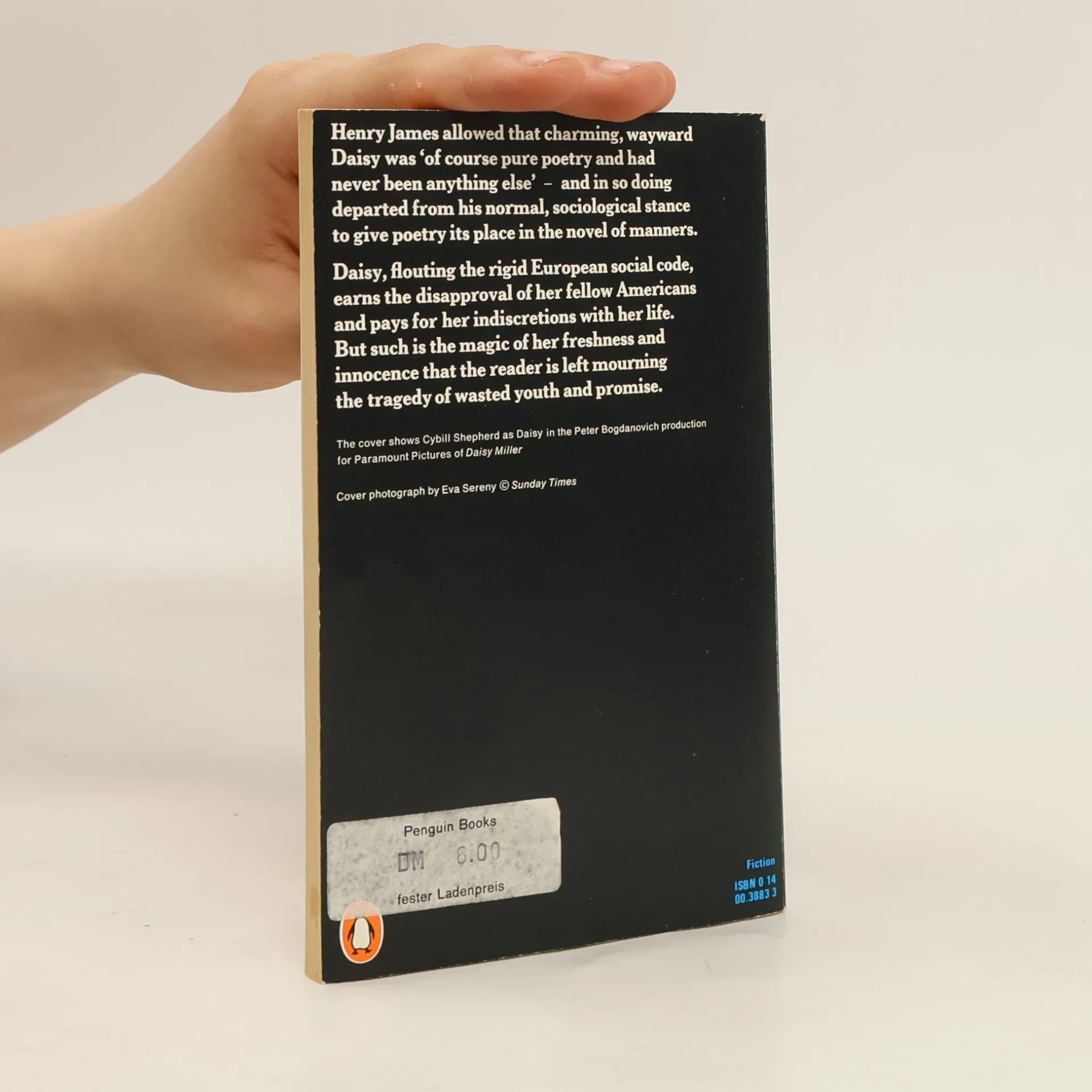
Originally published in The Cornhill Magazine in 1878 and in book form in 1879, Daisy Miller brought Henry James his first widespread commercial and critical success. The young Daisy Miller, an American on holiday with her mother on the shores of Switzerland’s Lac Leman, is one of James’s most vivid and tragic characters. Daisy’s friendship with an American gentleman, Mr. Winterbourne, and her subsequent infatuation with a passionate but impoverished Italian bring to life the great Jamesian themes of Americans abroad, innocence versus experience, and the grip of fate. As Elizabeth Hardwick writes in her Introduction, Daisy Miller “lives on, a figure out of literature who has entered history as a name, a vision.”







Nákup knihy
Daisy Miller, Henry James
- Jazyk

- Rok vydání
- 1974
- product-detail.submit-box.info.binding
- (měkká)
Doručení
Platební metody
Tady nám chybí tvá recenze.
- Titul
- Daisy Miller
- Jazyk
- anglicky
- Autoři
- Henry James
- Vydavatel
- Penguin Books
- Rok vydání
- 1974
- Vazba
- měkká
- ISBN10
- 0140038833
- ISBN13
- 9780140038835
- Série
- Štítky
- Beletrie, Láska, Ženy, Klasika, Americká literatura, Společenské romány, Příběhy, Itálie, Jižní Evropa, Evropa, Společnost, Anglická literatura, Zfilmováno, Novely, Mládež, Švýcarsko, Řím, Romové, Cizí jazyky, Emancipace, Vyděděnec, Američané, Nešťastná láska
- První vydání
- 1878
- Původní název
- Daisy Miller
- Hodnocení
- 3,3 z 5
- Anotace
- Originally published in The Cornhill Magazine in 1878 and in book form in 1879, Daisy Miller brought Henry James his first widespread commercial and critical success. The young Daisy Miller, an American on holiday with her mother on the shores of Switzerland’s Lac Leman, is one of James’s most vivid and tragic characters. Daisy’s friendship with an American gentleman, Mr. Winterbourne, and her subsequent infatuation with a passionate but impoverished Italian bring to life the great Jamesian themes of Americans abroad, innocence versus experience, and the grip of fate. As Elizabeth Hardwick writes in her Introduction, Daisy Miller “lives on, a figure out of literature who has entered history as a name, a vision.”