

Více o knize
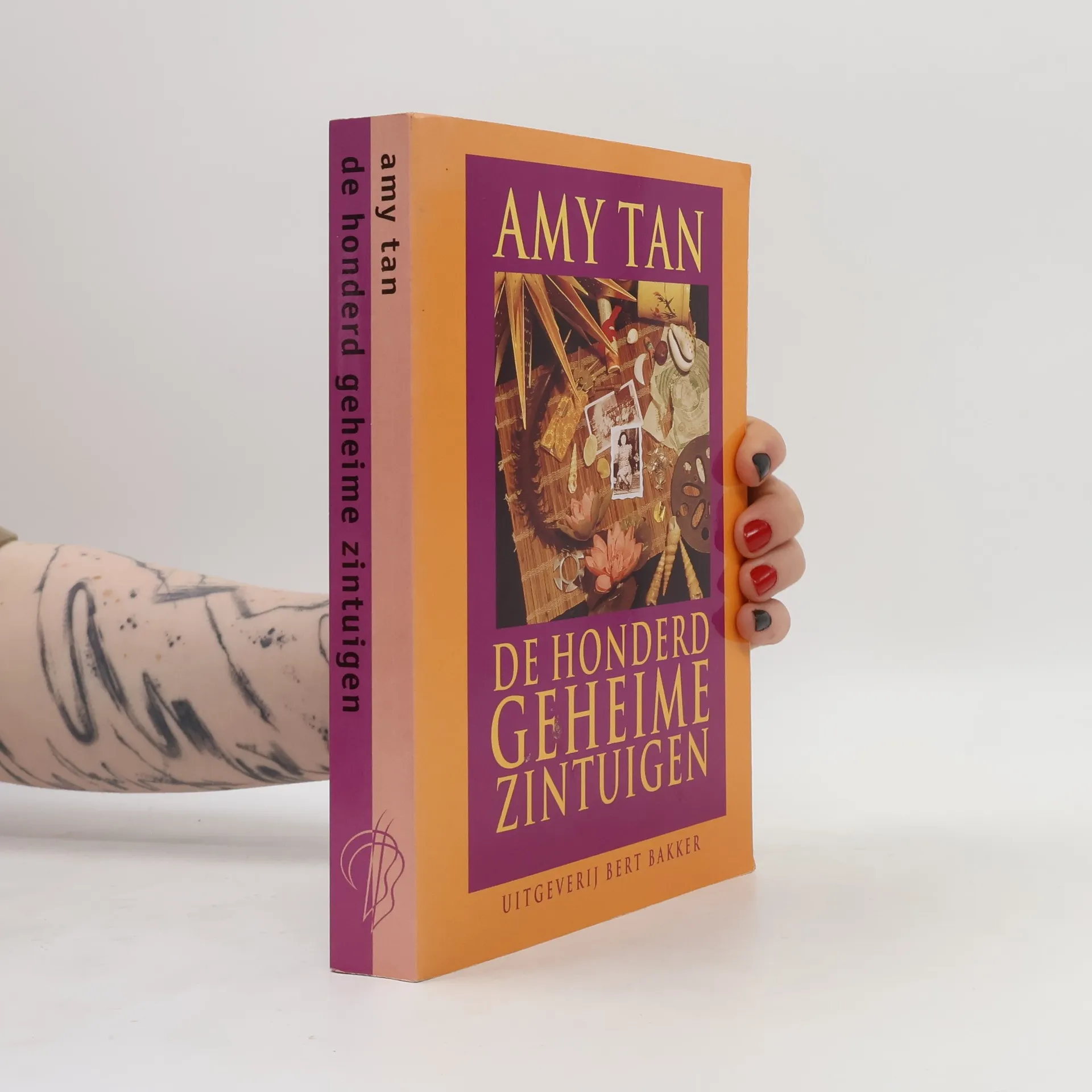
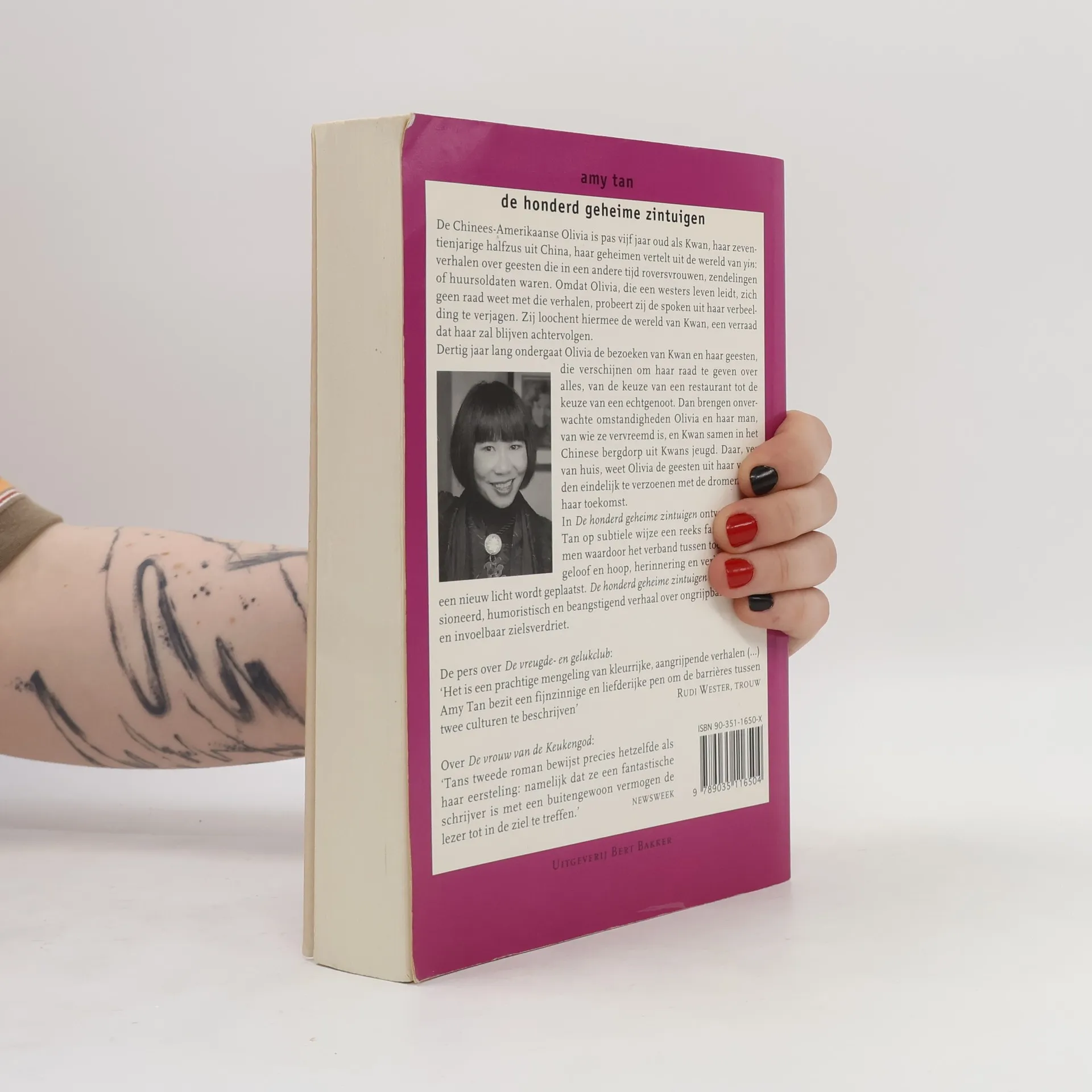
The Hundred Secret Senses is an exultant novel about China and America, love and loyalty, the identities we invent and the true selves we discover along the way. Olivia Laguni is half-Chinese, but typically American in her uneasiness with her patchwork family. And no one in Olivia's family is more embarrassing to her than her half-sister, Kwan Li. For Kwan speaks mangled English, is cheerfully deaf to Olivia's sarcasm, and sees the dead with her "yin eyes." Even as Olivia details the particulars of her decades-long grudge against her sister (who, among other things, is a source of infuriatingly good advice), Kwan Li is telling her own story, one that sweeps us into the splendor, squalor, and violence of Manchu China. And out of the friction between her narrators, Amy Tan creates a work that illuminates both the present and the past sweetly, sadly, hilariously, with searing and vivid prose.


Vydání

Skladem máme celkem knihy De honderd geheime zintuigen (1996).
Nákup knihy
De honderd geheime zintuigen, Amy Tan, Peter Abelsen
- Jazyk

- Rok vydání
- 1996
- Vazba
- (měkká),
- Stav knihy
- Dobrá
- Cena
- 89 Kč
Doručení
Platební metody
Tady nám chybí tvá recenze.
- Titul
- De honderd geheime zintuigen
- Jazyk
- nizozemsky
- Autoři
- Amy Tan, Peter Abelsen
- Vydavatel
- Uitgeverij Bert Bakker
- Rok vydání
- 1996
- Vazba
- měkká
- Počet stran
- 351
- ISBN10
- 903511650X
- ISBN13
- 9789035116504
- Série
- Štítky
- Současná literatura, Asie, Čína, Amerika, Duchové a přízraky, Mystika, Asijská literatura, Znovuzrození, Dálný východ, Kulturní rozdíly
- První vydání
- 1995
- Původní název
- The Hundred Secret Senses
- Hodnocení
- 4 z 5
- Anotace
- The Hundred Secret Senses is an exultant novel about China and America, love and loyalty, the identities we invent and the true selves we discover along the way. Olivia Laguni is half-Chinese, but typically American in her uneasiness with her patchwork family. And no one in Olivia's family is more embarrassing to her than her half-sister, Kwan Li. For Kwan speaks mangled English, is cheerfully deaf to Olivia's sarcasm, and sees the dead with her "yin eyes." Even as Olivia details the particulars of her decades-long grudge against her sister (who, among other things, is a source of infuriatingly good advice), Kwan Li is telling her own story, one that sweeps us into the splendor, squalor, and violence of Manchu China. And out of the friction between her narrators, Amy Tan creates a work that illuminates both the present and the past sweetly, sadly, hilariously, with searing and vivid prose.