

Knihu momentálně nemáme skladem
Parametry
- 108 stránek
- 4 hodiny čtení
Více o knize
Set against the backdrop of Theseus and Hippolyta's impending marriage, the narrative intertwines the escapades of four young lovers and a troupe of amateur actors, all manipulated by mischievous fairies in an enchanted forest. This comedic masterpiece, written in the late 16th century, showcases Shakespeare's lyrical style and reflects themes of love, confusion, and transformation. While its exact origins remain unclear, it draws inspiration from classical sources and was likely intended for a festive occasion, highlighting its enduring popularity in theater.

Vydání



- 2024


- 2024
- 2024
- 2024
- 2024
- 2023
- 2023
- 2023
- 2023
- 2023
- 2023
- 2023
- 2023
- 2022
- 2022
- 2022
- 2022
- 2022
- 2021
- 2021
- 2021
- 2021
- 2021
- 2020
- 2020
- 2020
- 2020


- 2016



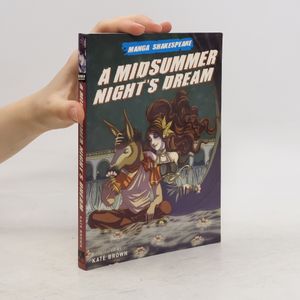




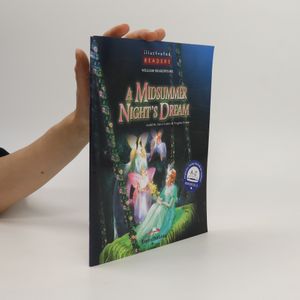
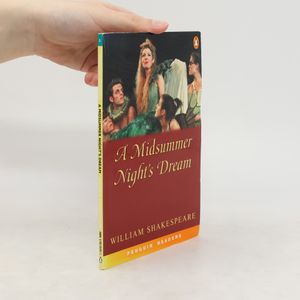
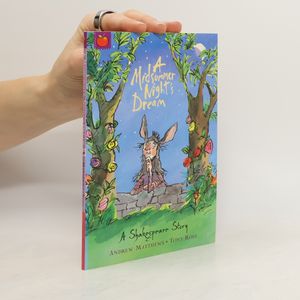


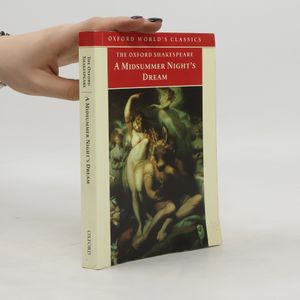

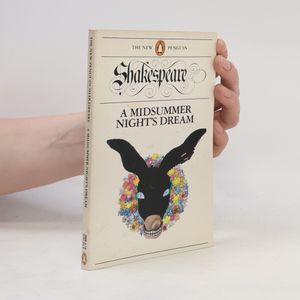
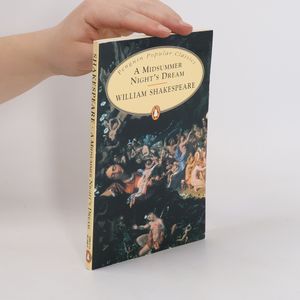

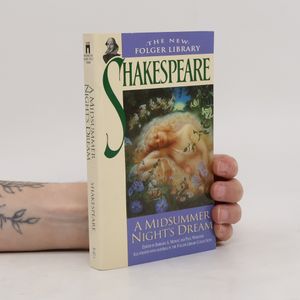



- 1981




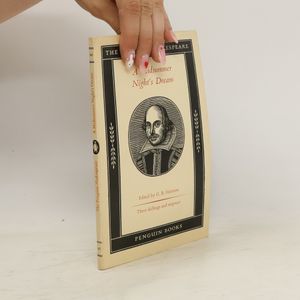


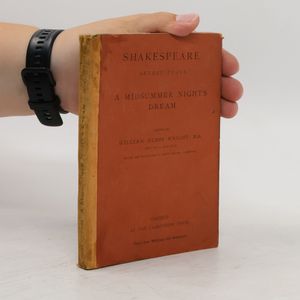





Nákup knihy
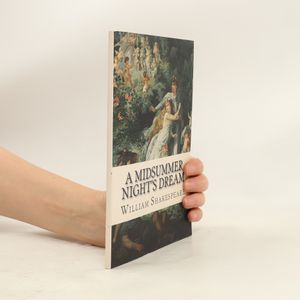
A Midsummer Night's Dream, William Shakespeare
- Jazyk

- Rok vydání
- 2020
- Vazba
- (měkká)
Doručení
Platební metody
Tady nám chybí tvá recenze.
- Podtitul
- A comedy play by William Shakespeare
- Jazyk
- anglicky
- Autoři
- William Shakespeare
- Vydavatel
- Les prairies numériques
- Rok vydání
- 2020
- Vazba
- měkká
- Počet stran
- 108
- ISBN13
- 9782382746493
- Série
- Štítky
- Beletrie, Světová literatura, Fantasy, Poezie, Divadlo
- První vydání
- 1600
- Původní název
- A Midsummer Night's Dream
- Hodnocení
- 3,95 z 5
- Anotace
- Set against the backdrop of Theseus and Hippolyta's impending marriage, the narrative intertwines the escapades of four young lovers and a troupe of amateur actors, all manipulated by mischievous fairies in an enchanted forest. This comedic masterpiece, written in the late 16th century, showcases Shakespeare's lyrical style and reflects themes of love, confusion, and transformation. While its exact origins remain unclear, it draws inspiration from classical sources and was likely intended for a festive occasion, highlighting its enduring popularity in theater.