



Parametry
- 348 stránek
- 13 hodin čtení
Více o knize
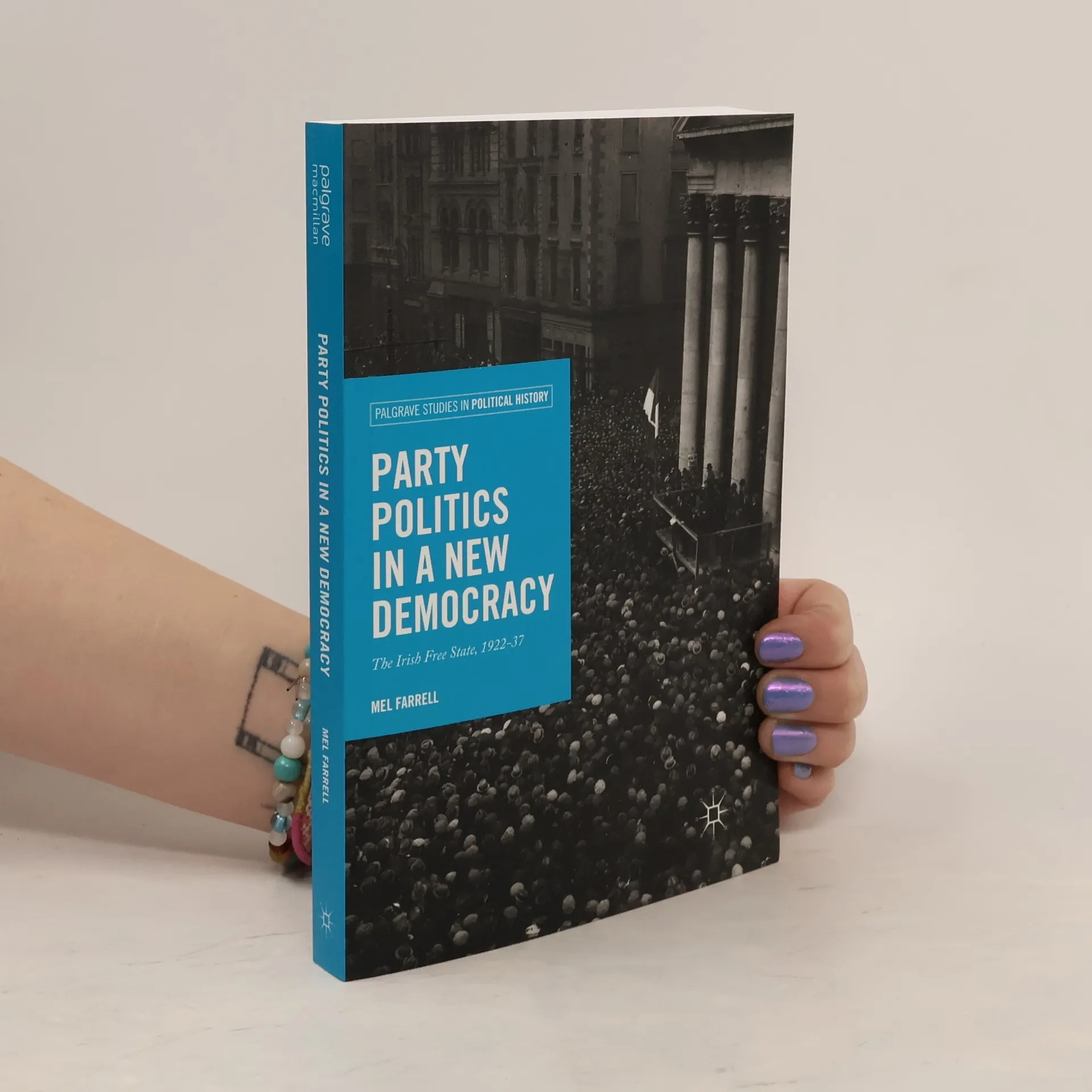
This book offers a timely, and fresh historical perspective on the politics of independent Ireland. Interwar Ireland's politics have been caricatured as an anomaly, with the distinction between Fianna F�il and Fine Gael bewildering political commentators and scholars alike. It is common for Ireland's politics to be presented as an anomaly that compare unfavourably to the neat left/right cleavages evident in Britain and much of Europe. By offering an historical re-appraisal of the Irish Free State's politics, anchored in the wider context of inter-war Europe, Mel Farrell argues that the Irish party system is not unique in having two dominant parties capable of adapting to changing circumstances, and suggests that this has been a key strength of Irish democracy. Moreover, the book challenges the tired clich� of 'Civil War Politics' by demonstrating that events subsequent to Civil War led the Fine Gael/Fianna F�il cleavage dominant in the twentieth-century.
Nákup knihy
Palgrave Studies in Political History: Party Politics in a New Democracy, Melanie Farrell
- Jazyk

- Rok vydání
- 2018
- product-detail.submit-box.info.binding
- (měkká),
- Stav knihy
- Velmi dobrá
- Cena
- 169 Kč
Doručení
Platební metody
Nikdo zatím neohodnotil.
- Podtitul
- The Irish Free State, 1922-37
- Jazyk
- anglicky
- Autoři
- Melanie Farrell
- Vydavatel
- Palgrave Macmillan
- Rok vydání
- 2018
- Vazba
- měkká
- Počet stran
- 348
- ISBN10
- 3319875884
- ISBN13
- 9783319875880
- Série
- Štítky
- Naučná literatura, Společenské vědy, Historické téma, Technologie & Průmysl, Historie, Politologie & Politika, Právní tématika, Vojenství, Vojenské dějiny, Politické teorie, Antropologie, Odborná literatura, Velká Británie, Dějiny Evropy, Evropa, Západní Evropa, Sociální dějiny, Politické dějiny
- Anotace
- This book offers a timely, and fresh historical perspective on the politics of independent Ireland. Interwar Ireland's politics have been caricatured as an anomaly, with the distinction between Fianna F�il and Fine Gael bewildering political commentators and scholars alike. It is common for Ireland's politics to be presented as an anomaly that compare unfavourably to the neat left/right cleavages evident in Britain and much of Europe. By offering an historical re-appraisal of the Irish Free State's politics, anchored in the wider context of inter-war Europe, Mel Farrell argues that the Irish party system is not unique in having two dominant parties capable of adapting to changing circumstances, and suggests that this has been a key strength of Irish democracy. Moreover, the book challenges the tired clich� of 'Civil War Politics' by demonstrating that events subsequent to Civil War led the Fine Gael/Fianna F�il cleavage dominant in the twentieth-century.