

Parametry
- 192 stránek
- 7 hodin čtení
Více o knize
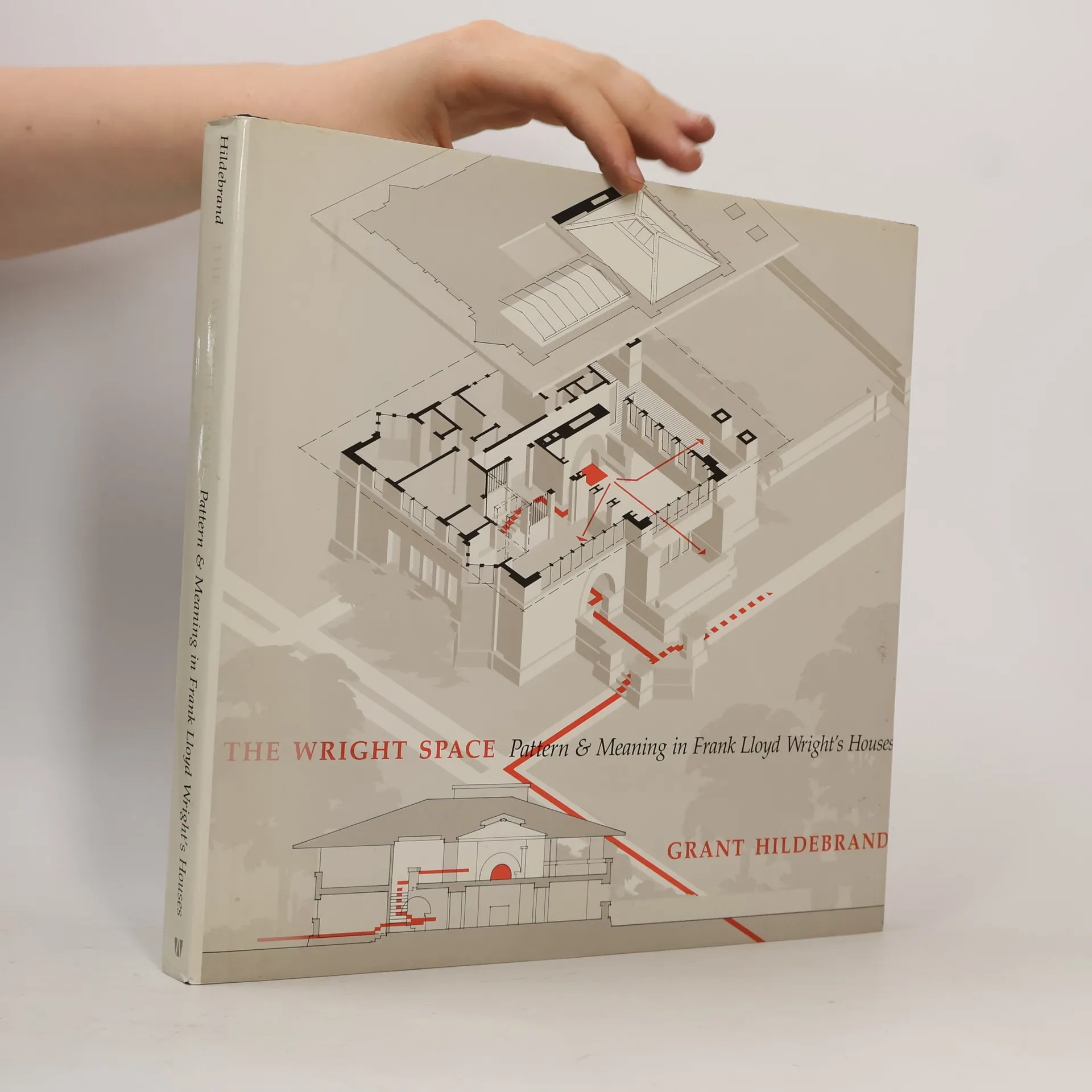
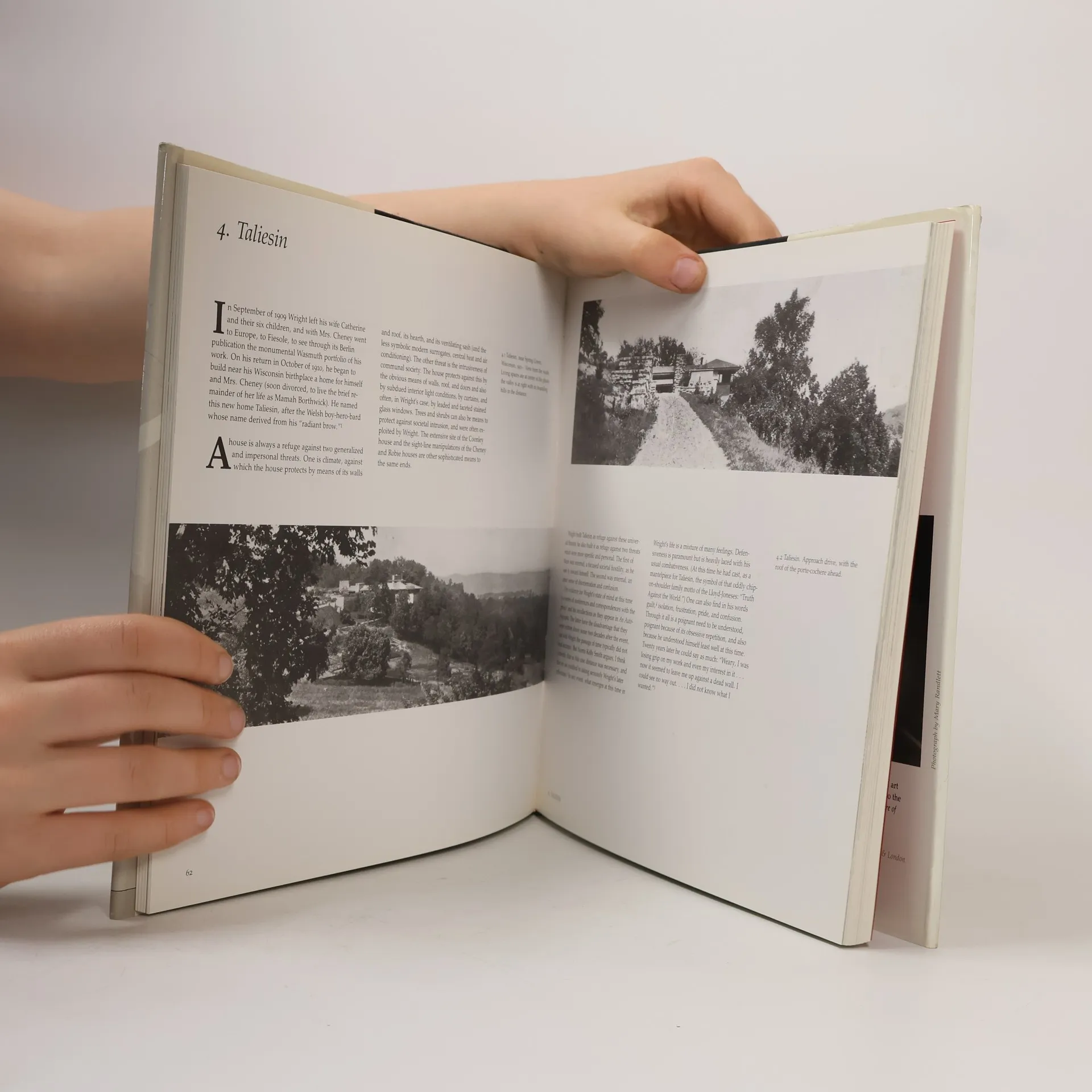
"Grant Hildebrand notes that Frank Lloyd Wright had numerous domestic clients throughout his career, many of whom were thrilled with their homes and returned for additional projects. However, despite their fame, Wright's houses often exhibited significant flaws, such as impractical furniture arrangements, inadequate storage, and various structural issues like leaking roofs. Clients frequently found Wright's demeanor to be arrogant and careless, leading to personality conflicts. Additionally, the dramatic spatial qualities of his designs could be intimidating, raising questions about everyday activities within these spaces. This book analyzes thirty-three of Wright's domestic buildings, focusing on their spatial characteristics. Key elements like fireplaces, seating, and roof overhangs reveal a repetitive organization that embodies the concepts of "prospect" and "refuge," as defined by geographer Jay Appleton. This interplay offers a unique balance of visibility and concealment, which may have had evolutionary benefits and is intrinsically pleasurable. Hildebrand argues that this distinctive pattern, alongside qualities of complexity and order, explains the enduring appeal of Wright's work despite its drawbacks. Enhanced by photographs, plans, and diagrams by William Hook, this text is essential for architects, historians, psychologists, and anyone interested in Wright's architectural legacy."
Nákup knihy
The Wright Space, Grant Hildebrand
- Jazyk

- Rok vydání
- 1991
- product-detail.submit-box.info.binding
- (pevná),
- Stav knihy
- Dobrá
- Cena
- 2 749 Kč
Doručení
Platební metody
Nikdo zatím neohodnotil.
- Titul
- The Wright Space
- Podtitul
- Pattern and Meaning in Frank Lloyd Wright's Houses
- Jazyk
- anglicky
- Autoři
- Grant Hildebrand
- Vydavatel
- University of Washington Press
- Rok vydání
- 1991
- Vazba
- pevná
- Počet stran
- 192
- ISBN10
- 0295970057
- ISBN13
- 9780295970059
- Série
- Anotace
- "Grant Hildebrand notes that Frank Lloyd Wright had numerous domestic clients throughout his career, many of whom were thrilled with their homes and returned for additional projects. However, despite their fame, Wright's houses often exhibited significant flaws, such as impractical furniture arrangements, inadequate storage, and various structural issues like leaking roofs. Clients frequently found Wright's demeanor to be arrogant and careless, leading to personality conflicts. Additionally, the dramatic spatial qualities of his designs could be intimidating, raising questions about everyday activities within these spaces. This book analyzes thirty-three of Wright's domestic buildings, focusing on their spatial characteristics. Key elements like fireplaces, seating, and roof overhangs reveal a repetitive organization that embodies the concepts of "prospect" and "refuge," as defined by geographer Jay Appleton. This interplay offers a unique balance of visibility and concealment, which may have had evolutionary benefits and is intrinsically pleasurable. Hildebrand argues that this distinctive pattern, alongside qualities of complexity and order, explains the enduring appeal of Wright's work despite its drawbacks. Enhanced by photographs, plans, and diagrams by William Hook, this text is essential for architects, historians, psychologists, and anyone interested in Wright's architectural legacy."