



Více o knize
Eugene O'Neill's autobiographical play Long Day's Journey into Night is regarded as his finest work. First published by Yale University Press in 1956, it won the Pulitzer Prize in 1957 and has since sold more than one million copies. This edition includes a new foreword by Harold Bloom. The action covers a fateful, heart-rending day from around 8:30 am to midnight, in August 1912 at the seaside Connecticut home of the Tyrones - the semi-autobiographical representations of O'Neill himself, his older brother, and their parents at their home, Monte Cristo Cottage. One theme of the play is addiction and the resulting dysfunction of the family. All three males are alcoholics and Mary is addicted to morphine. They all constantly conceal, blame, resent, regret, accuse and deny in an escalating cycle of conflict with occasional desperate and half-sincere attempts at affection, encouragement and consolation.
Nákup knihy
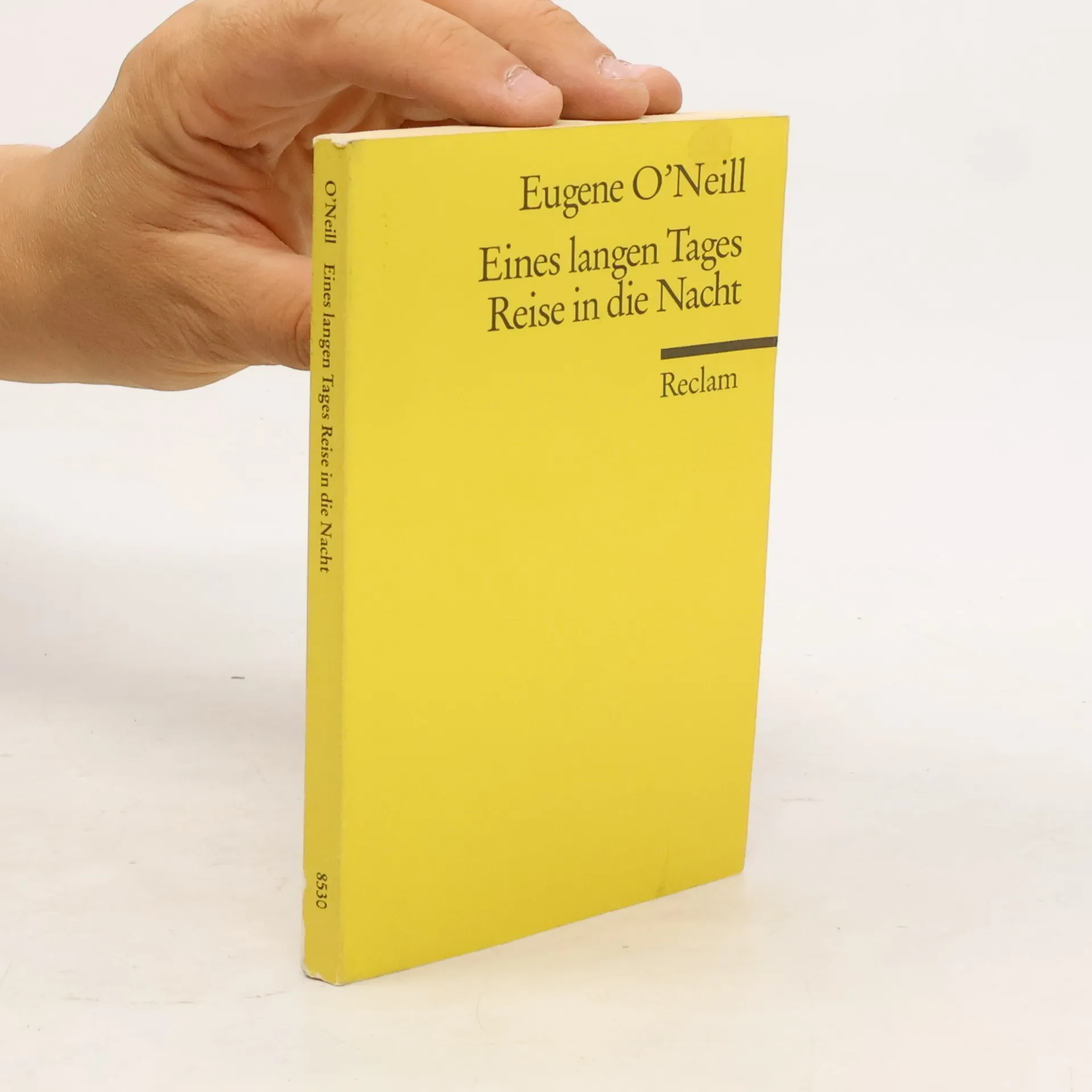
Eines langen Tages Reise in die Nacht, Eugene O'Neill
- Jazyk

- Rok vydání
- 1975
- product-detail.submit-box.info.binding
- (měkká),
- Stav knihy
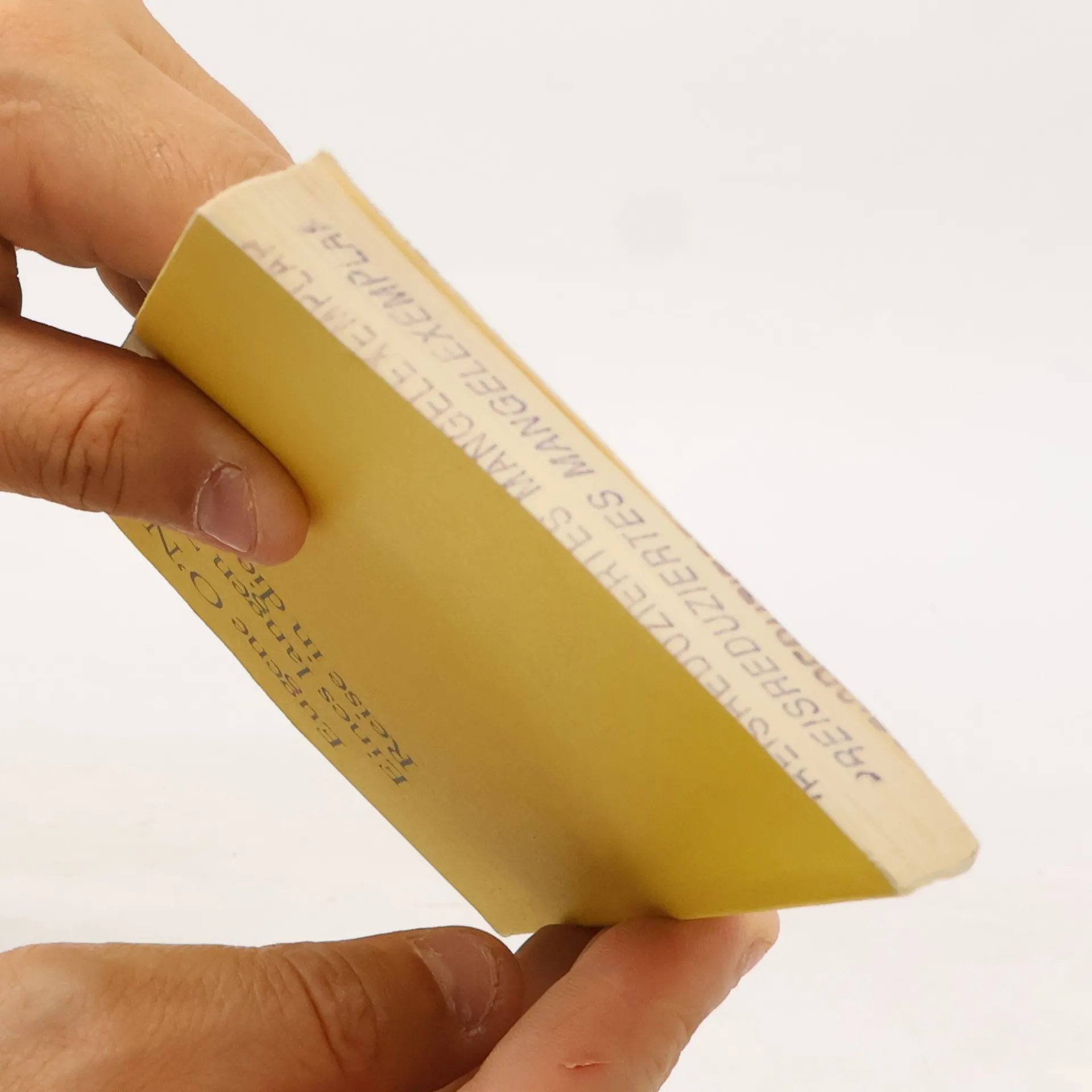
- Poškozená
- Cena
- 52 Kč
Doručení
Platební metody
Nikdo zatím neohodnotil.
- Titul
- Eines langen Tages Reise in die Nacht
- Podtitul
- Schauspiel in vier Akten. Nachw. v. Hans Daiber
- Jazyk
- německy
- Autoři
- Eugene O'Neill
- Vydavatel
- Reclam, Philipp
- Rok vydání
- 1975
- Vazba
- měkká
- Počet stran
- 159
- ISBN10
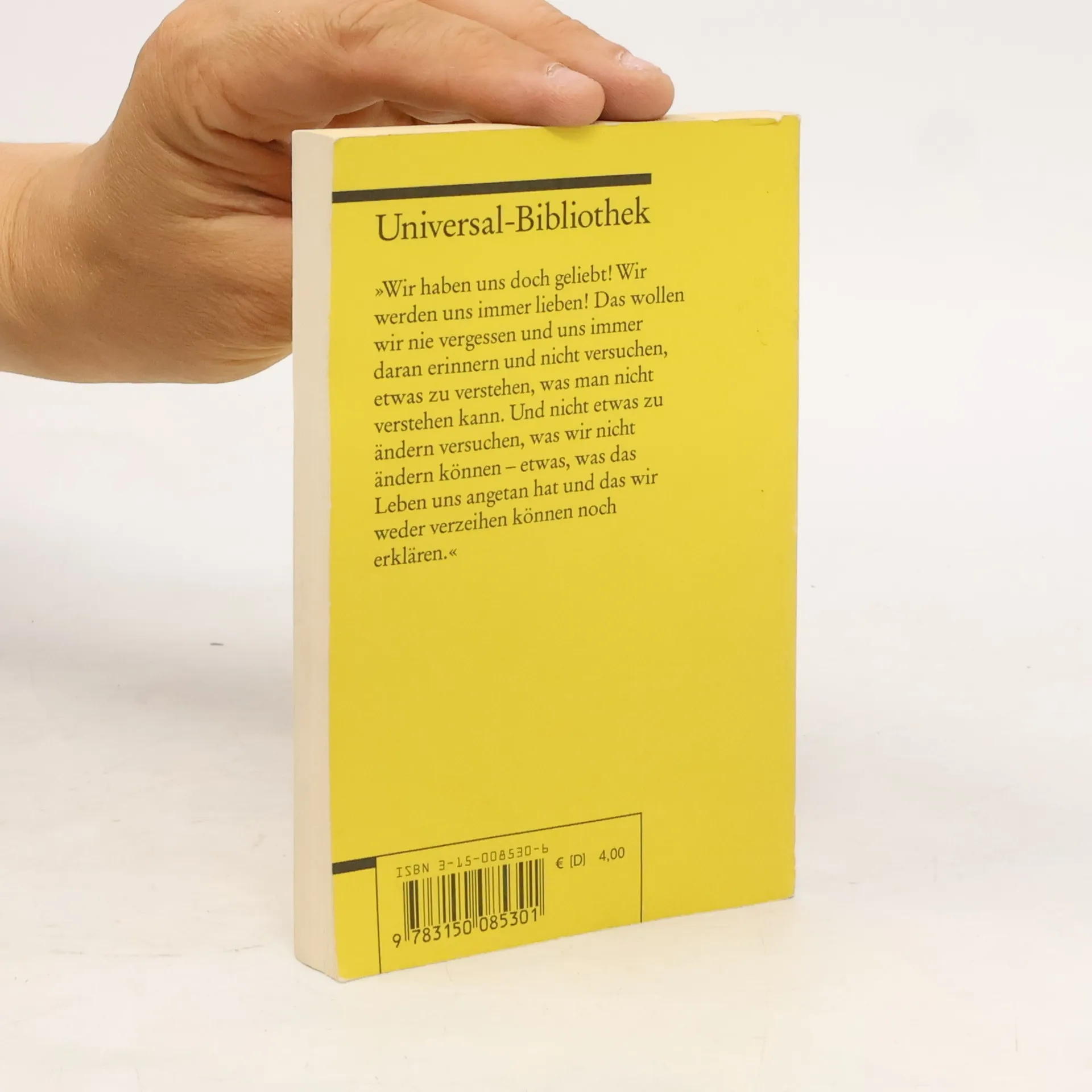
- 3150085306
- ISBN13
- 9783150085301
- Série
- Štítky
- Beletrie, Umění & Kultura, Klasika, Divadlo, Rodina, USA, Americká literatura, 20. století, Divadelní hry, Nemoci, Alkohol, Herci a herečky, Nobelova cena, 50. léta 20. století, Drogově závislí, Šílenství, Pulitzerova cena, Tuberkulóza
- Anotace
- Eugene O'Neill's autobiographical play Long Day's Journey into Night is regarded as his finest work. First published by Yale University Press in 1956, it won the Pulitzer Prize in 1957 and has since sold more than one million copies. This edition includes a new foreword by Harold Bloom. The action covers a fateful, heart-rending day from around 8:30 am to midnight, in August 1912 at the seaside Connecticut home of the Tyrones - the semi-autobiographical representations of O'Neill himself, his older brother, and their parents at their home, Monte Cristo Cottage. One theme of the play is addiction and the resulting dysfunction of the family. All three males are alcoholics and Mary is addicted to morphine. They all constantly conceal, blame, resent, regret, accuse and deny in an escalating cycle of conflict with occasional desperate and half-sincere attempts at affection, encouragement and consolation.