



Parametry
- 246 stránek
- 9 hodin čtení
Více o knize
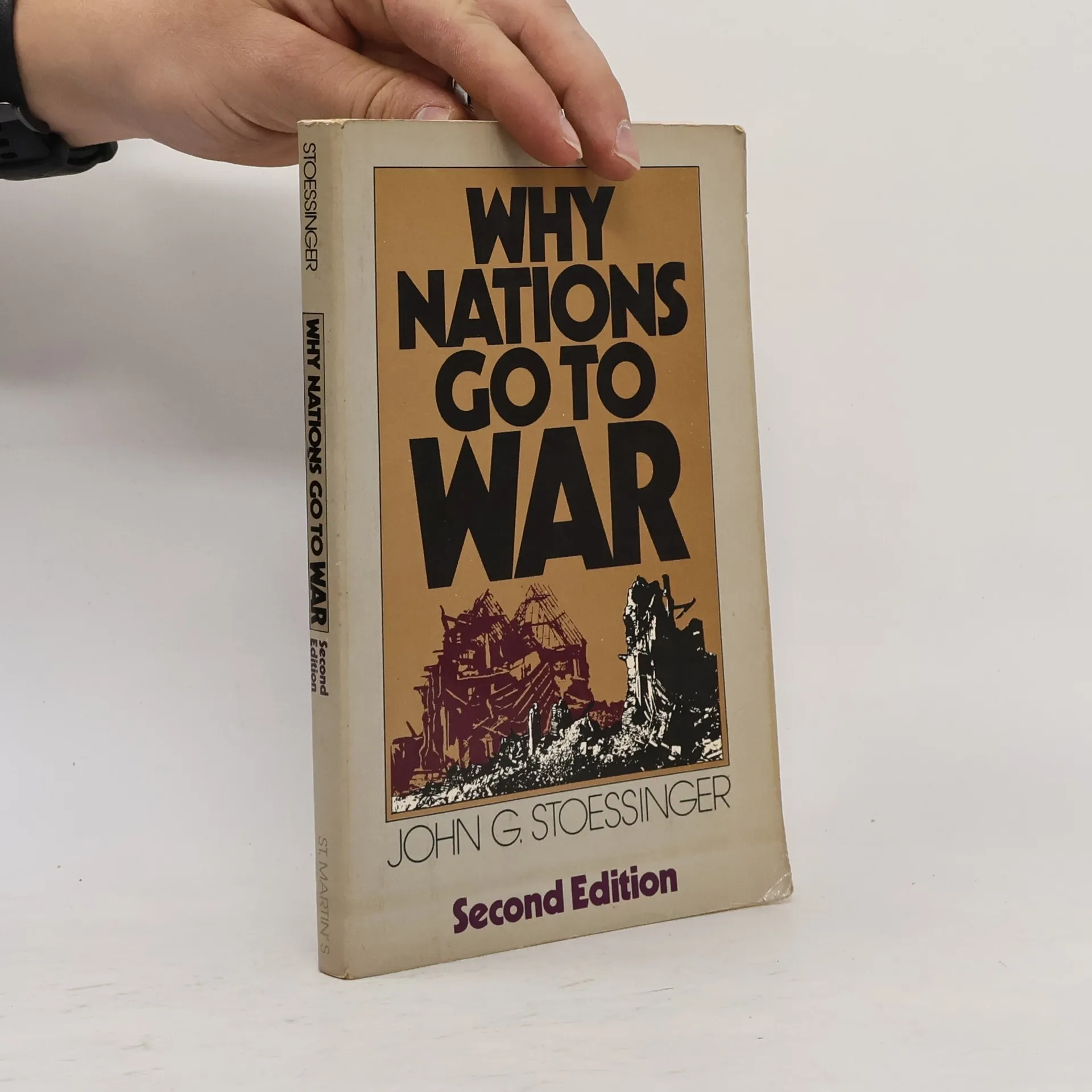
Why Nations Go to War emphasizes the human decisions involved when nations enter into war. The author utilizes case studies of major 20th-century conflicts - including World War I, World War II, the Korean War, the Vietnam War, the Indian-Pakistani War, the Arab-Israeli Wars and the Persian Gulf War - to examine the stages that culminate in a leaders choice to bring a nation into war. The book provides vivid coverage of how misjudgments and misunderstandings influence the decisions of leaders and have dramatic consequences for world history. Stoessinger concludes with a discussion of prospects for a more peaceful future, including proposals for enduring peace treaties that are negotiated on the basis of equality.
Nákup knihy
Why Nations Go to War, John George Stoessinger
- Jazyk

- Rok vydání
- 1978
- product-detail.submit-box.info.binding
- (měkká),
- Stav knihy
- Poškozená
- Cena
- 216 Kč
Doručení
Platební metody
Nikdo zatím neohodnotil.
- Podtitul
- Second Edition
- Jazyk
- anglicky
- Autoři
- John George Stoessinger
- Vydavatel
- St. Martin's Press
- Rok vydání
- 1978
- Vazba
- měkká
- Počet stran
- 246
- ISBN10
- 0312878524
- ISBN13
- 9780312878528
- Série
- Štítky
- Naučná literatura, Společenské vědy, Politologie & Politika, Politika, Válečná próza, Války, Mezinárodní vztahy
- Anotace
- Why Nations Go to War emphasizes the human decisions involved when nations enter into war. The author utilizes case studies of major 20th-century conflicts - including World War I, World War II, the Korean War, the Vietnam War, the Indian-Pakistani War, the Arab-Israeli Wars and the Persian Gulf War - to examine the stages that culminate in a leaders choice to bring a nation into war. The book provides vivid coverage of how misjudgments and misunderstandings influence the decisions of leaders and have dramatic consequences for world history. Stoessinger concludes with a discussion of prospects for a more peaceful future, including proposals for enduring peace treaties that are negotiated on the basis of equality.