

Více o knize
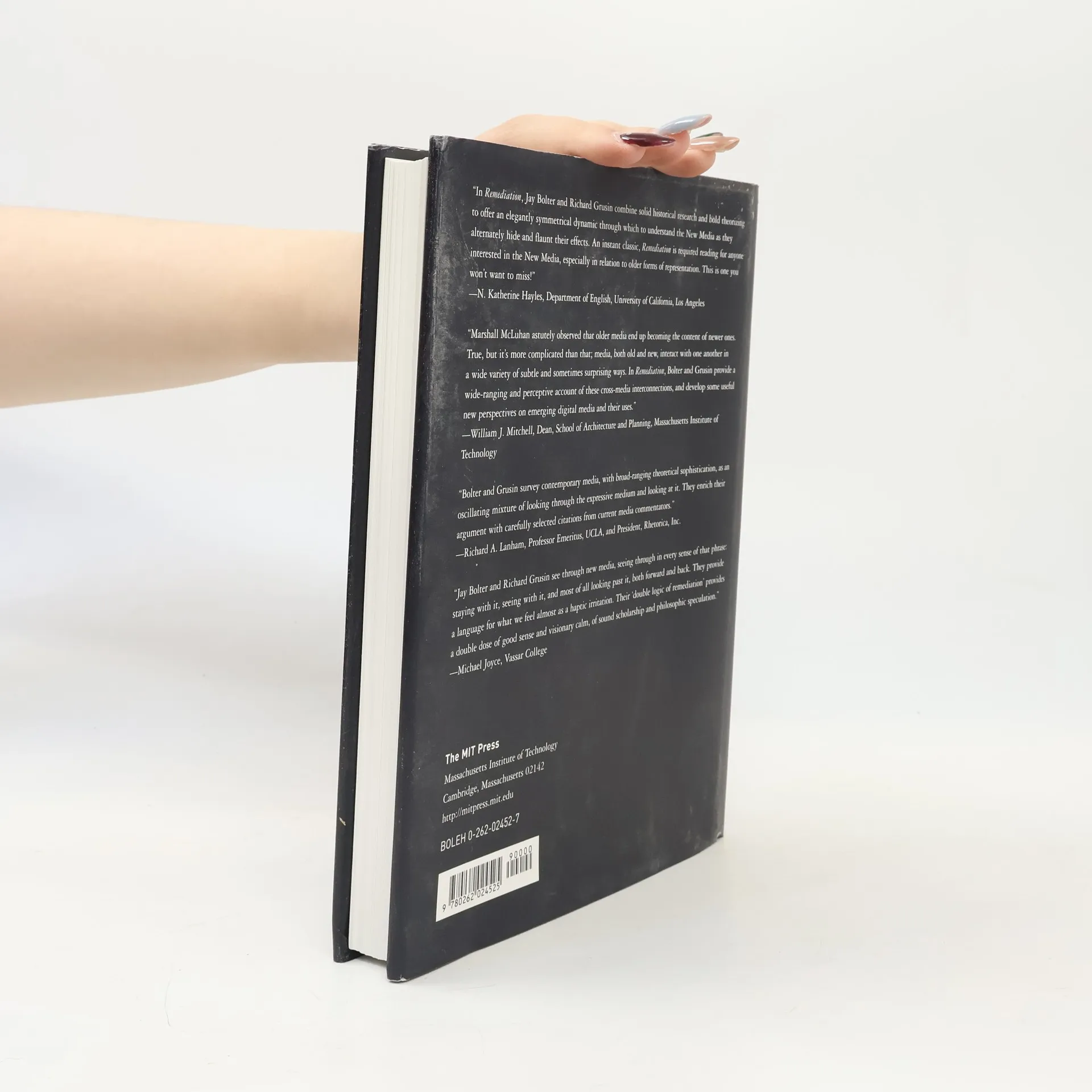
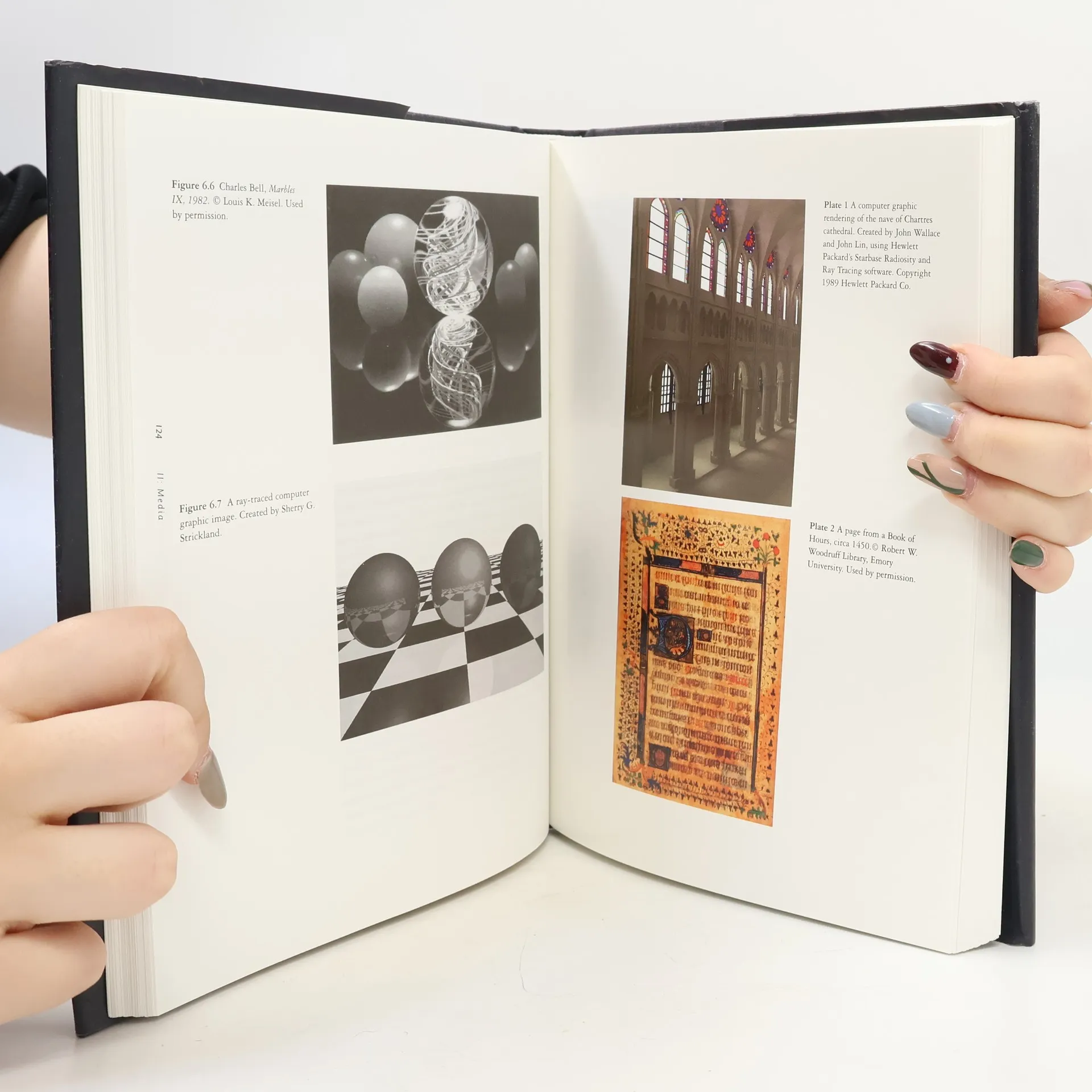
Media critics remain captivated by the modernist myth of the new: they assume that digital technologies such as the World Wide Web, virtual reality, and computer graphics must divorce themselves from earlier media for a new set of aesthetic and cultural principles. In this richly illustrated study, Jay David Bolter and Richard Grusin offer a theory of mediation for our digital age that challenges this assumption. They argue that new visual media achieve their cultural significance precisely by paying homage to, rivaling, and refashioning such earlier media as perspective painting, photography, film, and television. They call this process of refashioning "remediation", and they note that earlier media have also refashioned one another: photography remediated painting, film remediated stage production and photography, and television remediated film, vaudeville, and radio.In chapters devoted to individual media or genres (such as computer games, digital photography, virtual reality, film, and television), Bolter and Grusin illustrate the process of remediation and its two principal styles or strategies: transparent immediacy and hypermediacy. Each of these strategies has a long and complicated history. A painting by the seventeenth-century artist Pieter Saenredam, a photograph by Edward Weston, and a computer system for virtual reality are all attempts to achieve transparent immediacy by ignoring or denying the presence of the medium. A medieval illuminated manuscript, an early twentieth-century photomontage, and today's buttoned and windowed multimedia applications are instances of hypermediacy -- a fascination with the medium itself. Although these two strategies appear contradictory,they are in fact the two necessary halves of remediation.
Nákup knihy
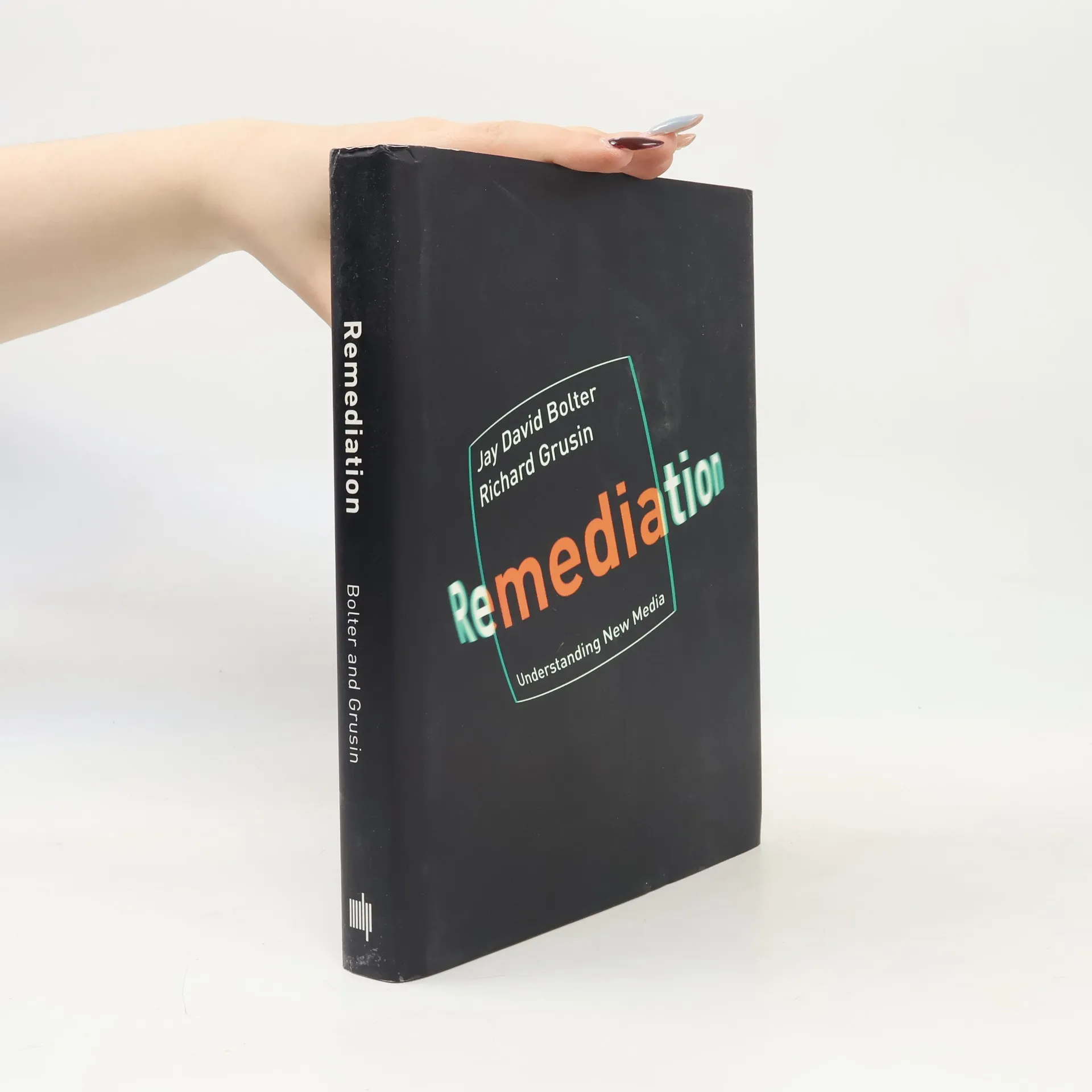
Remediation, Jay David Bolter, Richard Grusin
- Jazyk

- Rok vydání
- 1999
- product-detail.submit-box.info.binding
- (pevná),
- Stav knihy
- Poškozená
- Cena
- 558 Kč
Doručení
Platební metody
Nikdo zatím neohodnotil.
- Titul
- Remediation
- Podtitul
- Understanding New Media
- Jazyk
- anglicky
- Autoři
- Jay David Bolter, Richard Grusin
- Vydavatel
- MIT Press
- Rok vydání
- 1999
- Vazba
- pevná
- Počet stran
- 295
- ISBN10
- 0262024527
- ISBN13
- 9780262024525
- Série
- Štítky
- Naučná literatura, Společenské vědy, Umění, USA, Technologie, Sociologie, Vědecké teorie, Výzkum, Vysoká škola, univerzita, Média a mediální komunikace, Masmédia, Masová komunikace
- Anotace
- Media critics remain captivated by the modernist myth of the new: they assume that digital technologies such as the World Wide Web, virtual reality, and computer graphics must divorce themselves from earlier media for a new set of aesthetic and cultural principles. In this richly illustrated study, Jay David Bolter and Richard Grusin offer a theory of mediation for our digital age that challenges this assumption. They argue that new visual media achieve their cultural significance precisely by paying homage to, rivaling, and refashioning such earlier media as perspective painting, photography, film, and television. They call this process of refashioning "remediation", and they note that earlier media have also refashioned one another: photography remediated painting, film remediated stage production and photography, and television remediated film, vaudeville, and radio.In chapters devoted to individual media or genres (such as computer games, digital photography, virtual reality, film, and television), Bolter and Grusin illustrate the process of remediation and its two principal styles or strategies: transparent immediacy and hypermediacy. Each of these strategies has a long and complicated history. A painting by the seventeenth-century artist Pieter Saenredam, a photograph by Edward Weston, and a computer system for virtual reality are all attempts to achieve transparent immediacy by ignoring or denying the presence of the medium. A medieval illuminated manuscript, an early twentieth-century photomontage, and today's buttoned and windowed multimedia applications are instances of hypermediacy -- a fascination with the medium itself. Although these two strategies appear contradictory,they are in fact the two necessary halves of remediation.