



Více o knize
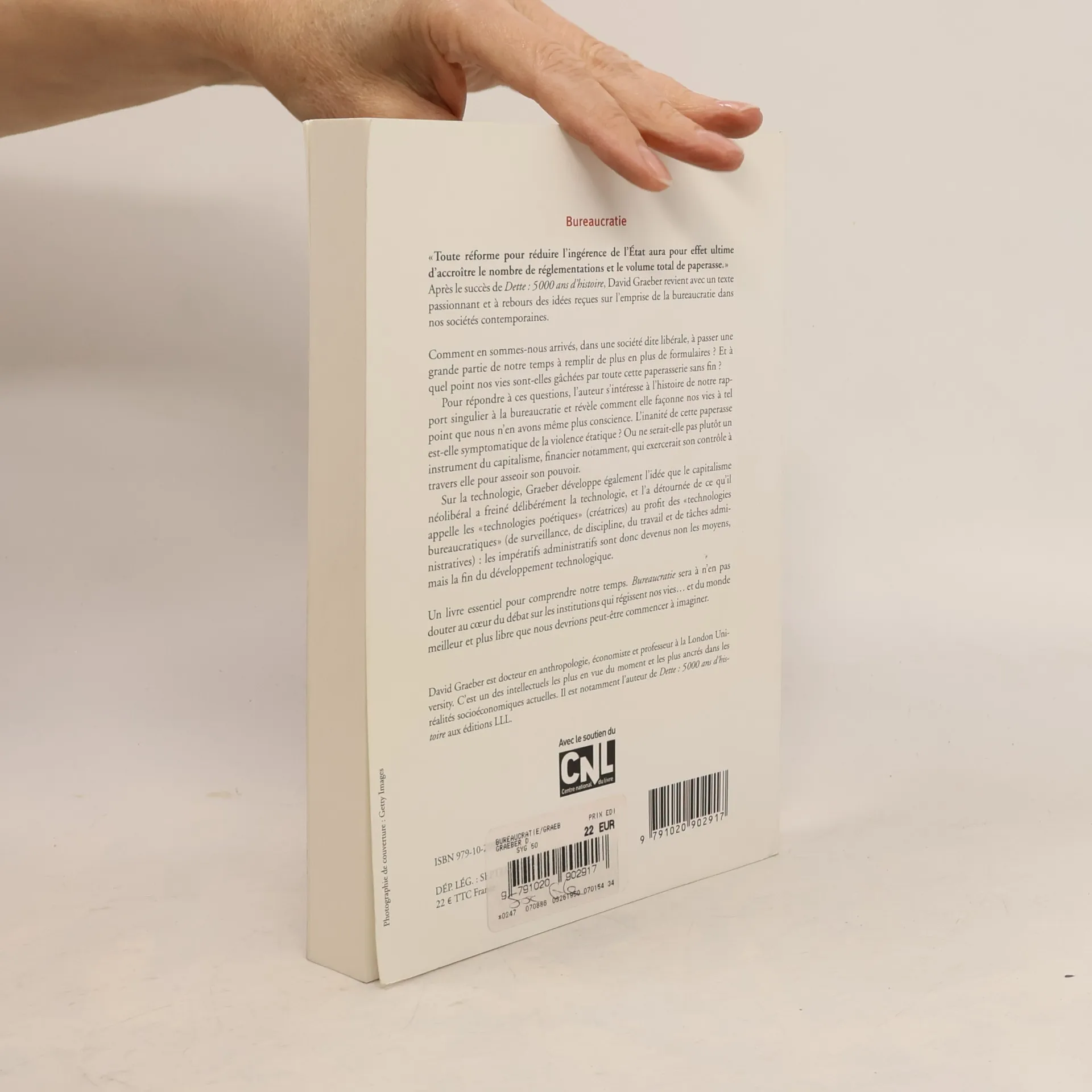
Where does the desire for endless rules, regulations, and bureaucracy come from? How did we come to spend so much of our time filling out forms? To answer these questions, anthropologist David Graeber—one of the most prominent and provocative thinkers working today—takes a journey through ancient and modern history to trace the peculiar and fascinating evolution of bureaucracy over the ages. He starts in the ancient world, looking at how early civilizations were organized and what traces early bureaucratic systems have left in the ethnographic literature. He then jets forward to the nineteenth century, where systems we can easily recognize as modern bureaucracies come into being. In some areas of life—like with the modern postal systems of Germany and France—these bureaucracies have brought tremendous efficiencies to modern life. But Graeber argues that there is a much darker side to modern bureaucracy that is rarely ever discussed. Indeed, in our own “utopia of rules,” freedom and technological innovation are often the casualties of systems that we only faintly understand. Provocative and timely, the book is a powerful look and history of bureaucracy over the ages and its power in shaping the world of ideas.




Nákup knihy
Bureaucratie, David Graeber
- Jazyk

- Rok vydání
- 2015
- Vazba
- (měkká),
- Stav knihy
- Velmi dobrá
- Cena
- 309 Kč
Doručení
Platební metody
Tady nám chybí tvá recenze.
- Titul
- Bureaucratie
- Podtitul
- L'utopie des règles
- Jazyk
- francouzsky
- Autoři
- David Graeber
- Vydavatel
- LIENS LIBERENT
- Rok vydání
- 2015
- Vazba
- měkká
- Počet stran
- 304
- ISBN13
- 9791020902917
- Série
- Štítky
- Naučná literatura, Společenské vědy, Historické téma, Historie, Byznys, Byznys & Management, Politologie & Politika, Filosofická tématika, Filosofie, Politika, Ekonomie, Sociologie, Dárky pro dědu, Antropologie
- Hodnocení
- 4,05 z 5
- Anotace
- Where does the desire for endless rules, regulations, and bureaucracy come from? How did we come to spend so much of our time filling out forms? To answer these questions, anthropologist David Graeber—one of the most prominent and provocative thinkers working today—takes a journey through ancient and modern history to trace the peculiar and fascinating evolution of bureaucracy over the ages. He starts in the ancient world, looking at how early civilizations were organized and what traces early bureaucratic systems have left in the ethnographic literature. He then jets forward to the nineteenth century, where systems we can easily recognize as modern bureaucracies come into being. In some areas of life—like with the modern postal systems of Germany and France—these bureaucracies have brought tremendous efficiencies to modern life. But Graeber argues that there is a much darker side to modern bureaucracy that is rarely ever discussed. Indeed, in our own “utopia of rules,” freedom and technological innovation are often the casualties of systems that we only faintly understand. Provocative and timely, the book is a powerful look and history of bureaucracy over the ages and its power in shaping the world of ideas.