


Více o knize
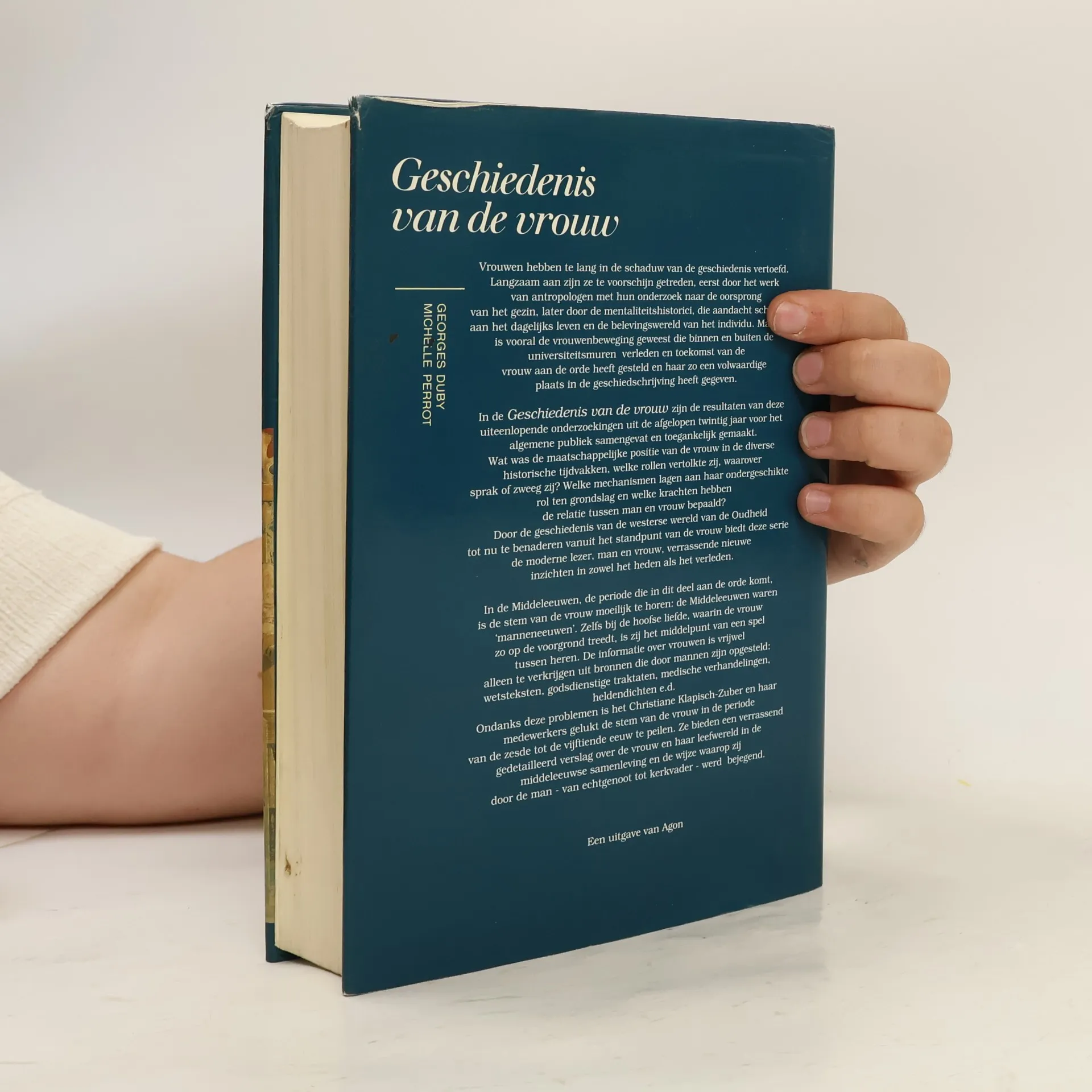
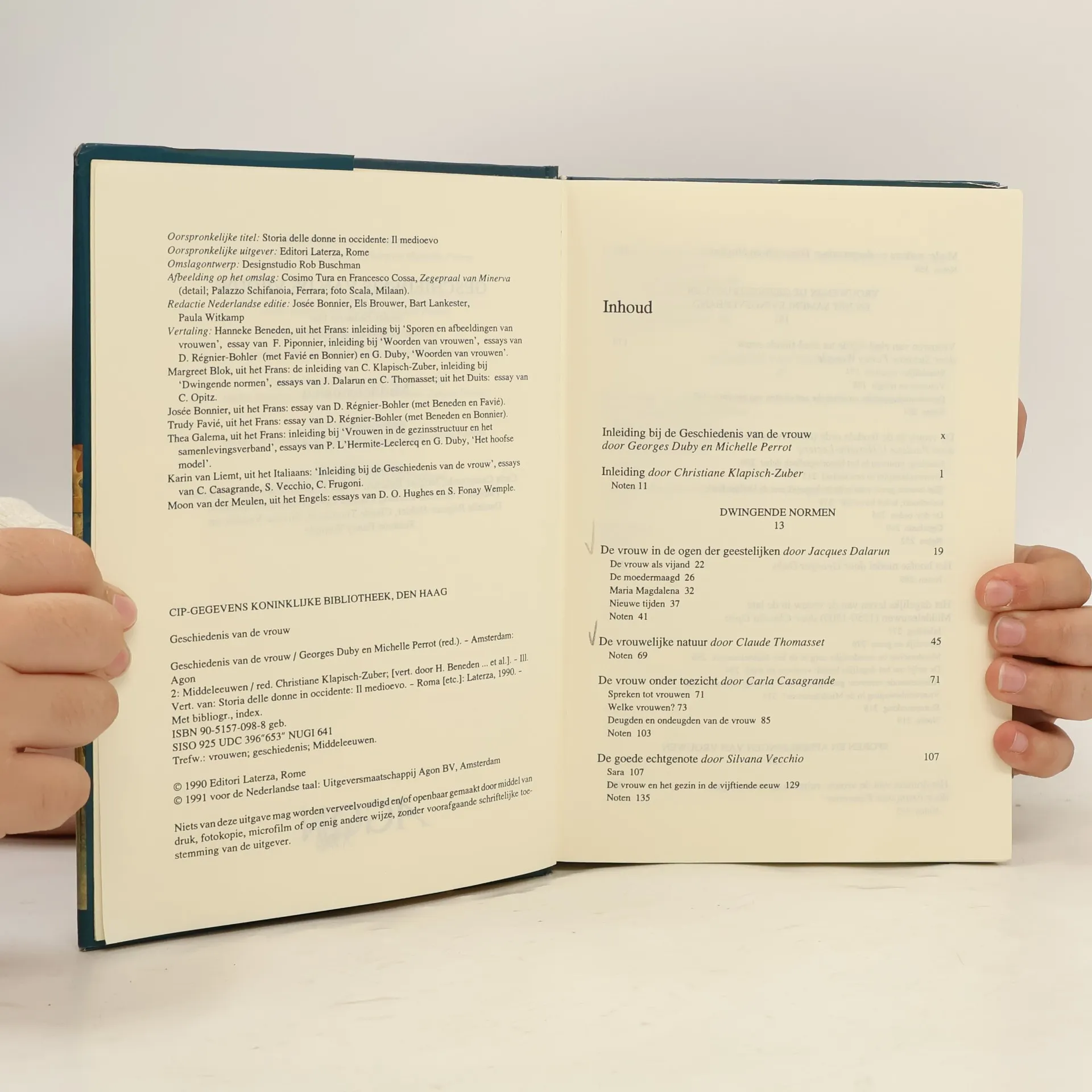
Drawing on diverse sources—from traces of a cradle in an early medieval home to an illustration of Eve's fall—this volume offers fresh insights into the lives of women from the end of the Roman Empire to the Italian Renaissance. Twelve historians explore the masculine perception of women, their social conditions, and daily experiences during this era when men's control over women's lives was paramount. Women's sexuality was often viewed as dangerous, confining them to the home and cloister. The authors examine writings from bishops, moralists, and philosophers to reveal how men regulated women's lives through sumptuary laws, admonitions for silence and chastity, and misguided theories about women's physiology. While reverence for the Virgin Mary elevated motherhood by 1200, misogyny persisted in proverbs and clerical thought. The authors analyze legal, economic, and demographic factors affecting family life, highlighting rare moments when women gained autonomy. They challenge the notion that courtly love empowered feudal women. Artifacts like hearthstones and everyday tools illustrate the tasks that defined women's lives. Despite male fantasies in art, women began to express their own visions through tapestries and writing, marking the beginnings of a quiet revolution as a few women dared to document their thoughts.

Nákup knihy
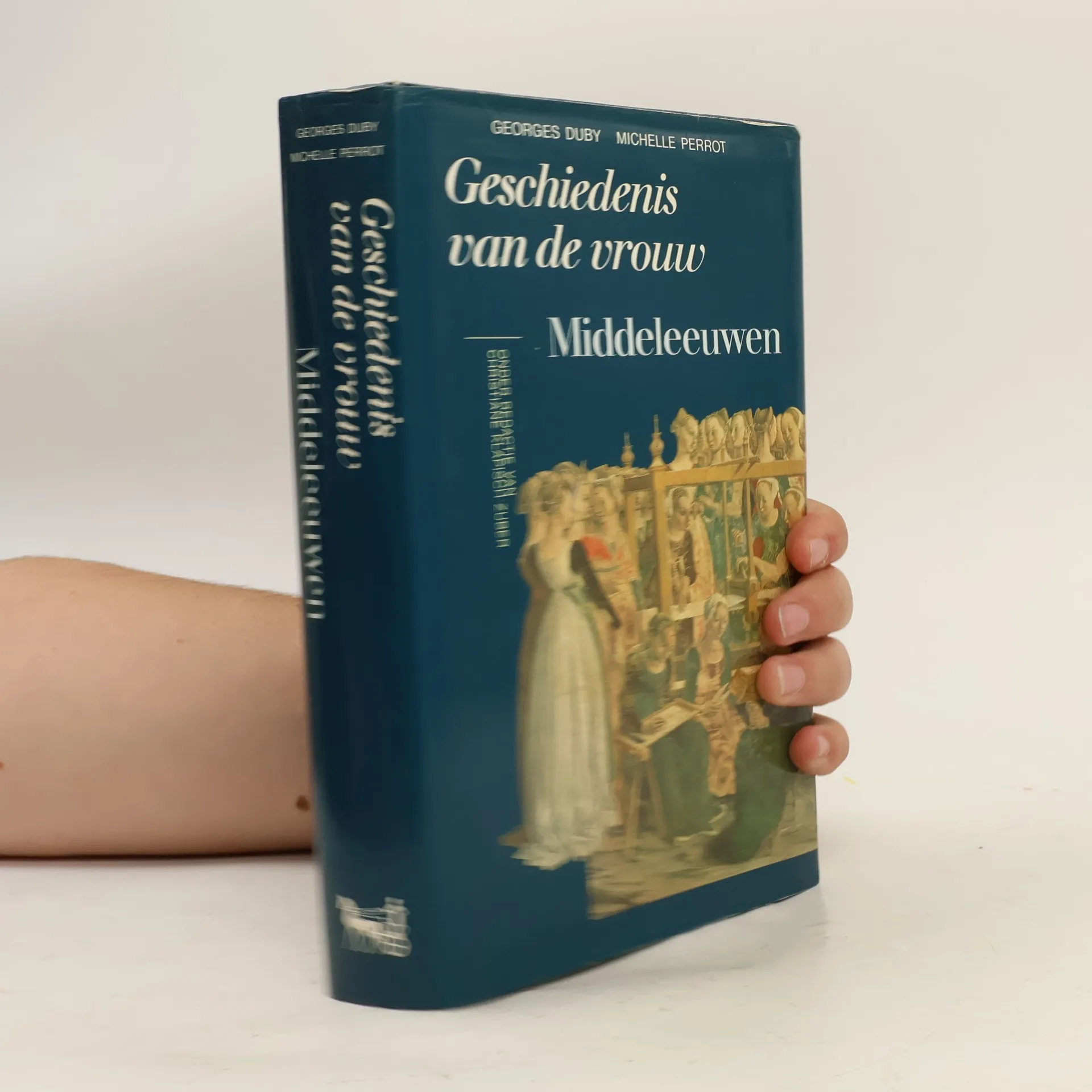
Geschiedenis van de vrouw, Georges Duby, Michelle Perrot, Christiane Klapisch-Zuber
- Jazyk

- Rok vydání
- 1991
- Vazba
- (pevná),
- Stav knihy
- Poškozená
- Cena
- 254 Kč
Doručení
Platební metody
Tady nám chybí tvá recenze.
- Podtitul
- Middeleeuwen
- Jazyk
- nizozemsky
- Vydavatel
- Agon
- Rok vydání
- 1991
- Vazba
- pevná
- Počet stran
- 479
- ISBN10
- 9051570988
- ISBN13
- 9789051570984
- Série
- Štítky
- Naučná literatura, Společenské vědy, Historické téma, Skutečné příběhy, Životopisy, Ženy, USA, Sociologie, Evropa, Středověk, Feminismus, Divoký západ, Dějiny Evropy, Životopisy žen, Západní Evropa
- Hodnocení
- 4,85 z 5
- Anotace
- Drawing on diverse sources—from traces of a cradle in an early medieval home to an illustration of Eve's fall—this volume offers fresh insights into the lives of women from the end of the Roman Empire to the Italian Renaissance. Twelve historians explore the masculine perception of women, their social conditions, and daily experiences during this era when men's control over women's lives was paramount. Women's sexuality was often viewed as dangerous, confining them to the home and cloister. The authors examine writings from bishops, moralists, and philosophers to reveal how men regulated women's lives through sumptuary laws, admonitions for silence and chastity, and misguided theories about women's physiology. While reverence for the Virgin Mary elevated motherhood by 1200, misogyny persisted in proverbs and clerical thought. The authors analyze legal, economic, and demographic factors affecting family life, highlighting rare moments when women gained autonomy. They challenge the notion that courtly love empowered feudal women. Artifacts like hearthstones and everyday tools illustrate the tasks that defined women's lives. Despite male fantasies in art, women began to express their own visions through tapestries and writing, marking the beginnings of a quiet revolution as a few women dared to document their thoughts.