Tato série se ponořila do hlubin kinematografie a zkoumá, jak filmy odrážejí a formují specifické sociální, historické a kulturní kontexty. Knihy v této edici propojují nejnovější poznatky kulturní teorie s filmovou historiografií. Cílem je pochopit složité vazby mezi filmovým uměním a světem, ve kterém vzniká a je vnímáno.
In this cultural history of the USA during World War II, Thomas Doherty examines the interaction between Hollywood cinema and America's involvement in the war. He reveals how and why Hollywood marshalled its artistic resources on behalf of the war effort, giving a voice to many different groups' viewpoints: the motion picture industry itself; government agencies; and audiences at home and overseas.
Seit den 20er Jahren wird im Mainstream-Kino von Kritikern und Theoretikern die Neigung zu Klischees und konventionellen Bildern hervorgehoben, was zu intensiven Debatten führte. Jörg Schweinitz beschreibt diese Tendenz mit dem Begriff Stereotyp, der die Ambivalenz zwischen Funktionalität und kritischem Blick umfasst. Er untersucht Stereotyptheorien aus verschiedenen Disziplinen, um zentrale Aspekte filmischer Stereotypik zu modellieren. Besonders interessiert ihn, welche Denkweisen in den film- und kulturtheoretischen Diskussionen gegenüber der Herausforderung durch Stereotypen entwickelt wurden. Die Analyse beleuchtet die Entwicklung des Diskurses über das Thema im 20. Jahrhundert, wobei Autoren wie Hugo Münsterberg, Walther Rathenau, Béla Balázs und viele andere bedeutende Beiträge geleistet haben. Der Diskurs begann mit fundamentaler Kritik und entwickelte sich zur postmodernen Auseinandersetzung mit Stereotypen. In detaillierten Filmanalysen wird gezeigt, wie Filmemacher die Herausforderung durch Stereotypen aufnahmen. Es treten verschiedene ästhetische Modelle der Anverwandlung und Selbstreflexion von Stereotypen auf, von ironischer Reflexion bis hin zur Verklärung. So entsteht eine Geschichte des theoretischen und kinematographischen Diskurses zu einem zentralen Thema des Kinos, das auch über filmische Grenzen hinaus von medienwissenschaftlichem Interesse ist.
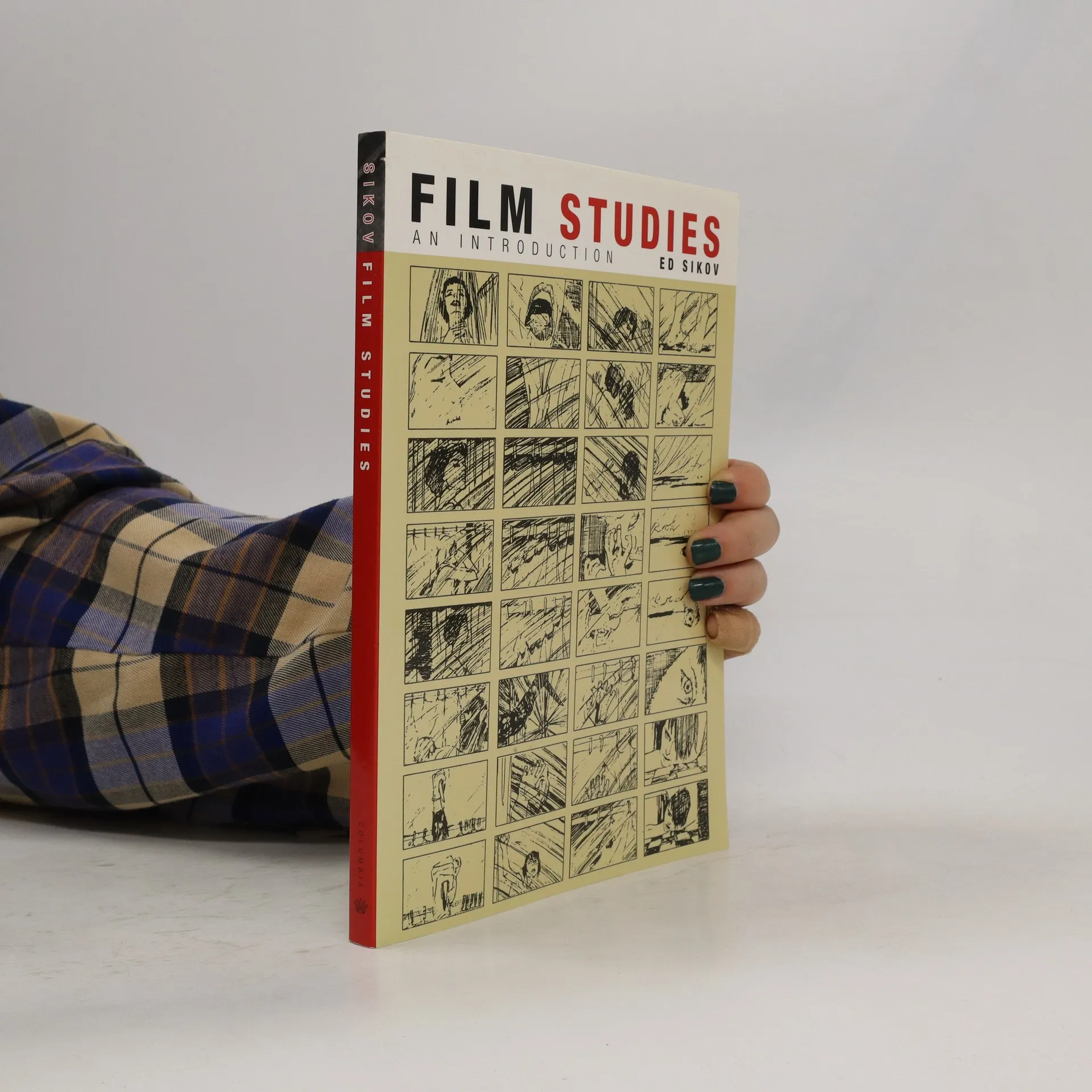
Ed Sikov builds a step-by-step curriculum for the appreciation of all types of narrative cinema, detailing the essential elements of film form and systematically training the spectator to be an active reader and critic. Sikov primes the eye and mind in the special techniques of film analysis. His description of mise-en-scene helps readers grasp the significance of montage, which in turn reveals the importance of a director's use of camera movement. He treats a number of fundamental factors in filmmaking, including editing, composition, lighting, the use of color and sound, and narrative. Film Studies works with any screening list and can be used within courses on film history, film theory, or popular culture. Straightforward explanations of core critical concepts, practical advice, and suggested assignments on particular technical, visual, and aesthetic aspects further anchor the reader's understanding of the formal language and anatomy of film.
Thomas Doherty tells the story of the 1947 hearings into alleged Communist
subversion in the movie industry. Show Trial is a character-driven inquiry
into how the HUAC hearings ignited the Hollywood blacklist, providing a
gripping new history of one of the most influential events of the postwar era.
Maya Deren (1917-1961) was a Russian-born American filmmaker, theorist, poet, and photographer working at the forefront of the American avant-garde in the 1940s and 1950s. Influenced by Jean Cocteau and Marcel Duchamp, she is best known for her seminal film Meshes of the Afternoon (1943), a dream-like experiment with time and symbol, looped narrative, and provocative imagery. This book assesses the filmmaker's completed work alongside her incomplete projects, arguing that Deren's overarching aesthetic is founded on principles of contingency and openness, which give her work singular depth but also complicate its making. Combining documentary, experimental, and creative approaches to filmmaking, Deren created a wholly original experience for film audiences, and this critical retrospective illuminates these productive tensions, which continue to energize film.
Of all the major Hollywood stars, Katharine Hepburn was the least conventional, conforming to none of the stereotypes of female superstardom. She was not an exotic outsider in Hollywood like Greta Garbo or Marlene Dietrich; nor was she a victim of the studios like Judy Garland or Marilyn Monroe; and she was certainly not a creature of the system like Joan Crawford and Lana Turner. Instead, she always appeared intelligent, willful and independent, able to develop her own persona within the confines of the studio system. Andrew Britton proposes a feminist reading of Hepburn's films, arguing that her persona raises problems about class, female sexuality, and women's oppression that strain to the limits the conventions of a cinema ultimately committed to the reassertion of bourgeois gender roles. Hepburn's work is also used to explore more general issues, such as the functioning of the star system. This is one of the very few analyses of American cinema to focus on a film star rather than a director or a genre and as such is essential reading for anyone interested in the movies. First published in the United Kingdom twenty years ago, this lavishly illustrated new edition features a foreword by the noted film critic Robin Wood.
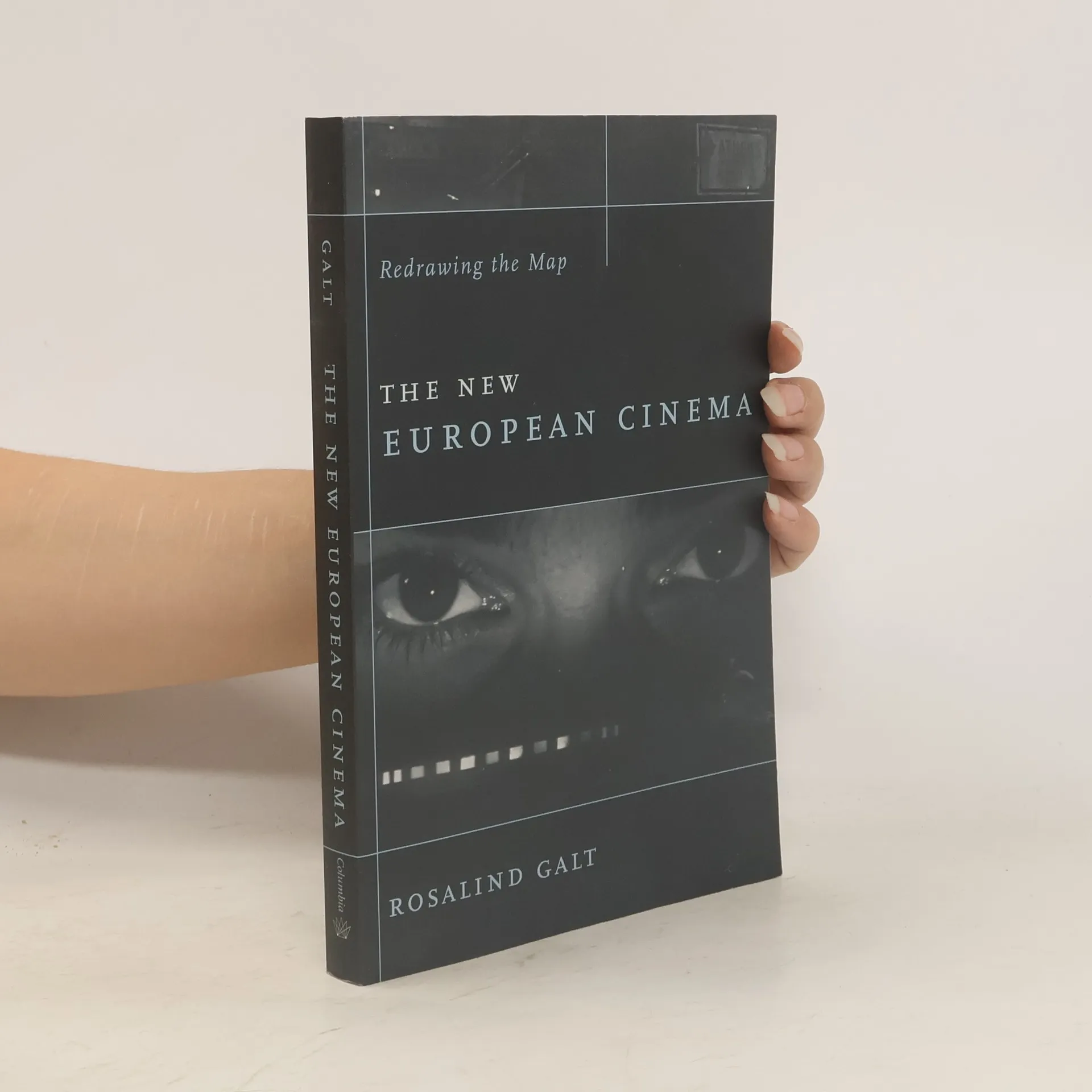
New European Cinema offers a compelling response to the evolving cultural landscape of Europe, examining political, aesthetic, and historical developments through innovative readings of influential films from the 1990s. These films, created around the time of the 1989 revolutions yet set in post-World War II Europe, address themes such as the reunification of Germany, the disintegration of the Balkans, and a pervasive sense of historical loss across the continent. They reflect a time when national borders blurred and mid-twentieth-century events were reinterpreted from a multinational perspective.
Rosalind Galt provides in-depth case studies of films from Italy, Germany, Eastern Europe, and Scandinavia, reassessing the roles of nostalgia, melodrama, and spectacle in representing history. She analyzes notable works such as Cinema Paradiso, Il Postino, Mediterraneo, Underground, and Zentropa, contrasting them with immediate postwar films, including neorealist works by Rossellini and De Sica, socialist realist cinema from Yugoslavia, and classics like A Foreign Affair and The Third Man.
Galt's transnational approach transcends conventional national cinema discussions, offering insights into how post-Berlin Wall European cinema creatively redefined identities, ideologies, and collective memory. By linking these films to contemporary political and philosophical debates on Europe's future, she reshapes the understanding of Europ
Electric Sounds vividly captures an era when innovations in sound production, recording, and transmission transformed various media, particularly radio, phonographs, and cinema. The 1920s and 1930s witnessed crucial developments in American mass media, including the film industry's shift to synchronous sound, the emergence of radio networks with advertising support, and the establishment of a federal regulatory framework that underpins U.S. communications policy today. This period also saw the rise of powerful media conglomerates and the creation of a new acoustic commodity, where stories and songs were made available across multiple formats.
The societal role of this new media sparked debate: while some celebrated its potential for educational and cultural enhancement, critics worried about declining public taste. Some viewed acoustic media as a means to promote participatory democracy by informing the public, while others recognized the potential for manipulation. The innovations of this time led to a restructuring of corporate mass media interests and a shift in media consumption patterns, as well as a reevaluation of the social roles assigned to mass media. Steve J. Wurtzler's meticulously researched history adds depth to the study of sound media, demonstrating that technology's ultimate form is shaped by conflicting visions across economic, cultural, and political spheres. The work also explores how technologies evolve
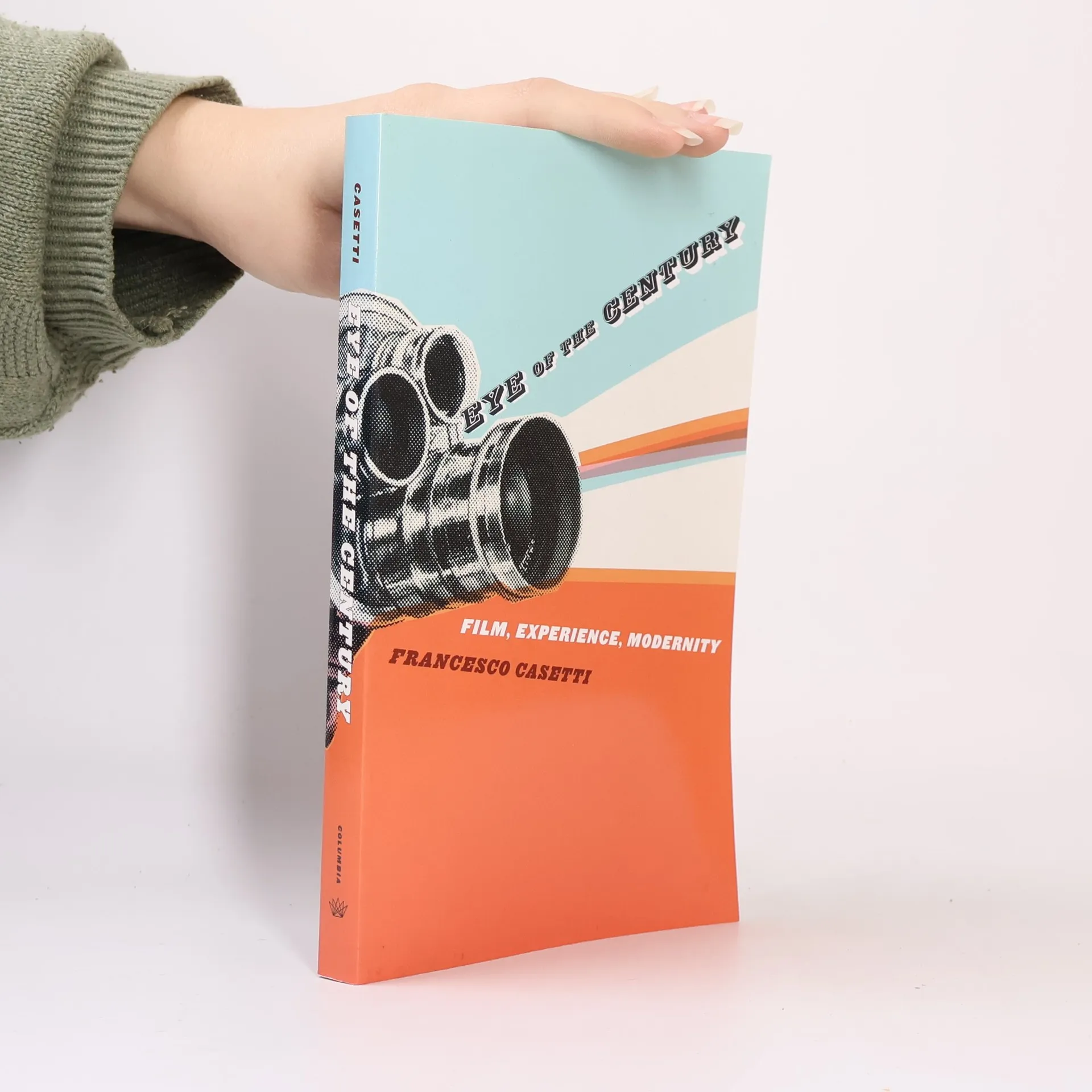
Did film in the twentieth century experiment with vision more than any other art form? Acclaimed film scholar Francesco Casetti explores this question by situating cinema within the discourses of modernity. He argues that film defined a unique gaze, capturing significant events and shaping their reception. Casetti begins by analyzing film's nature as a medium focused on immediacy, nearness, and accessibility. He discusses the myths and rituals created on screen and in theaters, which offered new images and behaviors in response to evolving social concerns and ideas. Film adeptly addressed the diverse needs of modernity, uniting conflicting stimuli and providing solace in a fragmented world while fulfilling a desire for everyday experiences.
The medium's ability to communicate, inform, and negotiate defined its relevance. Casetti identifies several types of gaze cultivated by film: a personal gaze linked to point of view; a complex gaze merging reality and imagination; a piercing gaze, machine-generated yet anthropomorphic; an excited gaze rich in stimuli while remaining spectator-oriented; and an immersive gaze that balances engagement with distance. Each gaze combines contrasting qualities, resulting in a synthesis that embraces contradictions. Casetti demonstrates that film's vision, characterized by its oxymoronic nature, serves as a crucial lens for understanding the modern experience.