
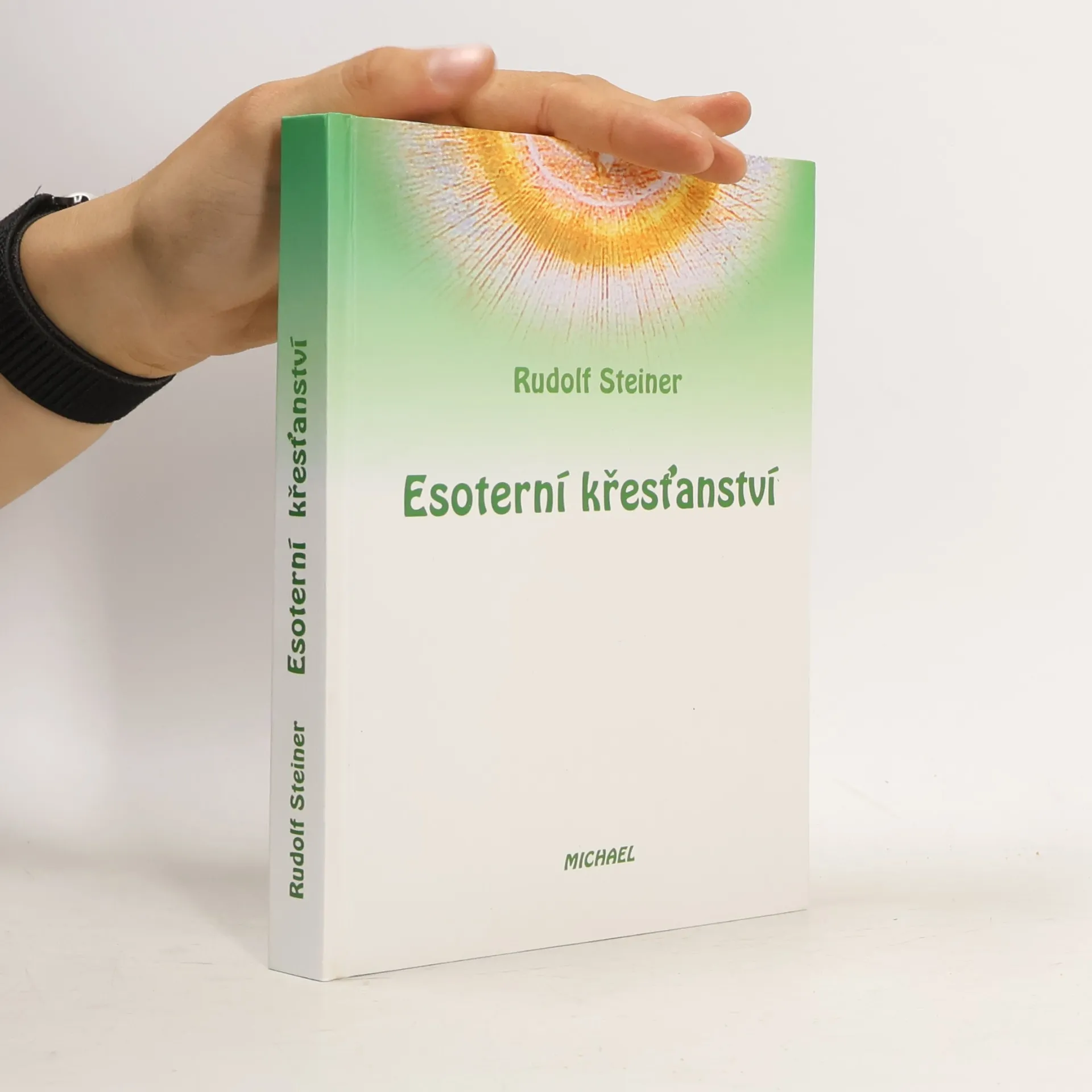



Knihobot

Klasika v antropozofii

Tato série se ponořila do hlubin antropozofické filozofie, která zkoumá duchovní rozměr lidské existence a vesmíru. Každý svazek nabízí pečlivě vybrané texty, které osvětlují klíčové myšlenky Rudolfa Steinera a jeho následovníků. Čtenáři se mohou těšit na esejistické úvahy o umění, vědě, vzdělávání a duchovním vývoji. Jedná se o zásadní zdroj pro každého, kdo chce porozumět komplexním, přesto hluboce obohacujícím principům antropozofie.

Mystics after modernism
Knowledge of the Higher Worlds and Its Attainment (Aziloth Books)
The spiritual guidance of the individual and humanity
The Way of Initiation (1911)
Theosofie
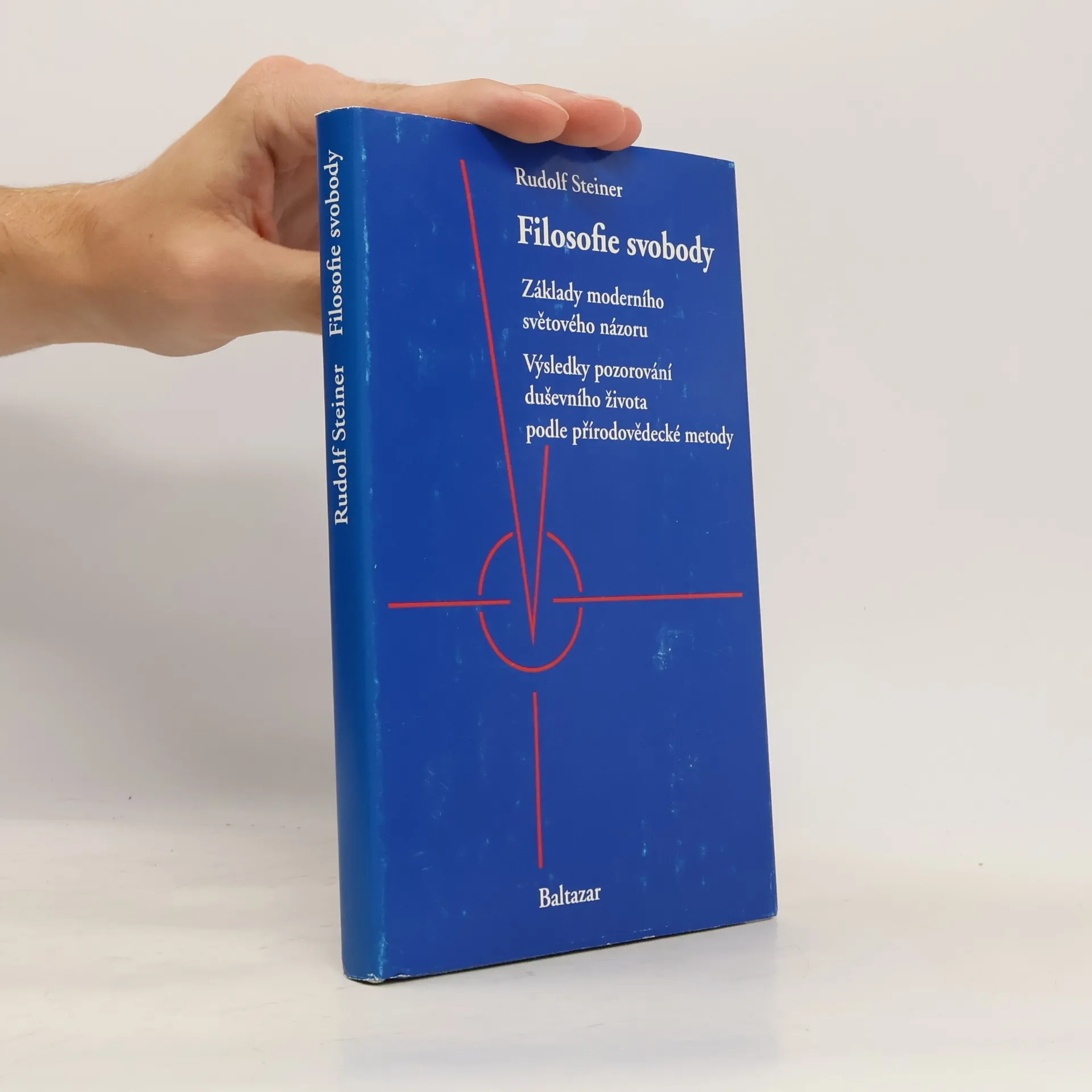
Filosofie svobody

Doporučené pořadí čtení

  1. Theosofie

    Úvod do nadsmyslového poznání světa a určení člověka

    • 168 stránek
    • 6 hodin čtení
    4,1(528)Ohodnotit

    Většina publikací Rudolfa Steinera, nepřekonatelného jasnovidce, jsou jeho zaznamenané a následně vydané přednášky. Kniha Theosofie patří mezí několik málo knih, které napsal. Je to vrcholné dílo sepsané na základě jeho jasnovidného bádání. Ne všichni jasnovidci rozumí tomu, co vidí v duchovních a duševních světech. V díle Theosofie máme přehledně zachyceno poznání jasnovidce, který logicky chápe to, co vidí a je schopen takovéto poznání předávat svým čtenářům. Namátkou vybíráme několik kapitol, kterými se kniha Theosofie zabývá: tělo, duše, duch,…duše v duševním světě po smrti,… duch v duchovní zemi po smrti,… fyzický svět a jeho spojení s duševní a duchovní zemí,… o myšlenkových formách a lidské auře.

    Theosofie
  2. The book presents Dr. Stein's perspectives on mystical Christian Theosophy, highlighting its significance within European thought. As a successor to German mystics, he combines deep spirituality with clarity of philosophical reasoning. His work aims to elevate German Theosophy's recognition and influence, encouraging English readers to embrace unfamiliar truths as valuable insights. By exploring these ideas from a different angle, readers can expand their understanding of profound spiritual concepts.

    The Way of Initiation (1911)
  3. Exploring the pursuit of spiritual knowledge, Rudolf Steiner outlines a disciplined approach for individuals seeking to understand the higher realms of existence. His philosophy, which led to the establishment of diverse institutions, emphasizes inclusivity and the quest for understanding the spirit within humanity and the cosmos. Despite facing opposition from the Nazis, Steiner's teachings continue to resonate globally through the Anthroposophical Society, inviting individuals from all backgrounds to engage with his insights.

    Knowledge of the Higher Worlds and Its Attainment (Aziloth Books)
  4. Mystics after modernism

    • 207 stránek
    • 8 hodin čtení
    4,5(4)Ohodnotit

    The mystics discussed in this work were pioneers in the realm of self-knowledge, shaping modern meditation practices across cultures. Their insights into unity, perception, and the nature of knowing resonate with contemporary spiritual seekers. The book includes a foreword by Christopher Bamford, a preface to the 1923 edition, and an introduction by Rudolf Steiner that connects mysticism to natural science and the modern world. It features profiles of influential figures such as Meister Eckhart, Johannes Tauler, Cardinal Nicolas of Cusa, Agrippa of Nettesheim, Theophrastus Paracelsus, Valentin Weigel, Jacob Boehme, Giordano Bruno, and Angelus Silesius. Steiner explores how these eleven mystics, active in central Europe from the thirteenth to the seventeenth centuries, reconciled inner experiences with emerging scientific thought and individualism. Drawing on their lives and his own spiritual insights, he illustrates how their teachings can help us understand and preserve our true human nature today. The book concludes with a poignant quote from Angelus Silesius, urging readers to embody the essence of the wisdom shared. A previous edition was titled Mysticism at the Dawn of the Modern Age.

    Mystics after modernism
  5. The Philosophy of Freedom

    A Modern Philosophy of Life Developed by Scientific Methods

    • 308 stránek
    • 11 hodin čtení

    Exploring the nature of human freedom, Rudolf Steiner's work delves into the philosophical question of whether individuals possess free will. The text is divided into two parts: the first focuses on the prerequisites for freedom of thought, discussing knowledge and perception, while the second addresses the conditions necessary for freedom of action. Originally published in German in 1894, this English edition is a facsimile of the 1916 version and remains a significant contribution to philosophical discourse on autonomy and spiritual activity.

    The Philosophy of Freedom
  6. This classic account of the modern Western esoteric path of initiation, made public by Steiner in 1904, begins with the premise that "the capacities by which we can gain insights into the higher worlds lie dormant within each one of us." Steiner guides readers from cultivating fundamental soul attitudes of reverence and tranquility to developing inner life through preparation, illumination, and initiation. He offers practical exercises for inner and outer observation and moral development. By following his guidelines, new "organs" of soul and spirit begin to form, revealing the contours of higher worlds previously concealed. As a teacher, counselor, and friend, Steiner provides practical and clear advice to help readers face life's challenges with deeper understanding. His work cultivates the capacities for insights, placing them at the service of humanity. This essential guide to the modern path of initiation has been translated into many languages and inspired countless readers worldwide. It has garnered admiration from some of the most brilliant minds of our time. The contents include a foreword, prefaces, and various sections on initiation, practical considerations, the effects of initiation, and more, culminating in an epilogue and index. It is regarded as a true classic of spiritual literature, offering a balanced and loving approach to opening one's life to spiritual realms.

    How to know higher worlds
  7. This fragmentary work, discovered among Rudolf Steiner's unpublished writings, is a significant exploration of "Anthroposophy." It marks the initial steps toward a genuine psychology of spirit, employing a phenomenological approach to human senses, life processes, I-experience, human form, and connections to higher spiritual realms. Steiner faced challenges articulating these concepts in 1910, as many relevant terms in neurology, psychology, and cognitive studies were not yet established. Since then, advancements in understanding human senses and cognition have enriched this translation. Anthroposophy occupies a unique space between anthropology and theosophy. Anthropology examines humans through physical senses and empirical methods, while theosophy acknowledges the spiritual essence of humanity through inner experience. Anthroposophy seeks a balance, studying humans as observable entities while exploring the spiritual underpinnings of phenomena through "phenomenological intensification." This approach yields crucial insights, laying the groundwork for a cognitive psychology. The text includes an introduction by neurologist Dr. James Dyson, a foreword by Robert Sardello, and a translator's preface by Detlef Hardorp. Although challenging, this work is vital for comprehending Steiner's perspective on the human body, particularly its formation and function in relation to the spirit.

    Anthroposophy
  8. Theosophy (Aziloth Books)

    • 132 stránek
    • 5 hodin čtení

    In 1882, a chance encounter on a train profoundly impacted Rudolf Steiner's life, leading him to a meeting with a mysterious figure he calls a 'Master.' This connection guided him toward spiritual enlightenment and inspired his later work, "Theosophy," published in 1910. The book presents a comprehensive exploration of spiritual science, detailing esoteric realities and the milestones of human development. It invites readers to engage in thoughtful study, offering insights into the higher worlds that can be revisited for deeper understanding.

    Theosophy (Aziloth Books)