Tato série nabízí stručné a srozumitelné úvody do klíčových oblastí studia jazyka. Každý svazek se věnuje jednomu tématu, a to s jasným a přístupným vysvětlením. Je ideální pro studenty, učitele i kohokoli, kdo se zajímá o hlubší porozumění povaze jazyka. Poskytuje pevný základ v lingvistických konceptech.
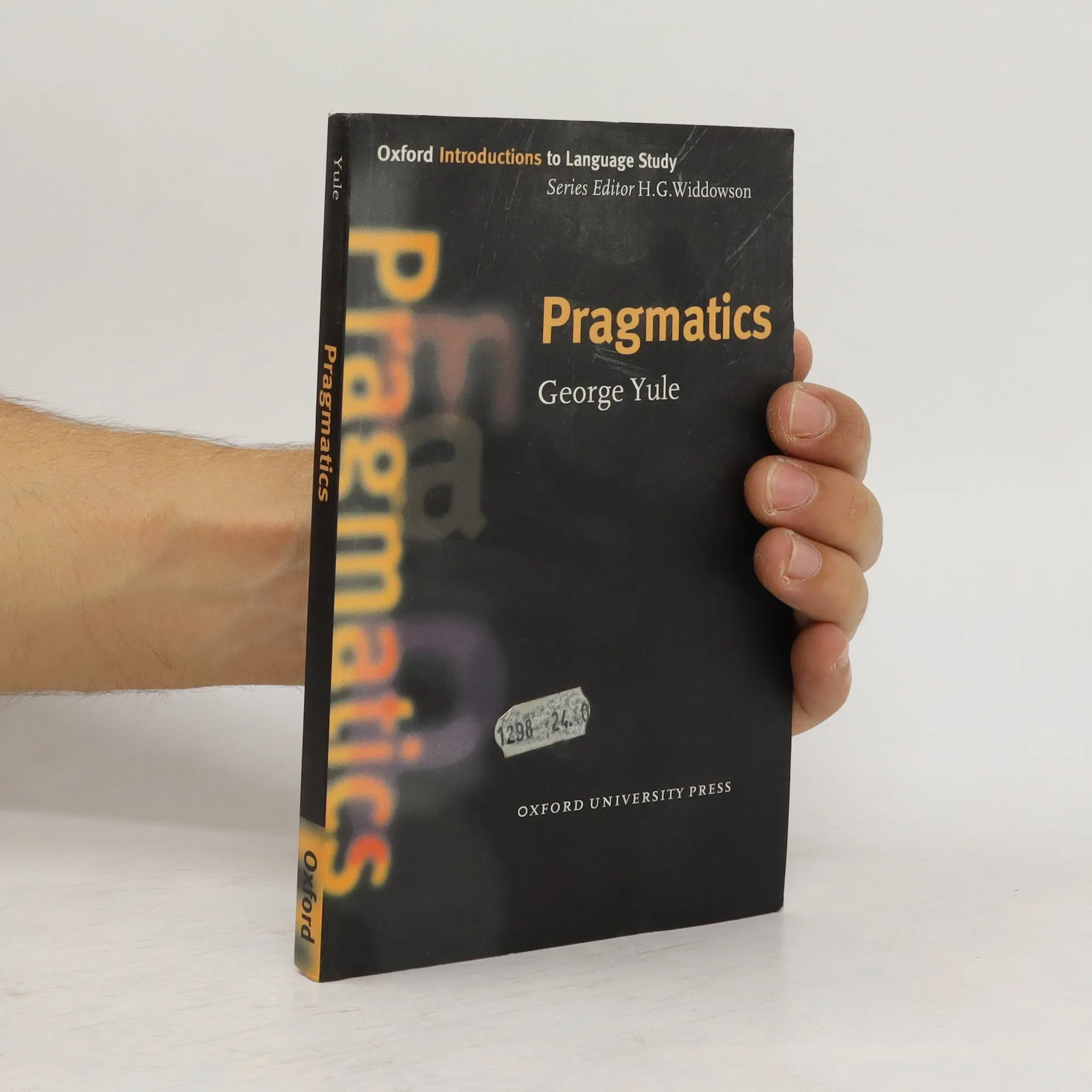
This is an introduction to pragmatics, the study of how people make sense of each other linguistically. The author explains, and illustrates, basic concepts such as the co-operative principle, deixis, and speech acts, providing a clear, concise foundation for further study.
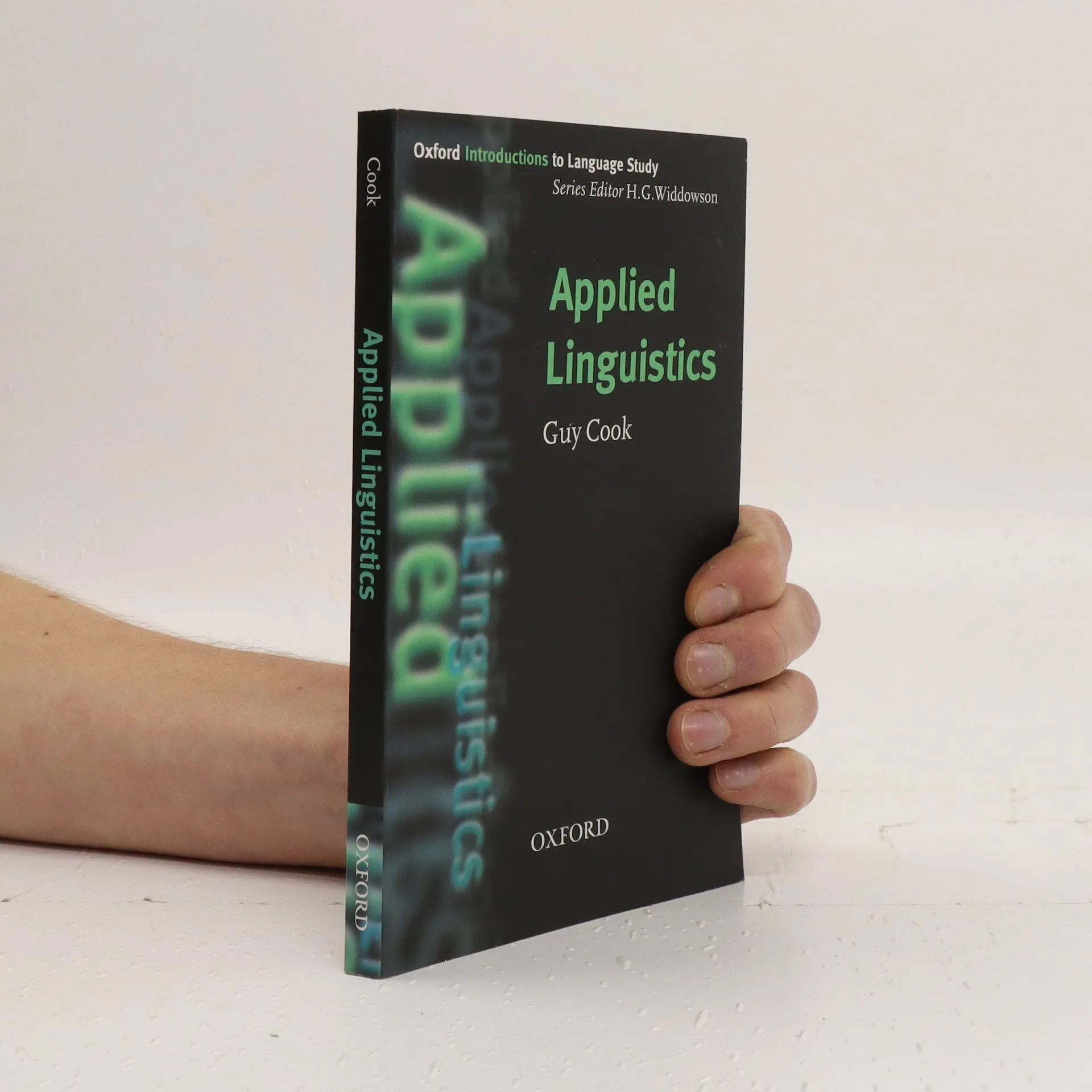
This work investigates real-world problems involving language. As such it has the difficult task of mediating between academic expertise and lived experience, attempting to reconcile opposed interests and perspectives. It provides a comprehensive overview of pressing issues in the field.
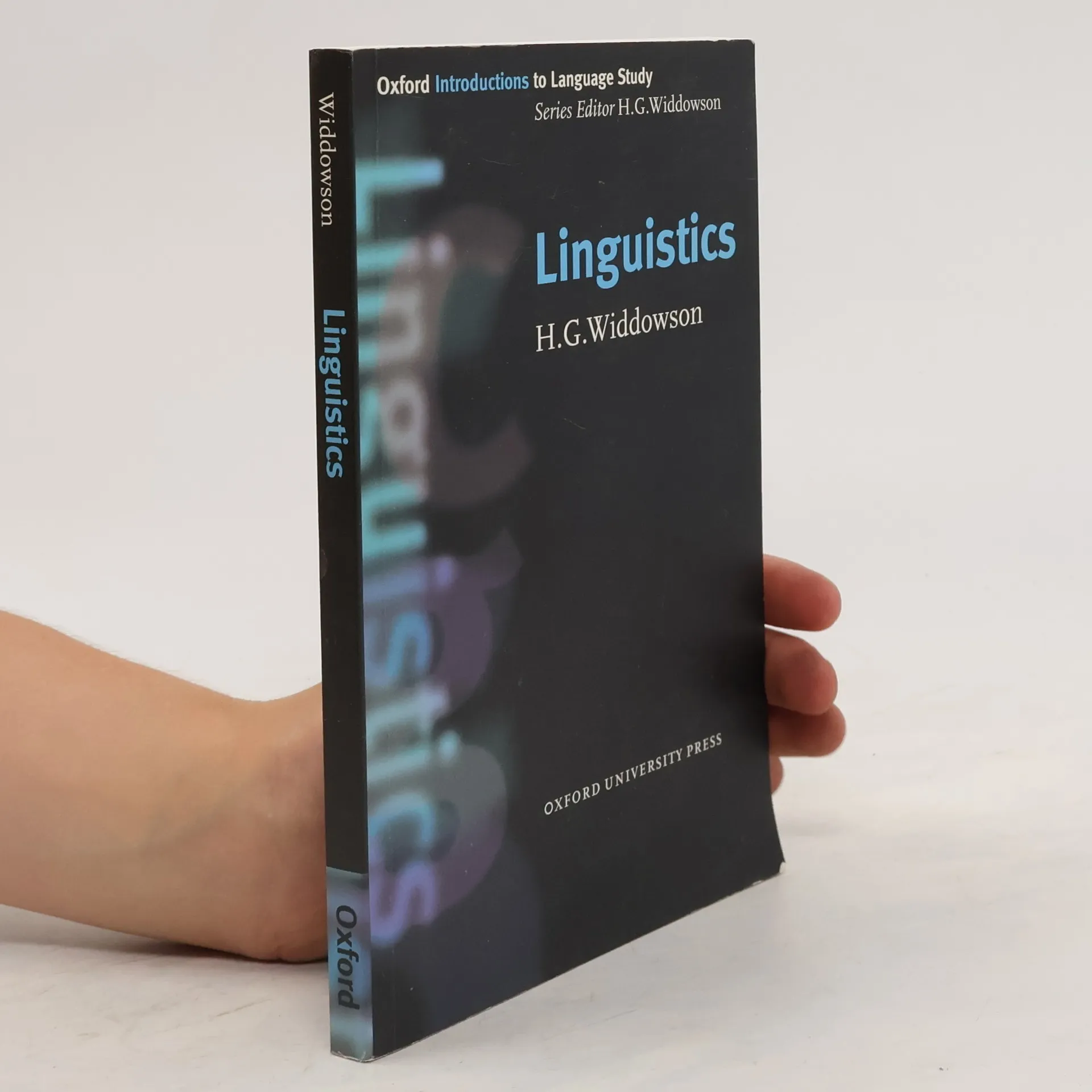
This is an introduction to linguistics, the study of human language. The author provides a succinct but lucid outline of the ways in which language has been defined, described, and explored, and guides readers towards further exploration of their own.
This book deals with the study of style in language, how styles can be recognized, and their features. It examines how style is used in literary and non-literary texts, and how familiarity with style is a matter of socialization. The author also discusses the relationship between text and discourse, the production and reception of meaning as a dynamic contextualized interaction, the question of perspective and the variable representation of reality, and how stylistics can complement literary criticism. The final chapter deals with social reading and ideological positioning, including some thoughts on feminist stylistics and critical discourse analysis.
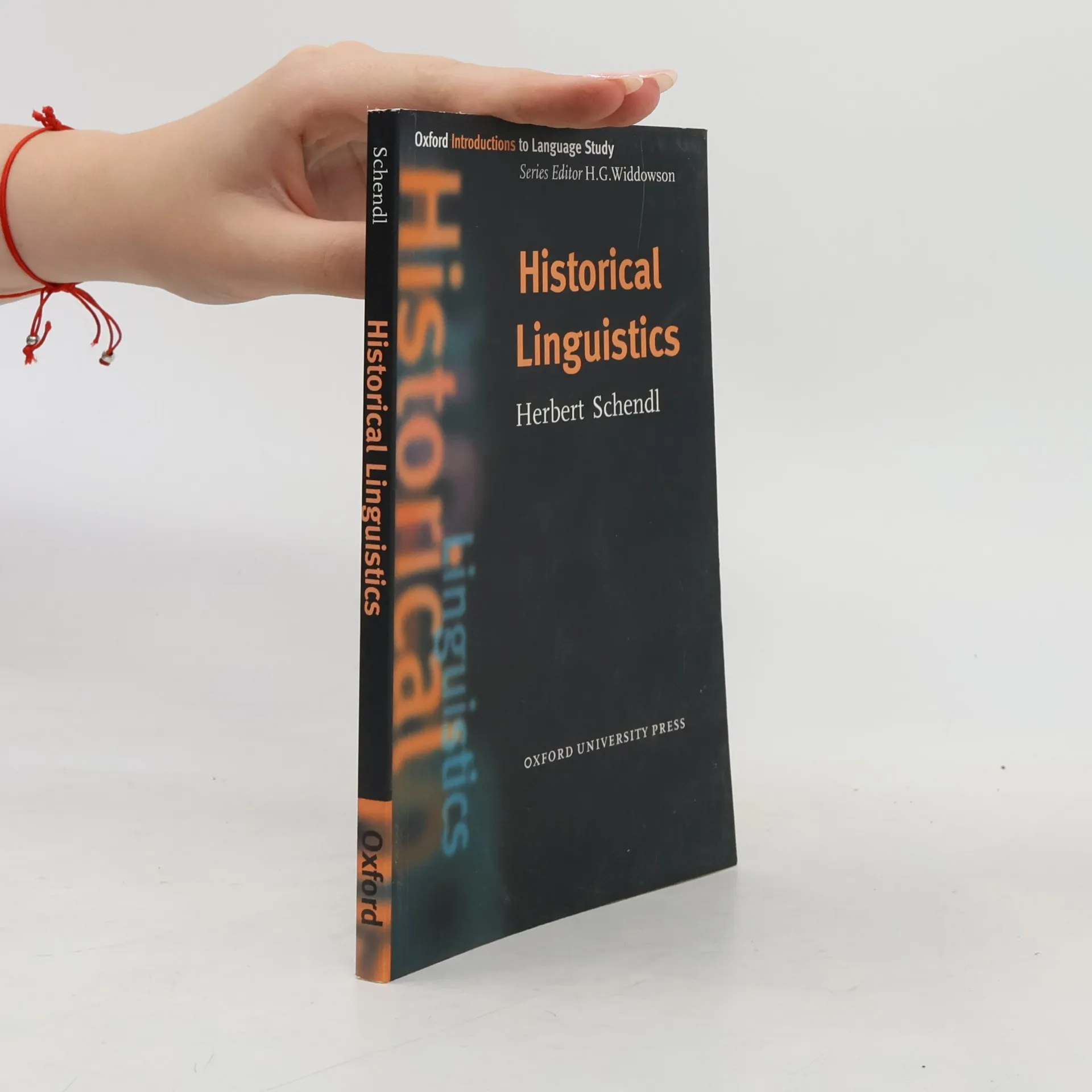
This book provides an accessible introduction to anyone interested in the history of the English language. It outlines the major issues and terminology used in the field of Historical Linguistics, a required part of most university-level language and linguistics courses, and creates an opening into the field for the new reader.
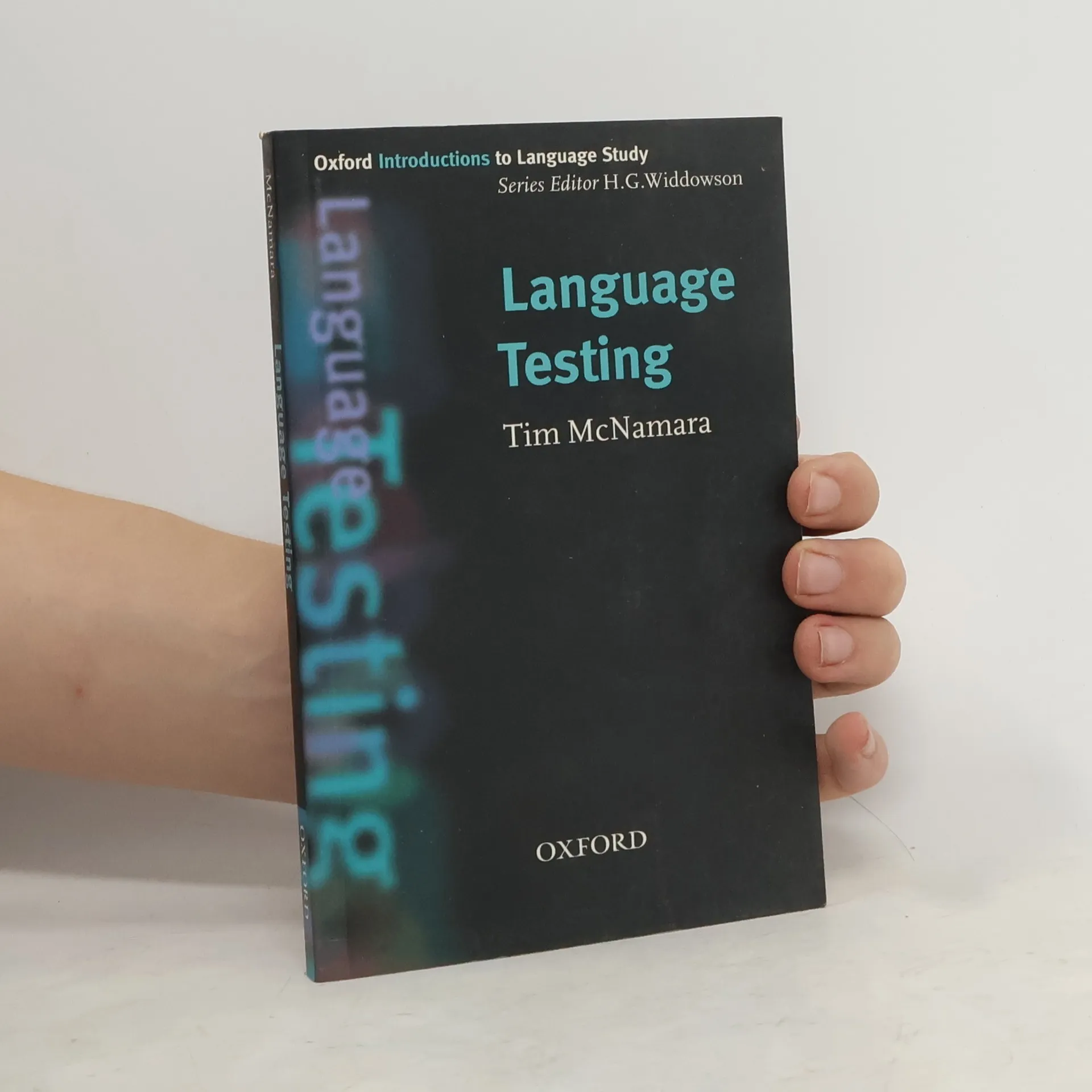
This accessible book examines issues such as test design, the rating process,
validity, measurement, and the social dimension of language testing. It looks
at both traditional and newer forms of language assessment, and the challenges
posed by new views. schovat popis
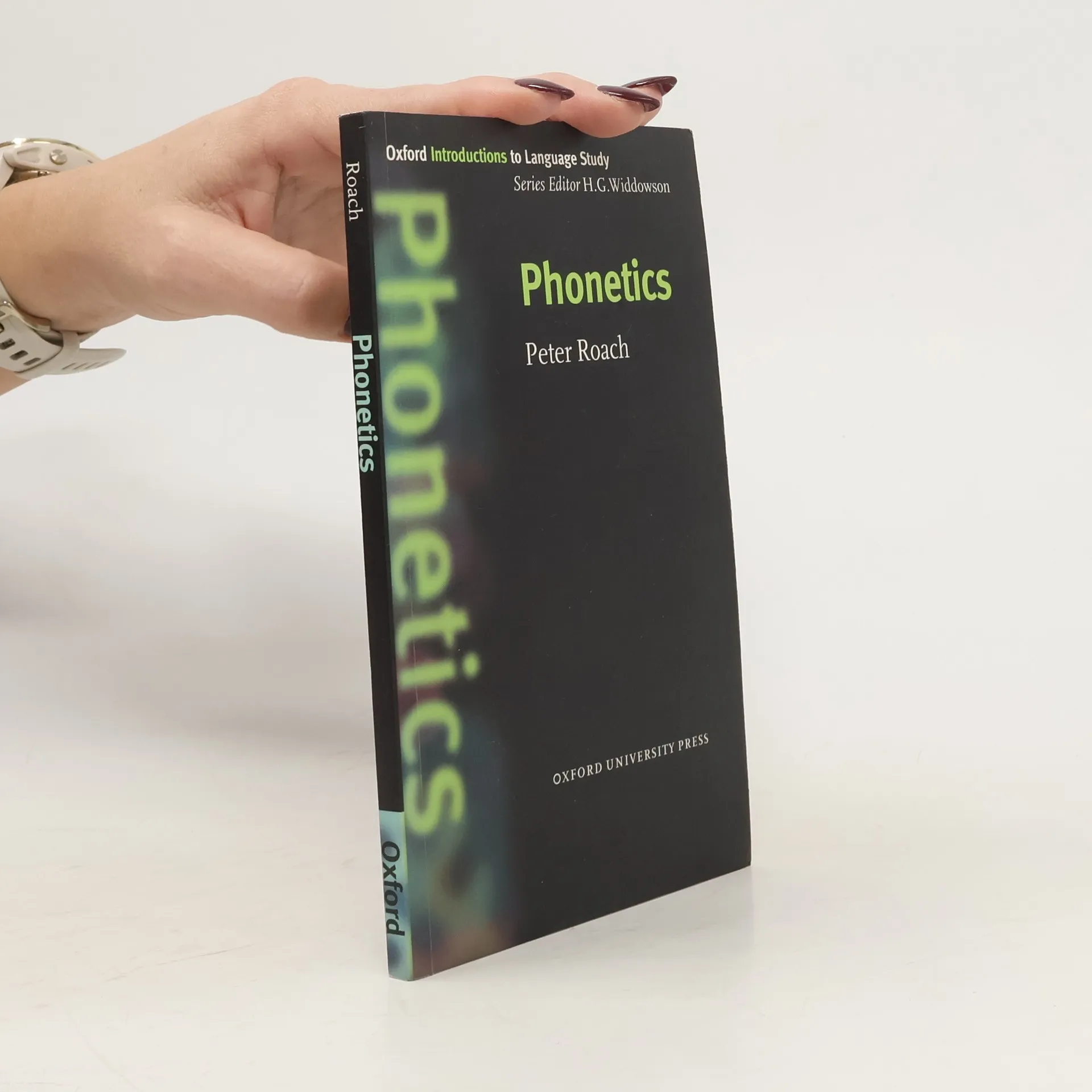
Phonetics is an essential part of linguistics, as it is through analysing
spoken language that linguistic data is collected. This book leads the reader
through the main areas of phonetics, including how speech sounds are made and
how phoneticians classify them in certain ways, the International Phonetic
Alphabet, and how sounds are transmitted from speaker to hearer. schovat popis
A short, accessible introduction to this key area of language study by a
respected expert in the field. Describes some of the creative processes by
which new senses develop for words and phrases. Informs the reader about
current thinking and acts as a guide for further enquiry.
Explains what grammar is, why languages have to have it, and how different
languages exploit it. This book includes an introduction on the theoretical
and pedagogical approaches to grammatical description, the notion of
'universal grammar', the role of grammar in establishing social and
educational norms, and the grammar of International English.
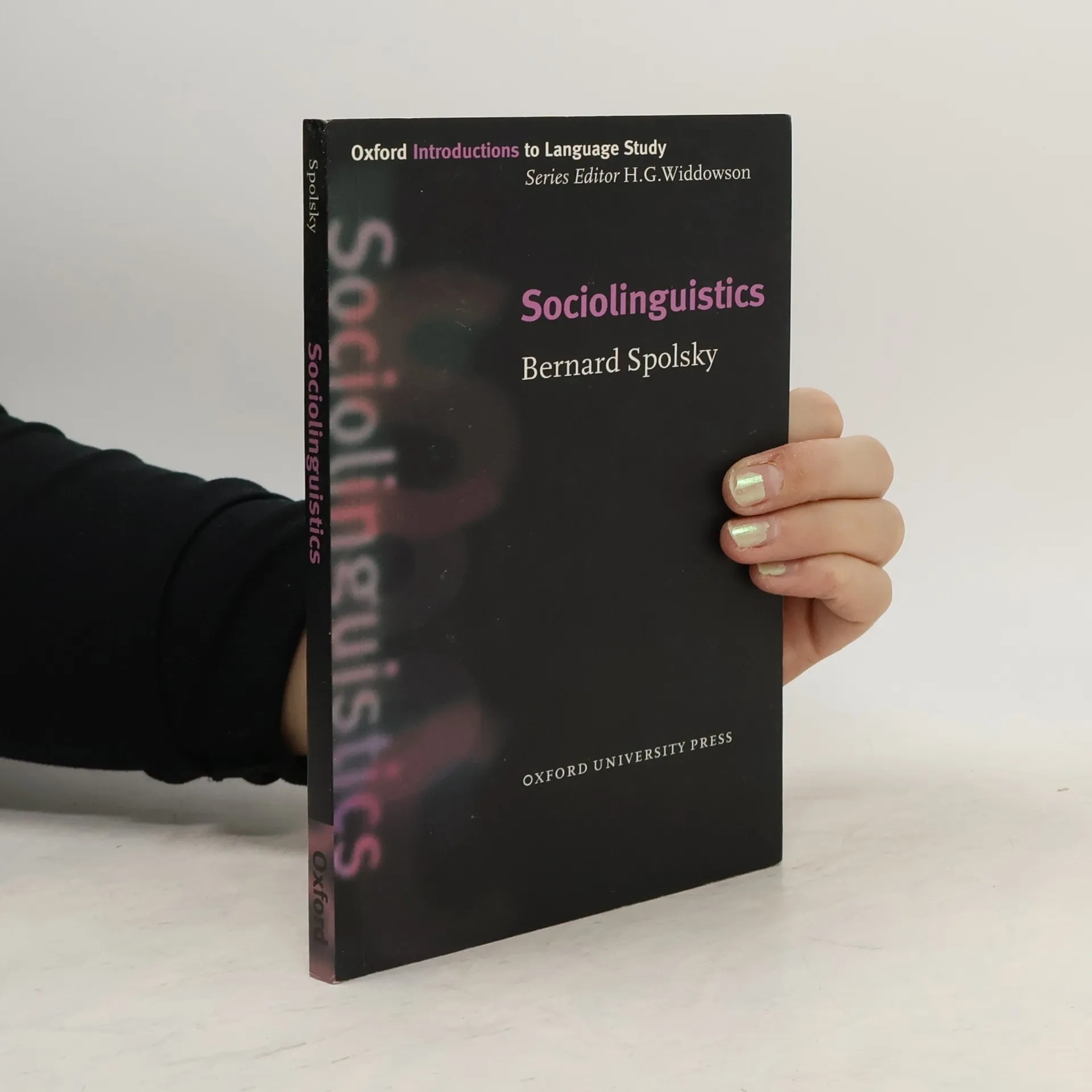
Sociolinguistics is the study of the different ways in which different groups
of people use language. This book provides a brief but comprehensive
introduction to the field, making links with related disciplines such as
history, politics, and gender studies.
Psycholinguists have shown that the comprehension and production of even the
simplest language is a highly complex, almost miraculous, process. This brief
introduction shows how psycholinguistic research can act as a window to the
workings of the human mind.
Translation is one of the most important cross-linguistic and cross-cultural
practices. This short introduction focuses on what you need to know about it:
the different perspectives on translation and key issues such as equivalence
in translation, translation evaluation, and the role of translation in
language teaching, globalization, and intercultural communication.