The Red Baron
- 200 stránek
- 7 hodin čtení
A consolidation of all the recorded images of the Red Baron, gathered here in an effort to tell his extraordinary story in pictures.




A consolidation of all the recorded images of the Red Baron, gathered here in an effort to tell his extraordinary story in pictures.
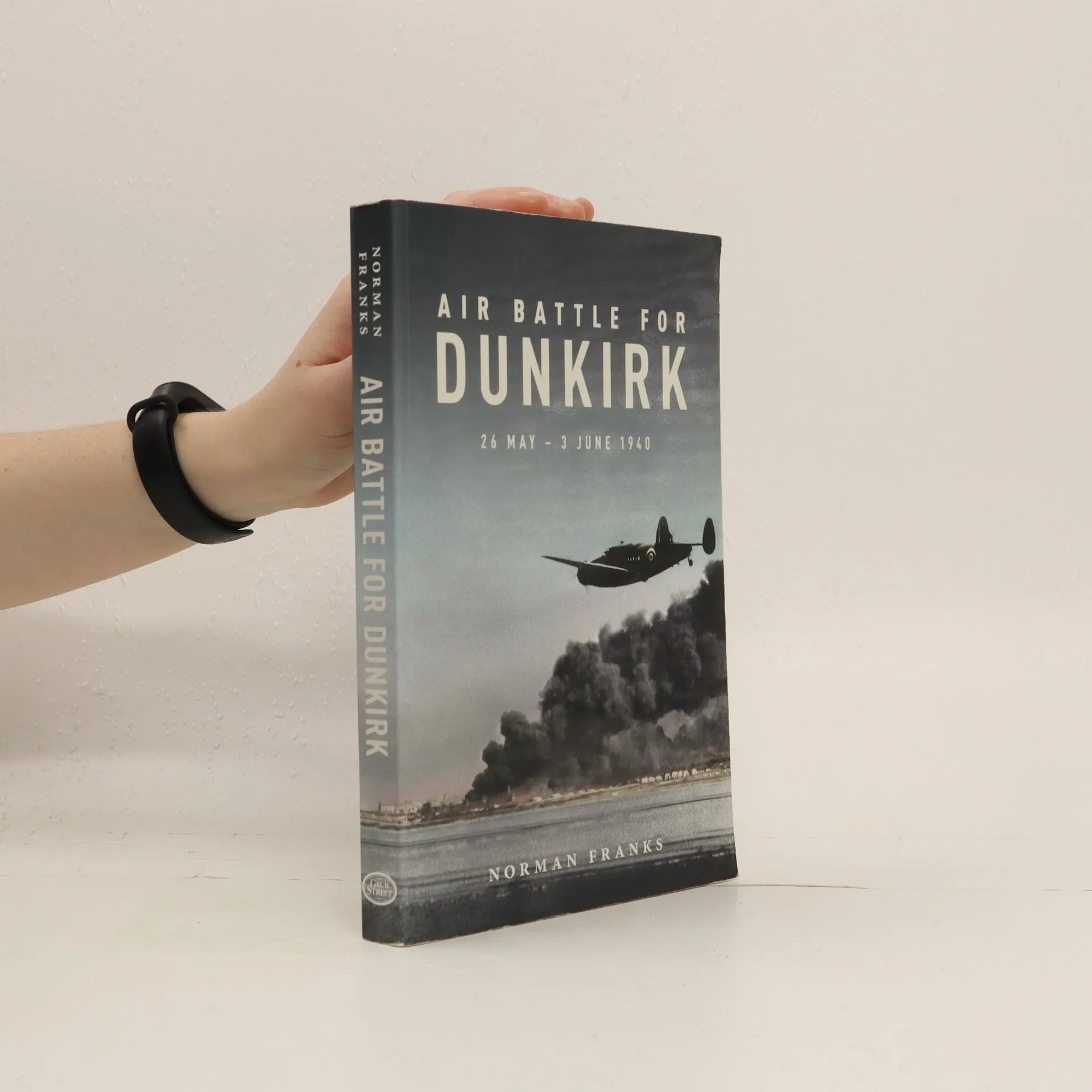
With the epic blockbuster film Dunkirk, to be released in July 2017, directed by Christopher Nolan and starring, amongst others, Kenneth Branagh, Tom Hardy and Mark Rylance, this reissue has never been more timely. 'Where is the RAF?' was the oft-quoted question asked by soldiers waiting on the beach at Dunkirk, to where they had retreated following the German blitzkrieg through northern France, and where they were now being pounded by the Luftwaffe. The air forces were there, as Norman Franks proves, detailing the outstanding achievements of the Allied pilots who fought, using outmoded tactics, against enemy pilots who had earlier had easy victories over the Polish, Dutch and Belgian air forces. The RAF's achievement reminds us just how close Britain came to disaster in June 1940.
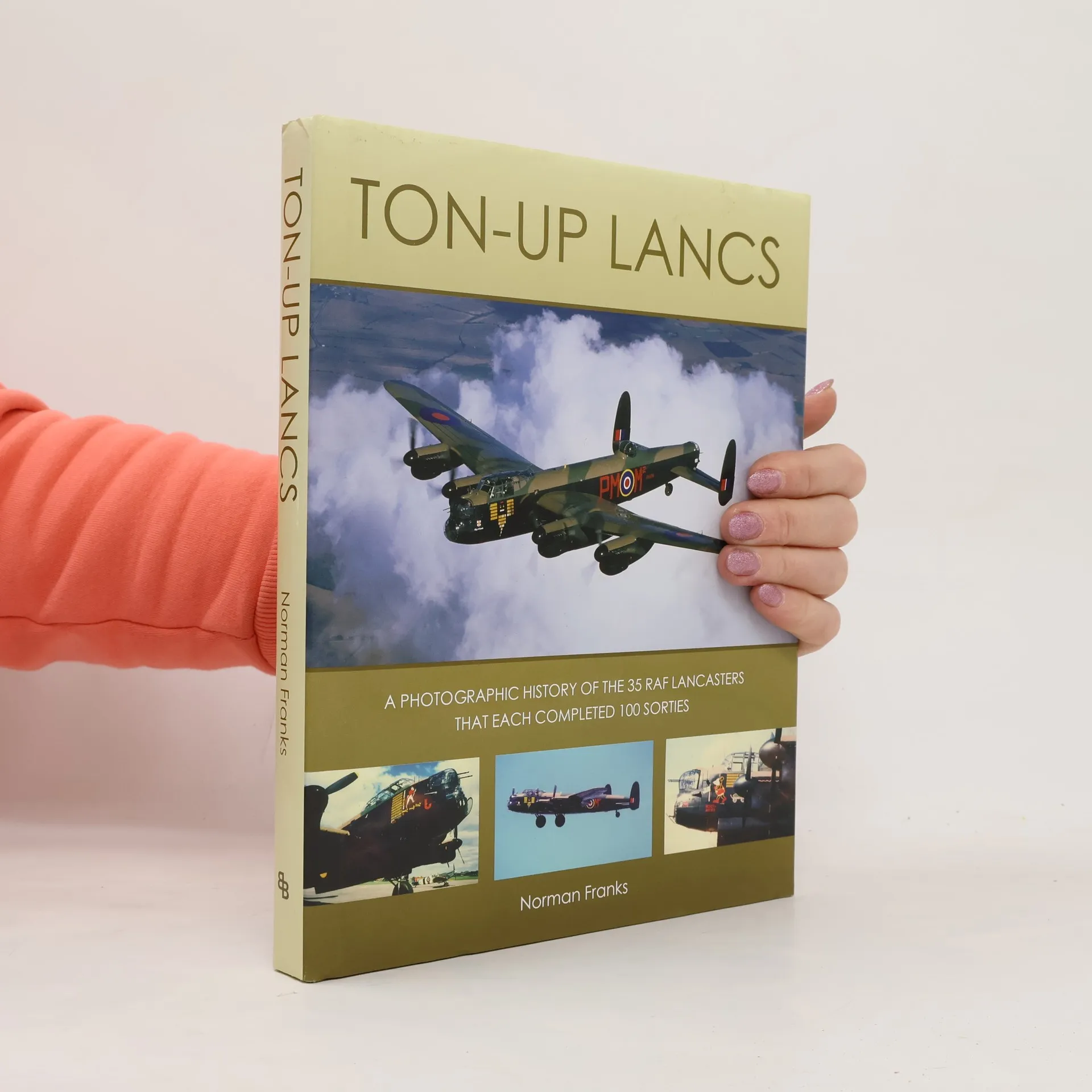
* A comprehensive photographic tribute to the 35 Lancaster Bombers that completed 100 or more sorties during the Second World War. * Features images of the Bombers, as well as the crews that flew in them. * Also pays tribute to the aircraft and crews that, whilst not quite managing to rack up the benchmark 100 sorties, still managed to complete
Over 150 images illustrating the exploits of RAF Coastal Command during the Second World War as they battled it out against the German U-Boats.
A Photographic Record of the Thirty-Five RAF Lancasters That Each Completed One Hundred Sorties
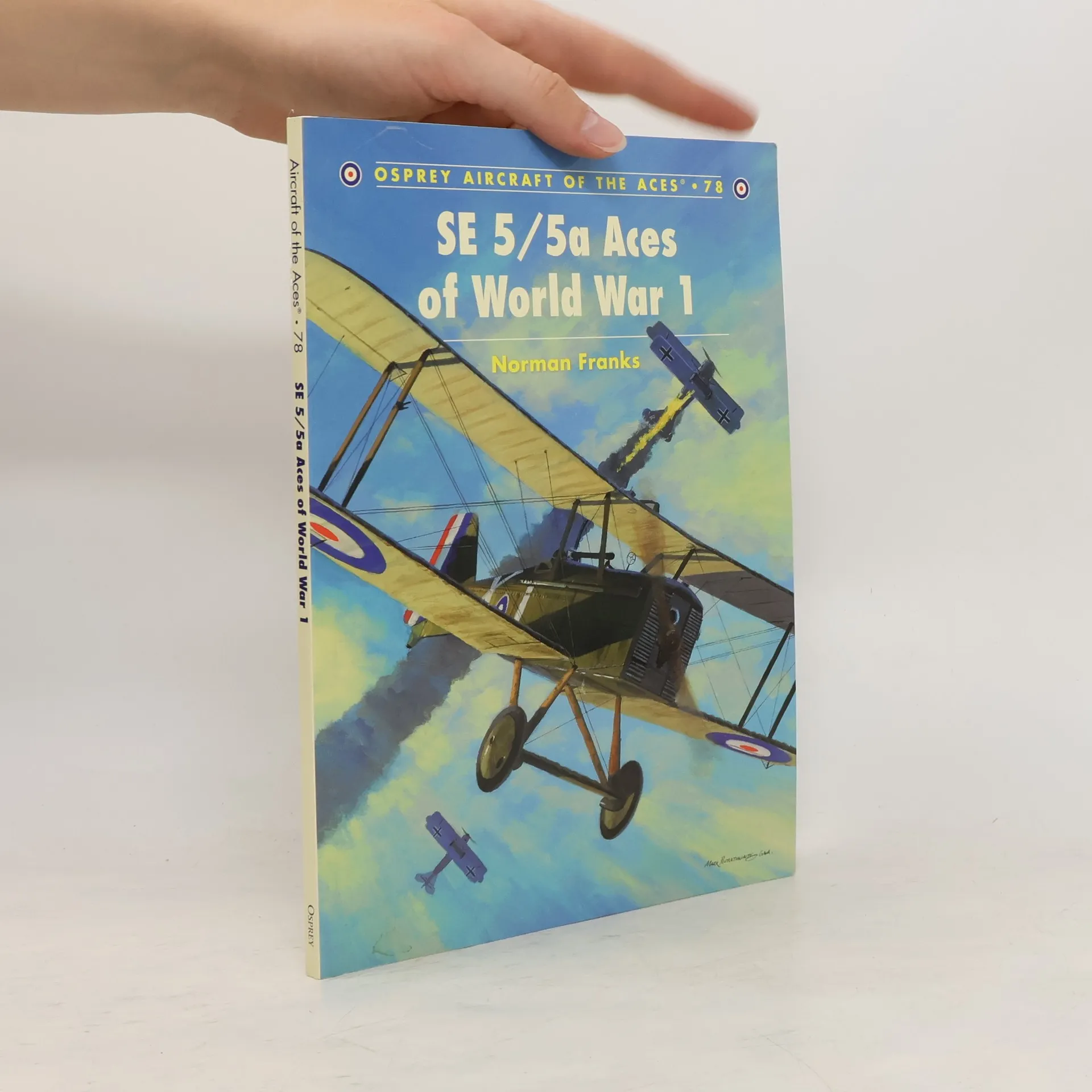
The SE 5/5a British single-seat aircraft was one of the major fighting scouts of the last 18 months of the war in France during World War I and was a true workhorse of the Royal Flying Corps, handling fighter-versus-fighter actions, combating the high-flying German photo-reconnaissance planes as well as balloons. A total of five SE 5/5a pilots, including the legendary Albert Ball, received the Victoria Cross, Britain's highest award for gallantry.A detailed account of the SE 5/5a, this title covers the development of the machine and its first tentative initiation into combat on the Western Front until it grew in stature to become a machine feared by the German Air Service. Packed with first-hand accounts and combat reports, this is a thrilling insight into the dangerous dogfights and fearless actions of the pilots who flew the SE 5/5a, bringing to life the deadly exploits of these "knights of the air" as they dueled for dominance over the Western Front.
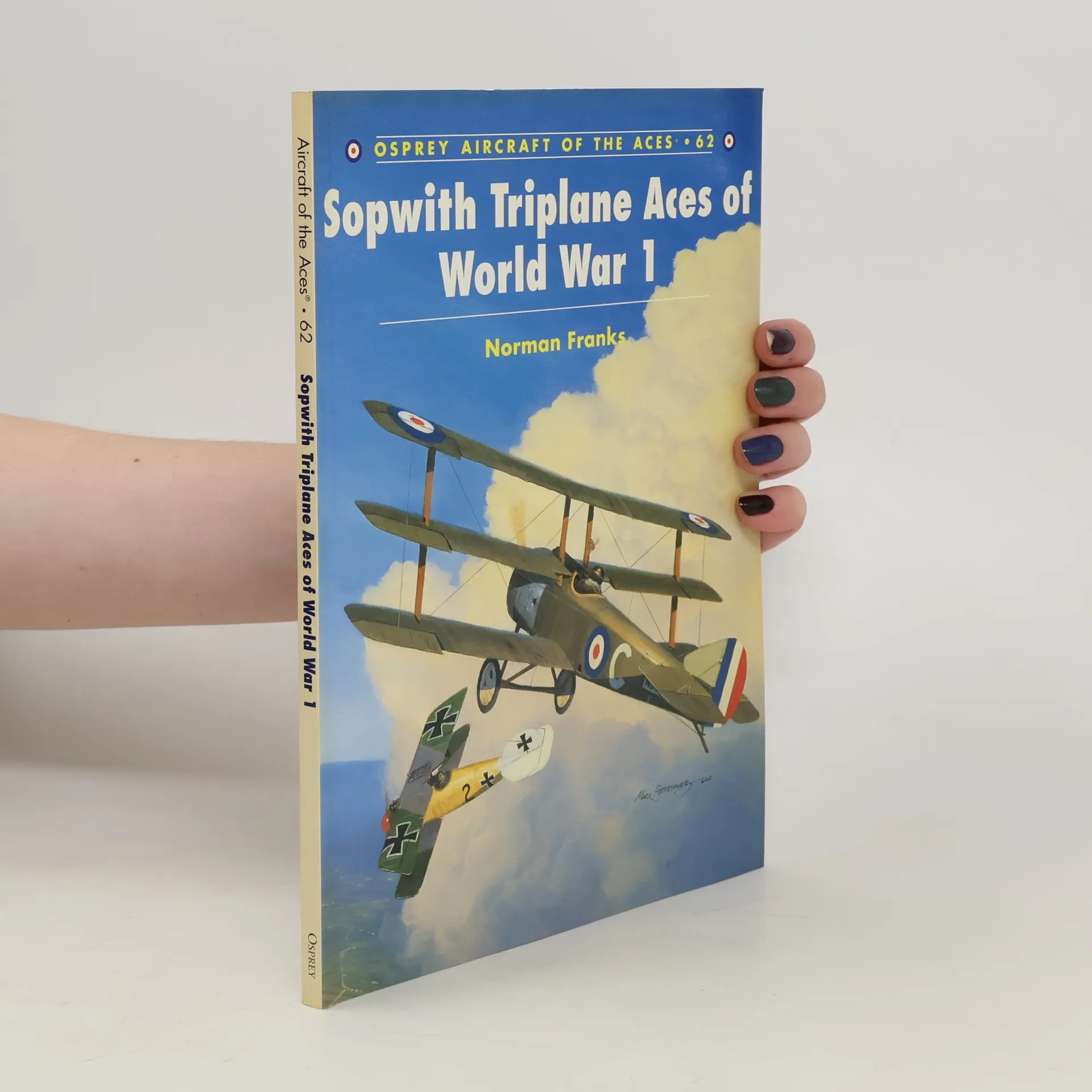
The inspiration behind the iconic Fokker Dr I, Sopwith's Triplane was built as a replacement for the company's hugely successful, and much loved, Pup. Thanks to its massive wing area, the revolutionary Triplane boasted an unmatched rate of climb and greatly improved manoeuvrability. Indeed, when the type made its combat debut in late 1916, the Triplane could easily out-fight any other aircraft operated by either side. Used exclusively by the Royal Naval Air Service and the French Navy, theTriplane had a far greater impact on the aerial war over the Western Front than its meagre production numbers really deserved. Pilots such as Ray Collishaw, Bob Little and Roderic Dallas all enjoyed success in the bloody struggle for aerial supremacy over the Western Front in 1917. The first volume in print devoted exclusively to Triplane aces, this book includes numerous first-hand accounts, detailed appendices, more than 90 rare photographs and over 40 all-new colour profiles and planforms.
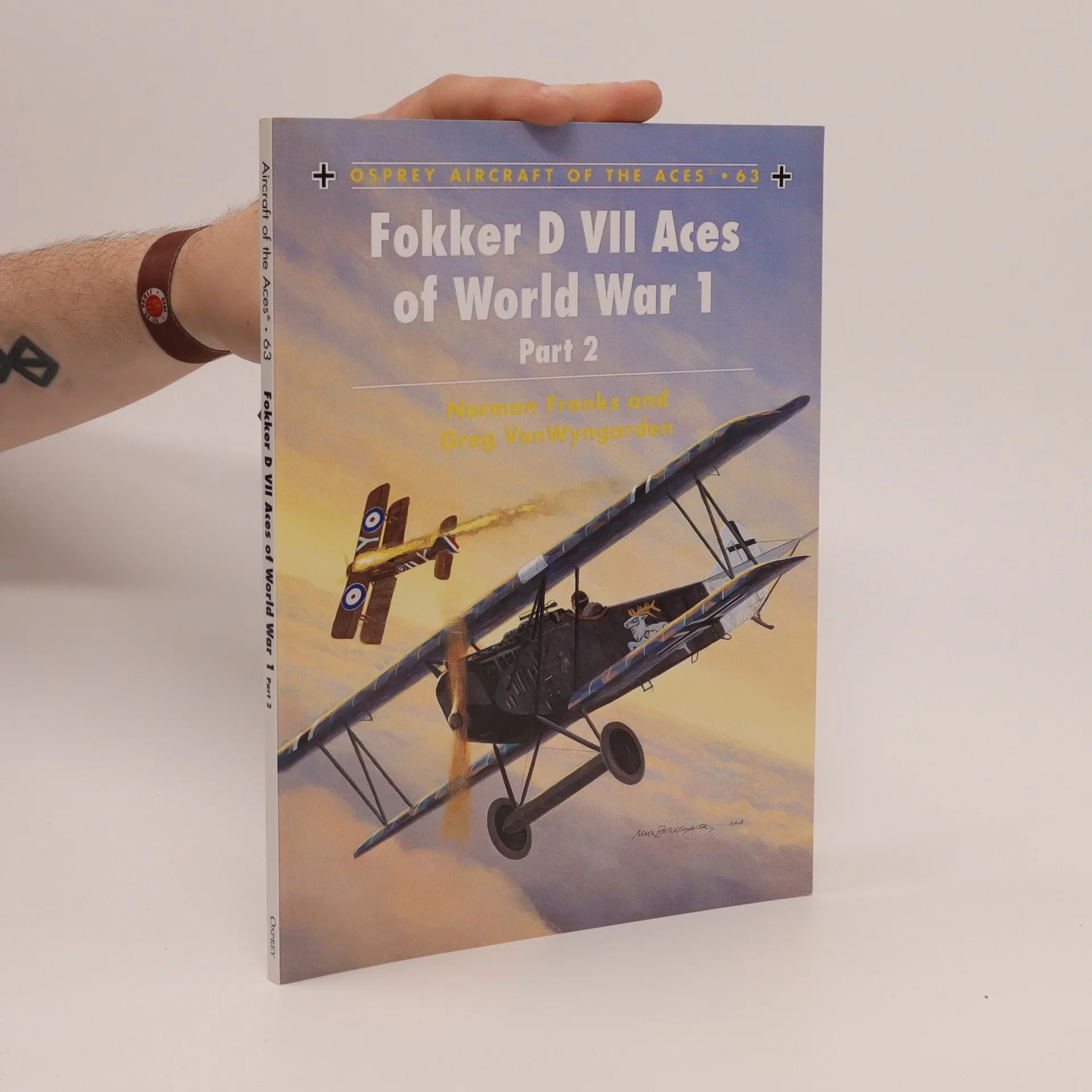
Volume 53 in this series covered Fokker D VII aces from the four elite Jagdgeschwadern of the German army, and this follow-on volume charts the story of the many aces who flew the famed fighter in other units committed to combat in the final months of World War 1. D VII operations covered the entire Western Front, from the North Sea to the Swiss border. In the latter half of 1918 the Fokker was not only the mainstay of the army Jagdstaffeln, but also the most potent fighter flown by home defence Kests and the pilots of the German navy in Flanders. The D VII easily proved the equal of the many British, French, Belgian and American aircraft it met in combat, and served in such roles as day bomber interceptor, 'balloon buster' and nightfighter. Though handicapped by a lack of fuel and other supplies as the German war machine fell apart, aces such as Sachsenberg, Degelow and Rumey utilised the D VII to rack up impressive scores against consistently superior odds.
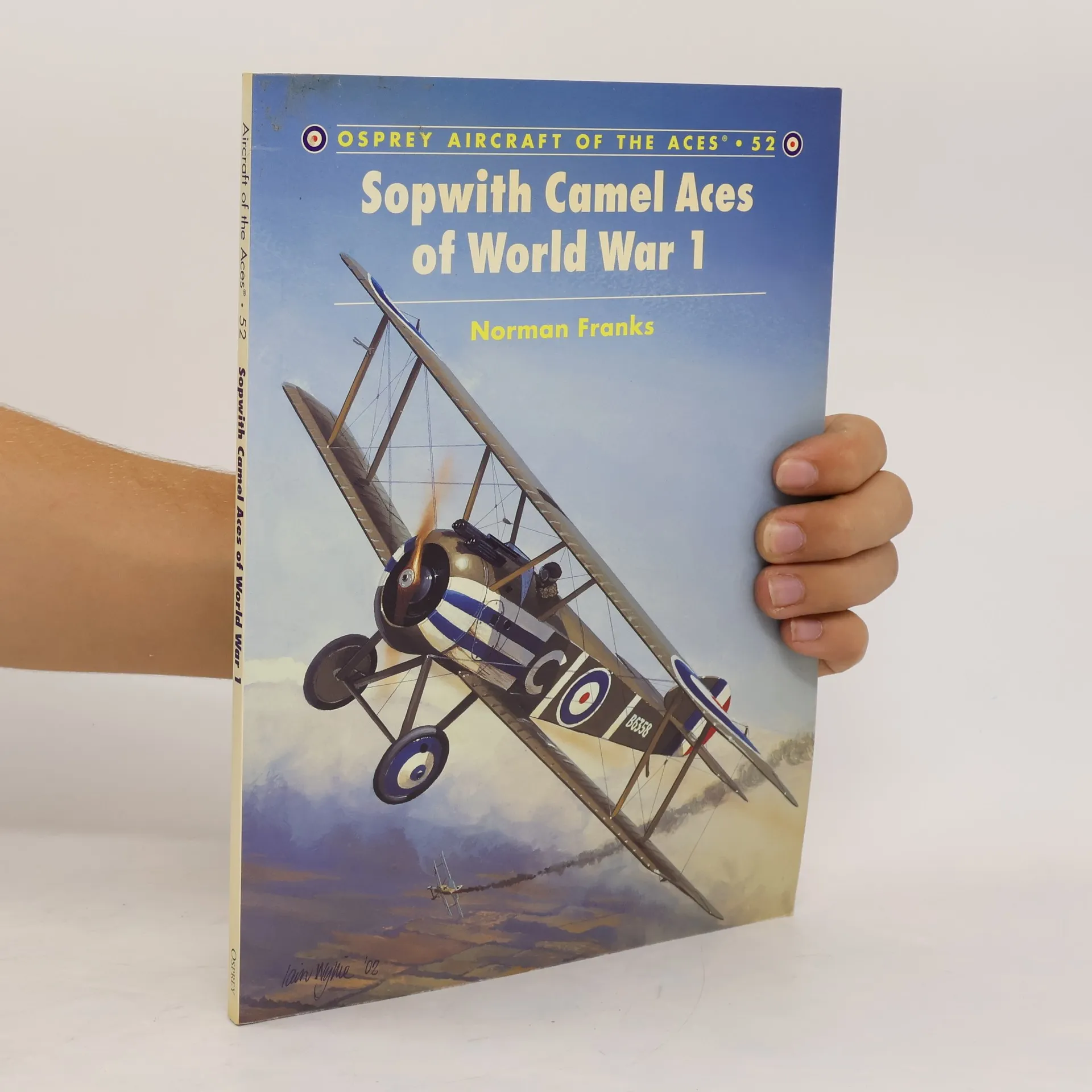
Responsible for destroying 1294 enemy aircraft between June 1917 and November 1918, the Camel was the most successful fighting scout employed by either side in terms of the sheer number of victories that it scored. The Camel was renowned for its sensitivity and need for skill and experience, and casualties amongst pilots undergoing training on the type were very high. More than 5490 examples were constructed, and this book covers its combat use on the Western Front, in Palestine, on the Italian front, in the Home Defence role in the UK and in Russia.
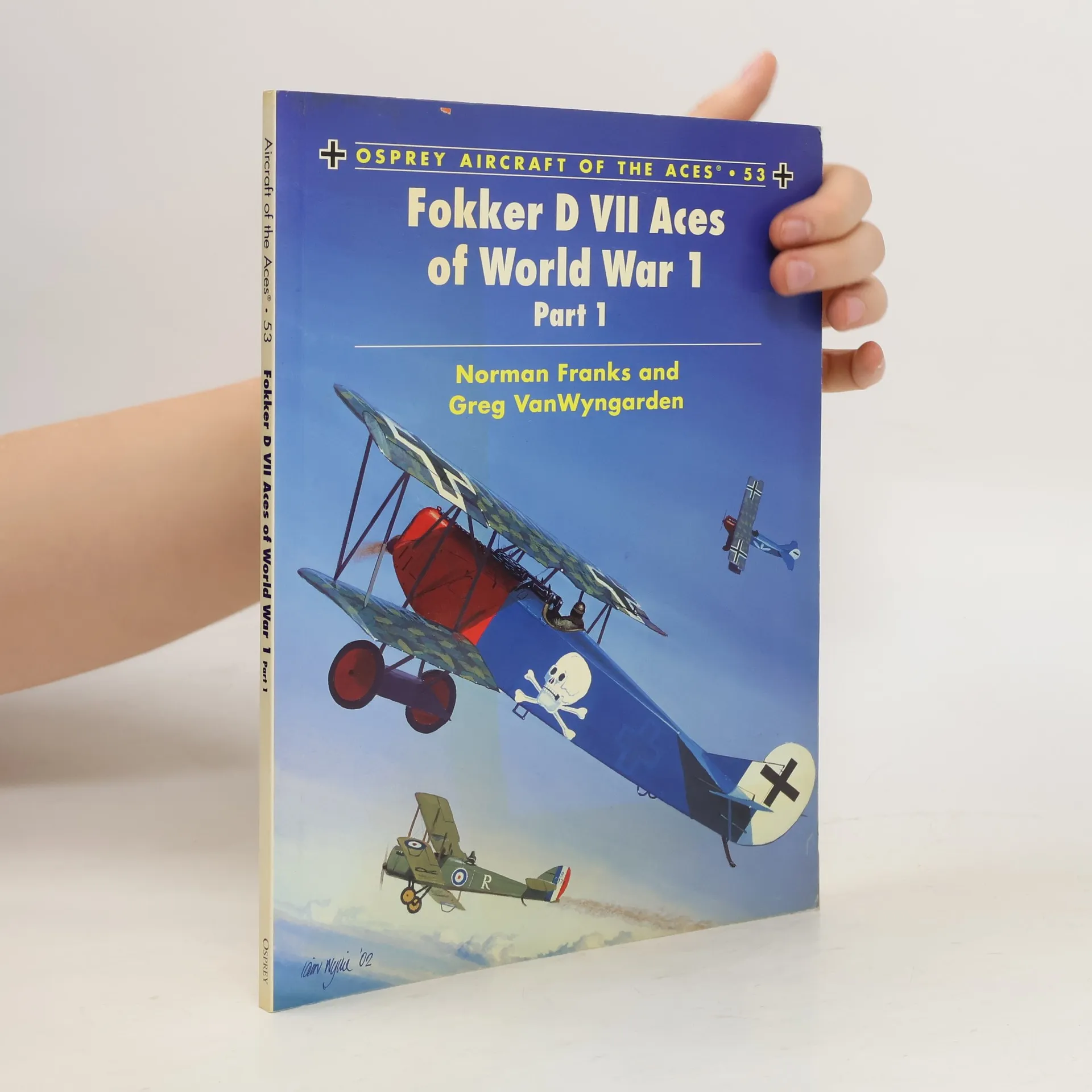
Designed in a great rush at the end of 1917 just in time to take part in the German standard fighter competition held in January/February 1918, the D VII easily walked away with first prize. As Germanys premier fighter unit, von Richthofens JG I (led by Hermann Göring in the wake of the 'Red Baron's' recent death) received the first examples of the D VII to reach the frontline in late April. Built to oppose the new generation of French SPAD XIIIs and British SE 5as and Camel fighters, the D VII was arguably the best all-round fighting scout of the Great War.
Po celou druhou světovou válku vedla RAF dlouhou a trpkou bitvu proti německým ponorkám. Její posádky podnikly tisíce letů podél pobřeží Británie, nad Severním mořem, Biskajským zálivem, v okolí Islandu a nad Atlantikem. Kromě toho poskytovaly vzdušné krytí a prováděly protiponorkové hlídky jak východně, tak západně od Gibraltaru, podle západního pobřeží Afriky, okolo Azorských ostrovů, nad Středozemním mořem a dokonce i nad Indickým oceánem Tato kniha uvádí seznam všech zničených nebo vážně poškozených ponorek, který doplňují popisy soubojů, k nimž došlo mezi letouny a ponorkami. Zároveň uvádí podrobnosti o letadle a jeho posádce, která se akce zúčastnila
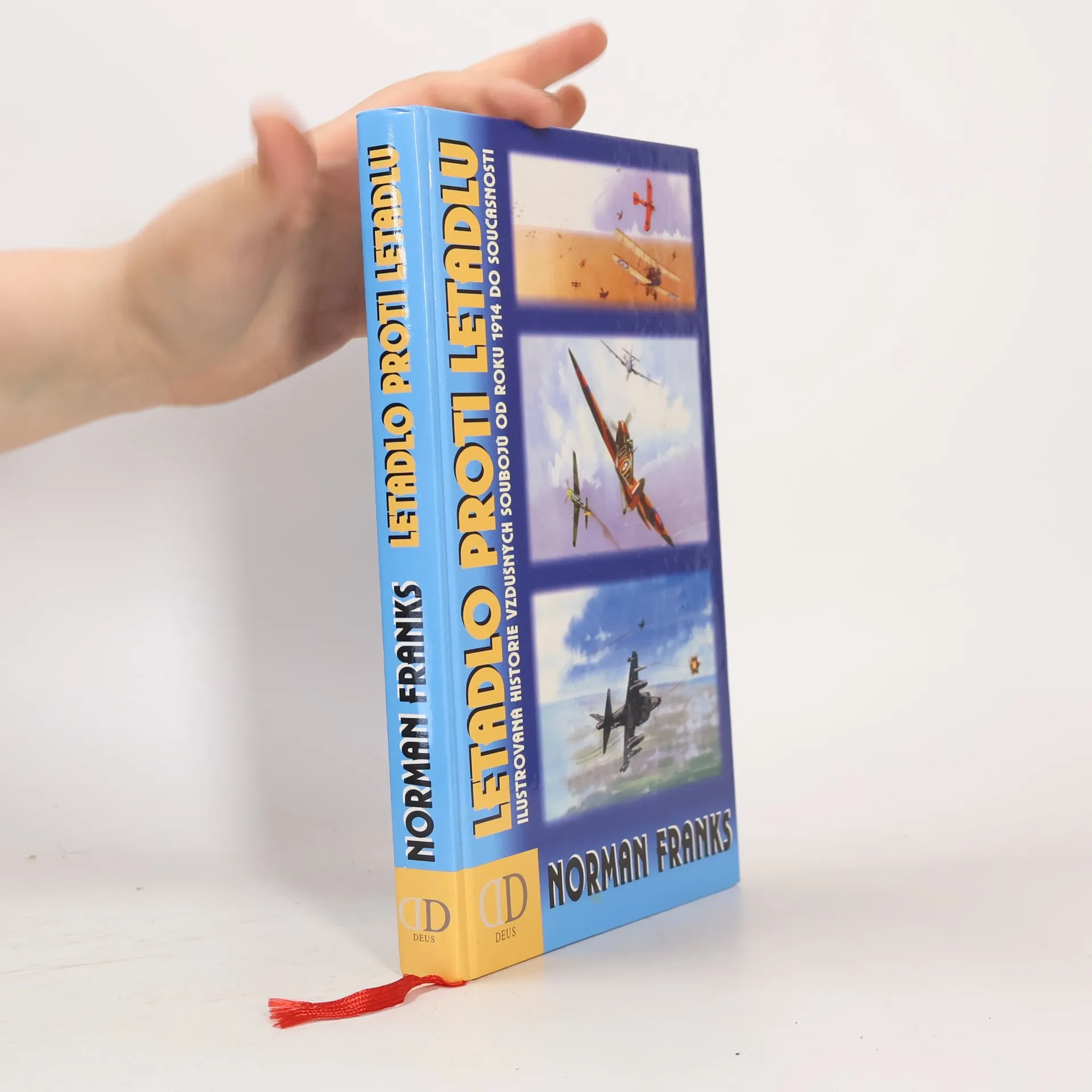
Ilustrovaná historie vzdušných soubojů od roku 1914 do současnosti. Jakmile se ukázalo, že letoun je využitelný v boji, stal se okamžitě cílem - a zrodil se stíhací pilot. Kniha letadlo proti letadlu vypraví fascinující příběh statečných a houževnatých mužů a jejich letounů od prvních dnů vytváření základních taktik až po složité technologie dneška. Autor v knize přibližuje strategii a taktiku vzdušných bojů z první a druhé světové války, z války v Koreji, Vietnamu, z války o Falklandy a z Perského zálivu. Norman Franks je světově proslulá autorita v oblasti letectví a autor či spoluautor více než čtyřiceti knih. V nedávné době se autorsky podílel na knihách Poslední let Rudého barona, Největší vzdušná bitva a Pod palbou Rudého barona. Je členem sdružení historiků zaměřených na letectví v první světové válce.
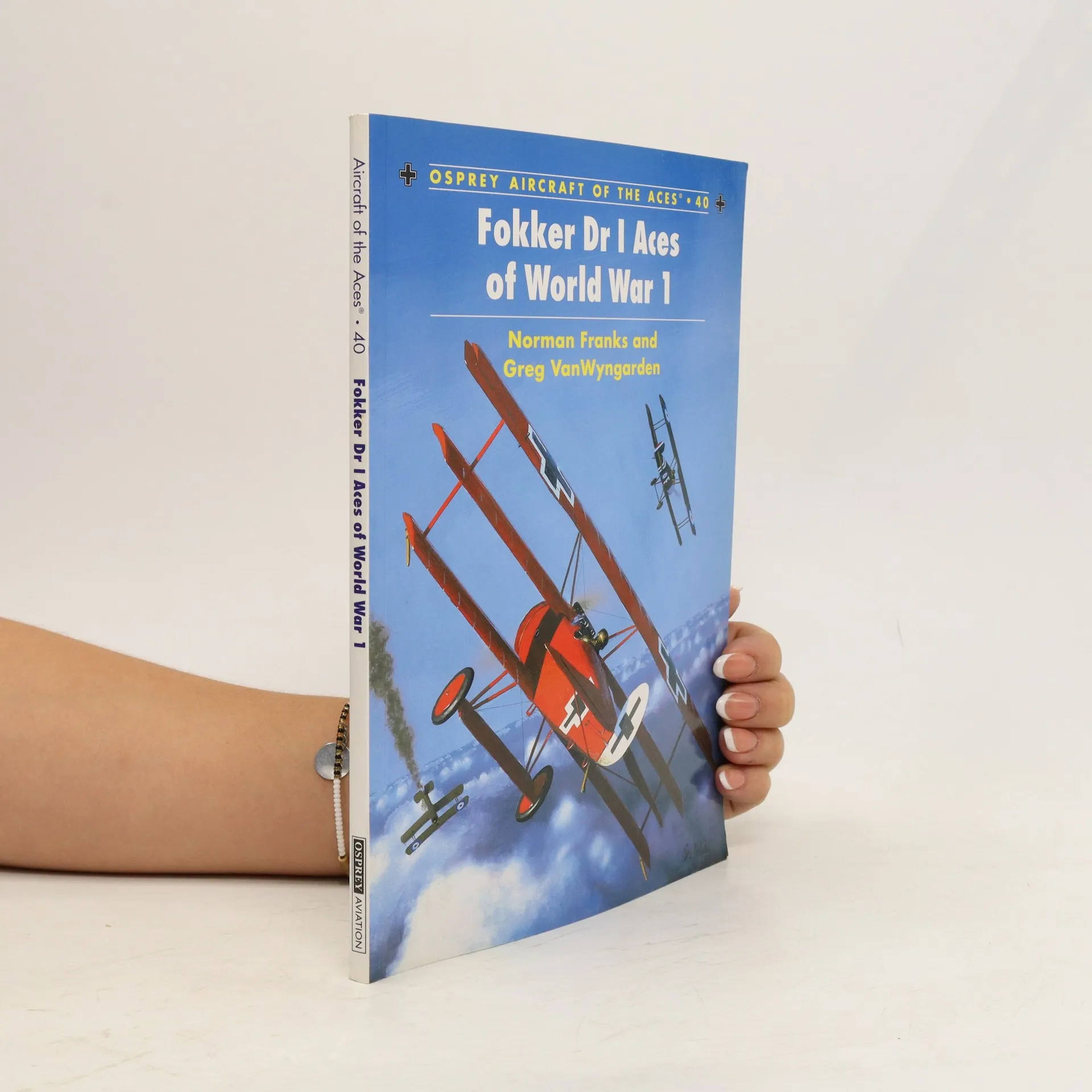
Undoubtedly the most famous fighter type to see service on either side during World War 1, the Fokker Dr I was a revelation when it entered service on the western front in 1917. Manfred von Richthofen's JG 1 'circus' was the first Jasta to completely re-equip with the new fighter, and in the skilled hands of its numerous aces the Dr I proved a formidable opponent. The Dr I remained in service on the Western Front until replaced by the superior Fokker D VII in May 1918. Just weeks prior to that, however, Germany's leading ace, the great 'Red Baron', had been killed at the controls of a Dr I.
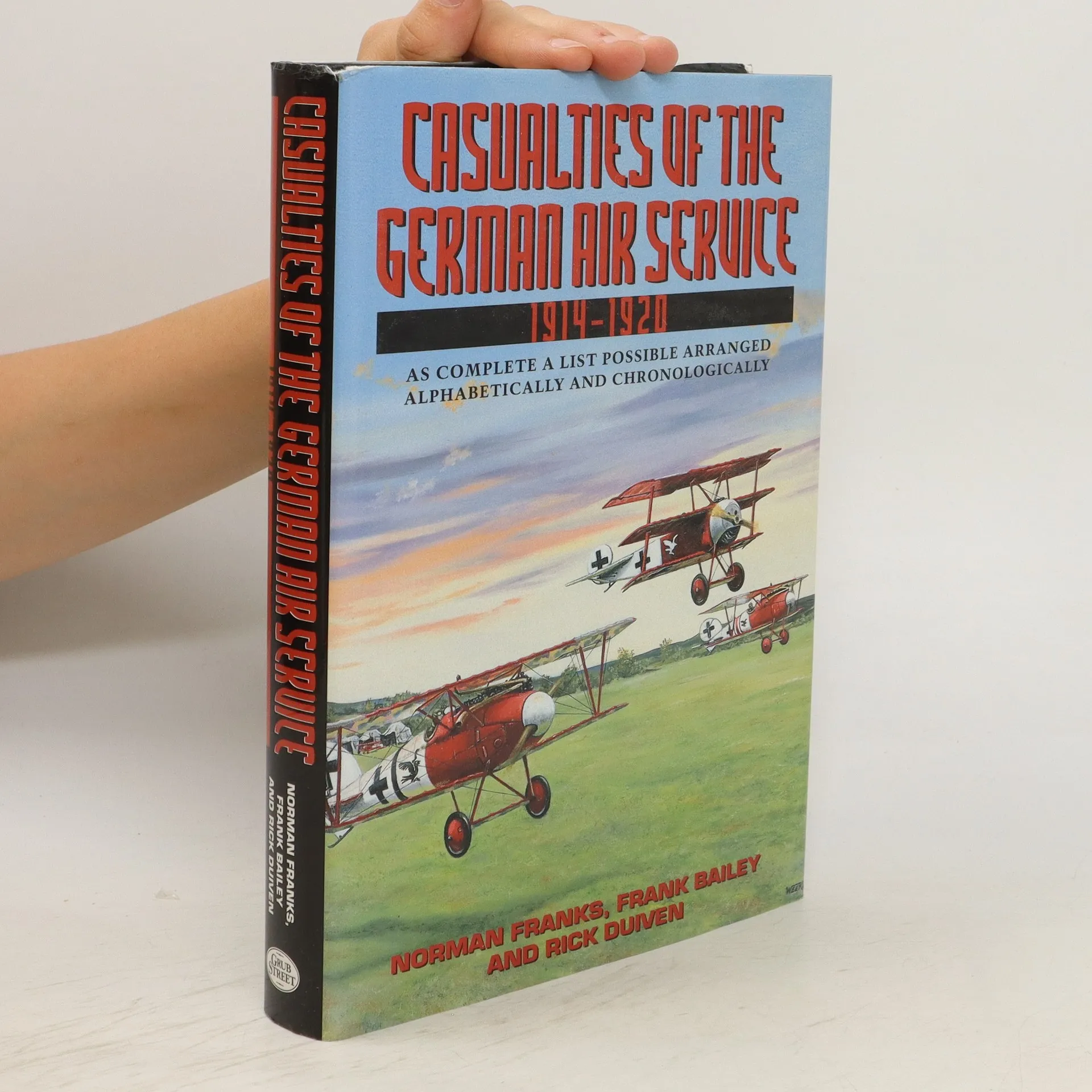
A chronological A-Z reference of casualties of the German Air Service from 1914-20. Cross references can be made and all deaths are listed, whatever the cause. In addition, the date and place of birth of each airman is given, together with his place of death, first name(s) and rank.
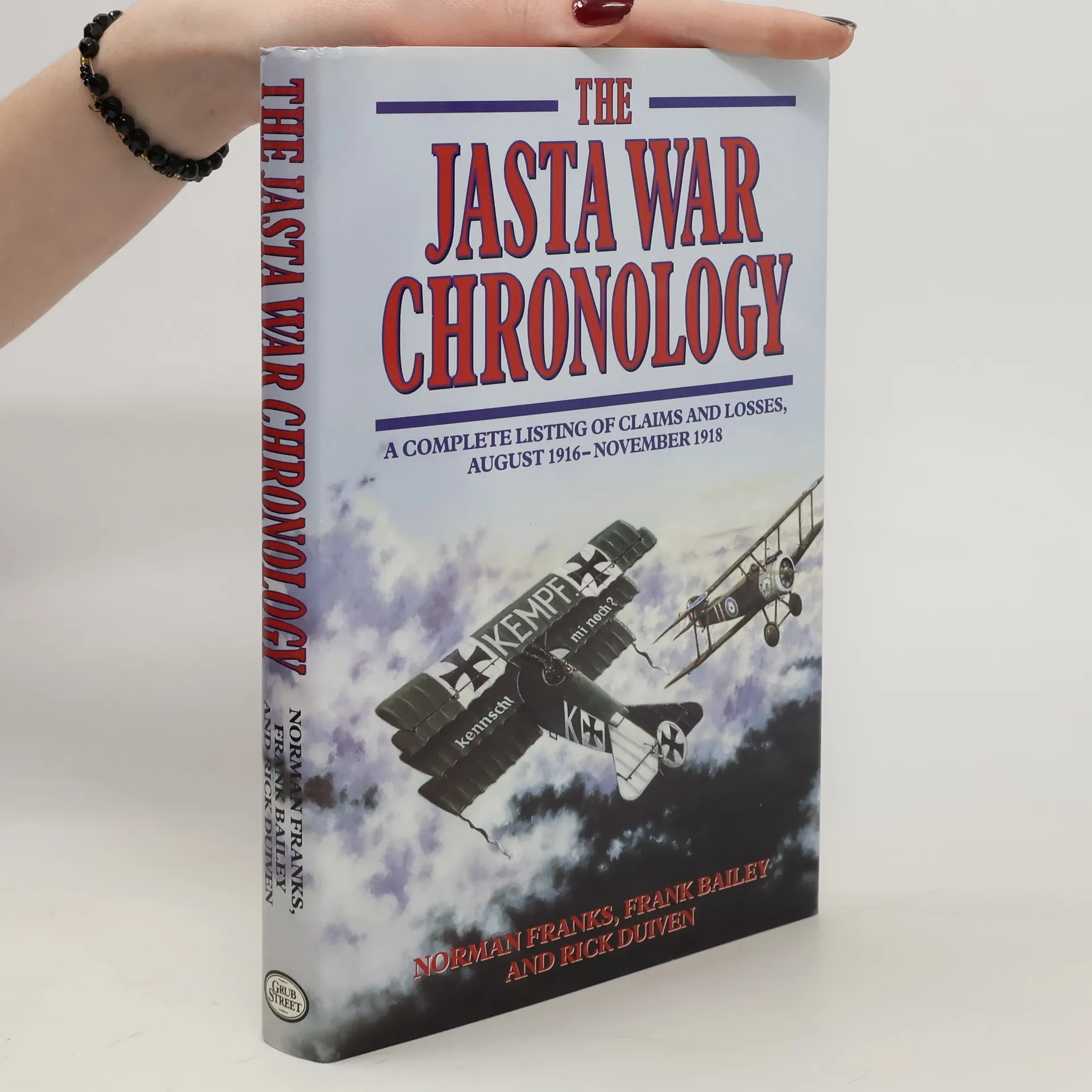
The German Jastas were formed as dedicated hunting units, and to protect their own two-seater aircraft while attacking enemy planes. Because of these roles, the Jasta units saw more action than any other group in the war. Following on from "Jasta Pilots", the same team of authors have compiled this volume which gives a complete breakdown in date order of the claims and losses since the Jasta squadrons were formed in the late summer of 1916.
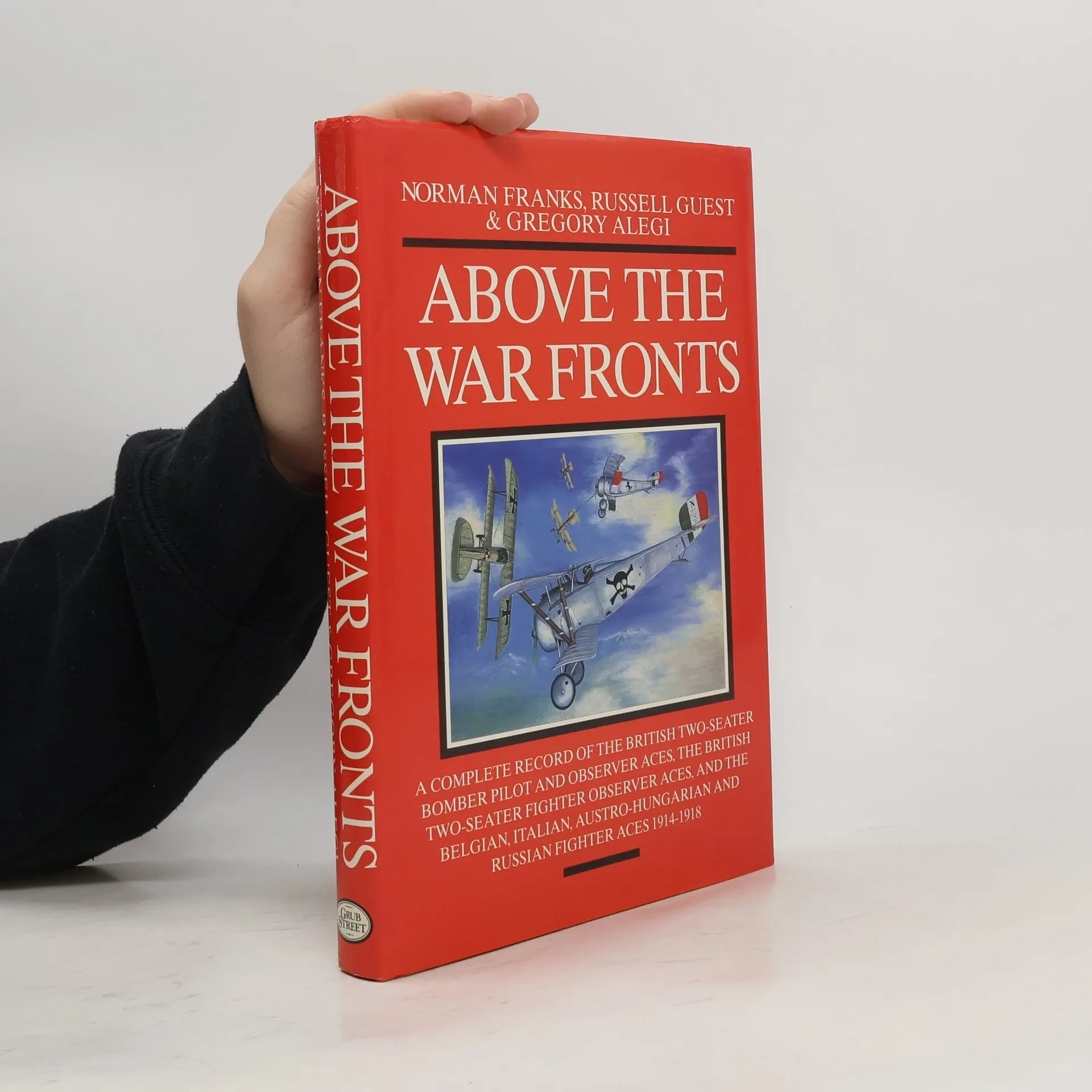
Norman Franks and Russell Guest continue in their research to record the lives and scores of these "aces" of World War I. Gregory Alegi joins them in this volume, with his knowledge of Italian aces, to produce detailed biographies of Italians and Austro-Hungarians, Belgian and Russian aces.
Much has been written about Manfred von Richthofen's last flight and combat on the morning of April 21st 1918, and much controversy remains to this day. Both authors have travelled to the sight of Richthofen's final crash, studied the landscape and have discovered what many eye-witnesses of the time could see, and more importantly, what they could not have seen.During research for "Under the Guns of the Red Baron", a file of letters written by eye-witnesses to von Richthofen's crash, dated in the 1930s, was discovered. These letters were written many years before later reports became clouded in the mists of time.The final result is a detailed account of von Richthofen's last flight in which he persued a Sopwith Camel across the allied front line, and ended in a mortal wound from a single bullet.
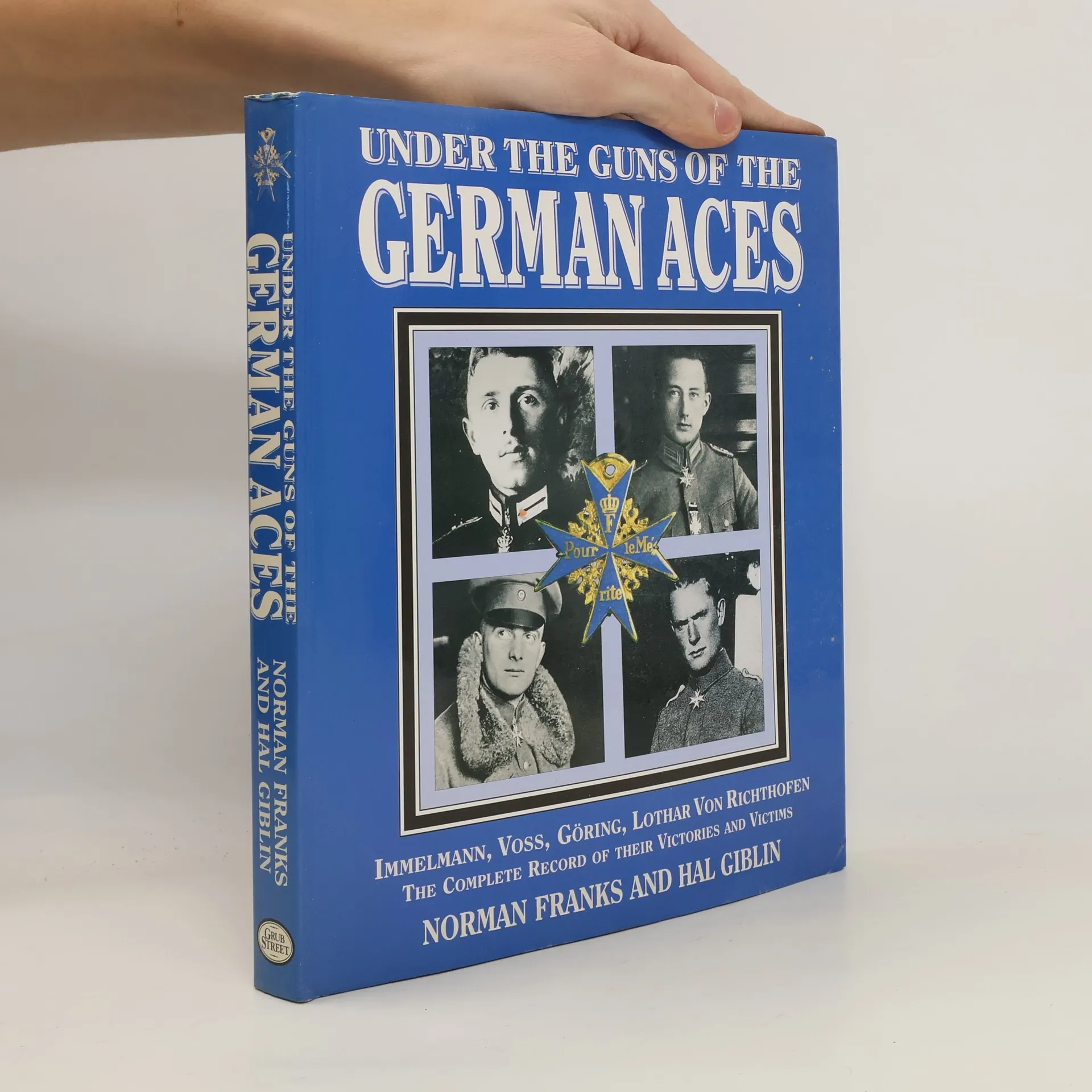
Four distinguished German air aces of World War I, and their battles with Allied airmen are profiled in this book. Max Immelmann, the Eagle of Lille accounted for 17 British and French aeroplanes, Werner Voss's victories amounted to 48, thirdly the infamous Herman Goring, who gained 22 victories, and finally Lothar Von Richthofen, younger brother of the Red Baron. All four men received Germany's highest award for bravery in action, the famed Blue Max. In total 124 victories are recorded and analyzed in detail, and there are in-depth personal portraits of the men who were unlucky enough to find themselves under the guns of these deadly German aces.
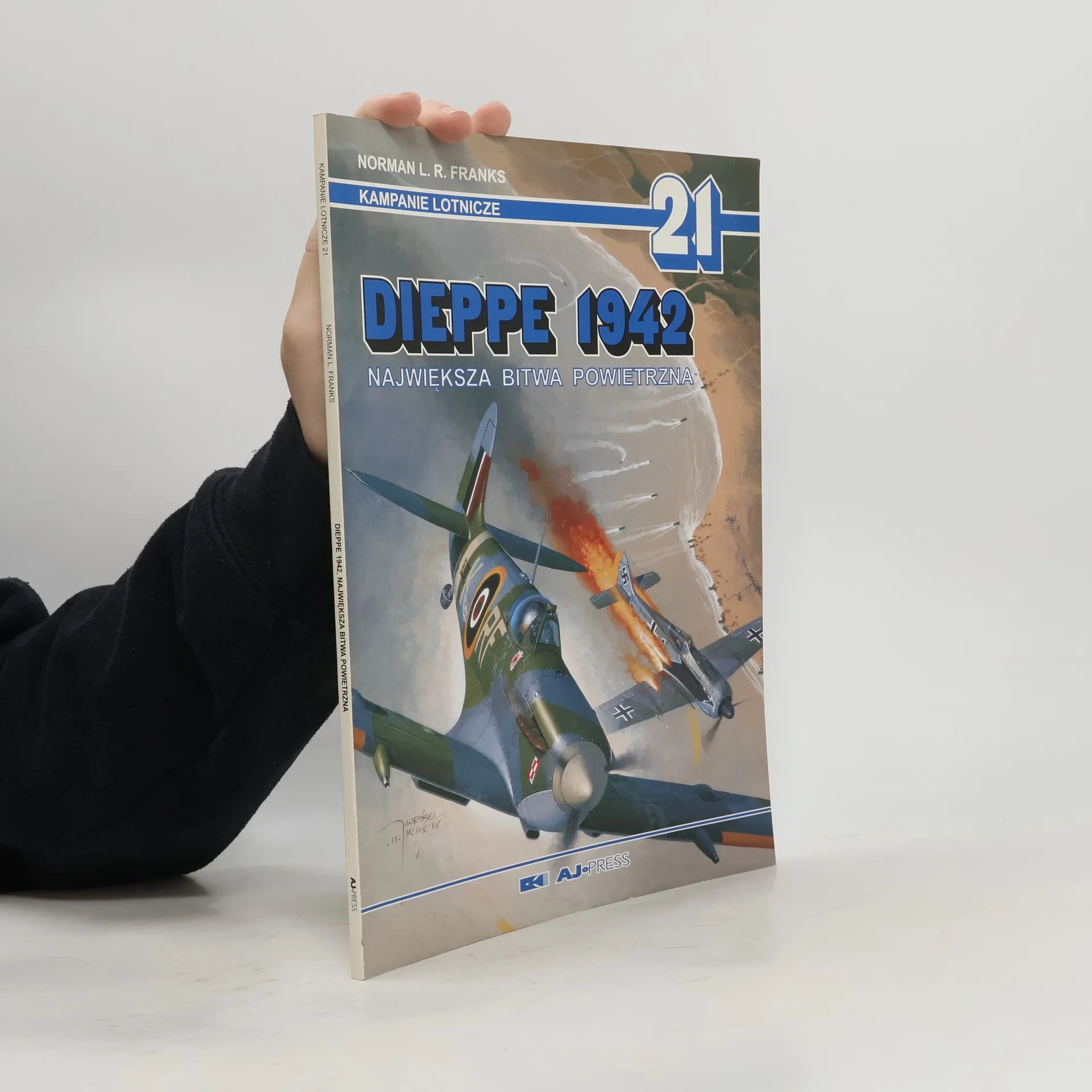
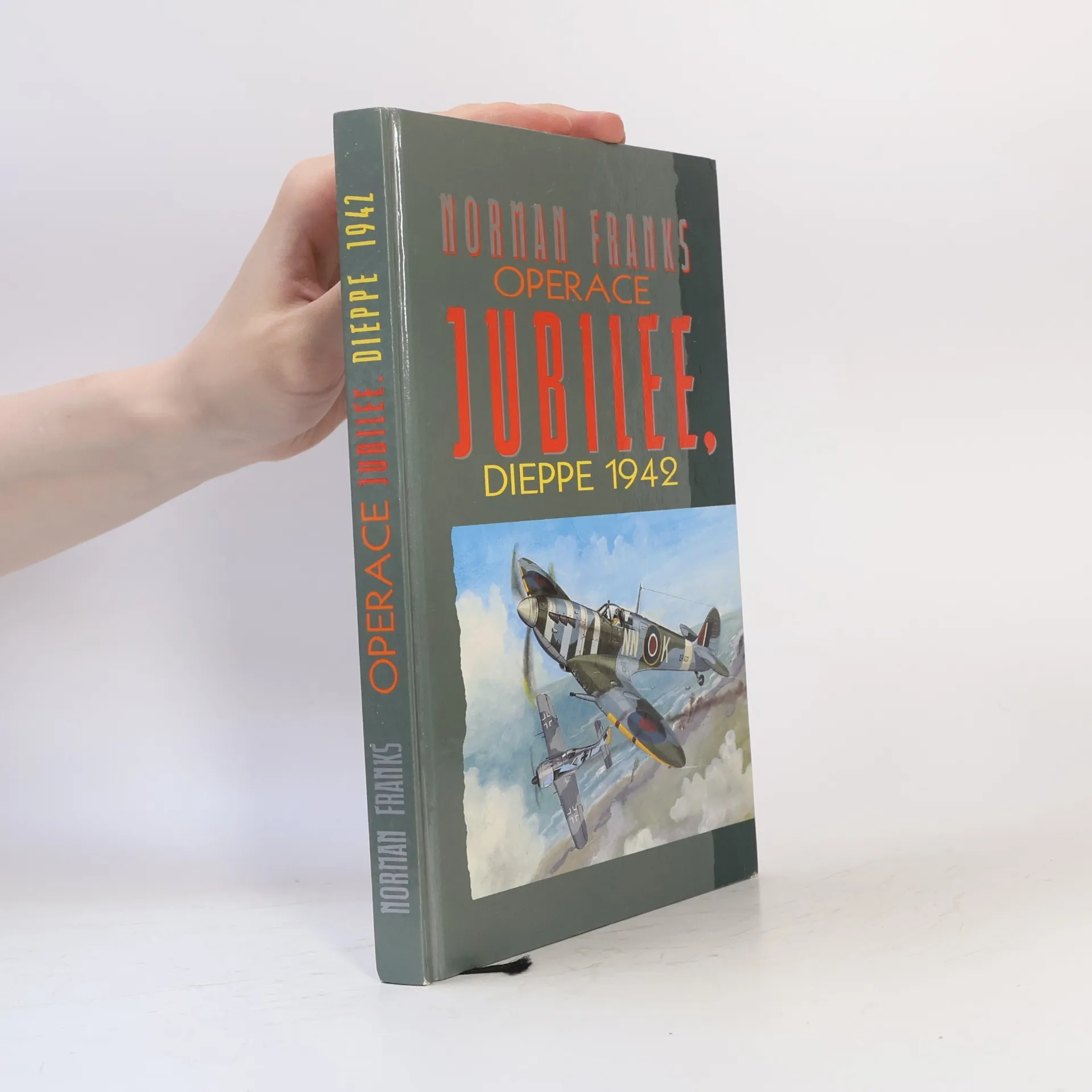
Devatenáctého srpna 1942 proběhlo na francouzském pobřeží u Dieppe spojenecké vylodění. Zatímco na plážích umírali příslušníci kanadské 2. divize, nad nimi zuřila letecká bitva. S letouny Luftwaffe se utkalo na tři tisíce spojeneckých letců. V jejich řadách bojovali nejen Britové a Američané, ale také Francouzi, Poláci, Norové, Češi... Kniha přináší podrobný popis všech akcí, které letci v rámci operace podnikli. Tento výčet je prokládán vzpomínkami účastníků a zakončen podrobným přehledem zúčastněných jednotek, výčtem hlášených spojeneckých sestřelů a souhrnem ztrát. Nechybí zde ani kompletní pooperační hlášení velitele leteckých sil RAF pro tuto operaci - AM Leigh-Malloryho....
A photo-illustrated list of all the pilots who served in the feared German Jagdstaffeln ("Jastas" or "hunting units".)
Kniha o Operaci Bodenplatte ze dne 1. ledna 1945, která byla posledním velkým pokusem německé Luftwaffe uštědřit spojeneckému letectvu paralyzující úder a zvrátit tak vývoj vzdušné války ve svůj prospěch.
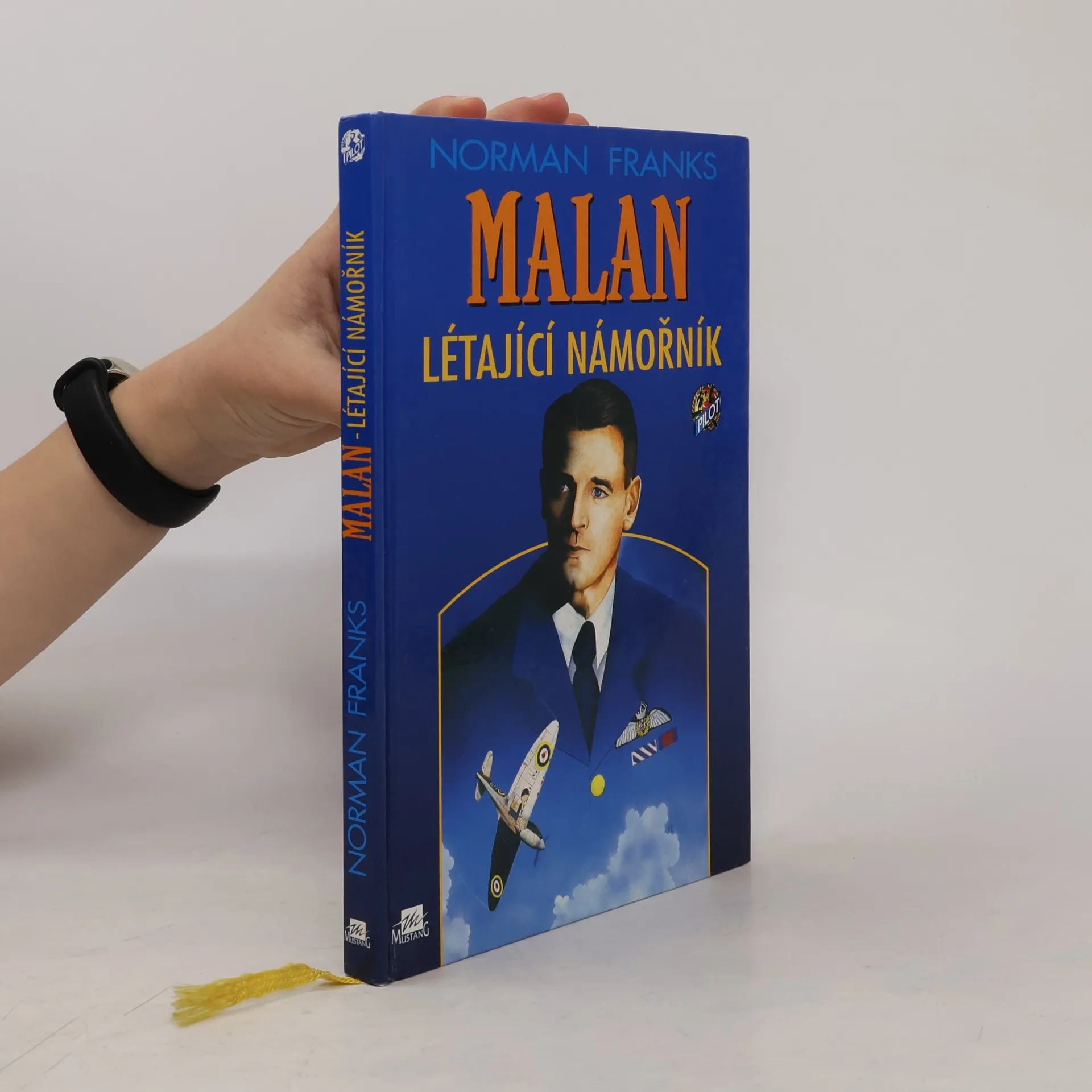
Námořník obchodního loďstva, který se v pětadvaceti stihl stát pilotem RAF. Pro Luftwaffe to byla smůla - ve válečných letech za to měla draze zaplatit. Sailor Malan sestřelil sám a ve spolupráci celkem třicet pět německých letounů. Byl vynikajícím střelcem a rozeným velitelem. Jednou řekl: "Vzlétnout v září 1940 se Spitfirem bylo jako vstoupit do temné místnosti, kde vám za zády mává nožem šílenec." Malan tento práh překročil mnohokrát, přežil a stal se pro Brity symbolem odhodlání zastavit německý nápor.
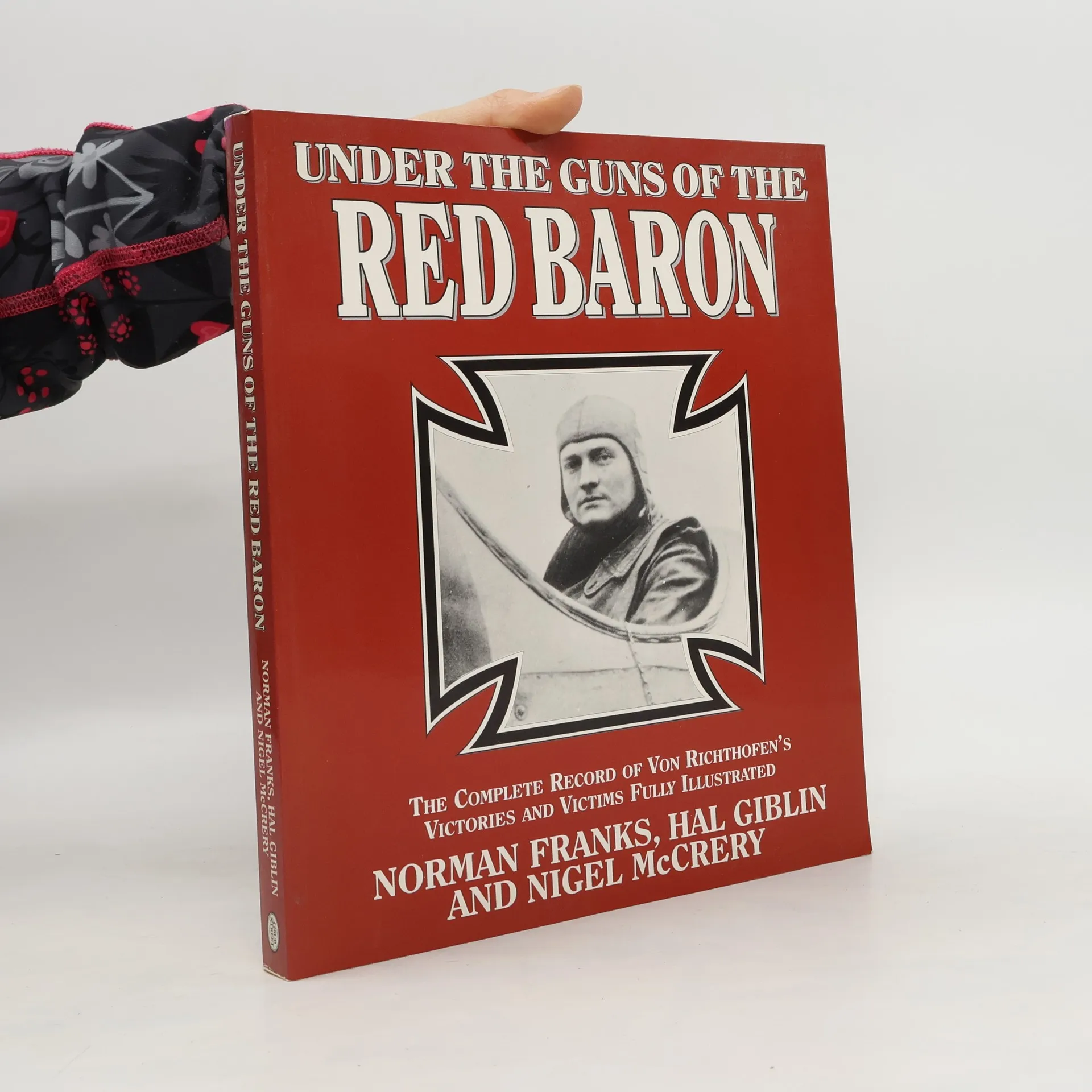
The Complete Record of Von Richthofen's Victories and Victims Fully Illustrated
This is not a study of von Richthofen's life or death, but of the men he shot down. It is an up-to-date reference book covering the 123 men von Richthofen is reputed to have brought down while amassing his score of 80 victories over Allied aircraft between September 1916 and April 1918. The backgrounds of the men he fought are documented, and the later lives of those who survived the encounter with the Red Baron are also fully reported.
Přímý, čestný a občas drsný, tak je možné charakterizovat C.J.Sheddana, jednoho z pilotů sloužících v novozélandské peruti na Typhoonu a Tempestu. Děj je nabit řadou dramatických akcí proti pozemním i vzdušným cílům.
Tato kniha seznámí českého čtenáře s mnoha u nás dosud málo známými skutečnostmi letecké války 1939-45. Základem jsou osudy válečného pilota Paula Richeyho, který se bojových operací účastnil od samého počátku války až do porážky Německa v roce 1945. Byl sám několikrát sestřelen a nakonec i zraněn. Po vyléčení se na jaře 1941 znovu vrátil k operačnímu létání právě v době, kdy začala letecká ofenziva RAF. Kniha nejen detailně popisuje letecké souboje ale vypráví i o řadě letců, letounů, stejně jako o taktických otázkách letecké války, což z ní činí neobyčejně zajímavé čtení....
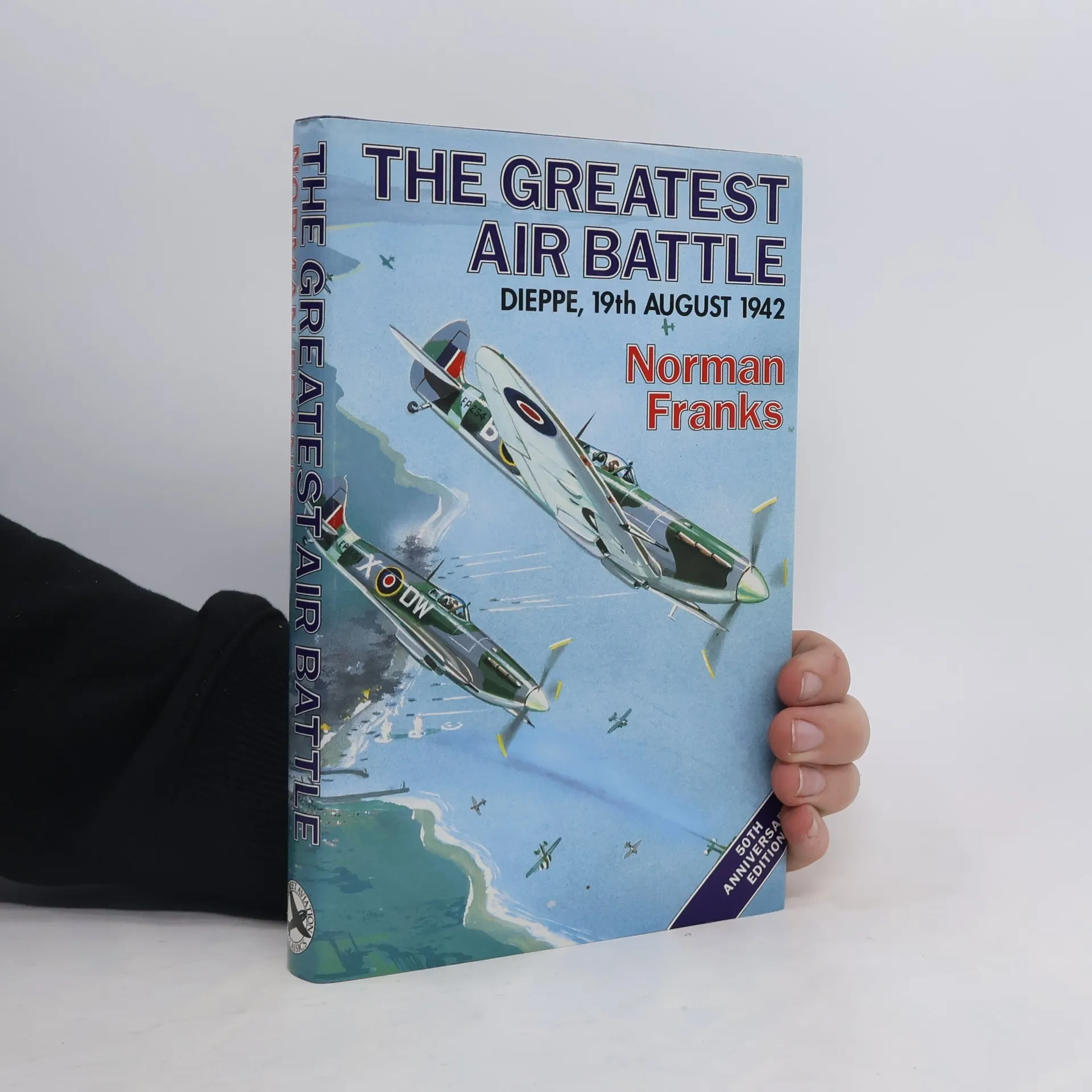
When Canadian troops and British Commandos made their now famous "reconnaissance in force" against the harbor town of Dieppe in August of 1942, they were supported and protected by the largest array of Royal Air Force aircraft -- over 3000 aircraft took part -- ever seen in WWII until that time.
Battle of Britain, Pearl Harbor, Midway, D-Day, Battle of the Bulge, Okinawa