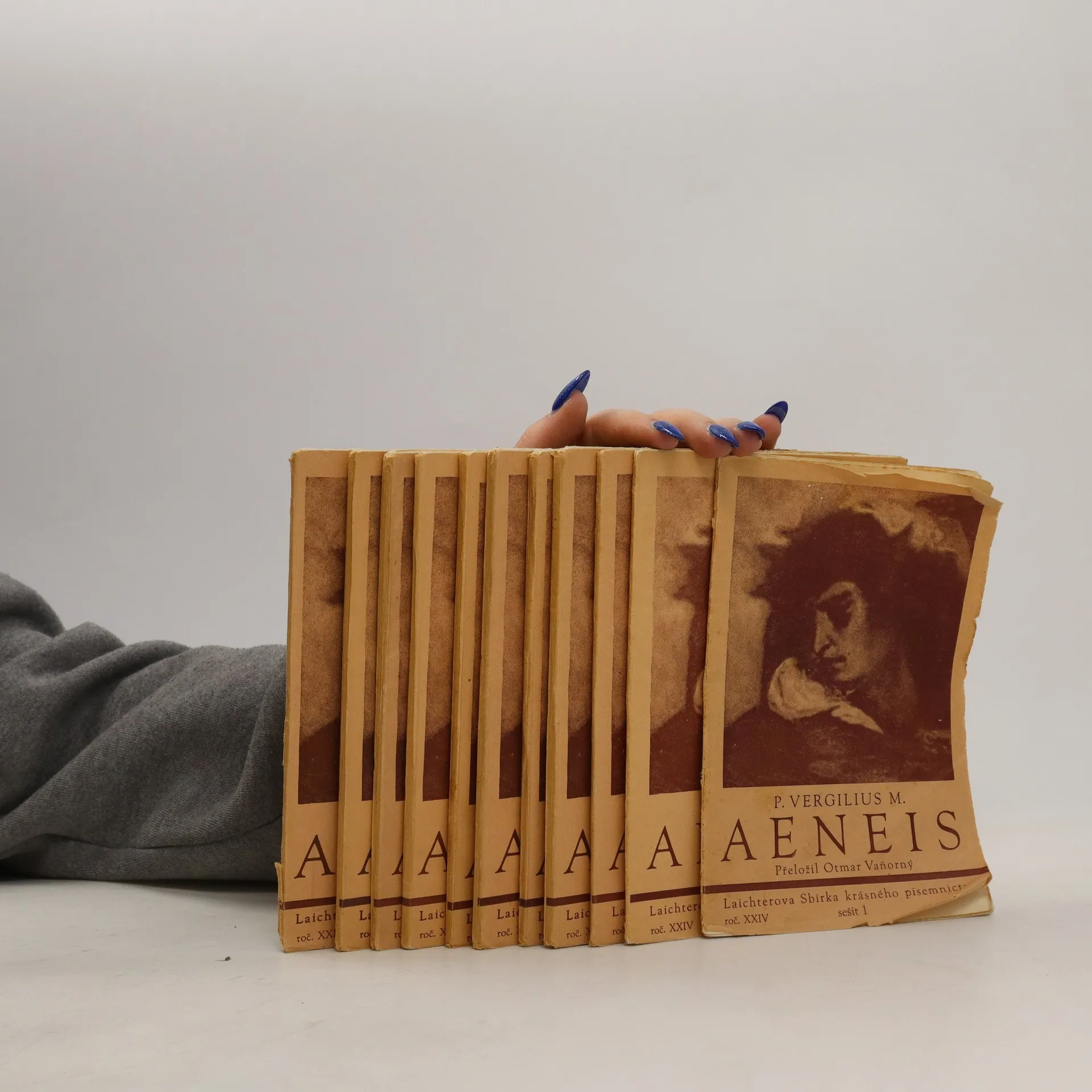
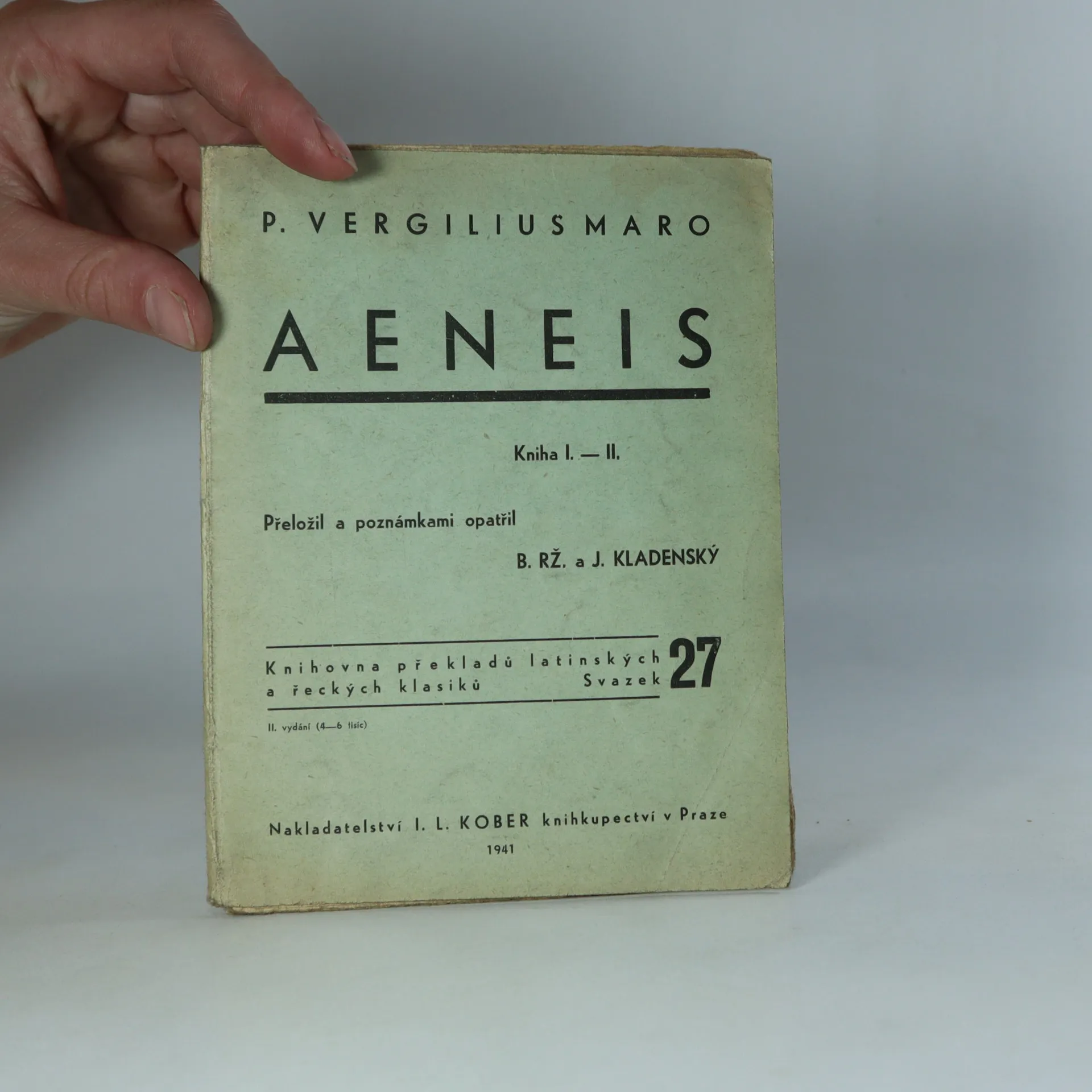
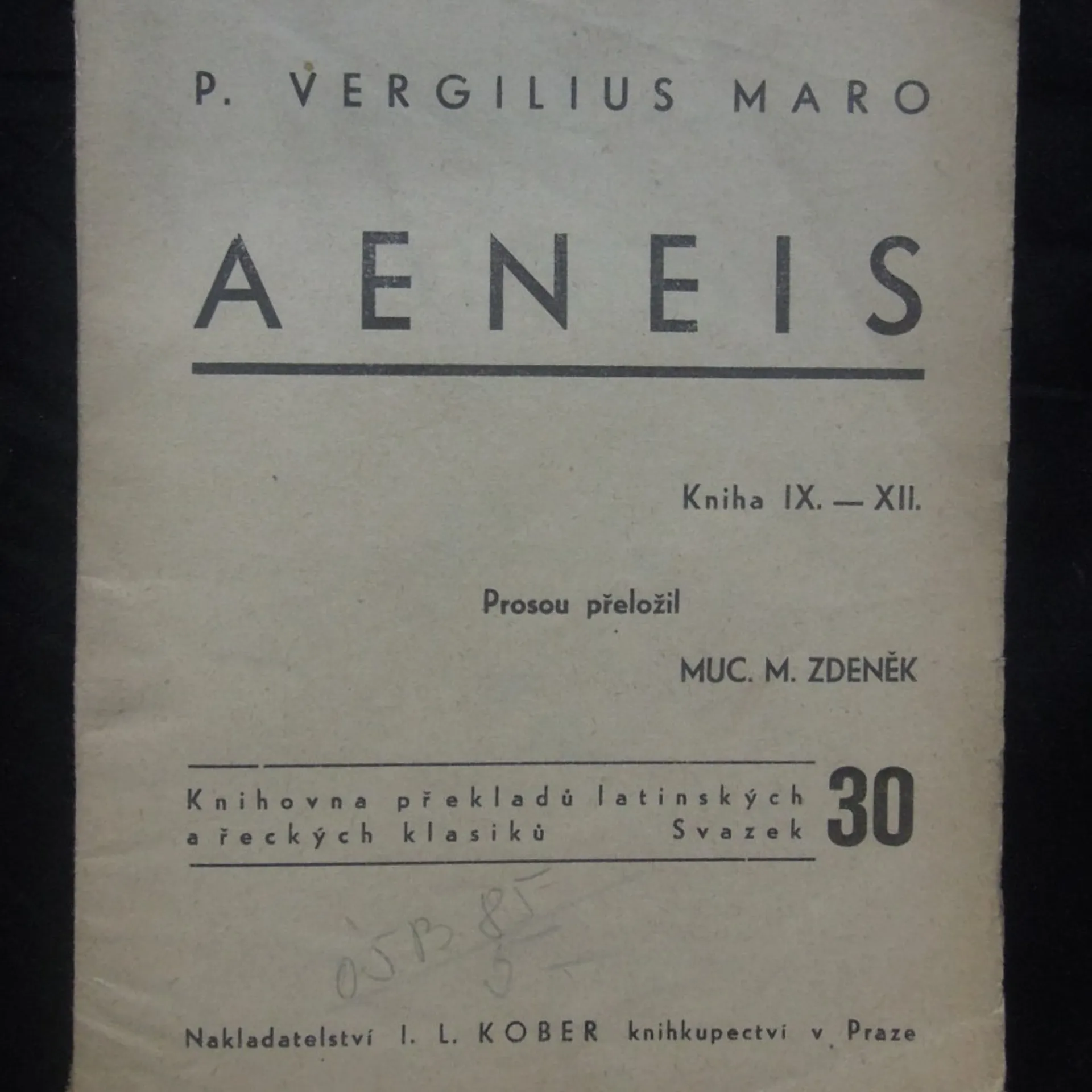
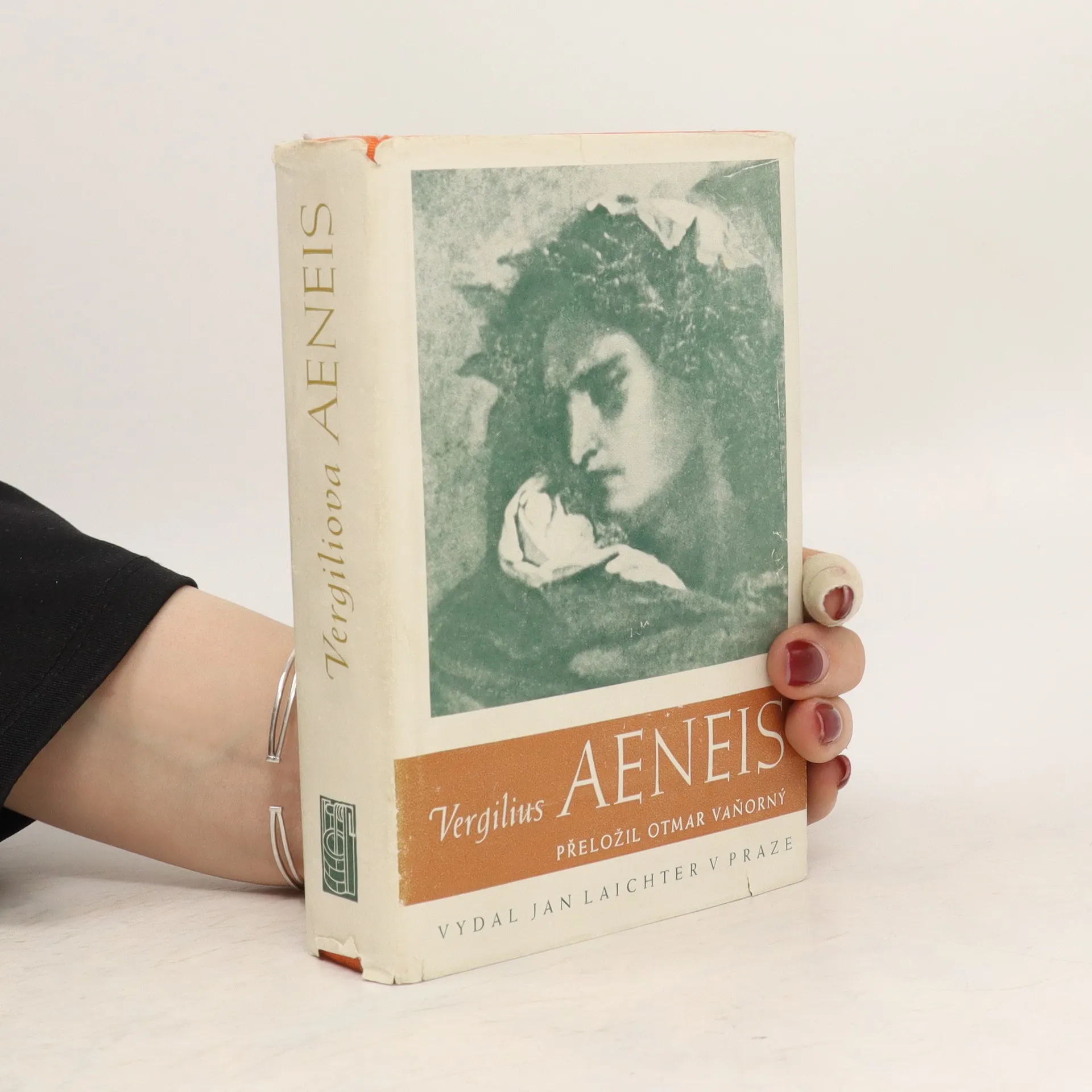
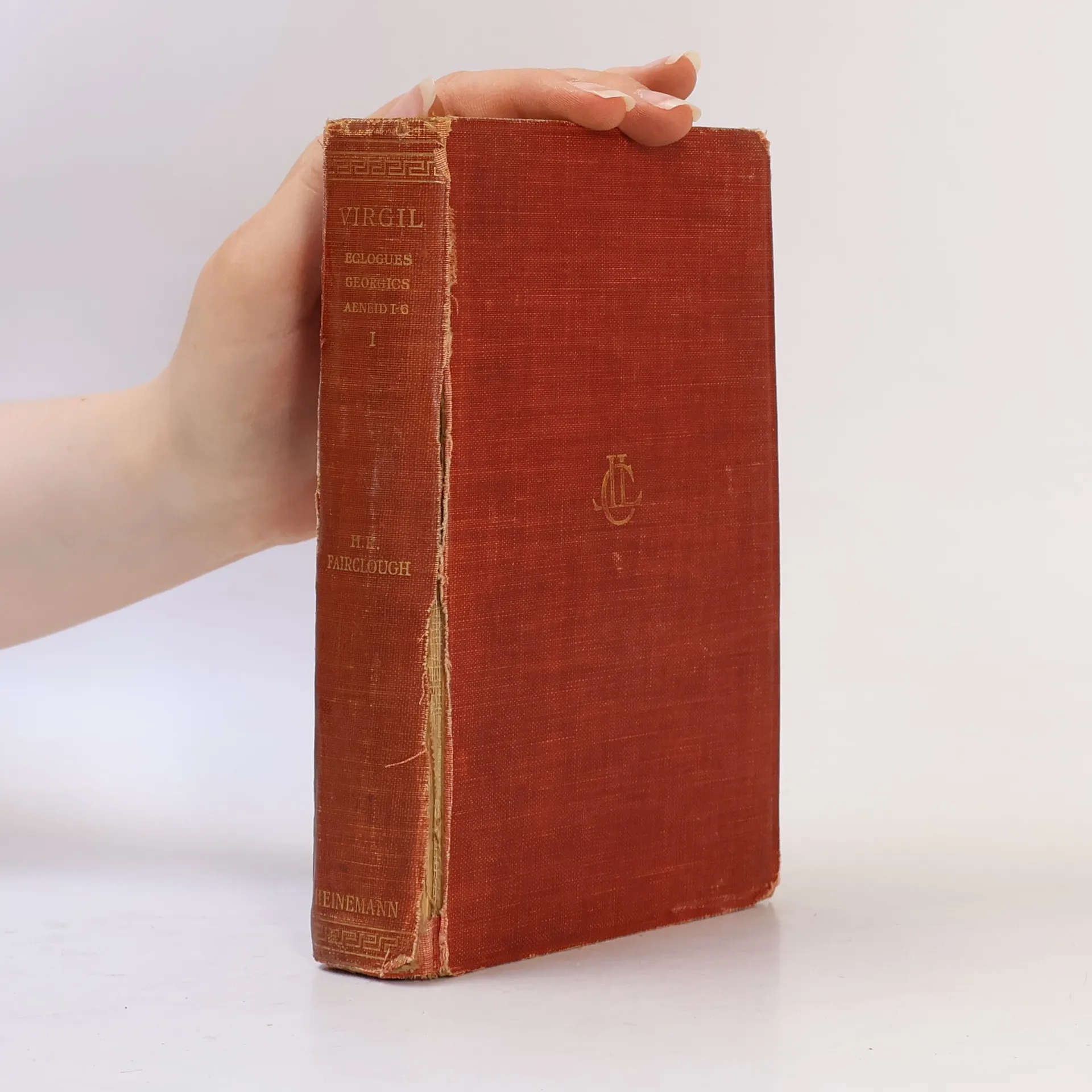
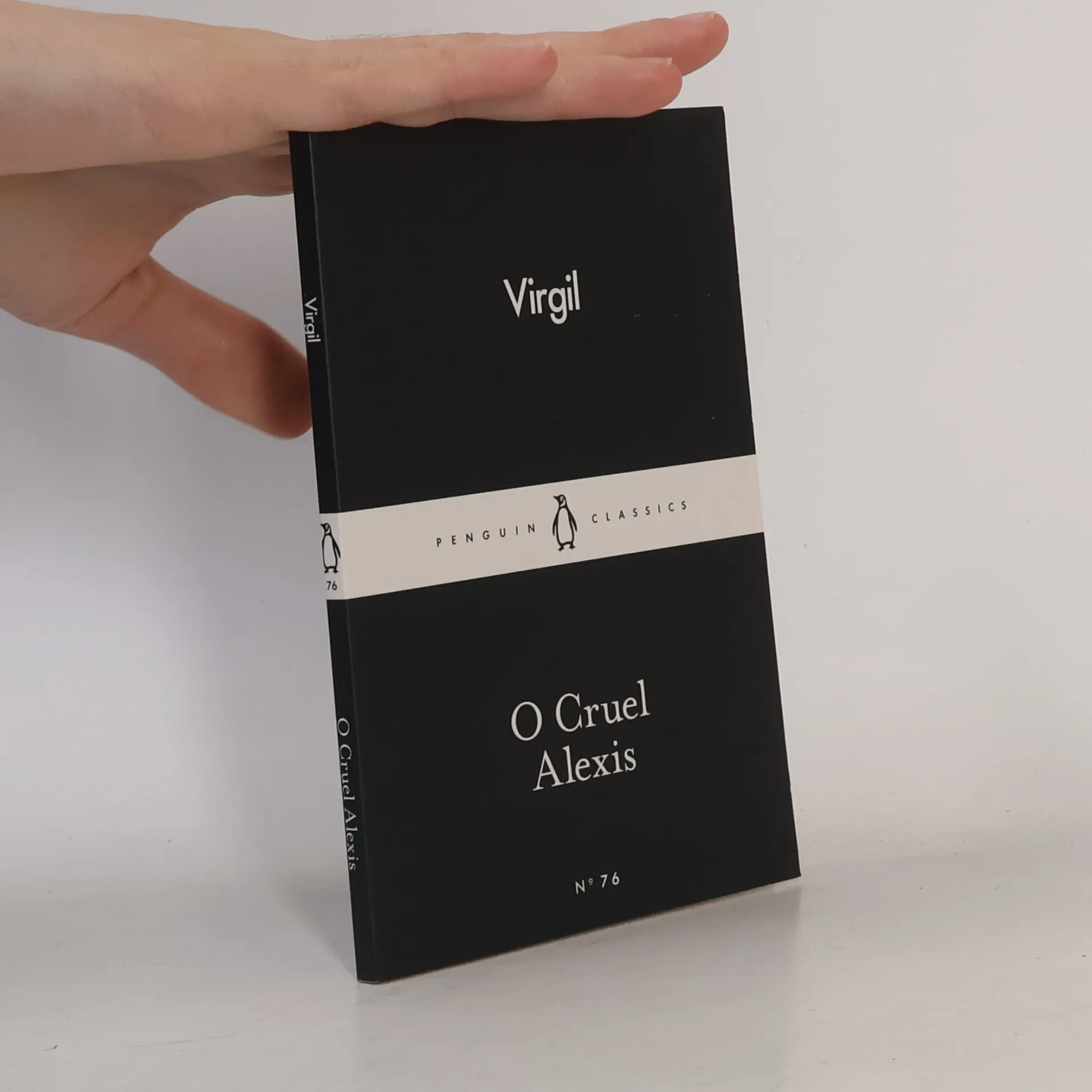
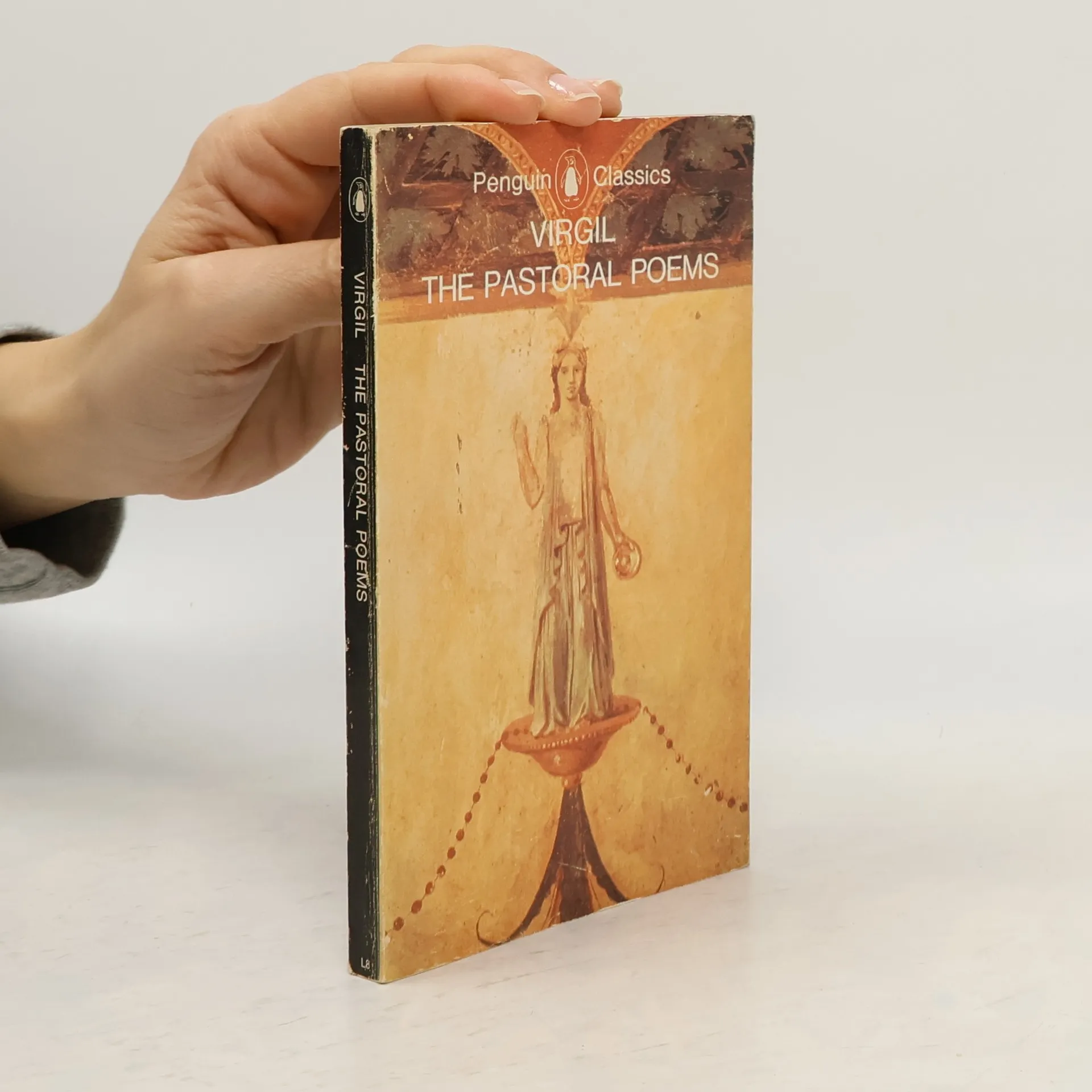
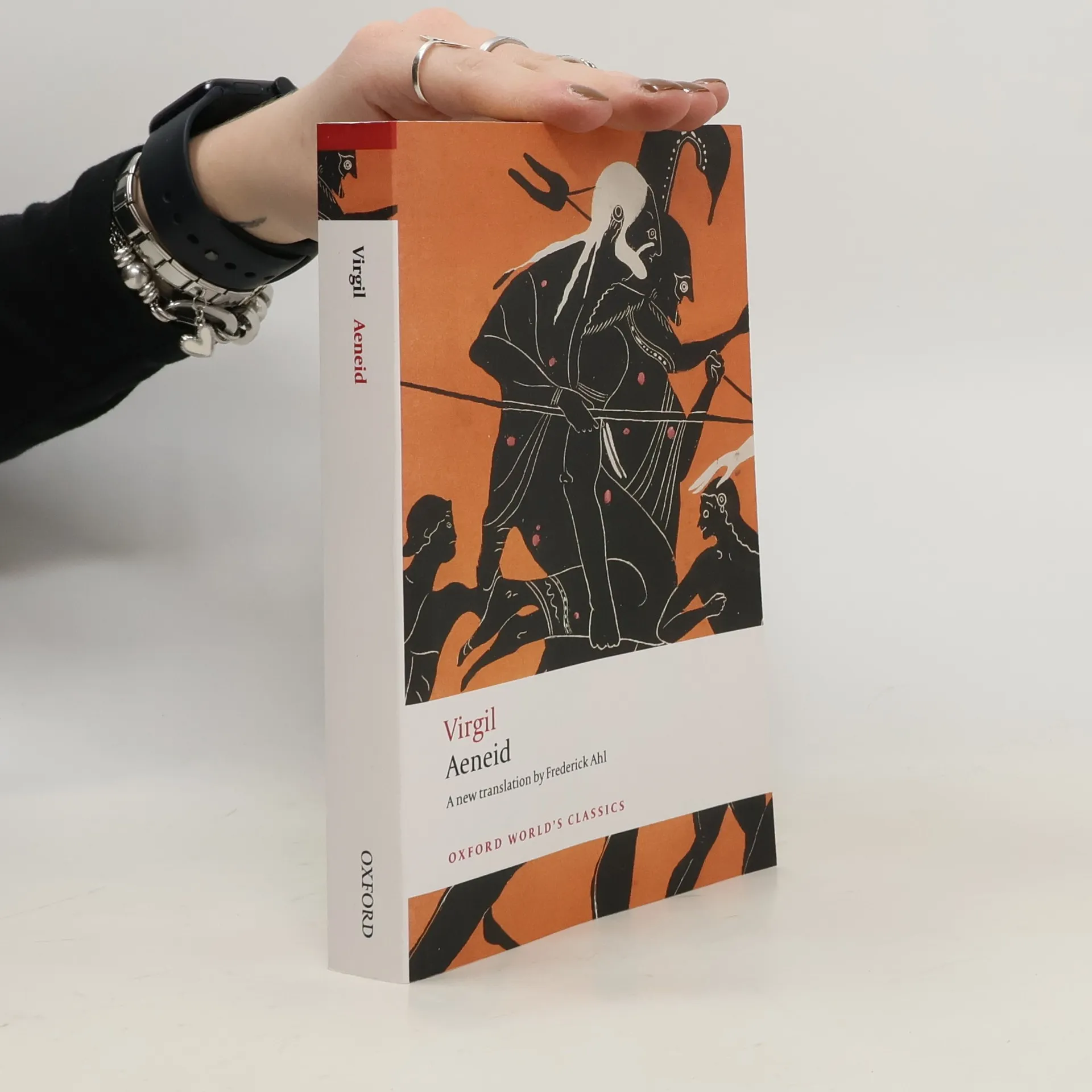
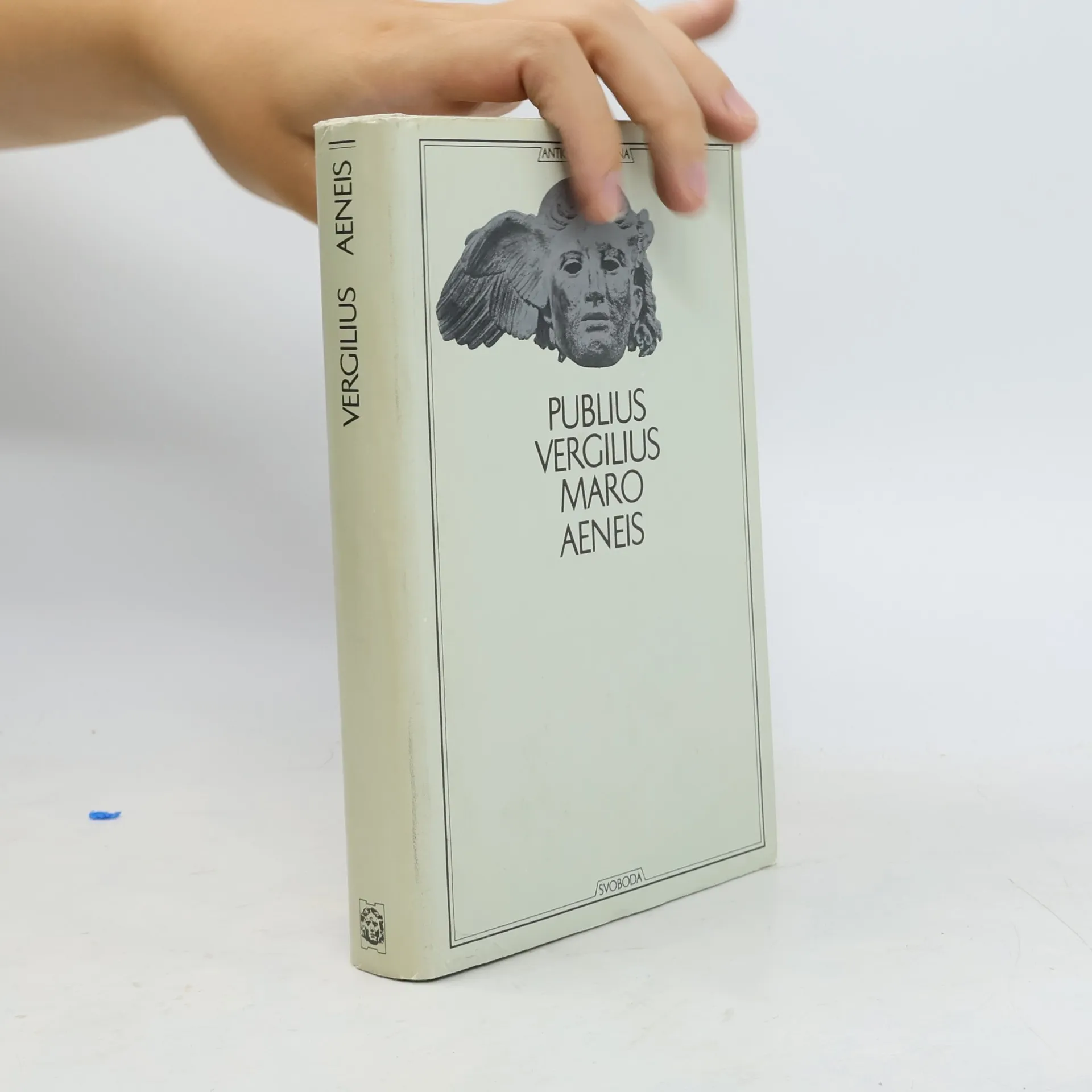
Největší římský epos, v němž Publius Vergilius Maro, jehož dvoutisící výročí úmrtí si právě připomínáme (70-19 před n. l.), oslavil římskou minulost a císaře Augusta. V. Zamarovský převypravuje hlavní dějovou linii prózou s náznakem původních výrazových prostředků, přičemžvlastní jména osobní uvádí ve tvarech převzatých z latiny.
Publius Vergilius Maro Knihy

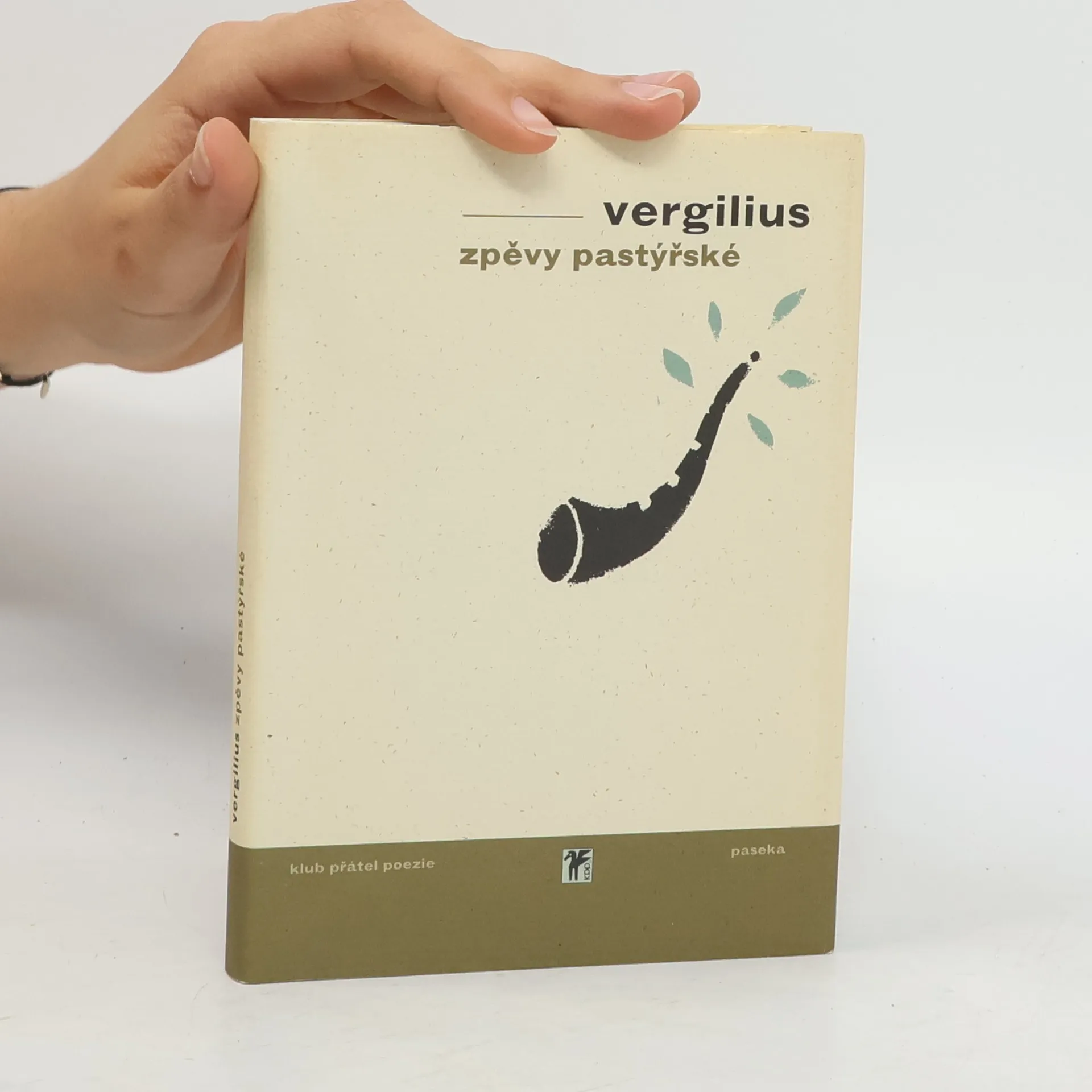

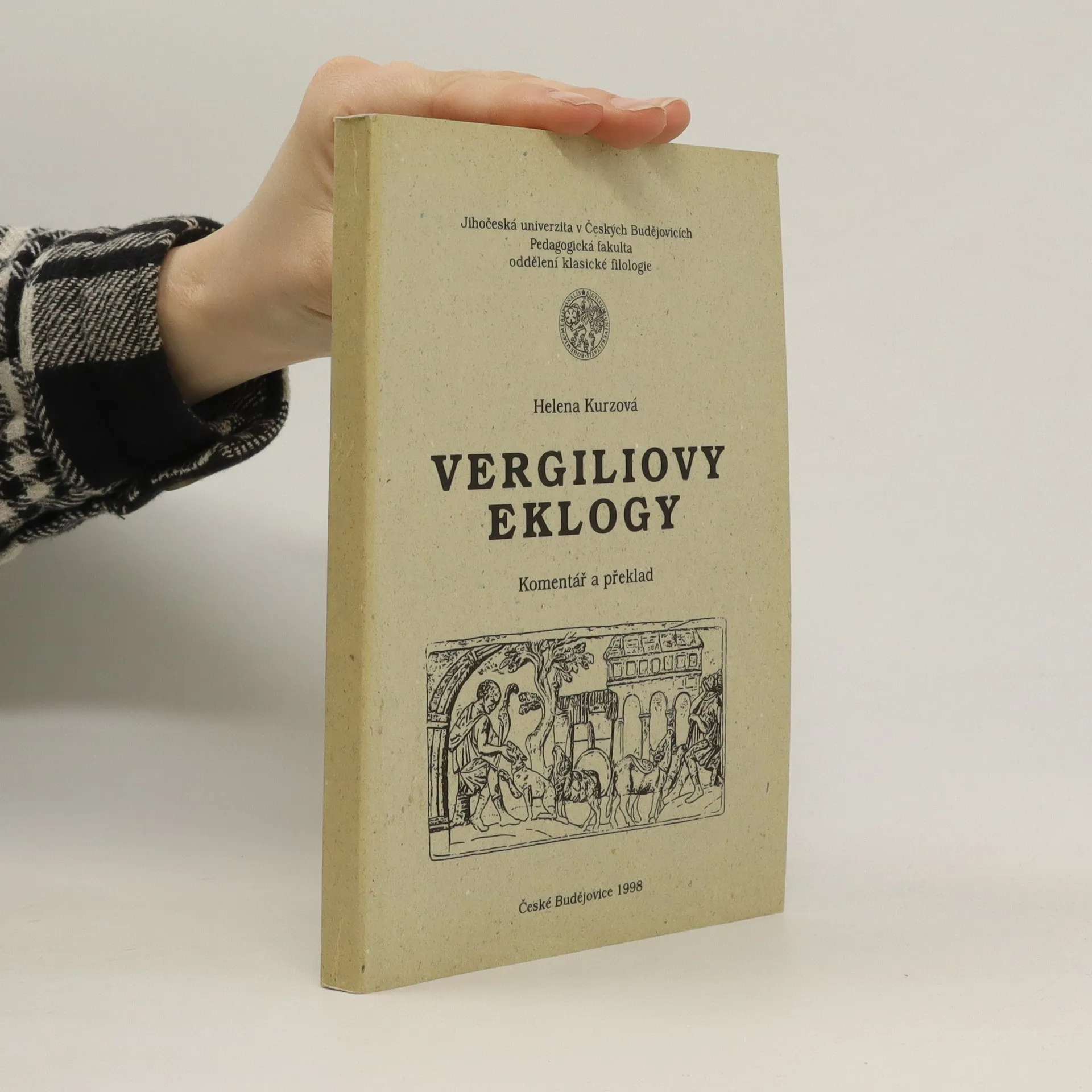
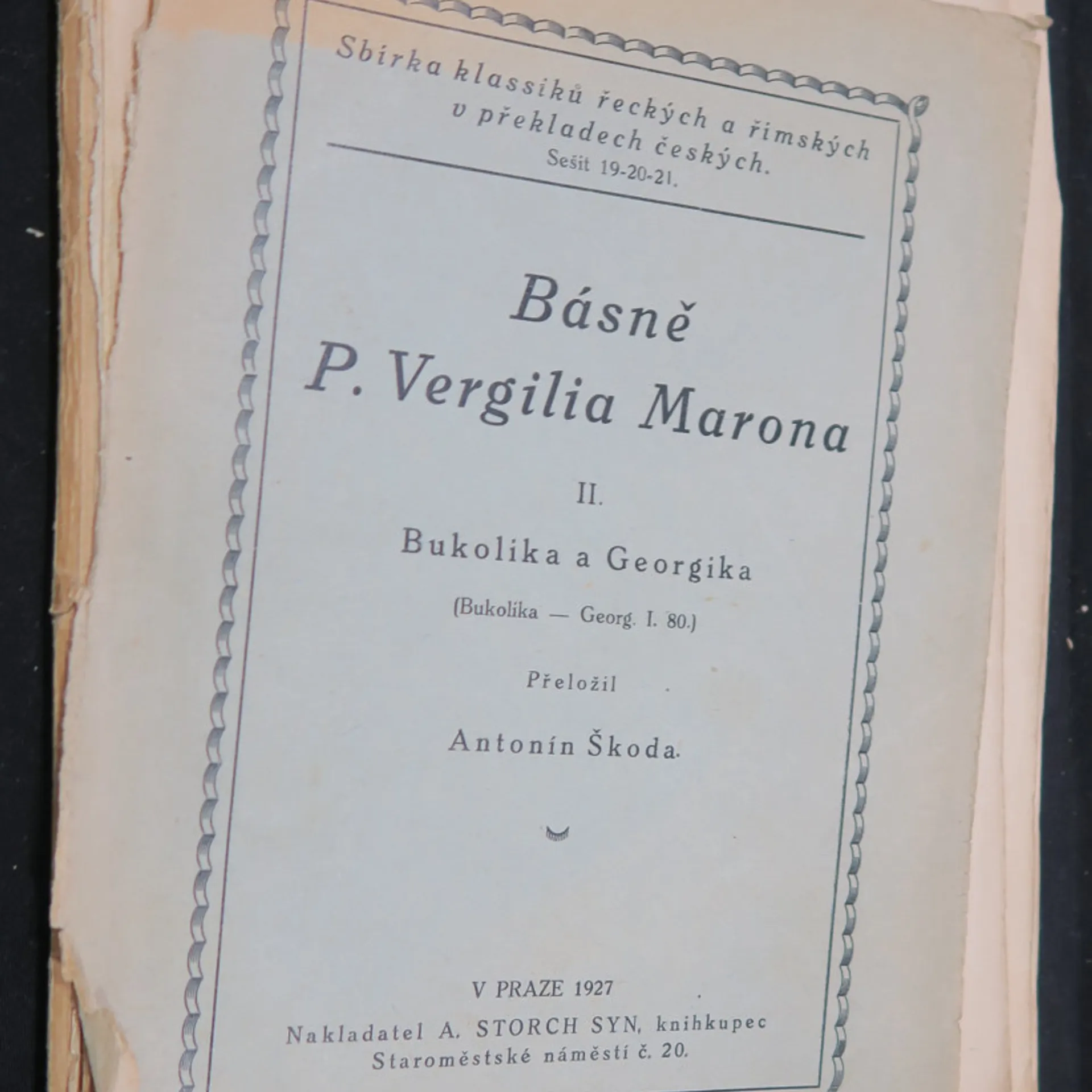
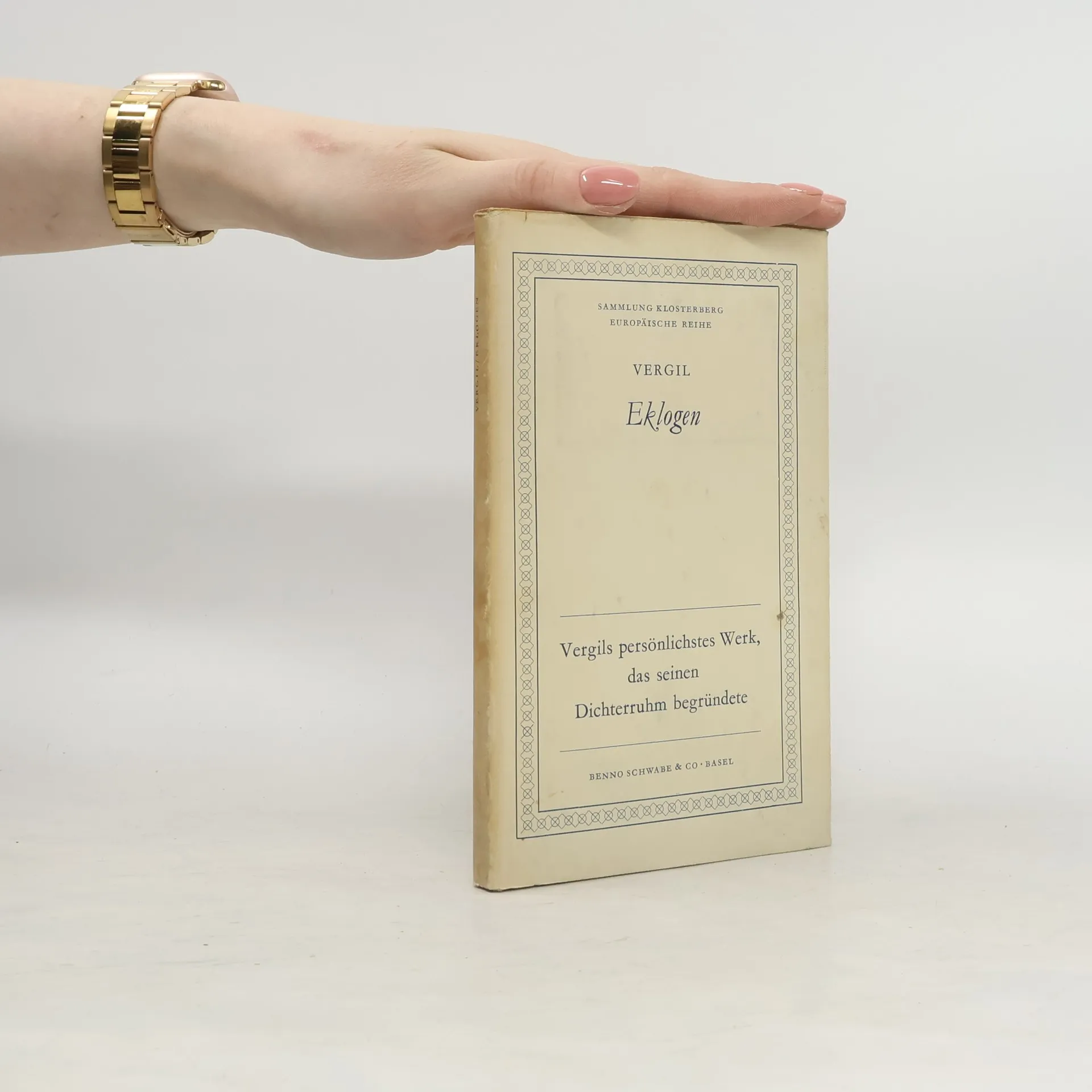
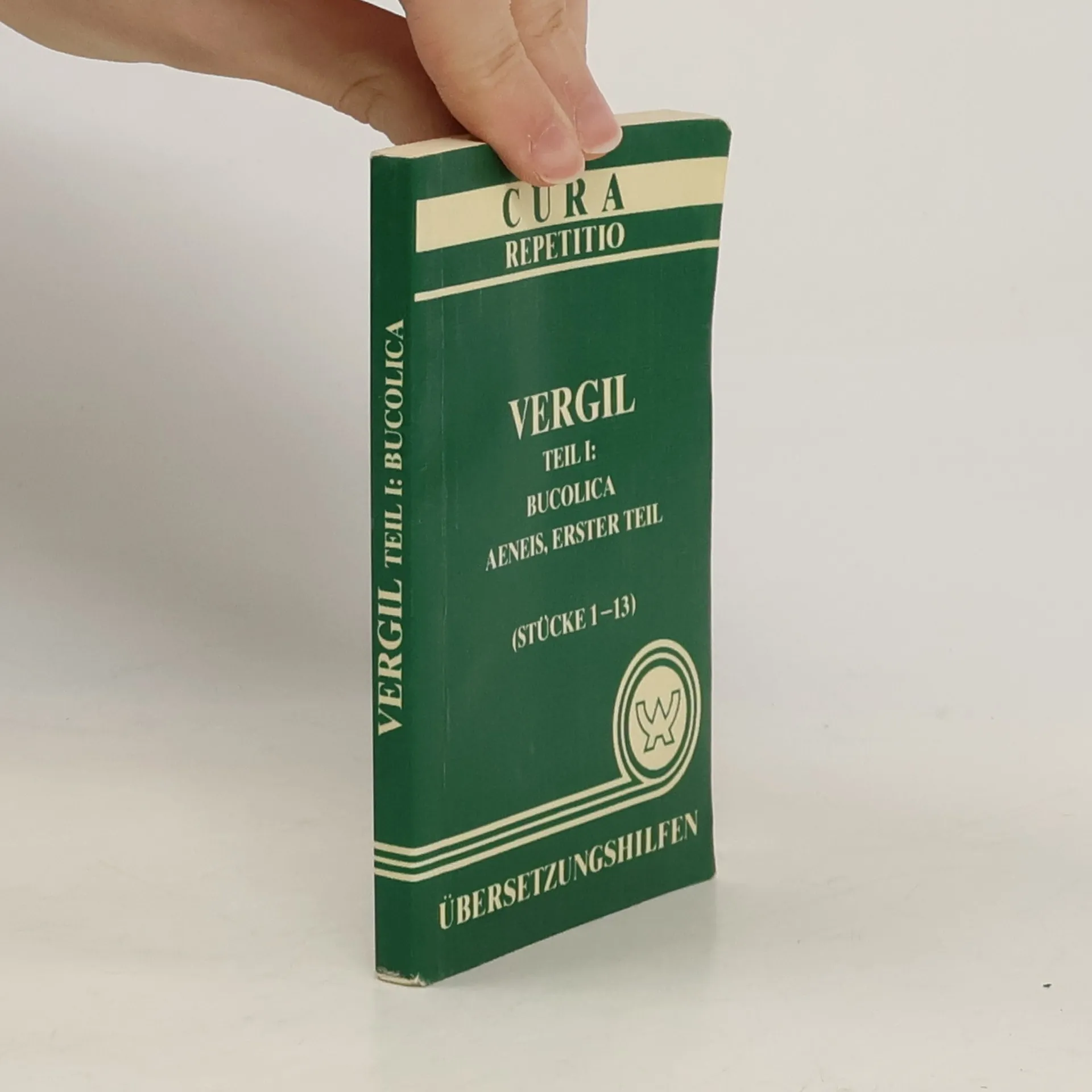
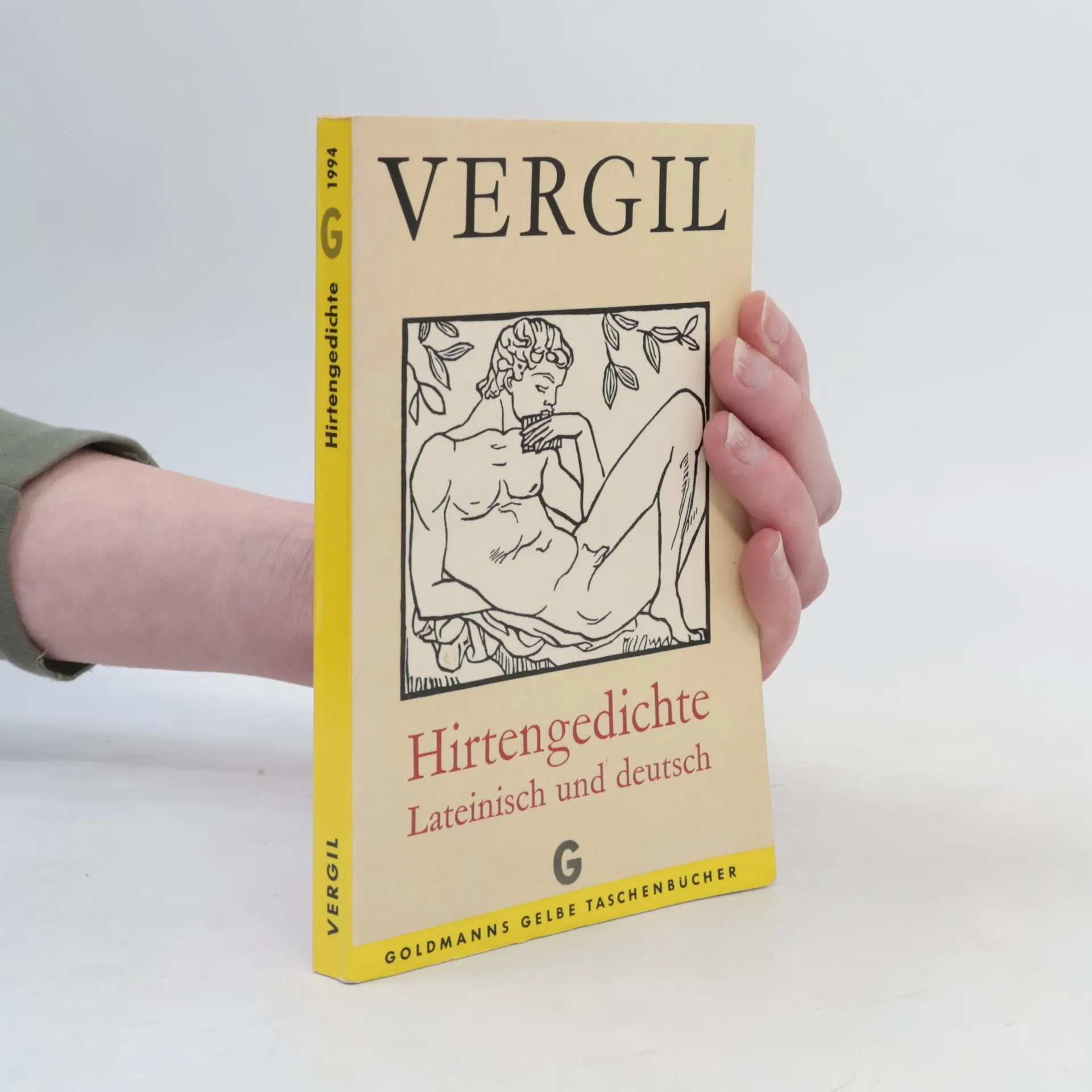
Deset písní, zvaných též eklogy, tvoří první básnickou sbírku budoucího tvůrce Aeneidy. Římský básník (70–19 př. Kr.) ji napsal v letech 42–39 př. Kr. a právě ona ho proslavila a zjednala mu přední místo mezi básníky augustovské doby. Vergilius se ve svých Bukolikách žánrově inspiroval pastýřskými idylami helénistického básníka Theokrita, vytvořil však svébytnou latinskou poezii, v níž se za zdánlivou prostotou skrývá rafinovaná složitost a která se stala jedním ze základů básnictví latinského i evropského. V útlém svazečku našli „svého“ Vergilia jak středověcí teologové, kteří v mesiášské vizi čtvrté eklogy viděli zvěstování Kristova příchodu, tak vyznavači lásky k mladým chlapcům, která se zde opěvá stejnou měrou jako láska k něžnému pohlaví. Vergiliovy verše vycházejí v novém překladu, s nímž se zatím mohl seznámit jen úzký okruh studentů klasické filologie z Jihočeské univerzity.
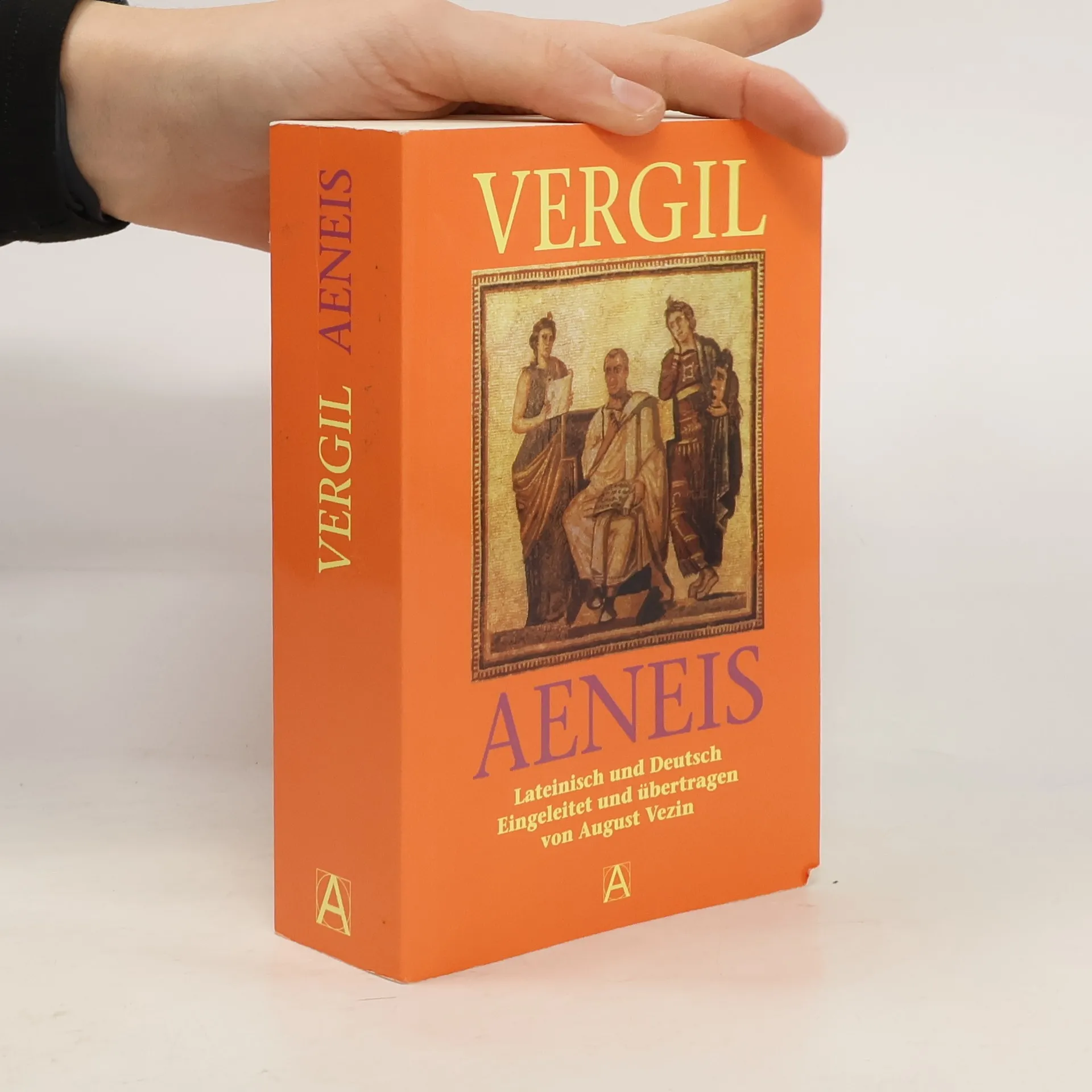
Nový překlad životního díla Publia Vergilia Marona (70– 19. př. n. l.), hrdinského eposu, který tvoří jeden z vrcholů římské literatury. Slavný básník v postavě bájného Aenea ztělesnil římský ideál osobní dokonalosti a epos líčící jeho dramatické osudy představuje základní mýtus o vzniku římského národa a říše – v proslulé podsvětní scéně je prorokována římská budoucnost a velikost až do panování císaře Augusta. Příběh navazuje na děj Homérovy Iliady: po dobytí Tróje vynesl Aeneas z hořícího města na zádech svého otce Anchísa a zachránil i svého syna Askania. Jeho posláním je založit jinde novou Tróju. Po dramatickém putování Středozemím, jehož nejznámější epizodou je tragicky ukončený milostný vztah s kartáginskou královnou Didonou, dorazí do Itálie, podstoupí těžký boj s vládcem kmene Rutulů Turnem a sňatkem s Lavinií, dcerou krále Latinů, získá vládu nad Latiem, územím, na němž později vznikne Řím. Aeneis byla bohatým zdrojem inspirace pro nespočet výtvarných, hudebních i literárních děl od antiky až téměř do současnosti. Přeložil Rudolf Mertlík na základě překladu Otmara Vaňorného; doslov napsal Martin C. Putna.
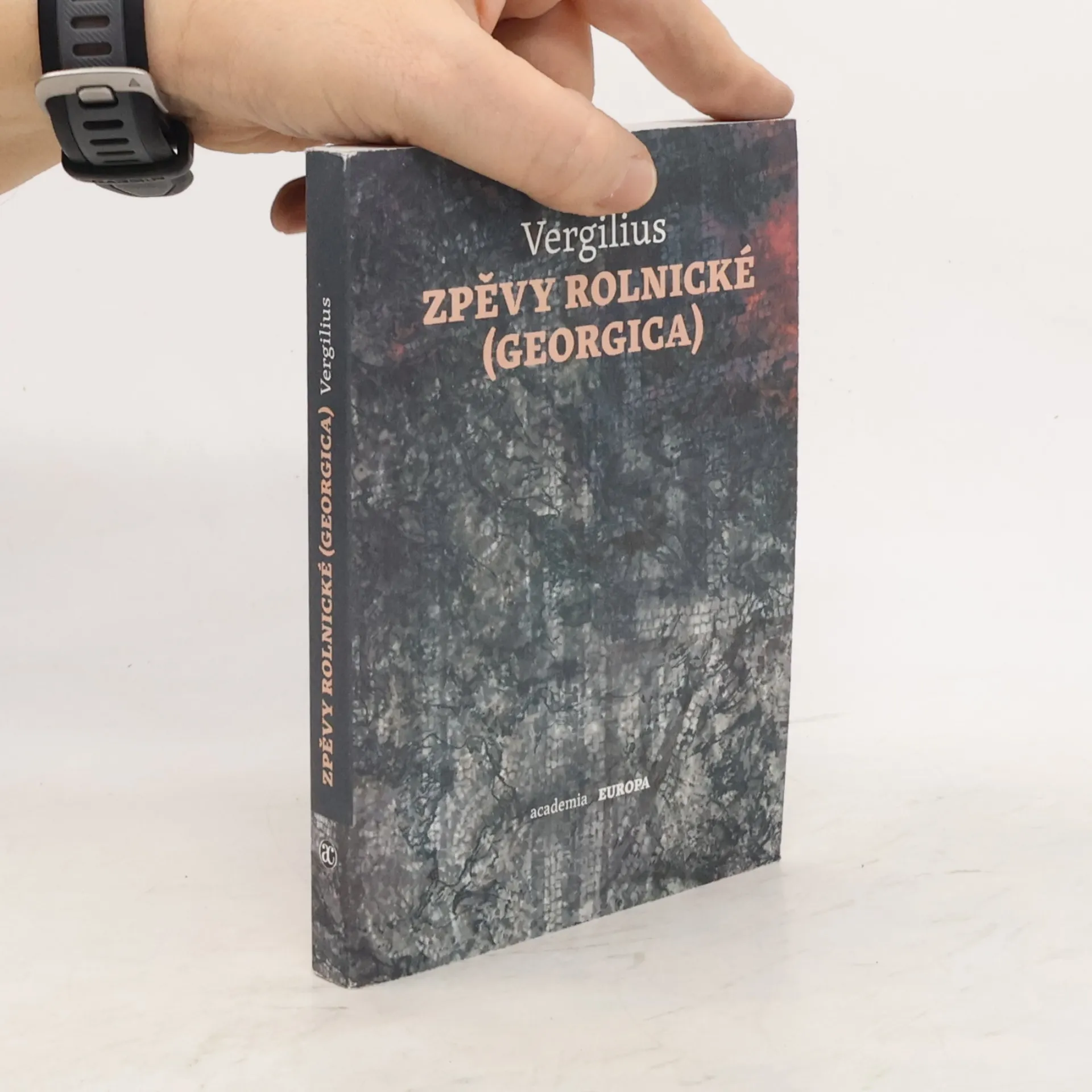
Zpěvy rolnické : Georgica
- 228 stránek
- 8 hodin čtení
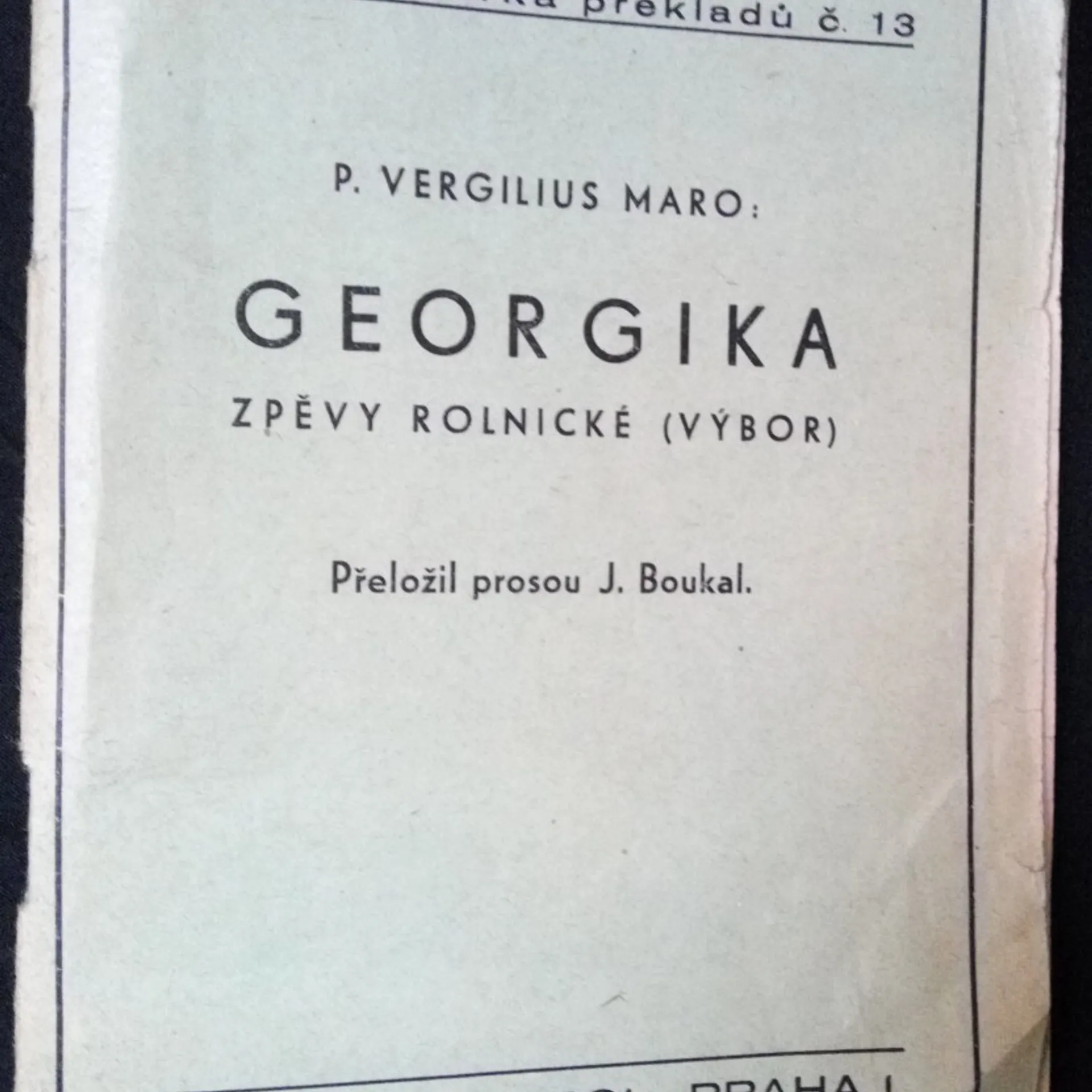
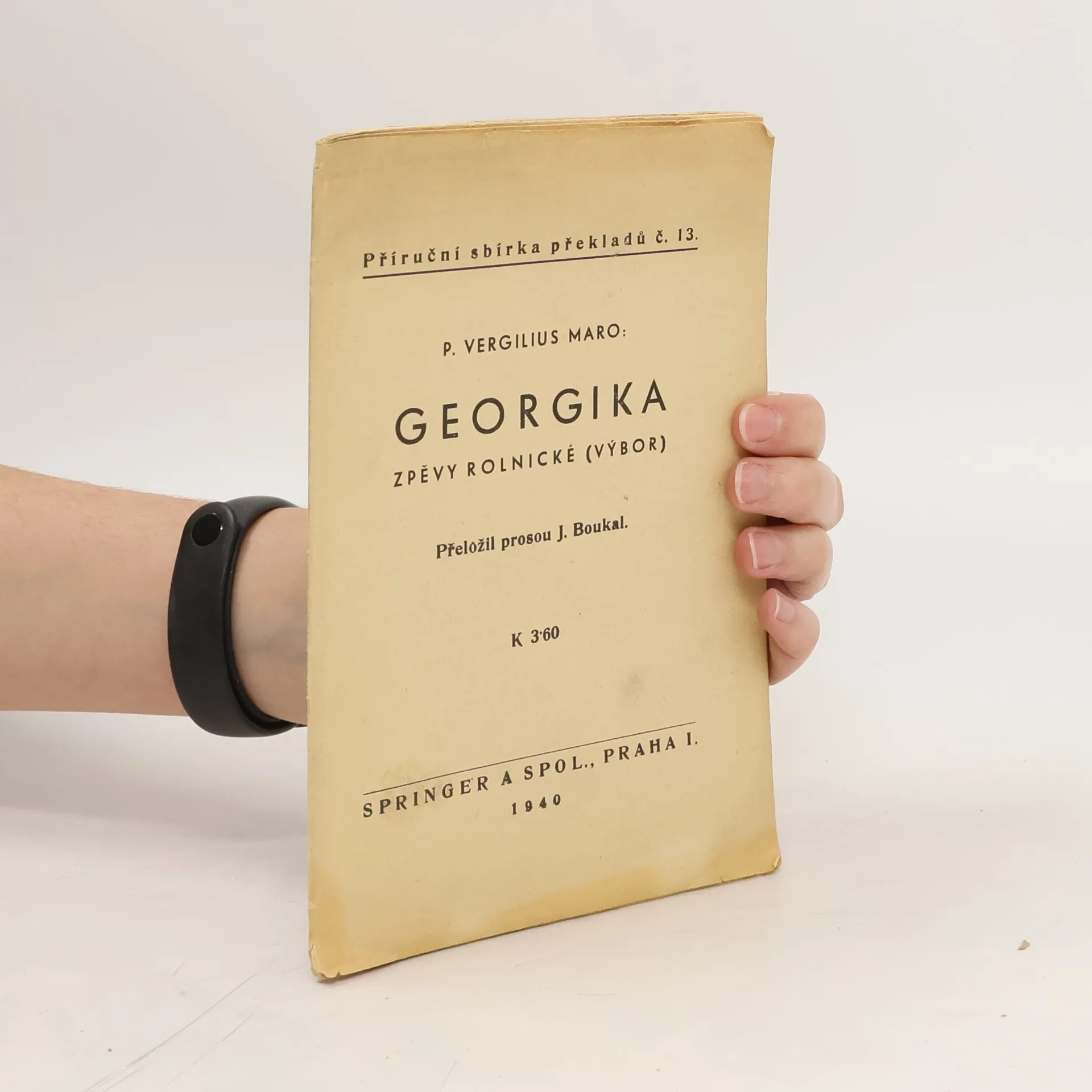
Dílo římského básníka Vergilia (70–19 př. Kr.) patří ke stálicím světové klasické poezie. Dokladem toho, že i dnes představuje lákavou výzvu pro překladatele, je nový český překlad básně Georgica / Zpěvy rolnické. Báseň, rozdělená do čtyř knih, je formálně básní naučnou, pojednávající o pěstování plodin, o chovu zvířat, o vínu a o včelách, ale Vergilius do ní vložil úvahy o lidském životě, o přírodě, o rodině a uspořádání lidské společnosti, to vše navíc obohacené krásným jazykem a humorem. Georgica obsahují rovněž dva slavné exkursy: chválu Itálie v první knize a mýtus o Orfeovi a Aristaeovi v knize čtvrté. Přeložila Helena Kurzová
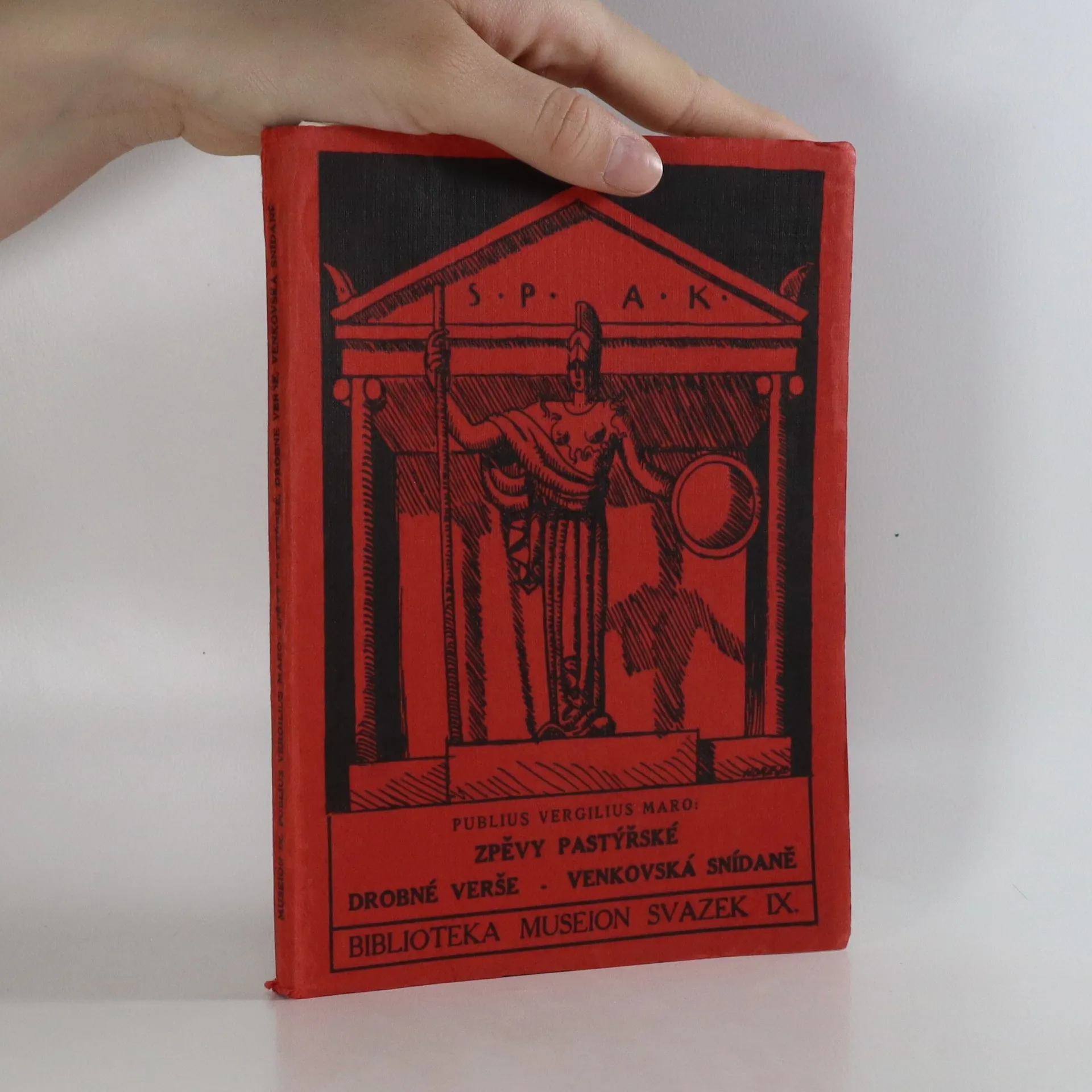
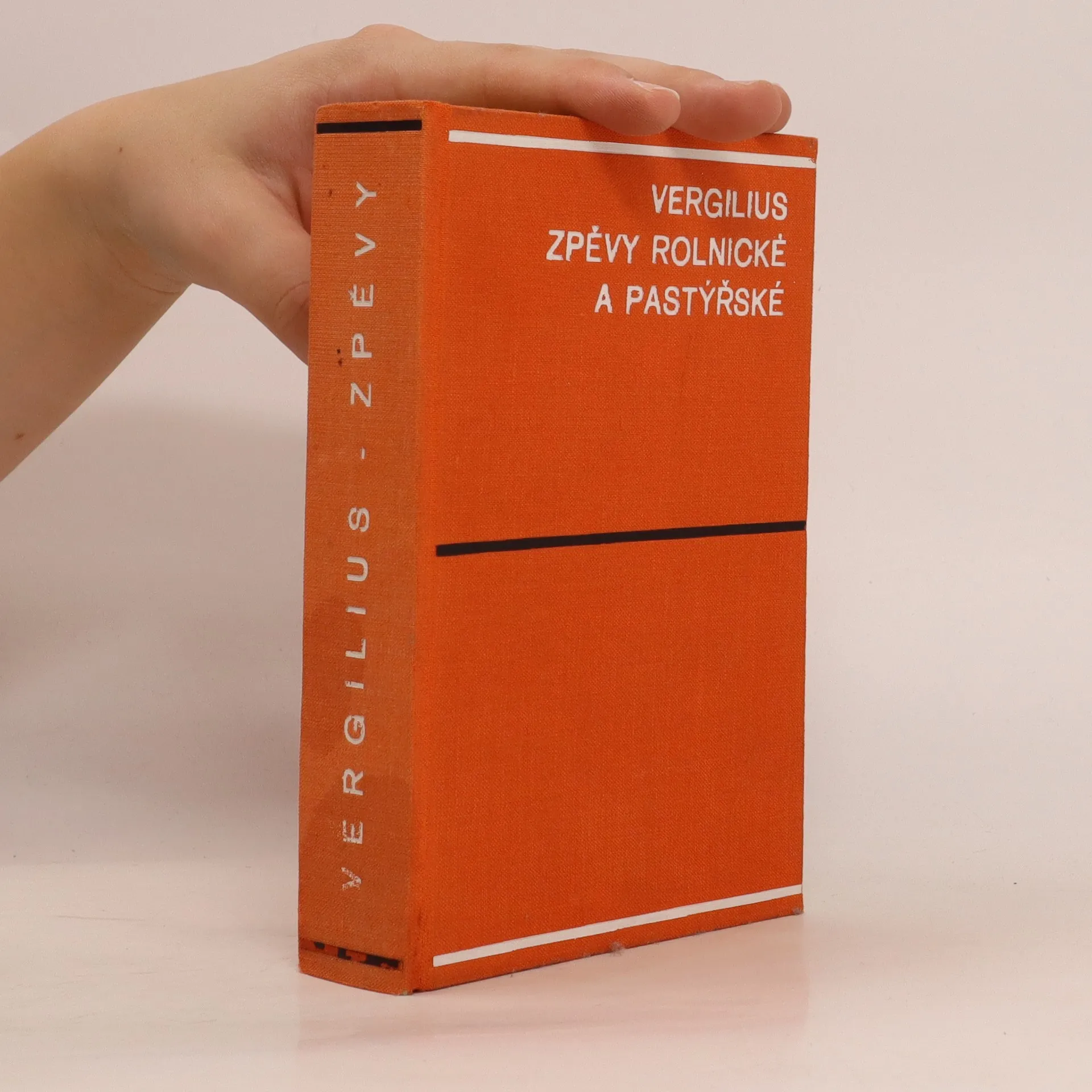
Zpěvy rolnické jsou naučná báseň o čtyřech knihách, jež pojednávají o polních pracích při pěstování obilí, o ošetřování ovocných stromů a vinné révy, o chovu dobytka a o včelách. Do věcného výkladu jsou vplétány krásné epizody, jako chvála Itálie, chvála vesnického života,popis koňských závodů, zápasu býku, nebo dobytčího moru. Do poslední knihy je vloženo vyprávění o zahradě koryckého starce. Zpěvy pastýřské jsou sbírka deseti nevelkých básní idylického rázu, zvaných eklogy. Polovina z nich líčí skutečný život pastevců, v zbývajících pěti básních vystupují v rouše pastýřském Vergiliovi současníci - politikové nebo literáti.
Georgika
Zpěvy rolnické
Vergiliovy eklogy : komentář a překlad
- 247 stránek
- 9 hodin čtení
Aeneas je epický příběh, který sleduje osudy hrdiny Aenea, syna trojského prince a bohyně Afrodity. Po pádu Tróje se Aeneas vydává na dlouhou a nebezpečnou cestu, aby našel nový domov pro své lidi. Příběh zkoumá témata cti, povinnosti, lásky a osudu, zatímco Aeneas čelí mnoha překážkám, včetně zrad, válek a ztrát. Na své pouti se setkává s různými postavami, které ovlivňují jeho cestu a rozhodnutí, včetně královny Dido, s níž prožívá tragickou lásku. Aeneasova odhodlanost a víra v osud ho vedou k založení Říma, což je klíčový moment v historii. Dílo je proslulé svým bohatým jazykem a hlubokými myšlenkami, které reflektují lidské touhy a dilemata. Aeneas se stává symbolem vytrvalosti a naděje, což z něj činí nadčasovou postavu v literatuře.
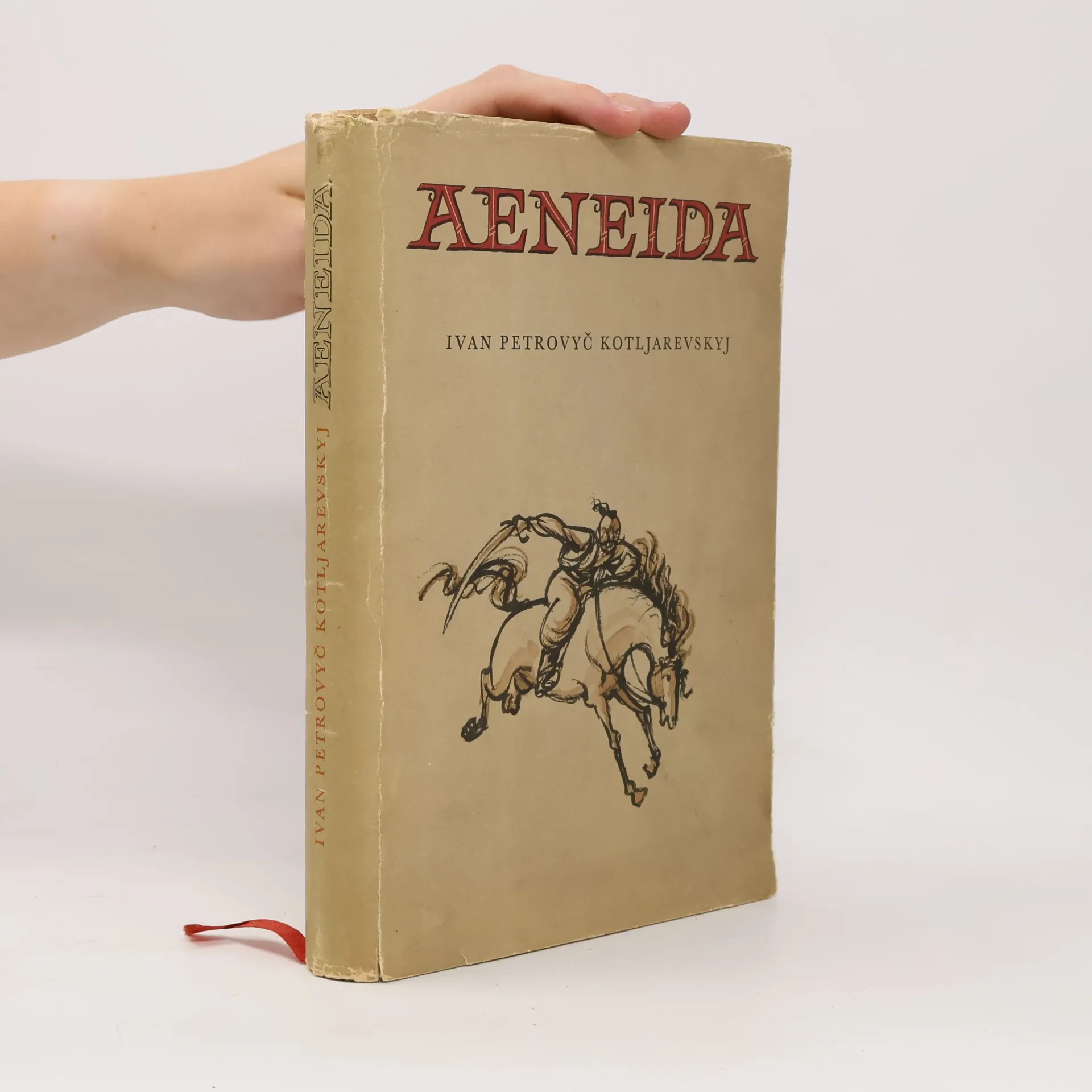
Poema napsaná na motivy stejnojmenného díla římského básníka Vergilia. První část vyšla roku 1798, kompletní vydání bylo publikováno až po autorově smrti roku 1842. Poema využívá živého, mluveného jazyka a stala prvním dílem ukrajinské literatury napsaným v národním jazyce
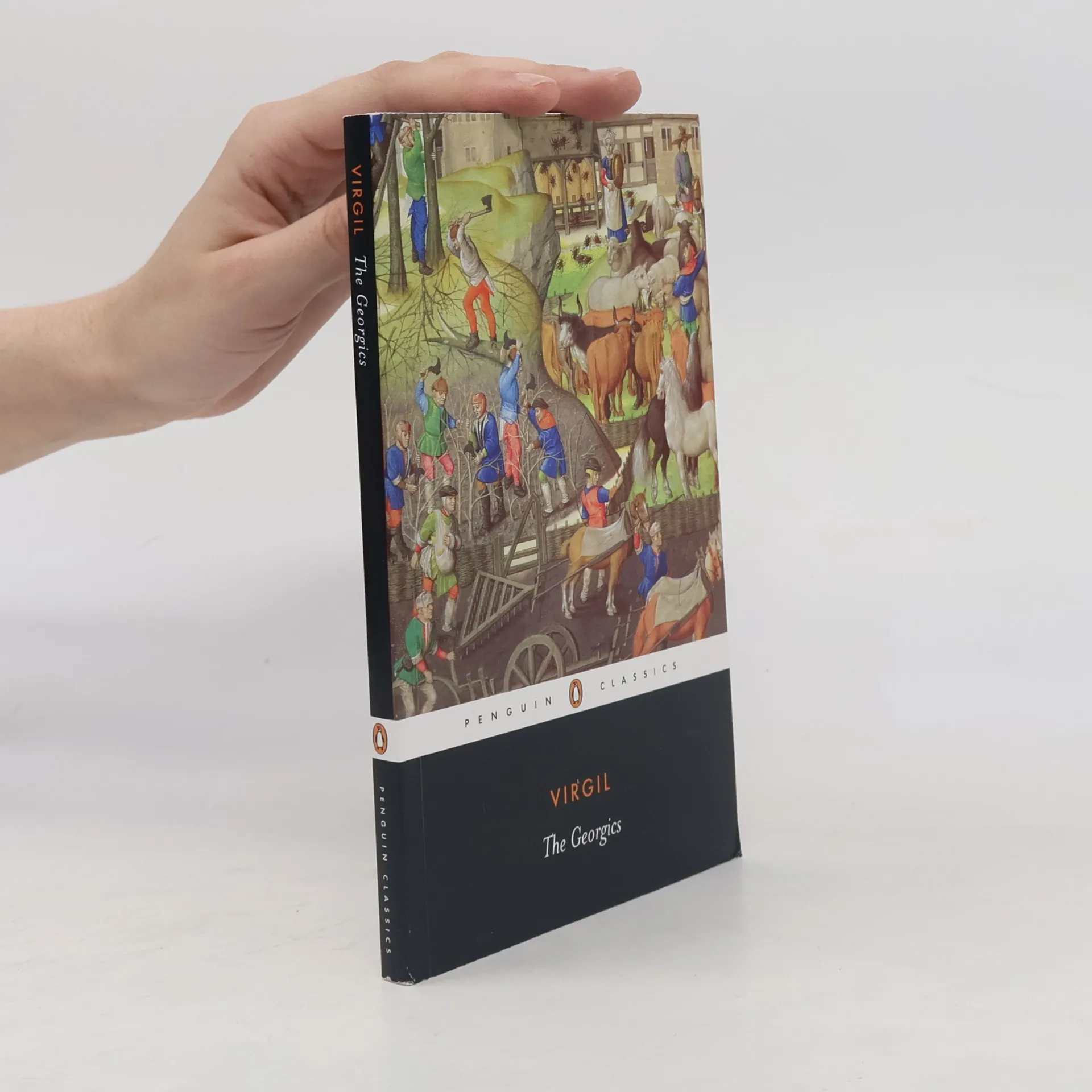
The Georgics
- 160 stránek
- 6 hodin čtení
A eulogy to Italy as the temperate land of perpetual spring, and a celebration of the values of rustic piety.
The Eclogues
- 42 stránek
- 2 hodiny čtení
Set against a backdrop of civil unrest and conflict, the Eclogues present a poignant exploration of crisis through the voices of two farmers. The dialogue reveals deep concerns about alienation and the impact of violence on rural life. Themes of change, displacement, and environmental devastation permeate the poems, reflecting the harsh realities faced by the community during turbulent times. Virgil's work captures the emotional and social turmoil of an era marked by strife, offering a powerful commentary on human suffering and resilience.
Eclogues and Georgics
- 260 stránek
- 10 hodin čtení
Focusing on the musicality of language, this translation of Vergil's Eclogues and Georgics captures the essence of Latin poetry as both written and performative art. James Bradley Wells blends creative practice with a deep understanding of contemporary poetry and classical antiquity, offering a fresh perspective on these early works of ancient Rome's renowned poet. His approach emphasizes the original spirit of Vergil's poetry, making it accessible and resonant for modern readers.
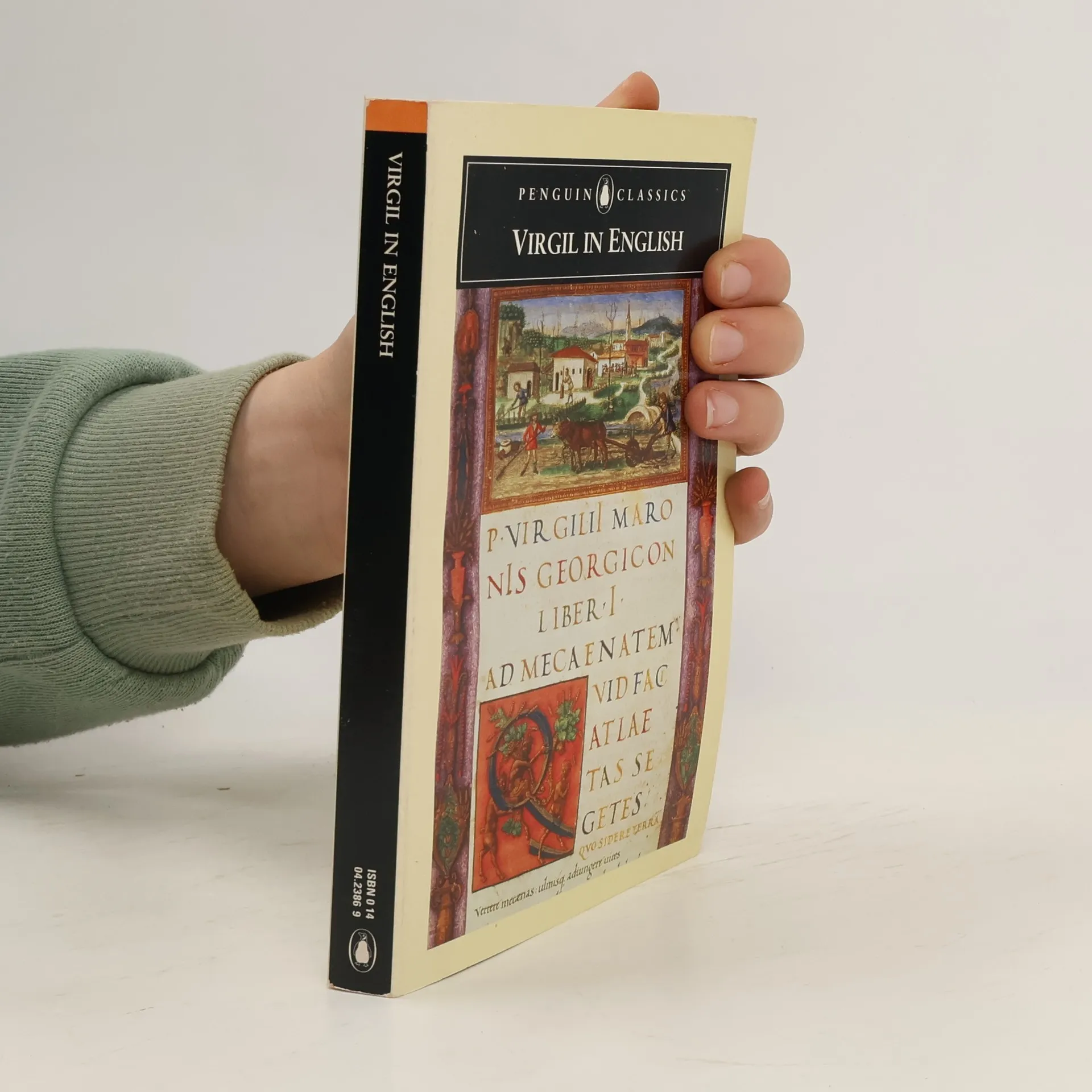
For T. S. Eliot, Virgil was not merely one of the great masters but 'our classic, the classic of all Europe'. Perhaps no other writer has generated a longer and larger tradition of commentary, translation and imitation.From Chaucer to W. H. Auden and Robert Lowell, Virgil is a defining presence in English poetry. The Eclogues and Georgics inspired the pastorals of Spenser, Milton and Pope; the Aeneid's pathos, spiritual insights and long-suffering hero - who struggles with doubt, despair and the loss of everything he loves to found the Roman race - made it the model epic. Dryden's complete Virgil in heroic couplets sums up the supersedes his predecessors, yet later translators include Wordsworth, William Morris, Robert Bridges and Cecil Day Lewis. This selection consists largely of extracts from straight translations, along with a number of pieces illustrating Virgil's influence; celebrated episodes like the death of Dido and Aeneas's descent into the underworld appear in several different versions.
Penguin Great Loves: Doomed Love
- 130 stránek
- 5 hodin čtení
Love can be hopelessFrom the fall of Troy to the deadly Harpies, Aeneas’ epic voyage is filled with tragedy, destruction and omens of danger. As he recounts his adventures to Dido, who gives him sanctuary, they fall in love. But the Gods intervene and Aeneas realizes their relationship cannot last.
Great Books of the Western World 13: Virgil
1964-65 New York World's Fair
O Cruel Alexis
- 64 stránek
- 3 hodiny čtení
'But I, while vineyards ring with the cicadas' scream, Retrace your steps, alone, beneath the burning sun.' Virgil's lyrical, wistful and often witty pastoral poems. Introducing Little Black Classics: 80 books for Penguin's 80th birthday. Little Black Classics celebrate the huge range and diversity of Penguin Classics, with books from around the world and across many centuries. They take us from a balloon ride over Victorian London to a garden of blossom in Japan, from Tierra del Fuego to 16th-century California and the Russian steppe. Here are stories lyrical and savage; poems epic and intimate; essays satirical and inspirational; and ideas that have shaped the lives of millions. Publius Vergilius Maro (70-19 BCE). Virgil's other works available in Penguin Classics are The Aeneid, The Eclogues and The Georgics.
Frederick Ahl's new translation captures the excitement, poetic energy, and intellectual force of Virgil's epic poem in a way that has never been done before. Echoing the Virgilian hexameter the verse stays almost line for line with the original in a thrillingly accurate and engaging style.
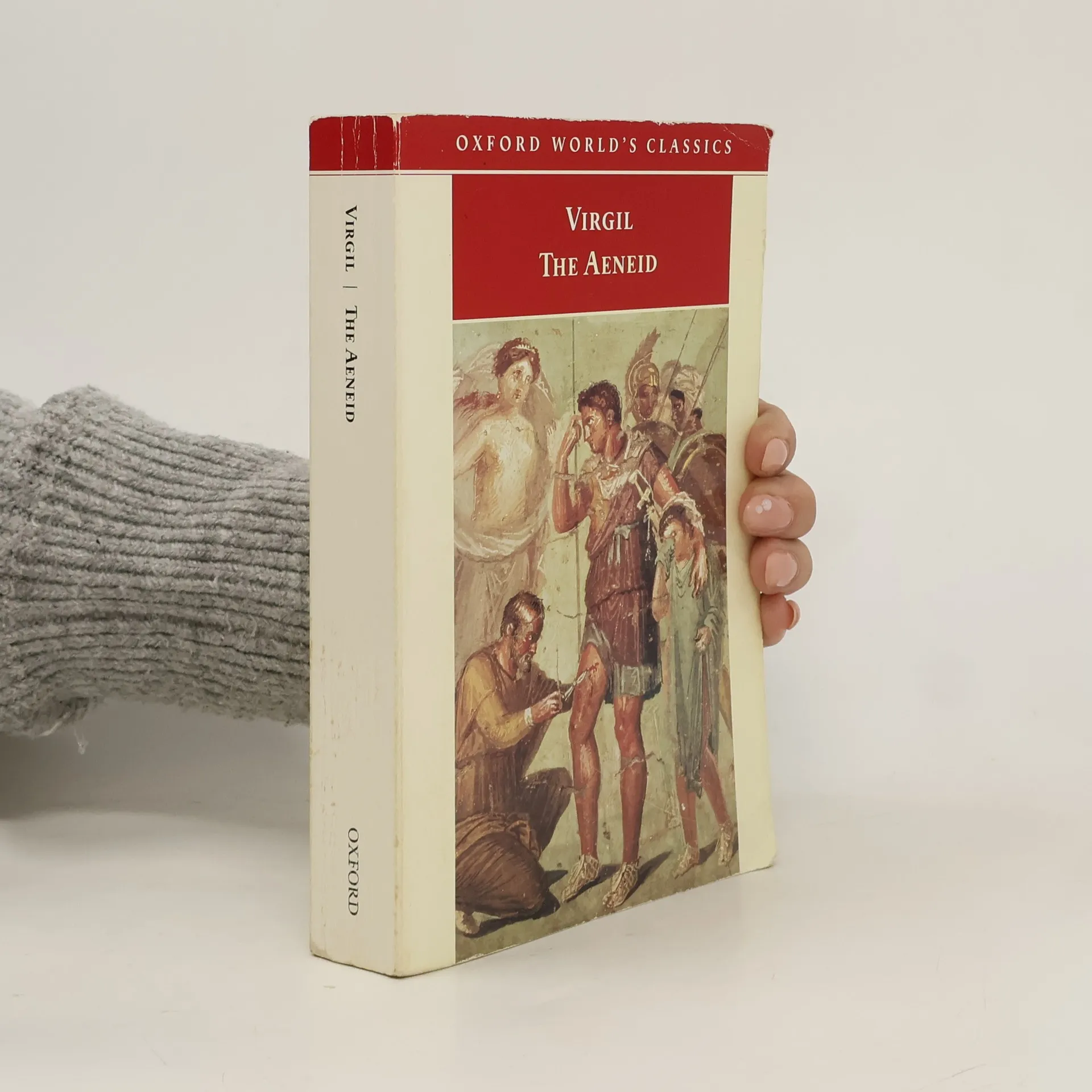
Oxford World's Classics: The Aeneid
- 450 stránek
- 16 hodin čtení
This translation captures the excitement, poetic energy, and intellectual force of Virgil's epic poem, 'The Aeneid'.
The Iliad. The Odyssey. The Aeneid
- 3 svazky
- 1648 stránek
- 58 hodin čtení
A glorious boxed set featuring Robert Fagles's award-winning translations of the three great epics of Western literature ONE OF THE PREEMINENT translators of our time, Robert Fagles's interpretations of these epic poems give new life to three seminal works in the Western canon. The Penguin Classic Deluxe Editions of The Iliad, The Odyssey, and The Aeneid are collected here for the first time in a specially designed gift box. Each volume contains a superb introduction by renowned classicist Bernard Knox.
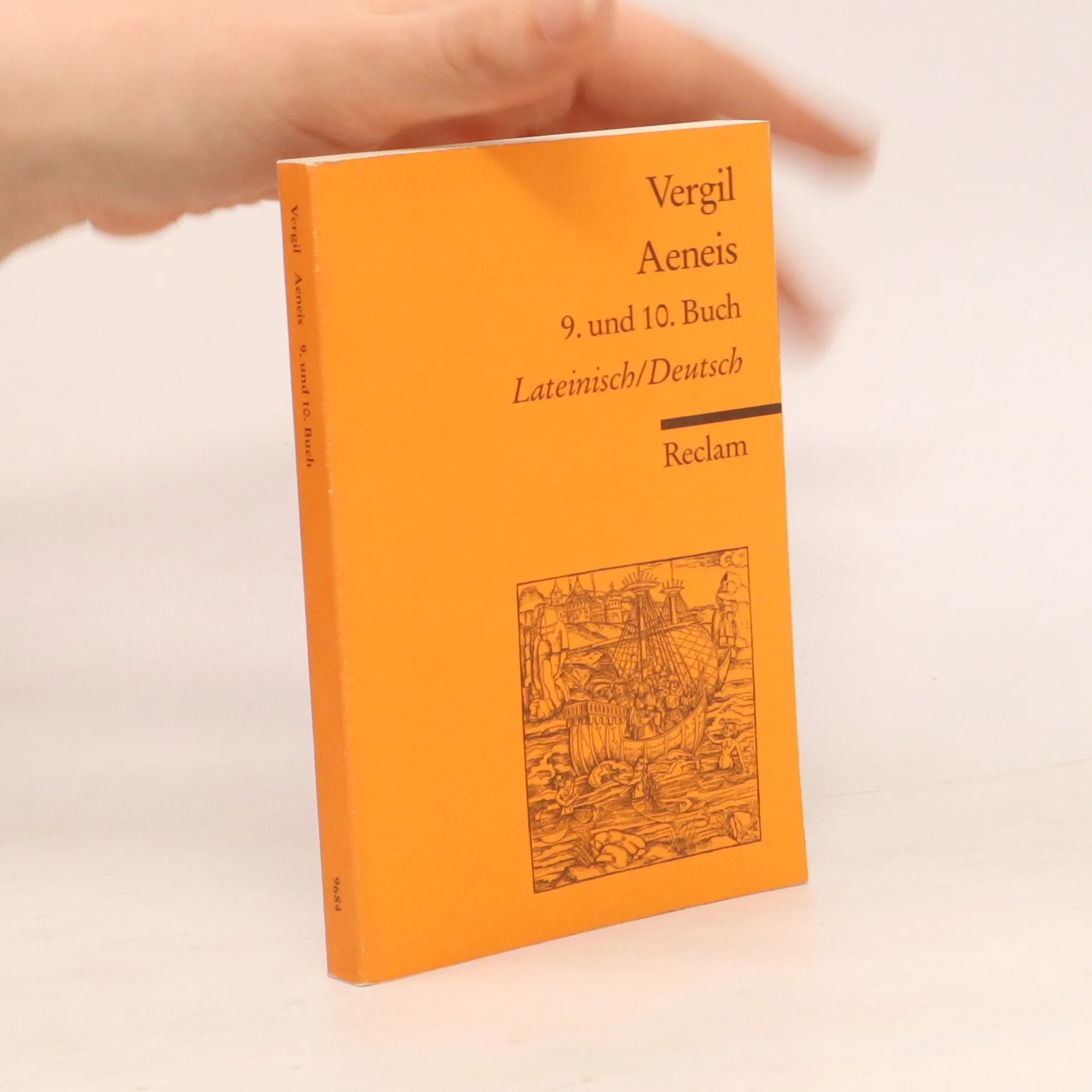
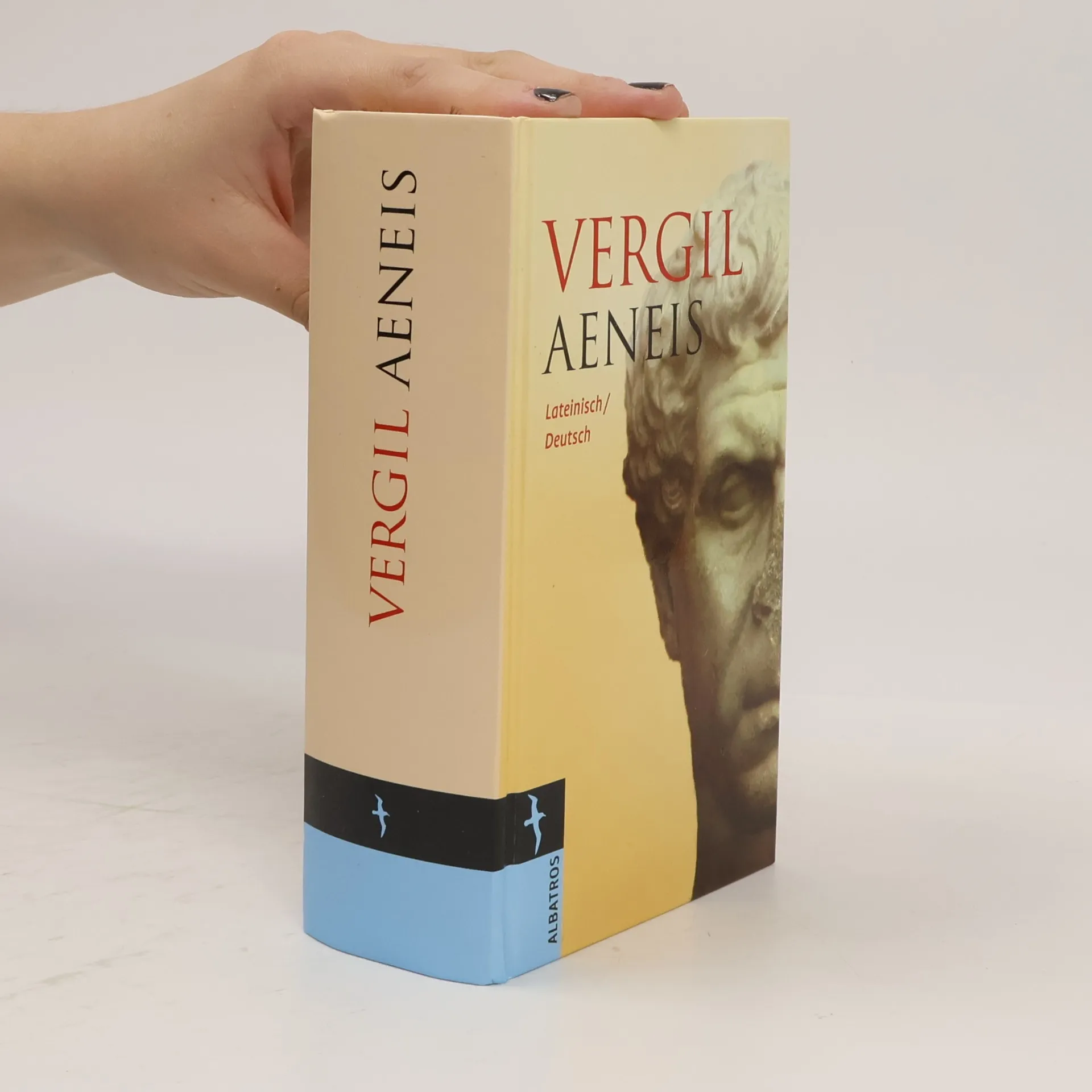
Aeneis, Lateinisch/Deutsch. Tl.9/10
- 255 stránek
- 9 hodin čtení
Das lateinische Epos »Aeneis« erzählt vom Fall Troias nach zehnjähriger Belagerung durch die Griechen sowie von den abenteuerlichen Irrfahrten des Troianers Aeneas bis zu seiner Landung an der Westküste Italiens und seinem Sieg über den einheimischen Fürsten Turnus. Es wurde zum Nationalepos der Römer und übte nach Ende des Römischen Reiches starken Einfluss auf die europäische Literatur- und Geistesgeschichte aus. Preisgünstige einsprachige Ausgabe der ausführlich kommentierten Übersetzung von Edith und Gerhard Binder. Mit einem Verzeichnis der Eigennamen, Stammbaum der Iulier sowie reichem Kartenmaterial.
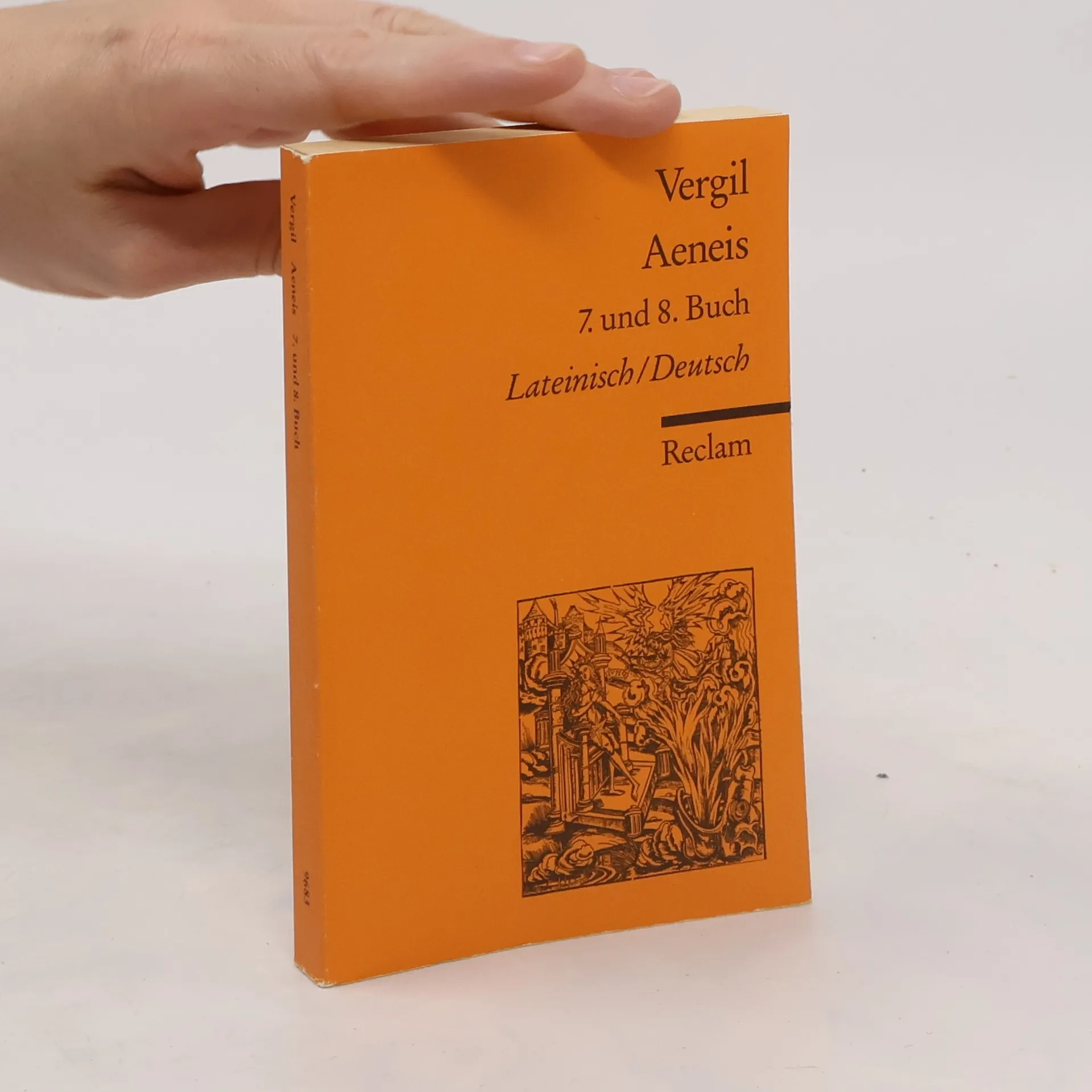
Aeneis, Lateinisch/Deutsch. Tl.7/8
- 251 stránek
- 9 hodin čtení
Kort tid etter at han var ferdig med Georgica , begynte Vergil å skrive på sitt viktigste verk, et mystisk-heroisk epos som skulle konkurrere med Iliaden og Odysseen og som skulle være en hyllest til det romerske folk og dets hersker Augustus. Verket strekker seg over tolv bøker, og forteller om hvordan den trojanske helten Aineias klarer å flykte fra det falne Troja, om hans begivenhetsrike reiser på havet, og hvordan han ledes av gudene til Italia hvor han etter hvert slår seg til sammen med sine trojanske landsmenn. Romerne likte å tro at de var disse trojanernes etterkommere. Vergil døde før han fikk fullført Æneiden , og ba derfor på sitt dødsleie sine venner om å brenne verkets manuskripter. Heldigvis fulgte de ikke hans befaling. Flere av verselinjene i Æneiden er ikke skrevet ferdig. At ingen falt for fristelsen til å fullføre disse linjene, viser hvor stor autoritet Vergil hadde allerede i sin samtid.
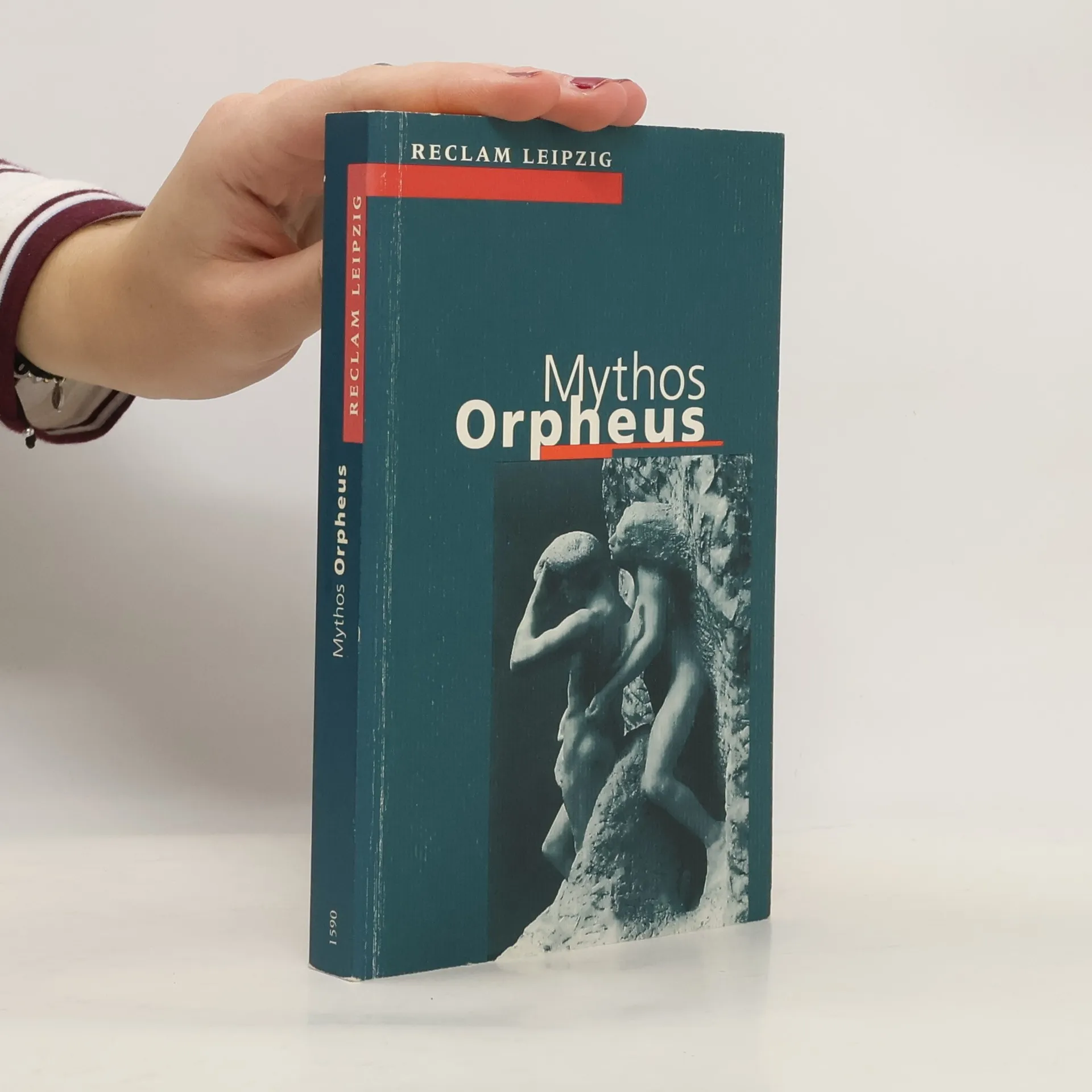
Mythos Orpheus
- 291 stránek
- 11 hodin čtení
Orpheus: der erste Sänger, der Erfinder der Musik, der in der Trauer über den Tod Eurydikes die Kraft findet, die Götter der Unterwelt herauszufordern – und scheitert. Wie ist sein Gang in die Unterwelt erzählt worden? Wie wurde sein verbotener Blick zurück verstanden? Was bedeutet sein Tod? Der erste, der sich in ihm erkannt hat, war Vergil, Ovid berichtet von ihm in seinen »Metamorphosen«; die Kirchenväter sahen Christus in ihm, einen Überwinder des Todes. Bis in die Gegenwart ist der Mythos von Orpheus ein Bild für den Künstler schlechthin. Und schließlich haben Autorinnen begonnen, von Eurydike zu erzählen …
Eneida
- 460 stránek
- 17 hodin čtení
Básnik nám v Eneide podáva v ucelenej podobe počiatky a vývoj rímskeho národa, ktorý sa začína Aeneovým útekom z Tróje a jeho putovaním po Stredozemí až do krajov Itálie obývaných Latinmi, kde musí zvádzať ďalšie boje o existenciu a novú budúcnosť svoju a svojho národa. Eneida patrila od svojho vzniku k vrcholom rímskeho epického básnictva.
Texto en latín, con vocabulario y notas en inglés.
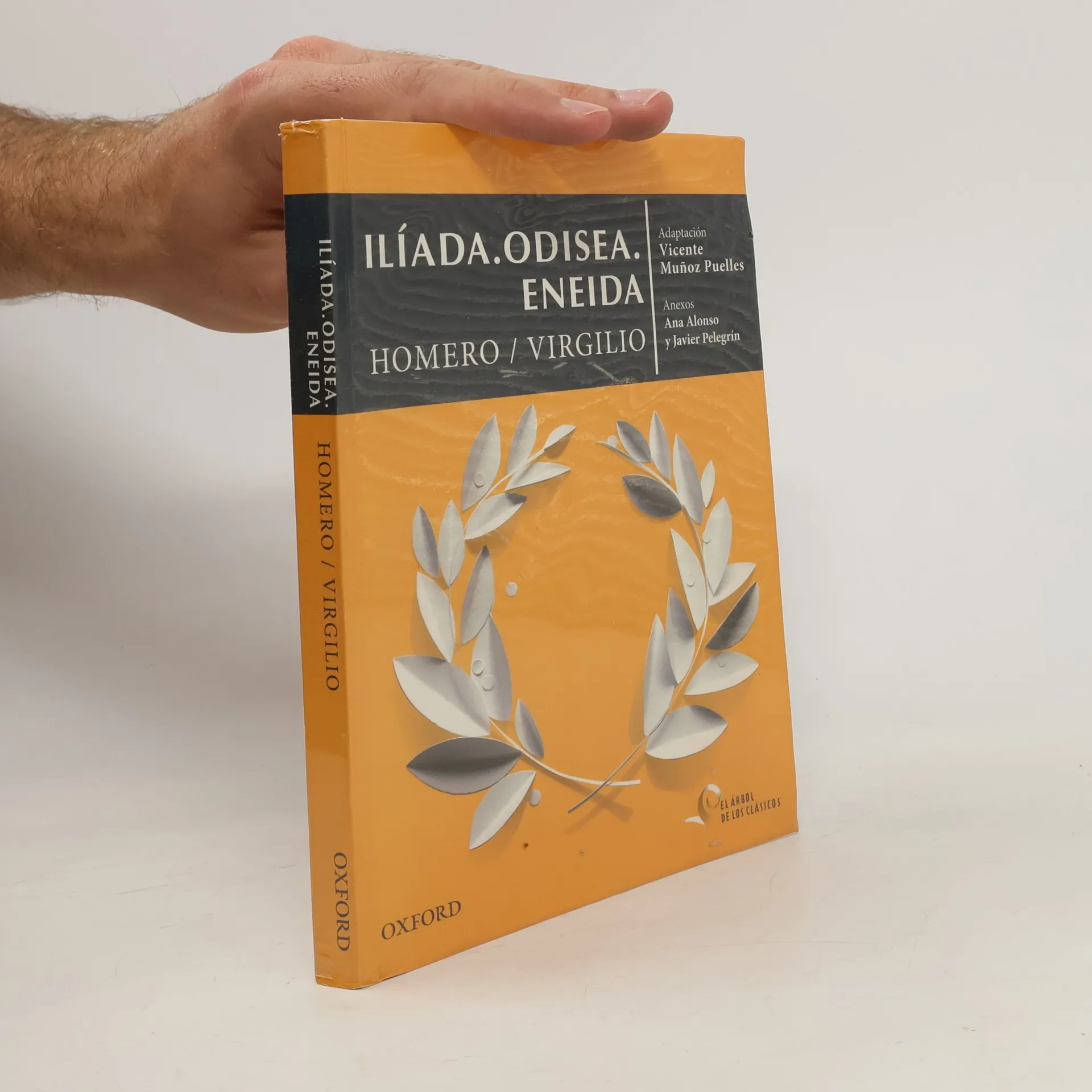
Ilíada. Odisea. Eneida
- 232 stránek
- 9 hodin čtení
Las historias de este libro están forjadas en una época en la que la guerra constituía una forma de vida y los héroes representaban el ideal al que todos aspiraban. Estos relatos hablan de compañerismo, de sacrificio o de la soledad de los personajes ante su destino. Aunque el mundo de hoy sea muy diferente, los problemas de los protagonistas de Homero y de Virgilio son también los de los lectores actuales. Y, aunque los dioses de griegos y romanos no estén aquí para ayudar o castigar a los seres humanos, sabemos que la vida es un viaje tan rico en aventuras como el del héroe Ulises, una travesía en la que lo importante no es adónde se llega, sino lo que se vive durante el camino. Published 2022-05-20
Aeneis
Kommentar
Aeneis
12 Gesänge
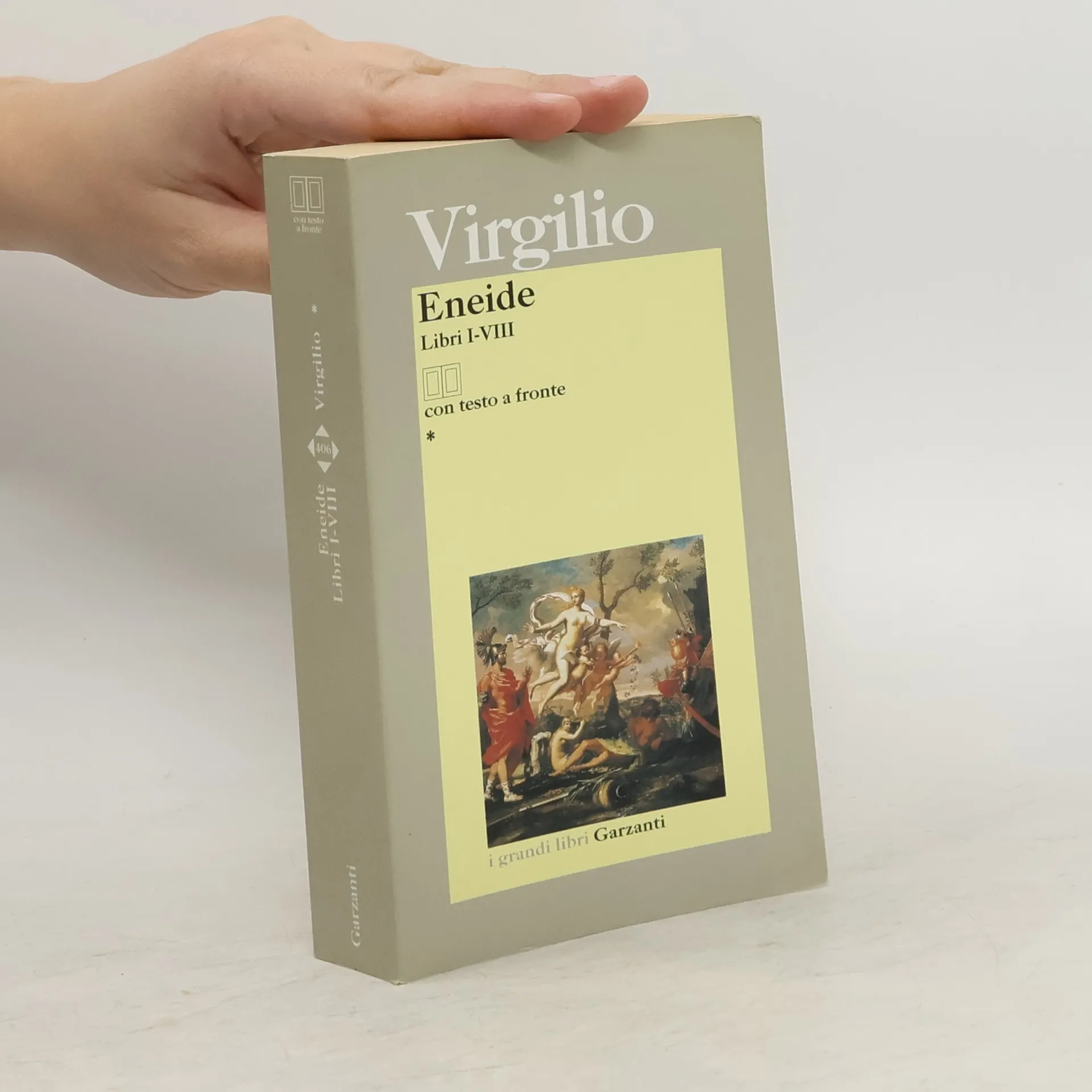
Eneide, Libri I-VIII
- 807 stránek
- 29 hodin čtení
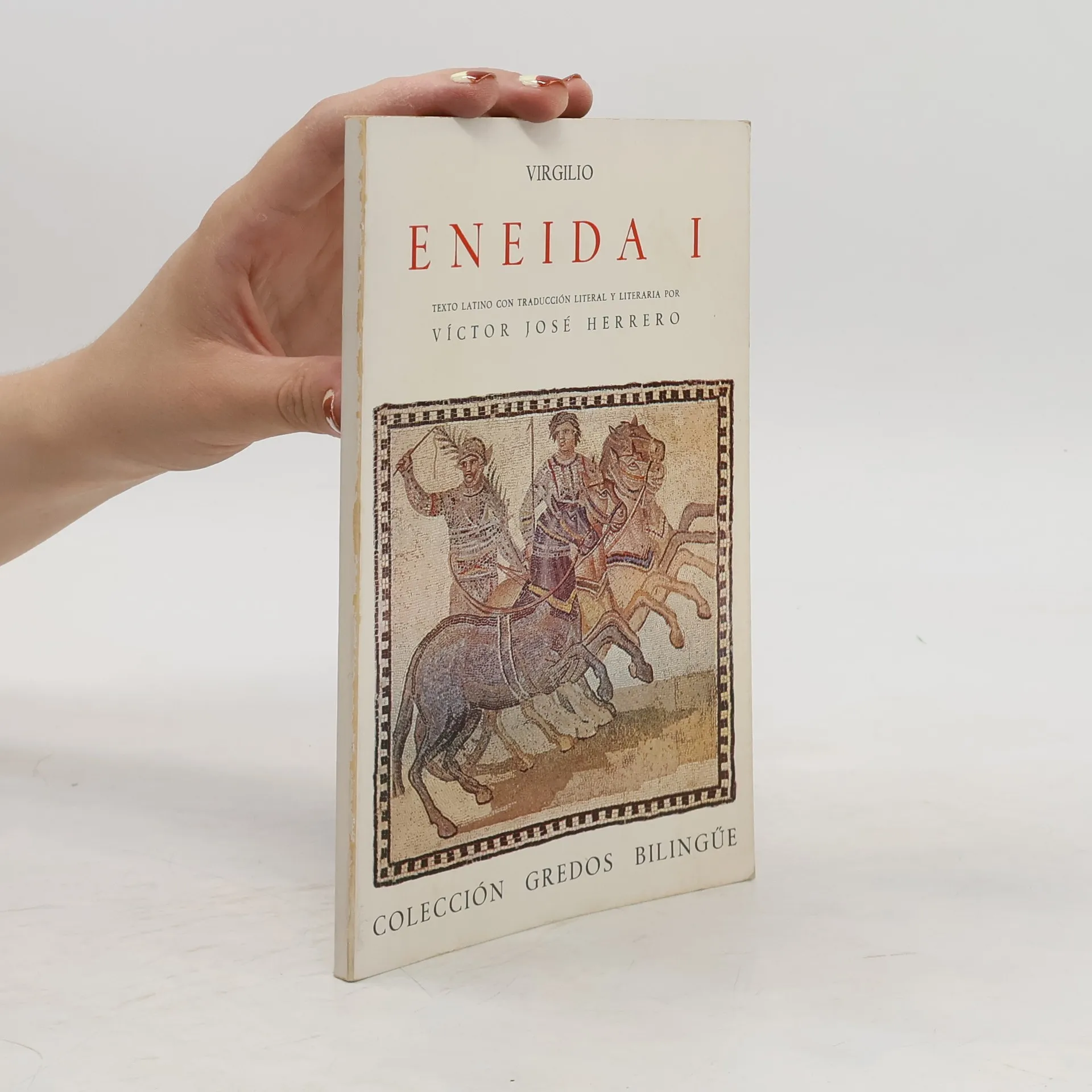
La eneida
- 127 stránek
- 5 hodin čtení
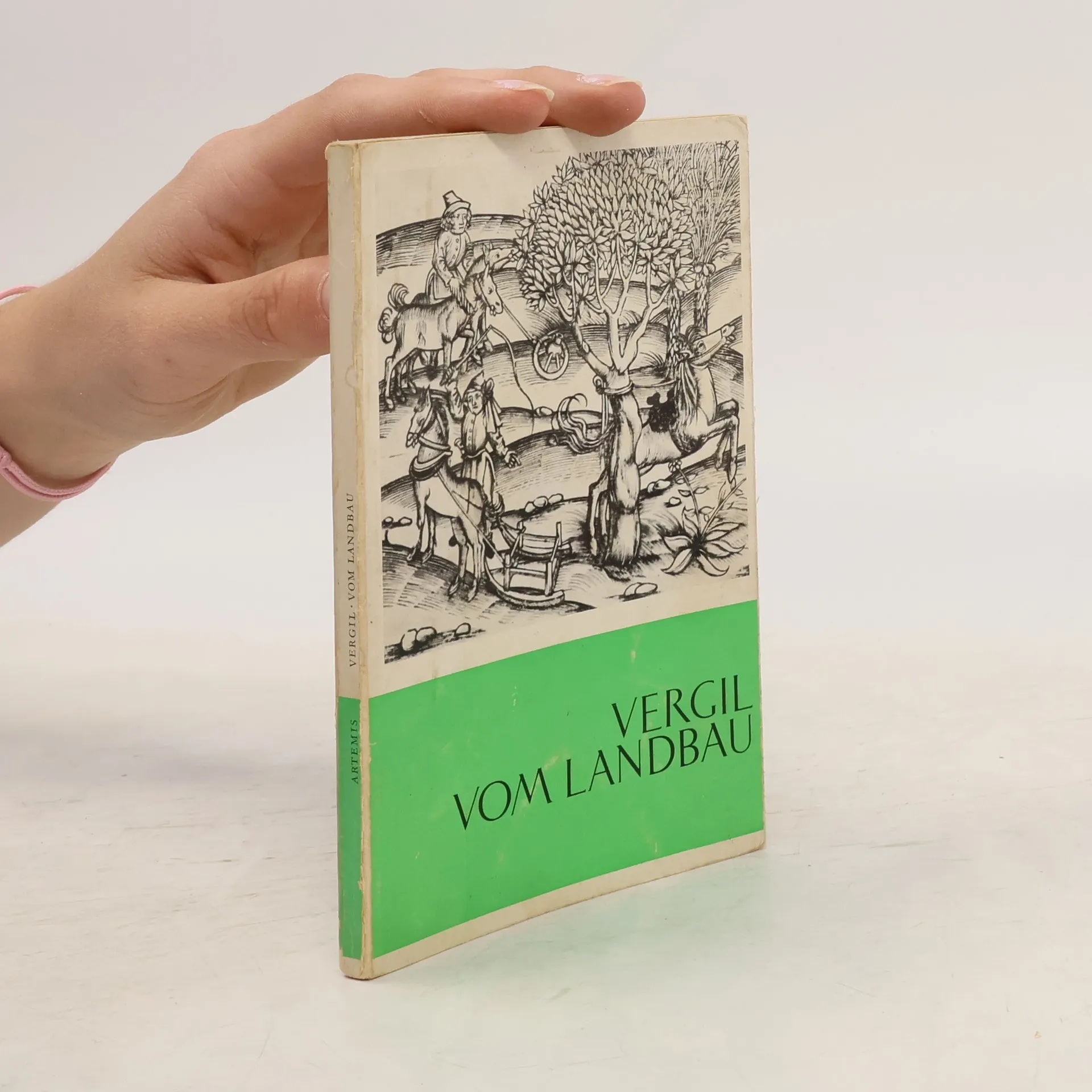
Landleben
Catalepton, Bucolica, Georgica
Буколики. оды
- 908 stránek
- 32 hodin čtení
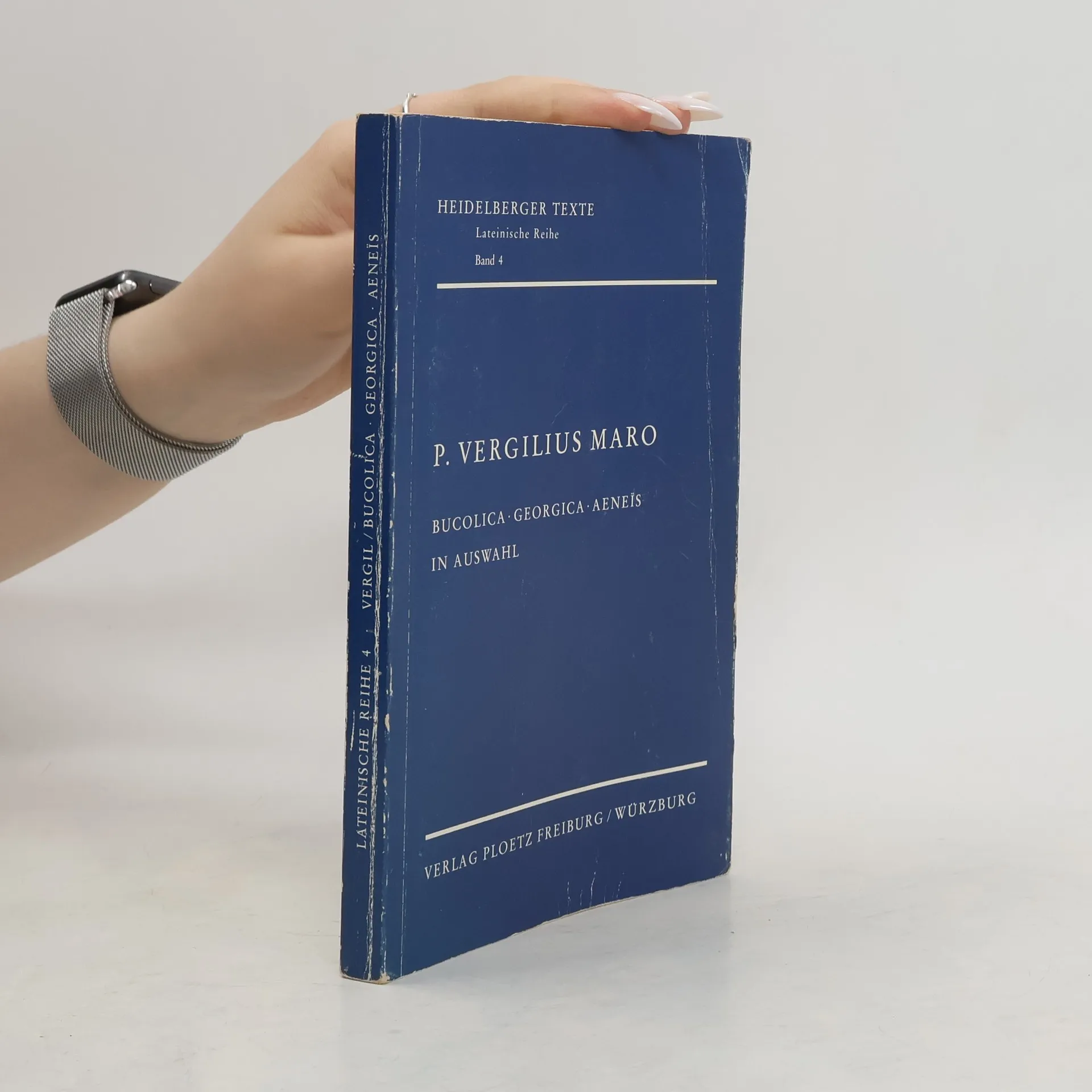
Bucolica, Georgica, Aenei͏̈s in Auswahl
- 256 stránek
- 9 hodin čtení
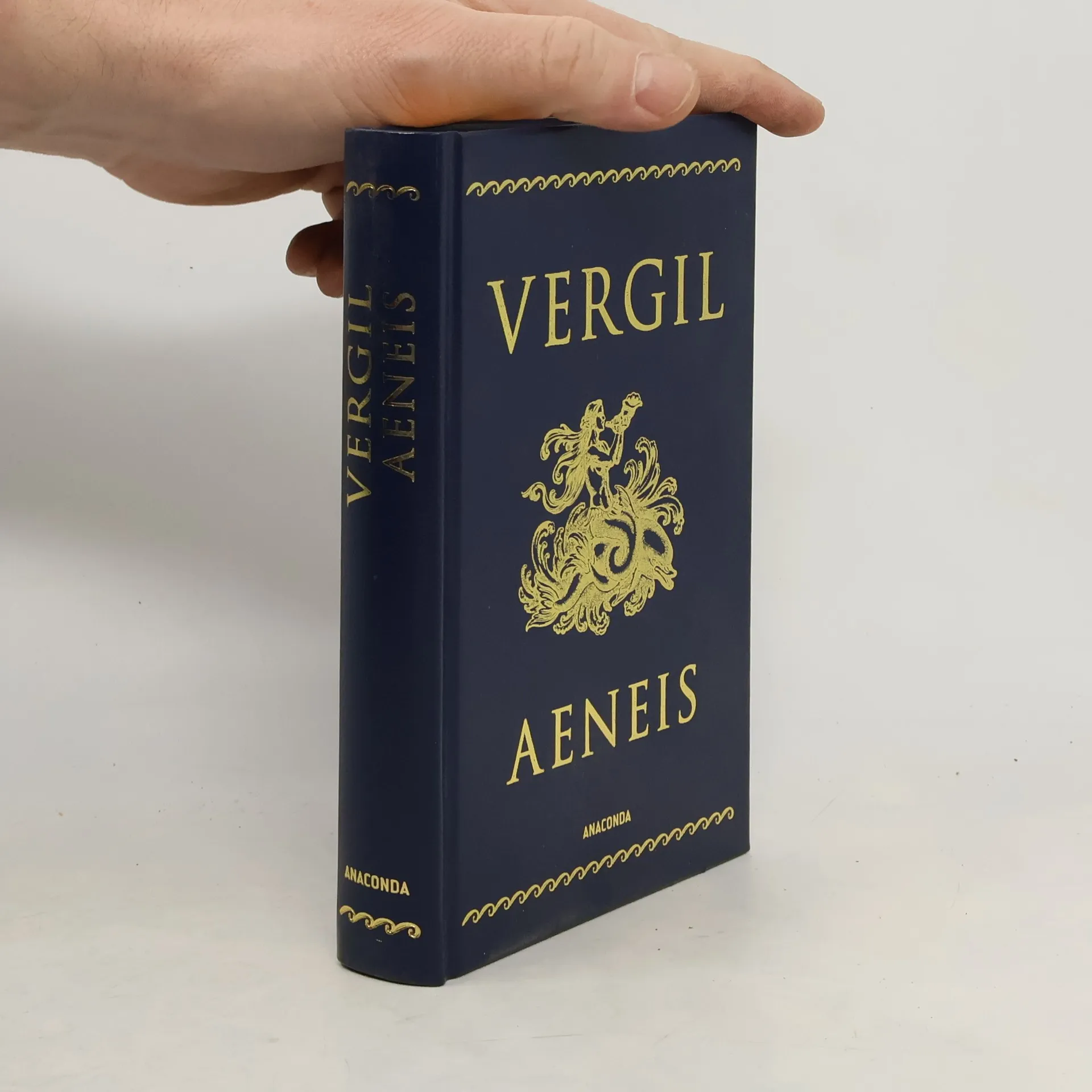
Aeneis
Klassisch gebunden in Cabra-Leder, mit Goldprägung
Die Geschichte der Irrfahrten des Aeneas bis zu dessen Ankunft in Latium galt lange als das Nationalepos der Römer, als Gründungsmythos des römischen Volkes und bis in die Neuzeit als Vorbild für wahrhaft große Dichtung. Die 'Aeneis', entstanden gegen Ende des ersten Jahrhunderts v. Chr., ist das bekannteste und das bedeutendste Werk der lateinischen Dichtkunst. Diese Geschenkausgabe erscheint in edlem Cabra-Leder.
Aeneis
Publius Vergilius Maro
Vergils Aeneis ist ein zentrales Werk der lateinischen Literatur und erzählt den Gründungsmythos des Römischen Reiches. Es knüpft an Homers Stil an und bietet trotz seines Versmaßes spannende Lesemomente. Das Epos thematisiert Frieden, Einheit und die römischen Tugenden von Kampf und Milde.
Vergil 2
- 119 stránek
- 5 hodin čtení
Vergil 1
- 127 stránek
- 5 hodin čtení