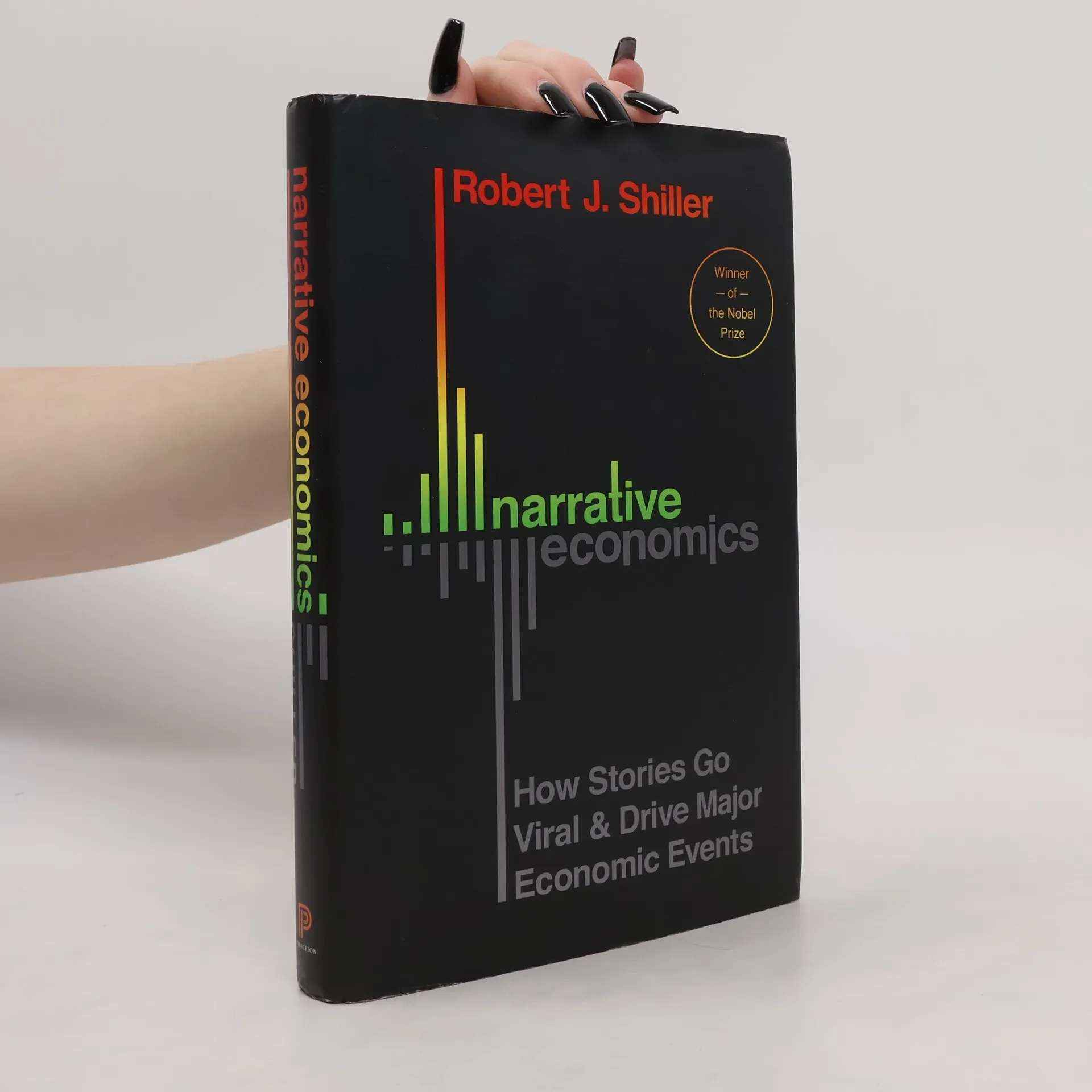



叙事经济学
- 355 stránek
- 13 hodin čtení
諾貝爾經濟學獎得主羅伯特·希勒借鑒了流行病學模型,為讀者提供了思考流行敘事影響經濟和社會生活的全新視角.通過諸多重大事件的回顧,輔以資料分析,希勒展示了流行敘事對歷史進程及其中的個體人生的深刻影響,表明對這些流行敘事的經濟學思考,可以提高對金融危機,衰退,蕭條和其他經濟事件的預測能力,幫助我們未雨綢繆,將各種負面衝擊的危害降到更低.
Robert Shiller je americký ekonom a autor, který se zaměřuje na behaviorální ekonomii a její dopad na finanční trhy. Jeho práce zkoumá psychologické faktory, které ovlivňují ekonomická rozhodnutí, a způsoby, jakými tyto faktory vedou k tržním bublinám a krizím. Shillerovy analýzy zdůrazňují význam sociálních narativů a iracionálního chování při formování ekonomické reality. Jeho cílem je poukázat na inherentní nestabilitu finančních systémů a navrhnout způsoby, jak dosáhnout větší stability.


諾貝爾經濟學獎得主羅伯特·希勒借鑒了流行病學模型,為讀者提供了思考流行敘事影響經濟和社會生活的全新視角.通過諸多重大事件的回顧,輔以資料分析,希勒展示了流行敘事對歷史進程及其中的個體人生的深刻影響,表明對這些流行敘事的經濟學思考,可以提高對金融危機,衰退,蕭條和其他經濟事件的預測能力,幫助我們未雨綢繆,將各種負面衝擊的危害降到更低.
Wie Geschichten die Wirtschaft beeinflussen - ein revolutionärer Erklärungsansatz
„Tech-Aktien steigen immer!“ „Immobilienpreise fallen nie!“ Stimmt das wirklich? Ob wahr oder nicht, solche Narrative, oder einfacher gesagt Geschichten, beeinflussen das Verhalten von Menschen und somit auch die Wirtschaft massiv. Wie entstehen Narrative? Wie gehen sie viral, wie gewinnen sie an Einfluss, wann verlieren sie diesen wieder? Welche Auswirkungen haben sie? Und, last, but not least: Wie lassen sich mit ihnen ökonomische Zusammenhänge und Entwicklungen besser verstehen und vorhersagen? Diese Fragen untersucht Wirtschafts-Nobelpreisträger Robert J. Shiller in seinem vielleicht wichtigsten Buch.
"Economists have long based their forecasts on financial aggregates such as price-earnings ratios, asset prices, and exchange rate fluctuations, and used them to produce statistically informed speculations about the future--with limited success. Robert Shiller employs such aggregates in his own forecasts, but has famously complemented them with observations about the influence of mass psychology on certain events. This approach has come to be known as behavioral economics. How can economists effectively capture the effects of psychology and its influence on economic events and change? Shiller attempts to help us better understand how psychology affects events by explaining how popular economic stories arise, how they grow viral, and ultimately how they drive economic developments. After defining narrative economics in the book's preface with allusions to the advent of both the Great Depression and to World War II, Shiller presents an example of a recent economic narrative gone viral in the story of Bitcoin. Next, he explains how narrative economics works with reference to how other disciplines incorporate narrative into their analyses and also to how epidemiology explains how disease goes viral. He then presents accounts of recurring economic narratives, including the gold standard, real estate booms, war and depression, and stock market booms and crashes. He ends his book with a blueprint for future research by economists on narrative economics"-- Provided by publisher
Ve své provokativní a v mnoha směrech radikální, jasně, srozumitelně a čtivě napsané publikaci, plné přesvědčivých a výstižných příkladů ze života, její autoři, nositelé Nobelovy ceny za ekonomii, zpochybňují klasickou tezi moderní ekonomie, tradovanou již od dob Adama Smithe, že neviditelná ruka trhu vždy přináší materiální blahobyt. Autoři na mnoha příkladech dokládají, že trh může být jak prospěšný, tak může člověku škodit, protože není imunní vůči využívání triků a pastí, jež z lidí dělají „dojné krávy“. Soustřeďují se na moderní způsoby podvodného jednání a psychologického nátlaku.
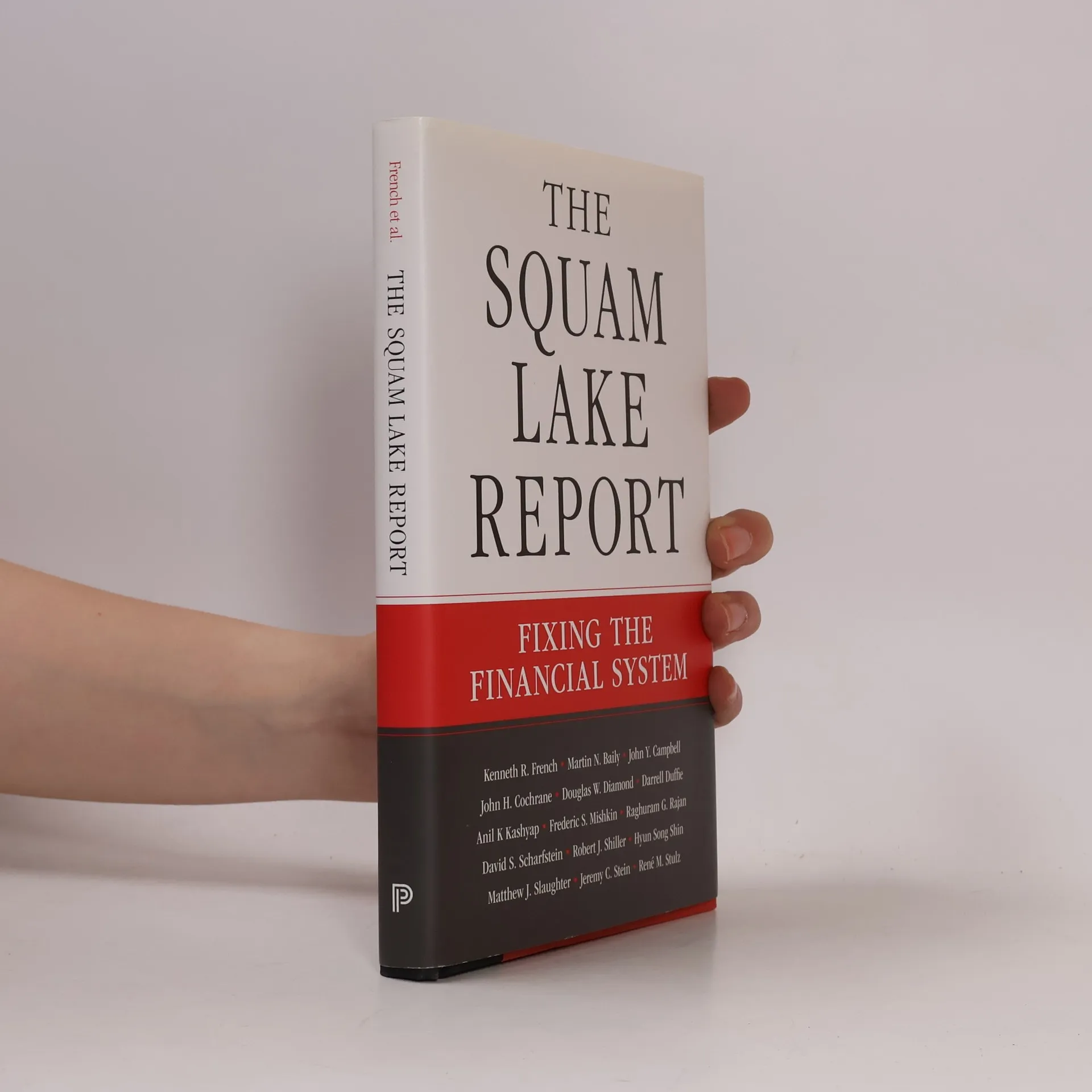
Argues that finance should be defined not merely as the manipulation of money or the management of risk but as the stewardship of society's assets, and that new ways to rechannel financial creativity to benefit society as a whole are needed.
The reputation of the financial industry could hardly be worse than it is today in the painful aftermath of the 2008 financial crisis. In this book, the author argues that, rather than condemning finance, we need to reclaim it for the common good. It shows how society can once again harness the power of finance for the greater good.
Jak lidská psychologie řídí ekonomiku. Ekonomické dění neurčují jen racionální lidské motivy, měřitelné proměnné či matematicky vyjádřitelné vztahy, v ekonomice působí též mocné psychologické síly, které duchovní otec této teorie, John Maynard Keynes, nazval animal spirits - živočišné pudy. Tyto pudy srozumitelně objasňují, jak působí takové jevy jako hospodářské krize, nezaměstnanost, míra úspor, výkyvy cen akcií či nemovitostí a chudoba menšin. Oba autoři patří do první stovky nejvýznamnějších světových ekonomů současnosti, George Akerlof je nositelem Nobelovy ceny za ekonomii (2000, s J. Stiglitzem a M. Spencem), Robert Shiller je profesorem ekonomie na Yaleově univerzitě a autorem několika bestsellerů (např. Irrational Exuberance, česky Investiční horečka, 2010, a The Subprime Solution). Podle autorů jsou živočišné pudy jednou z hlavních příčin současné krize, k jejímuž řešení je nutná aktivnější úloha státu.
The subprime mortgage crisis has already wreaked havoc on the lives of millions of people and now it threatens to derail the U.S. economy and economies around the world. In this trenchant book, best-selling economist Robert Shiller reveals the origins of this crisis and puts forward bold measures to solve it. He calls for an aggressive response--a restructuring of the institutional foundations of the financial system that will not only allow people once again to buy and sell homes with confidence, but will create the conditions for greater prosperity in America and throughout the deeply interconnected world economy. Shiller blames the subprime crisis on the irrational exuberance that drove the economy's two most recent bubbles--in stocks in the 1990s and in housing between 2000 and 2007. He shows how these bubbles led to the dangerous overextension of credit now resulting in foreclosures, bankruptcies, and write-offs, as well as a global credit crunch. To restore confidence in the markets, Shiller argues, bailouts are needed in the short run. But he insists that these bailouts must be targeted at low-income victims of subprime deals. In the longer term, the subprime solution will require leaders to revamp the financial framework by deploying an ambitious package of initiatives to inhibit the formation of bubbles and limit risks, including better financial information; simplified legal contracts and regulations; expanded markets for managing risks; home equity insurance policies; income-linked home loans; and new measures to protect consumers against hidden inflationary effects. This powerful book is essential reading for anyone who wants to understand how we got into the subprime mess--and how we can get out.
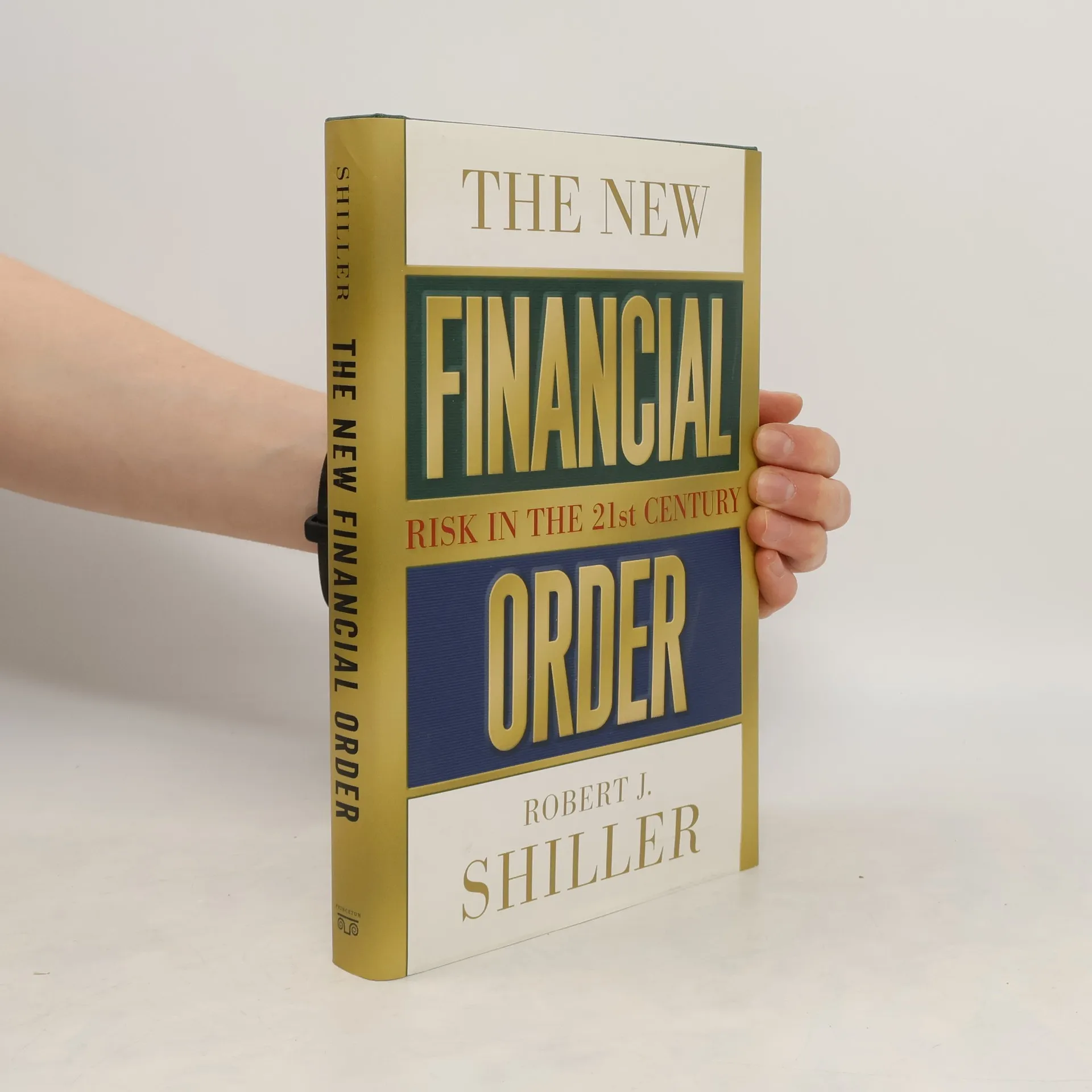
Examines the impact of a rapidly evolving global economy on the twenty-first century financial world and presents six fundamental principles for using information technology and advanced financial theory to hedge risk.
Kniha (v originálu Irrational Exuberance) je vyústěním celoživotní práce profesora ekonomie z Yale Roberta Shillera v oblasti nazývané behavioral finance a je i vlajkovou lodí jeho publikací. Dokonce podle ní nazval i internetové stránky (http://www.irrationalexuberance.com). V této knize prof. R. Shiller předpověděl vývoj světového hospodářství – recesi, uvádí kombinaci faktorů, které vyhnaly cenu akcií tak vysoko. Varuje investory před nesmyslným nadšením, nabádá je, aby uvažovali o diverzifikaci. Upozorňuje, že vnímané dlouhodobé riziko je velice nízké, emoce a zvýšený zájem o akciový trh vytváří touhu „dostat se do hry“. Varuje před nerozumnou rozjařeností v USA i na ostatních trzích. Kapitolu věnuje i vrtkavosti trhu s nemovitostmi. Kniha je napsána velmi čtivým stylem, je určena pro širokou veřejnost. Tento světový bestseller by si měl přečíst každý, kdo vsadil svou budoucnost na úspěch trhu.